Glow Worms, Te Anau, NZ (February 3, 2026)
Imagine entering a cave, looking up and seeing what appears to be a night sky inside the cave. That’s the best way I can describe what it’s like to witness the Glowworm Caves in Te Anau, New Zealand.
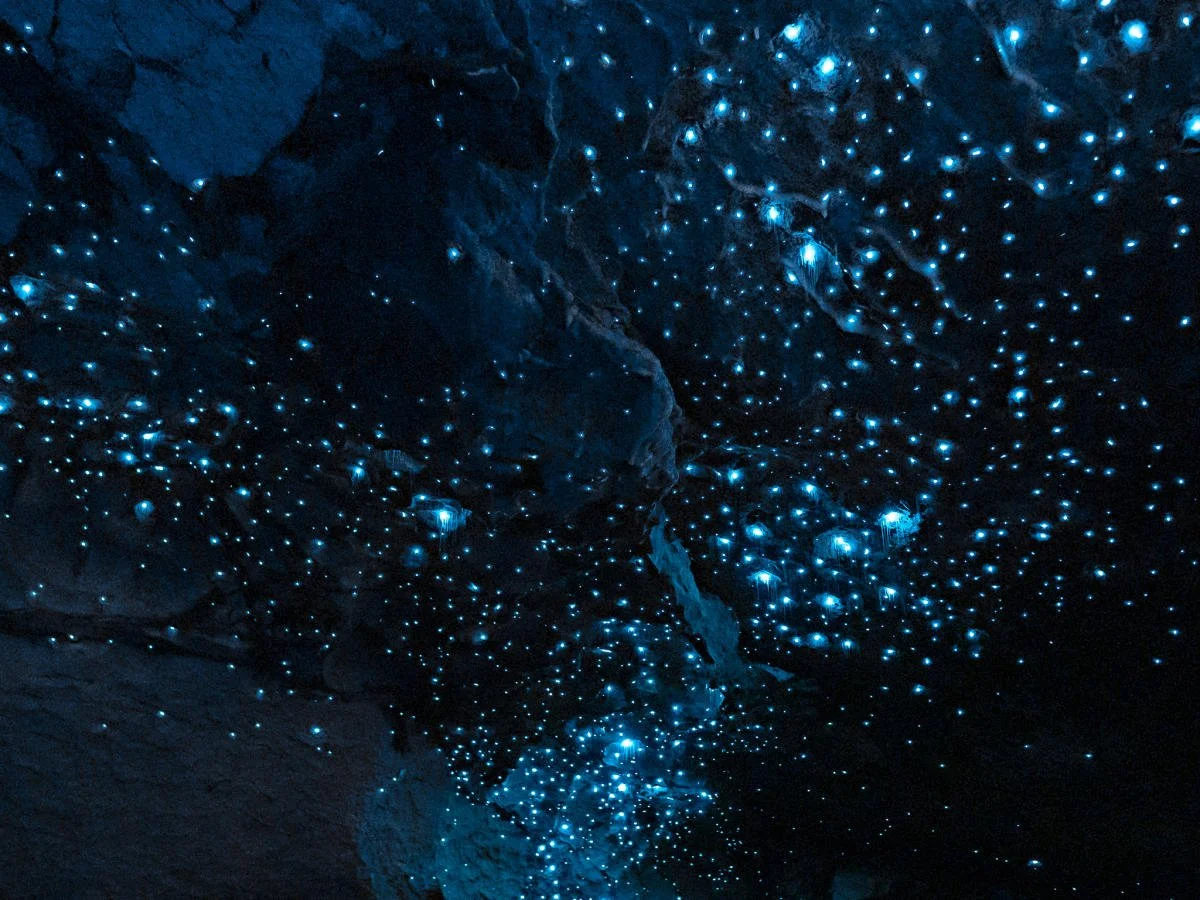
What it looks like once you are inside a Glowworm Caves
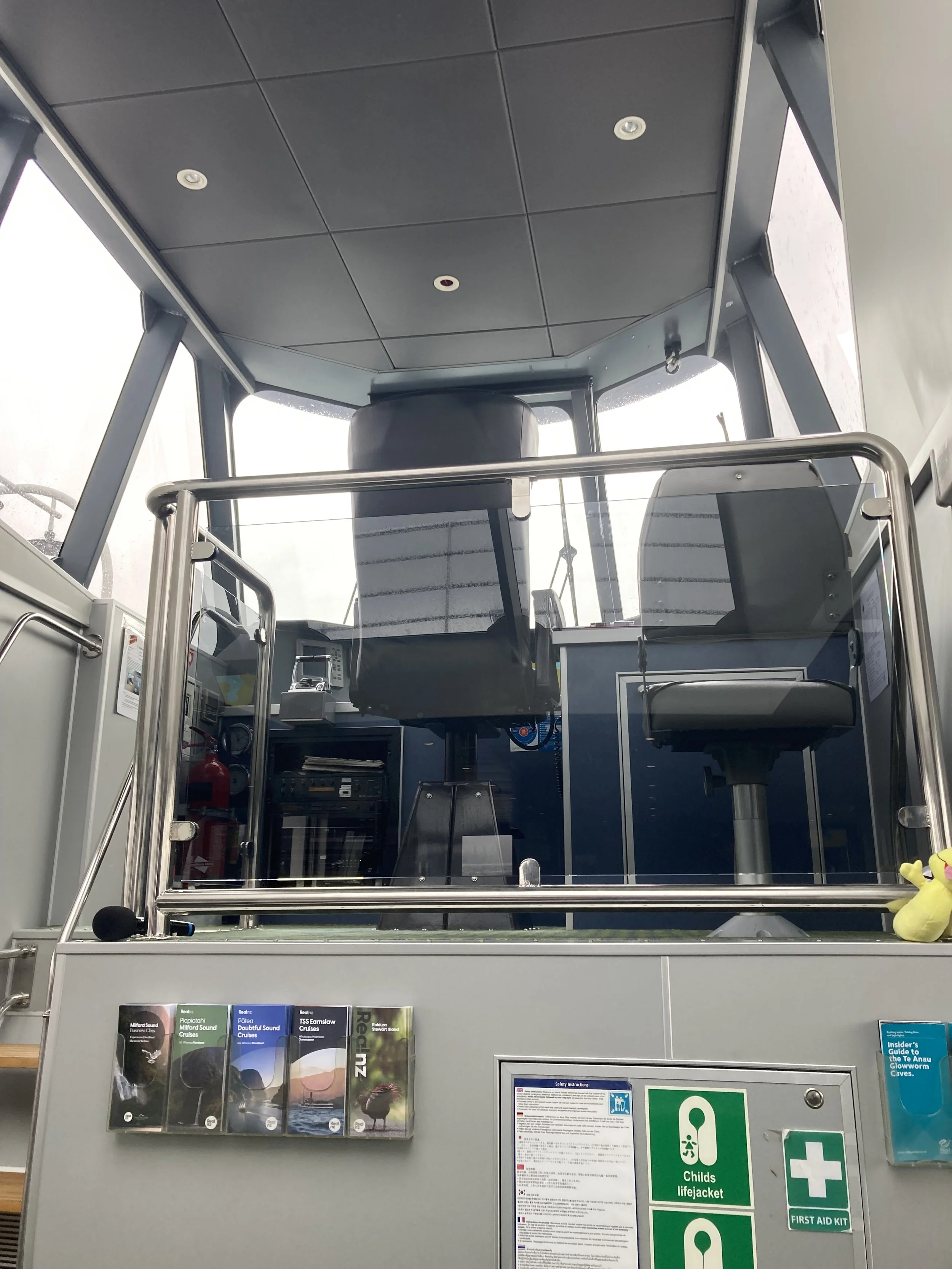
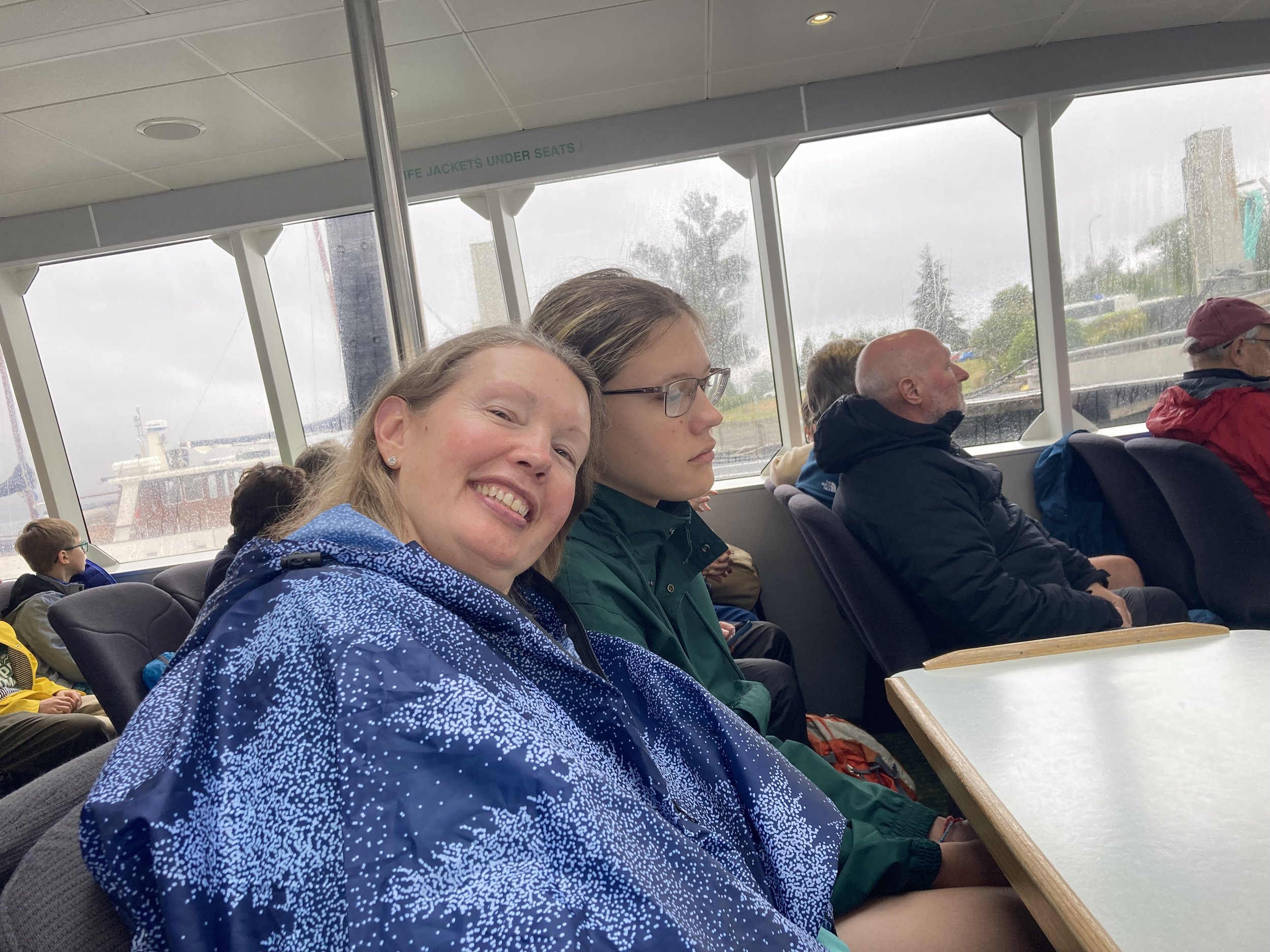
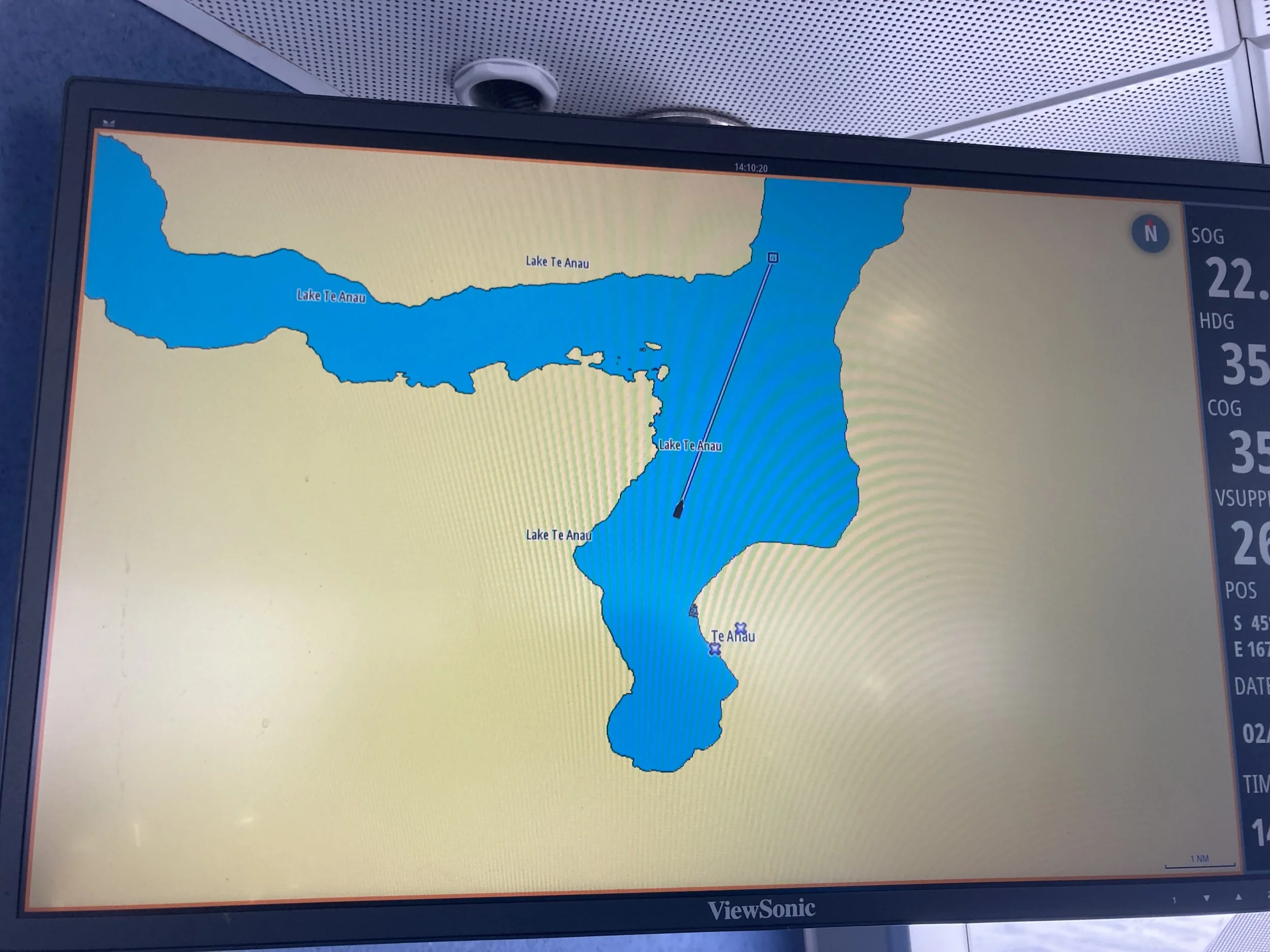
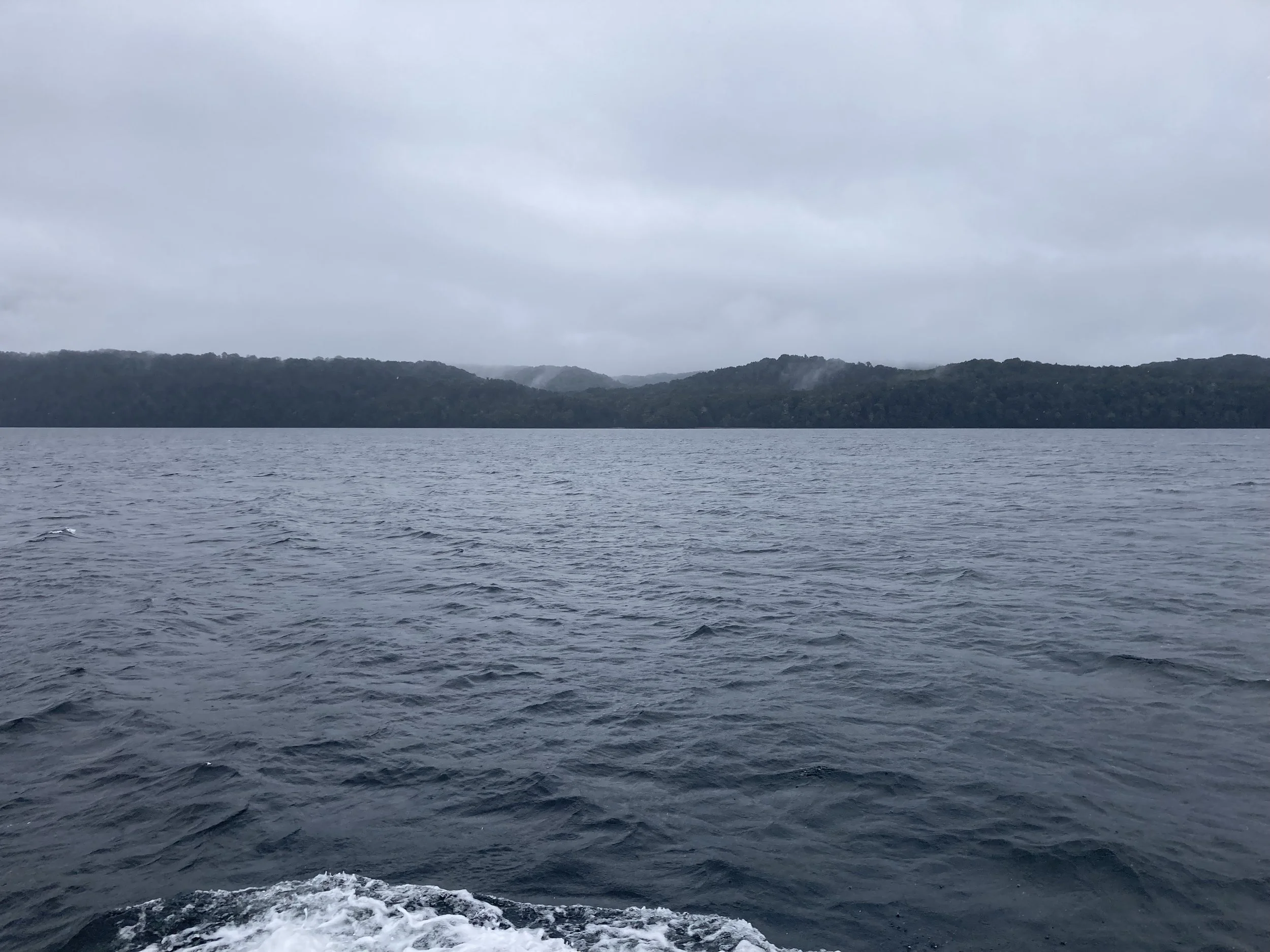
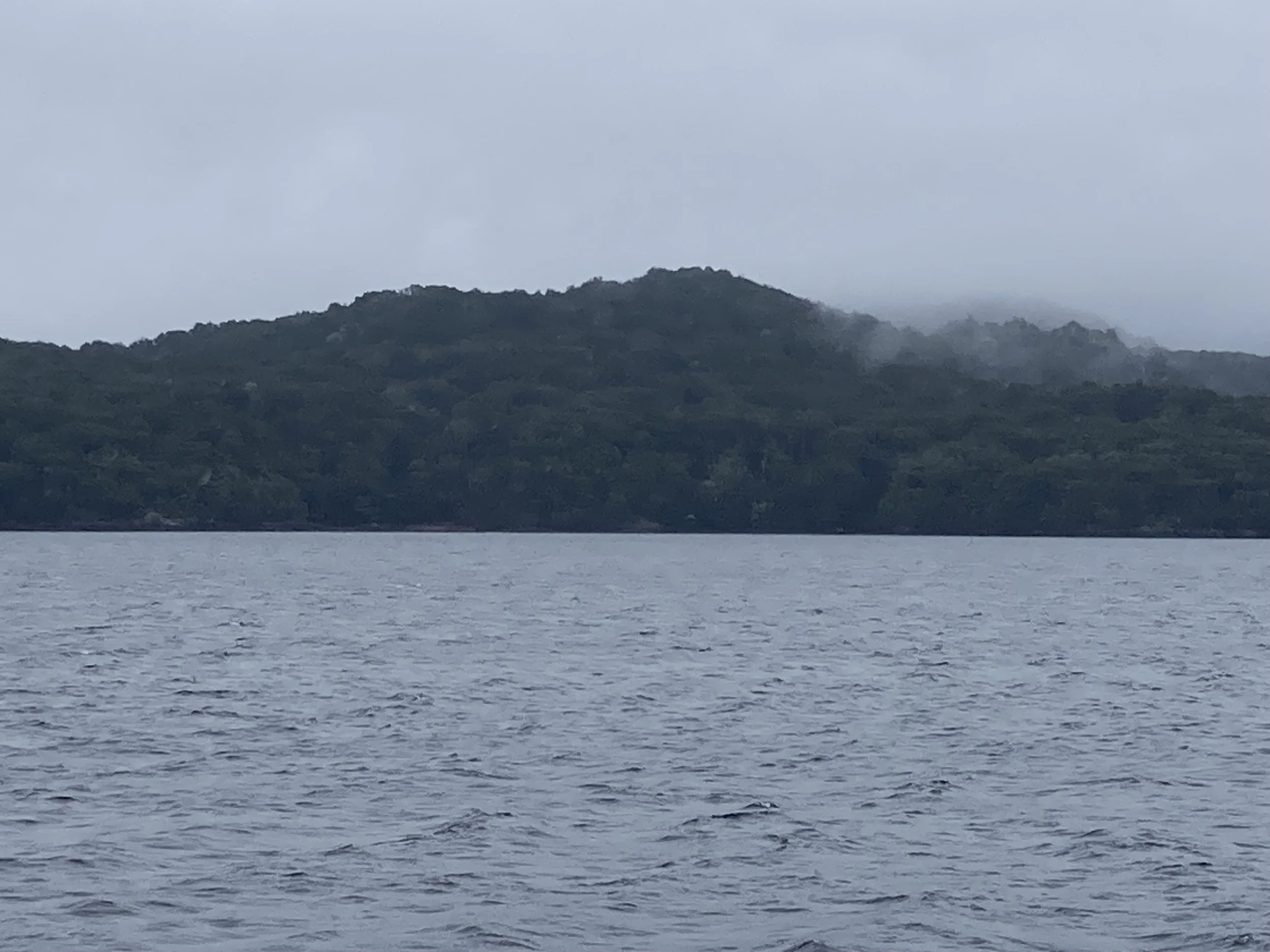
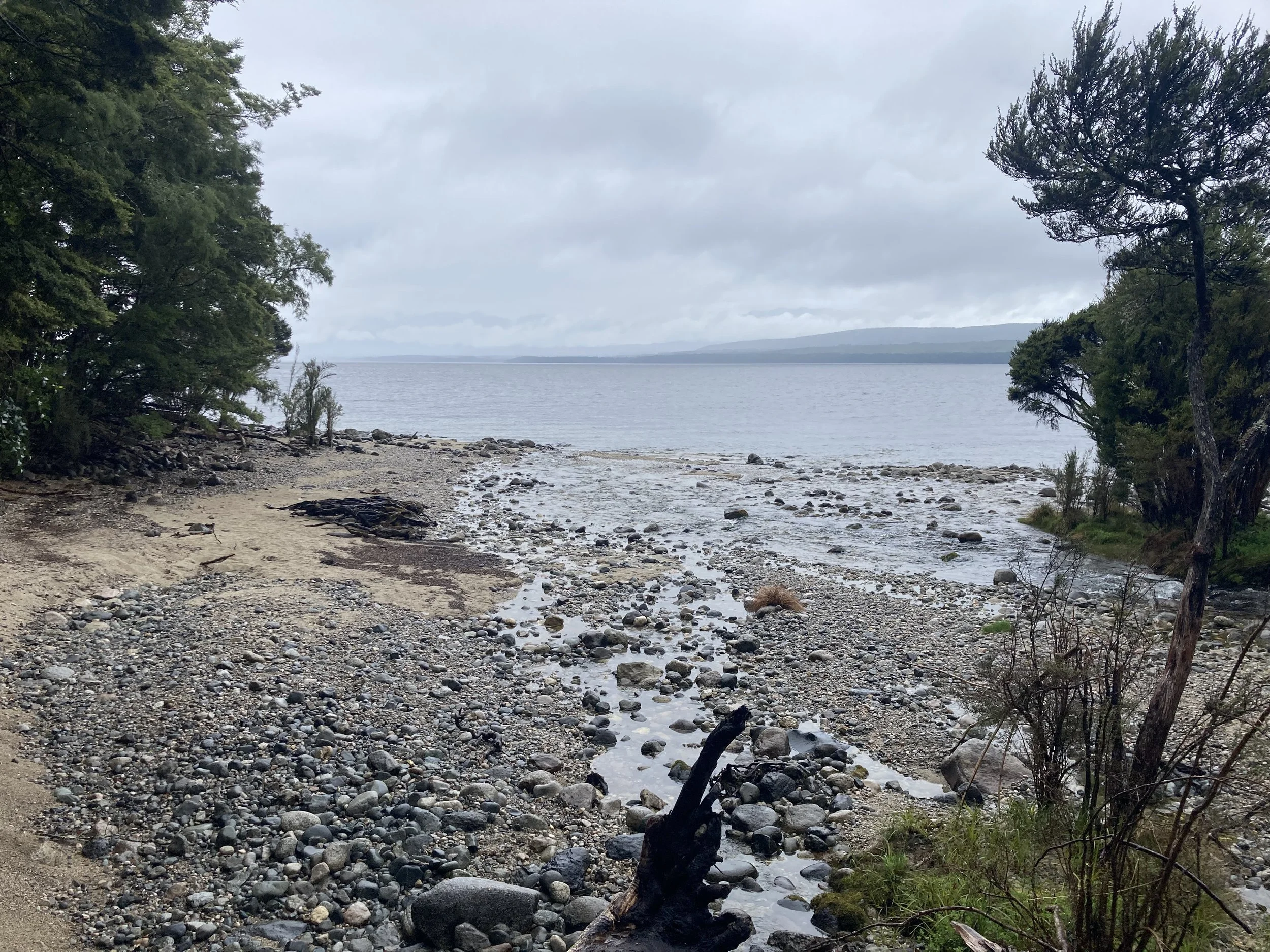
Elena, Violet and I took a boat to the caves, had a guided tour, and then took the boat back for a full experience. Had it not been raining, the boat trip to and from the Glowworm Caves would have been really beautiful. At it was, the clouds were hanging low and there wasn’t much to see. Still fun adventure overall.






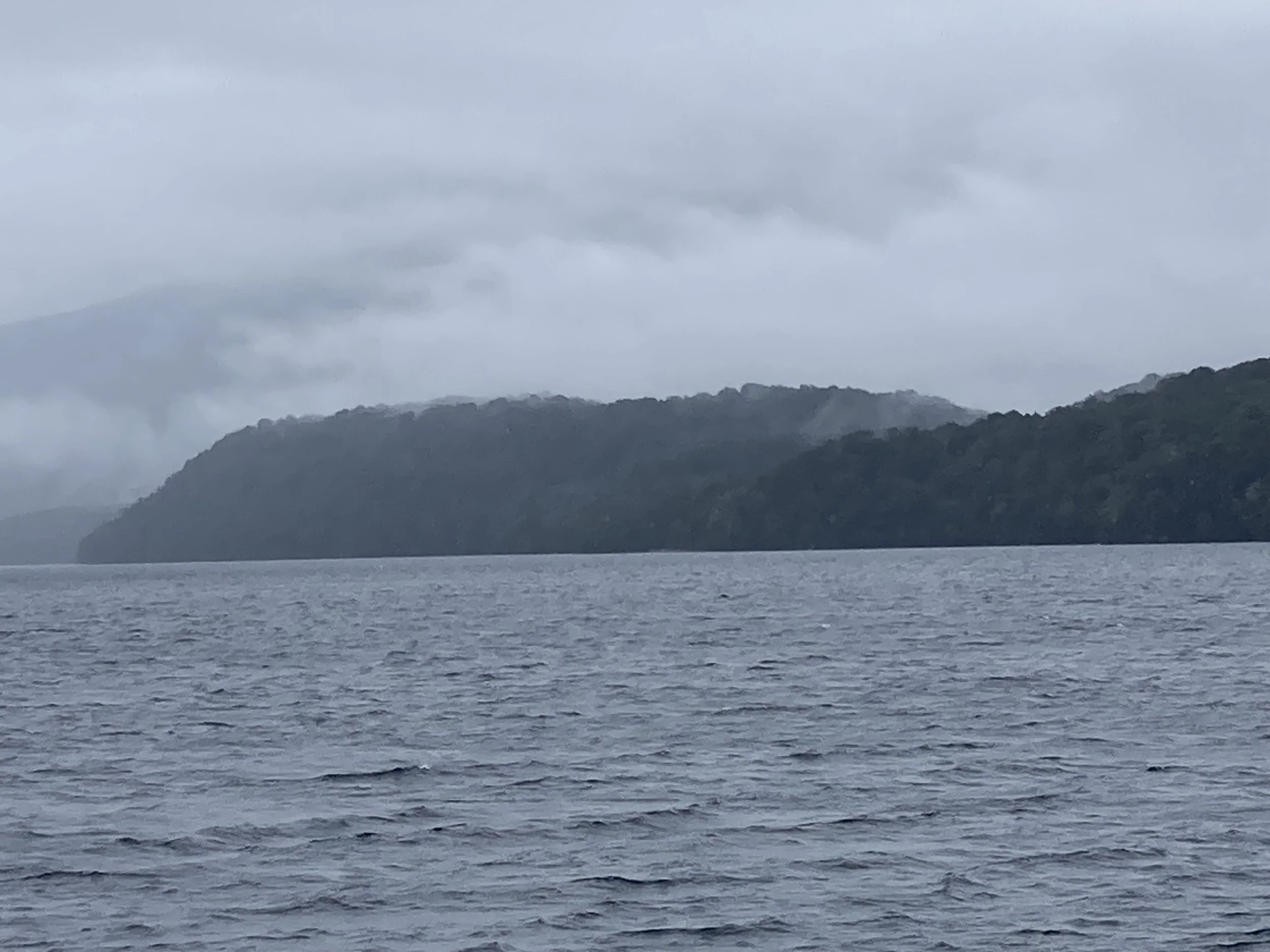
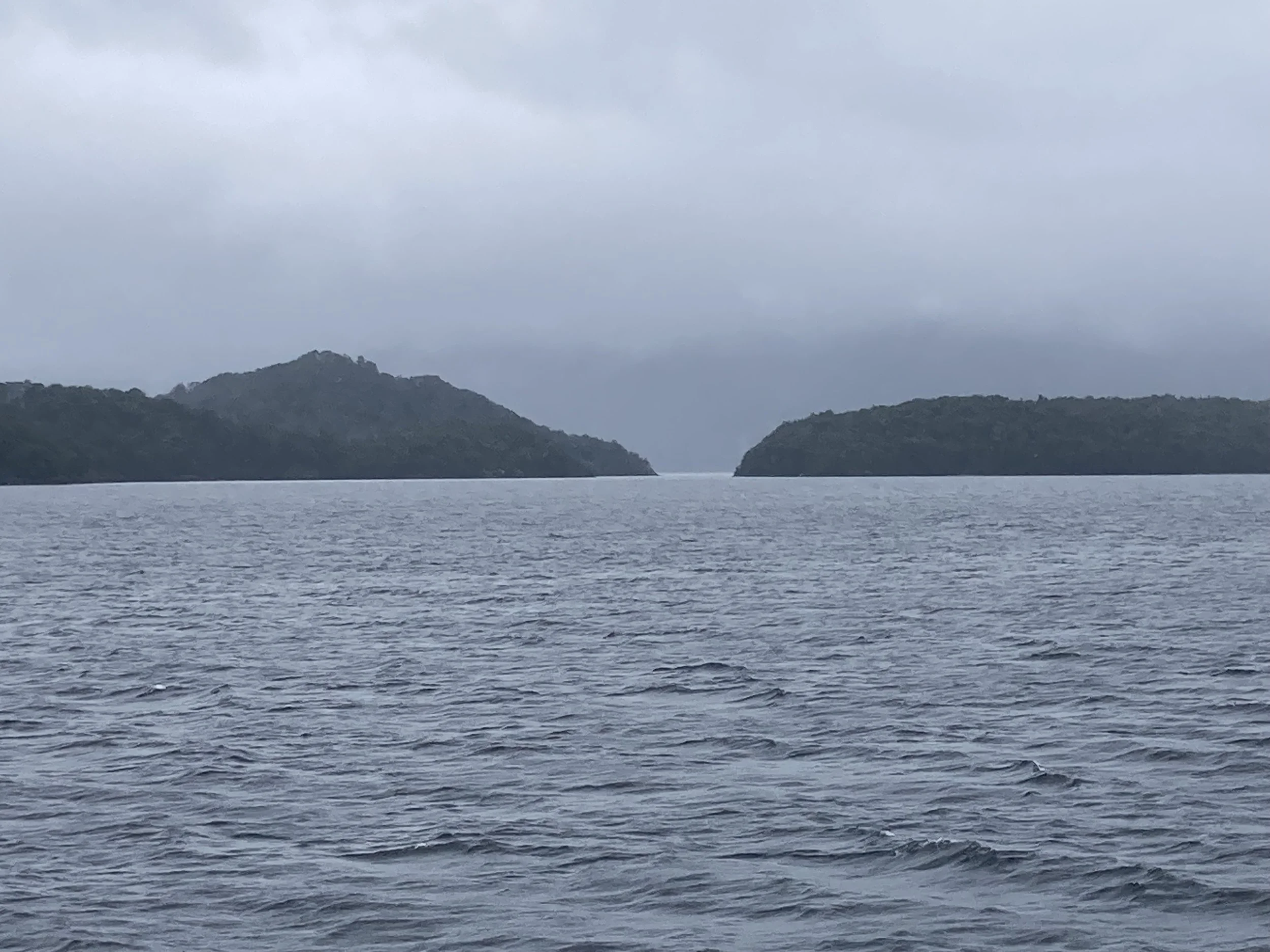

The island we visited is protected because a flightless bird lives here. No, not the Kiwi, this flightless bird is called the Takahe. Thought to be extinct, it was rediscovered on this island in Te Anau where the Glowworms also reside.
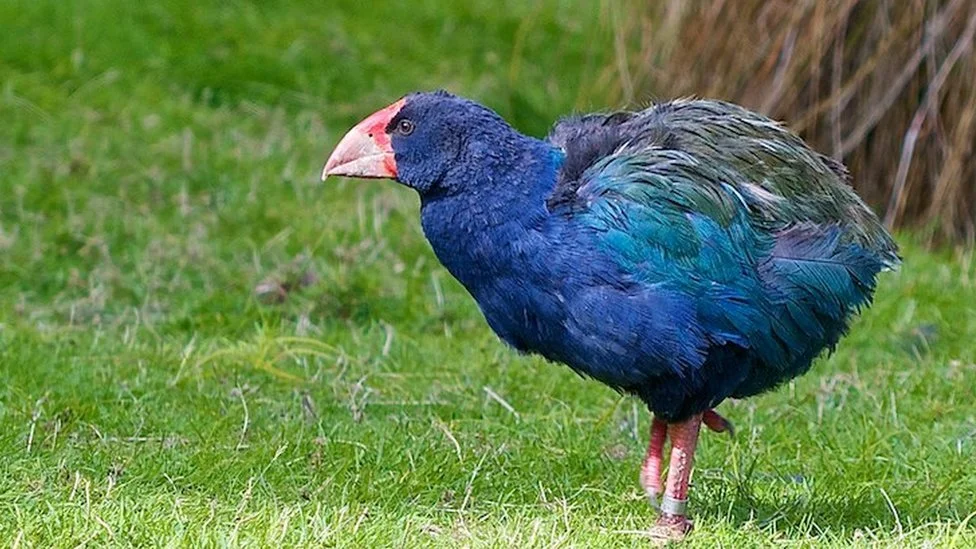
The Takahe bird is both flightless and protected in New Zealand
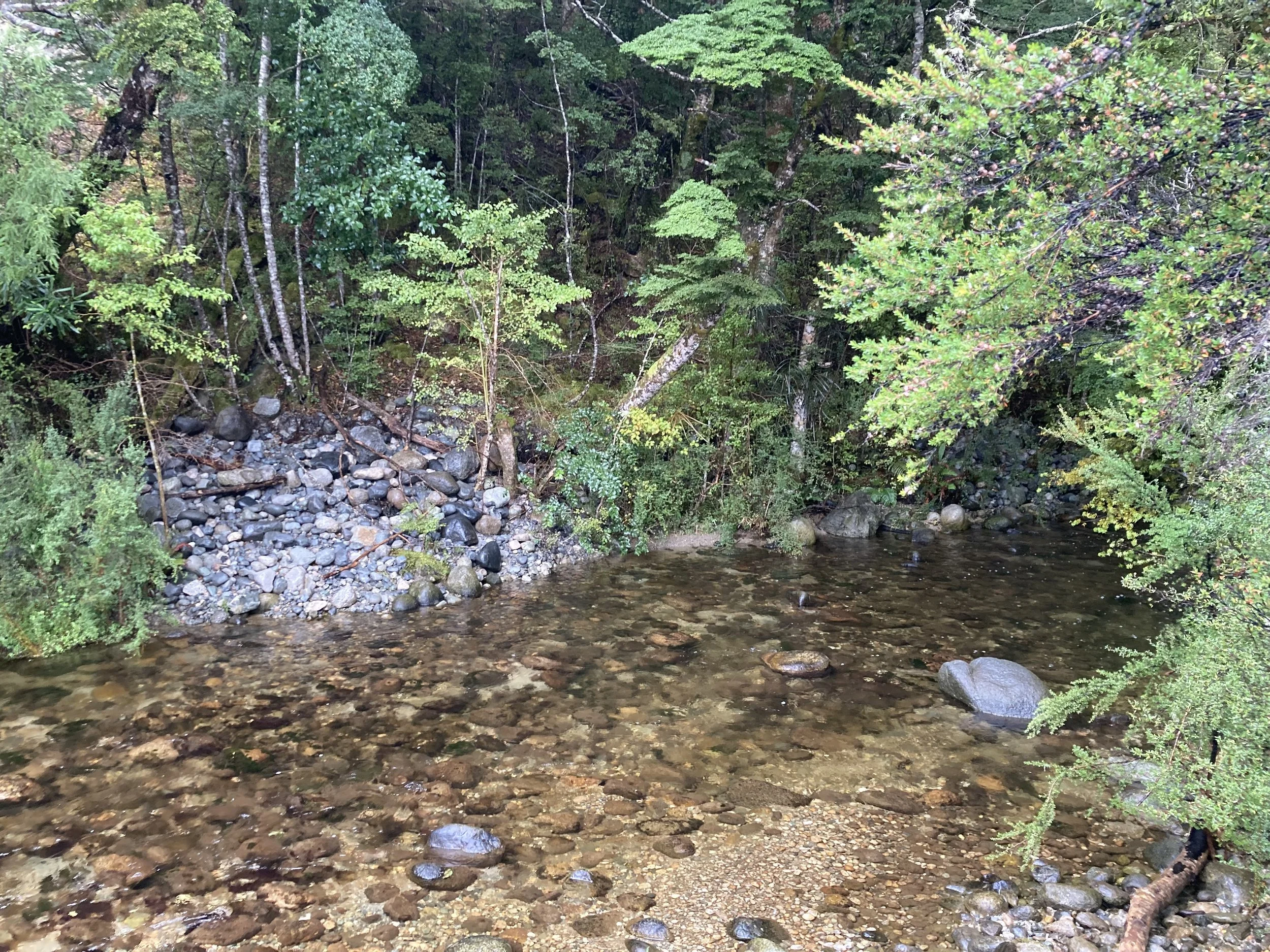
Getting to the Glowworm Caves was quite beautiful. The island (being protected and all) has a very well-structured process for getting people from their boats to the caves with minimal damage to the environment. And yet, we get to take in the wild surroundings from the island itself.
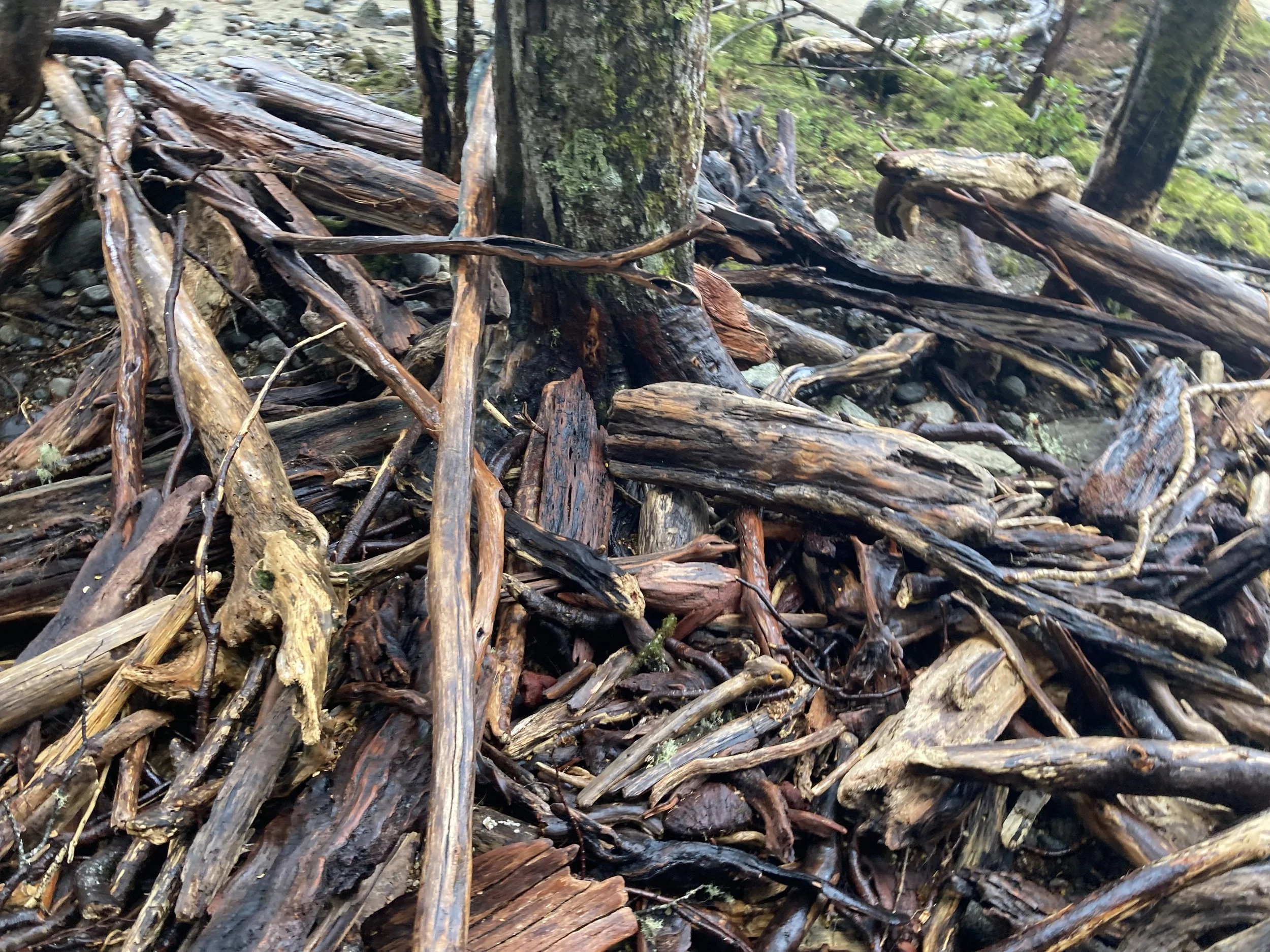
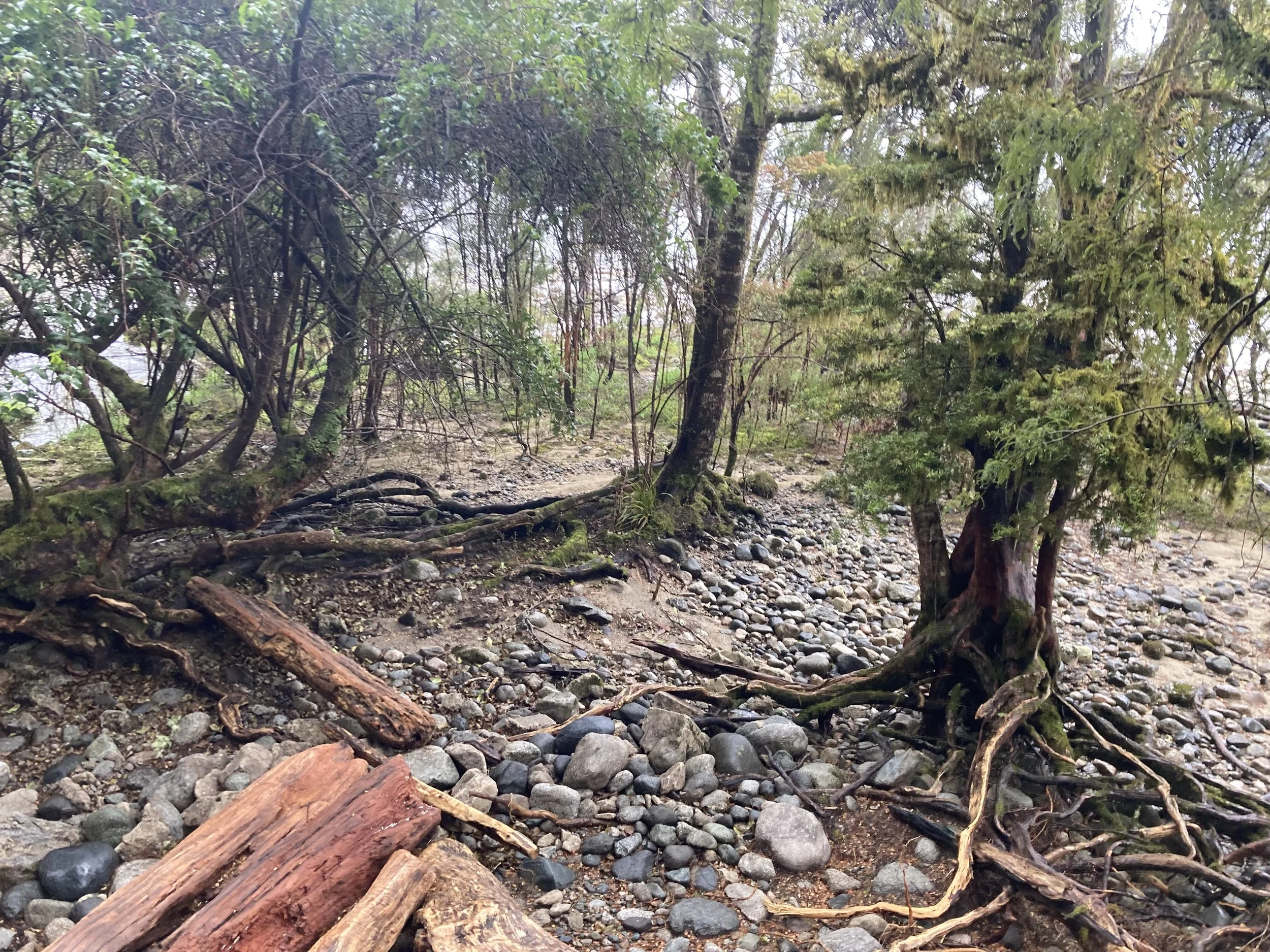
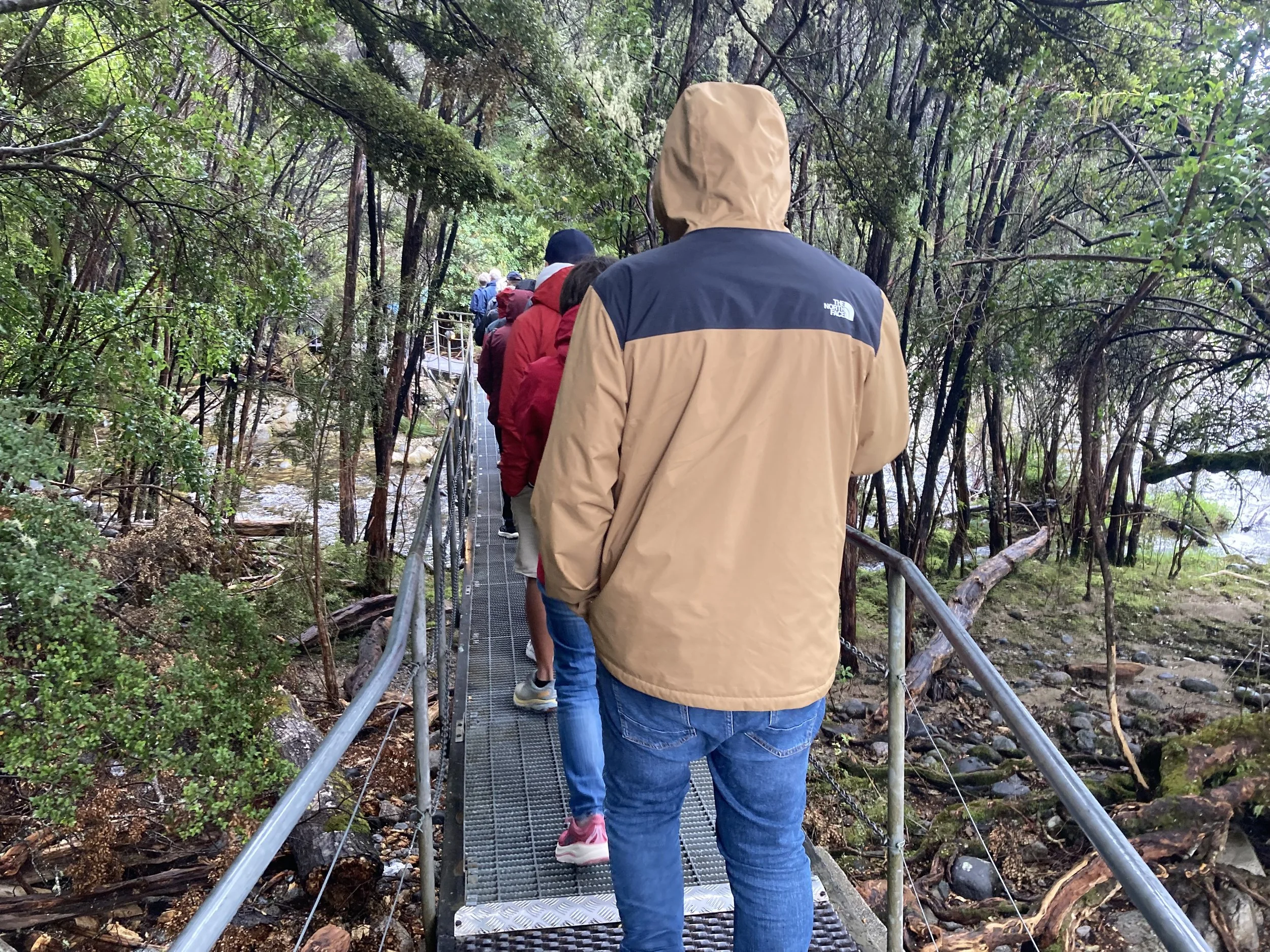
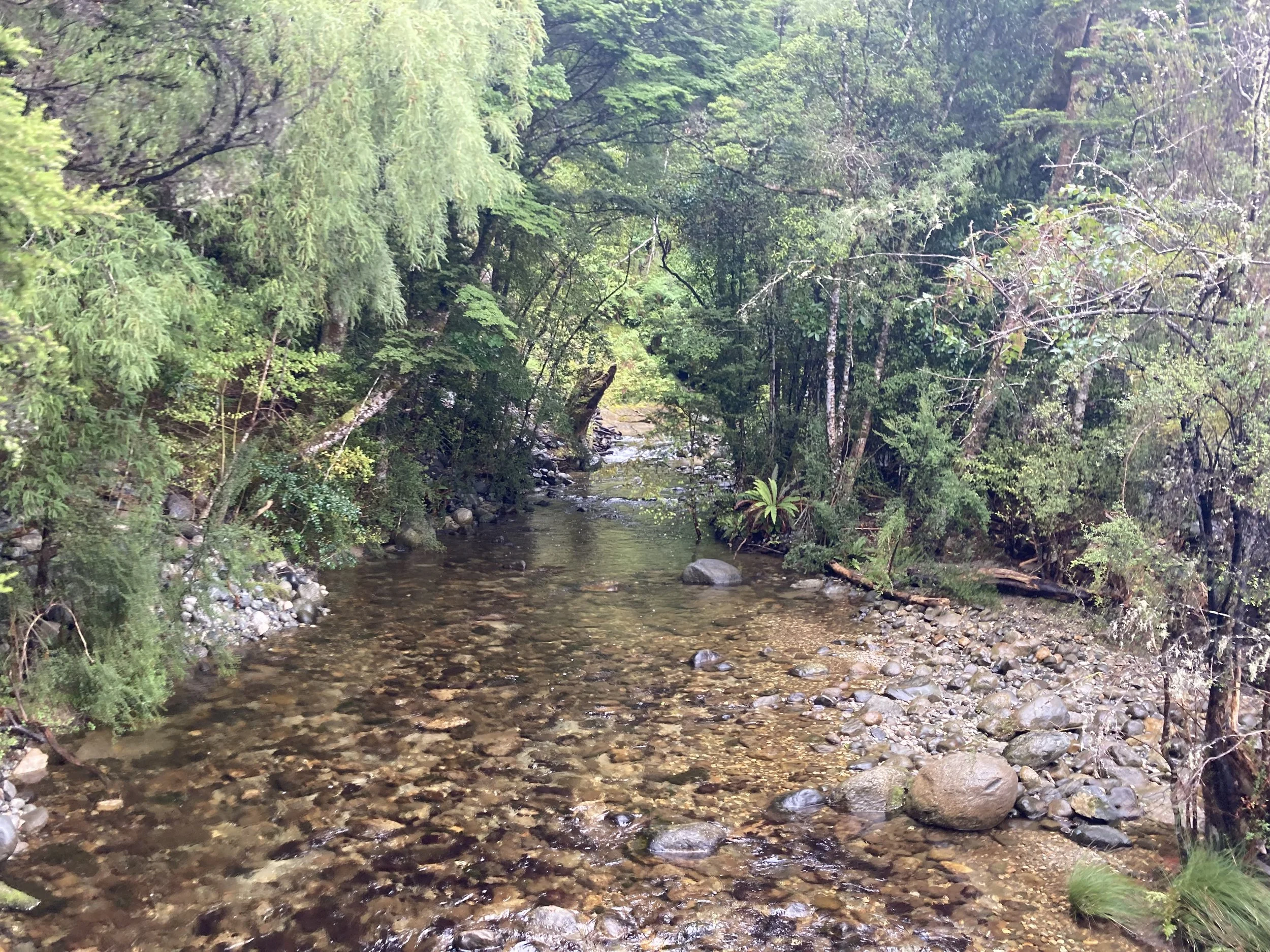
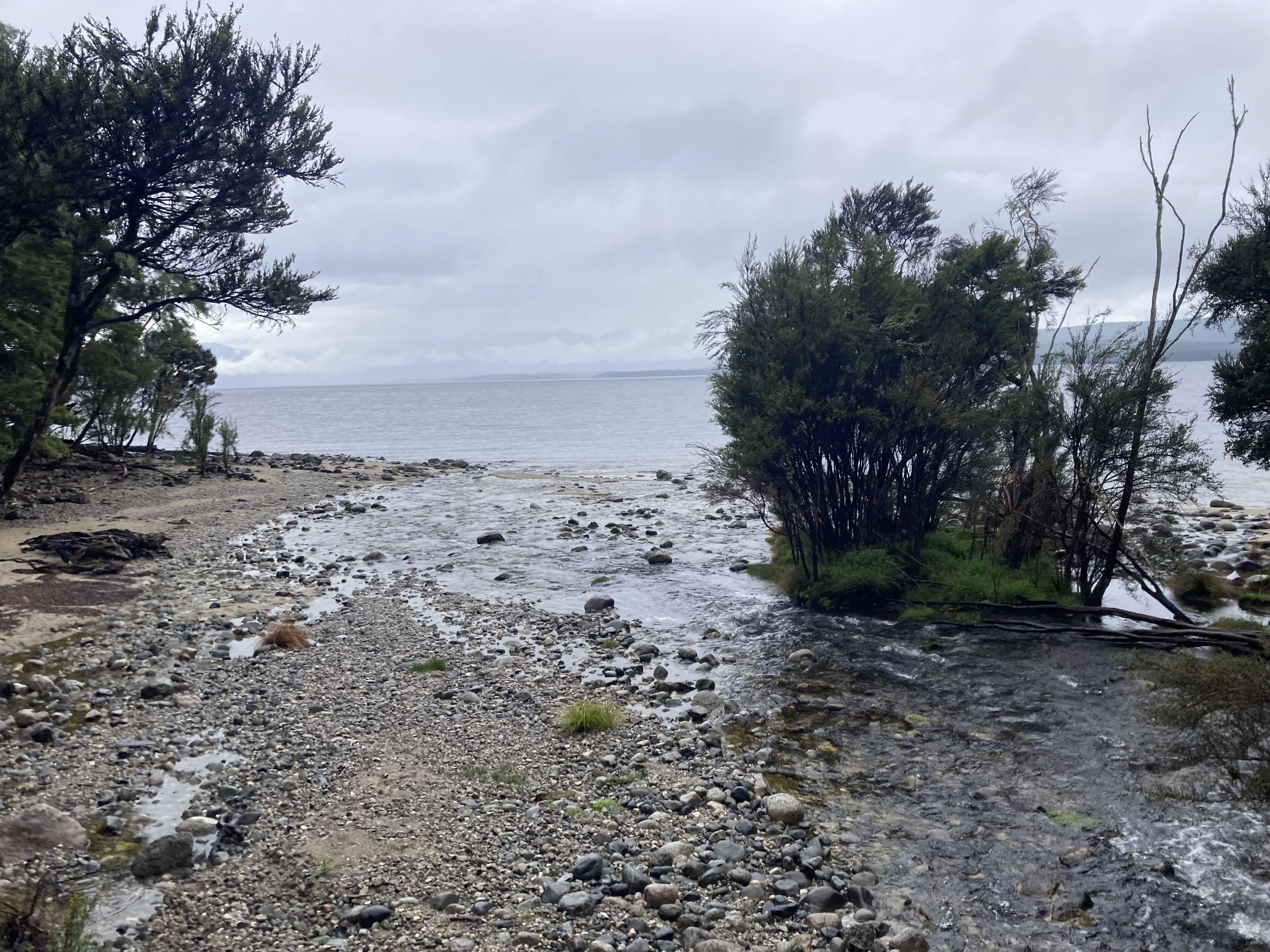
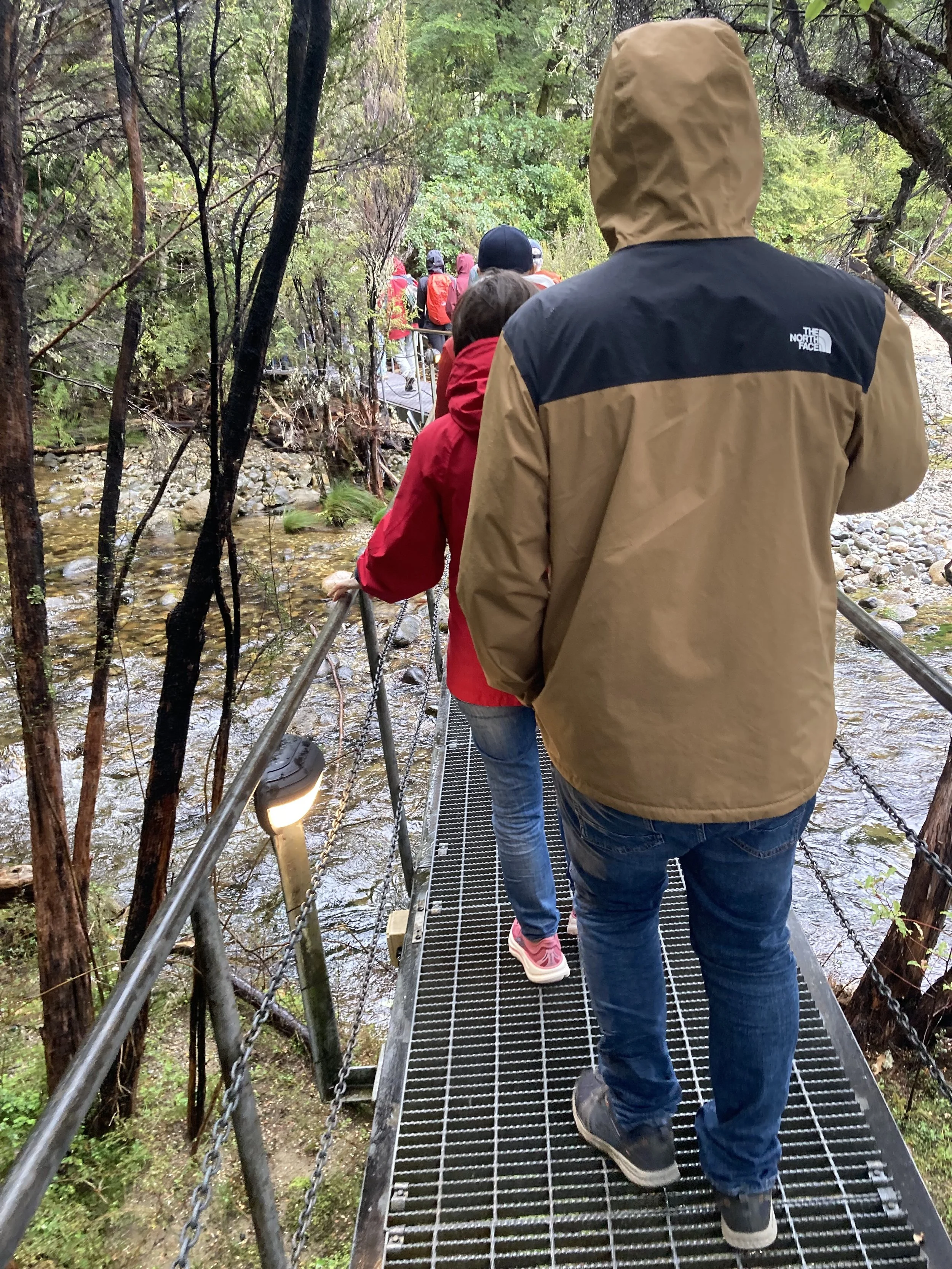
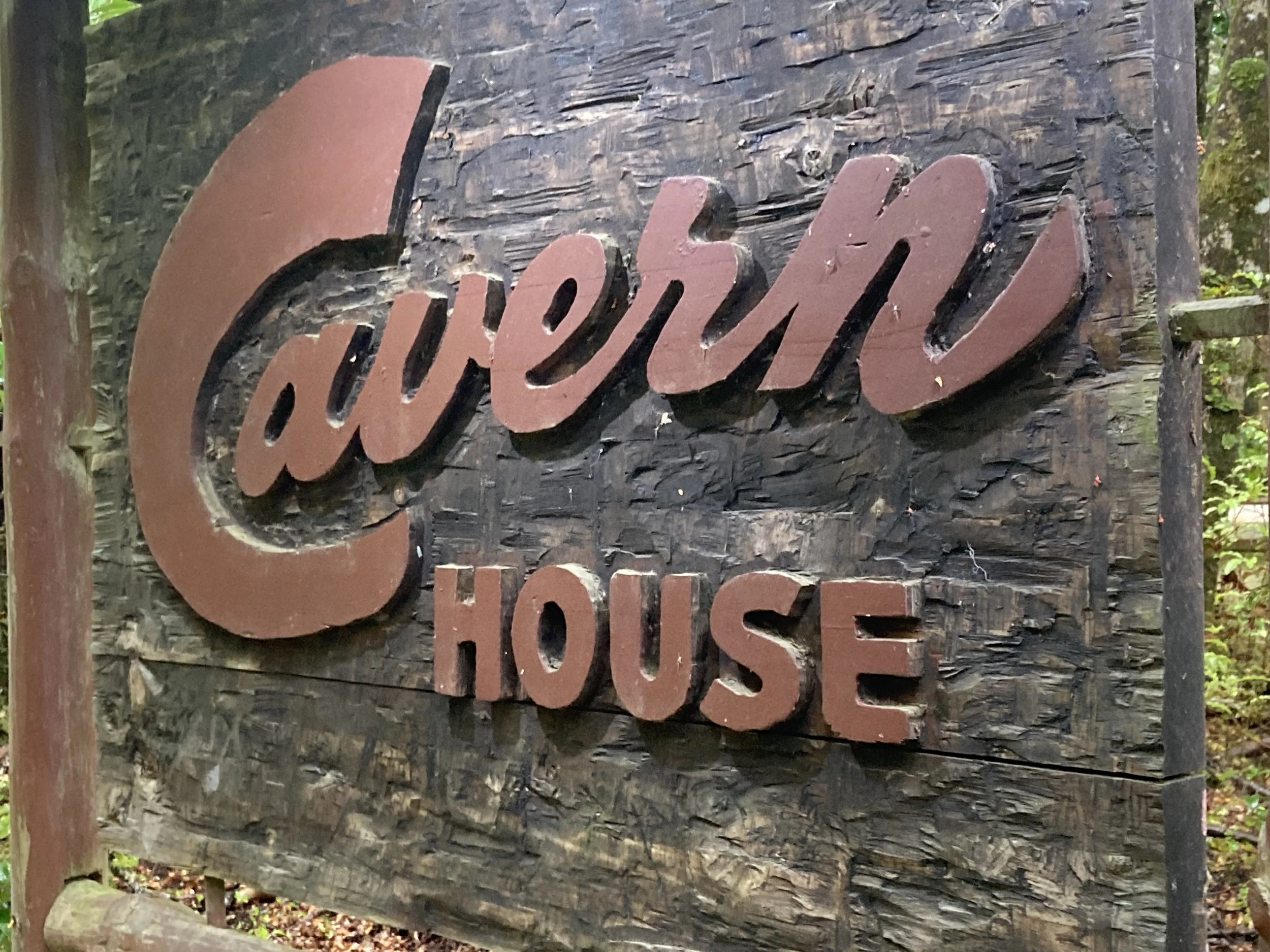
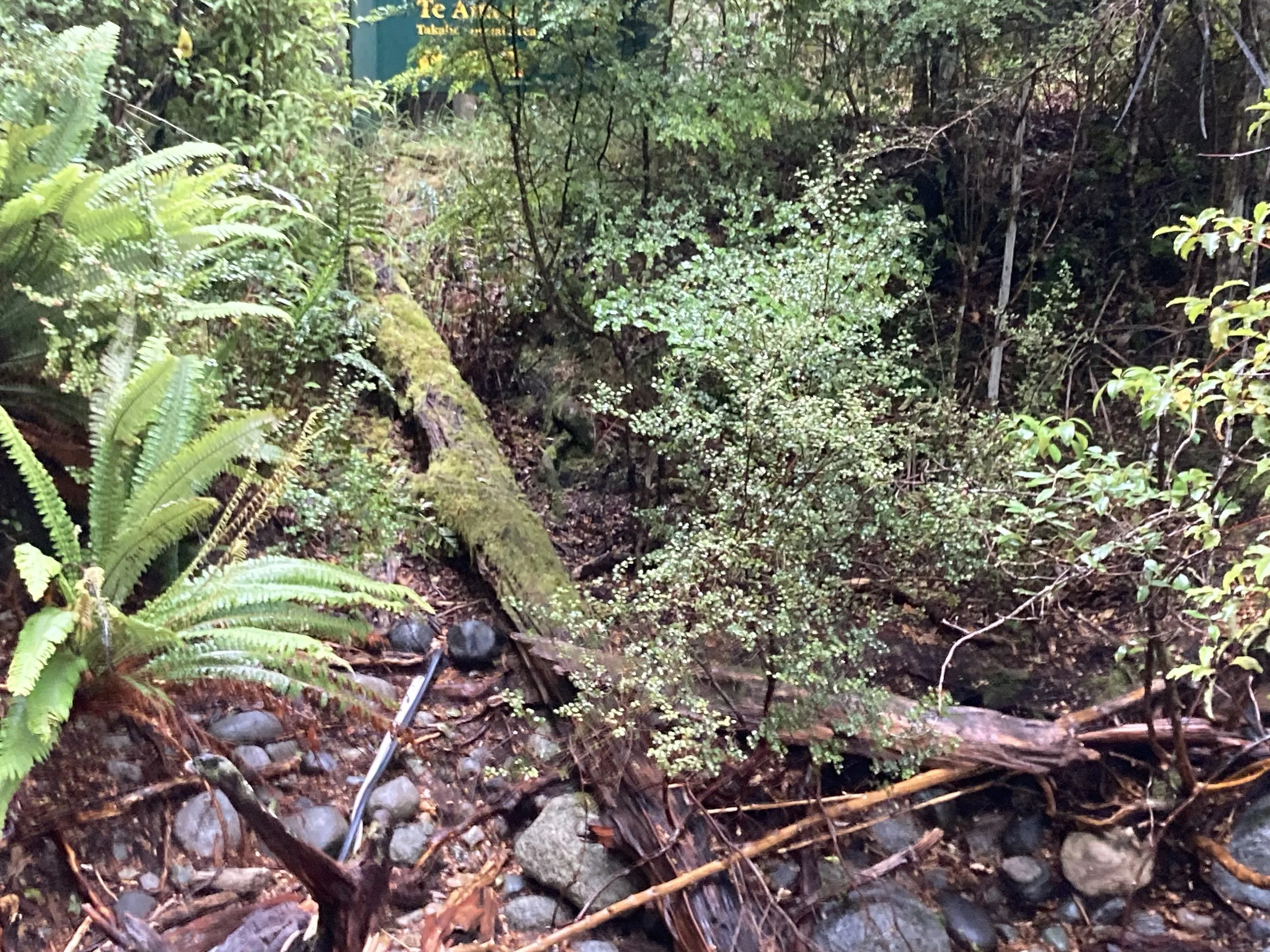
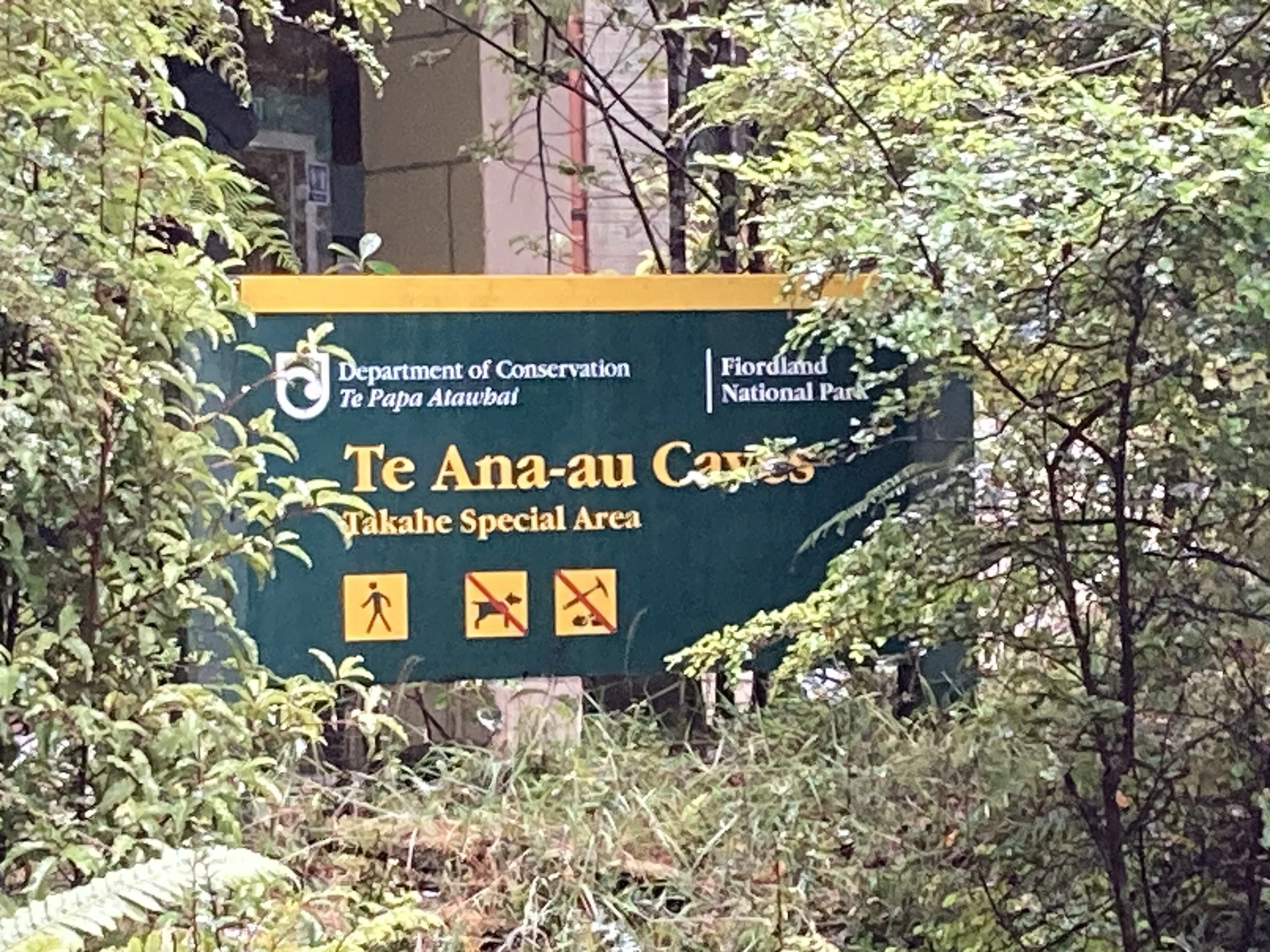
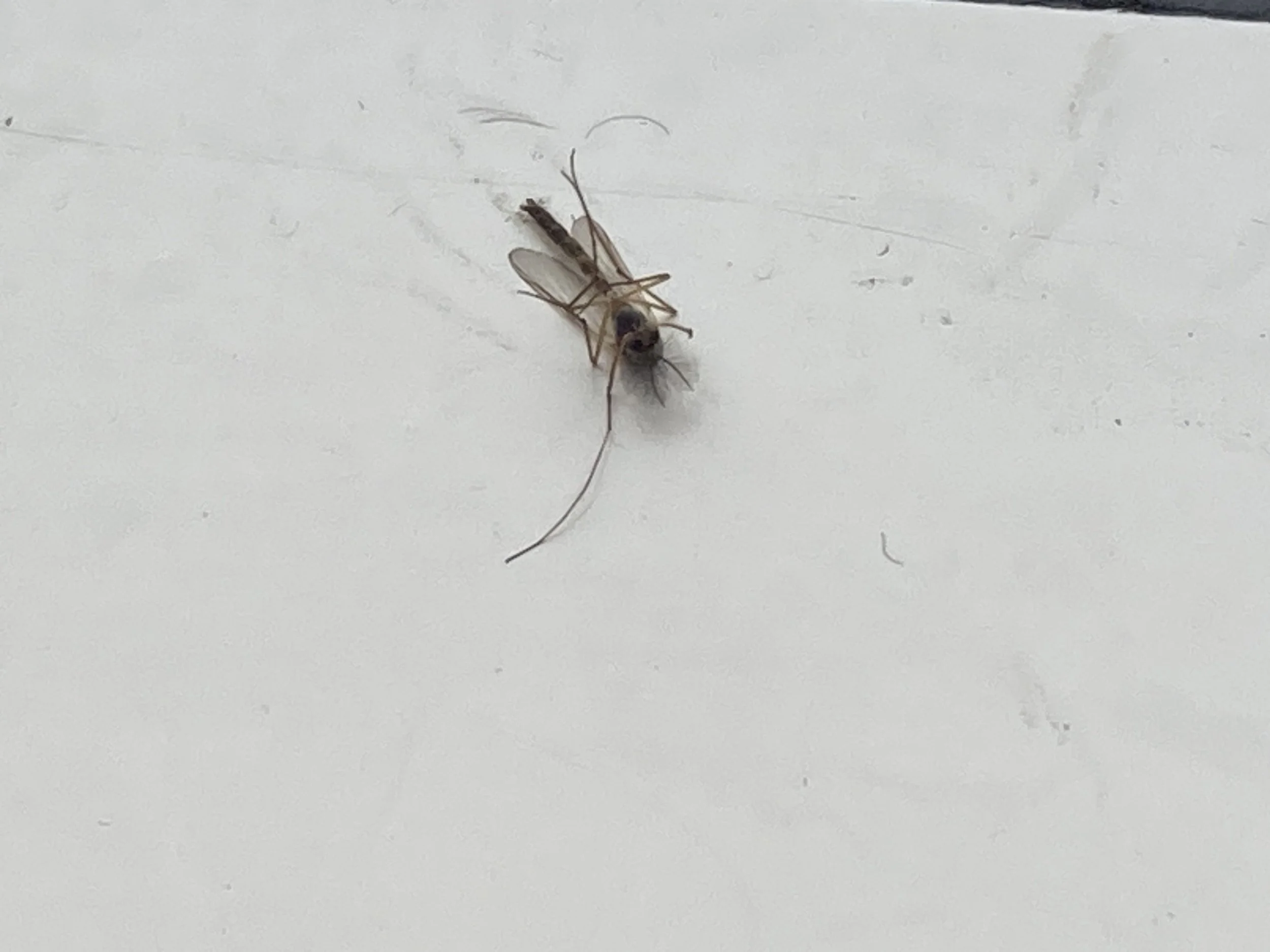
There was a short presentation on what we would see once inside the Glowworm Caves. Specifically, we learned that they are not actually “worms” as much as maggots because eventually they turn into insects that closely resemble mosquitos, but don’t bite. In fact, in this phase they only live about five days -- long enough to lay eggs and fertilize said eggs to keep the species going. What was really interesting (to me anyway) were two things: (1) Why they glow, and (2) How they catch other insects.
The Glowworms glow to resemble the night sky and disorientate bugs flying towards the light of the stars for navigation. This leads them to get stuck on sticky “fishing lines” which are similar to a spider’s web. They look like this:
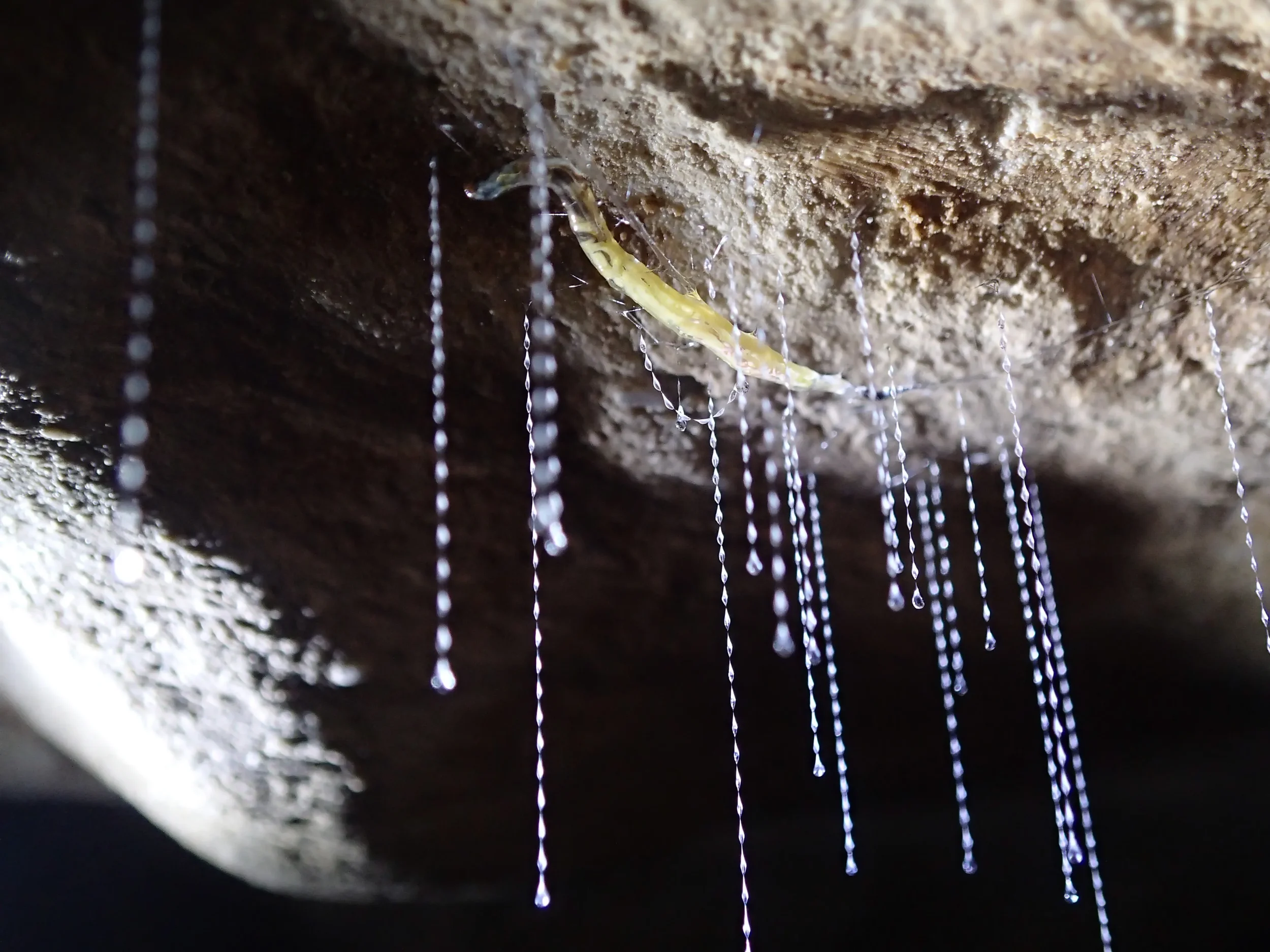
Glowworm “Fishing Lines” used to catch bugs (like a spider web)
Interestingly enough, I couldn’t take any pictures inside the cave because of the risk of an accidental flash. Outside light (especially light brighter than the Glowworm produces) sends a signal to “turn off” the light Glowworms make and essentially shuts down this cool sight.
So, instead, they showed us what a Glowworm actually looks like (close up) as they knew we’d be curious.
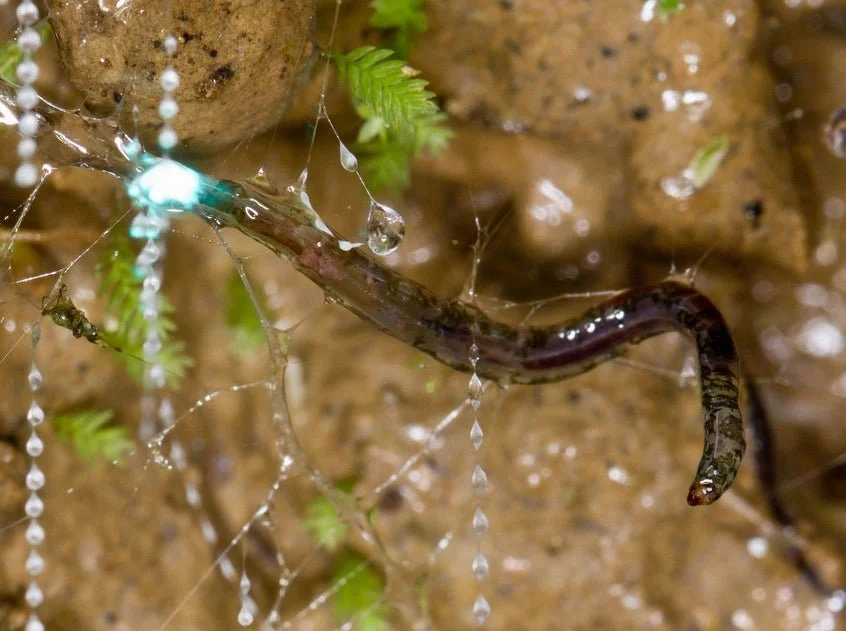
What an actual Glowworm looks like close up (fishing lines and all)
So while I don’t have pictures to show from the Glowworms themselves, I took some shots right up to the point where we weren’t allowed to use our cameras or phones. (That’s what you see below). What I can tell you is that it was a totally different cave experience and I’ve had some epic cave adventures (see related blog post). We took a boat inside the cave while looking up at what appeared to be the stars which were the glowworms. There were hundreds to thousands of them all clustered together like stars. No wonder bugs get confused.
The boat was set up so that six were on one side facing out and another six were on the opposite side facing out. One side saw one direction and then the boat turned around and you saw the other side going back where we started.
Since sound can also mess with the glowworms, we did all of this is silence. It felt reverent, like the cave was a cathedral in nature. If I didn’t know I was in a cave, I would think that I was being rowed on a lake looking at the night sky, except disorientating as I couldn’t recognize any of the star clusters.
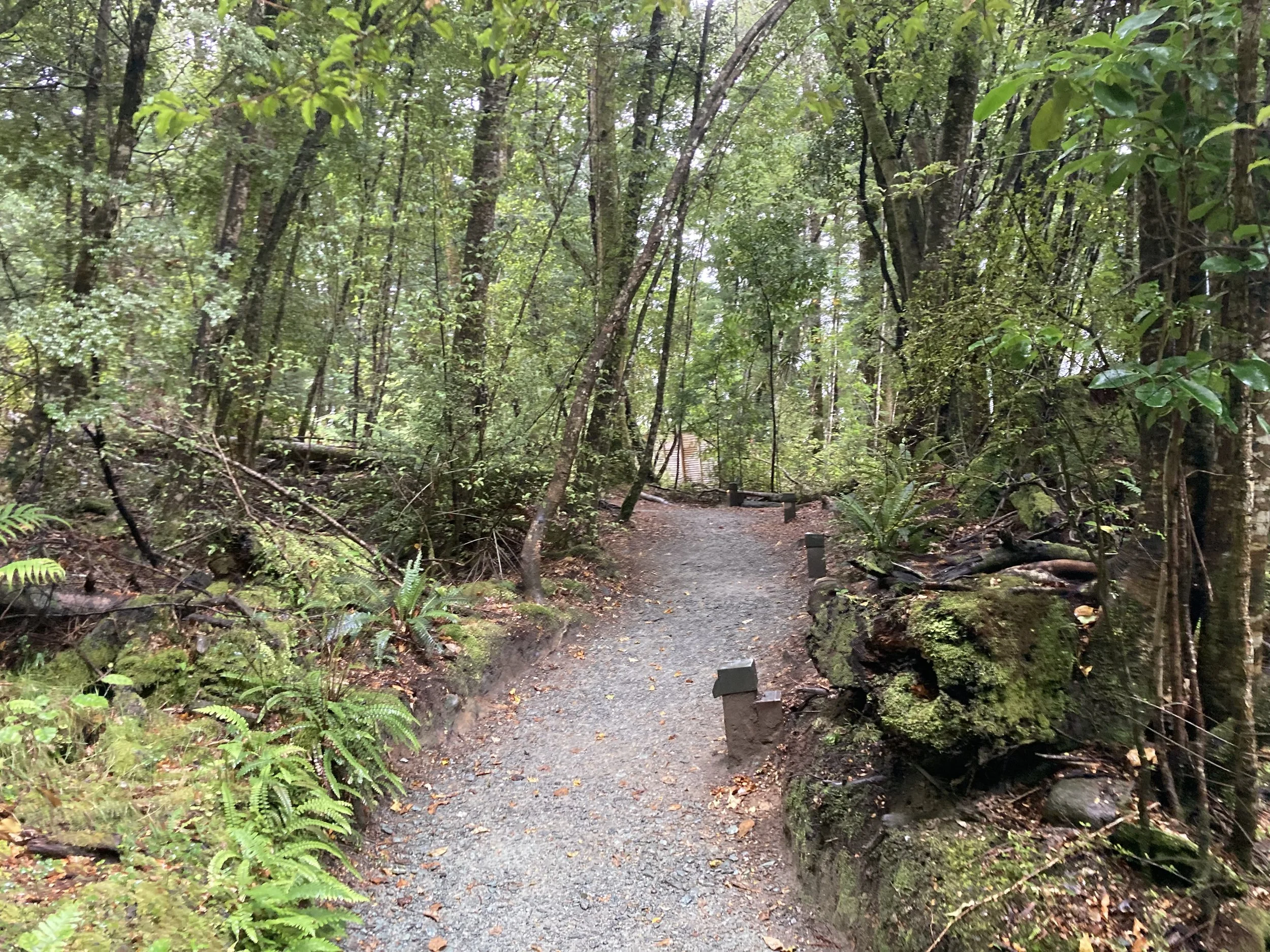
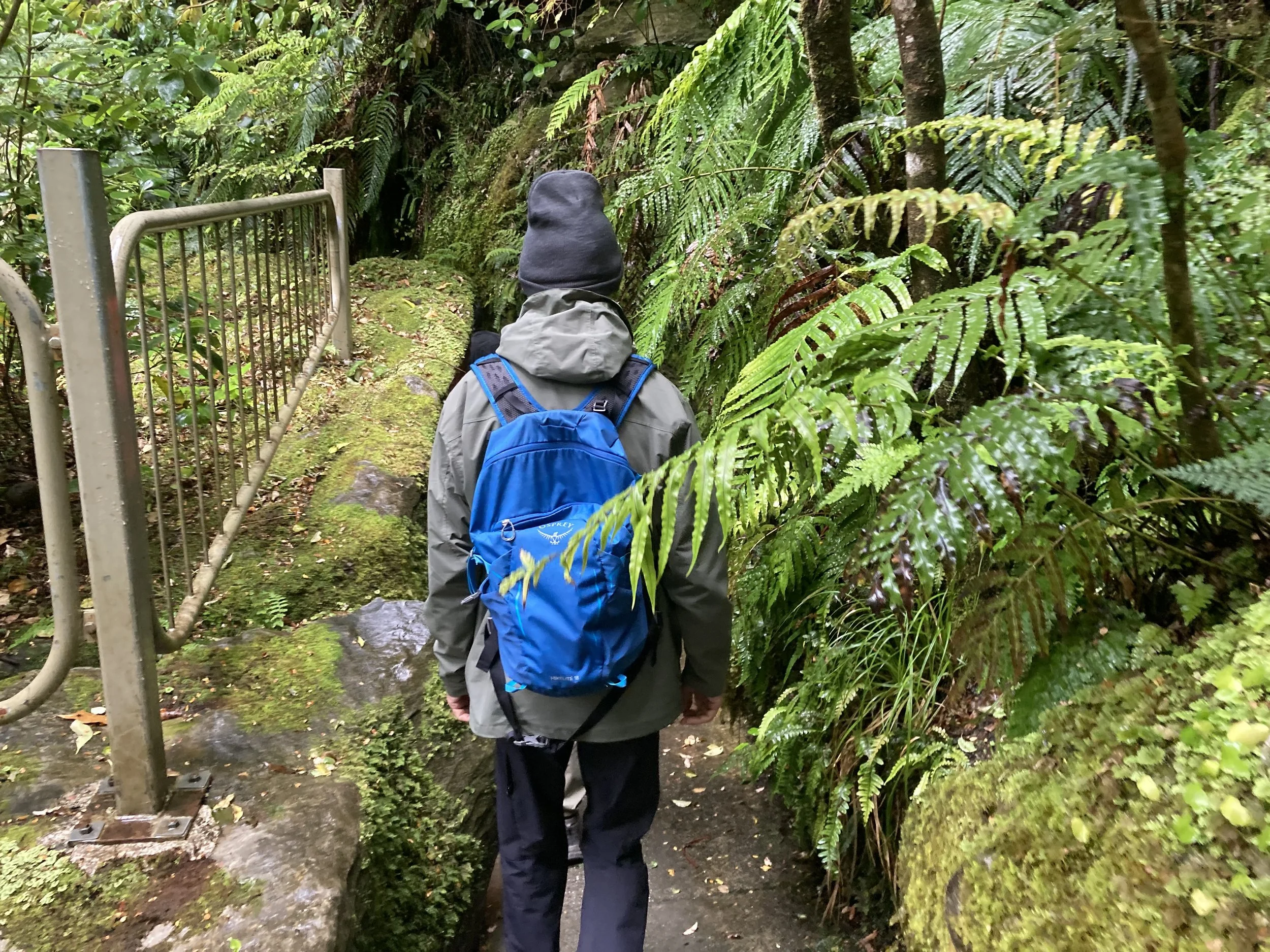
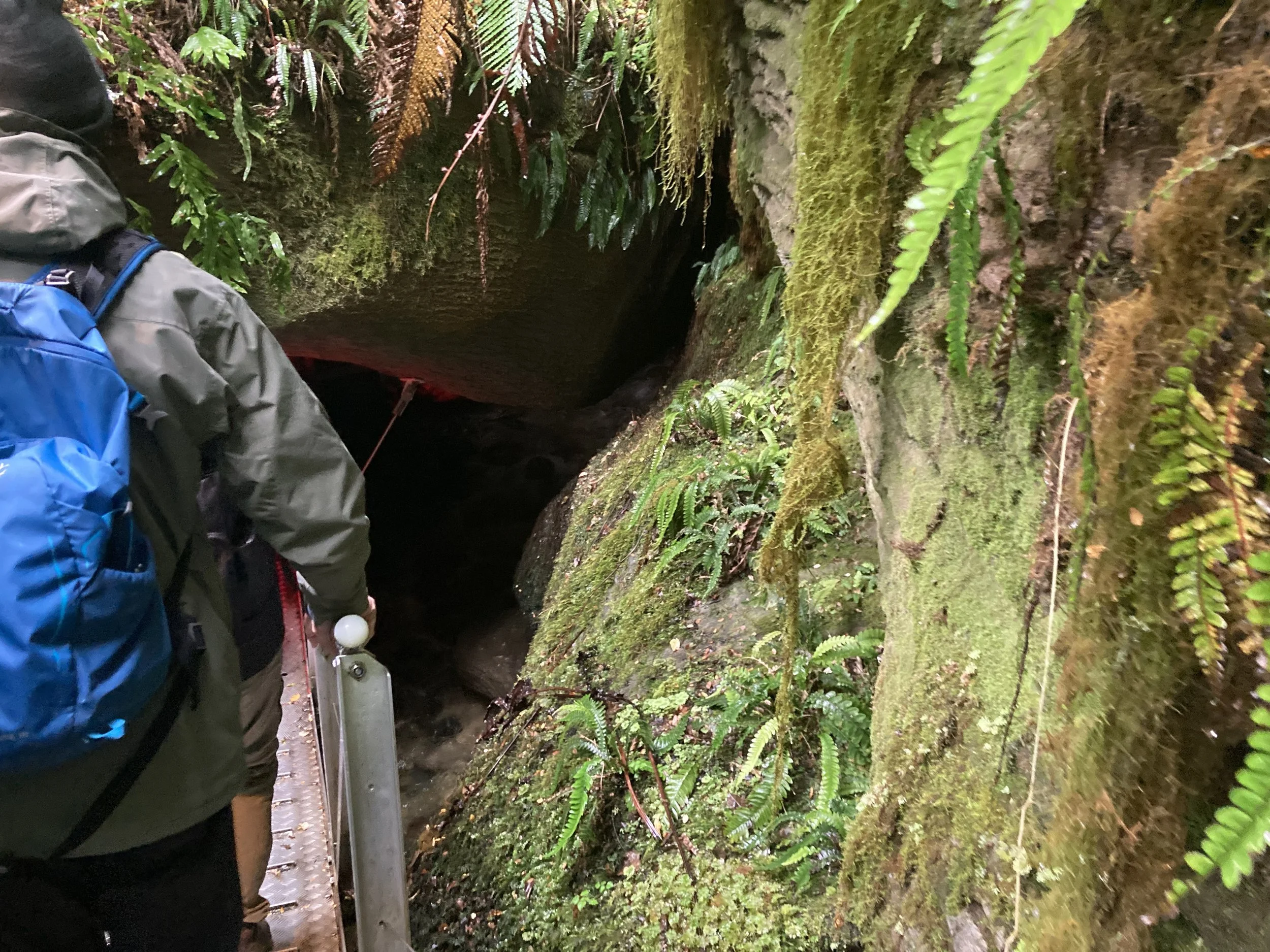
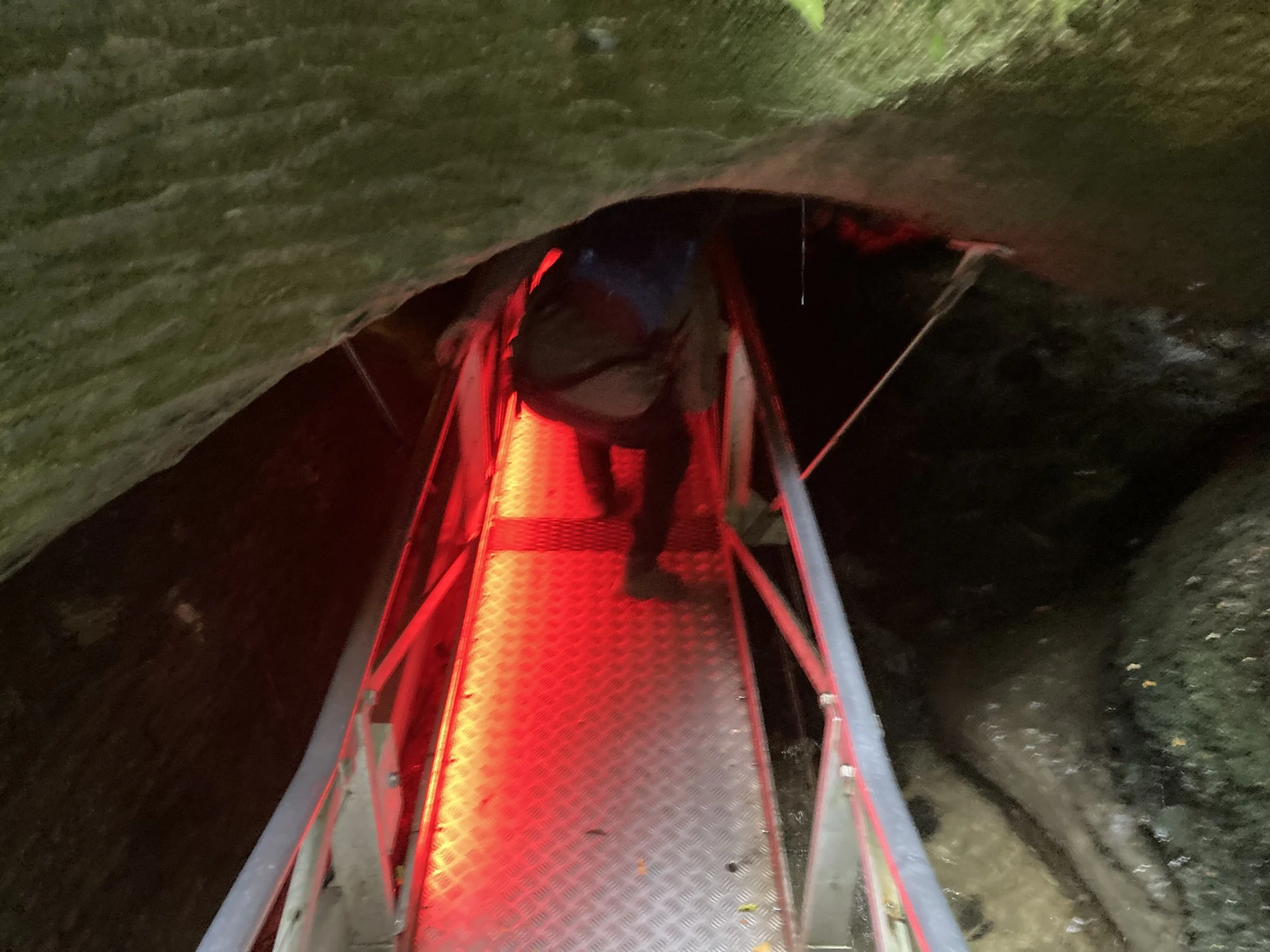
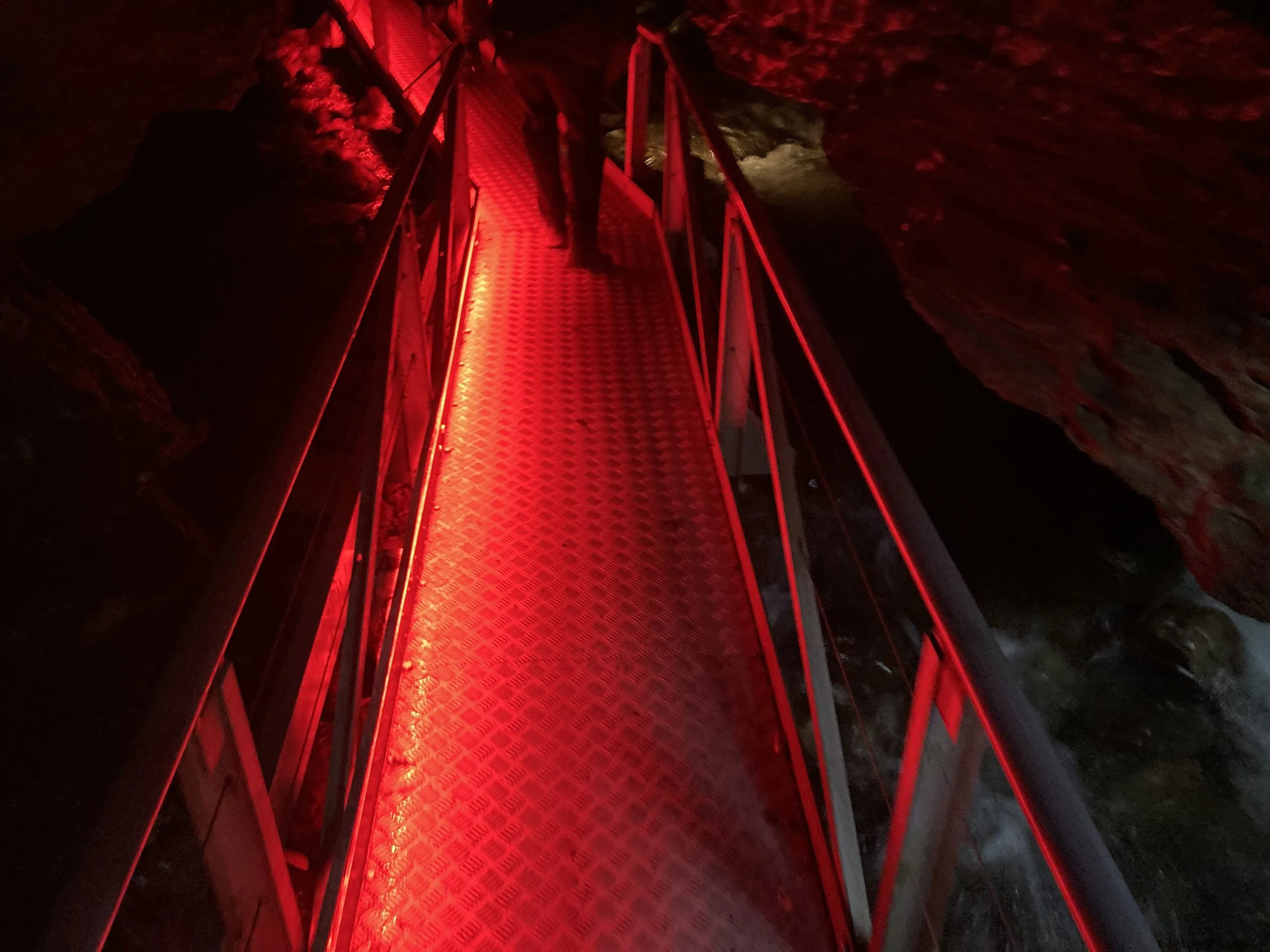
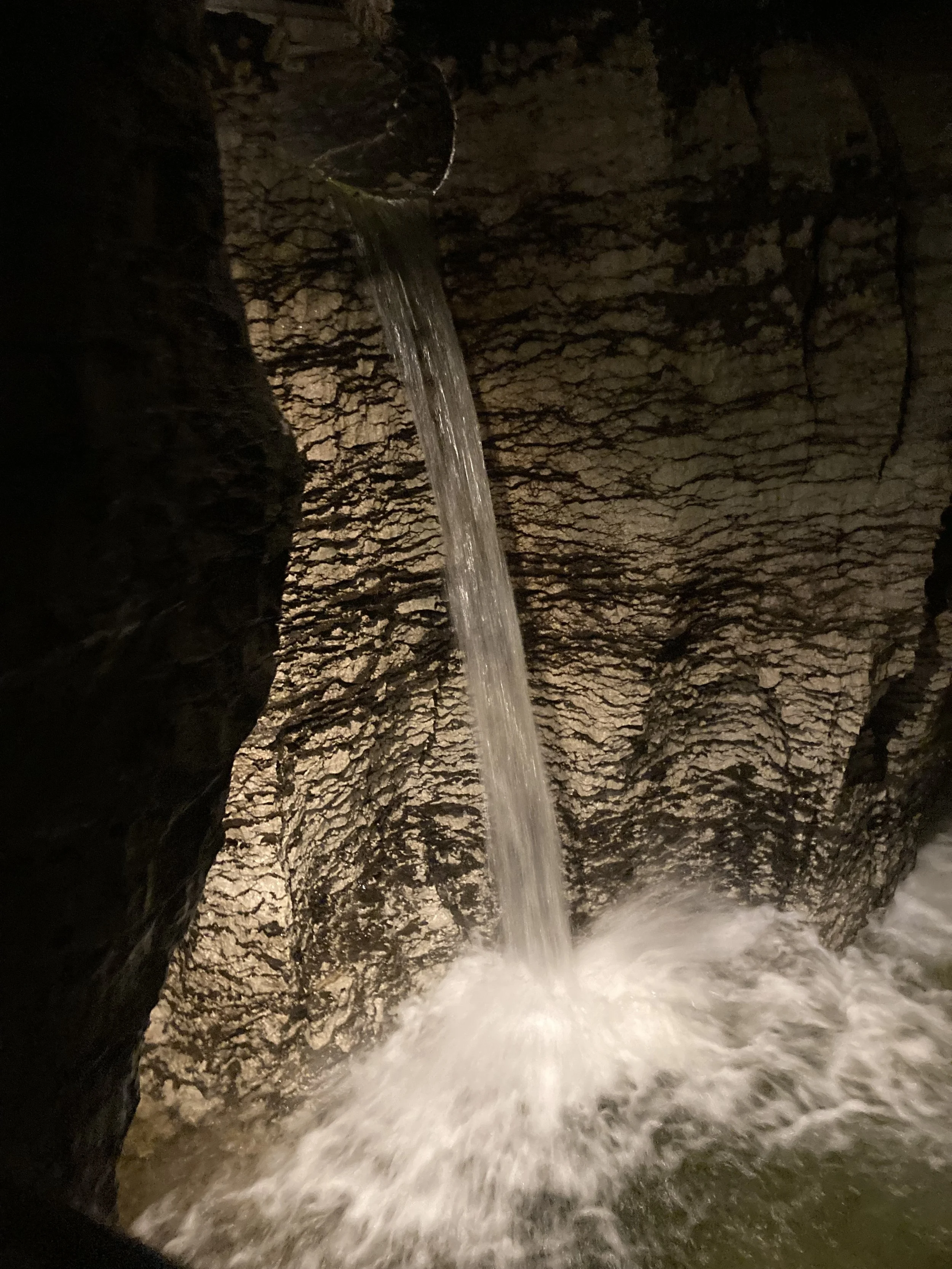
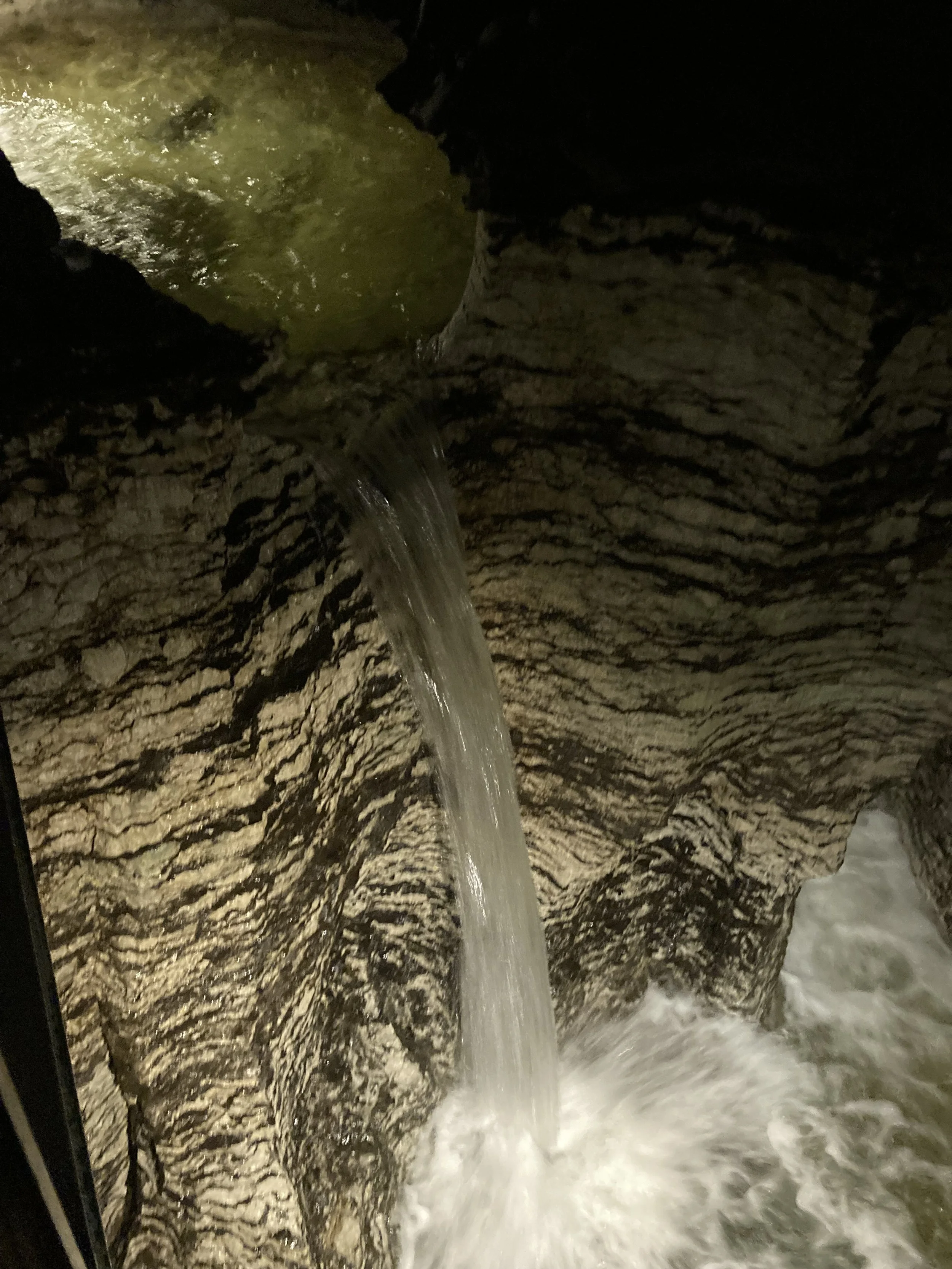
One final note. I wasn’t anticipating seeing a waterfall inside the caves. In fact, the walking path was raised above the rushing water so the sound most notable was the fast moving water throughout the experience until we got into the boat inside the cave.
I enjoyed learning about Glowworms as they are so unique. I would have never have thought that going to see glowworms would be so unique and interesting. While I anticipated that this would be a unique experience, I hadn’t anticipated being so pulled into the history, biology and lifecycle of a glowworm.
Apparently the ones we saw are the only species of Glowworm in New Zealand. There are different species in Australia that appear to have evolved in a similar manner. Similar, but not identical.

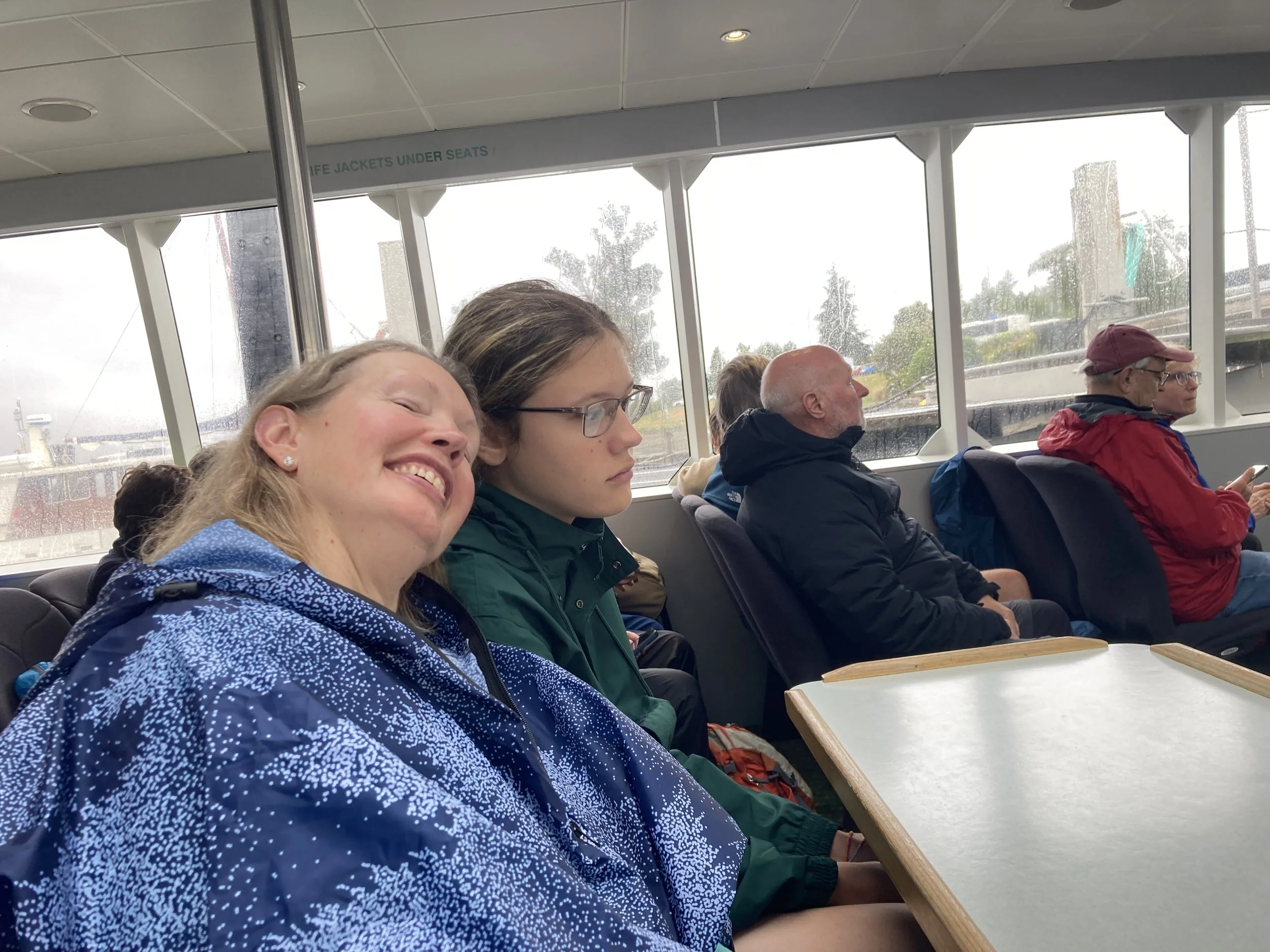
Carmodys in our rain gear as rain was coming down quite a bit