Good Bye Hakone Hideaway (April 13, 2026)
“I’d rather be lucky than smart,” says my father-in-law Richard Knies.
That’s how we felt staying in the Airbnb known as the Hideaway Hakone Sengokuhara. It was simply dumb luck that the dates lined up and we picked the best of all possible worlds in Hakone.
This Airbnb was about as good as we could have hoped for in Hakone
What do you want in an Airbnb? For me it’s the following:
Excellent location
Access to public transportation and taxis
Walkable to restaurants and convenience stores
Nearby activities (ideally walkable)
Peace and quite at night for a solid rest
Fast Internet stream content, stay in contact and (for me) blog
While the Internet reliability could have been a touch better, the speed was fine and it had everything else above. True, there was no dishwasher, but there was a washing machine for laundry and all the rest of the amenities we could have desired. (Japan doesn’t seem to believe in dryers of any kind — laundry, hand, even napkins / hand towels are in short supply. Seems to be a cultural thing, and I digress).
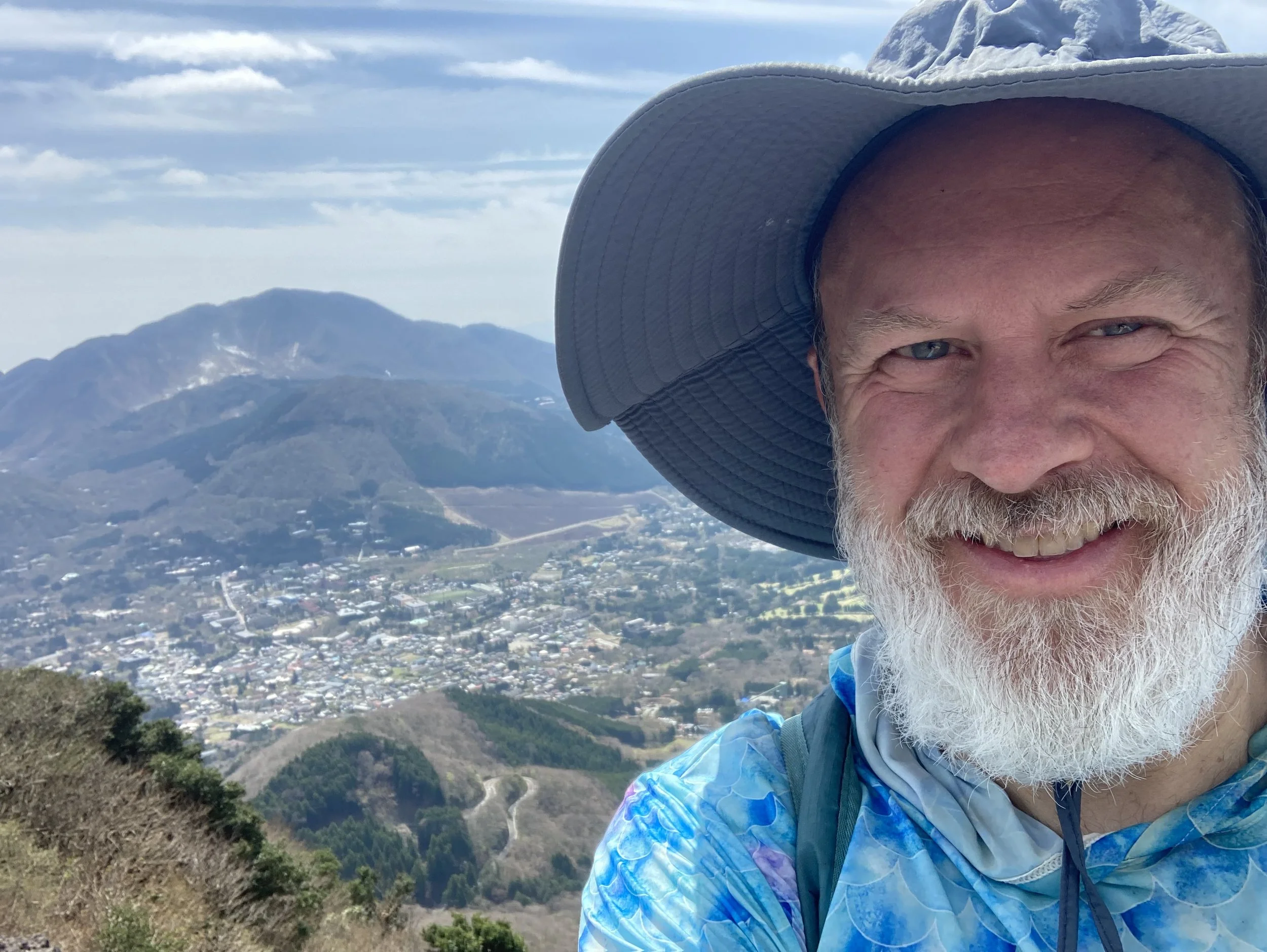
Hike from yesterday started a quarter mile from our Airbnb
Our first night, we walked in the pouring rain 8 minutes down the road for a delicious Indian feast. We would have loved to grab a taxi, but they were all with customers and we were hungry. The next night, we strolled just 3 minutes to the authentic Chinese food next door. Yesterday, I walked about a quarter mile (just past the Indian restaurant) to hike 2 miles to the top of the mountain as well as a similar hike in our own backyard forest (see related post).
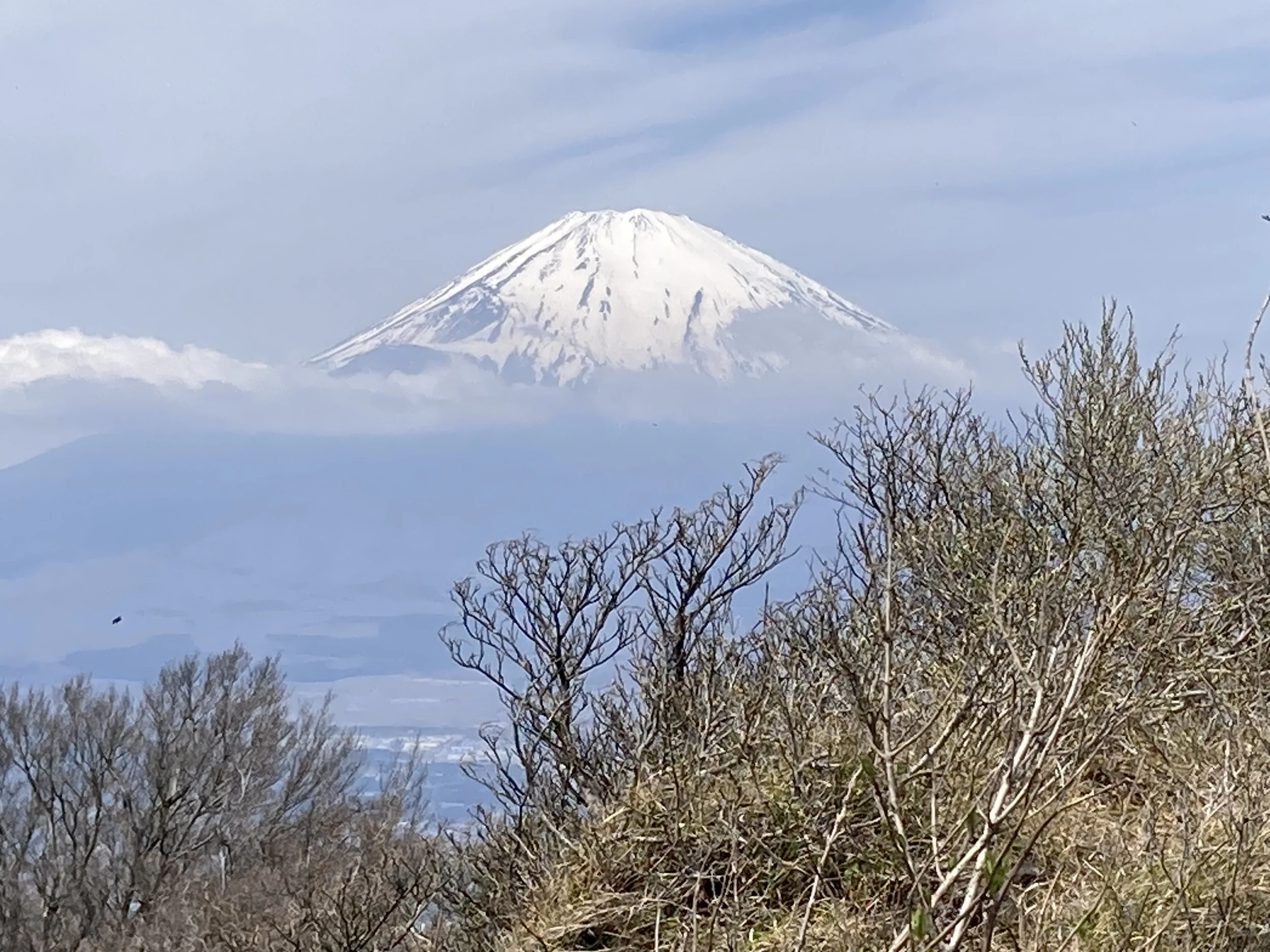
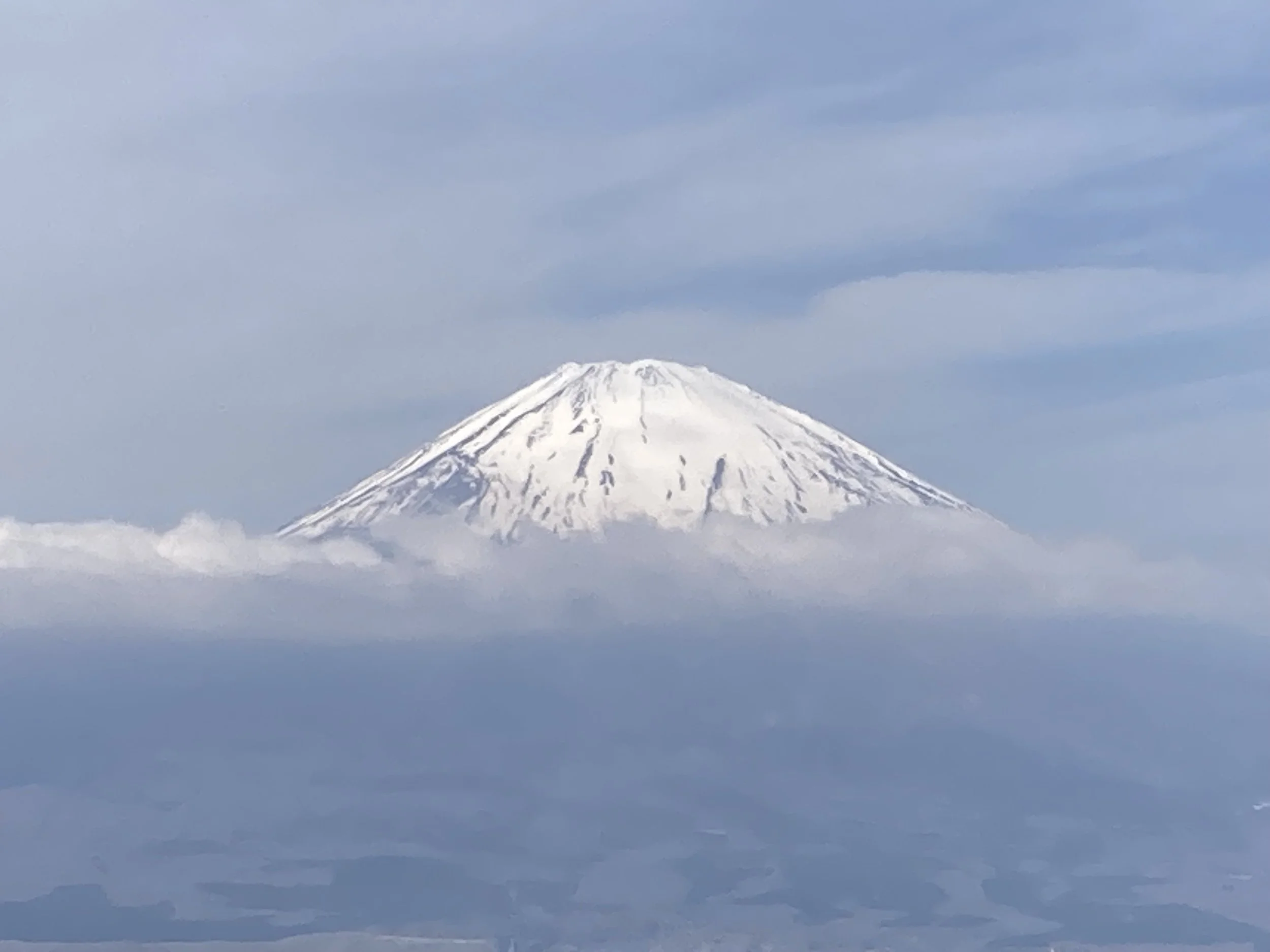
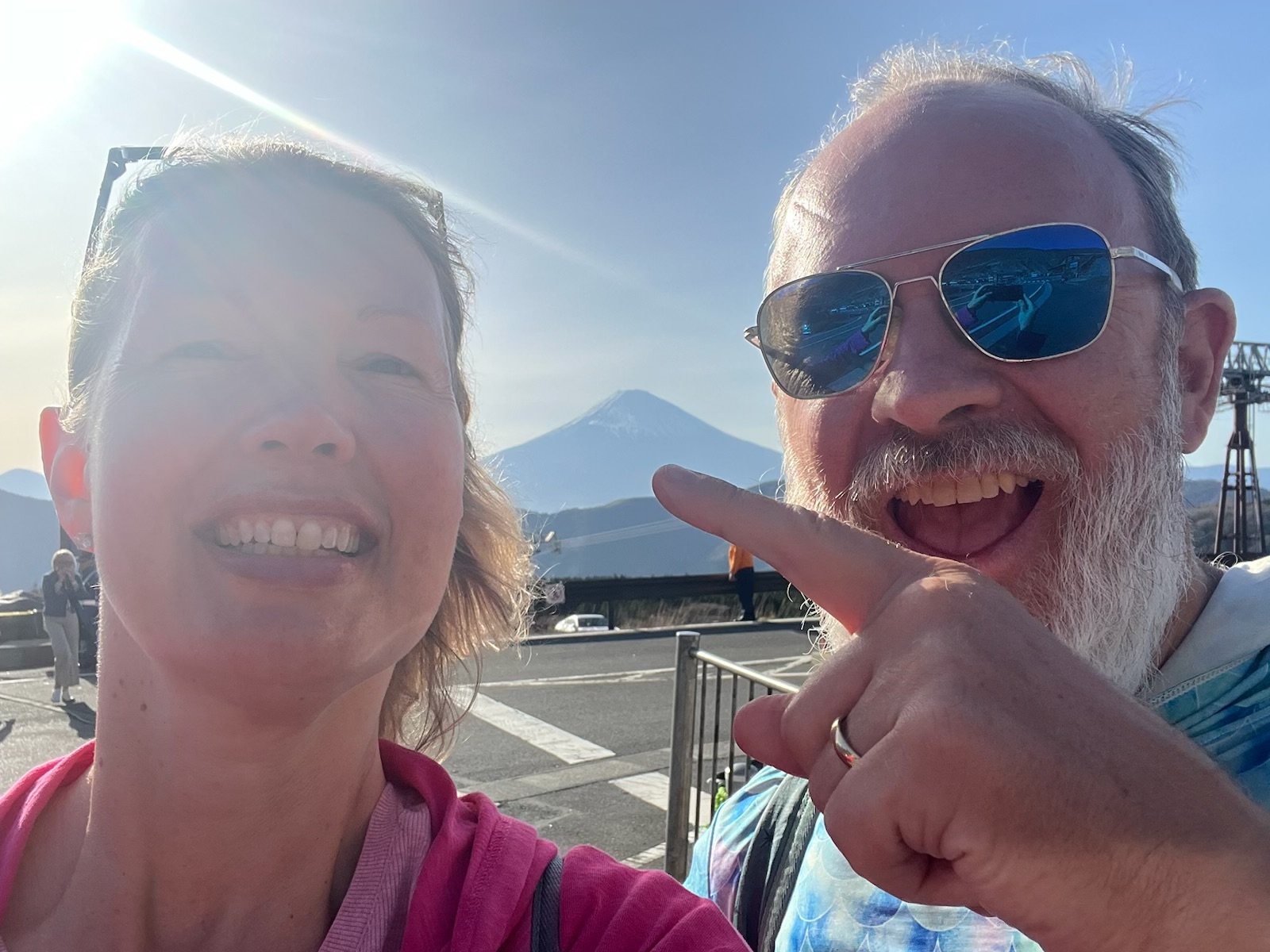
Most importantly, we came to see Mount Fuji, and we certainly did see this incredible mountain several times during our stay.
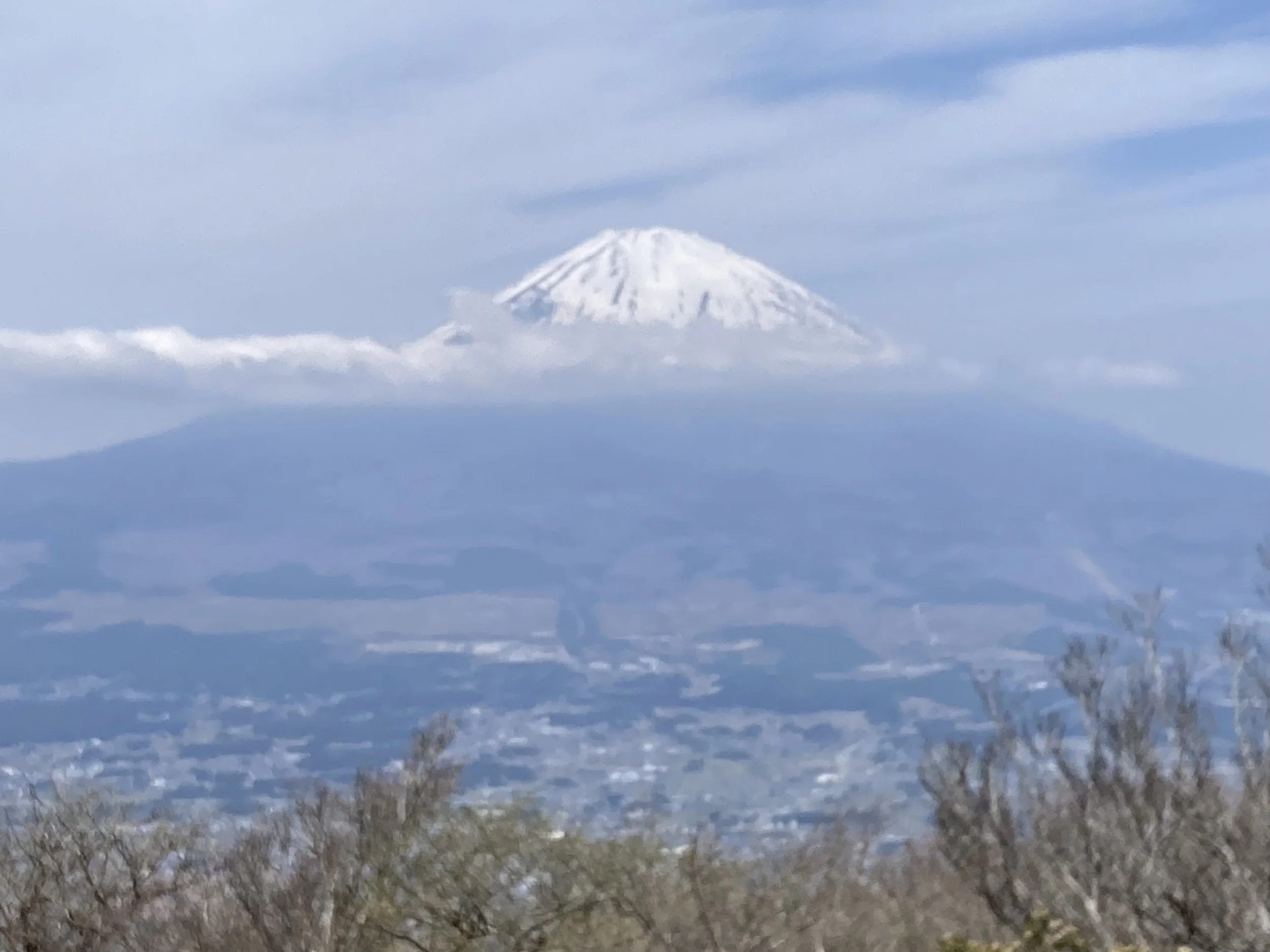
One of my favorite shots of Mount Fuji as the clouds hang off it
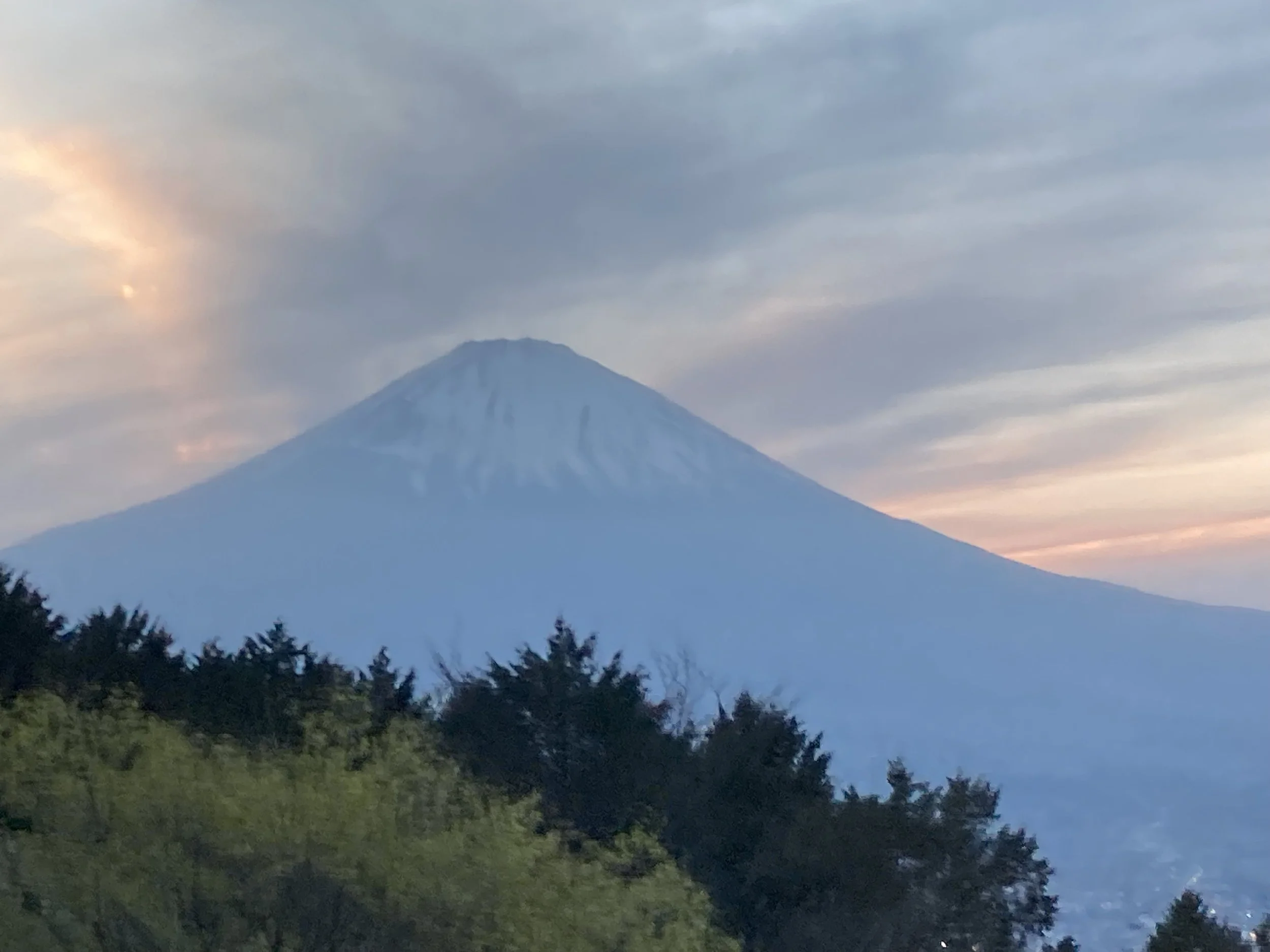
The bus stops were right outside our Airbnb which allowed us to jump on the Pirate Ship (see related post), go to the botanical garden (see related post), and take the gondolas to other mountaintops. We didn’t need to rent a car, which is a good thing because none of us speak Japanese and many of the signs are not in English.
Next Up: Kyoto
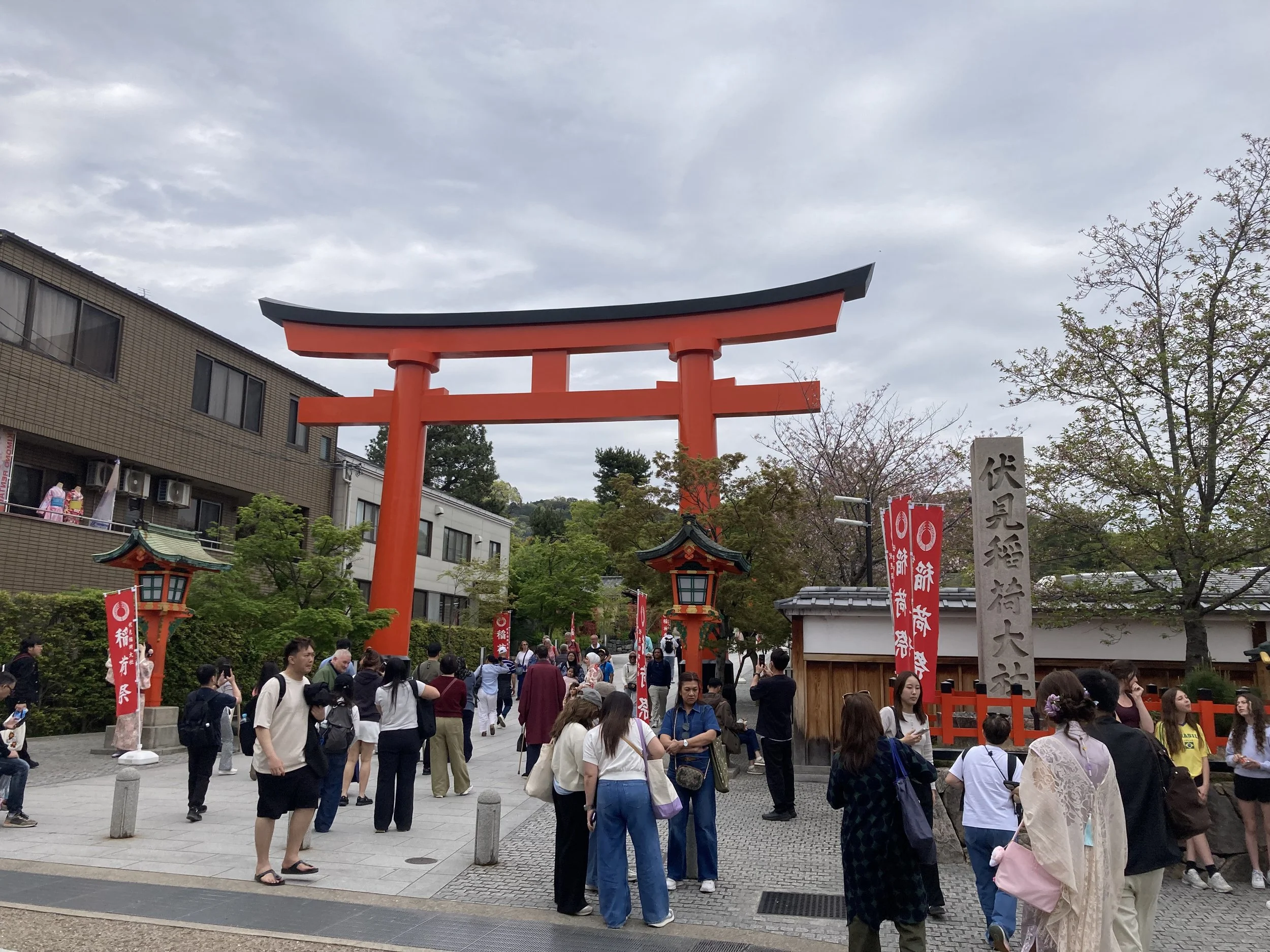
So, today, we wound up our time in Hakone, said goodbye to our fabulous hideaway Airbnb, and took a bullet train to Kyoto. Once there we settled into our new home for the week right near the Fushimi Inari Taisha temple (which we’ll be taking Will to tomorrow). This was one of our favorite excursions the last time Elena, Violet and I were here back in October (see related post).
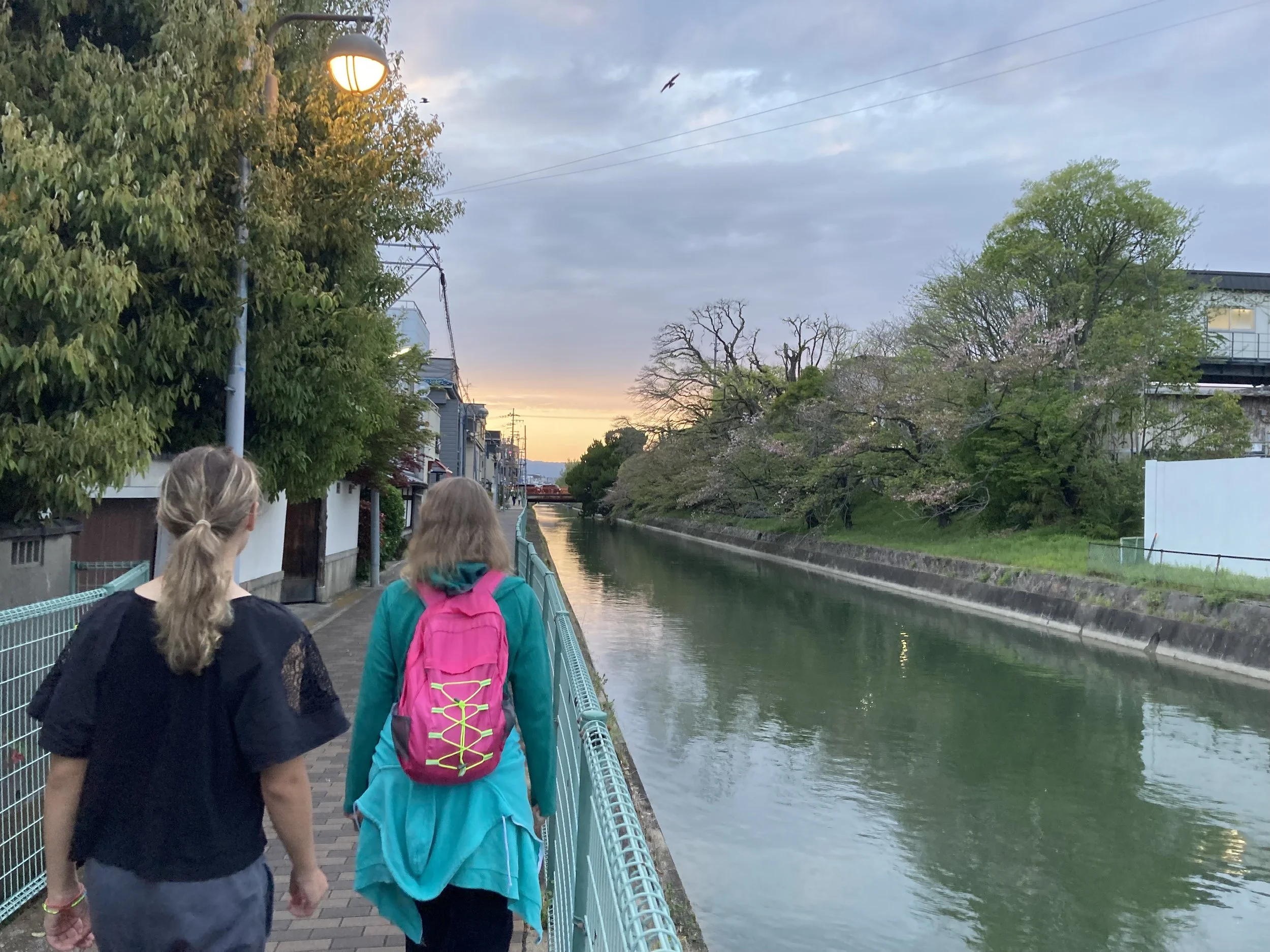
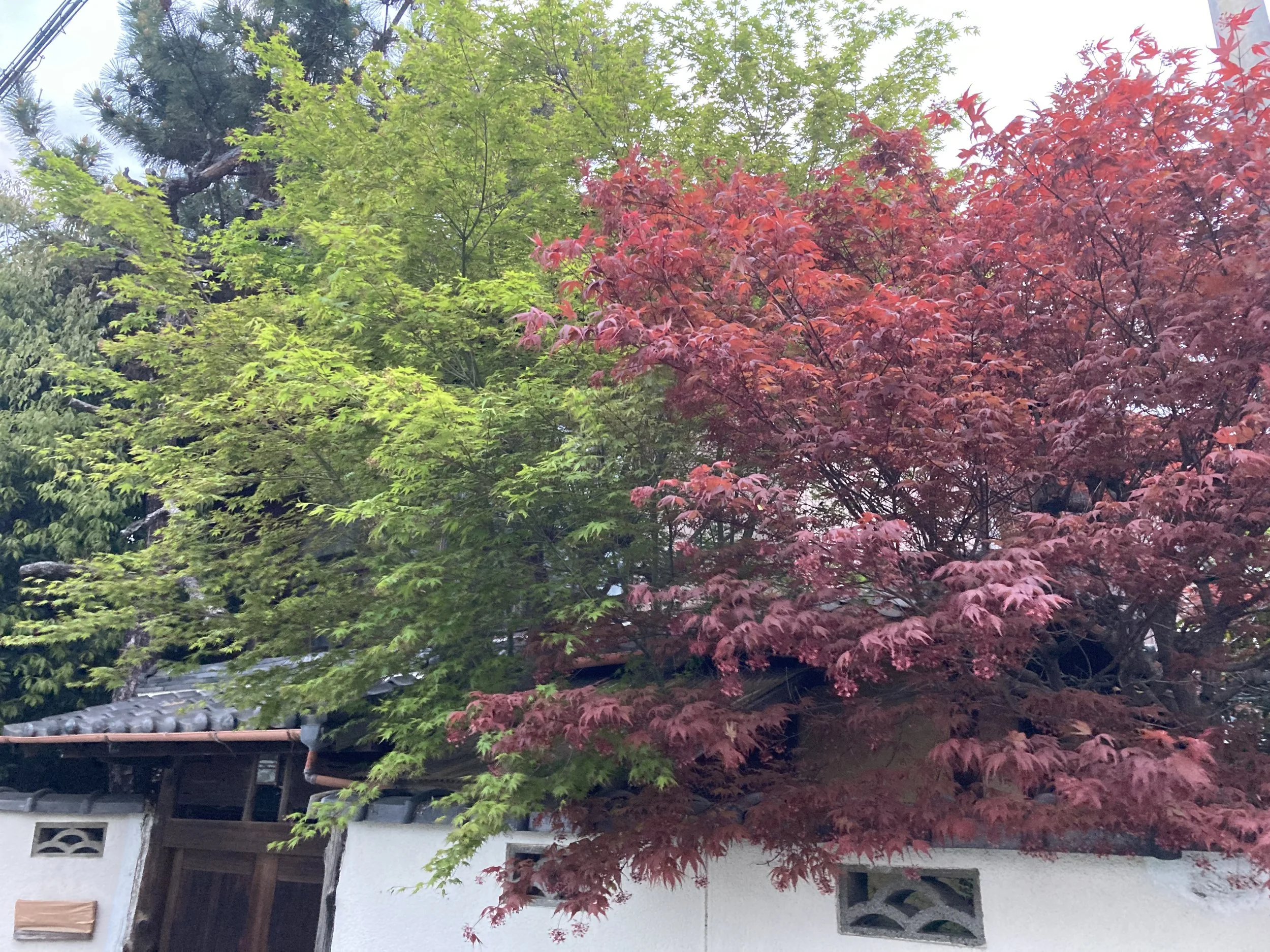
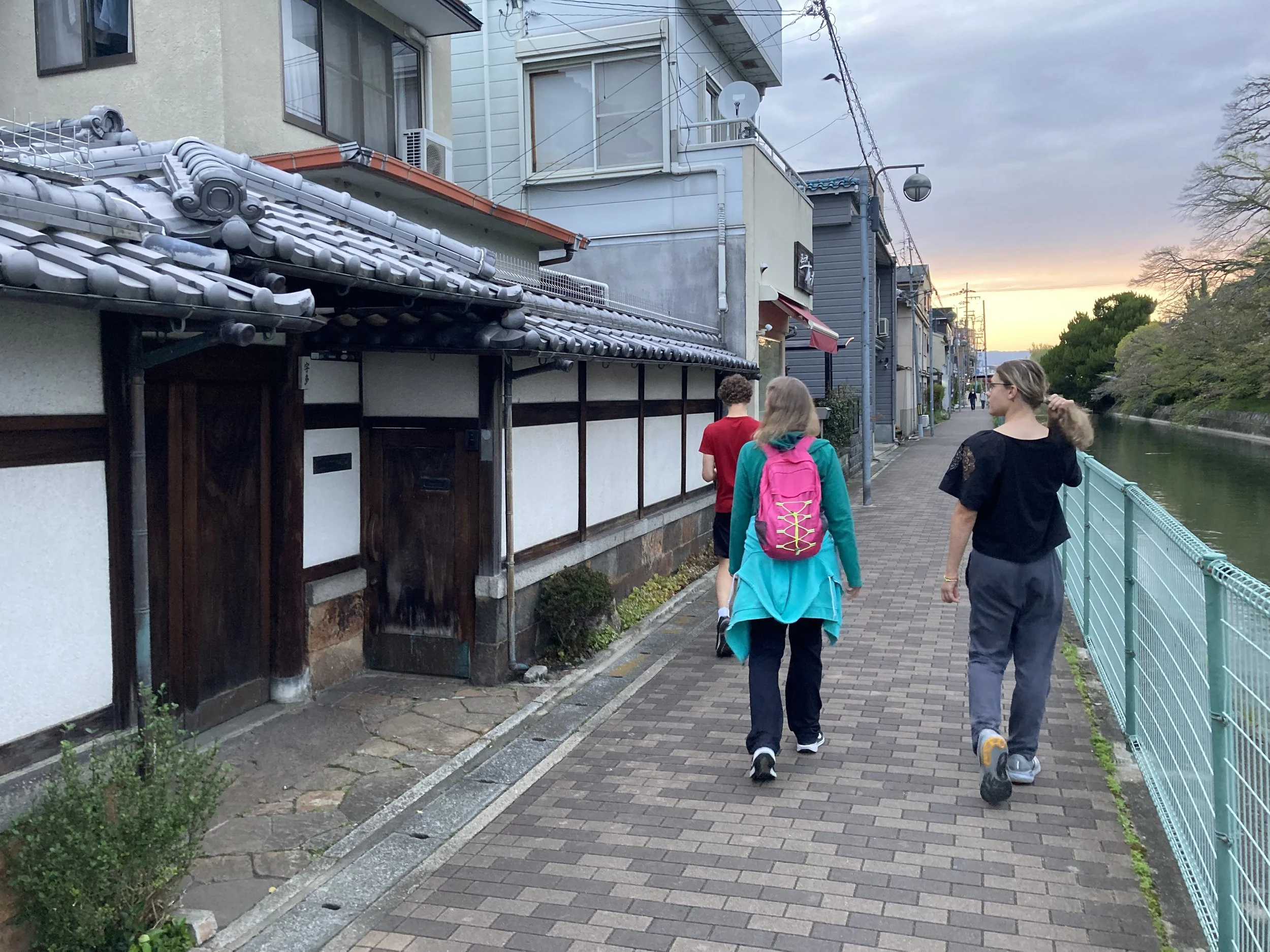
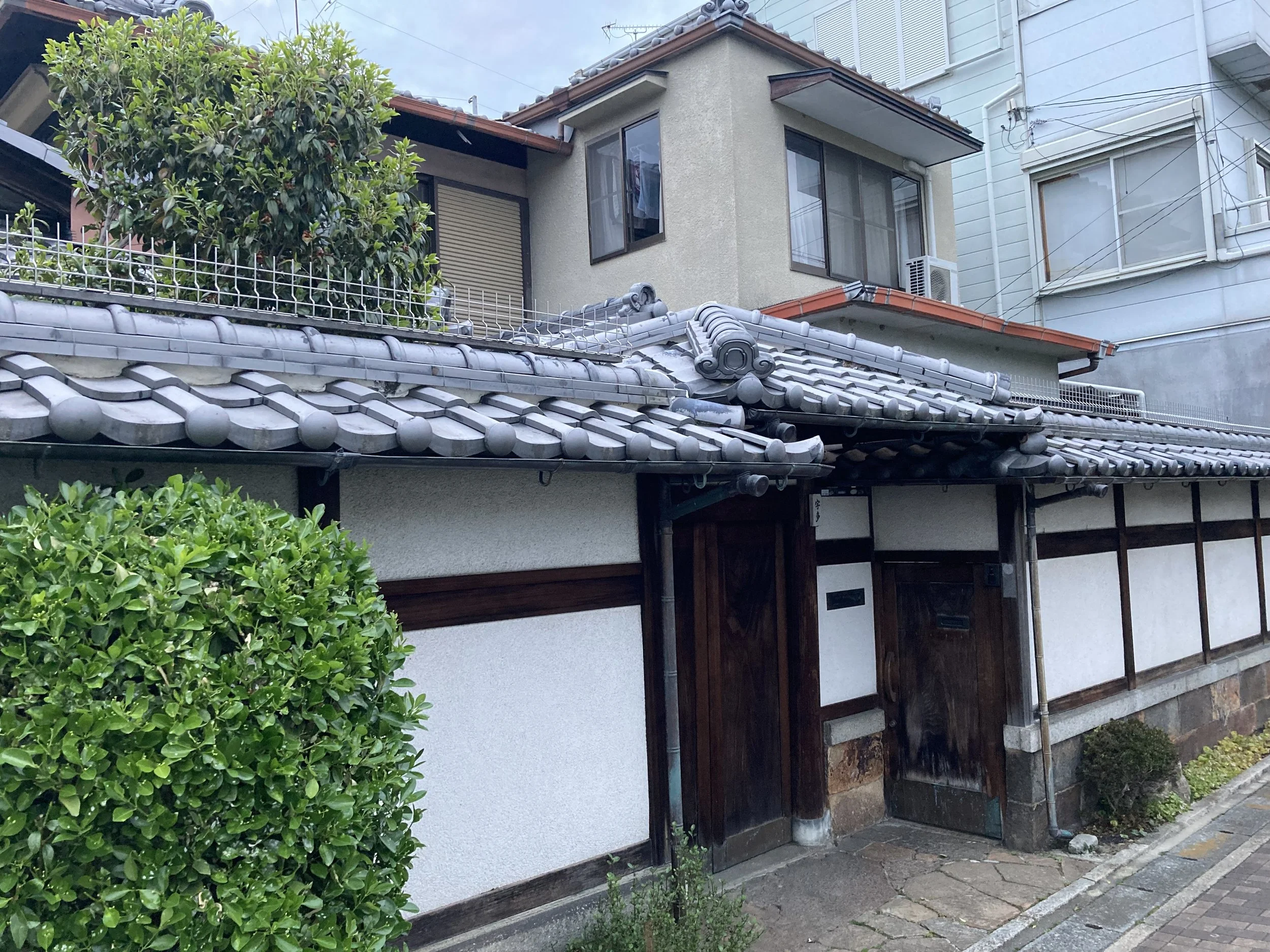
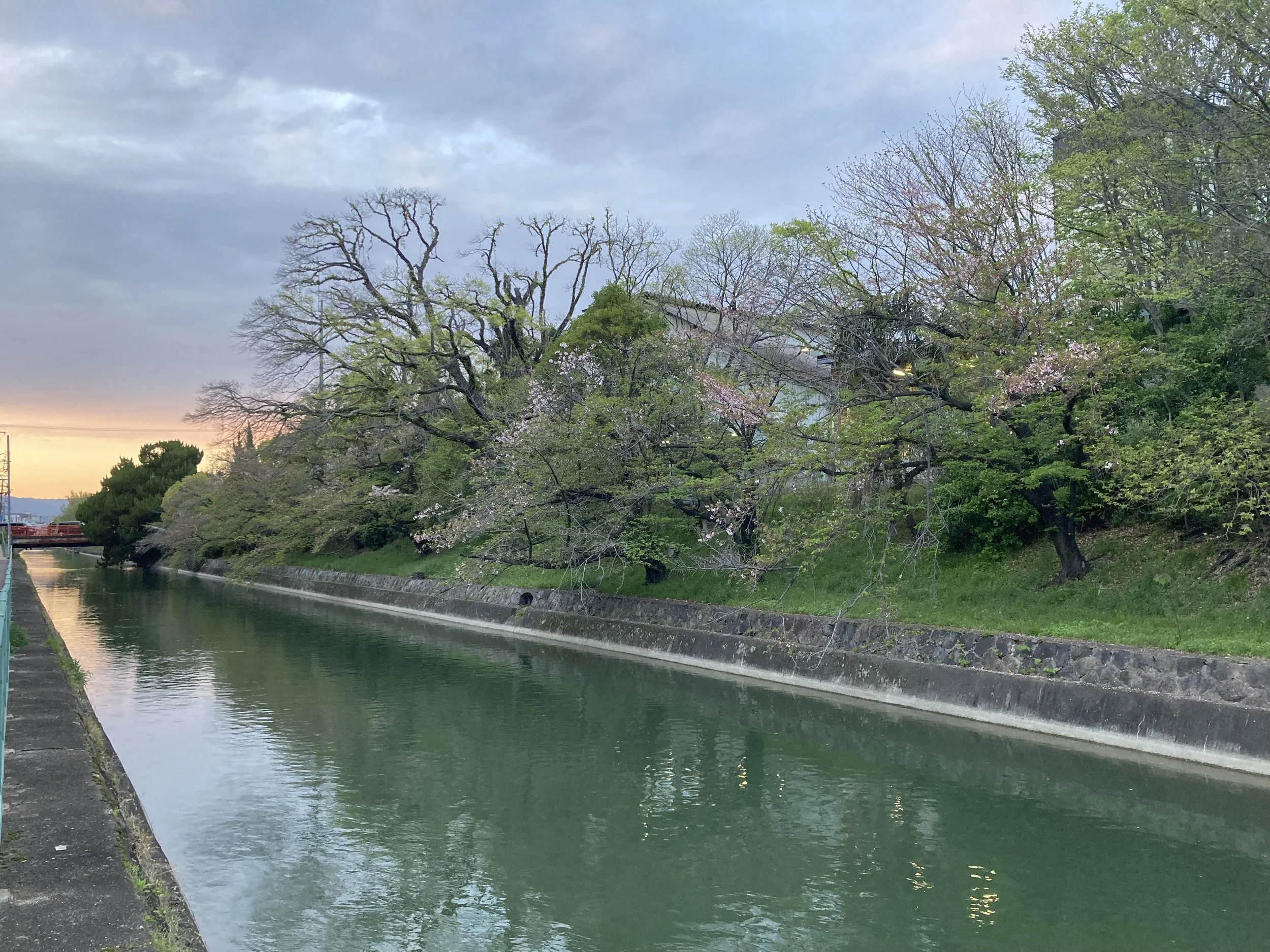
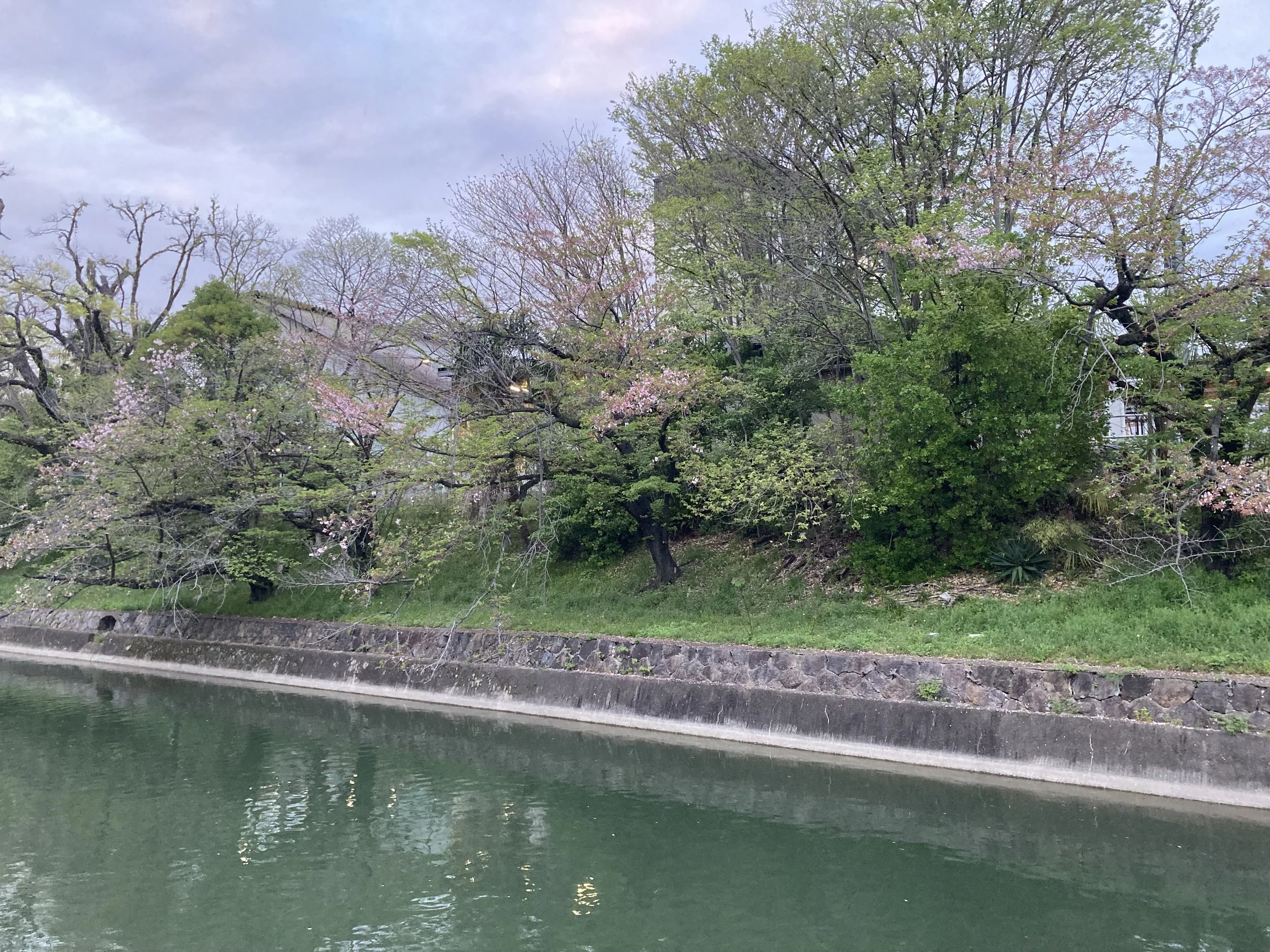
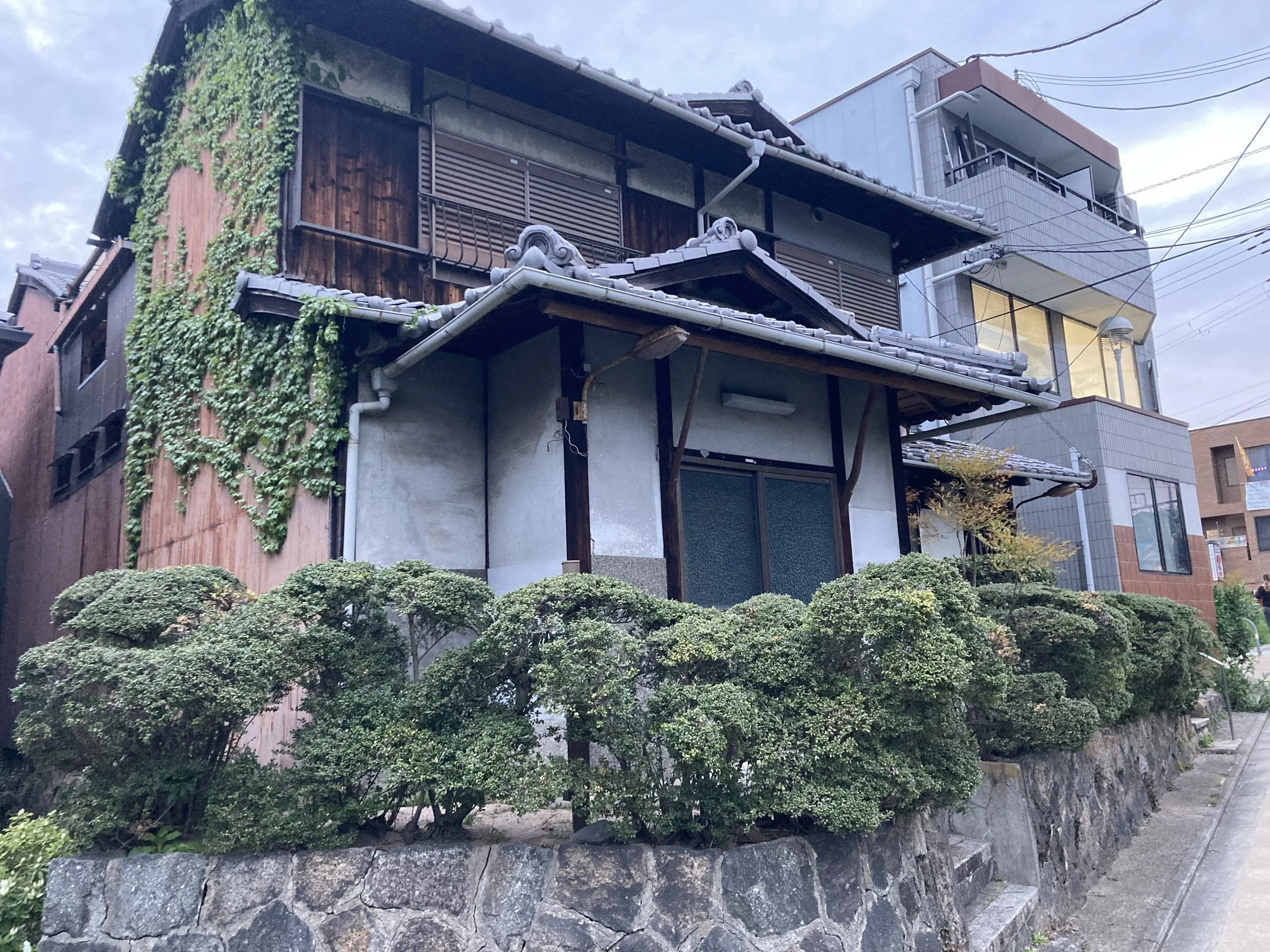
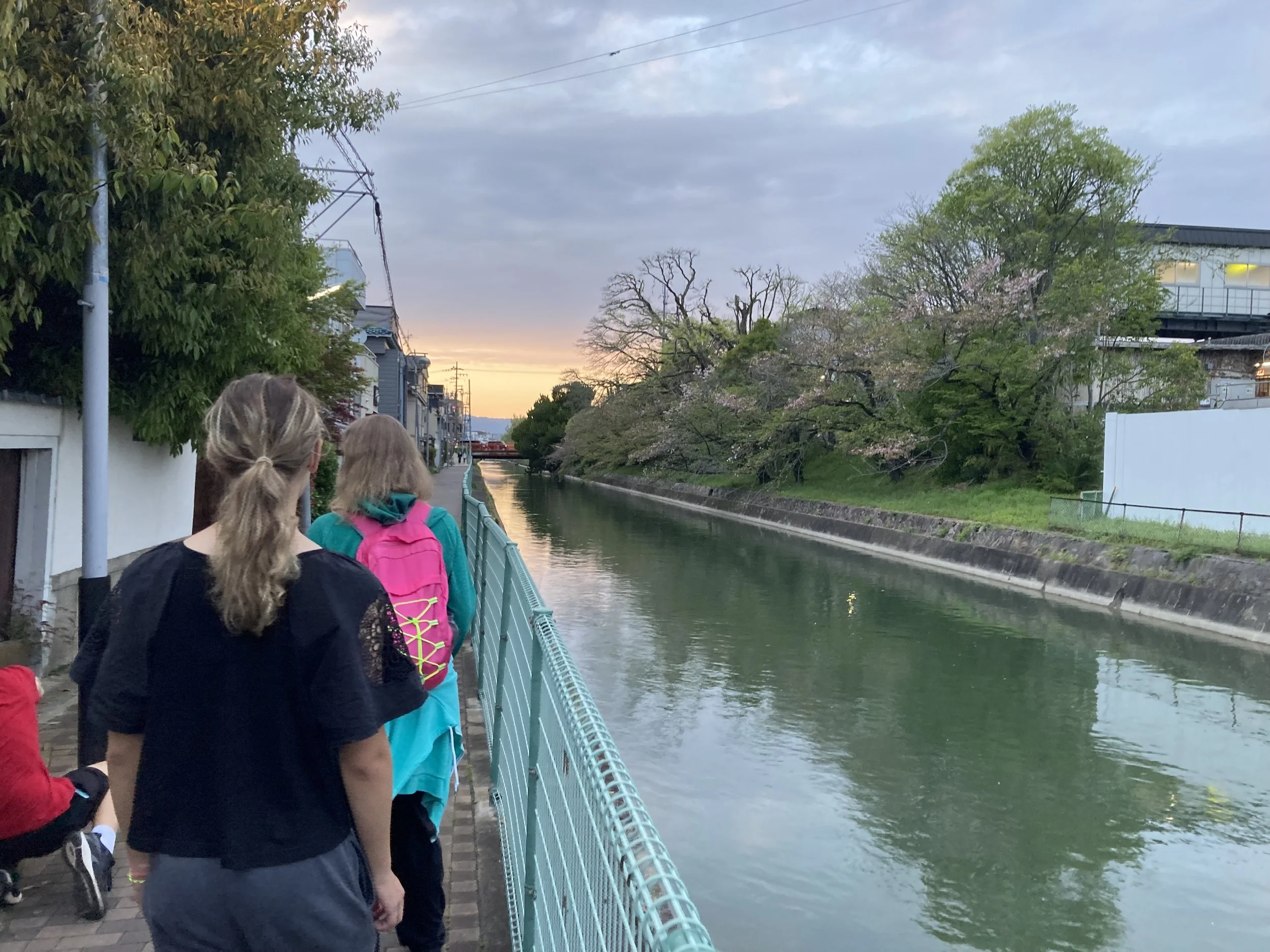
In the meantime, we walked around the area and checked out the neighborhood. It’s especially beautiful at sunset.
Lastly, I had to explain to Violet that Japanese Buddhism (a 2,500 year old non-theistic religion and philosophy originating in India) uses manji (not swastikas) and had adopted this symbol long before Nazi Germany adopted it. It’s used to represent temples, blessing, and good fortune which is why you will see something like this:
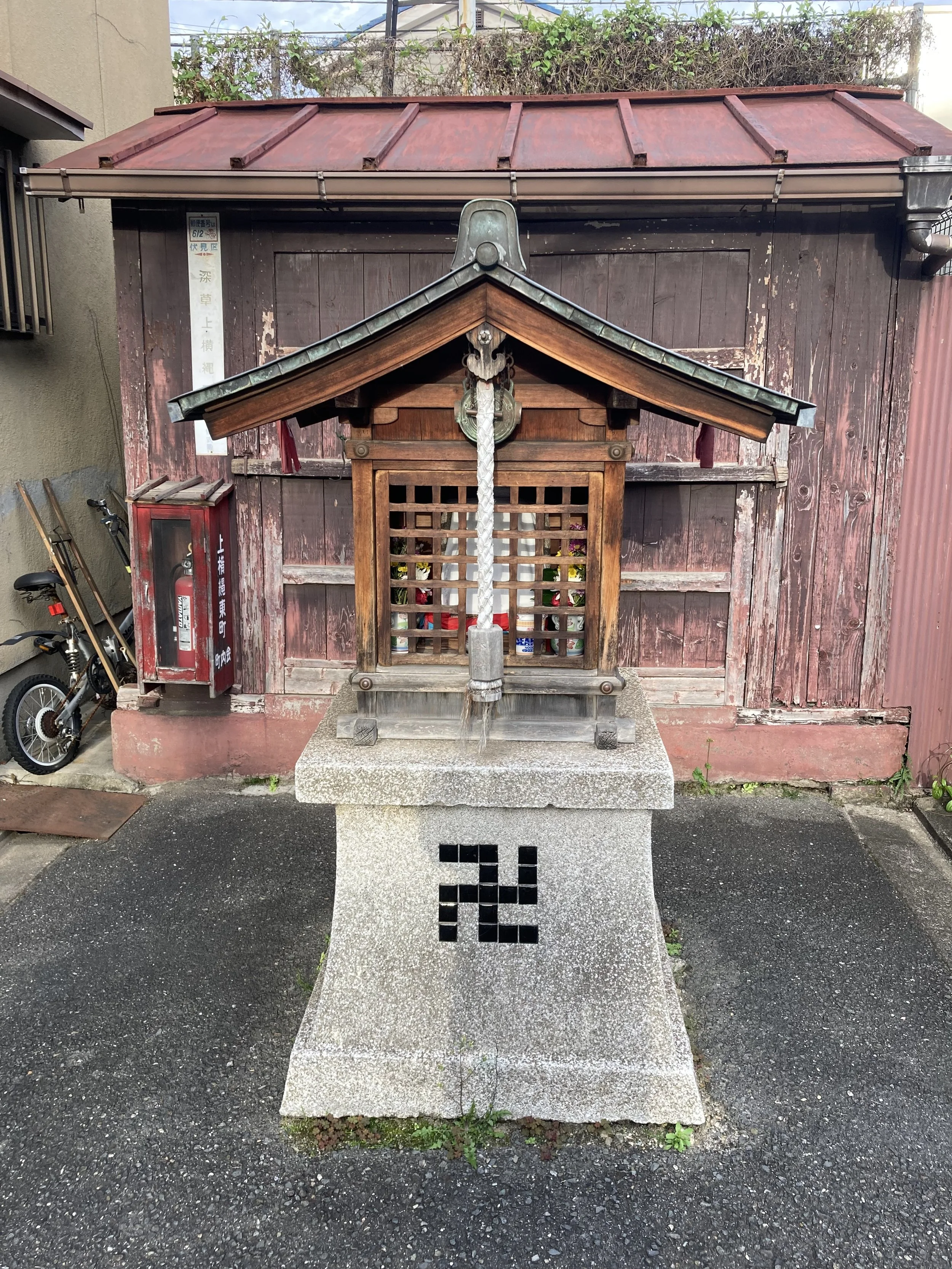
This manji is used to represent temples, blessing, and good fortune
This symbol can be off-putting if you’re not prepared to see it and you’ve only known it to represent Nazi Germany in World War II. I wanted both Will and Violet to be aware that this symbol has a very different meaning here in Japan and long pre-dated World War II.
I share this because anytime we’re doing a Google Map search you can see this symbol on the map, usually indicating a nearby Buddhist Temple or Shrine. Again, it takes some getting used to when you’ve only had one association with the symbol growing up.
I might not have believed this if I hadn’t looked it up the first time I came across it on my Google Map search and then saw it just like the picture above. In truth, it’s a symbol and it’s all in the meaning we give it to reinforce the principles of love or hatred. That, in itself, is an important reminder. Whatever we give energy and focus to, expands.