Catedral de Sal & Andres Carne de Res Chia (March 16, 2026)
Ask anyone or do any kind of search around “What should I do when I’m in Bogota” and two of the top answers will be exactly our day today. First, let me introduce my guide, Felipe from Medellin (friend of Gina’s who is the cousin of Claudia Barbey — did you get all that?)
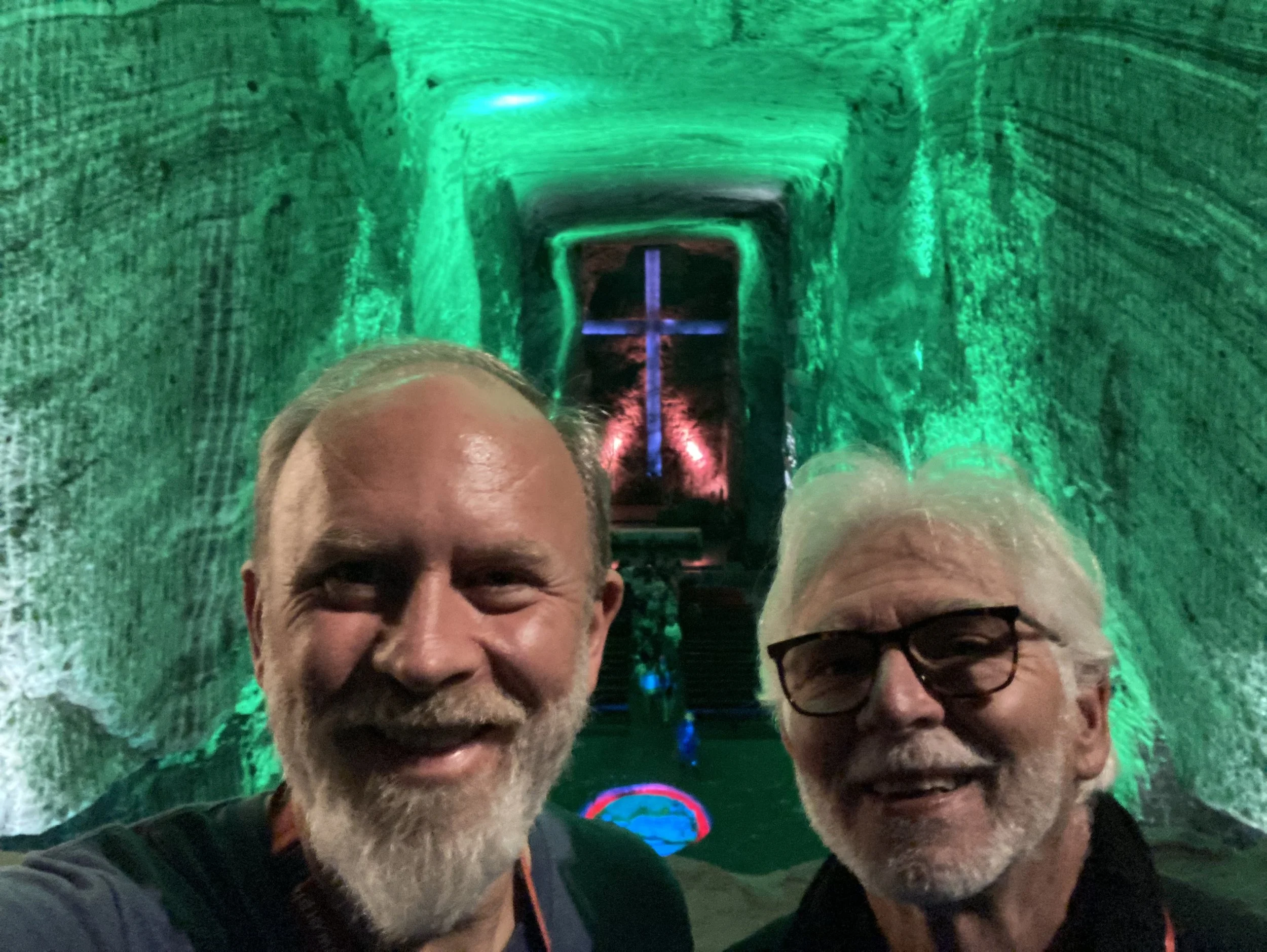
Bill and Felipe overlooking the Catedral de Sal
Today, Felipe and I became friends. We passed the 2-hour car ride test. When I was working at my first job, Modem Media, back in 1994, the hiring manger wished he could simply take a candidate we were looking to hire on a 2 hour road trip. At the end of the trip, you will know with certainty if you want this person to be part of your team.
Felipe picked me up at my hotel at 8am (7:55 to be precise) and immediately helped me talk with the manager of the hotel. SO much easier with a native Spanish speaker. After helping me get sorted on my hotel reservation, we drove two hours out of Bogota to visit Catedral de Sal — or The Salt Cathedral of Zipaquirá. This site is now a historical landmark and currently considered the Wonder of Colombia.
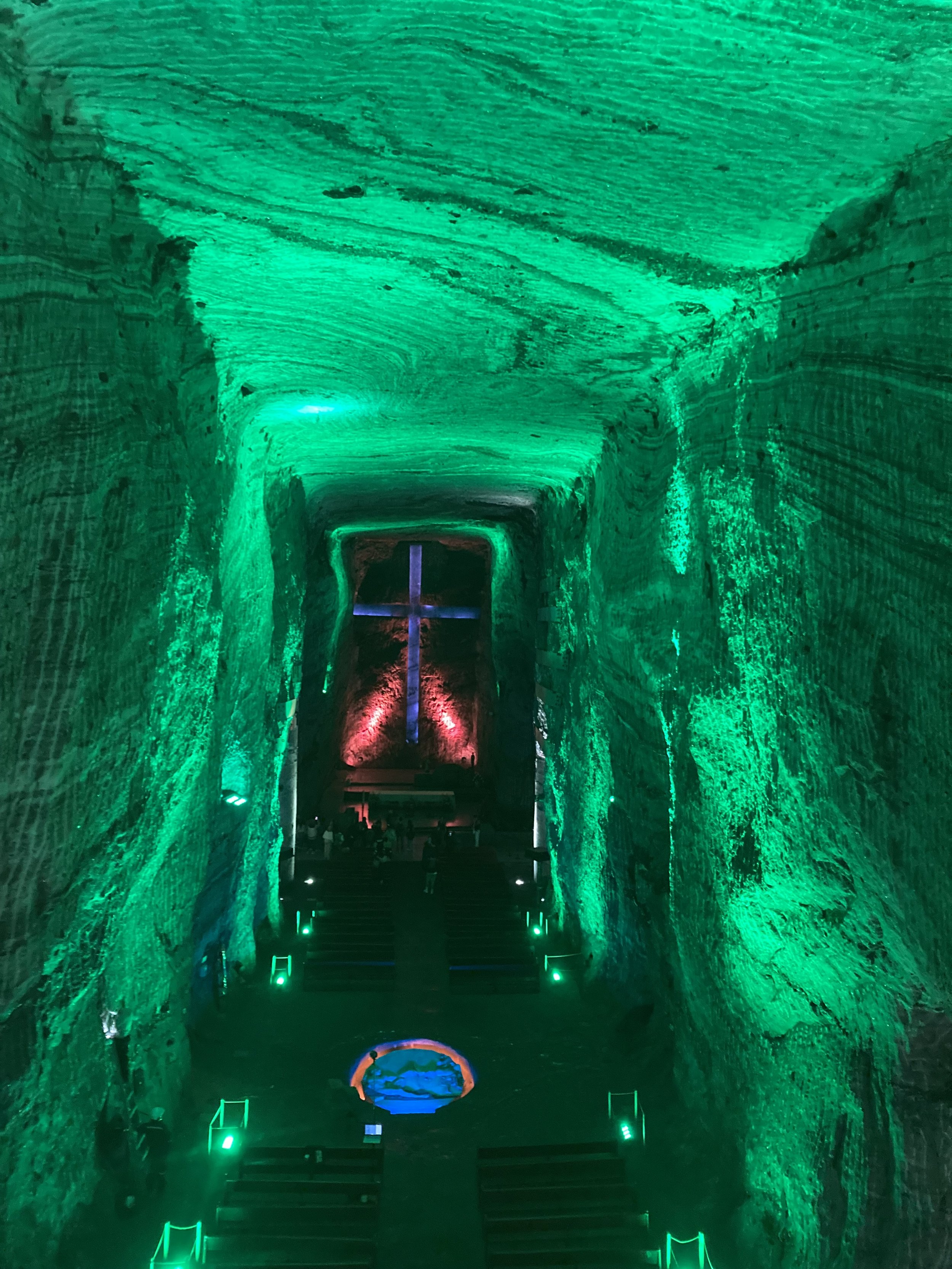
This is a Cathedral Painstakingly Carved into a Salt Mine. Whoa!
Fair Warning: I took entirely too many pictures today and would like to share them here.
This landmark lives up to it’s reputation as the Wonder of Colombia. My mom will hang on every picture as this is one of the most unique Cathedrals I’ve ever set foot into and I’ve been to the Vatican, and have seen nearly all the Cathedrals recommended by this architect that you “must see before you die” (except Russia). And many of them have been previously posted about in the past 11 months. So glad this is one of the final ones (if not THE final one) I had the pleasure of visiting on my World Tour.
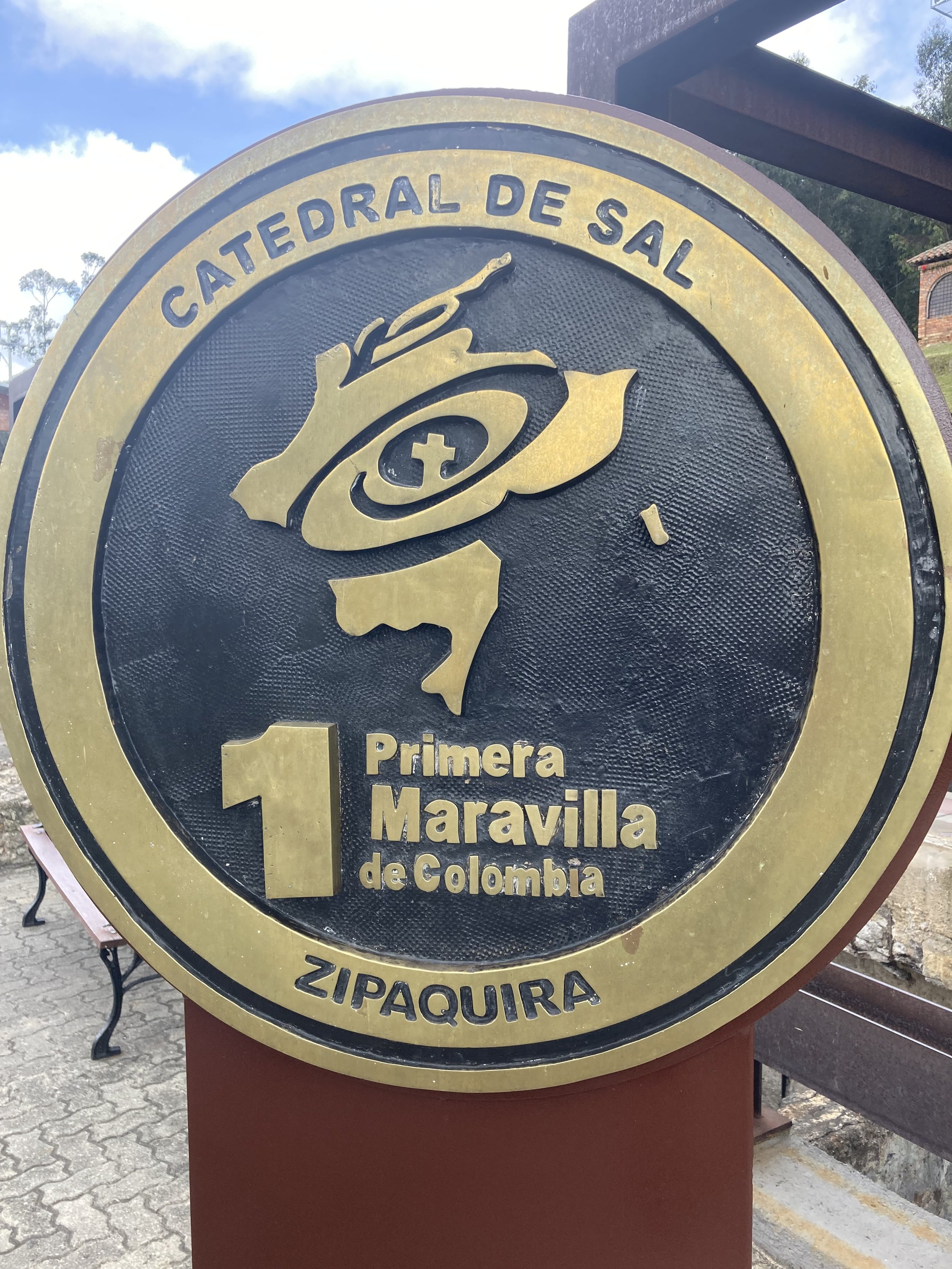
The Catedral de Sal (Salt Cathedral) of Zipaquirá is an underground Roman Catholic church built entirely within the tunnels of an active salt mine. Located roughly 48 km north of Bogotá, Colombia, it sits 180 meters underground and is considered the "First Wonder of Colombia".
Fast Facts:
The Origins: The original cathedral opened in 1950, but was closed in 1991 due to structural and safety concerns. The current, larger version was inaugurated in 1995.
Creation: Building the 1995 cathedral required excavating roughly 250,000 tons of rock salt. The entire site is carved from a massive salt dome formed over 70 million years ago.
Architecture: The complex features the 14 Stations of the Cross, a "Mirror of Water" (brine pool) for optical illusions, and the largest underground cross in the world.
Technicality: Despite its name, the church does not have a resident bishop, which means it lacks official canonical status as a cathedral within the Catholic Church.
Capacity: It can hold up to 3,000 people for Sunday masses, which are still held every week!
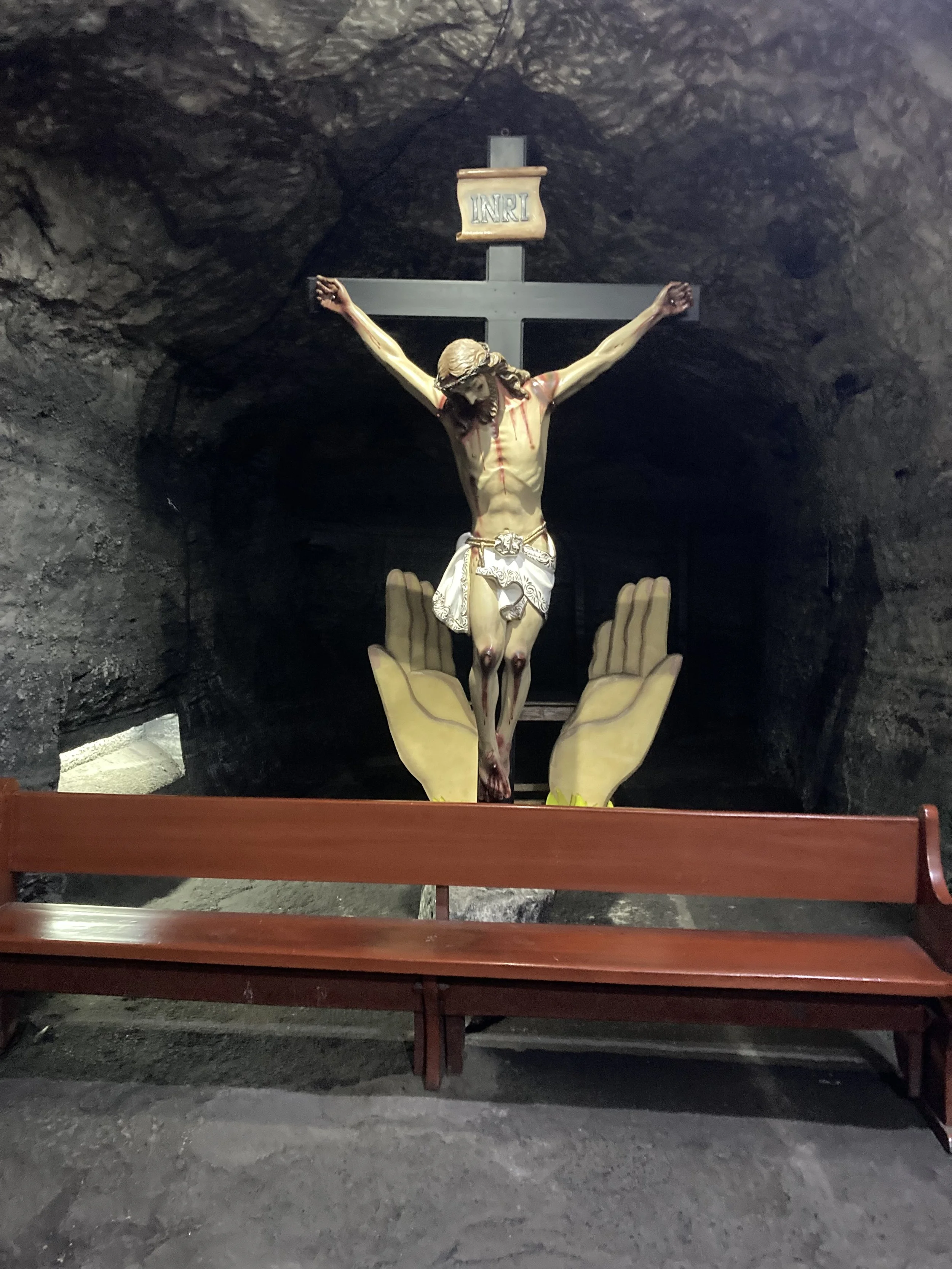
Here’s what’s fascinating to me. This was a labor of love by the miners themselves. They painstakingly carved the stations of the cross exhibits and the full Cathedral. It’s breathtaking.
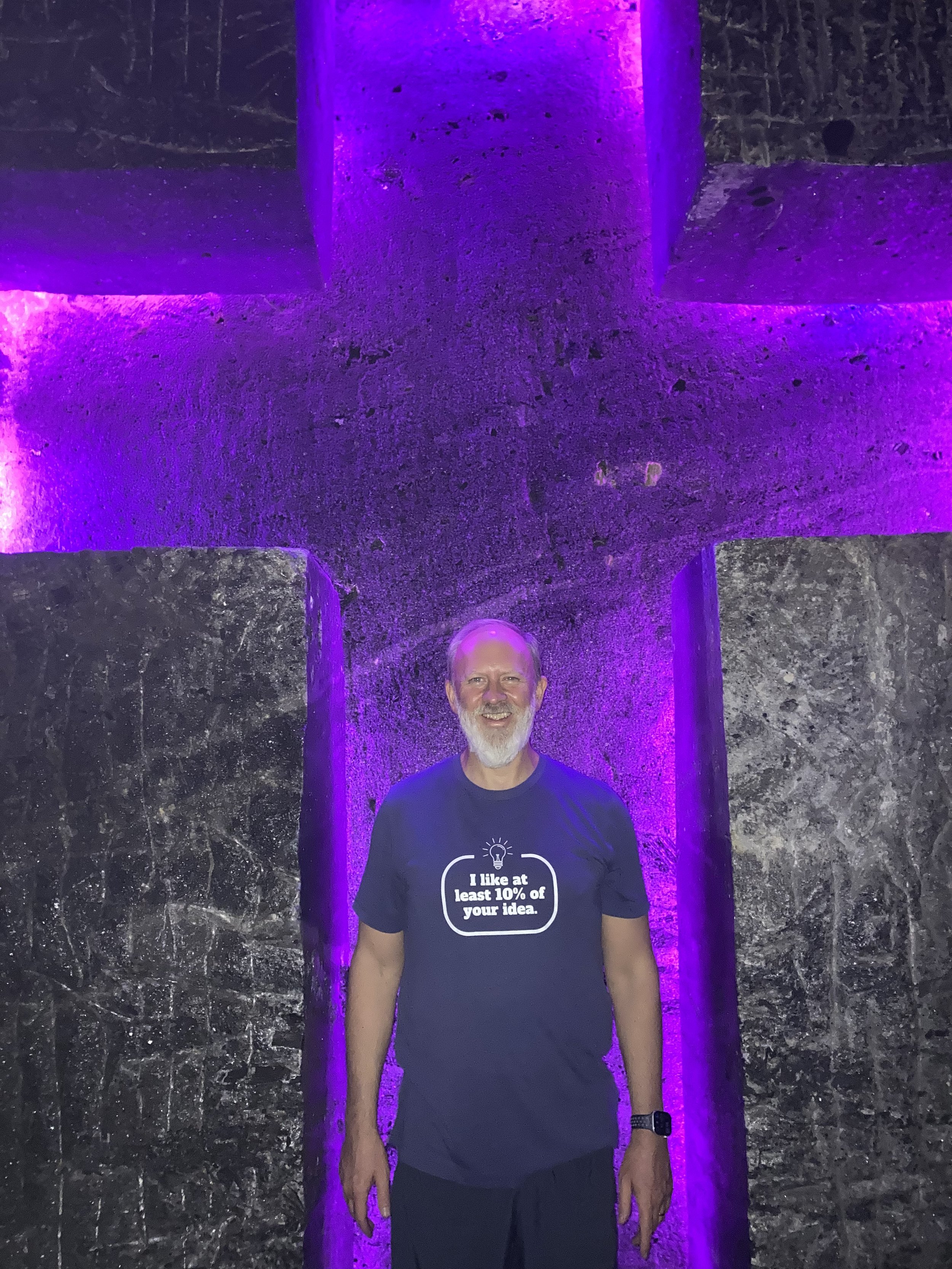
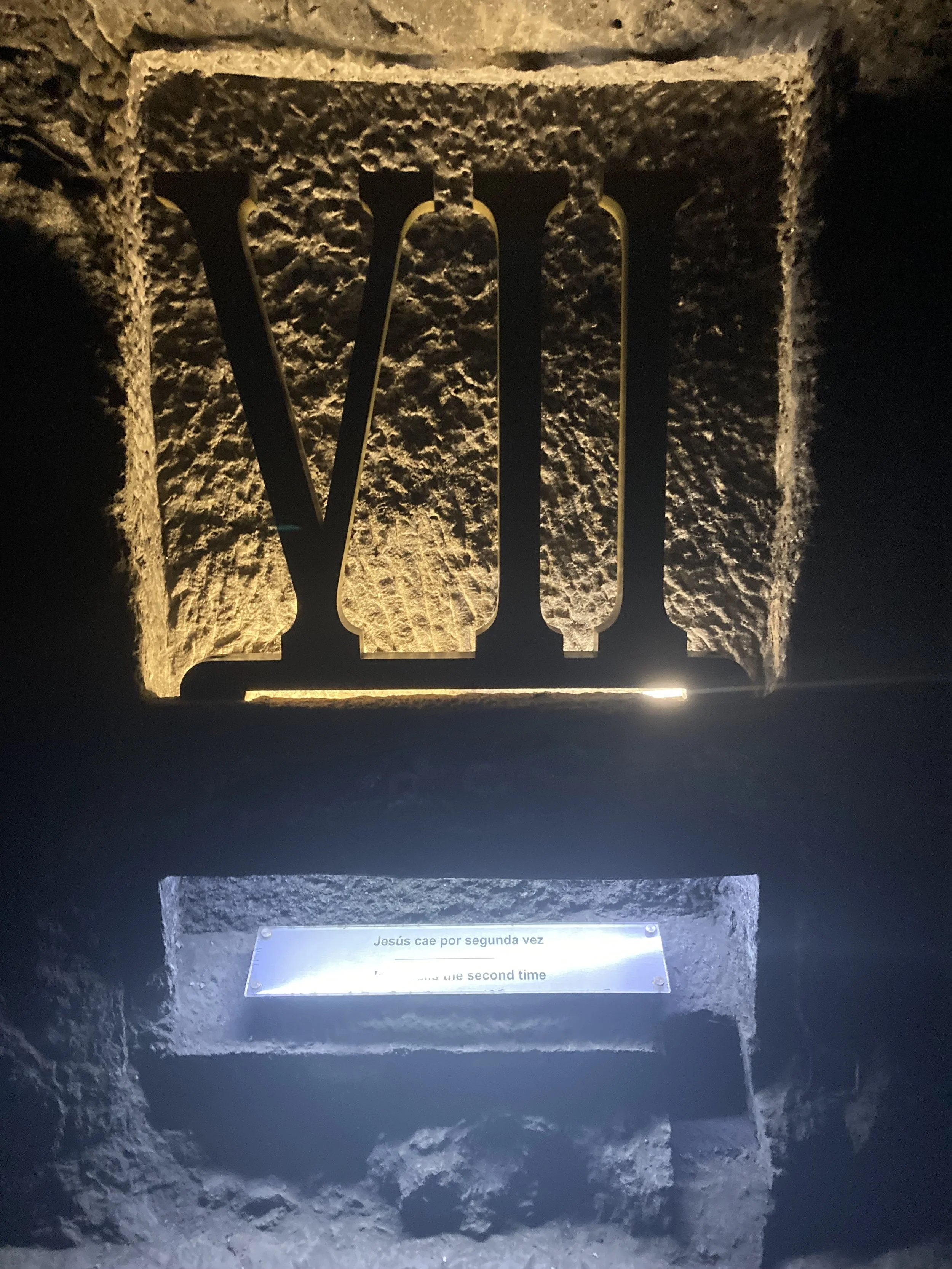
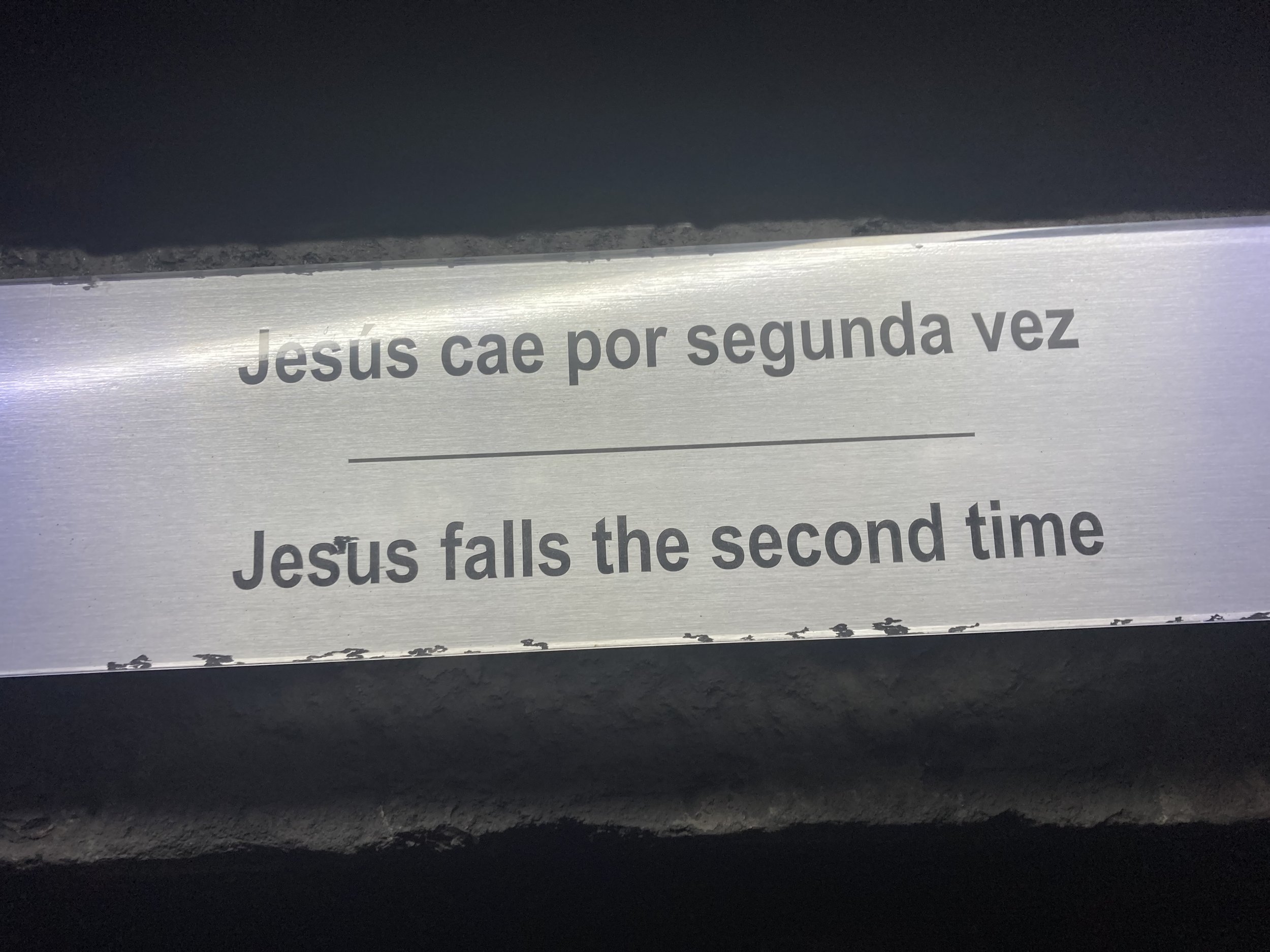
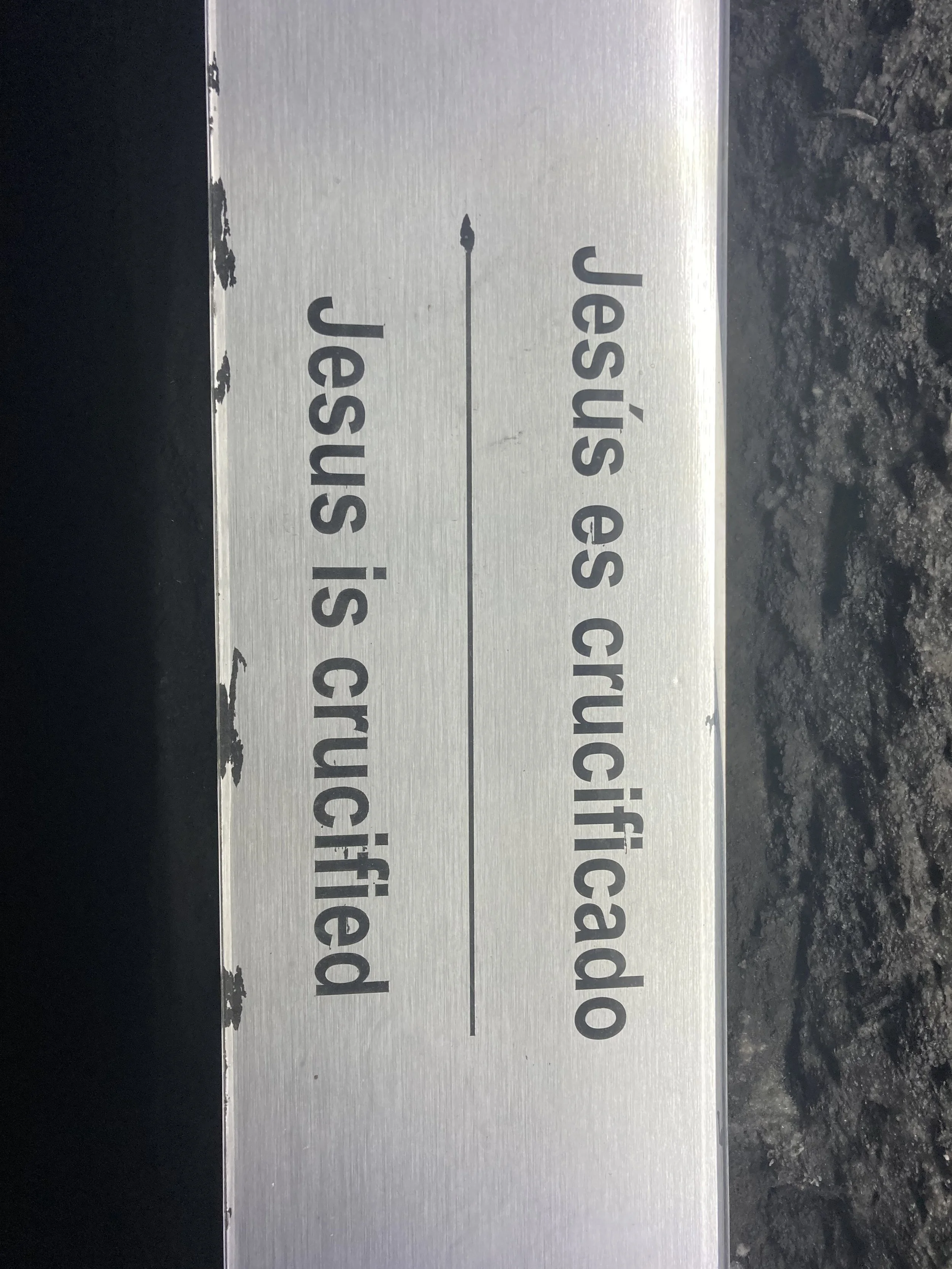
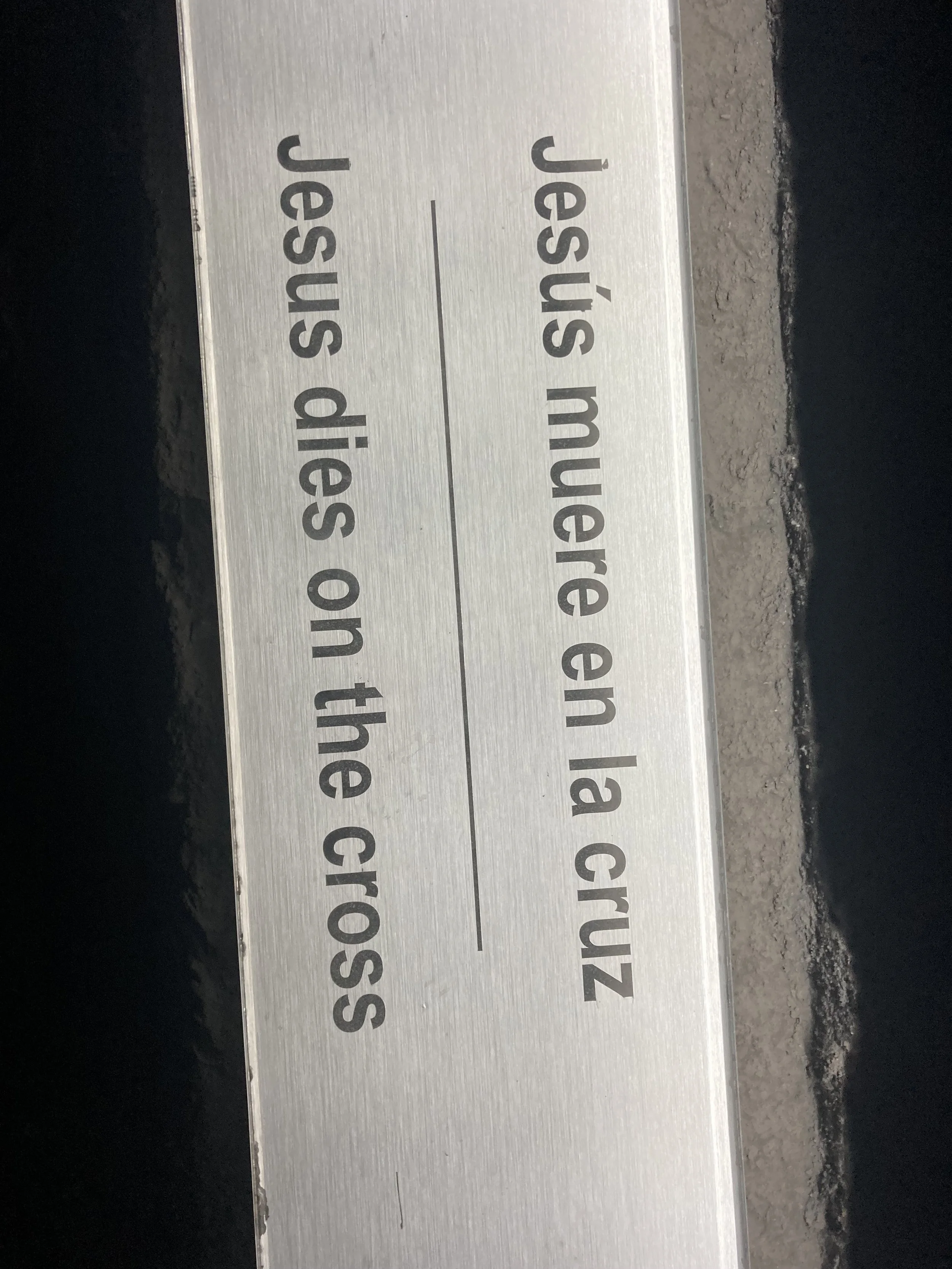
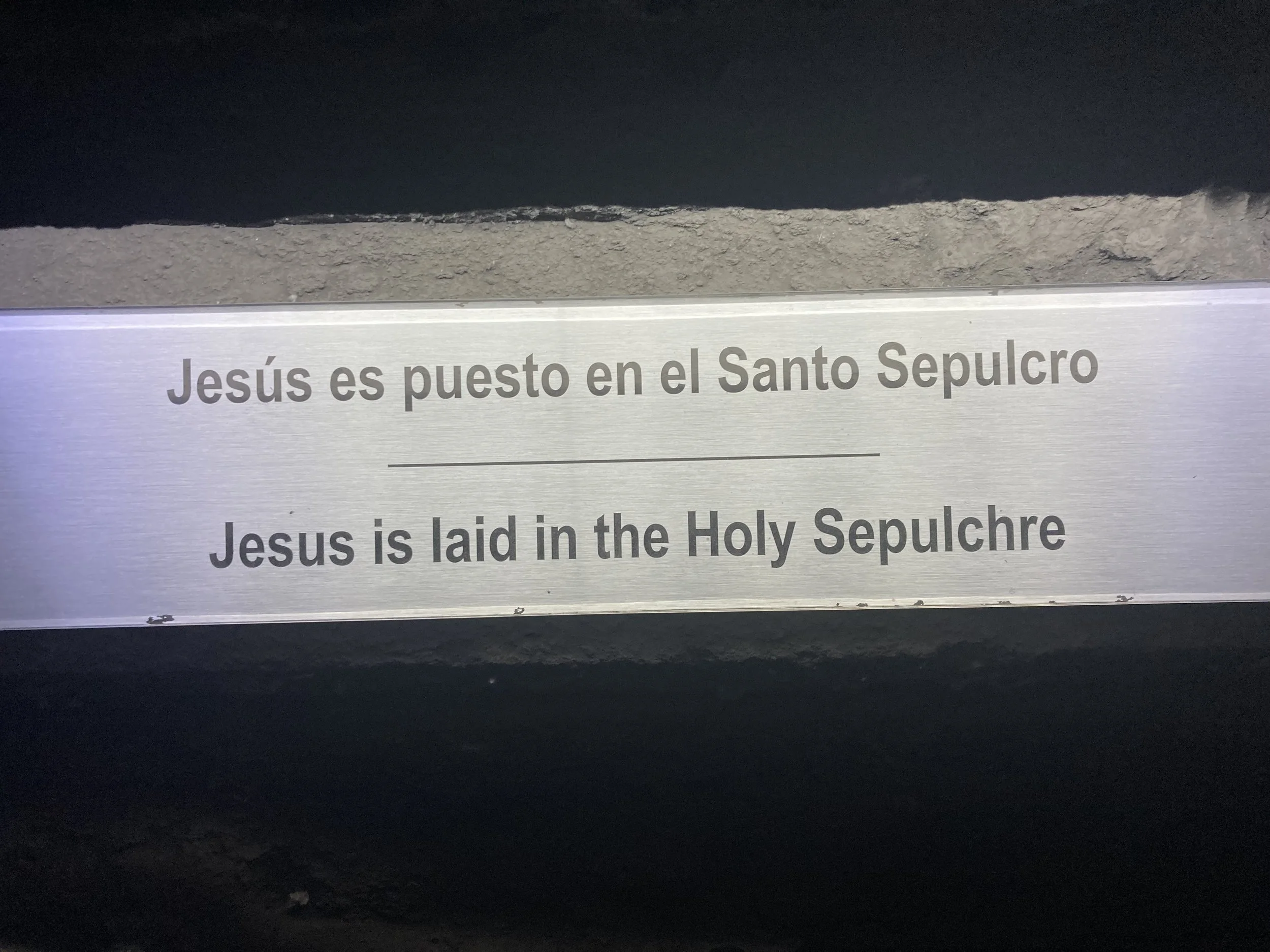
This is just ONE of the stations of the cross (#10: Jesus is Crucified)
So when I heard “Salt Cathedral” I was expecting to walk into one large dug out room inside a salt mine. Nope. That’s not even the finale! We start walking through an audio tour of the stations of the cross. Each carving had deep symbolism not just for the station itself, but also as a way for individuals to reflect on the specific ideas and symbolism that relate to the viewer. There are crosses that are “there” and simultaneously “not there.” Like the one I’m standing inside of. The negative space of the cross is clearly the cross, but actually there’s no cross because it’s the absence of the rock in the shape of the cross.
Allow me to further extrapolate for illustration. Take any fear. It’s both “there” and “not there” simultaneously. Every fear is an illusion. It’s “not there.” And yet, our fears drive our behaviors all the time. So one could argue that the fear is most certainly “there” in that we are responding to some invisible force in our life. When we look for our fear, it disappears. Try writing down any fear you have and see how utterly ridiculous it appears on paper. The probability of the fear being realized may be “non zero” but it’s an incredibly low probability.
In the same way love is simultaneously “there” and “not there.” Love has no physical characteristics so it’s “not there,” and yet you feel it with all your heart and know whenever it’s present. The most powerful forces in the universe are simultaneously “there” and “not there.” Imagine contemplating this as you observe this one of fourteen stations of the cross. Regardless of your own faith tradition, I am amazed at the care and detail put into each artist rendition leading up the Cathedral itself.
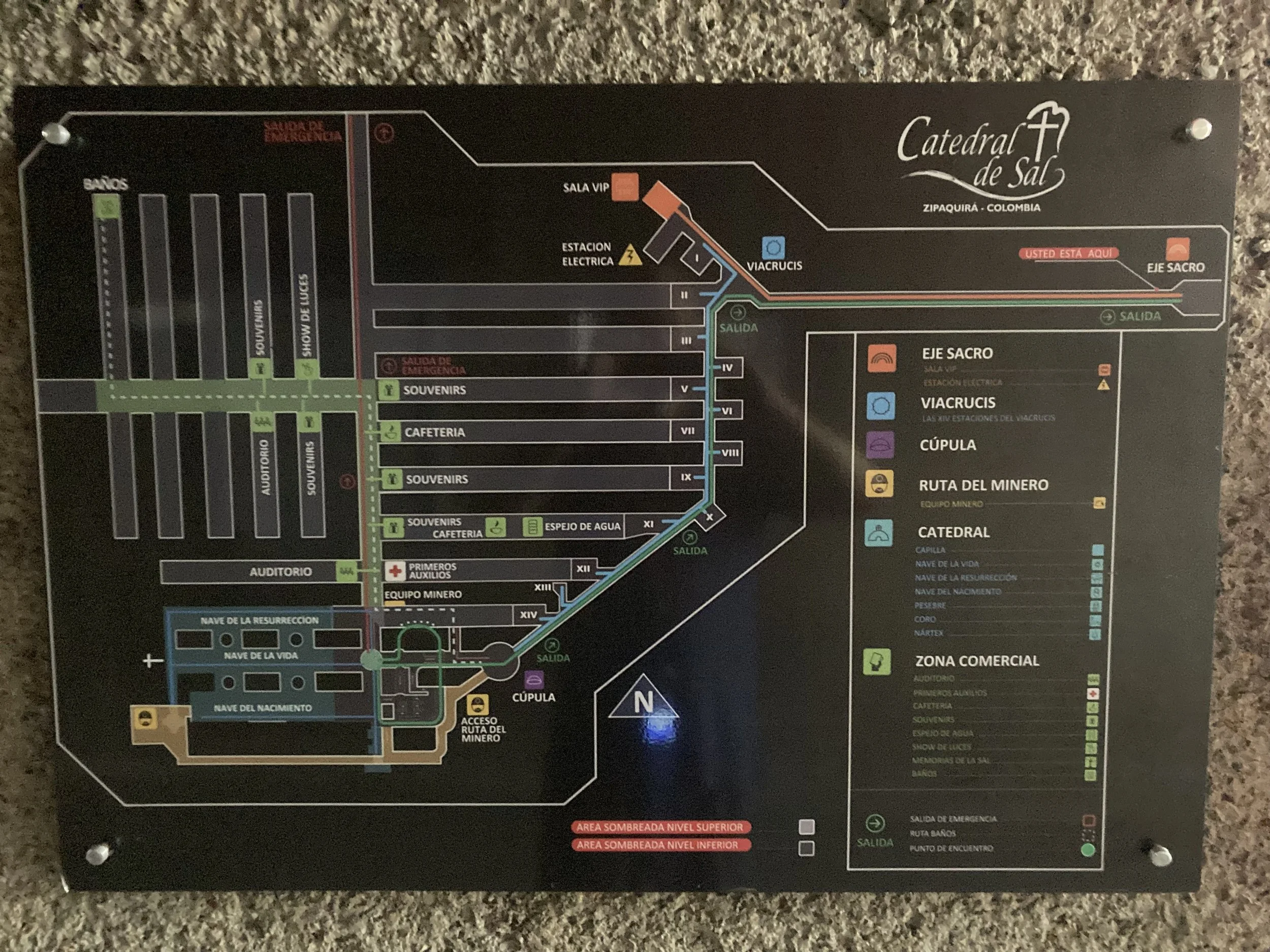
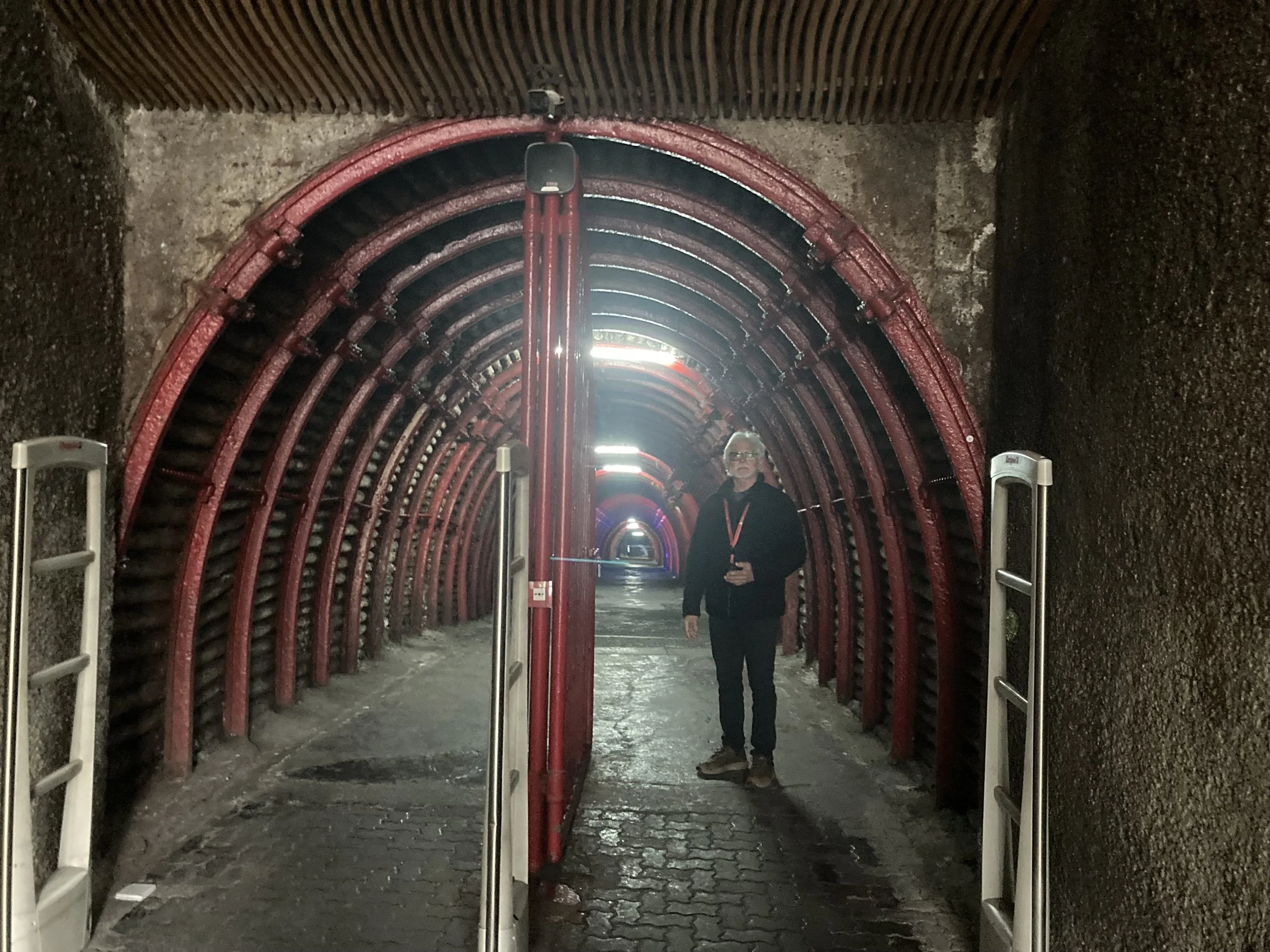
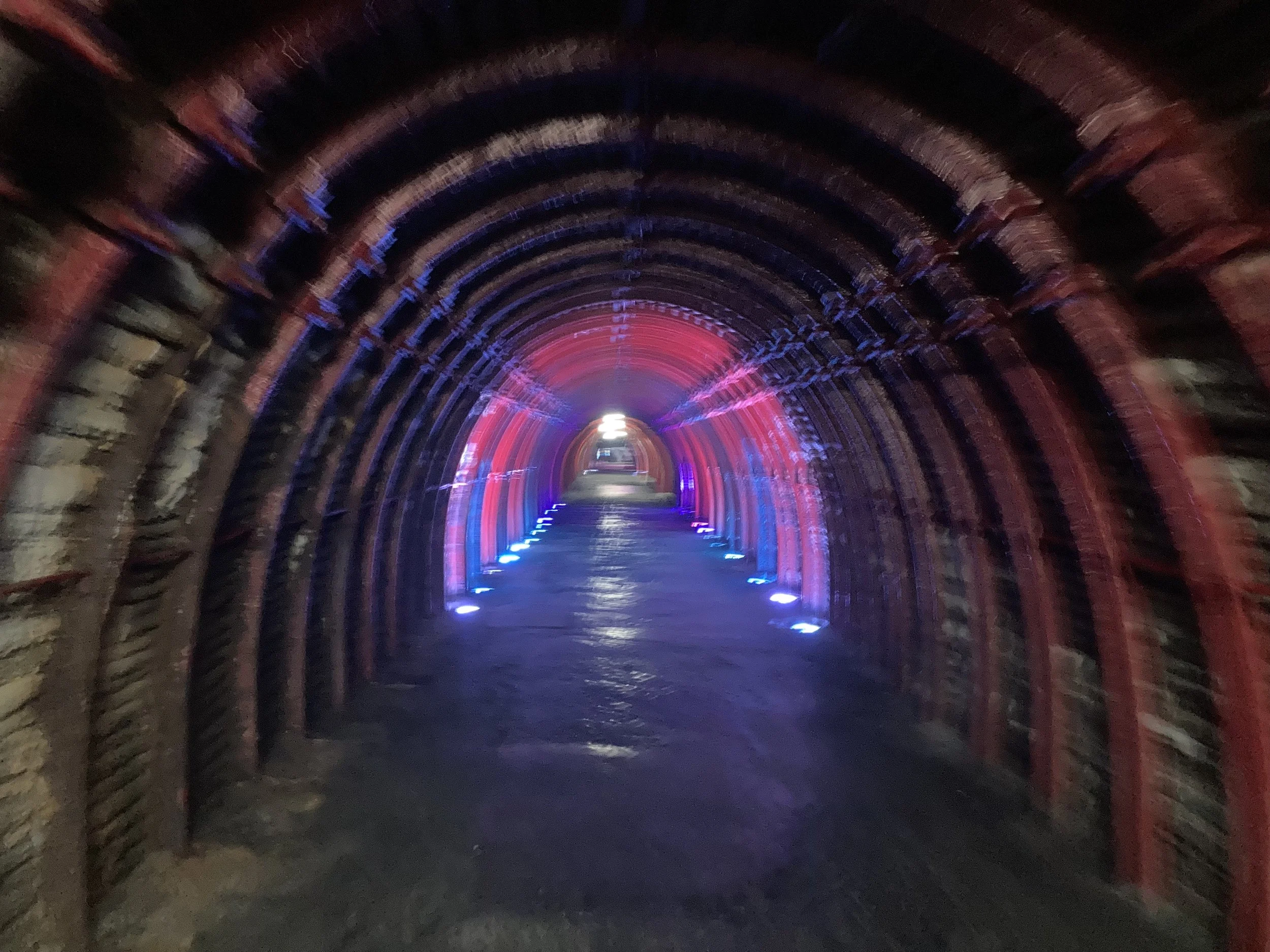
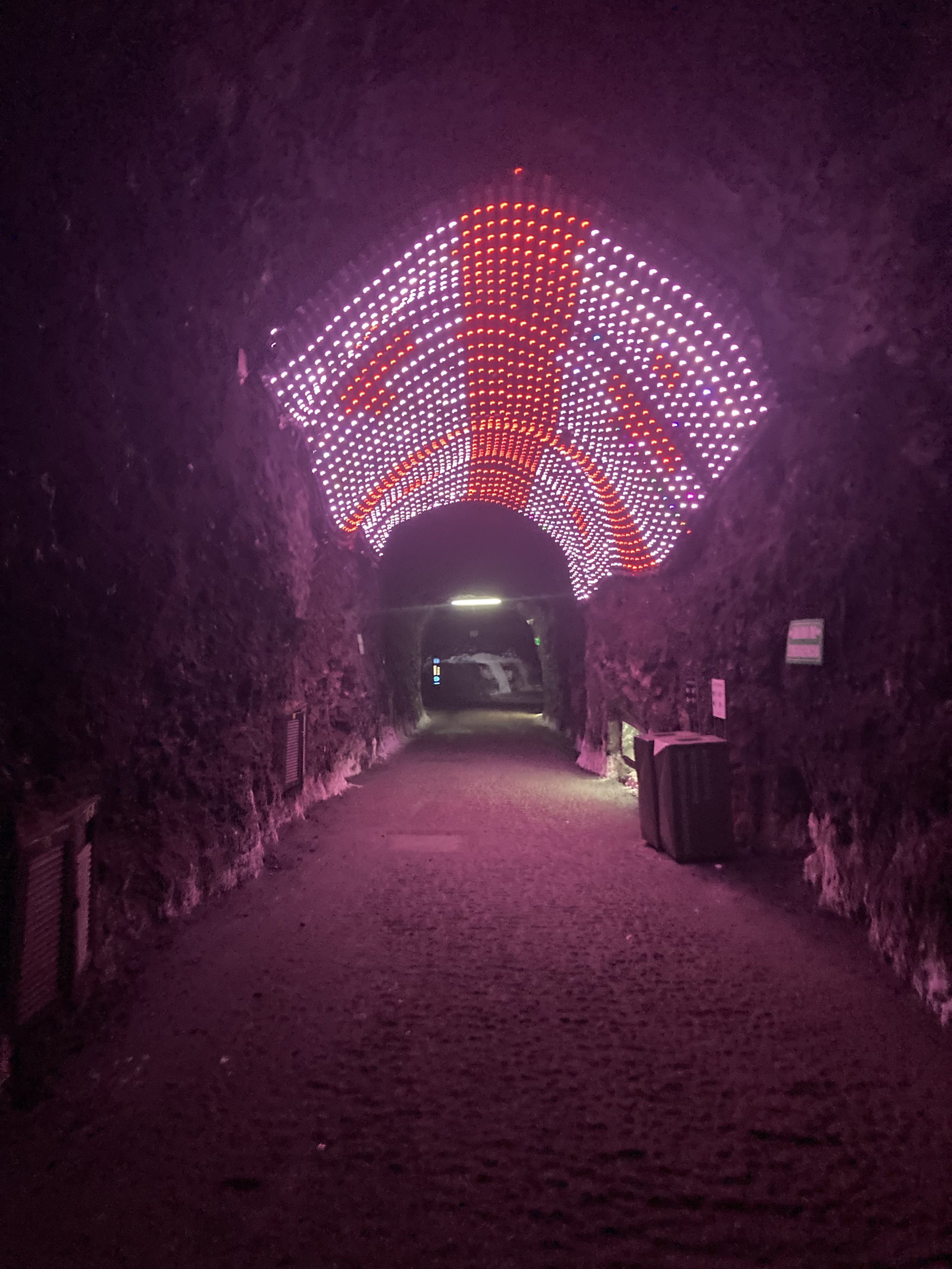
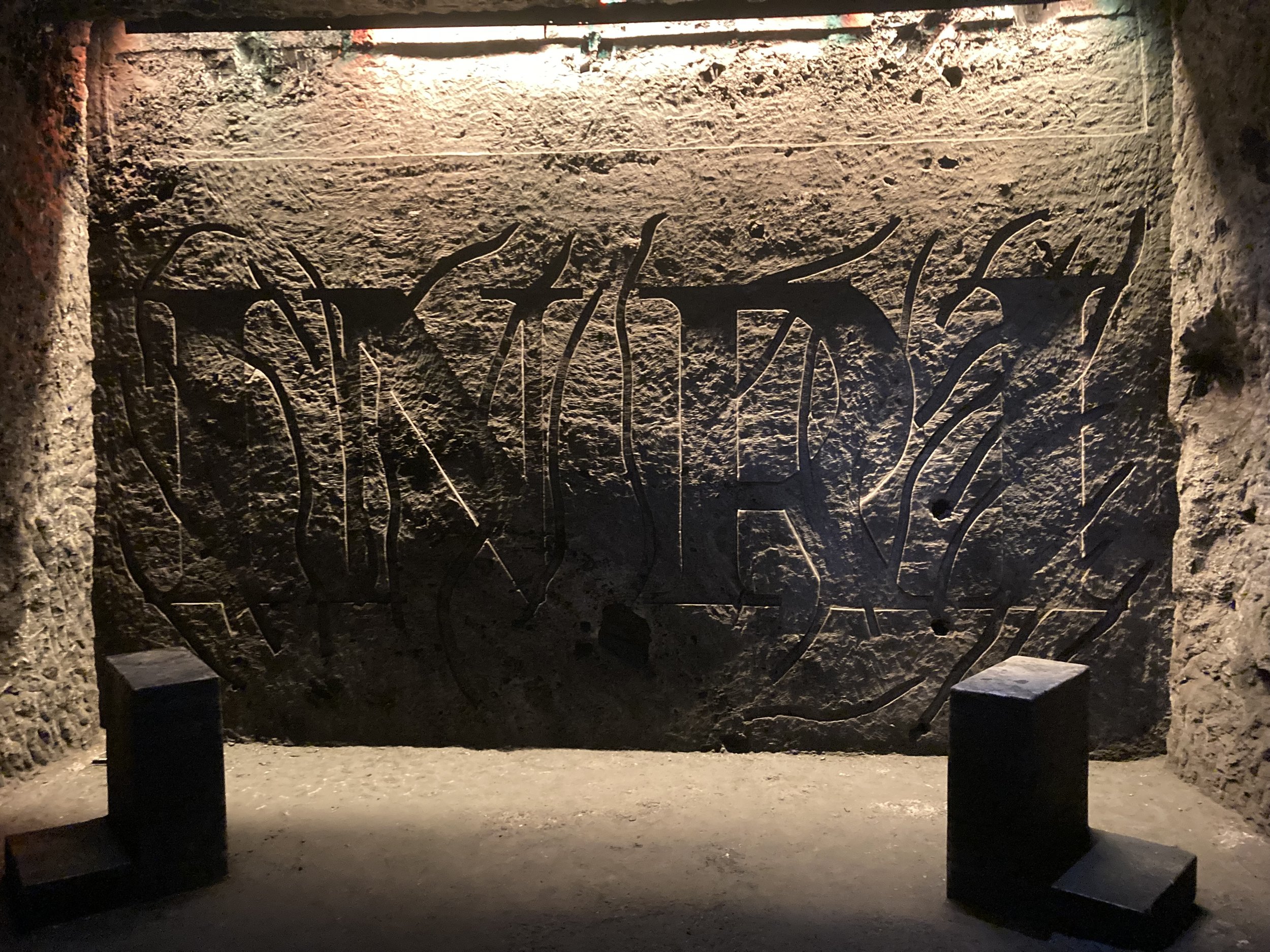
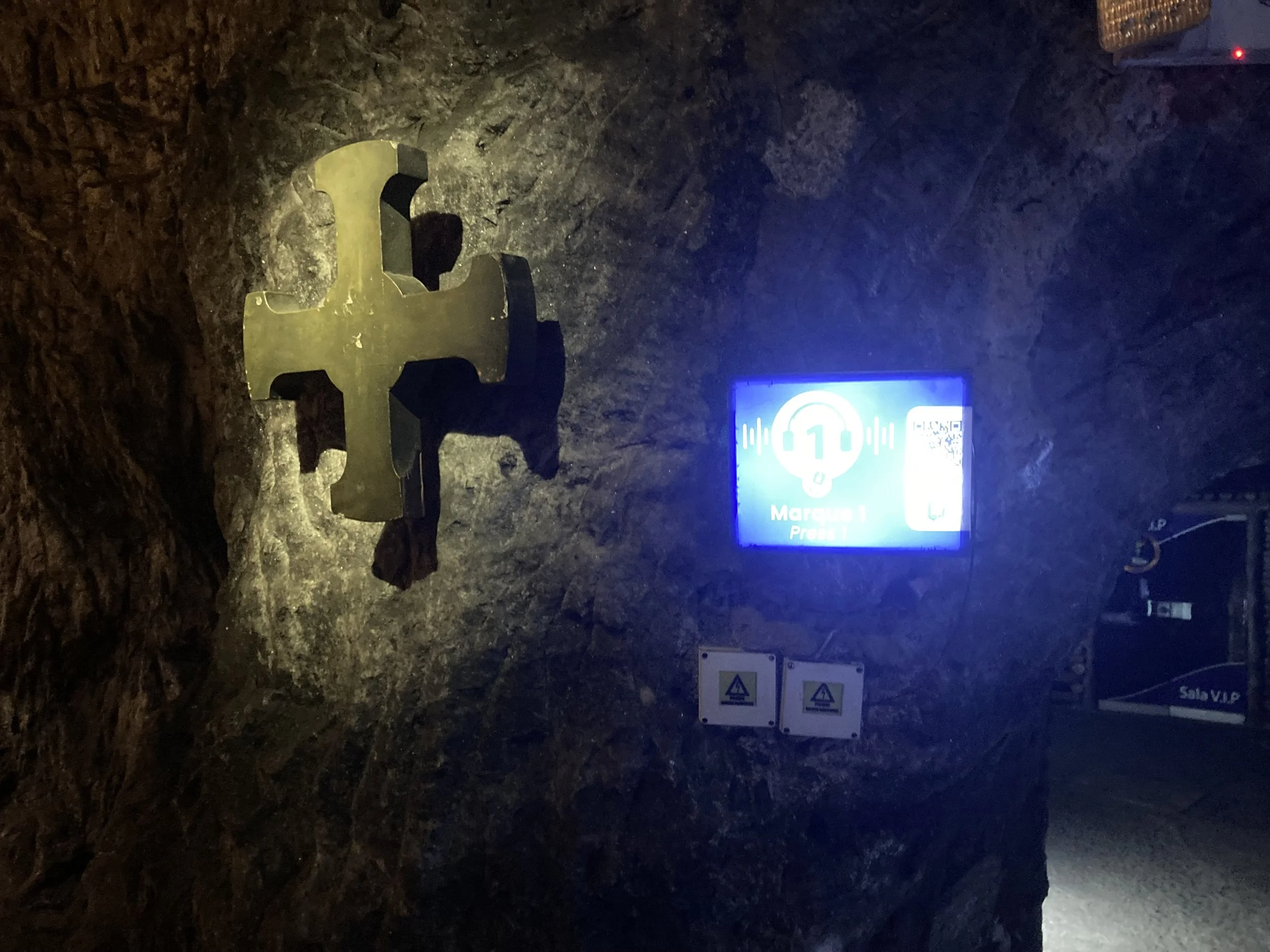
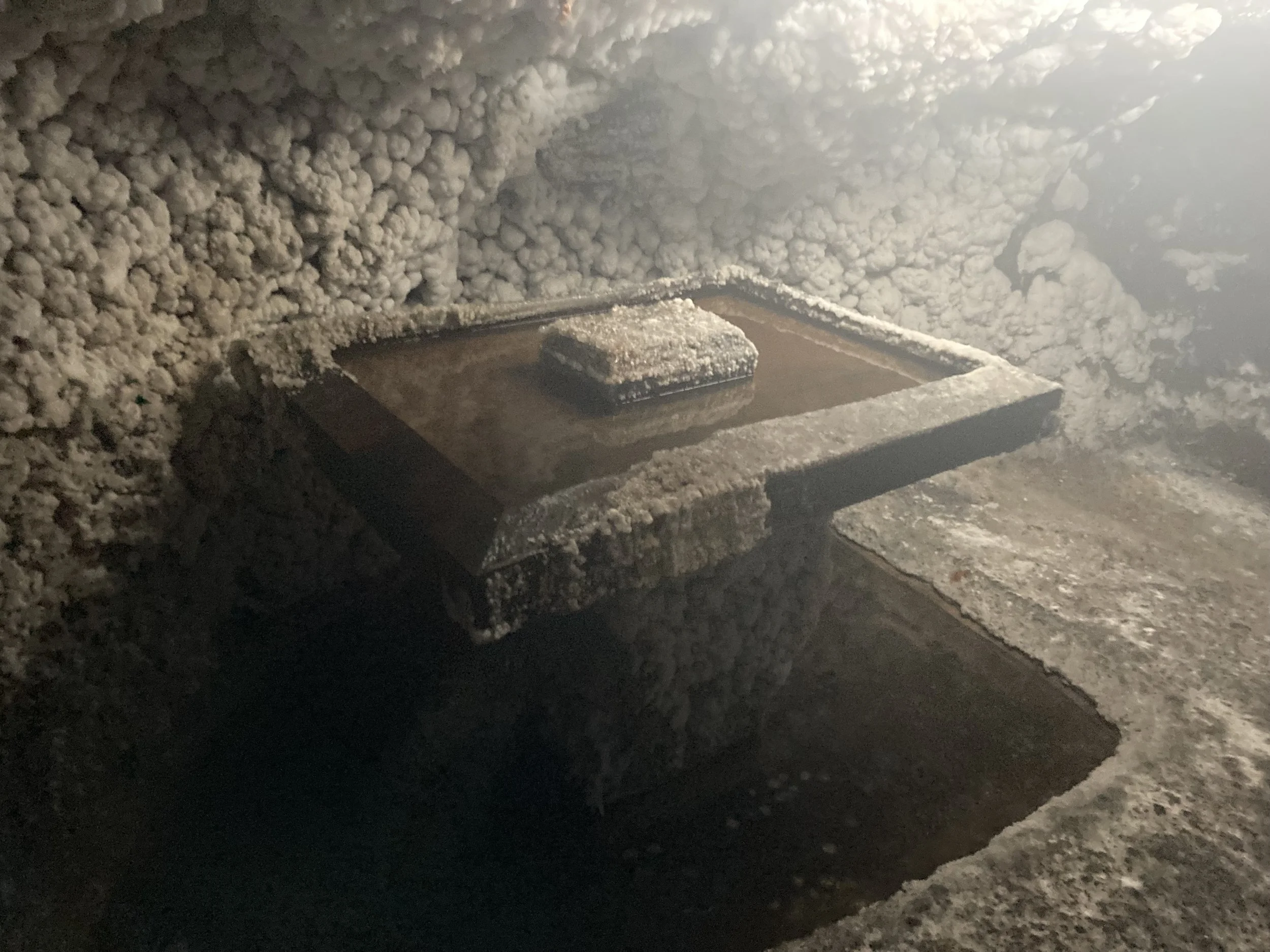
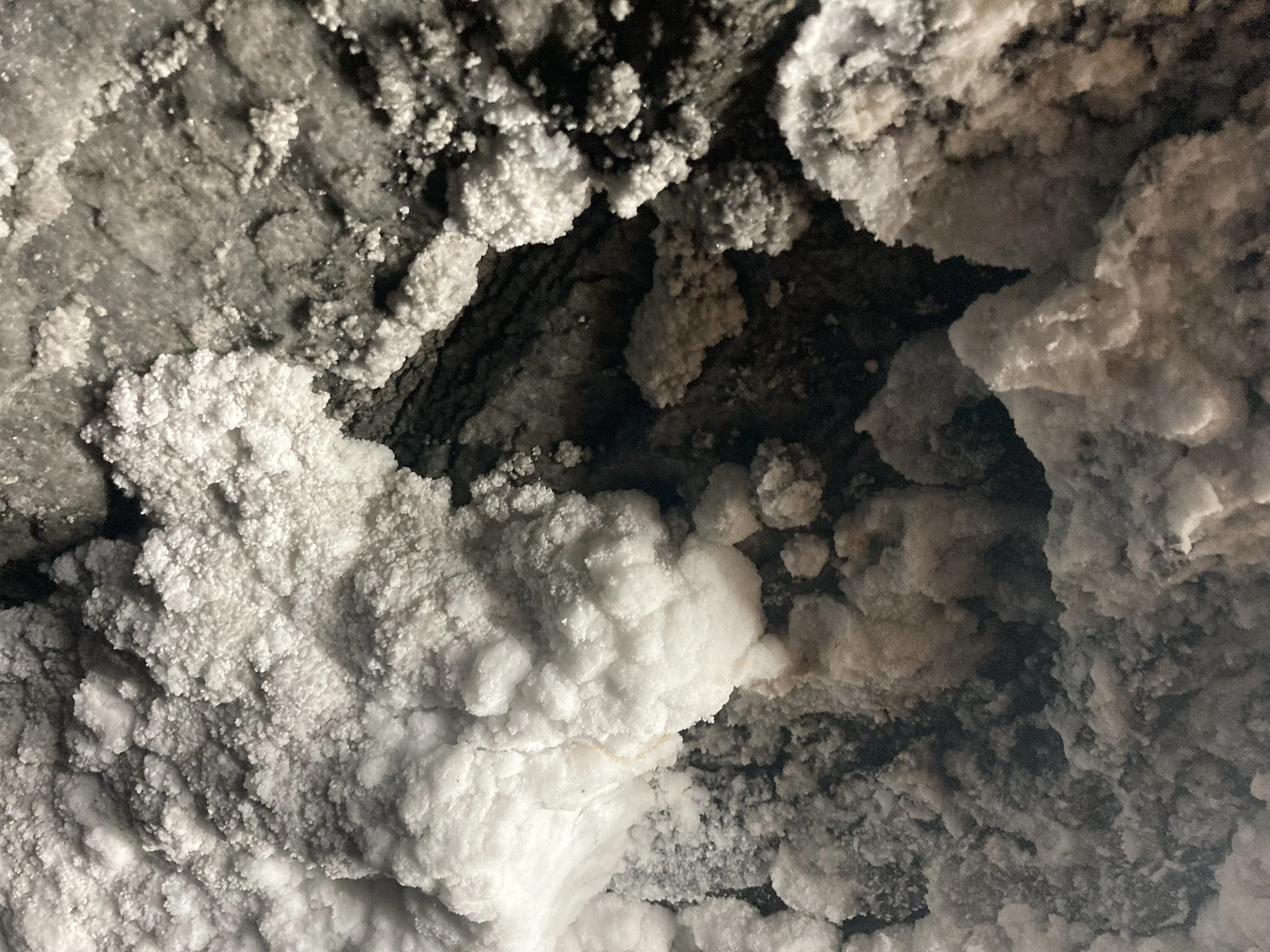
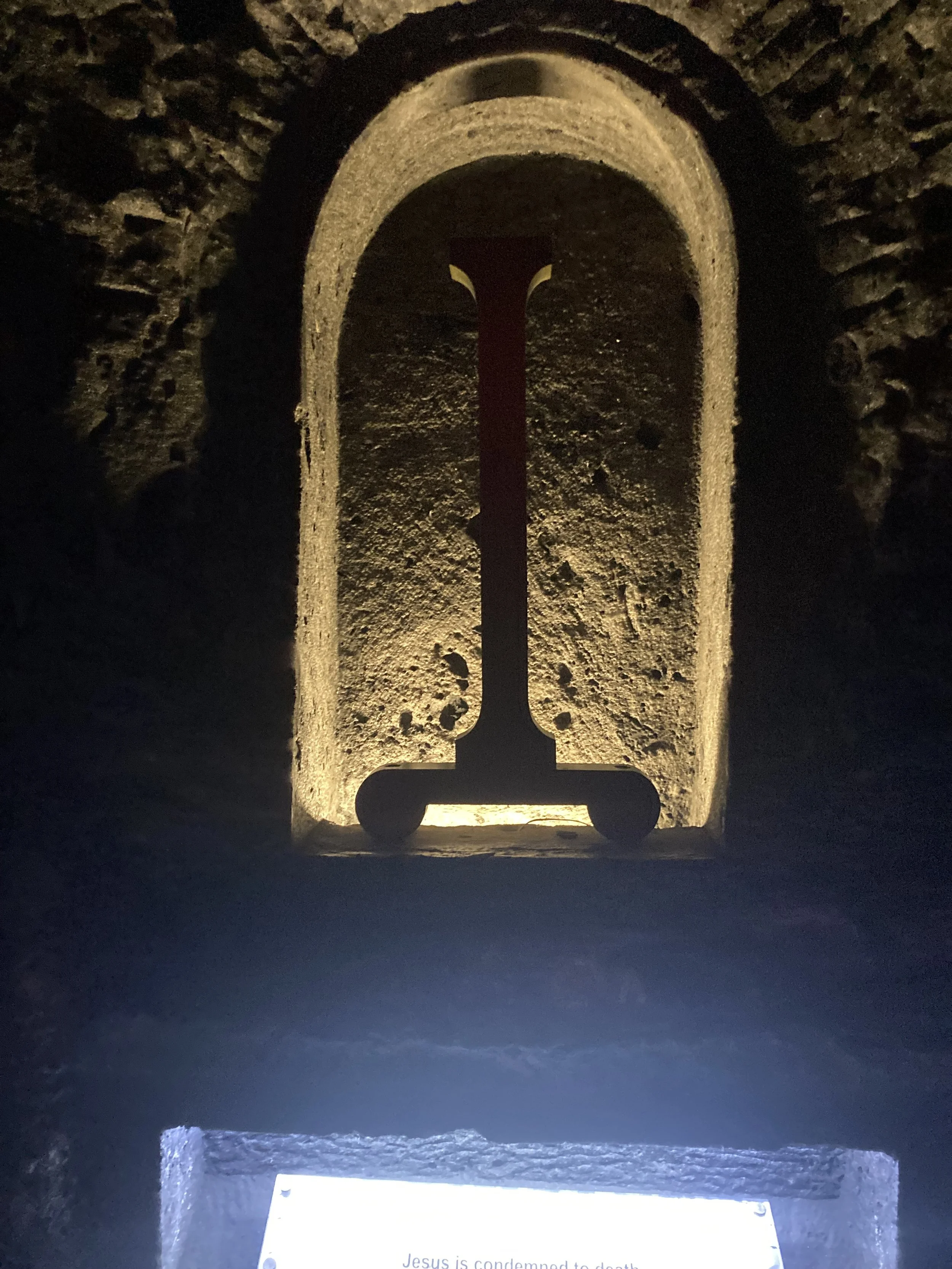
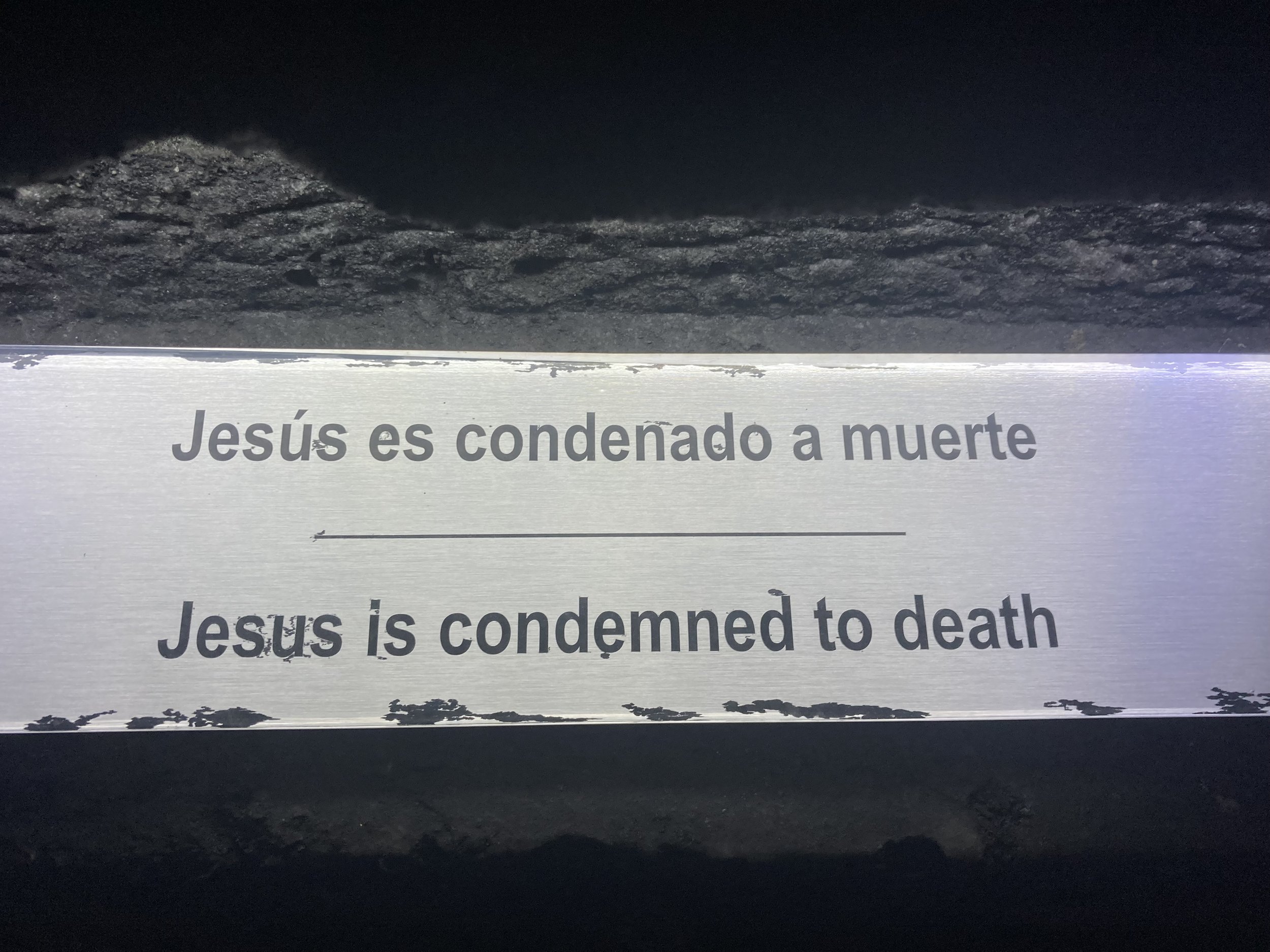
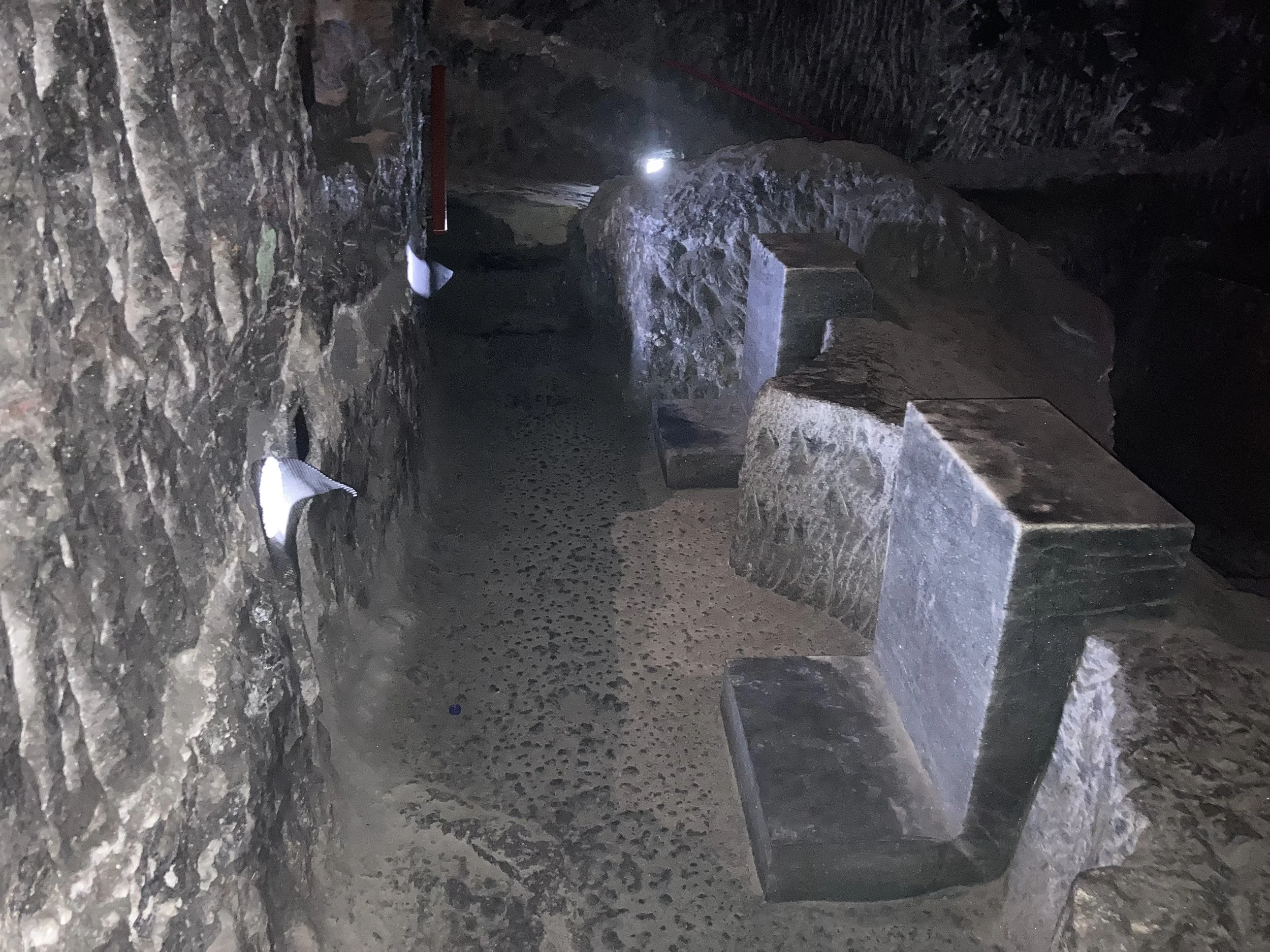
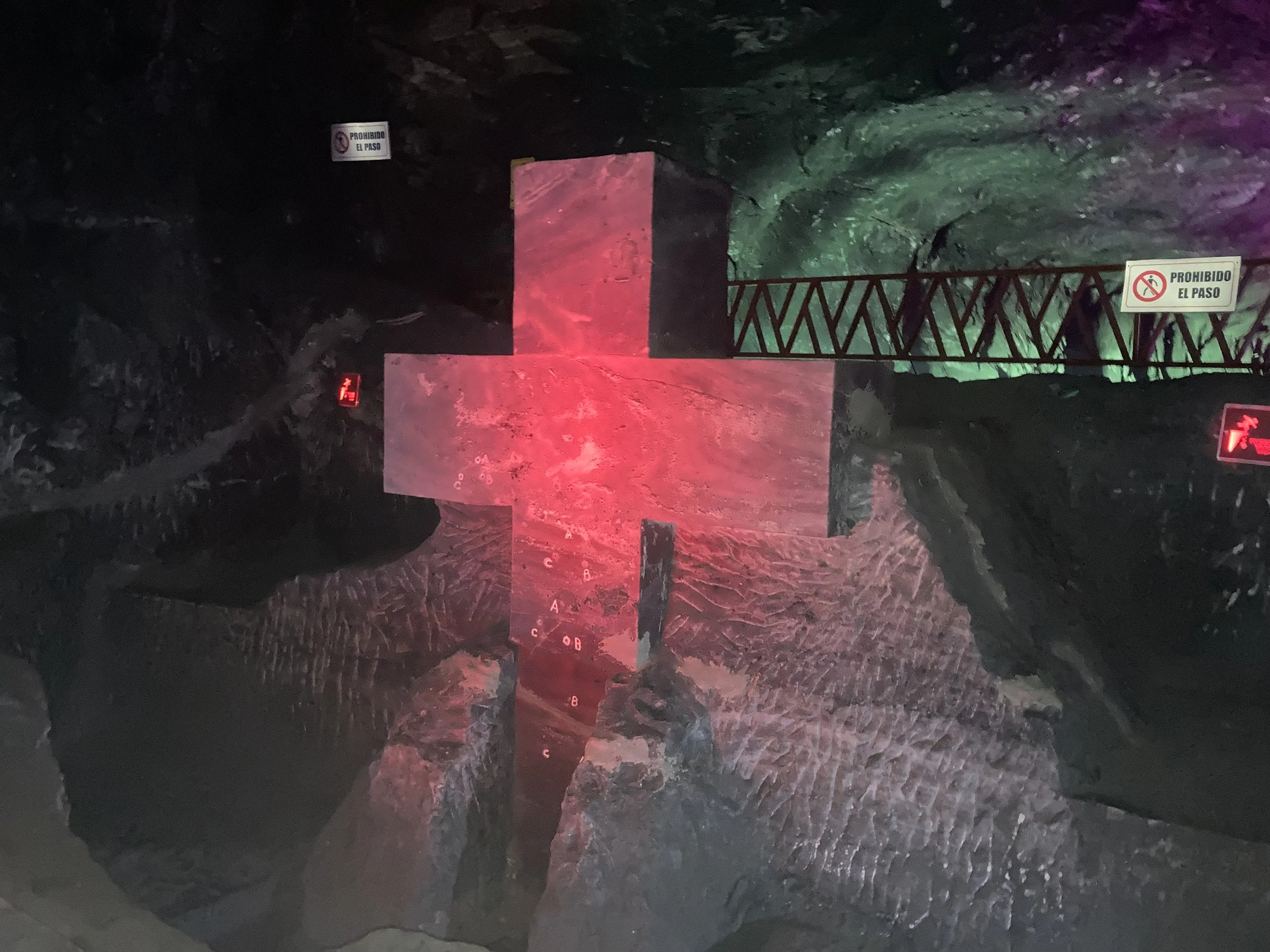
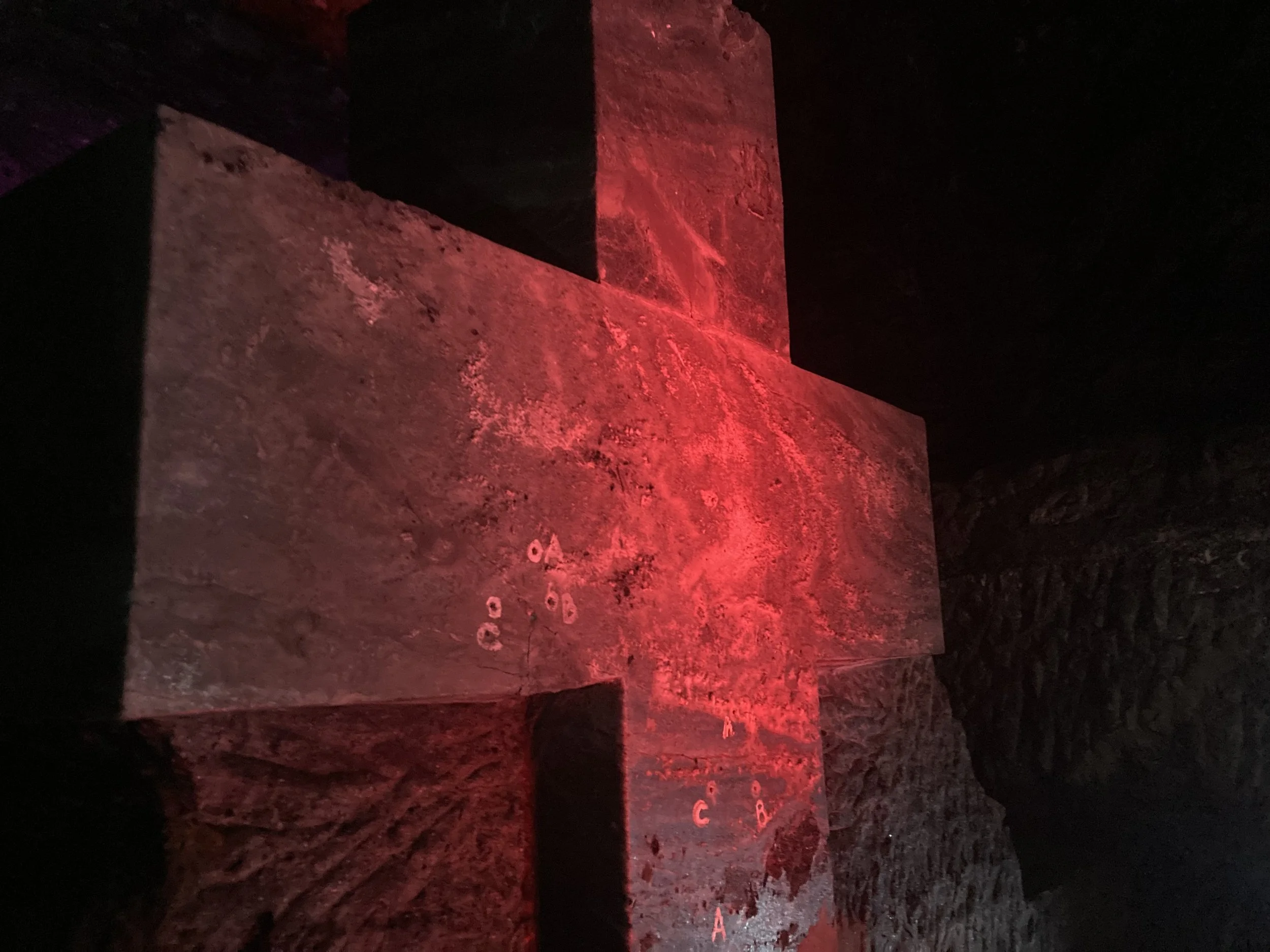
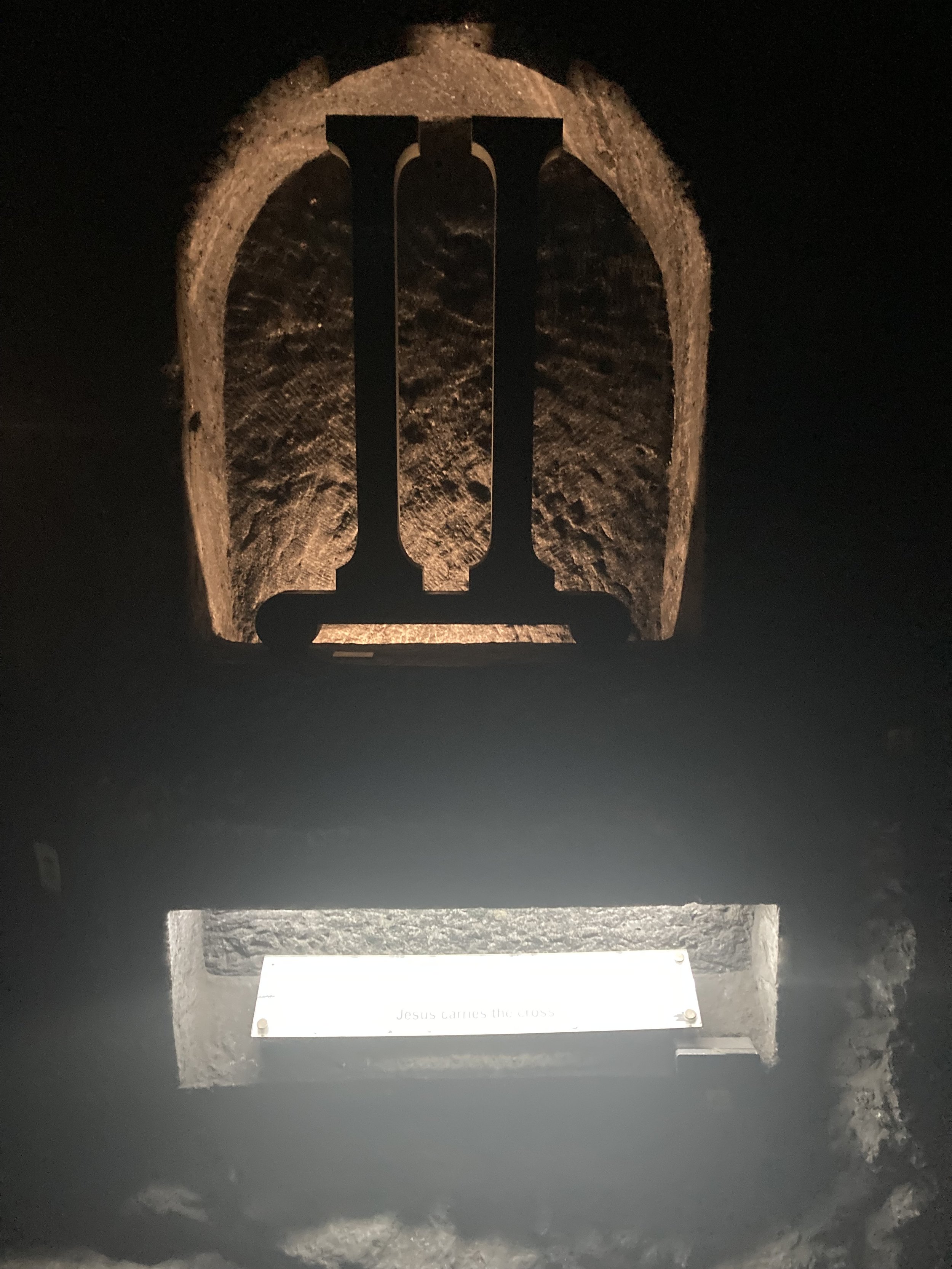
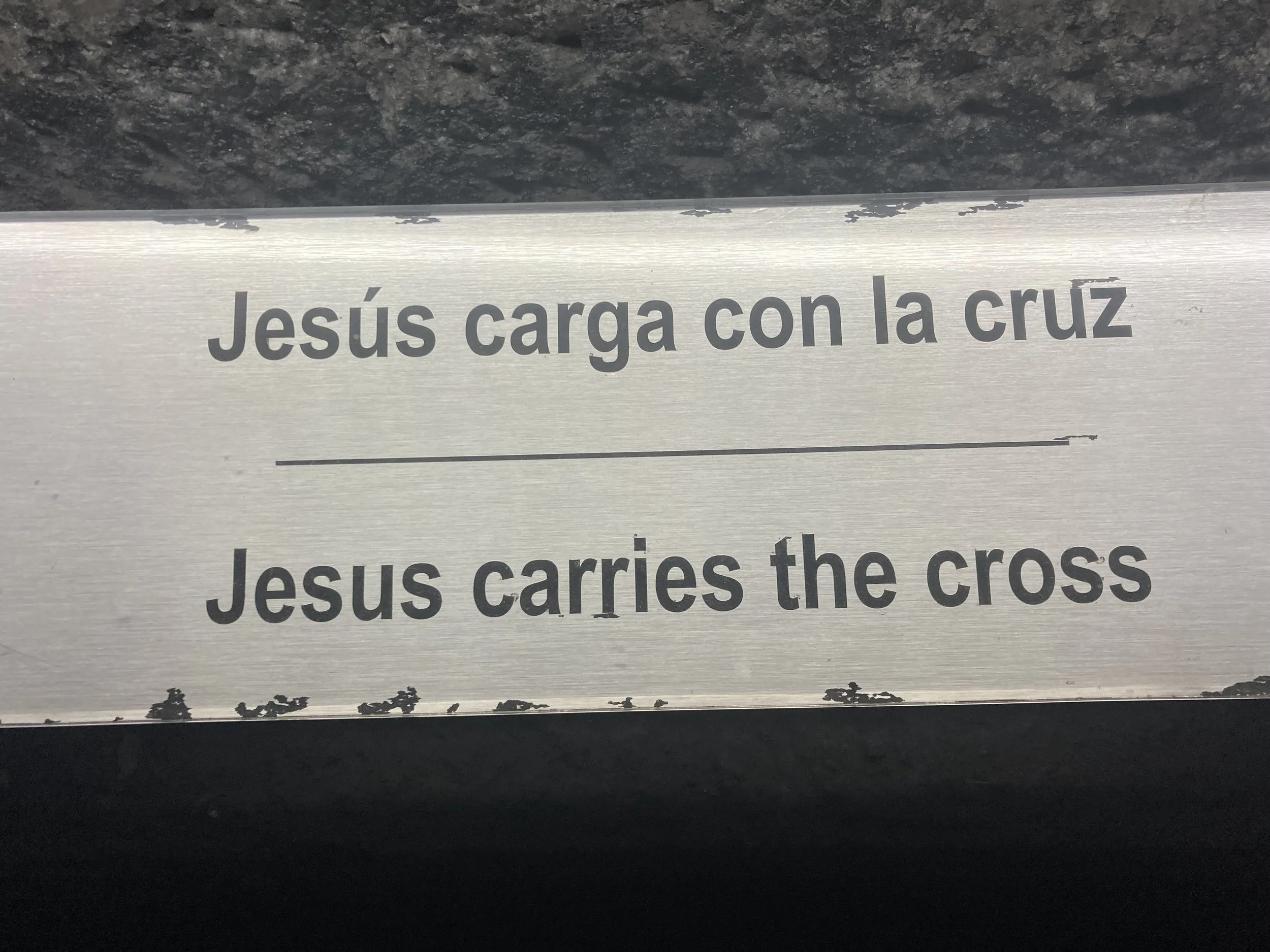
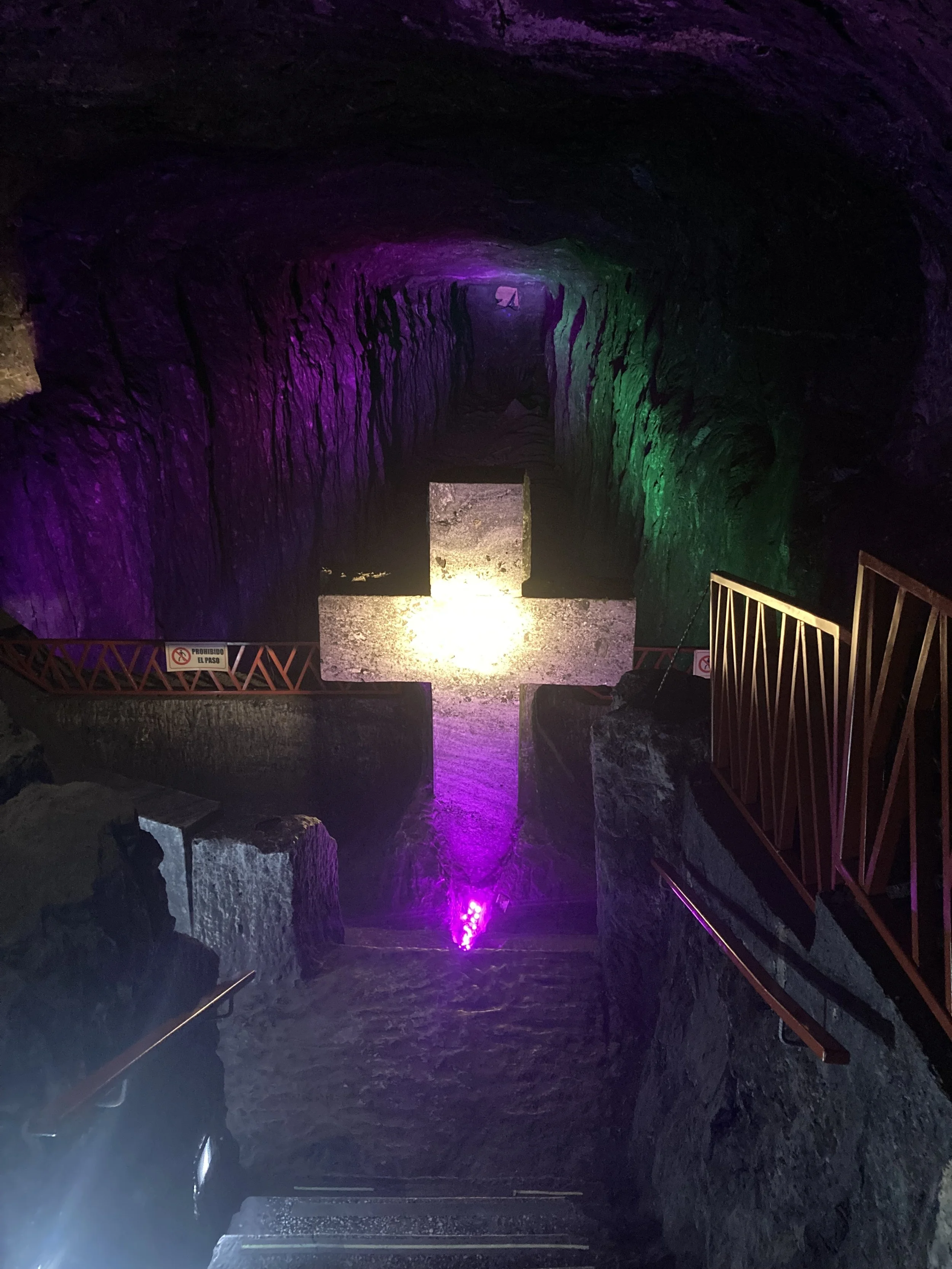
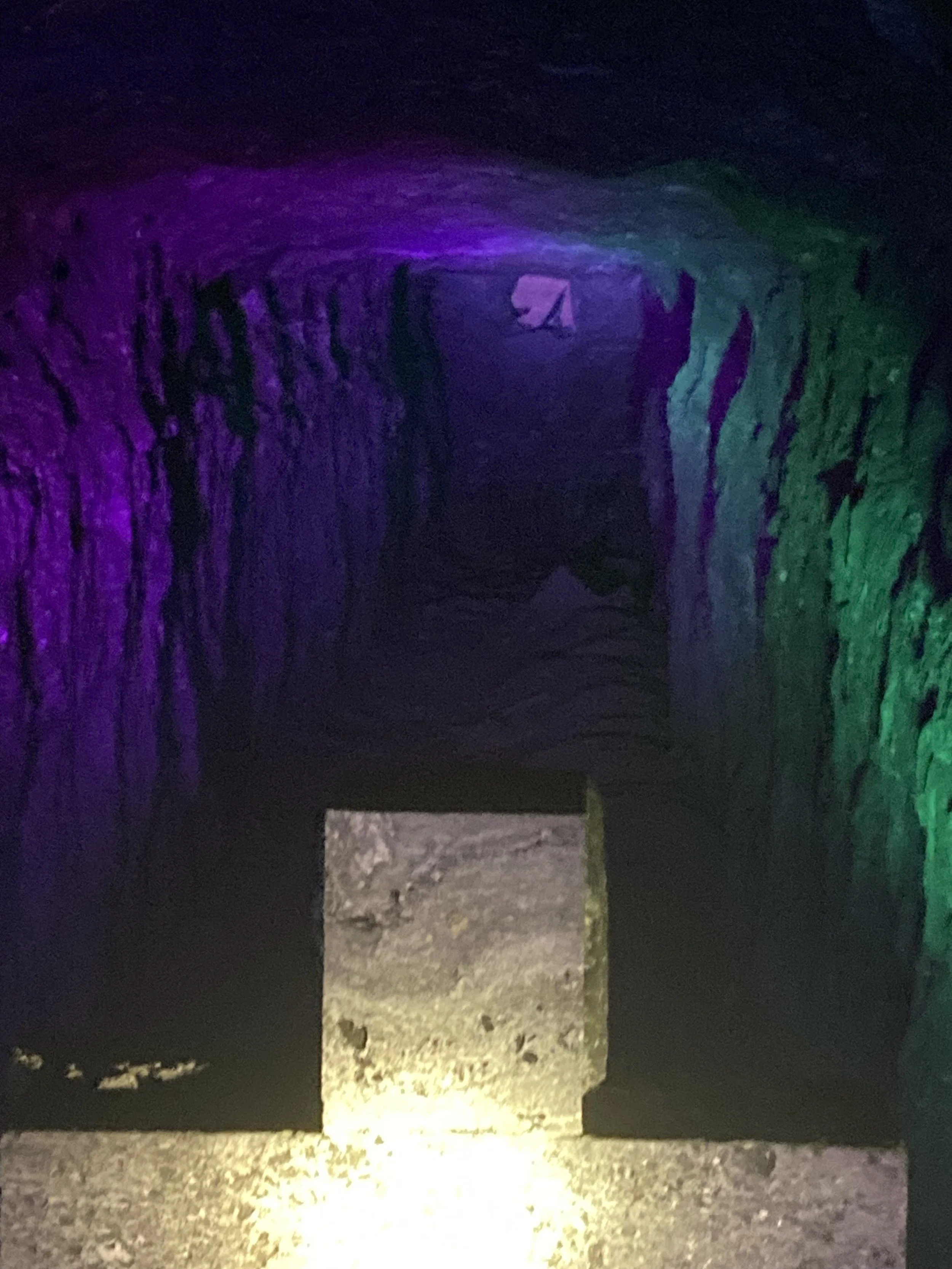
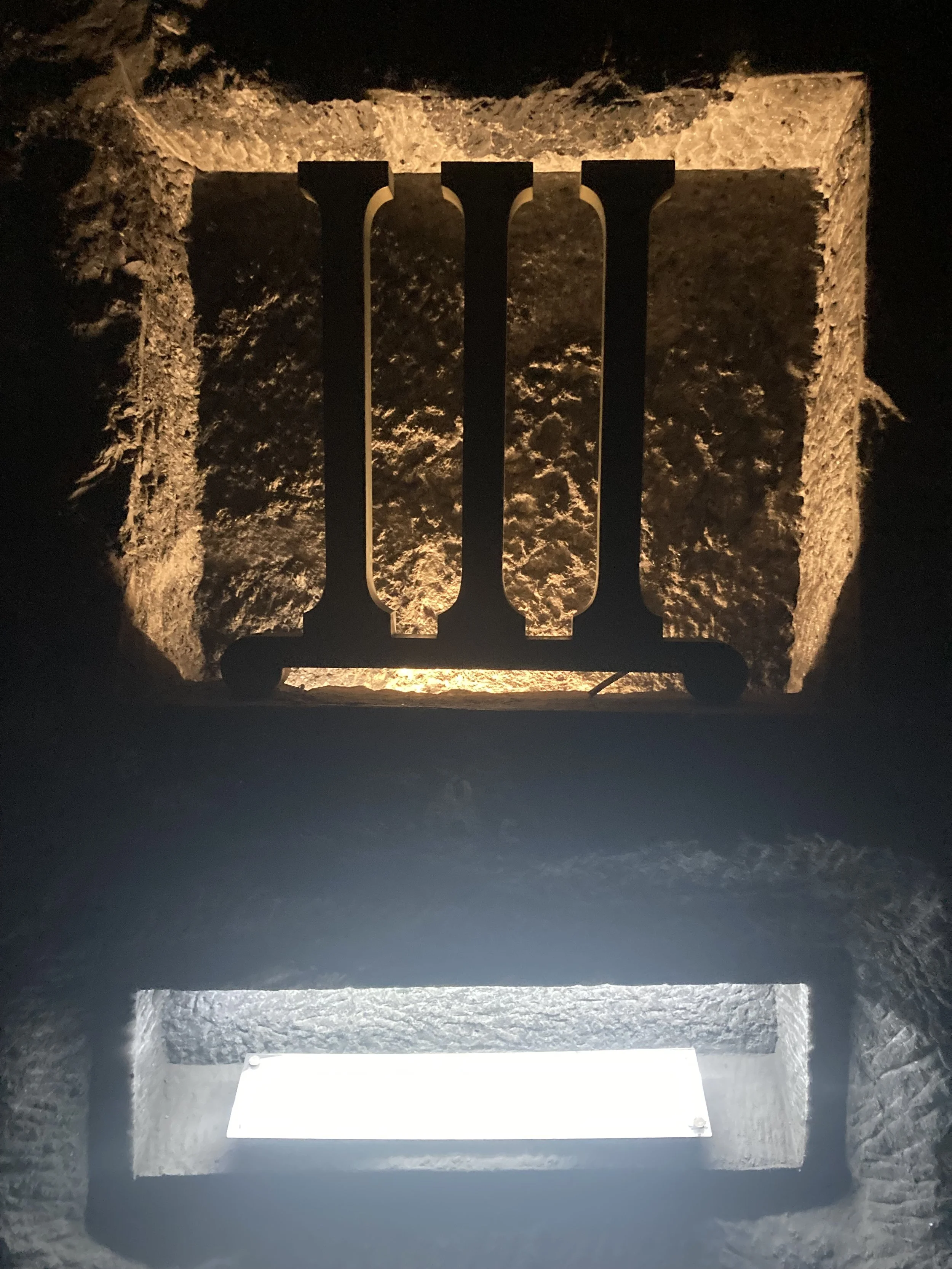
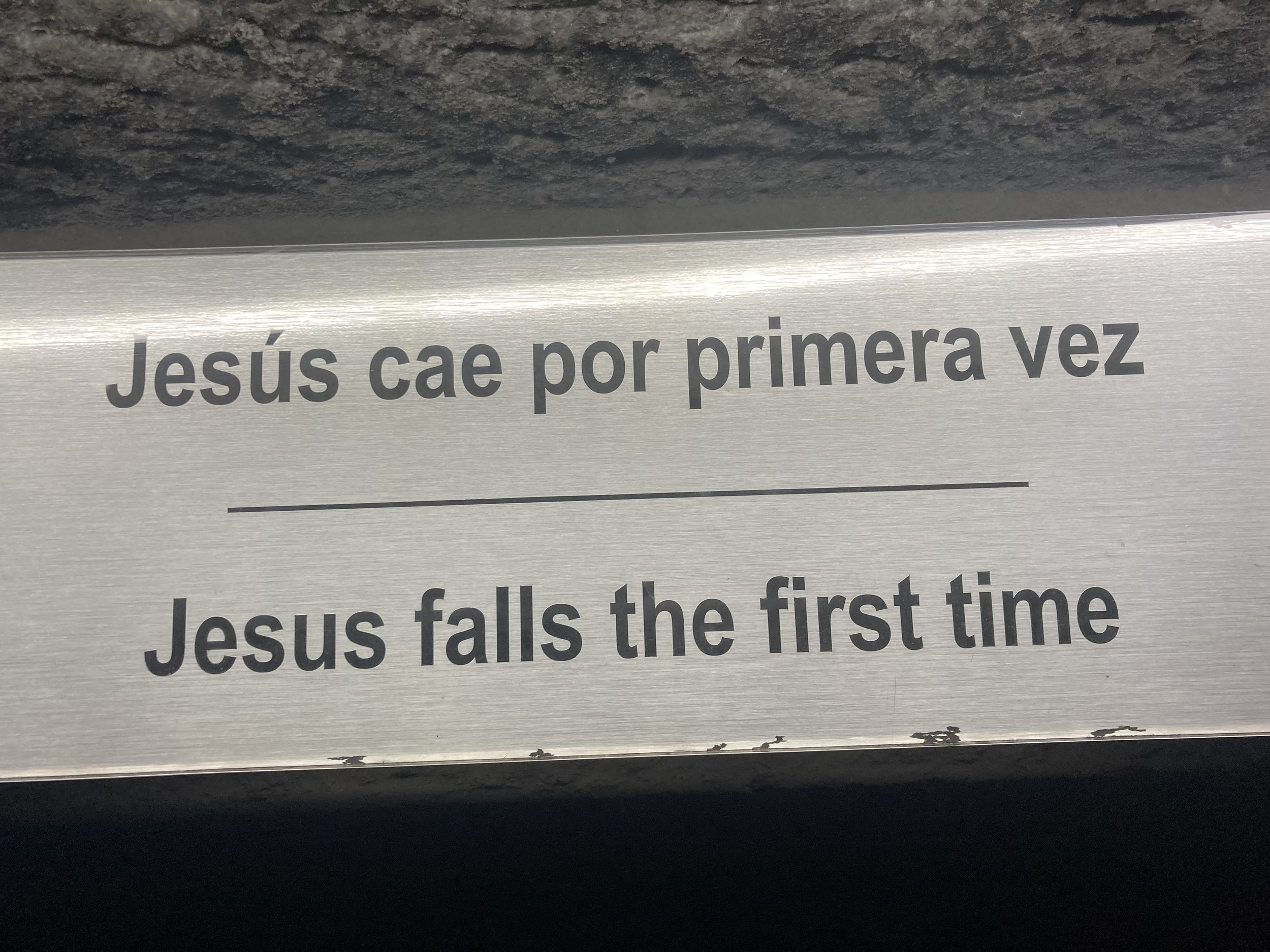
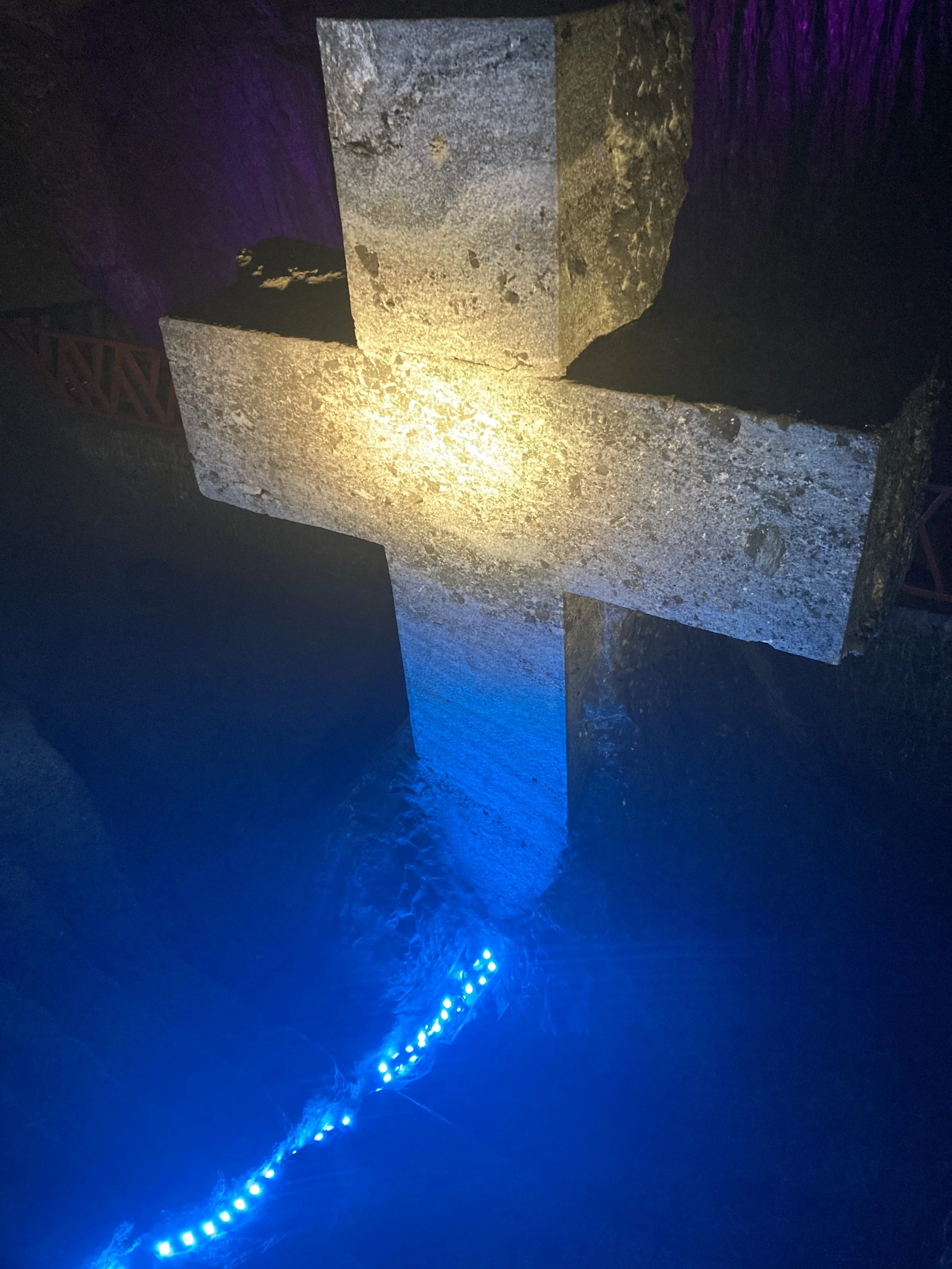
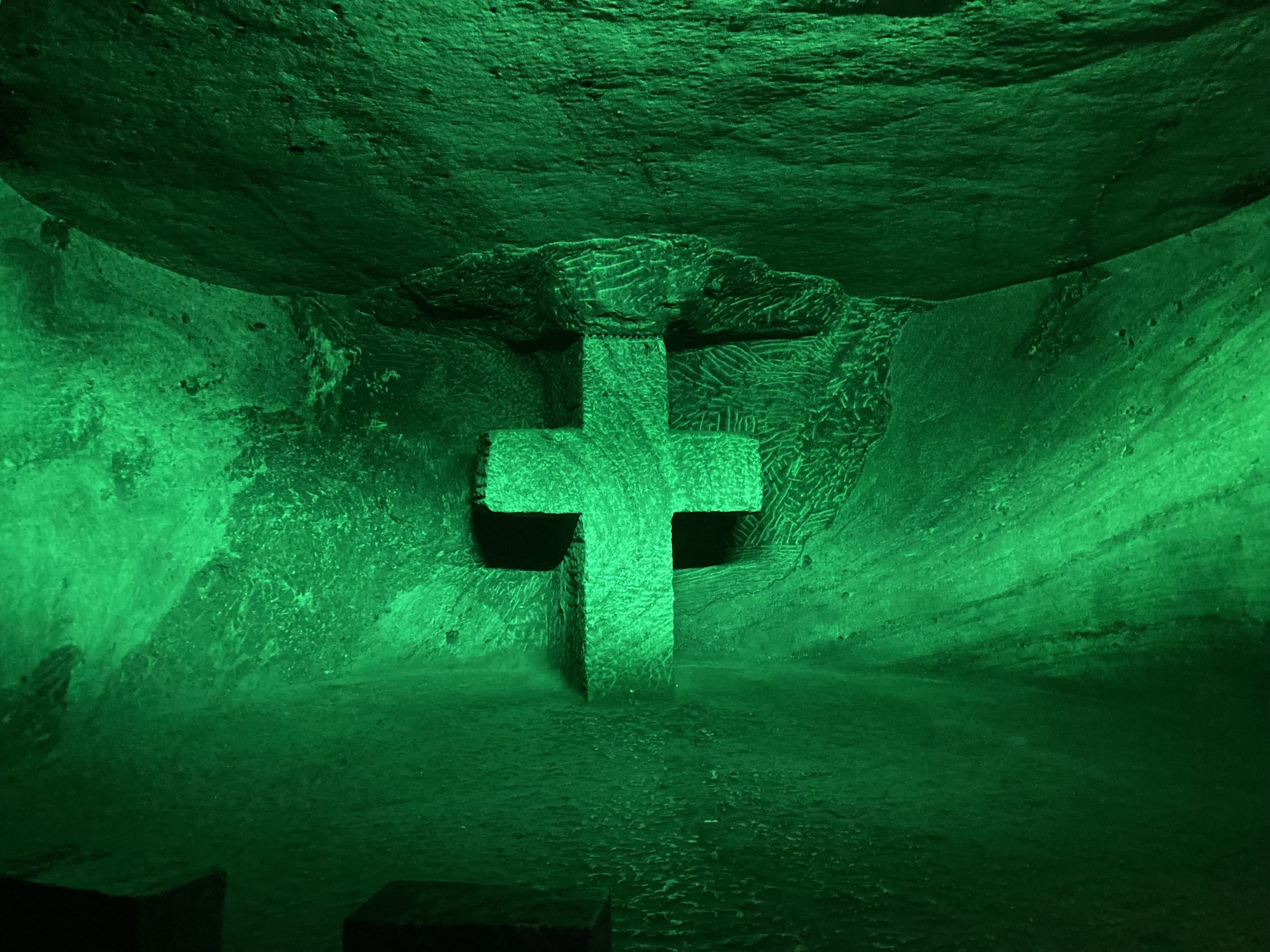
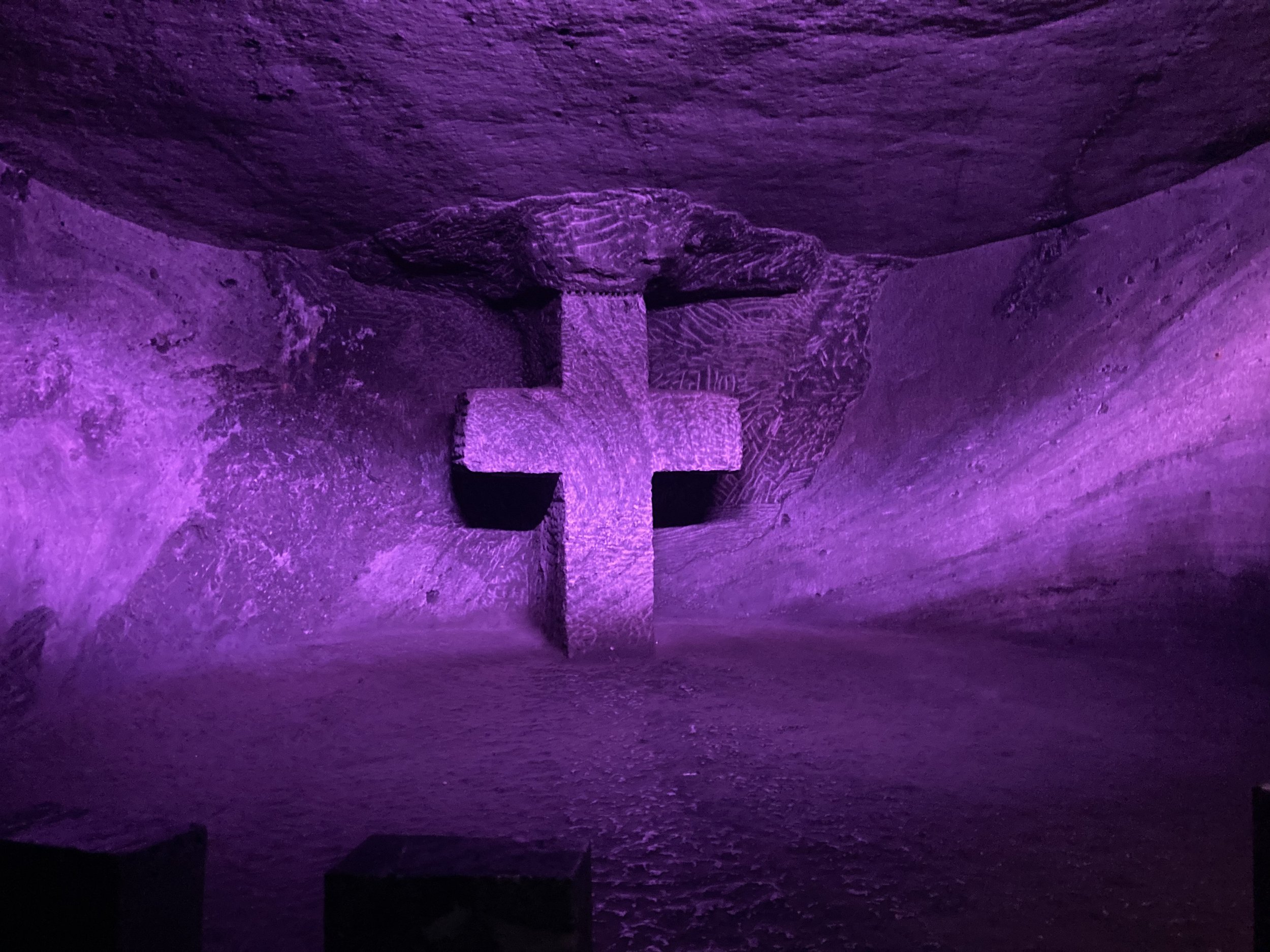
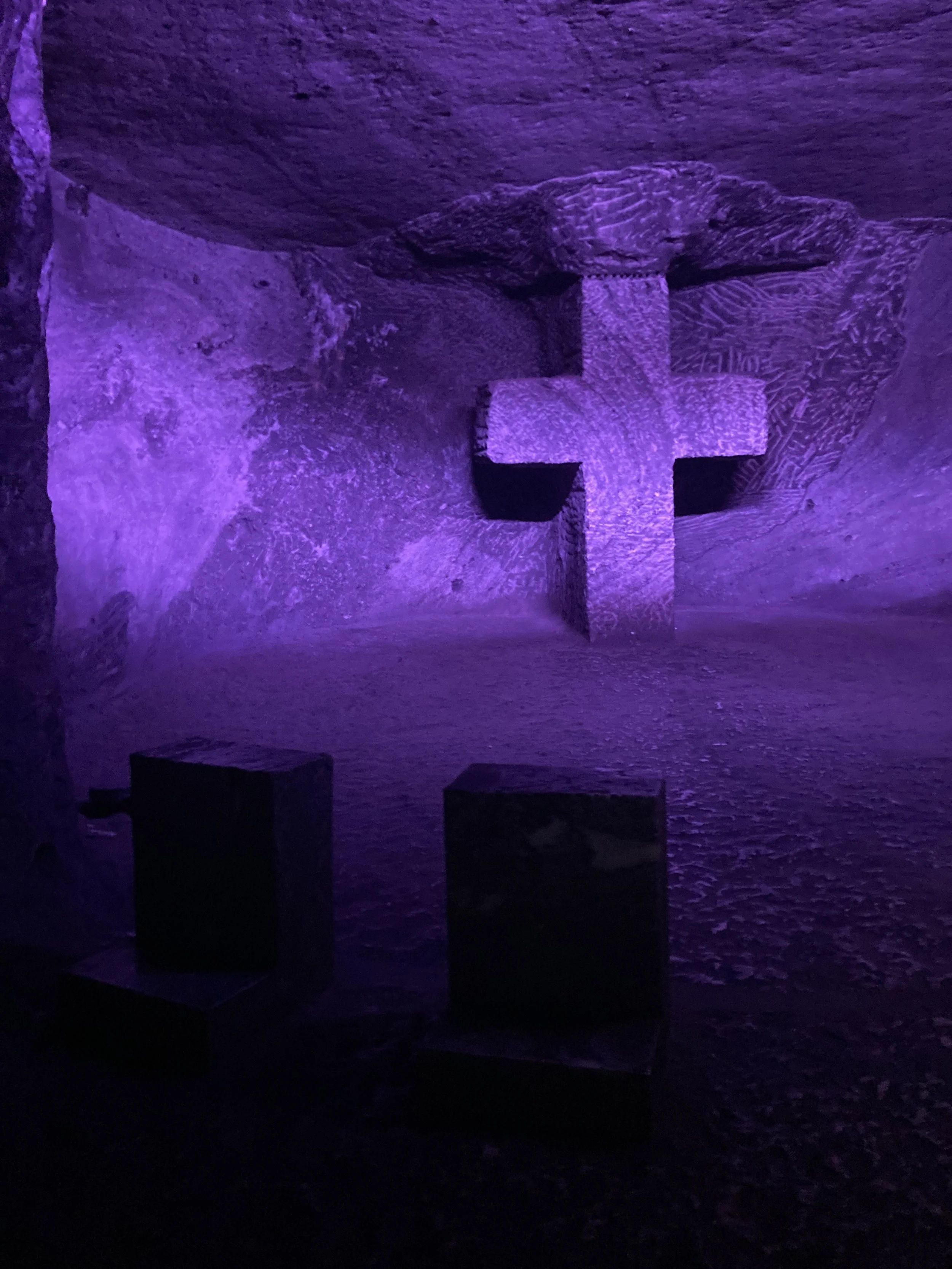
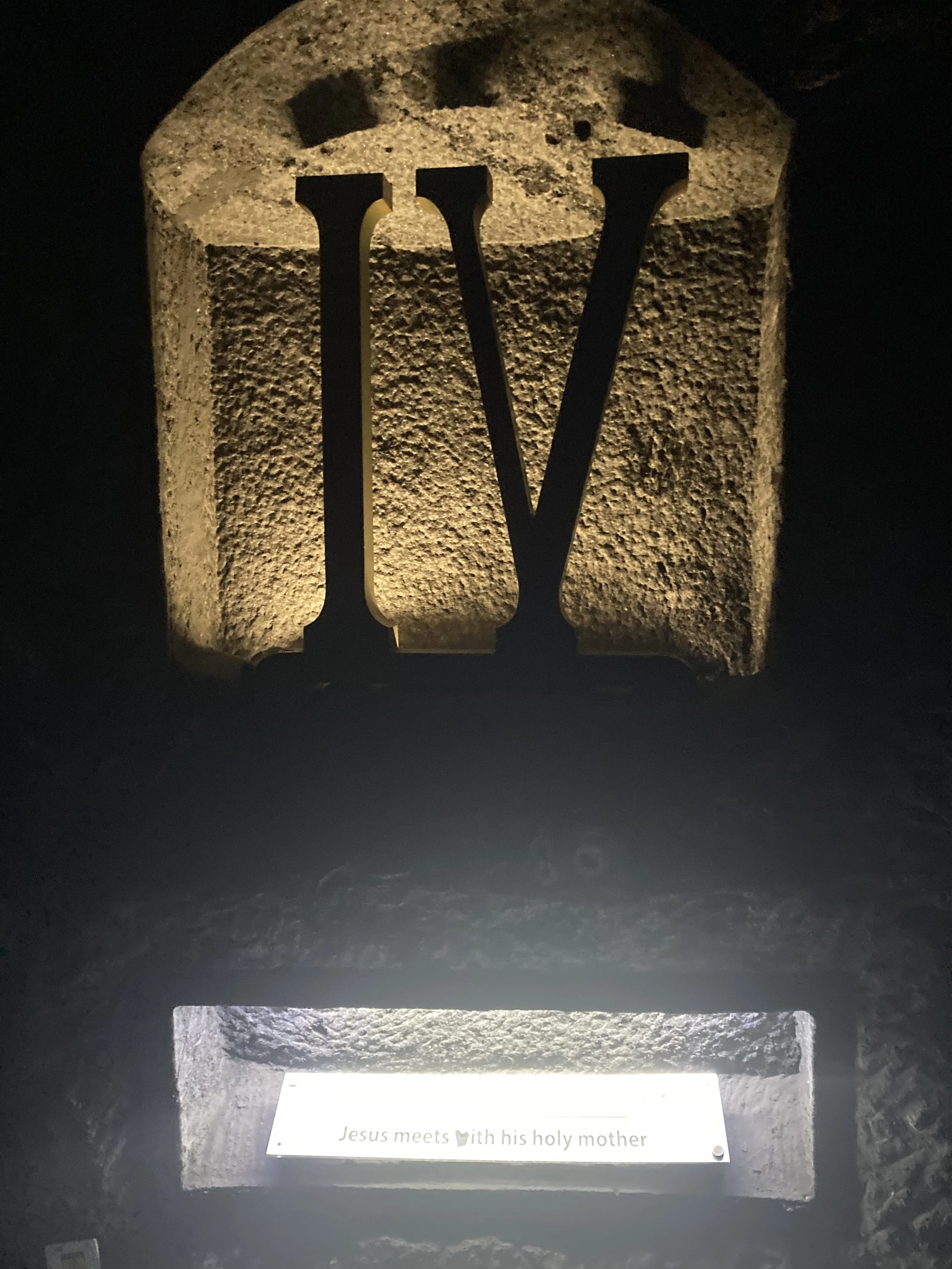
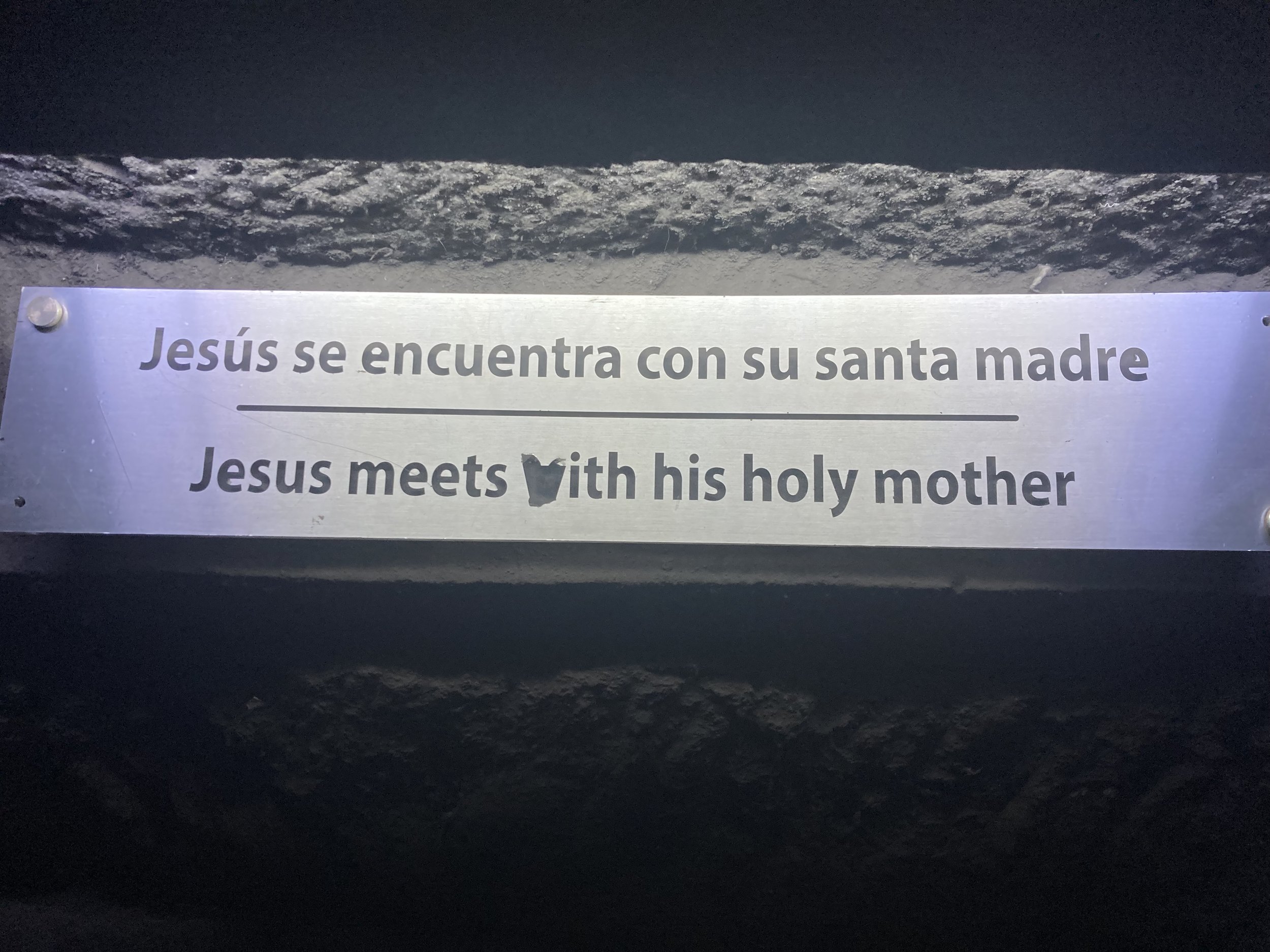
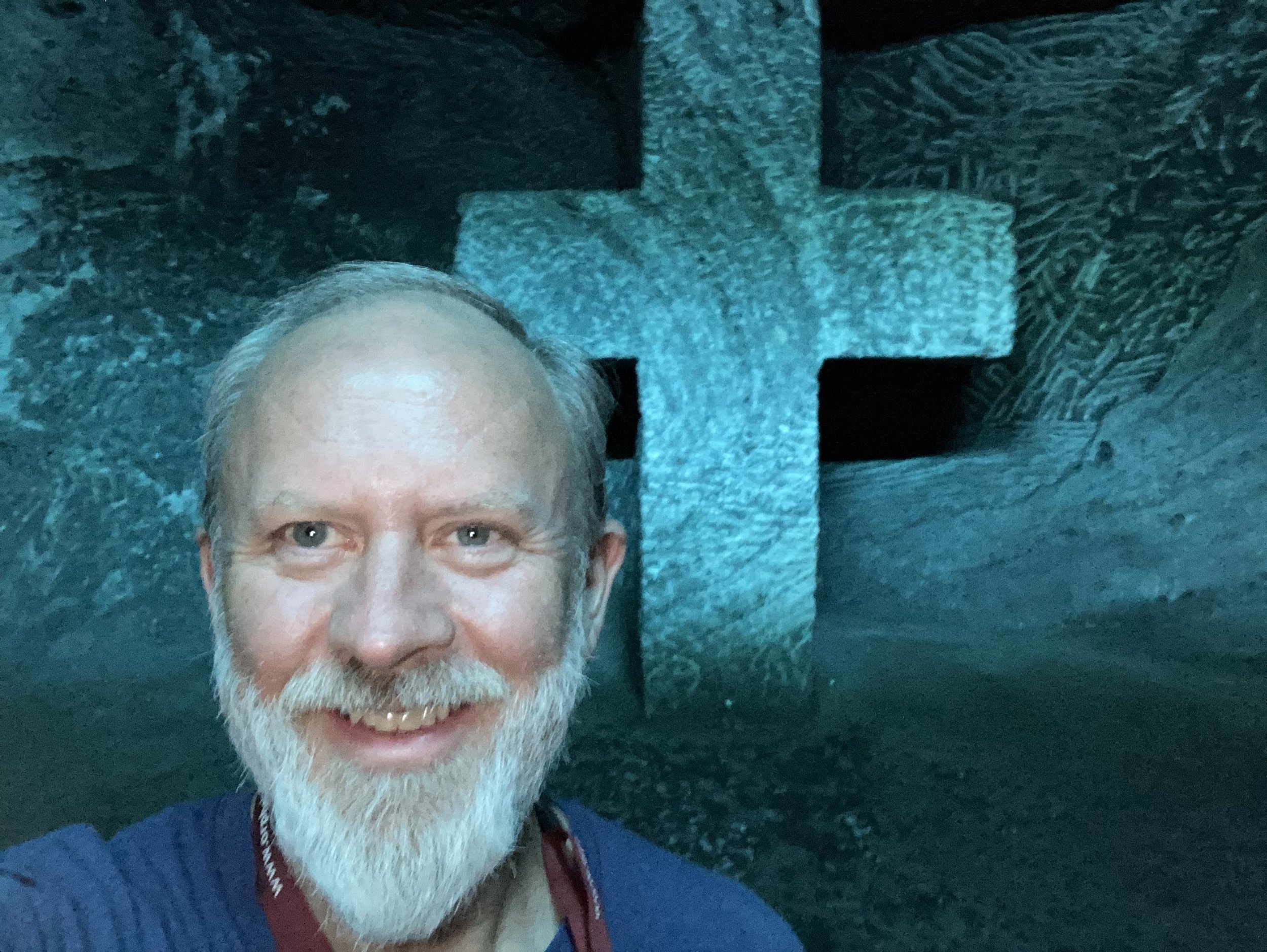
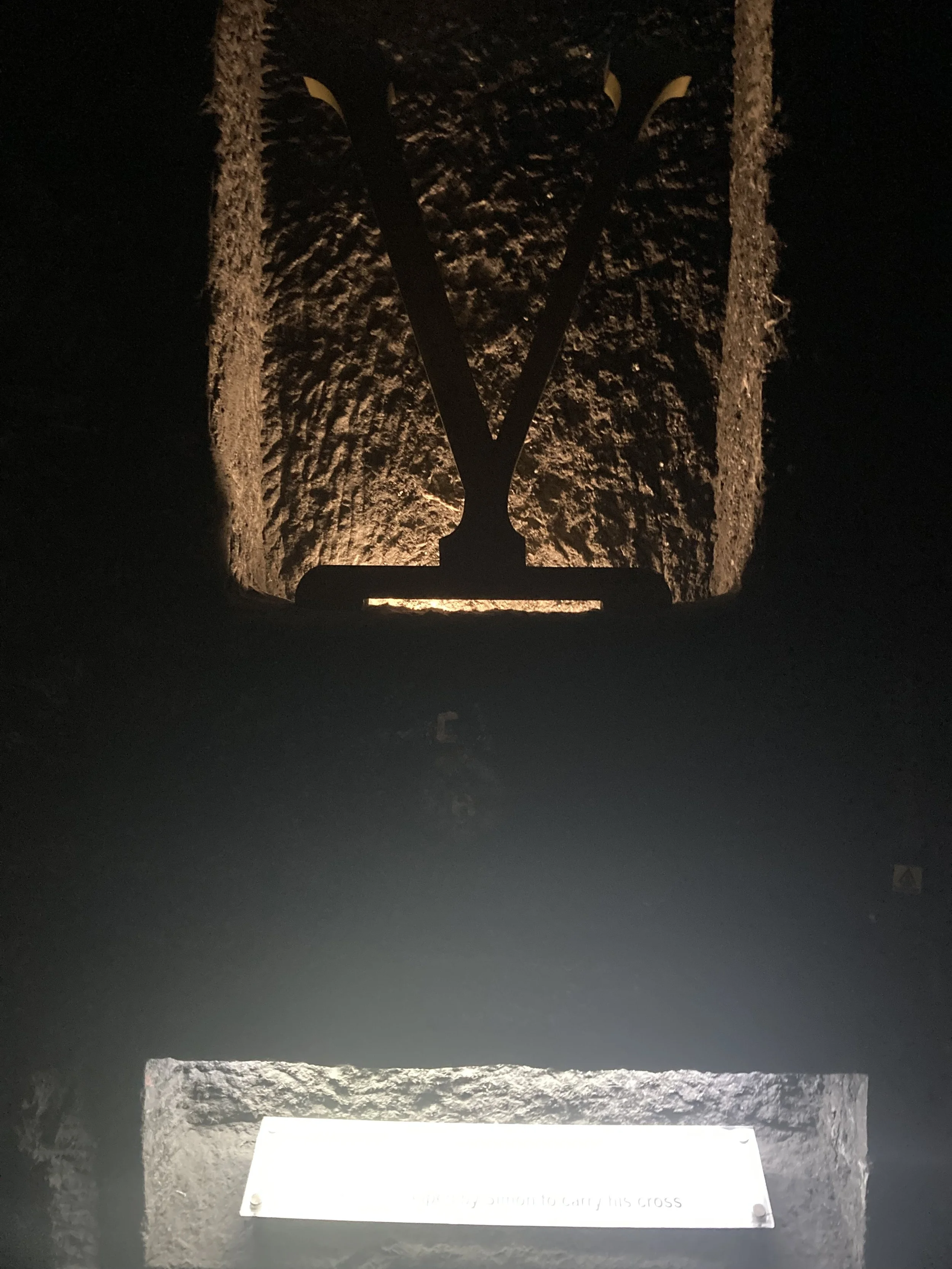
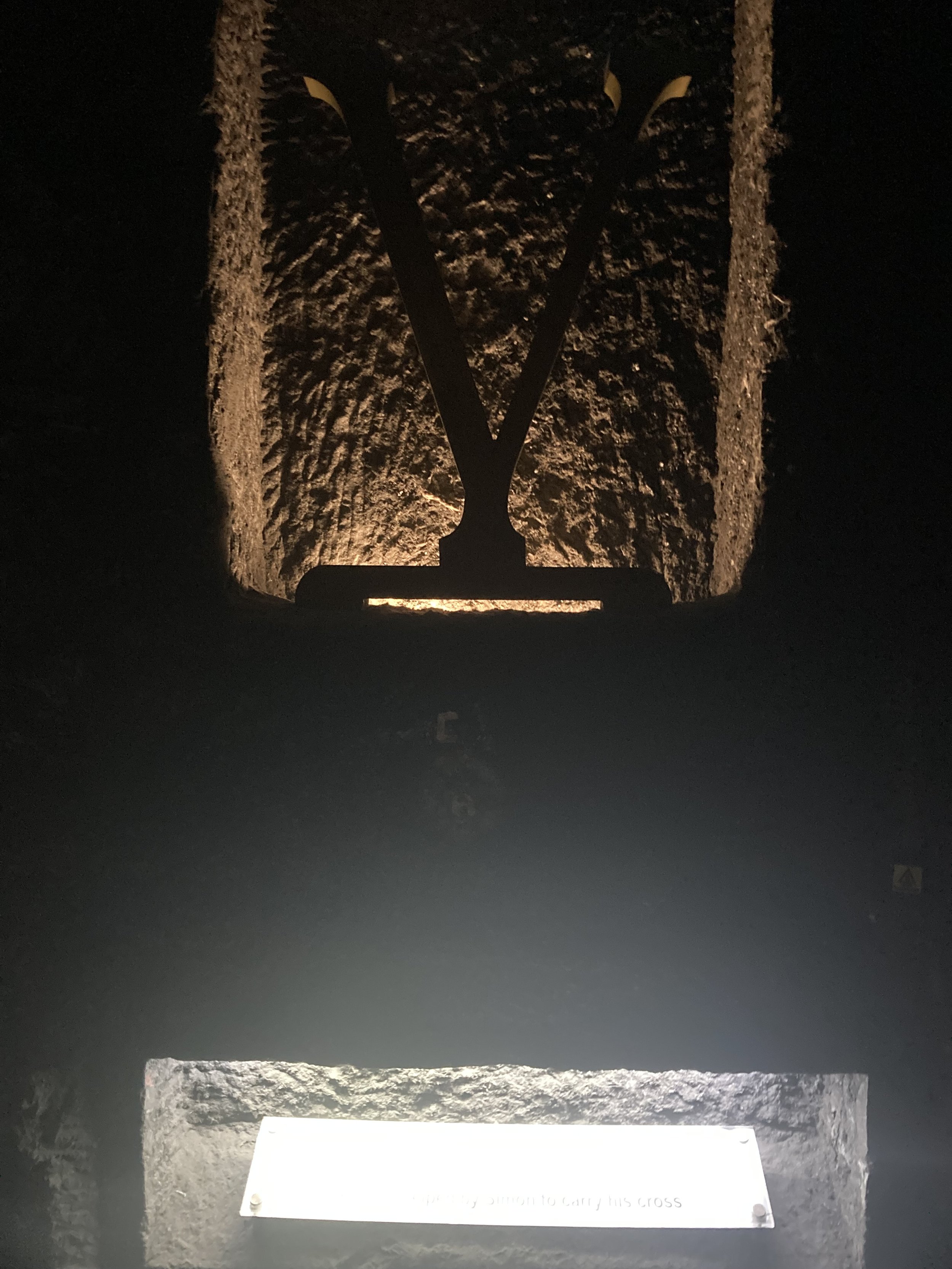
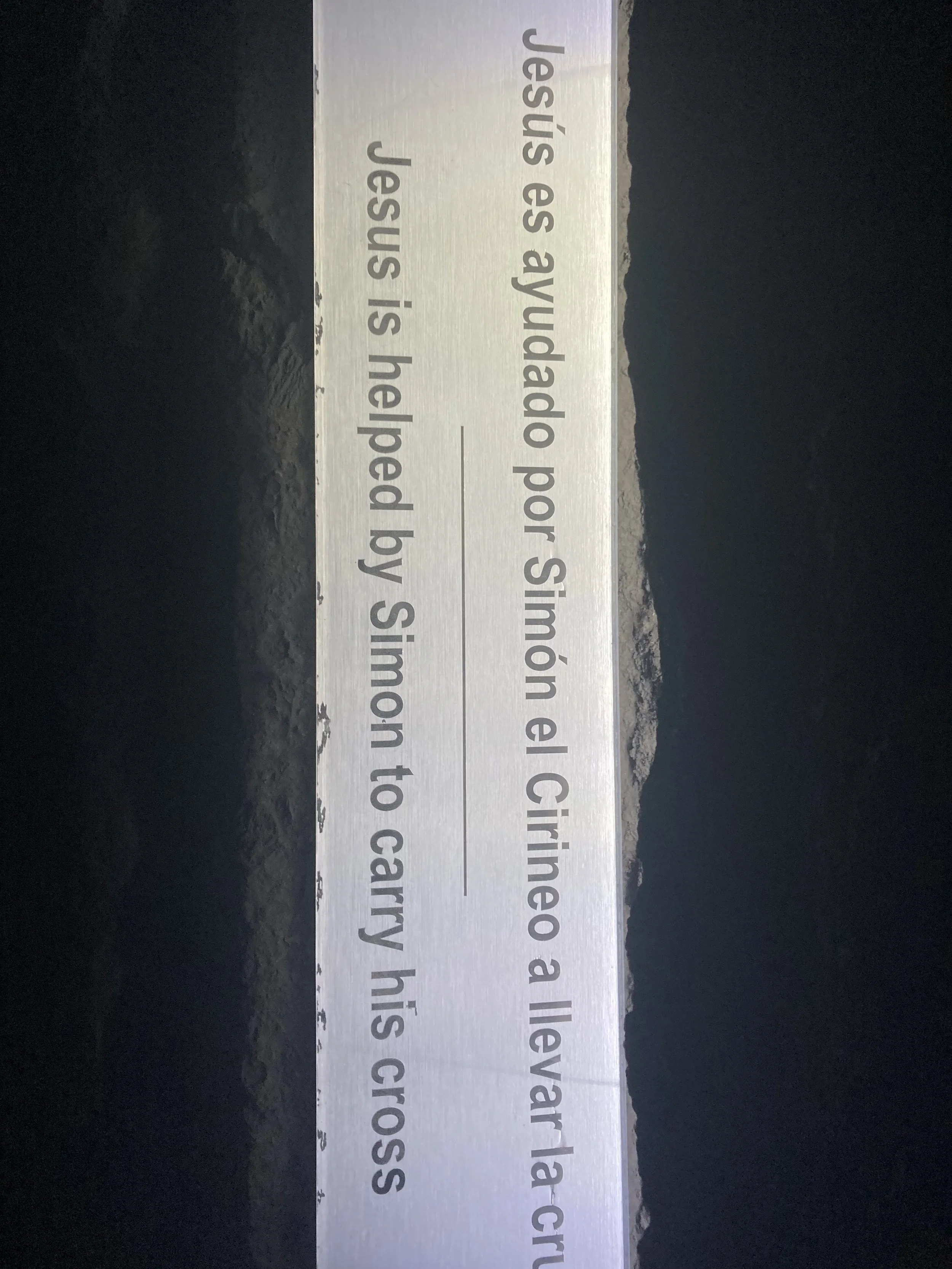
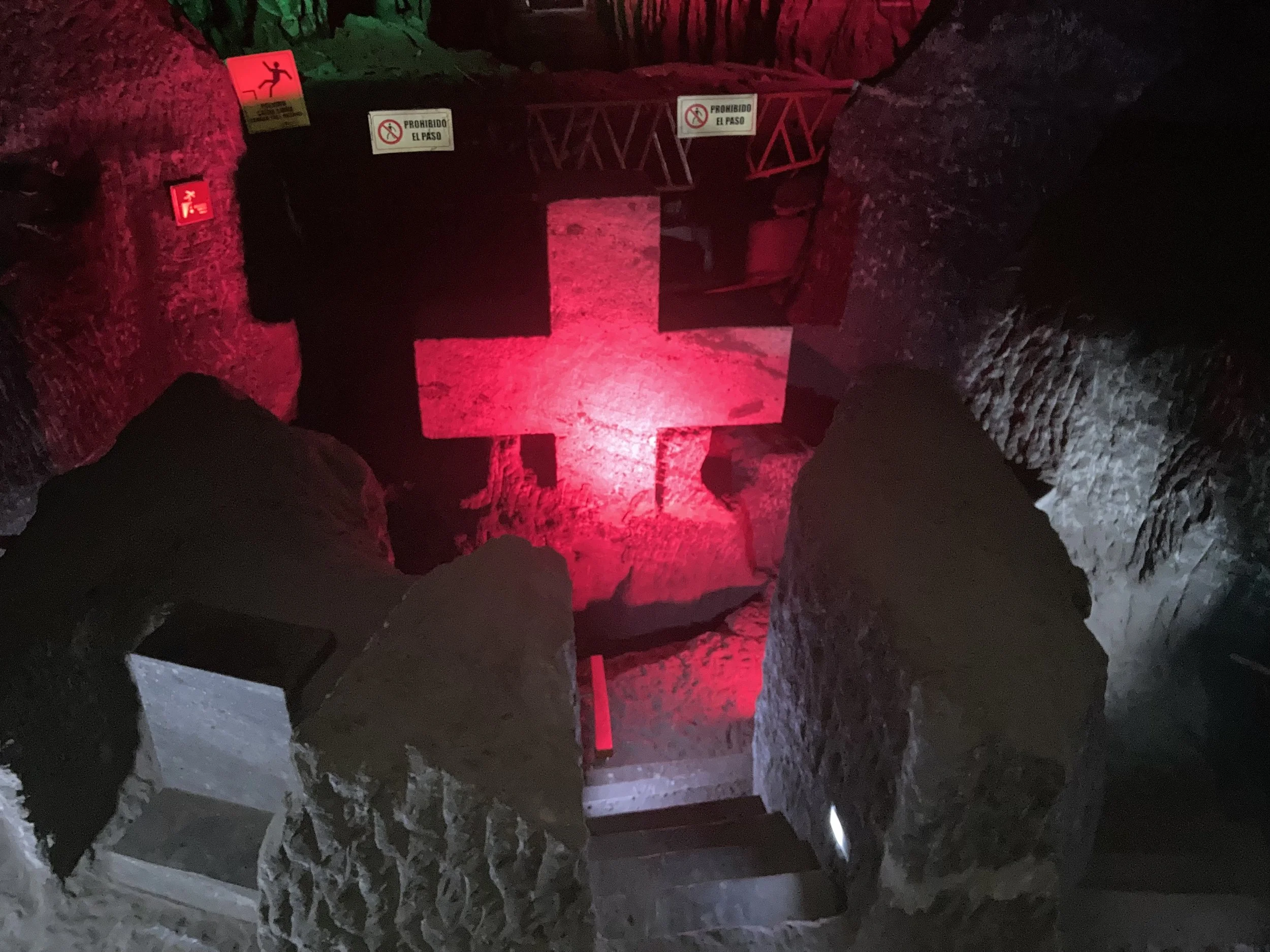
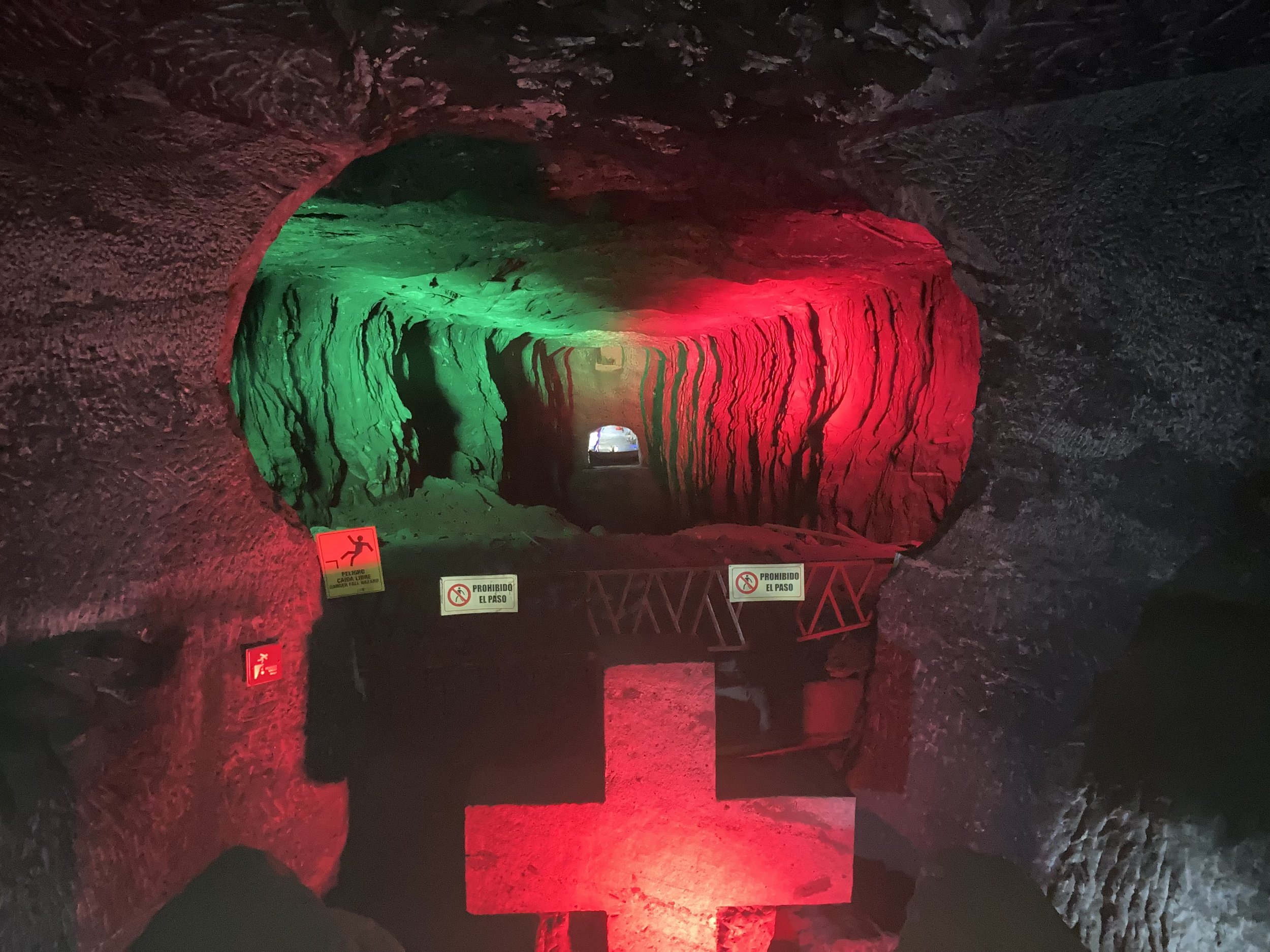
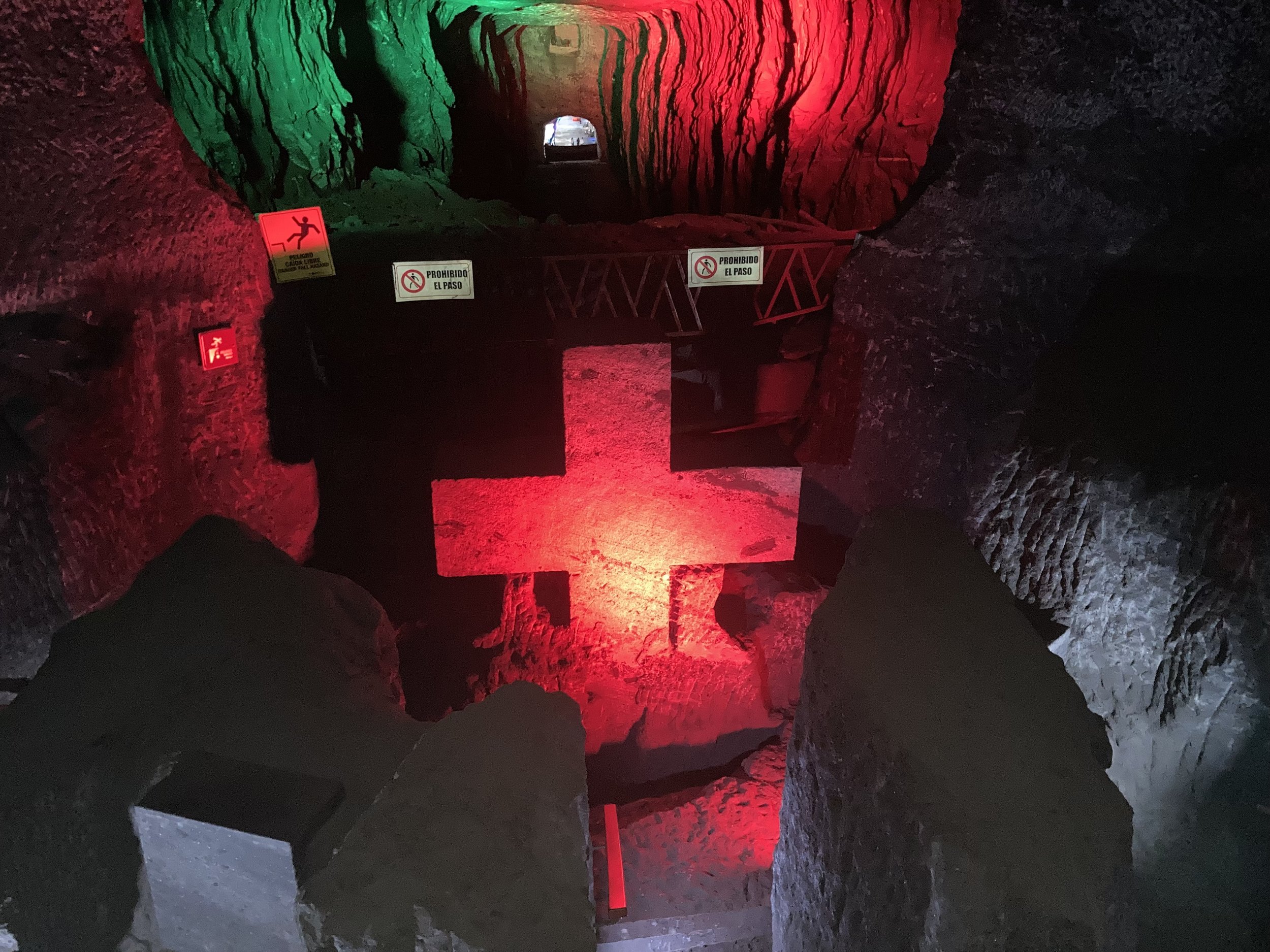
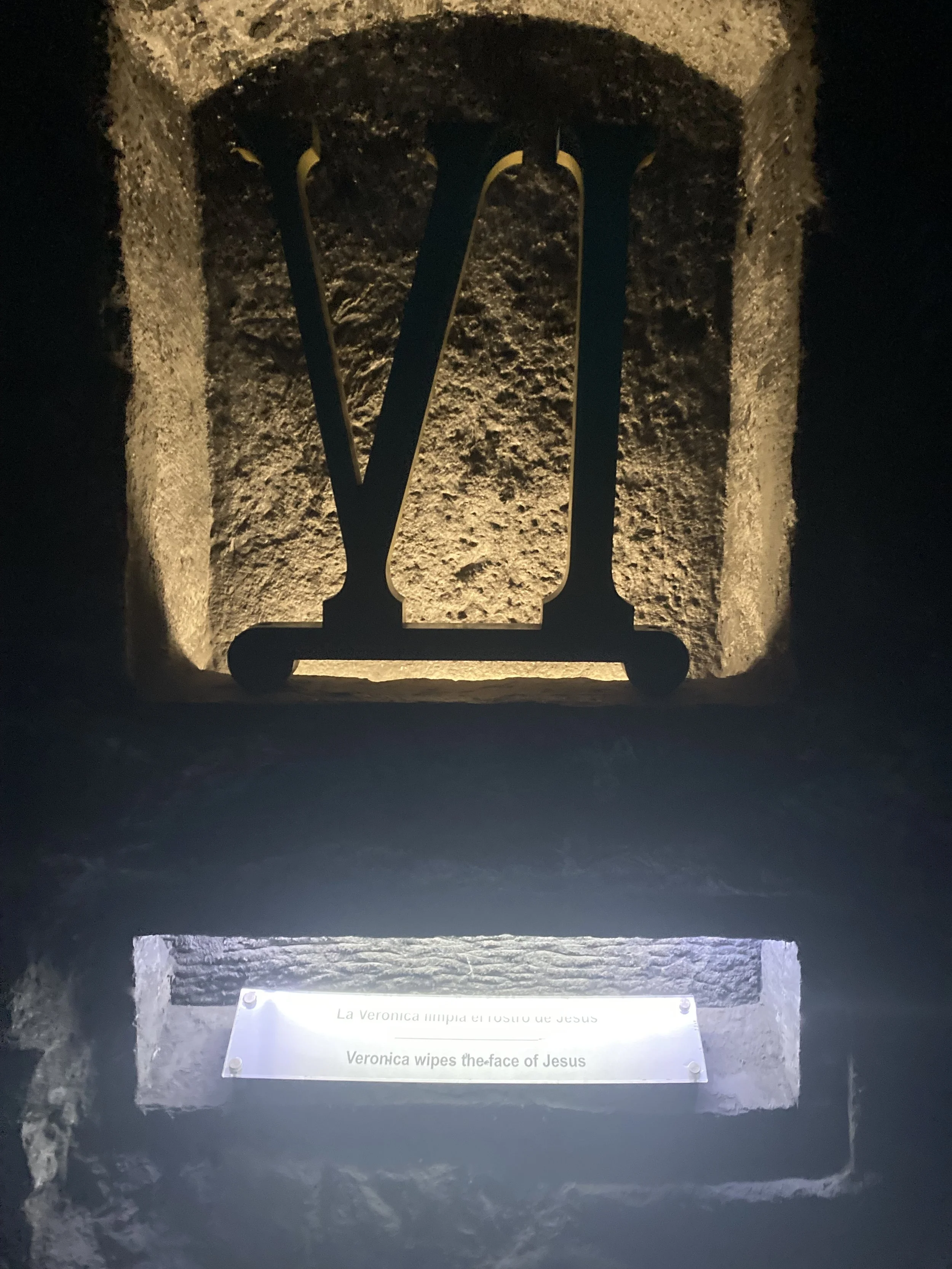
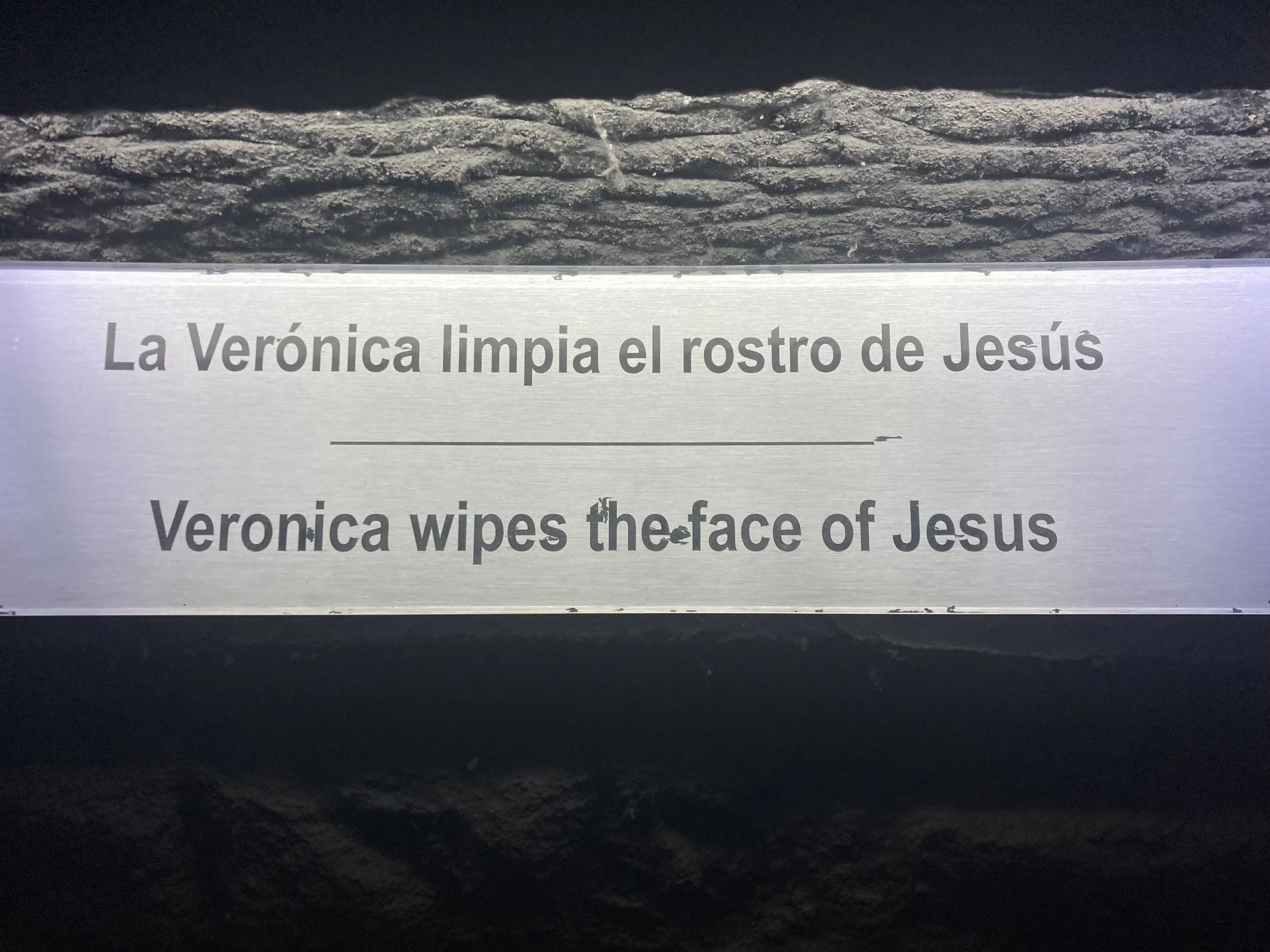
To be clear, these stations are each awe inspiring in and of themselves. There are places to kneel, sit, stand and pray. Behind each cross is a giant tunnel of nothingness. The empty void adds to the spaciousness of each station.
In a “normal(?)” Cathedral, the stations of the cross are usually a 8×12 inch plaque with a picture and the words and you’re less “reflecting on each station” and more “moving through them all” as one unit. Not here. This process forces the individual to pause and reflect … fourteen times. There’s no rushing. The size of each naturally slows down the process of taking it all in … individually.
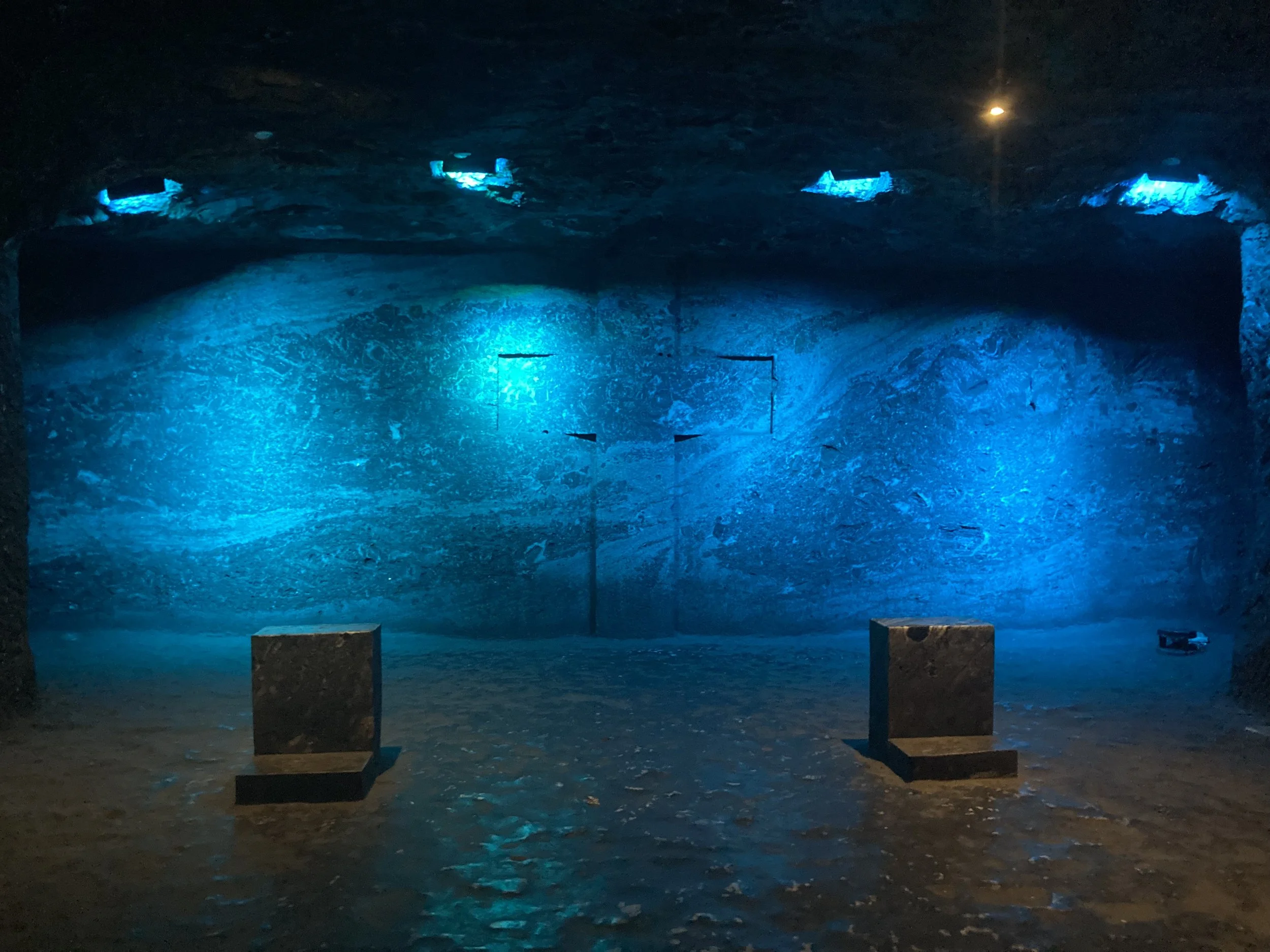
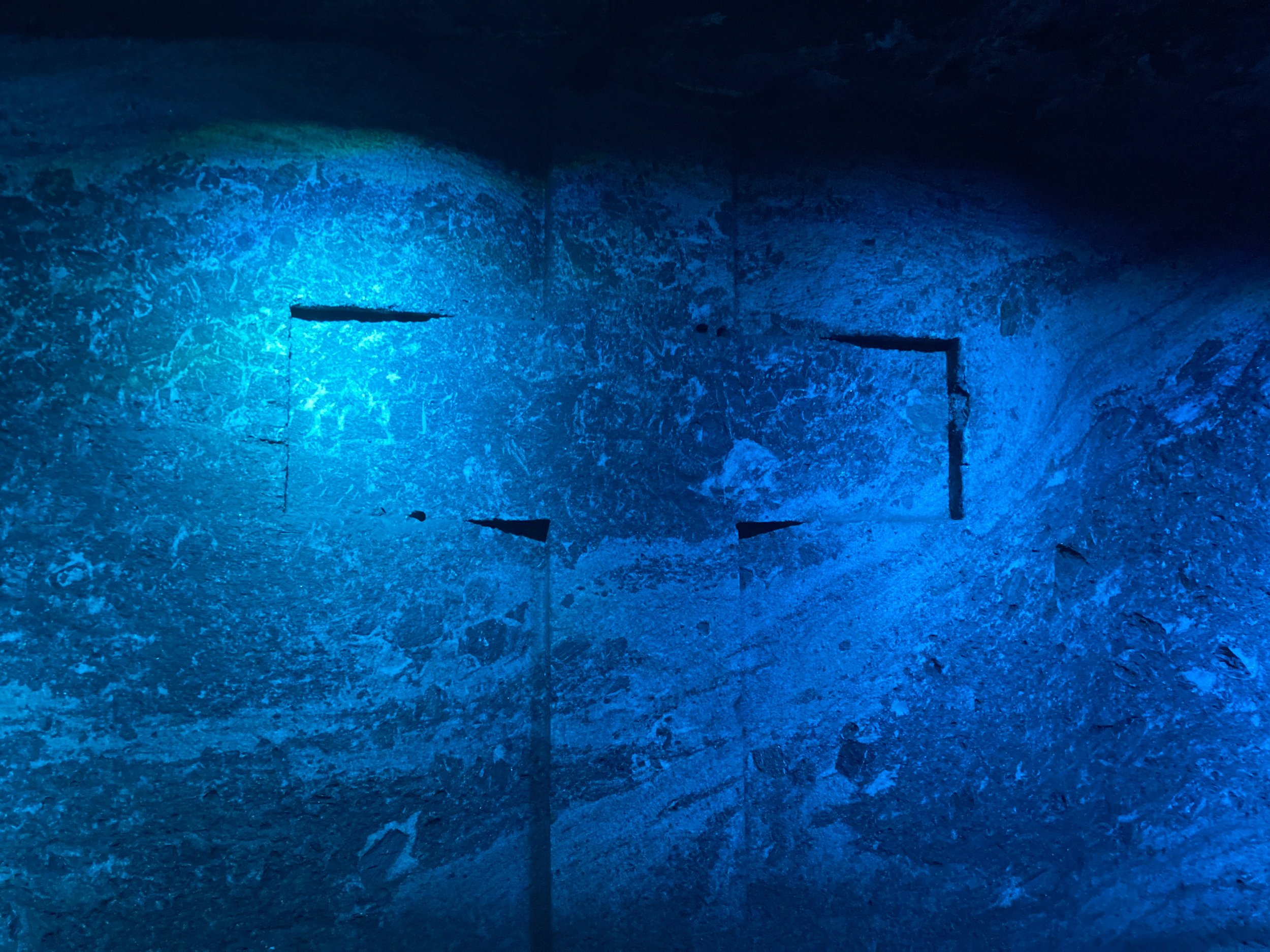
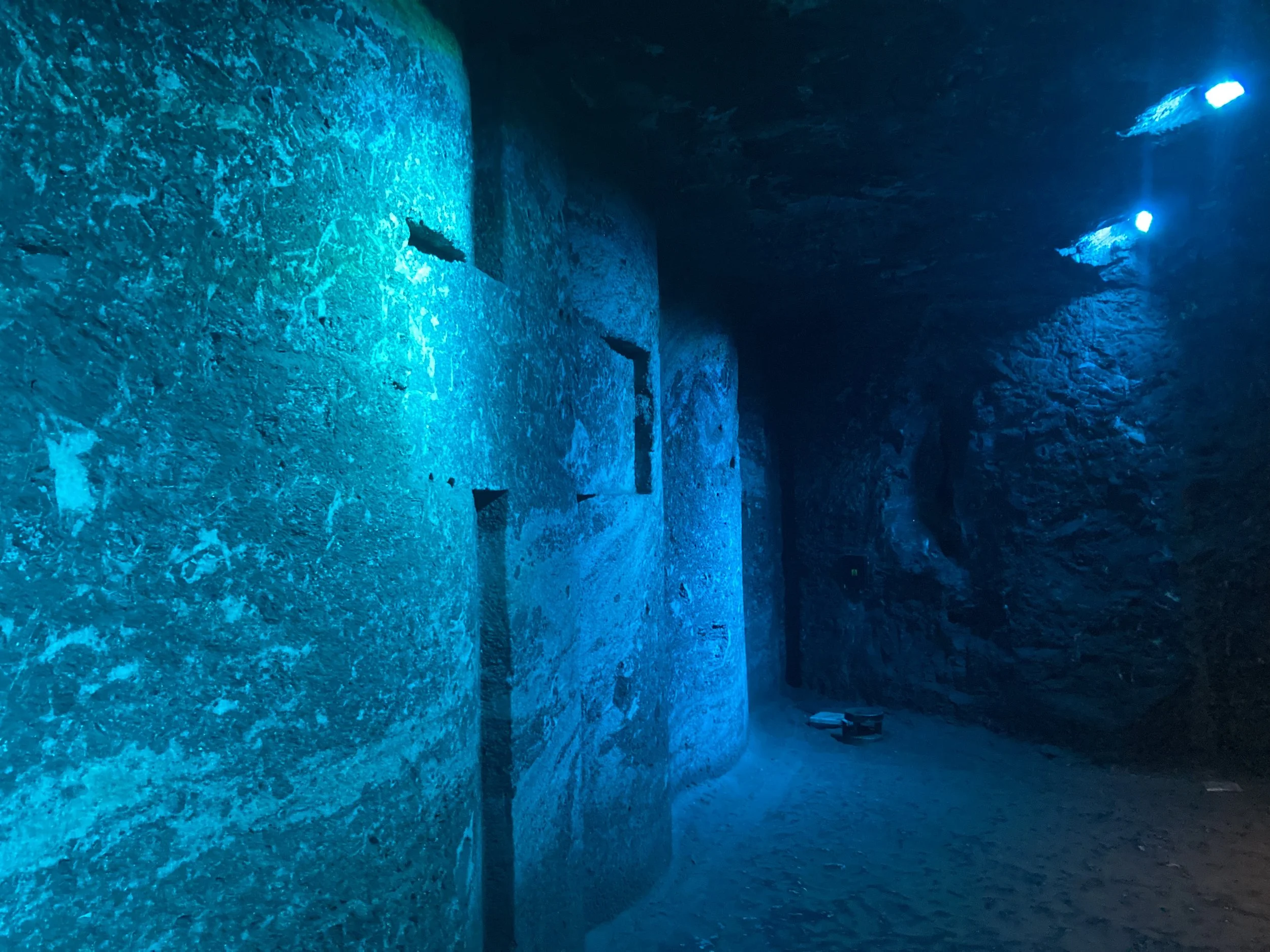
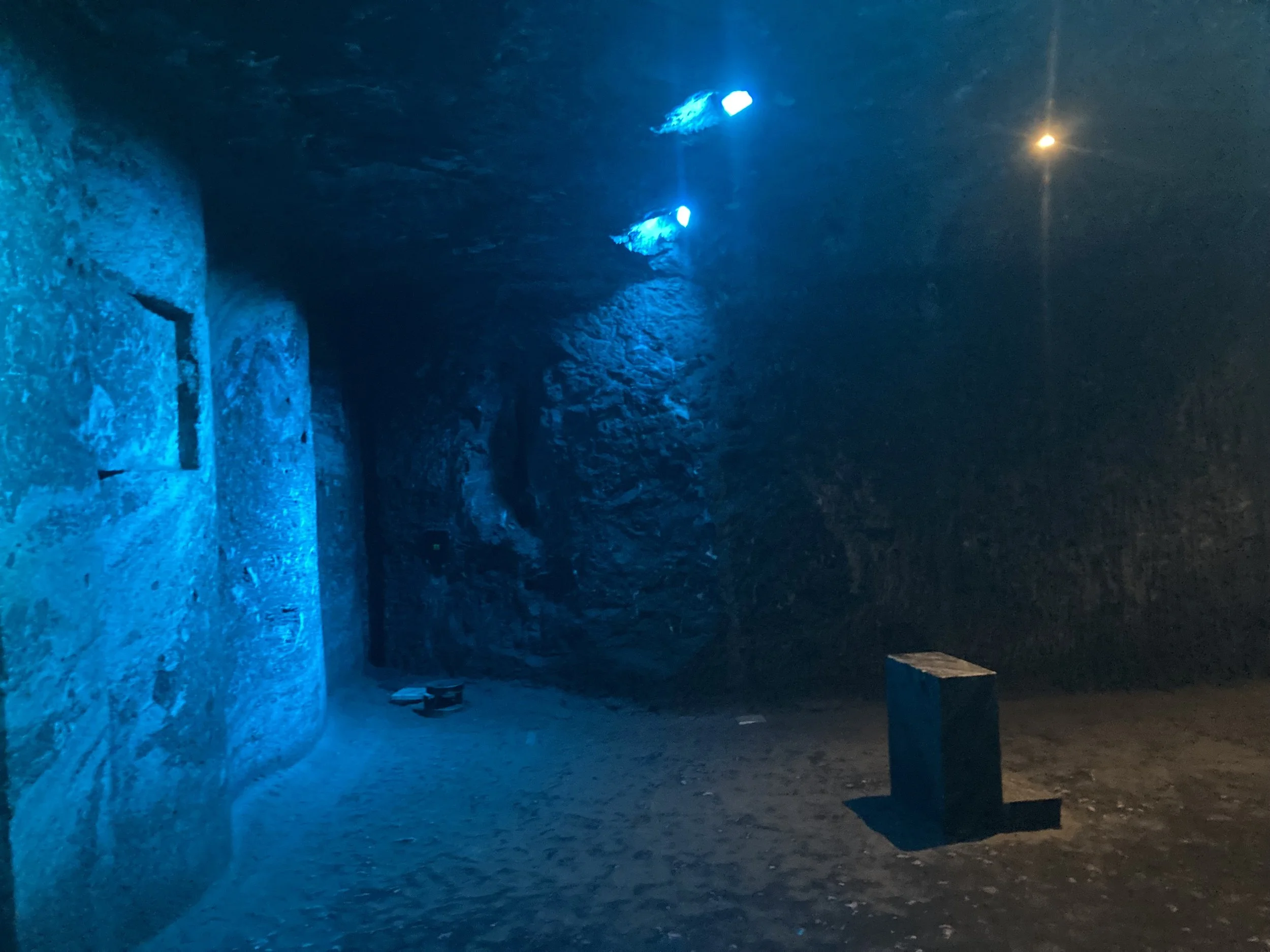
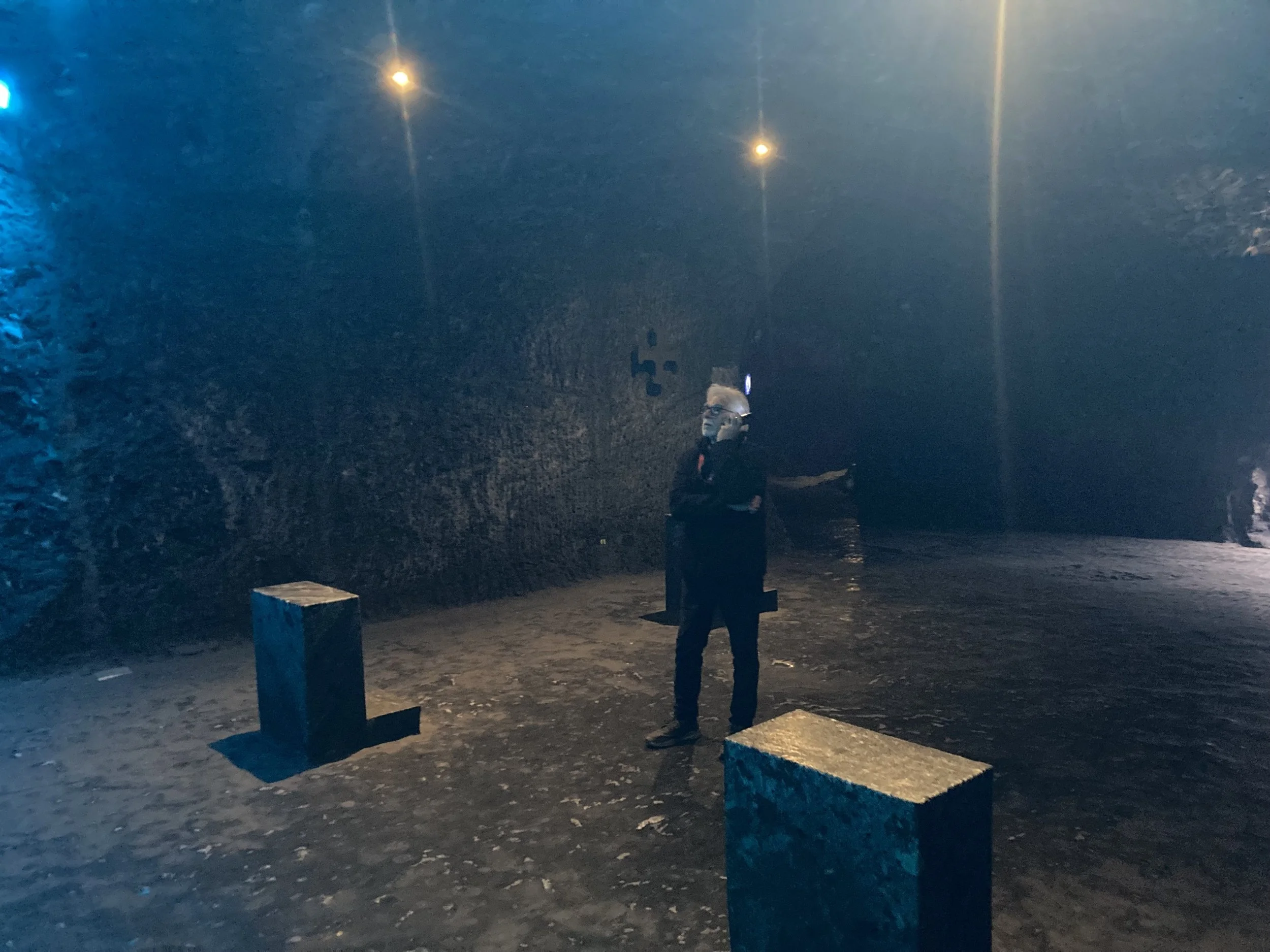
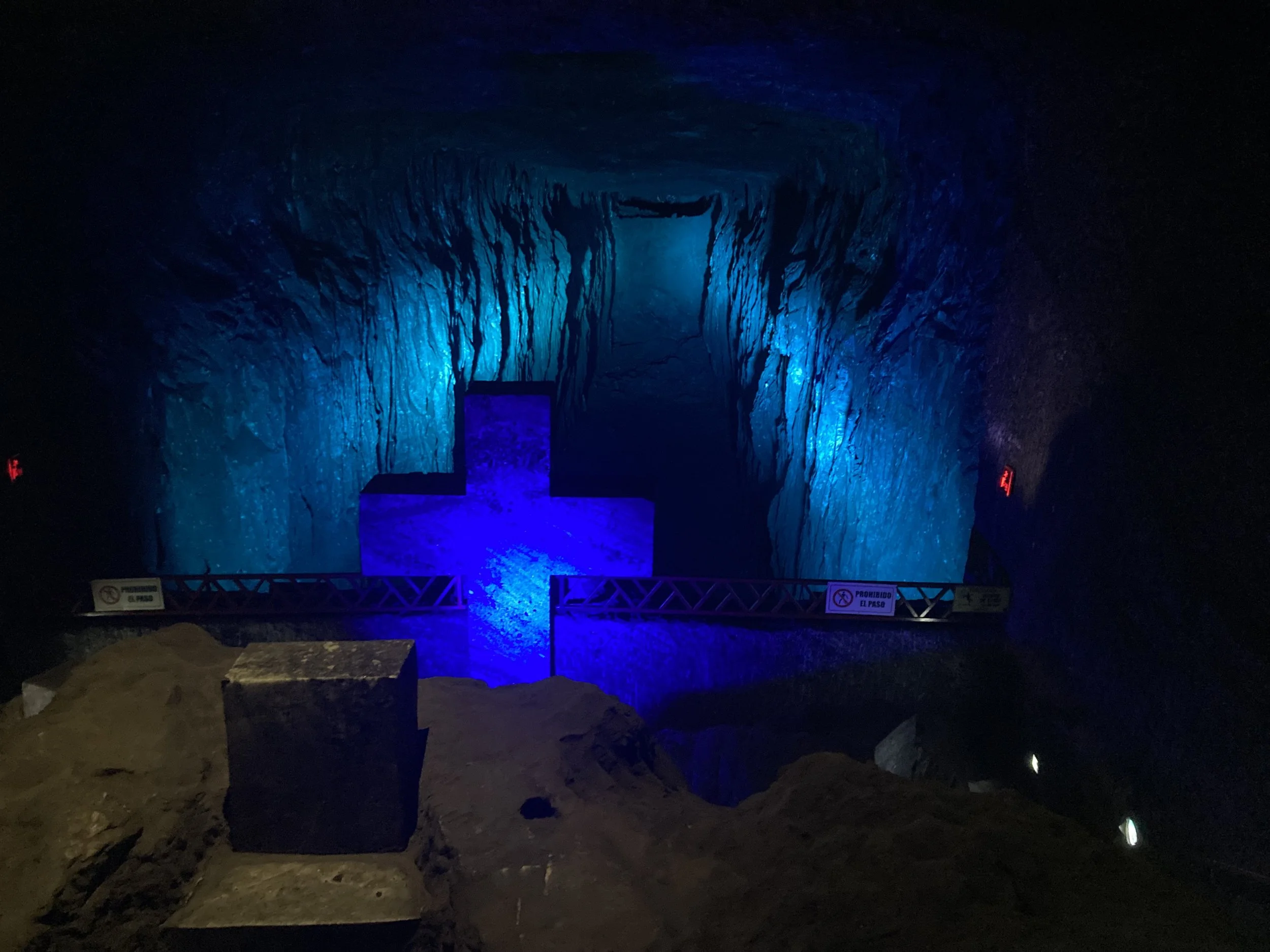
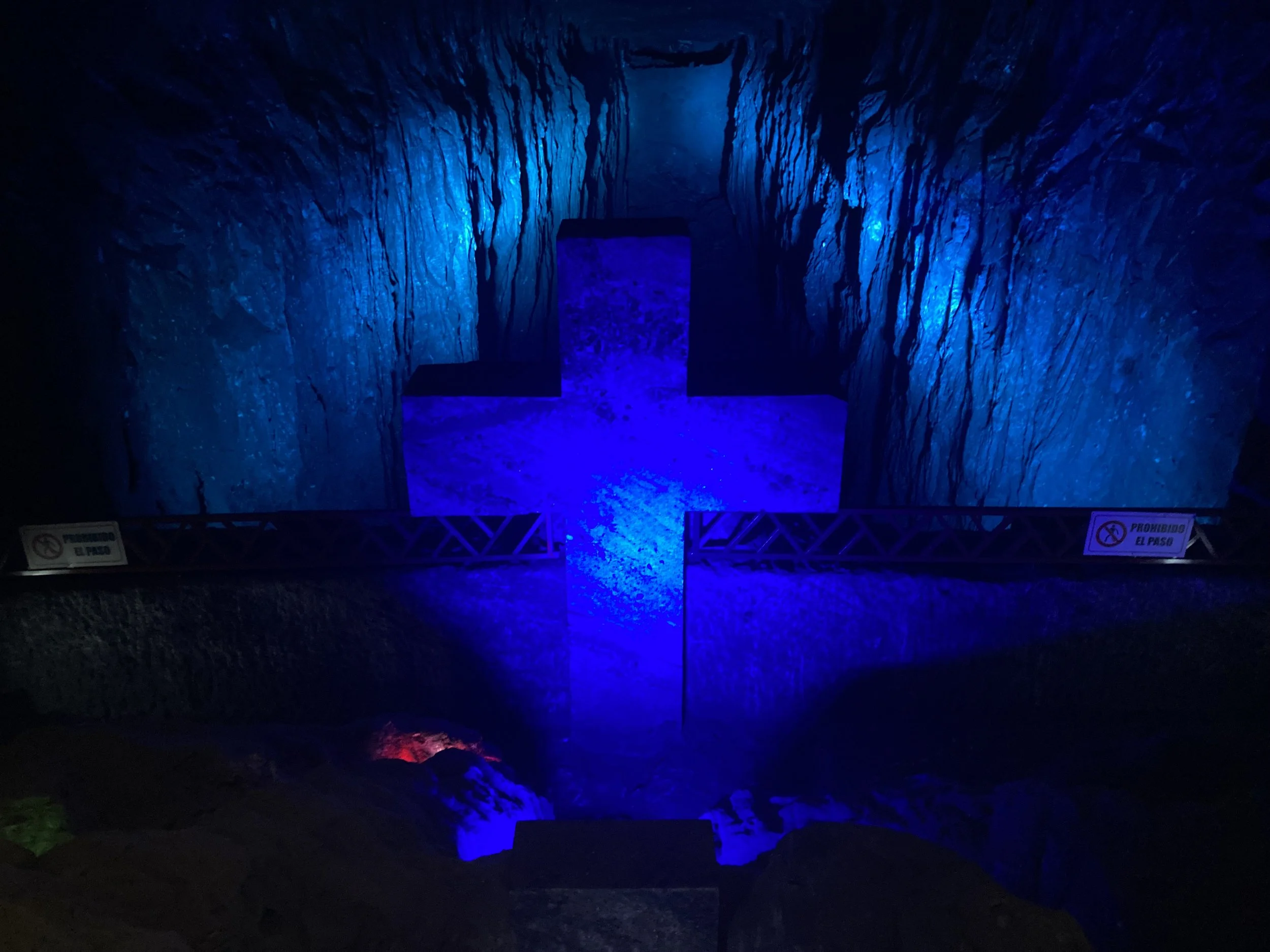
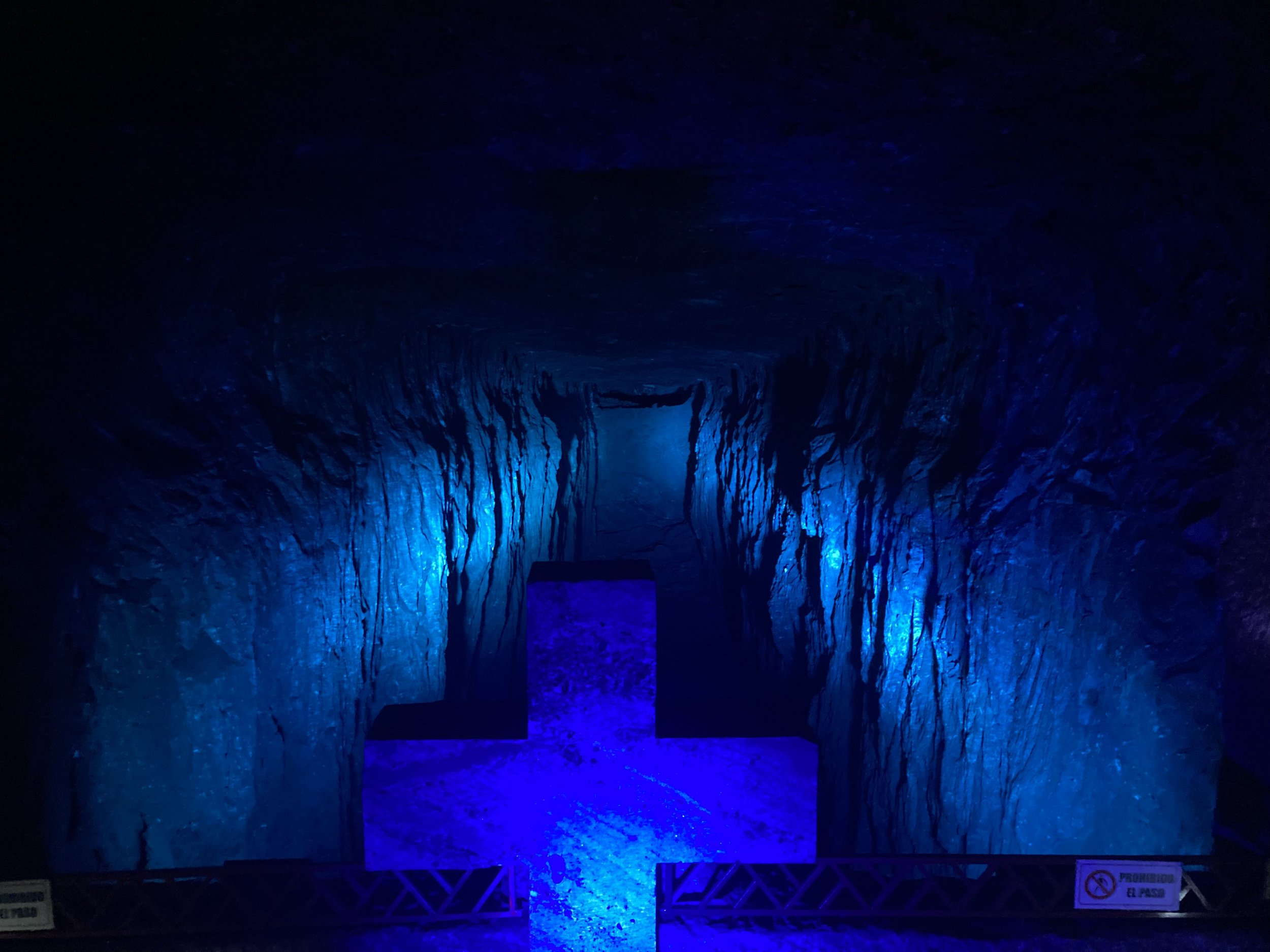
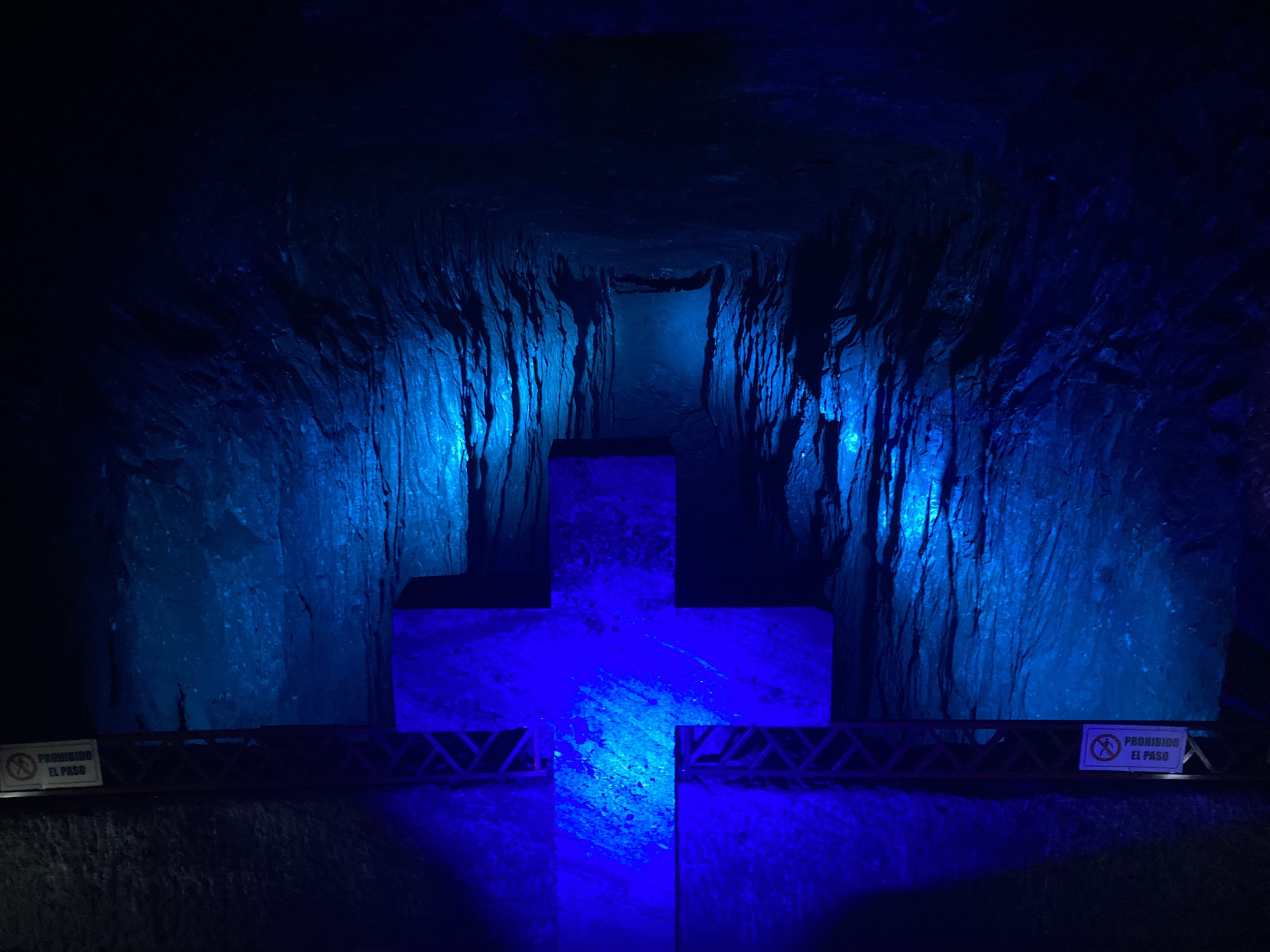
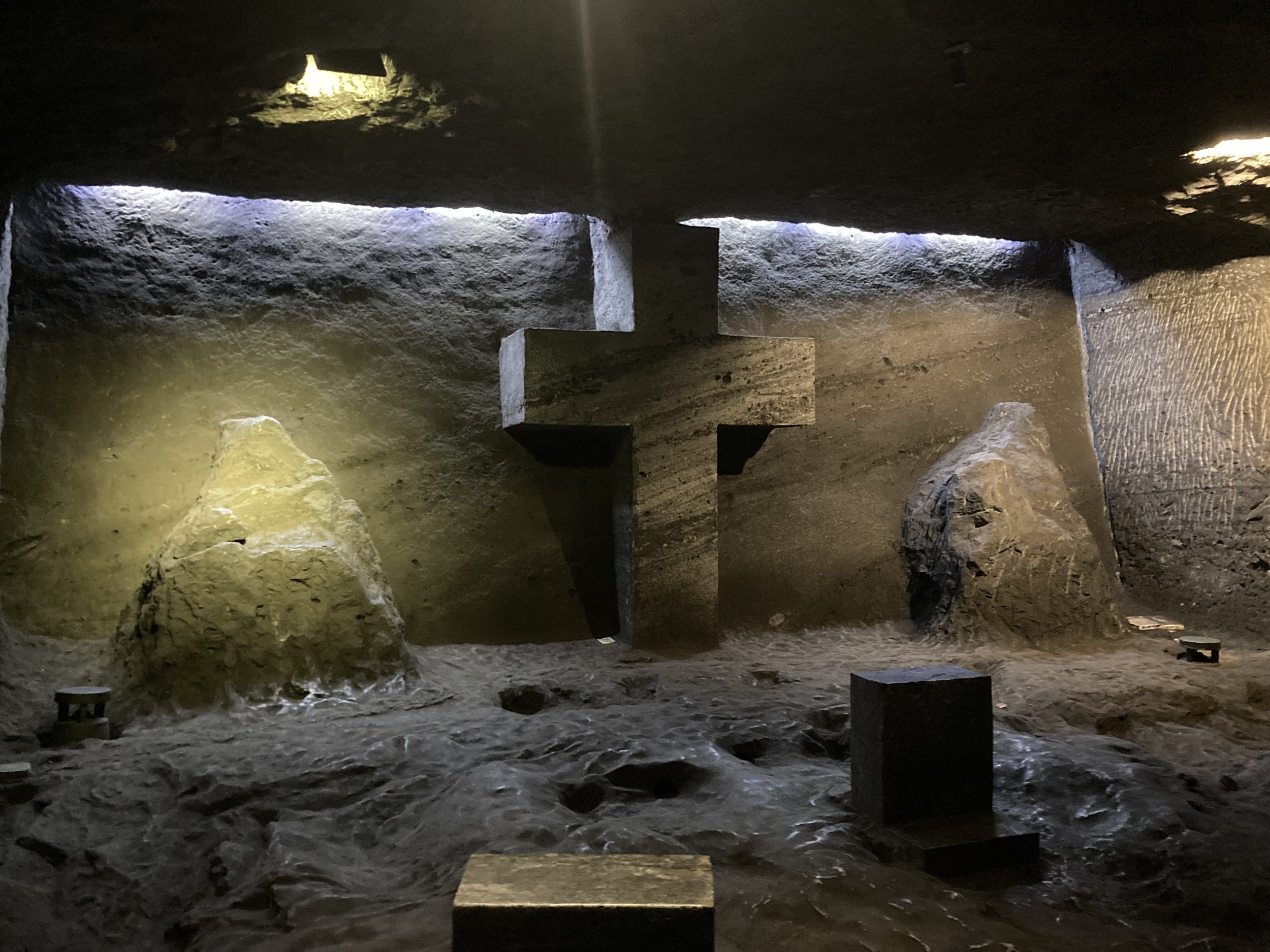
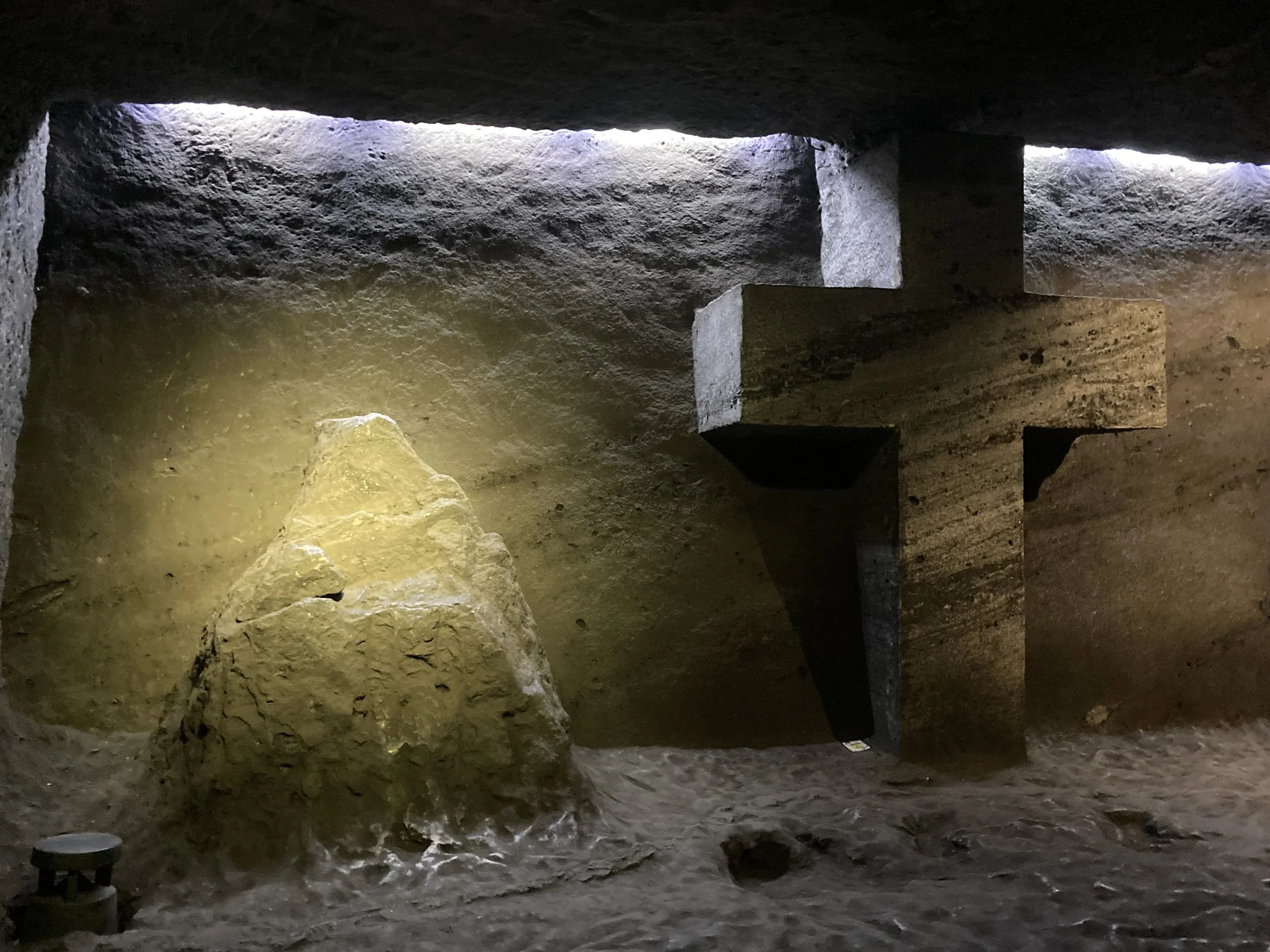
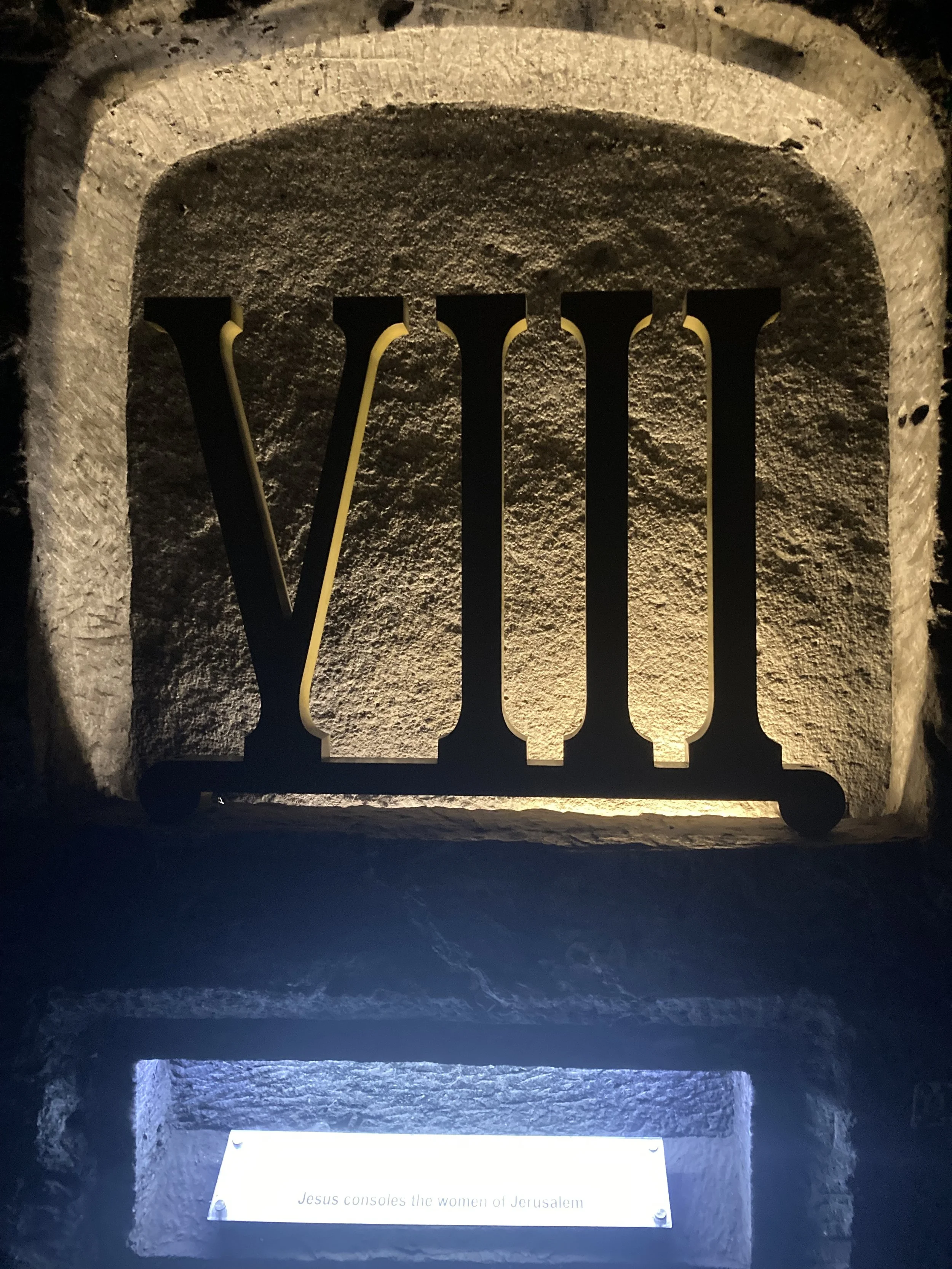
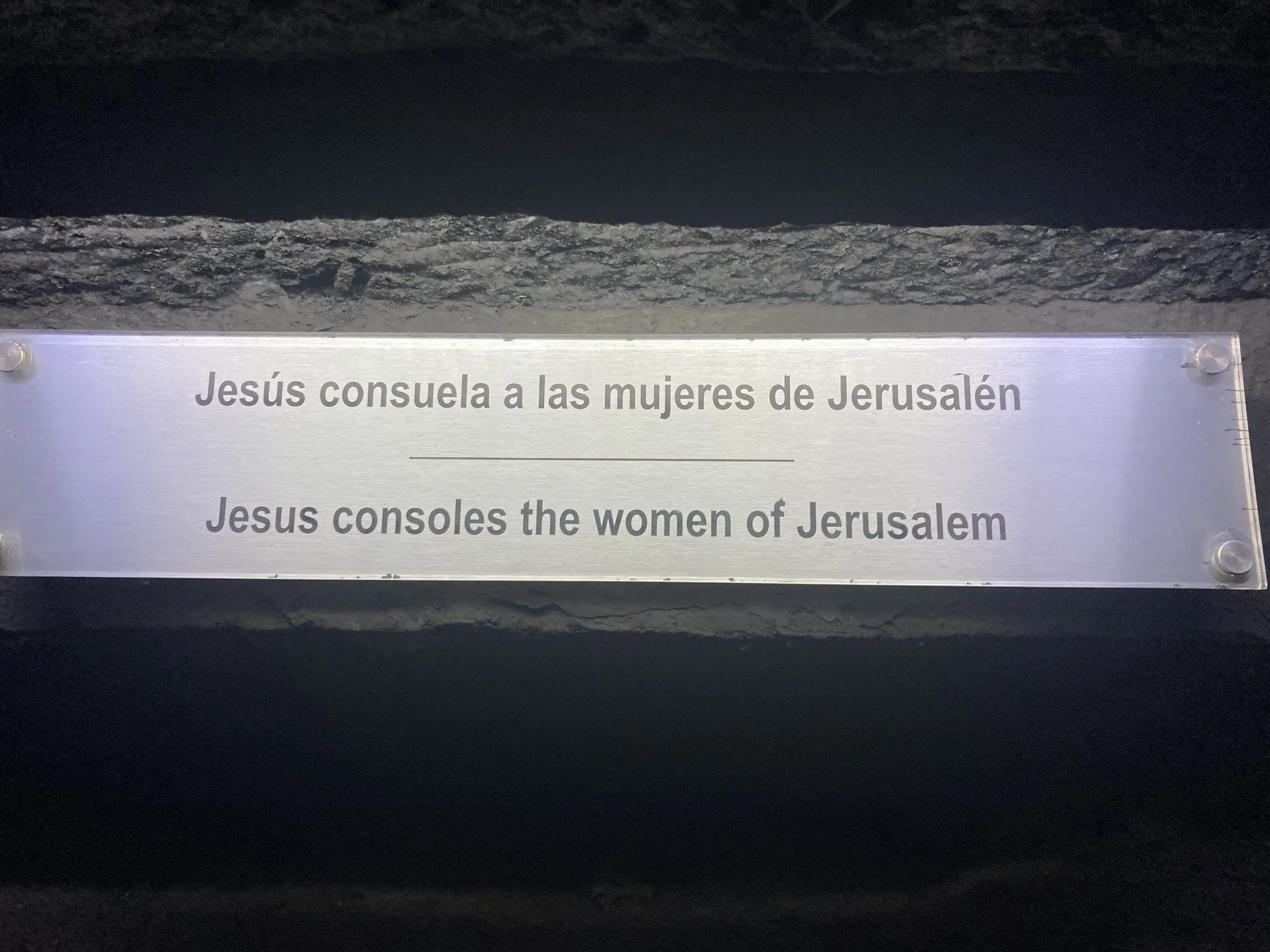
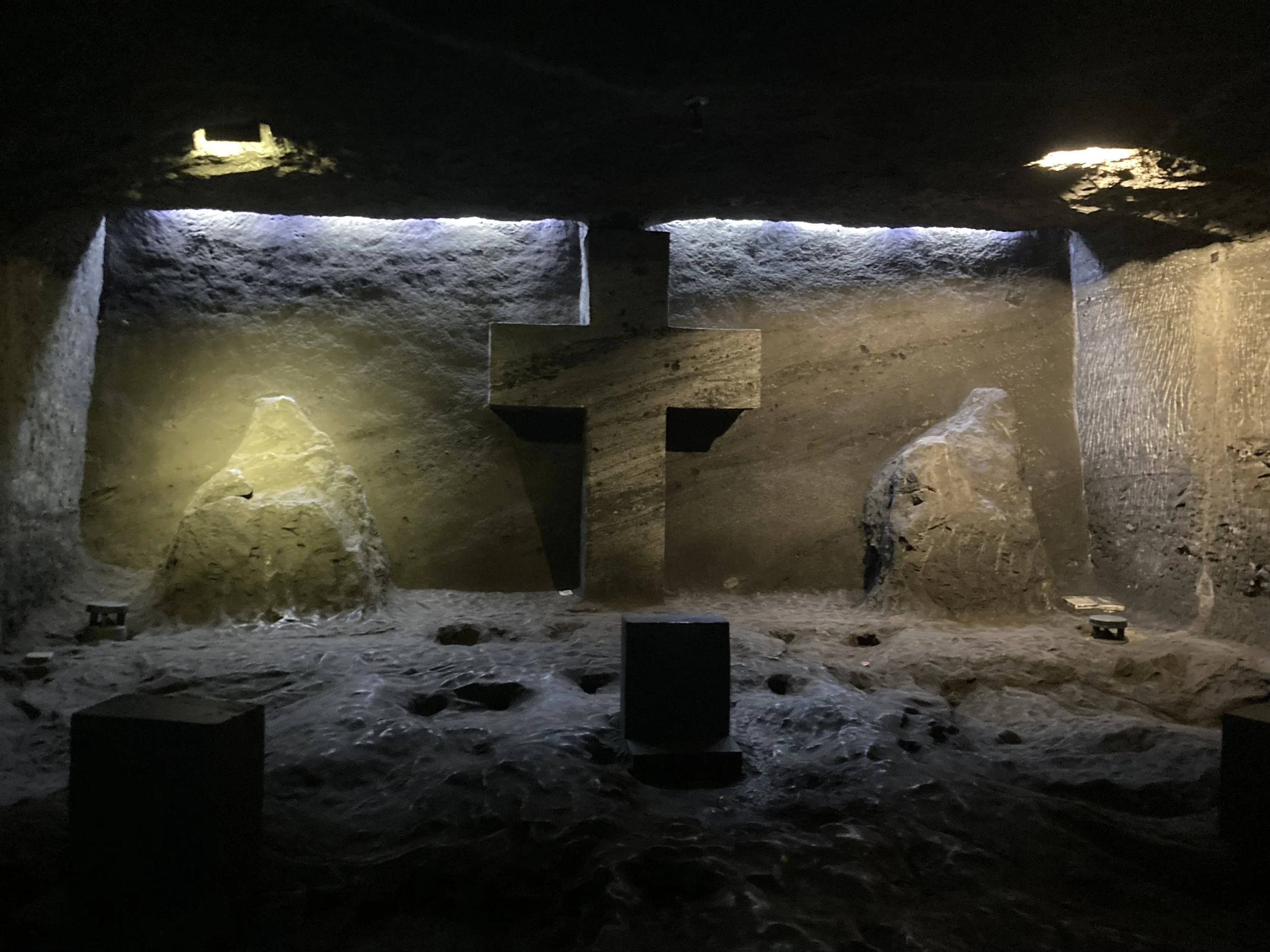
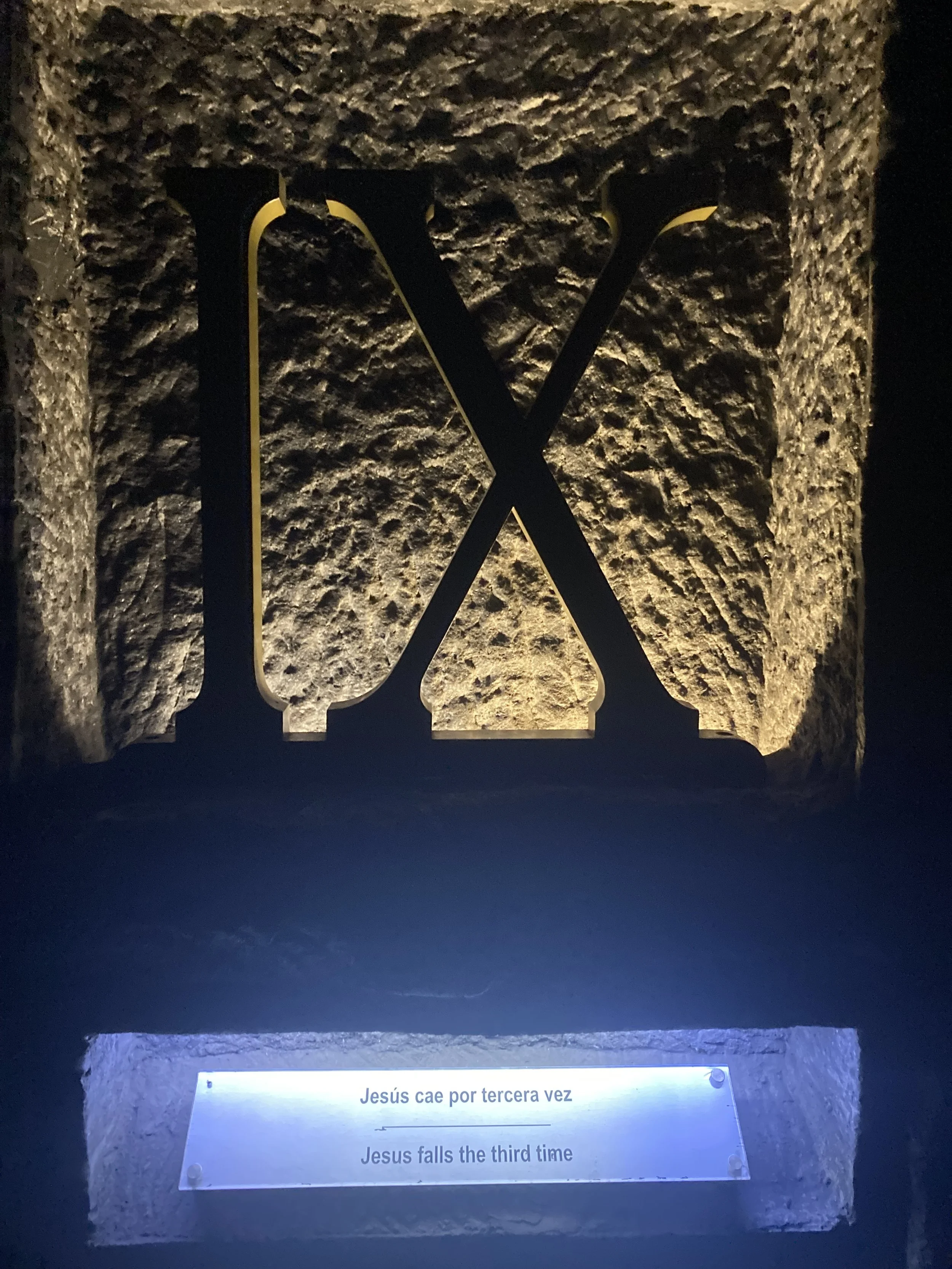
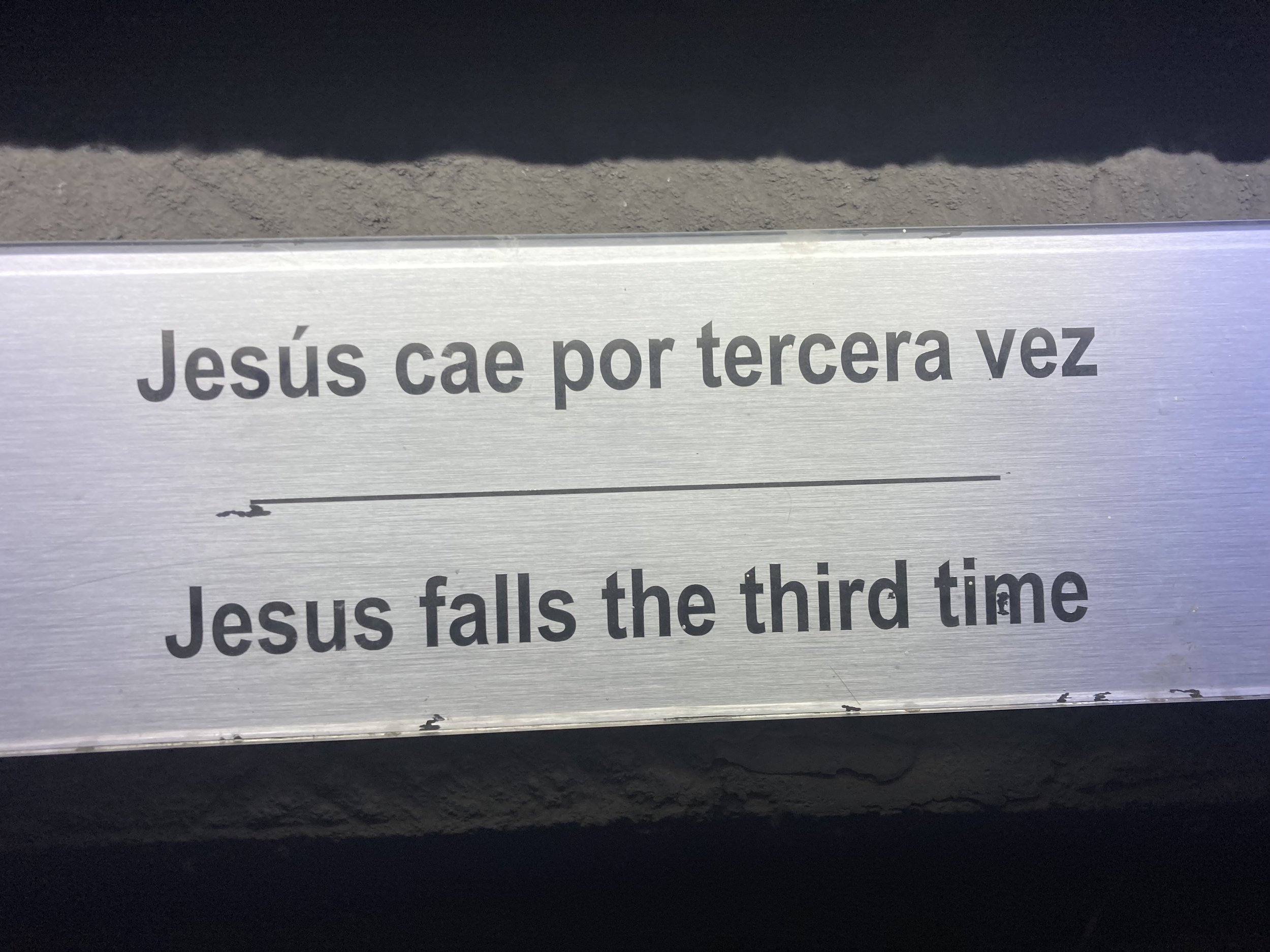
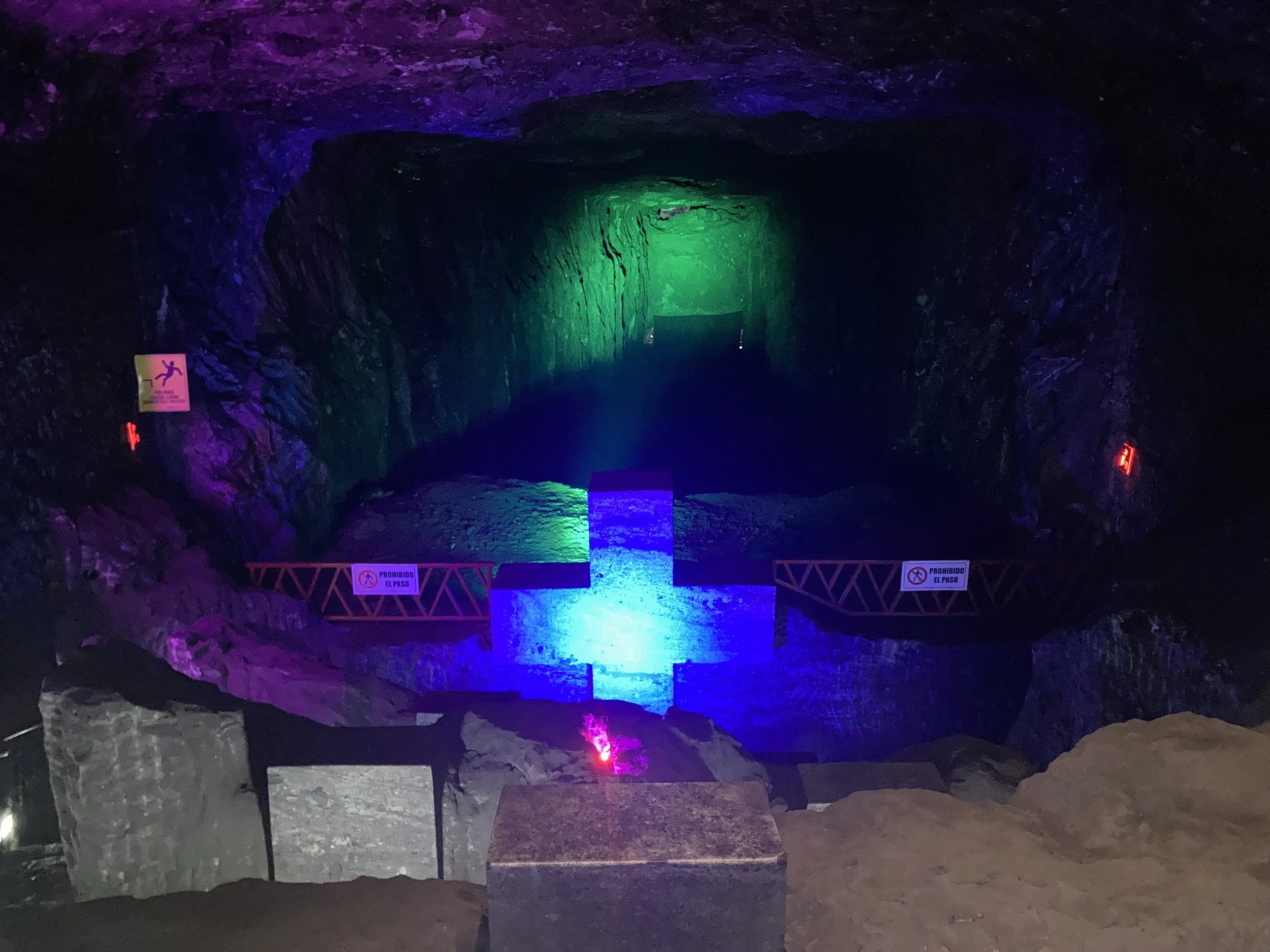
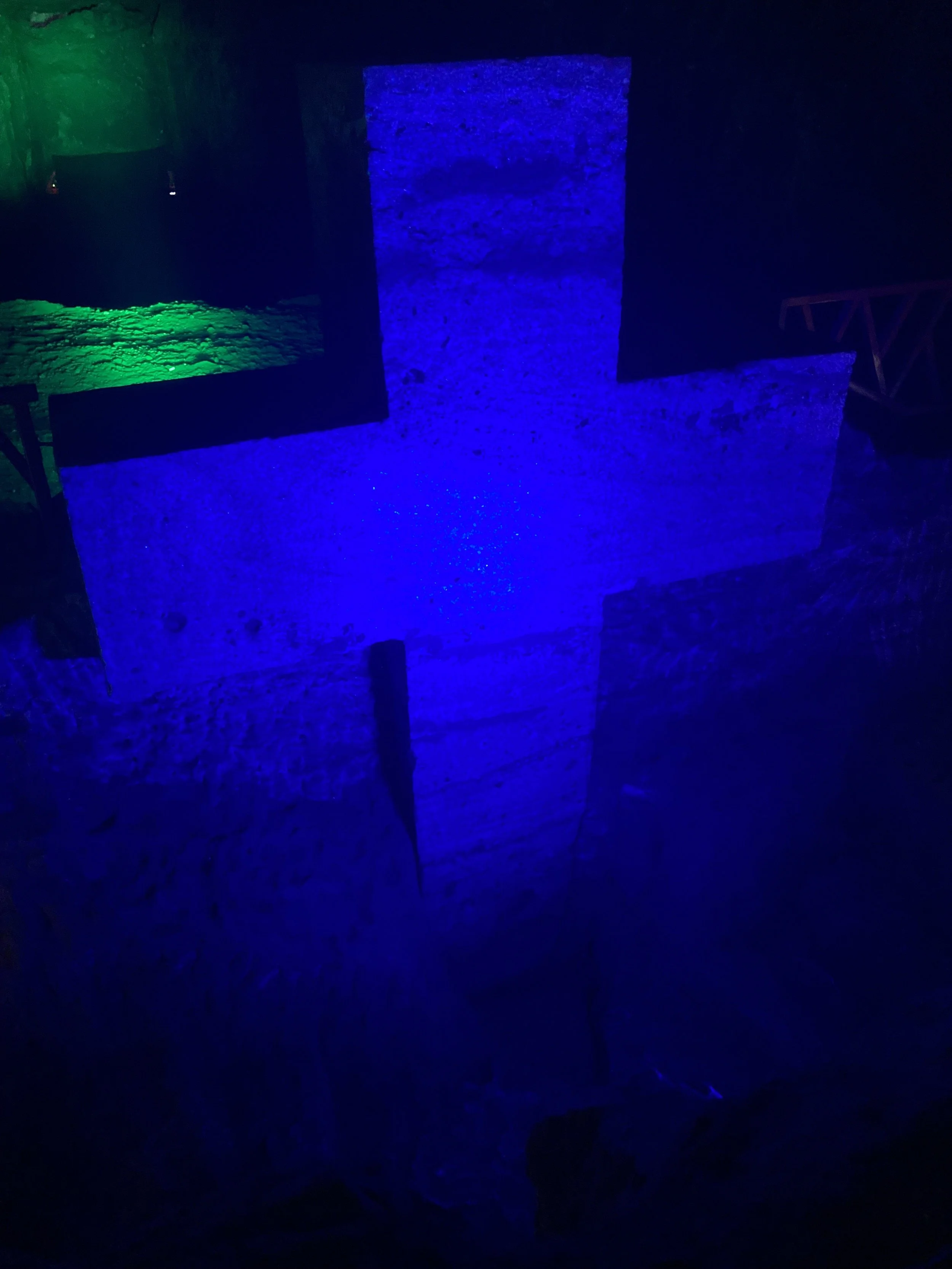
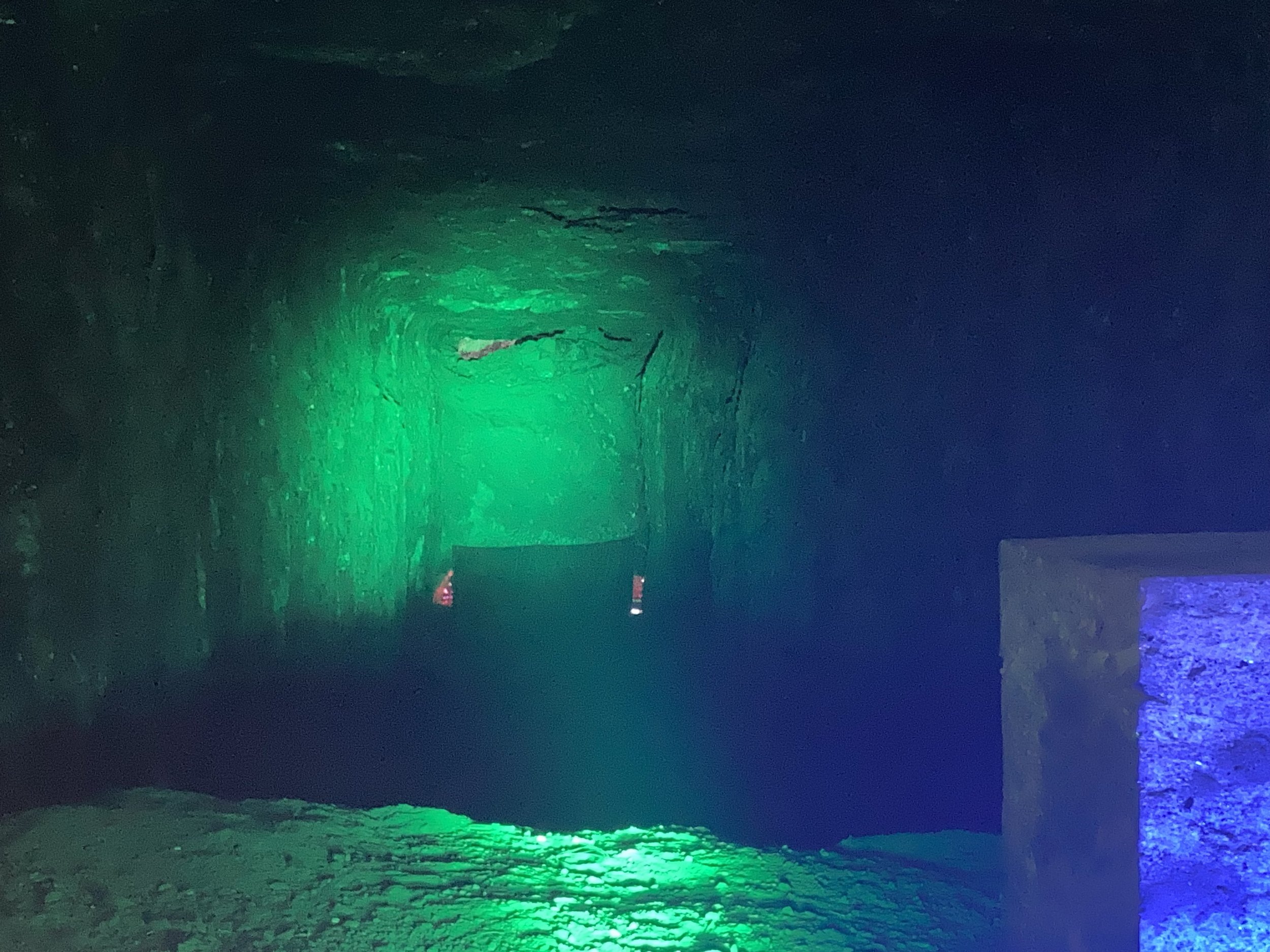
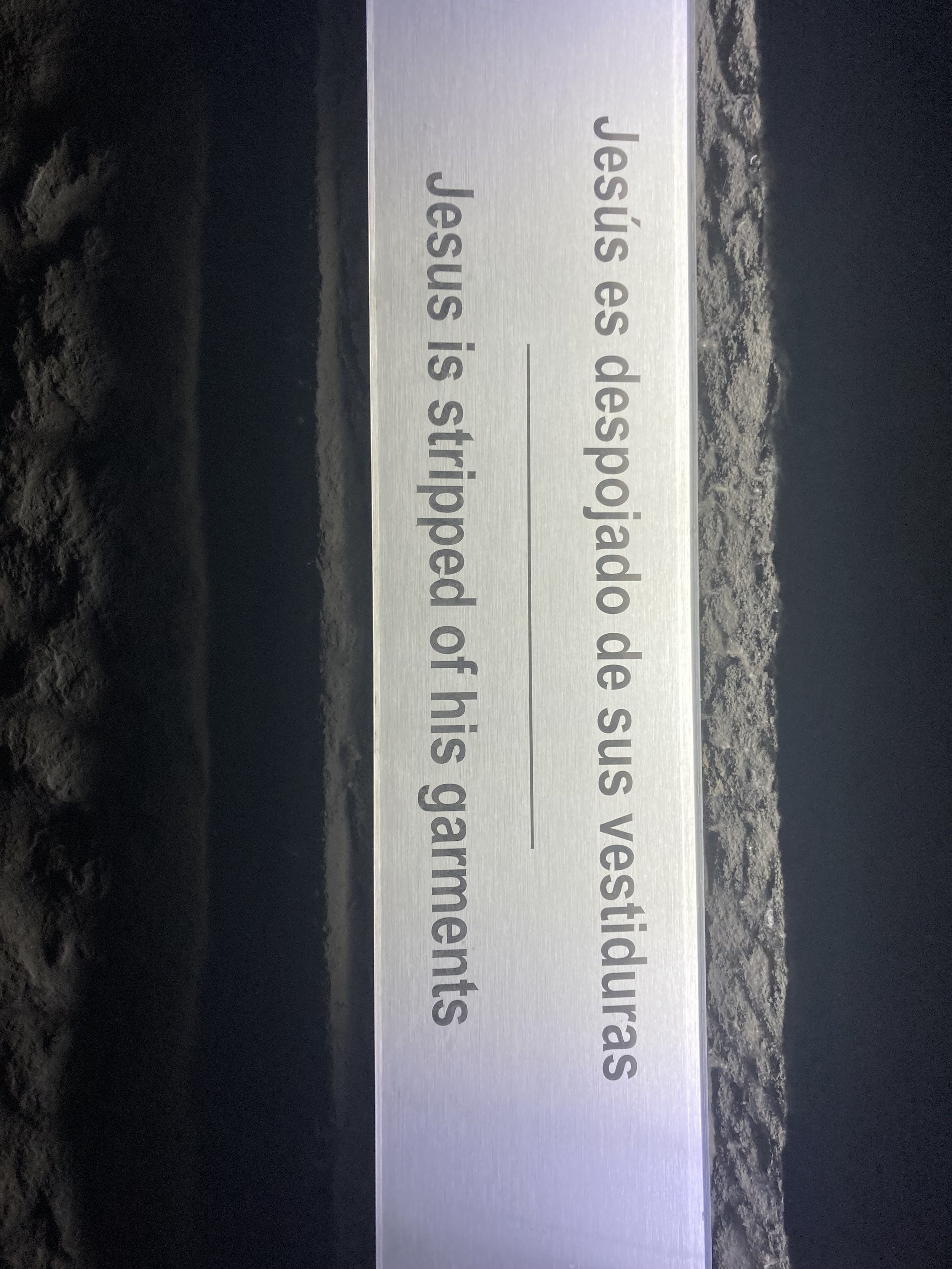
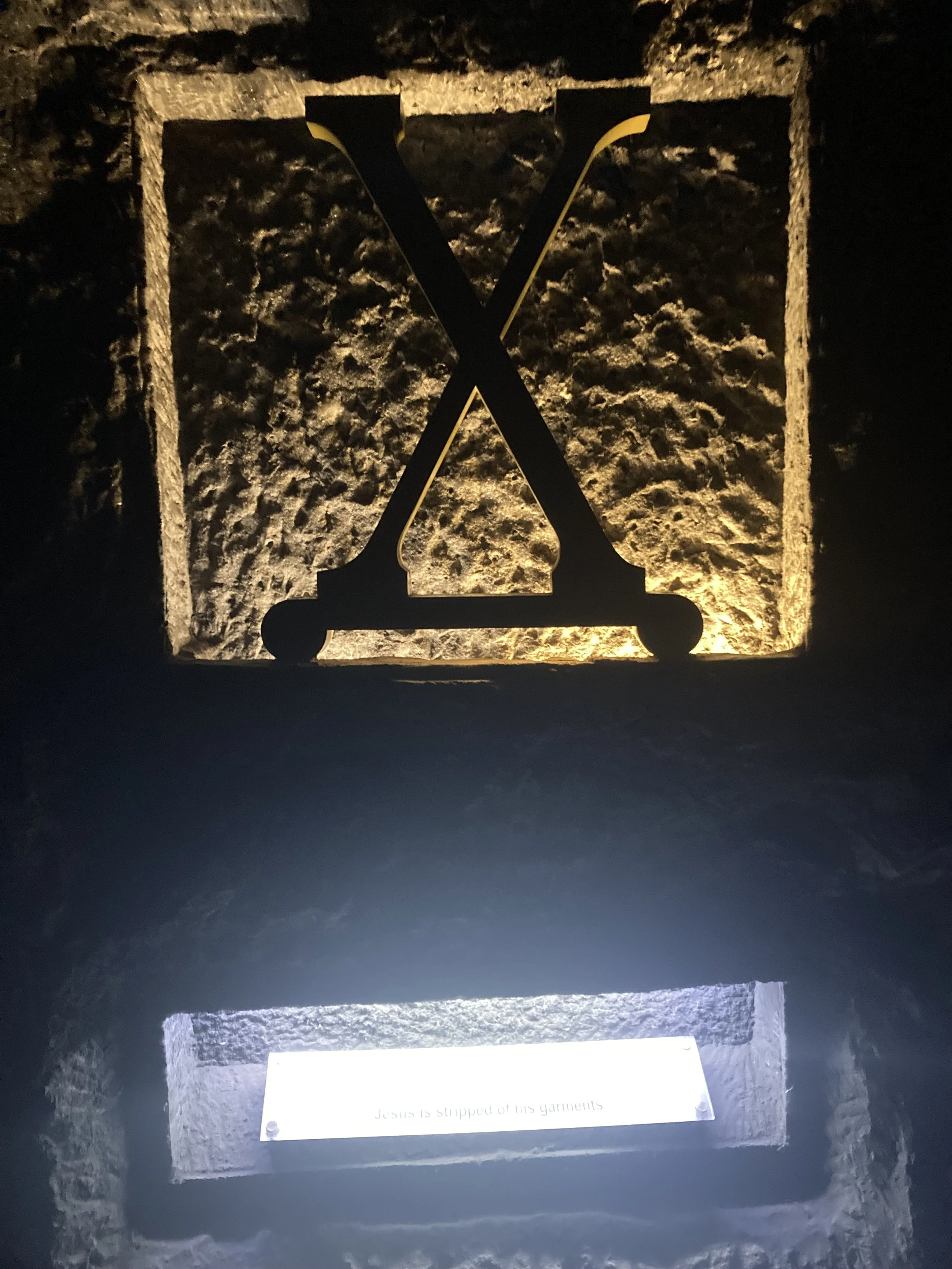
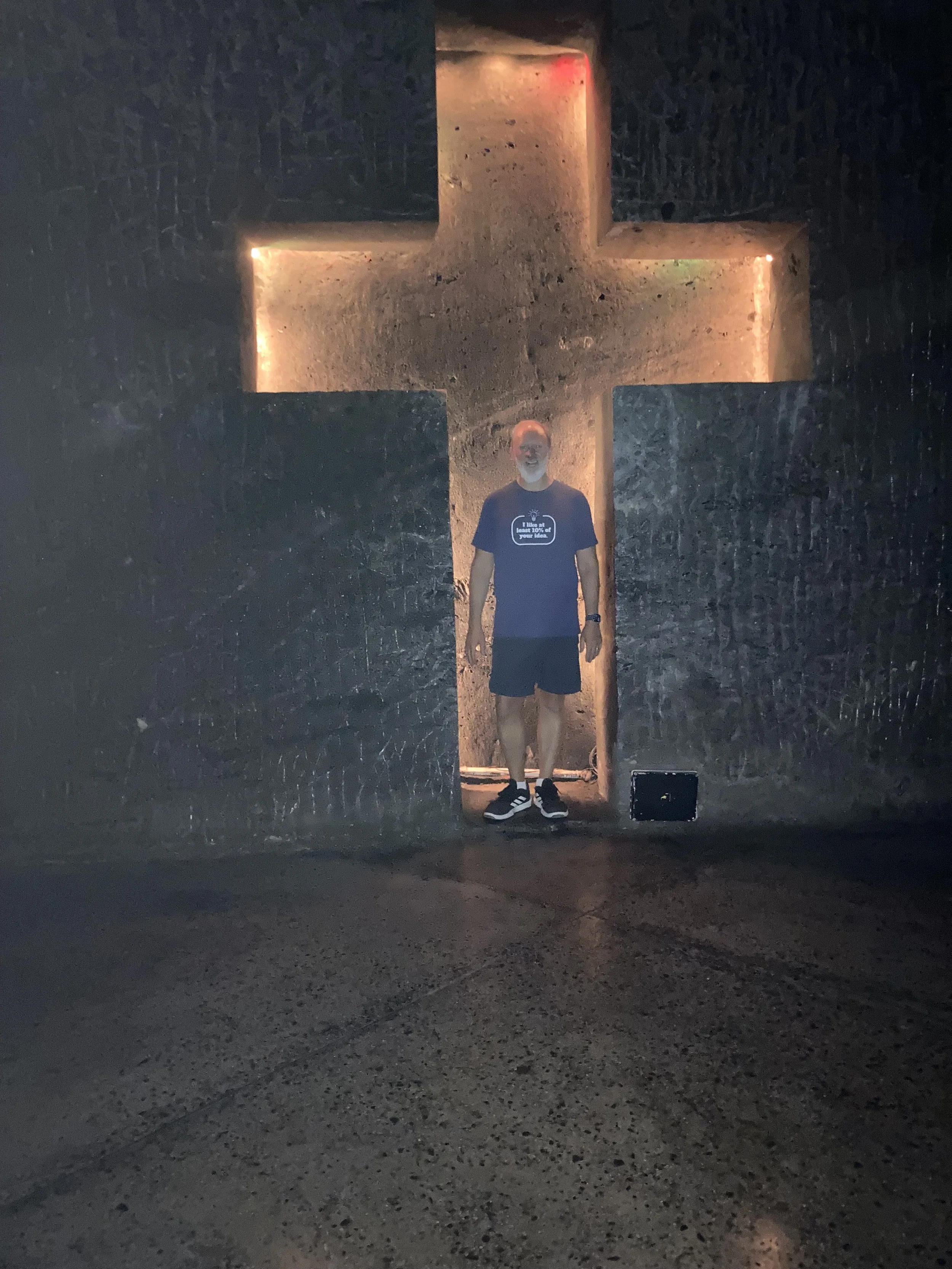
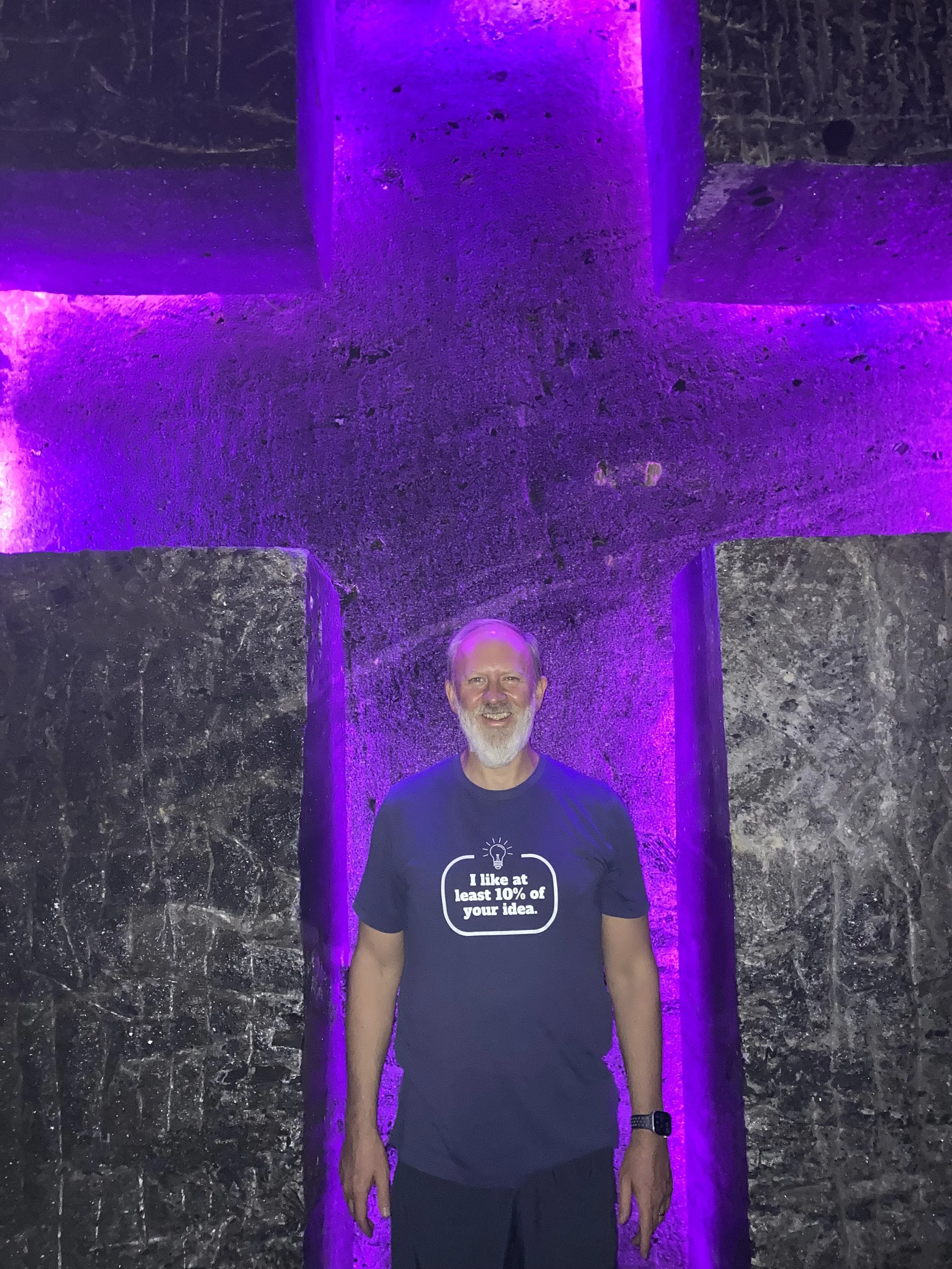
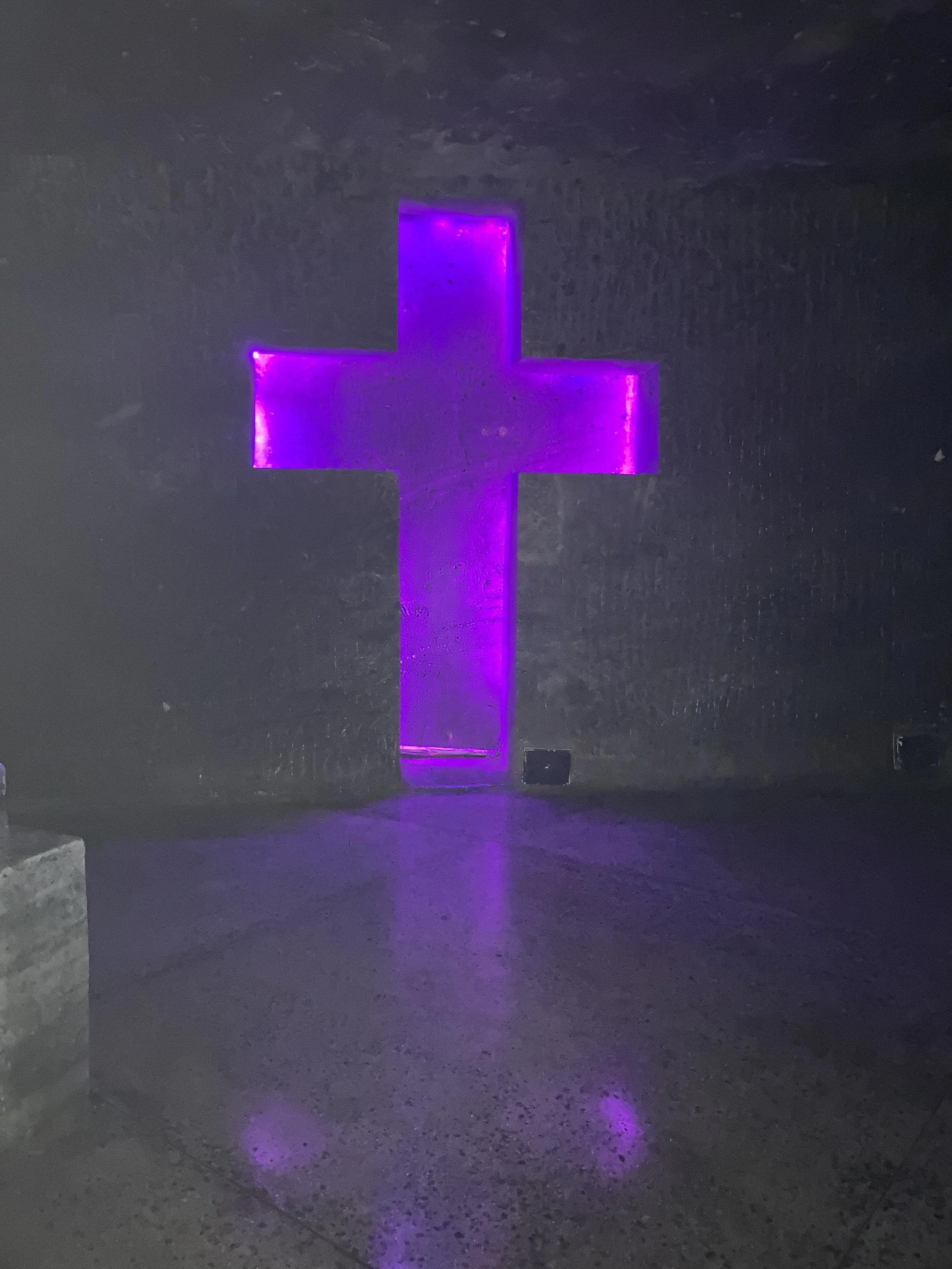
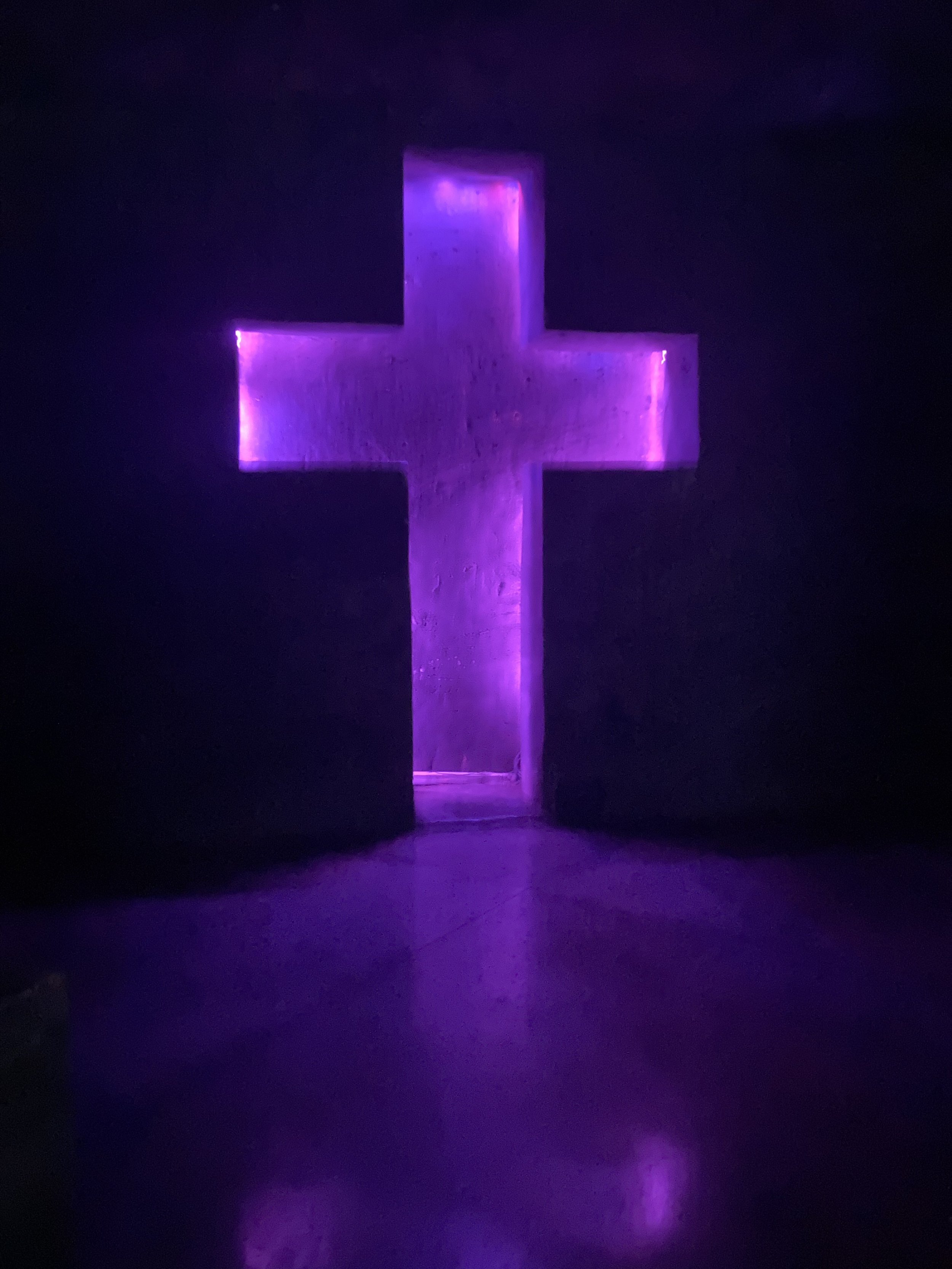
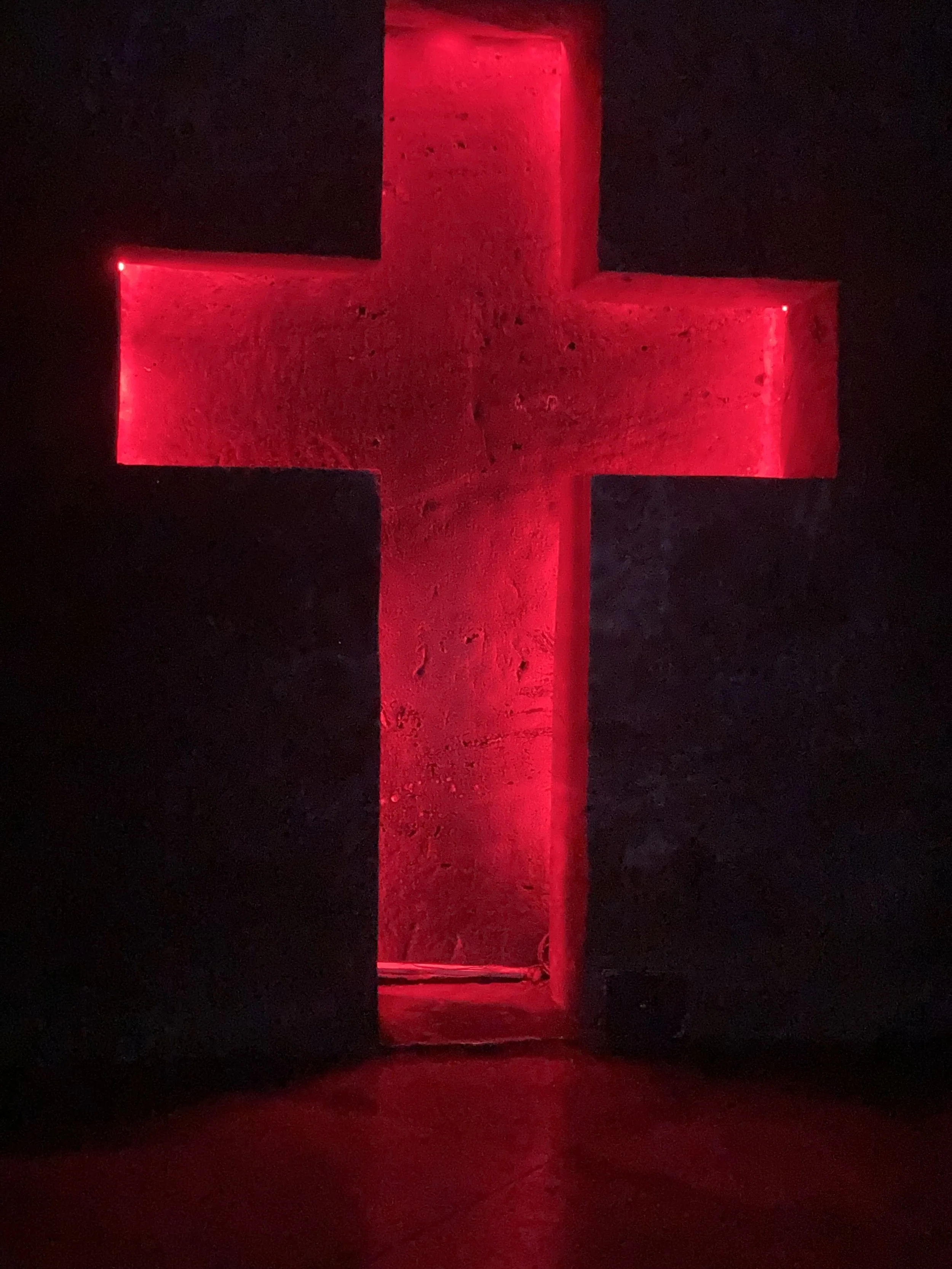
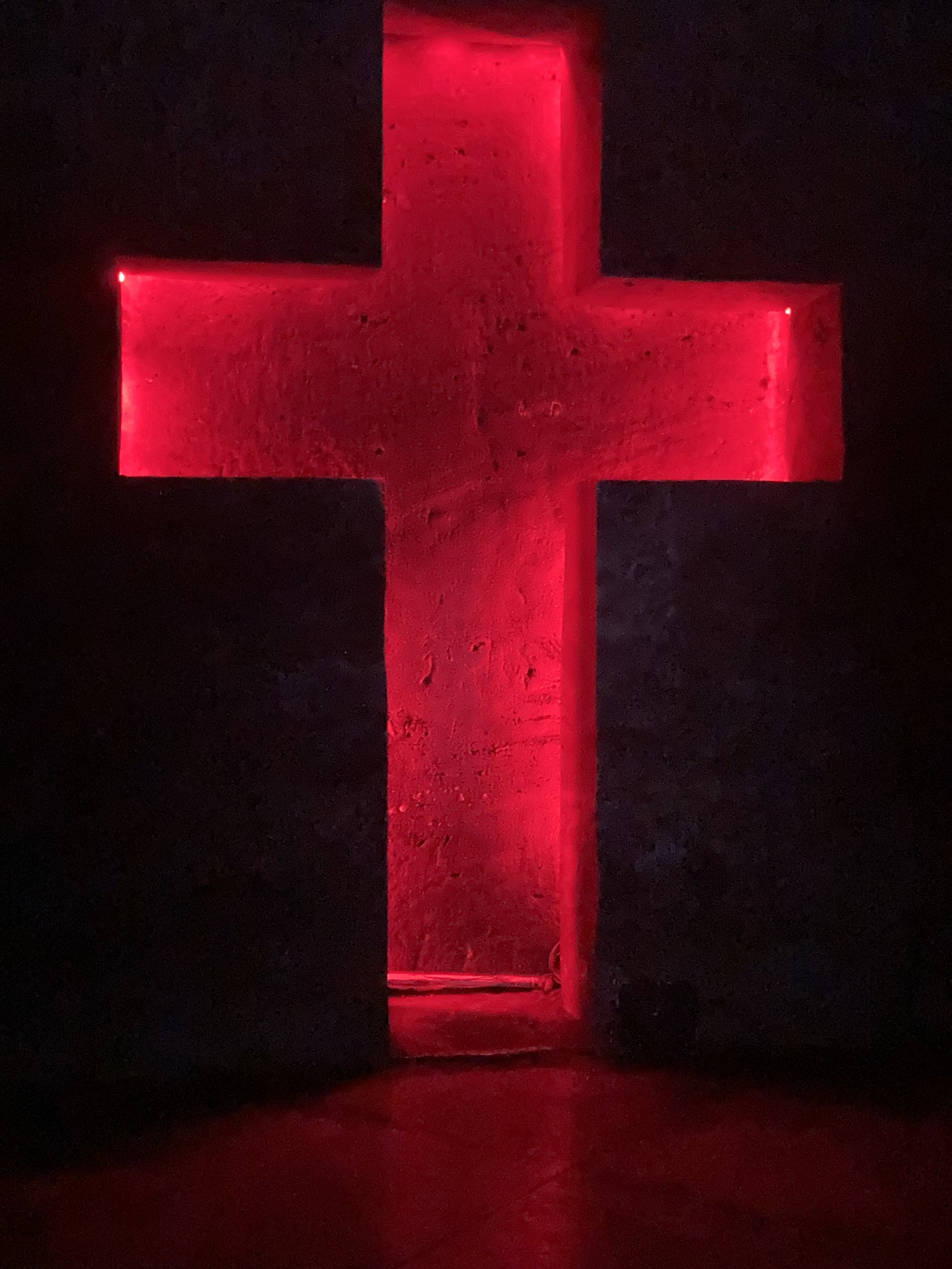
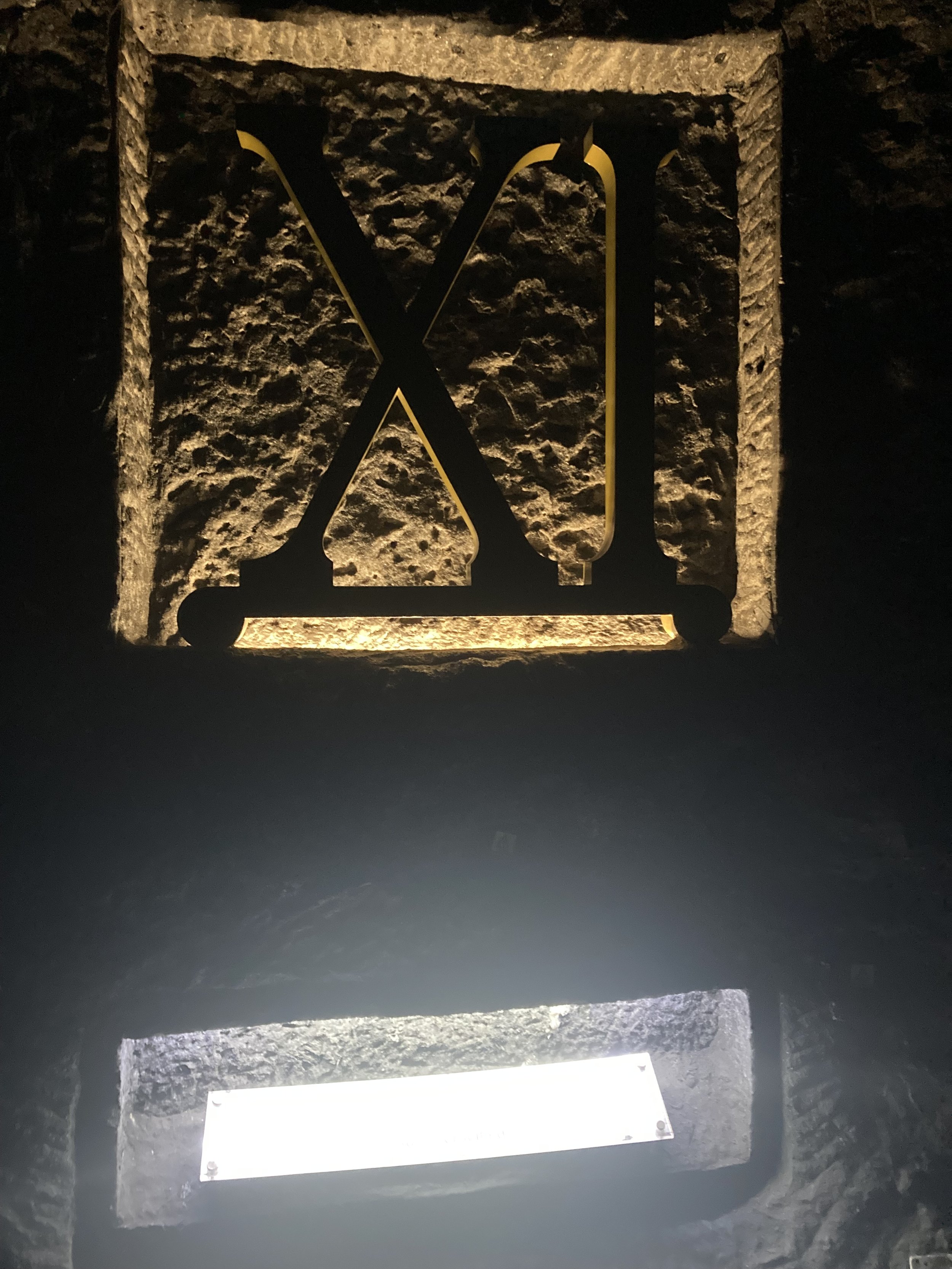
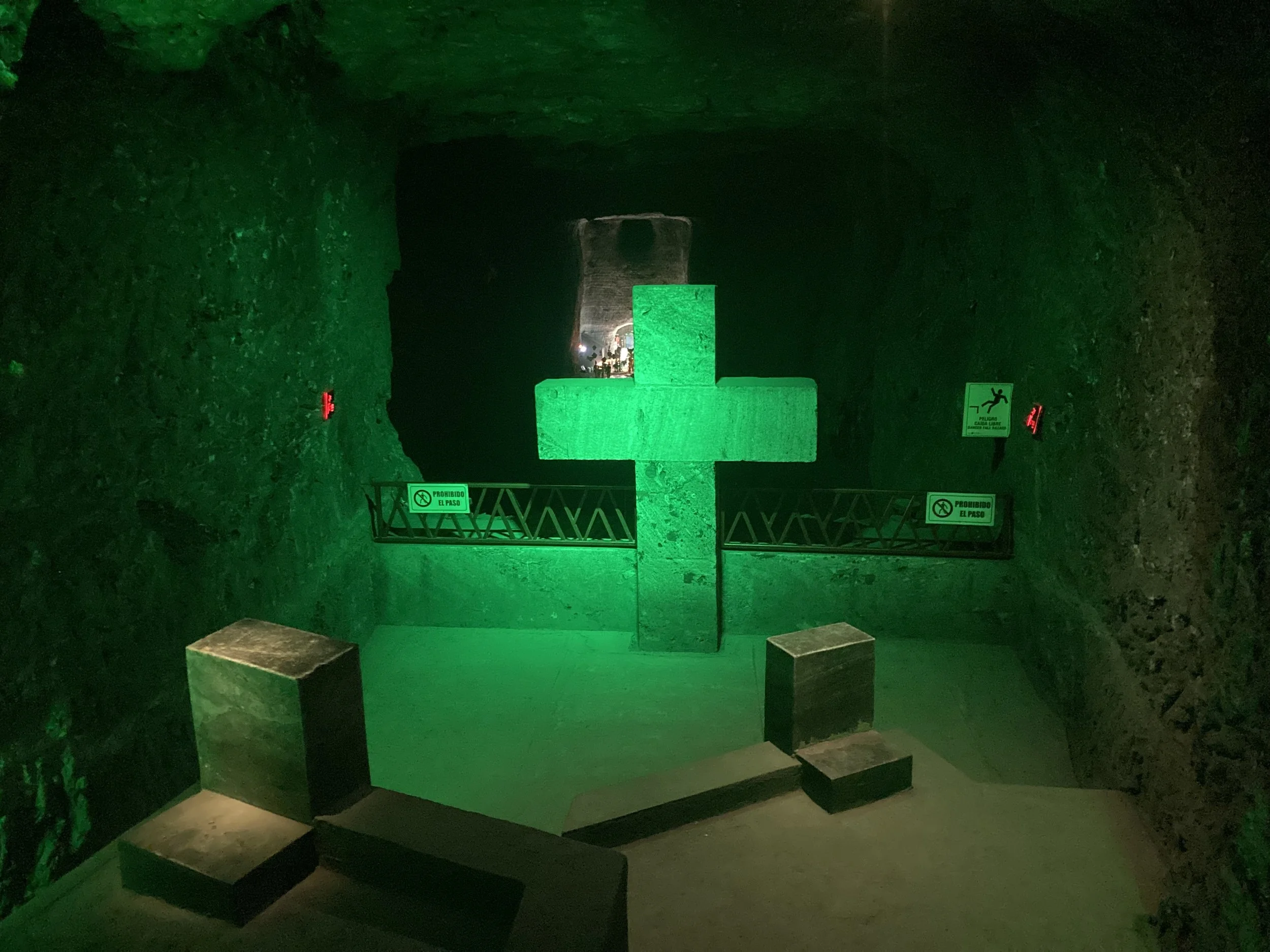
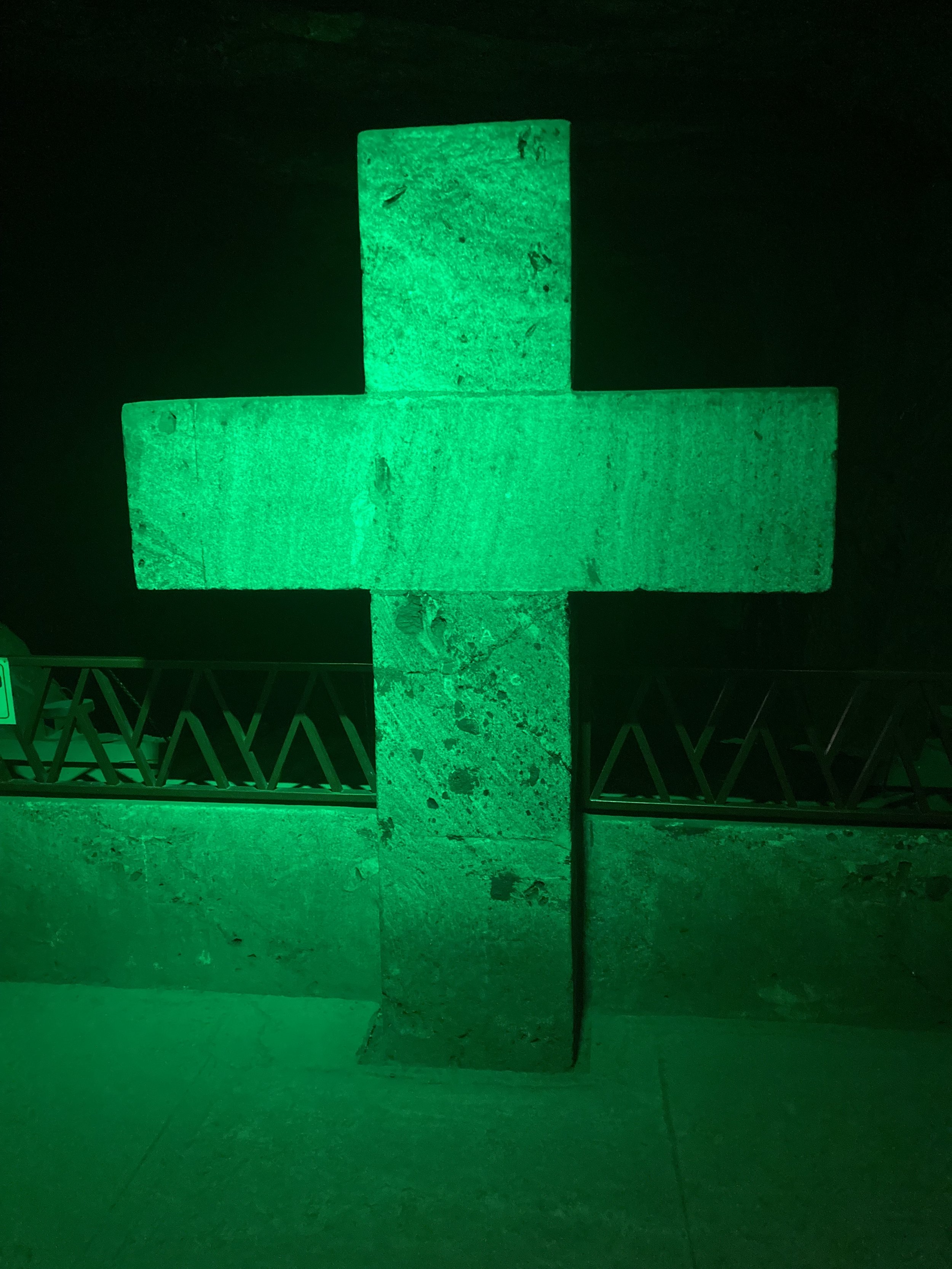
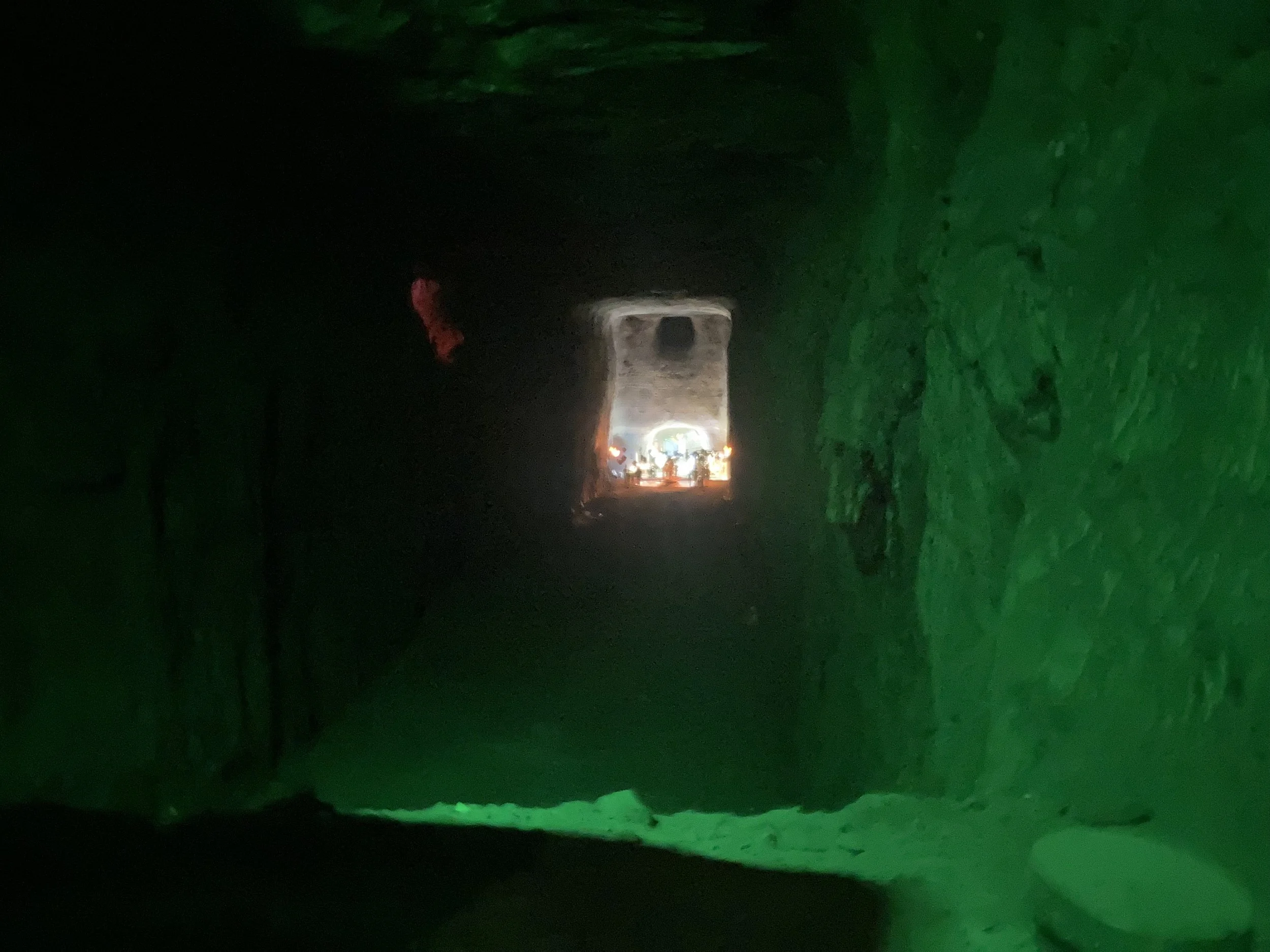
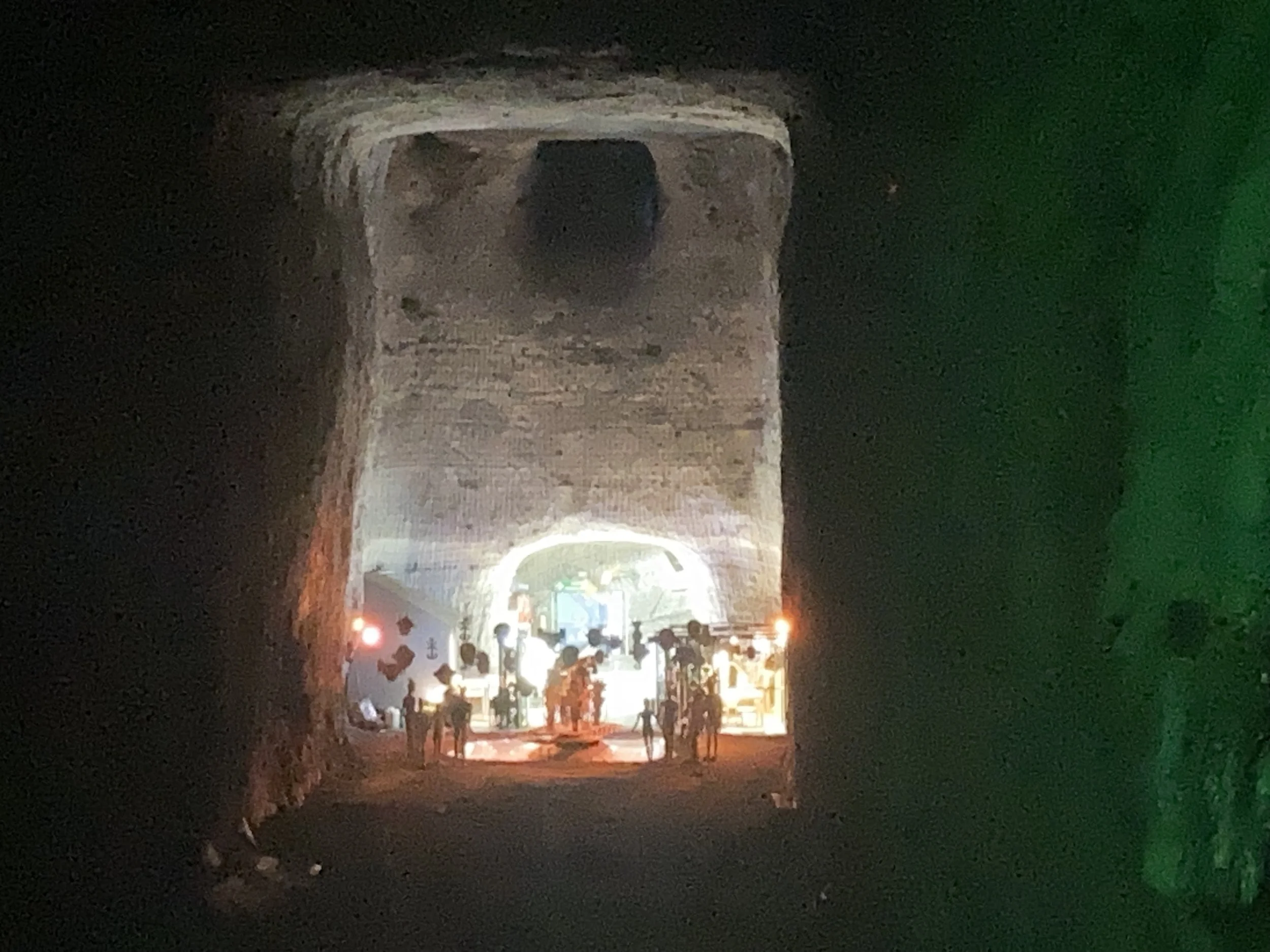
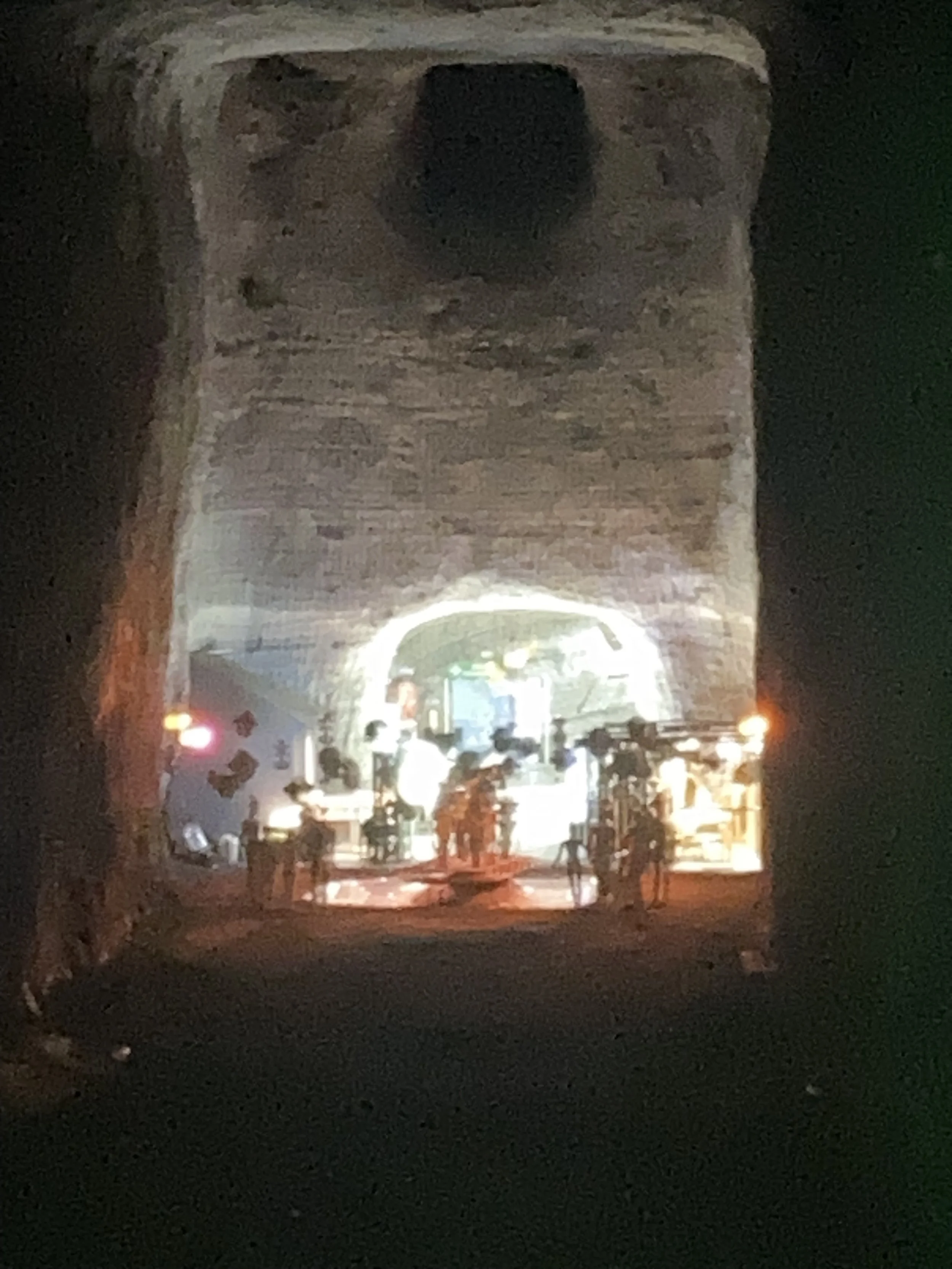
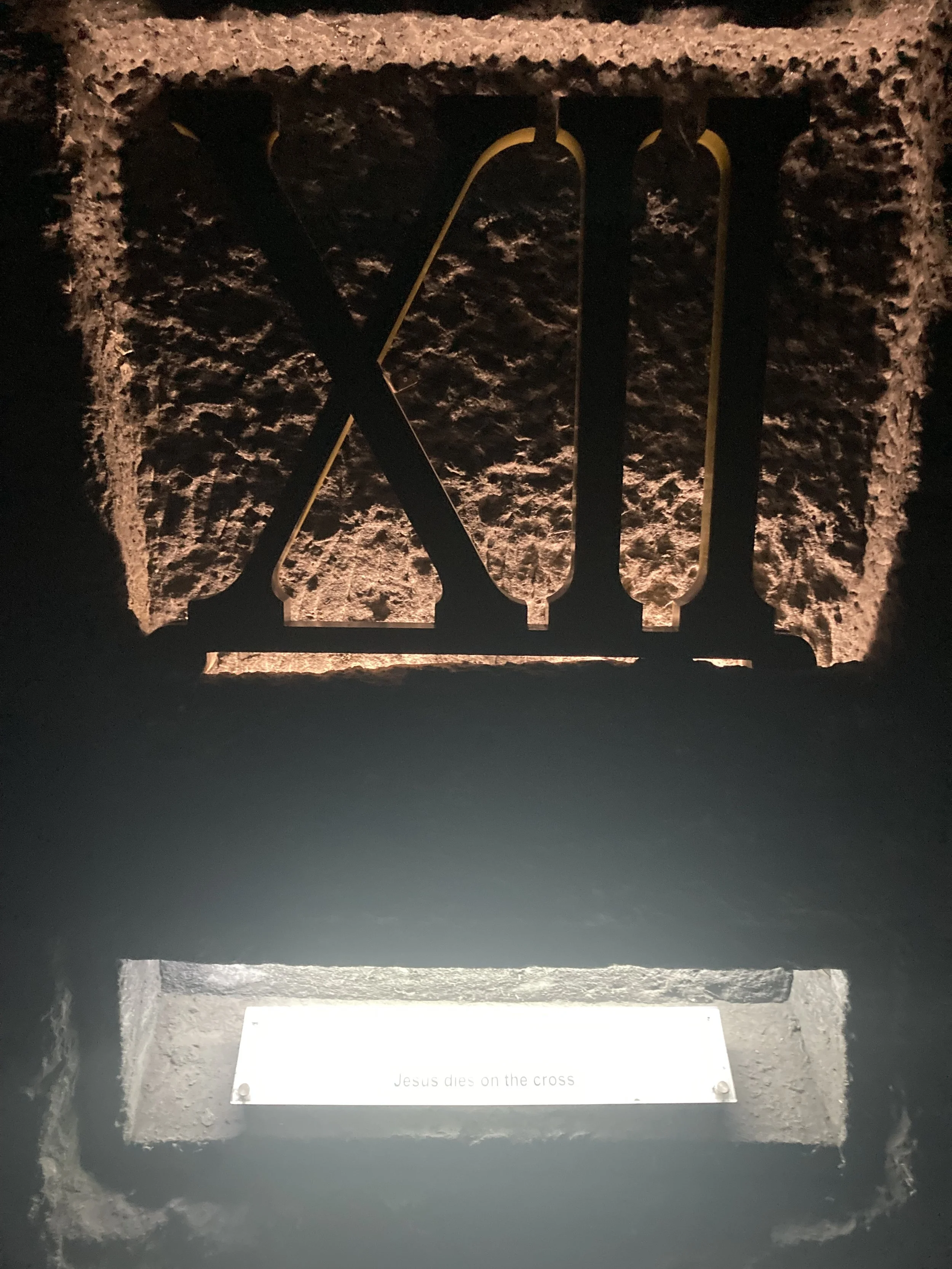
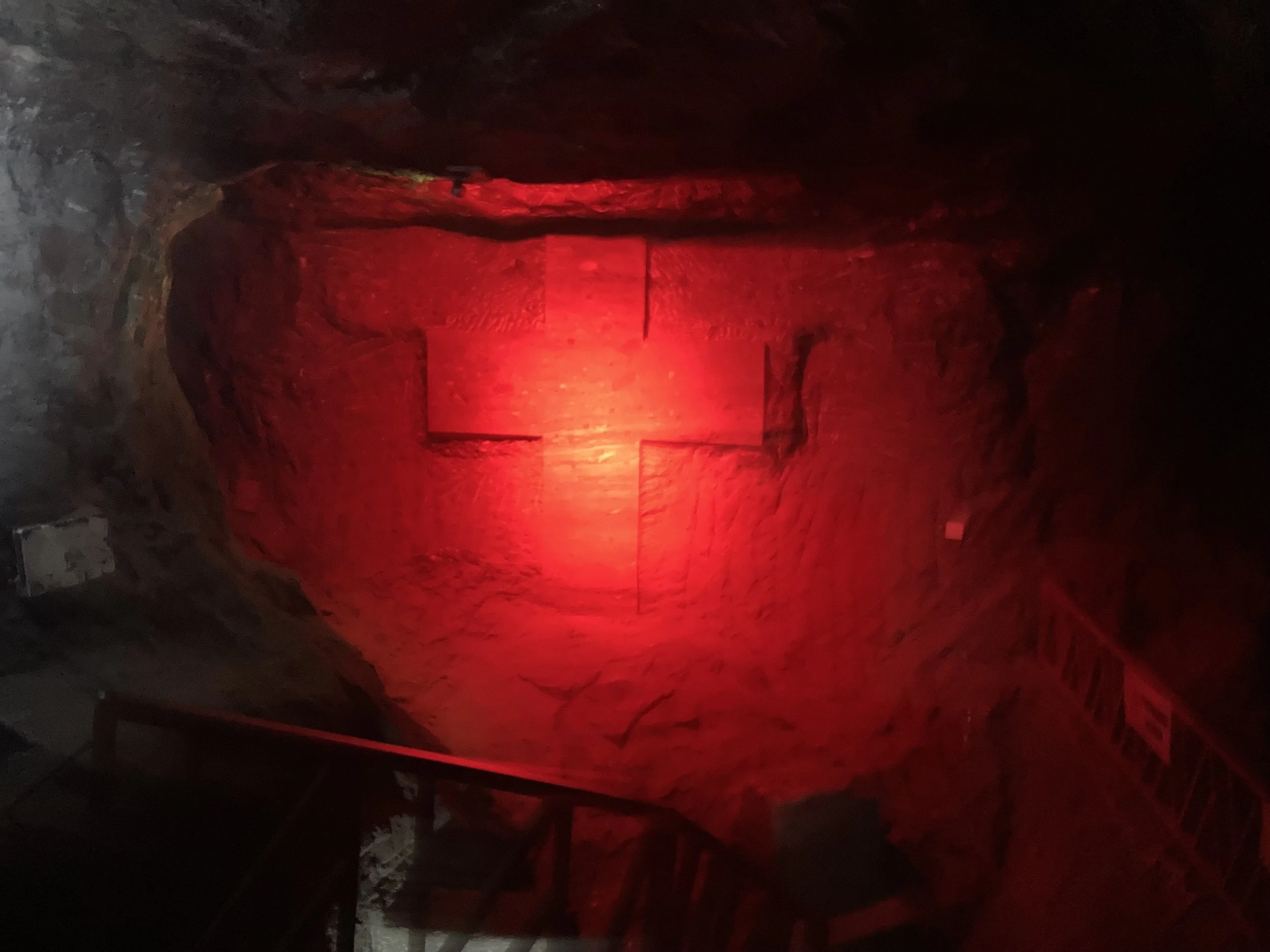
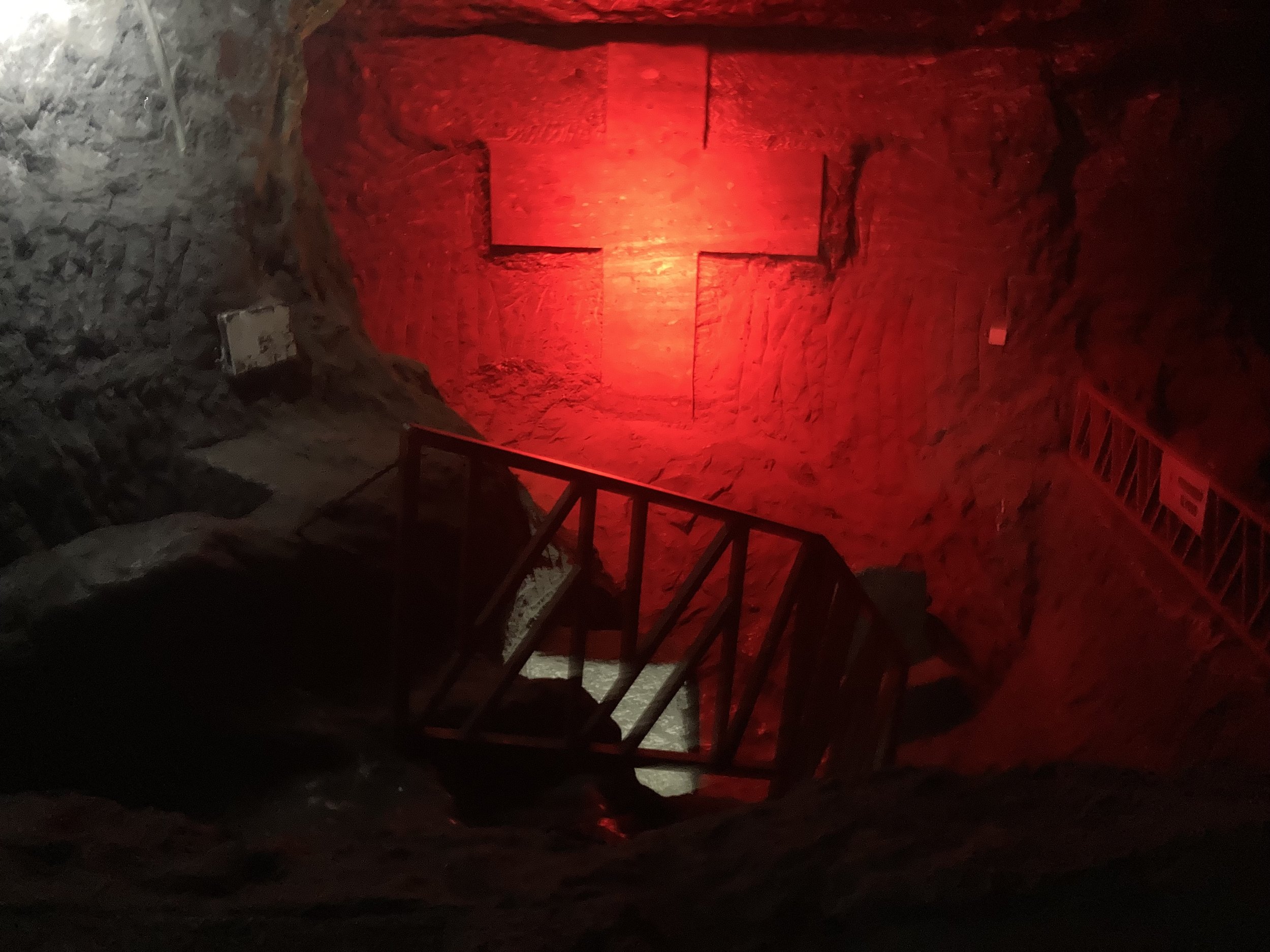
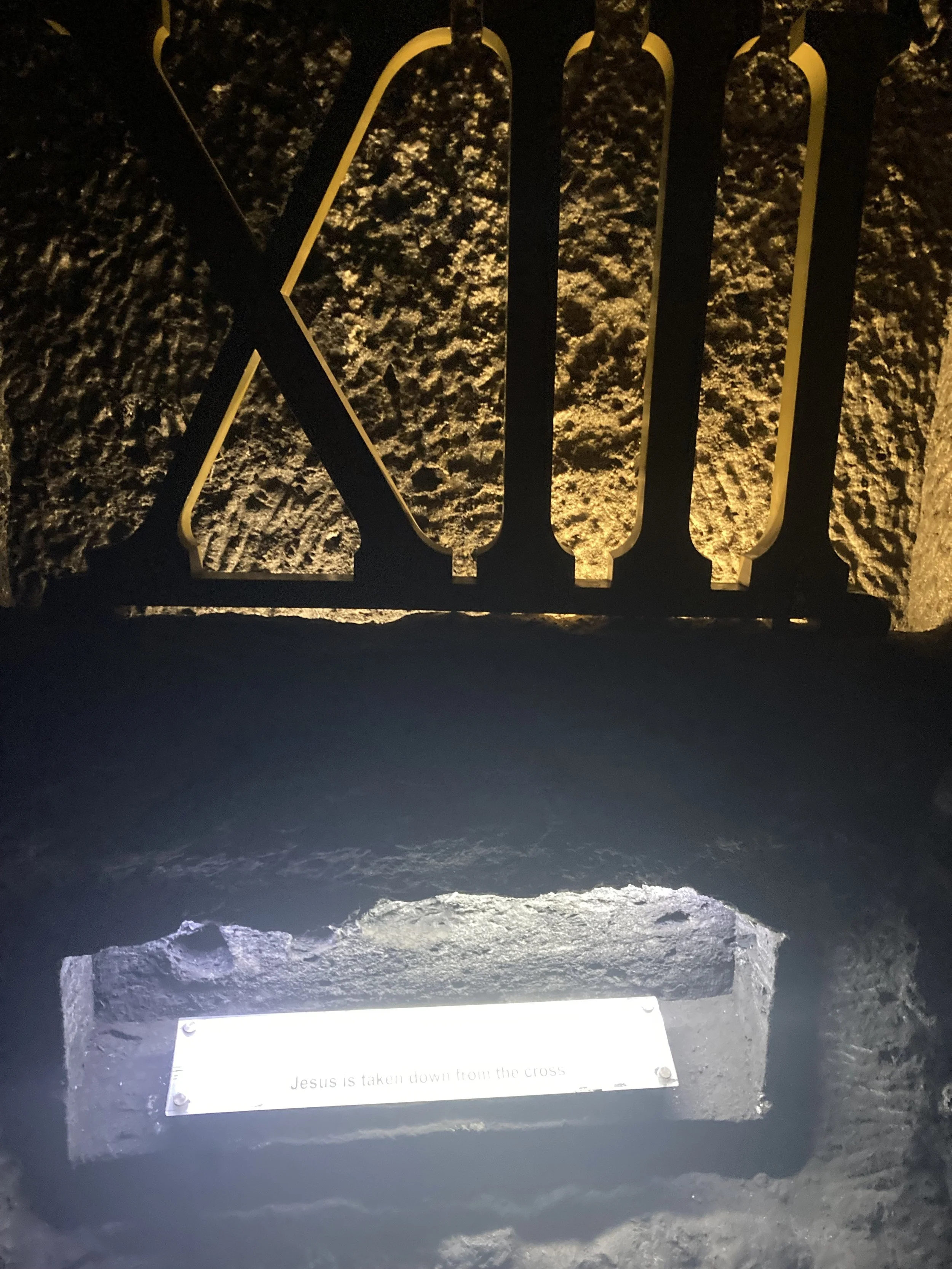
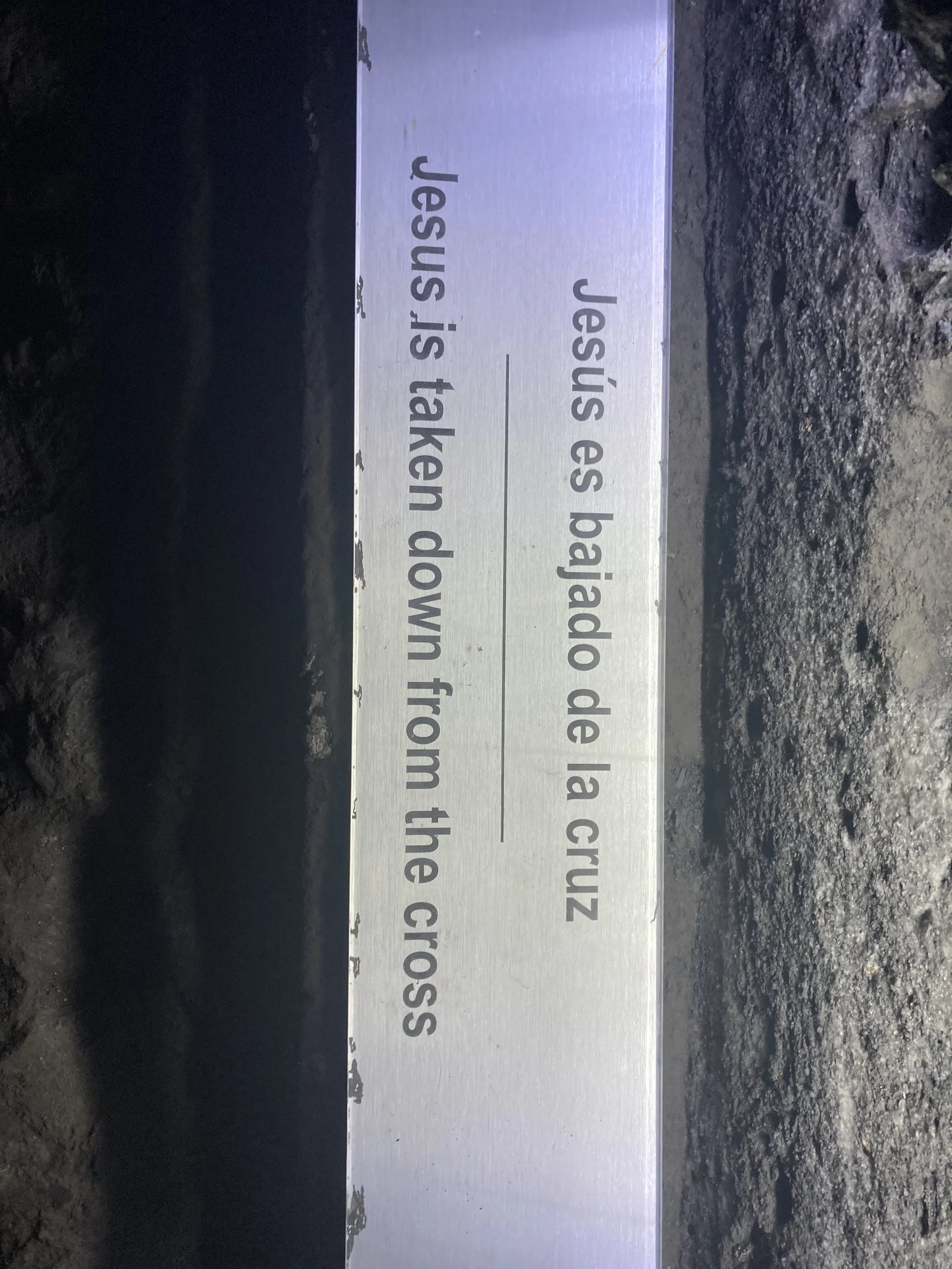
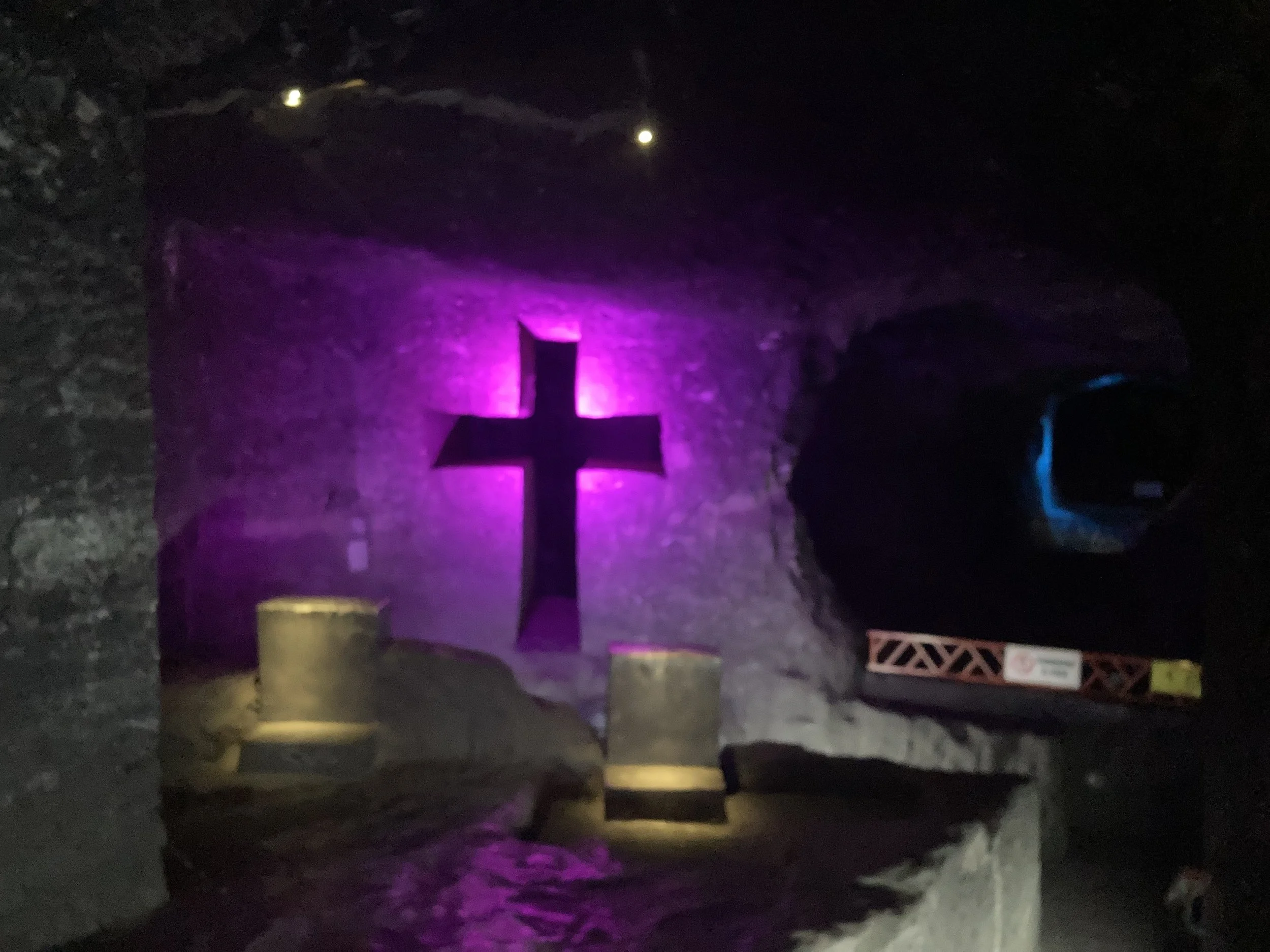
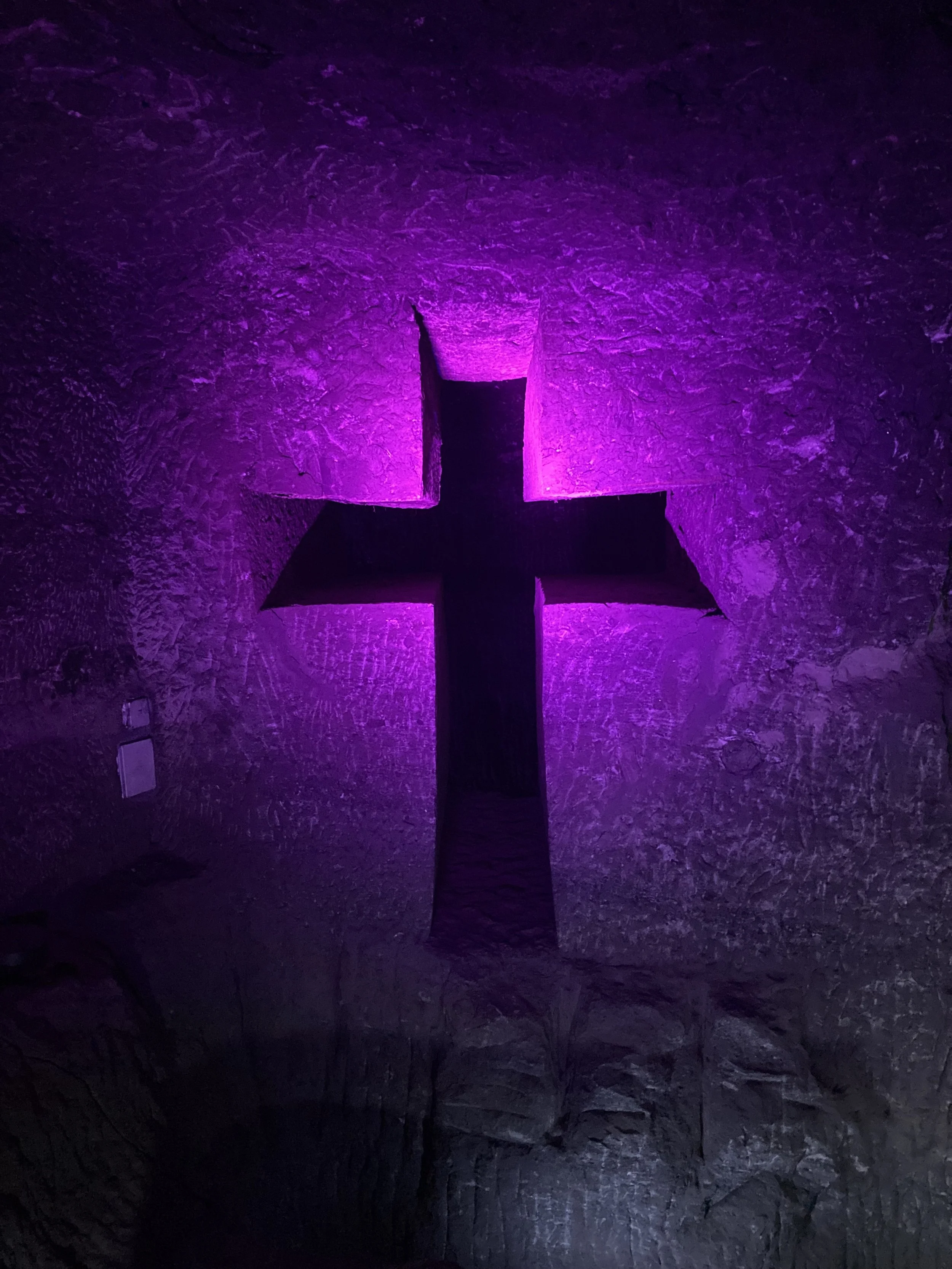
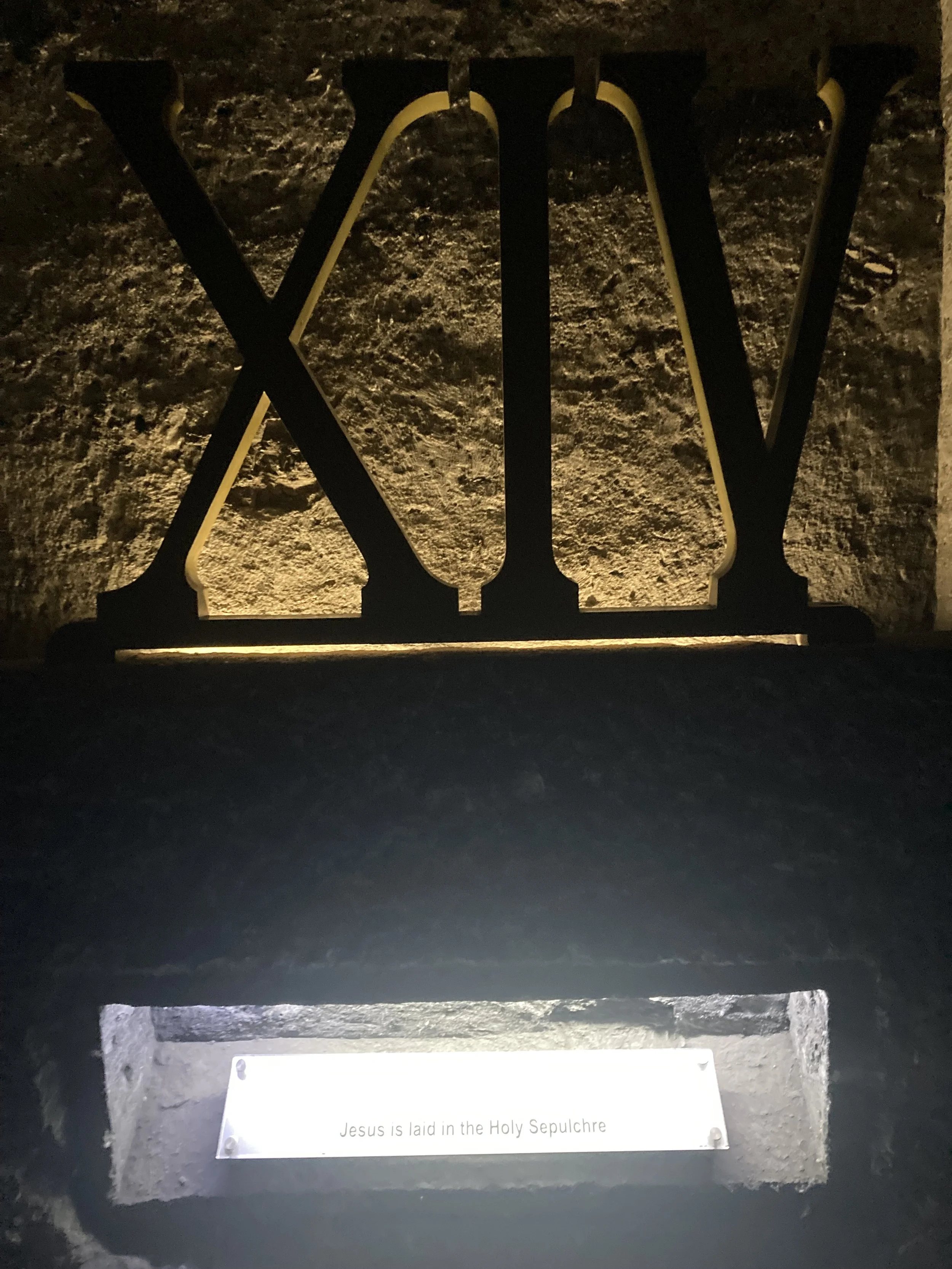
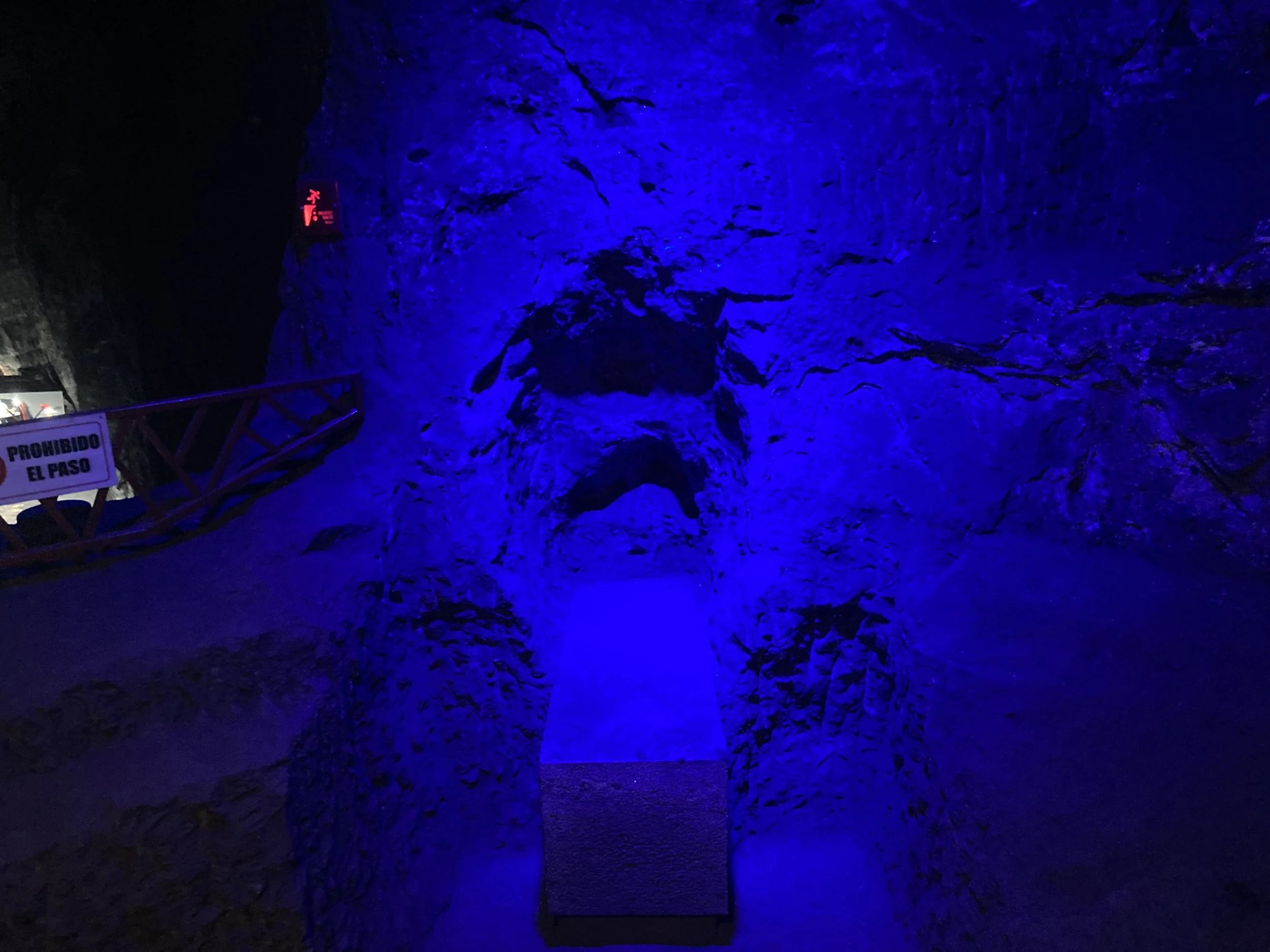
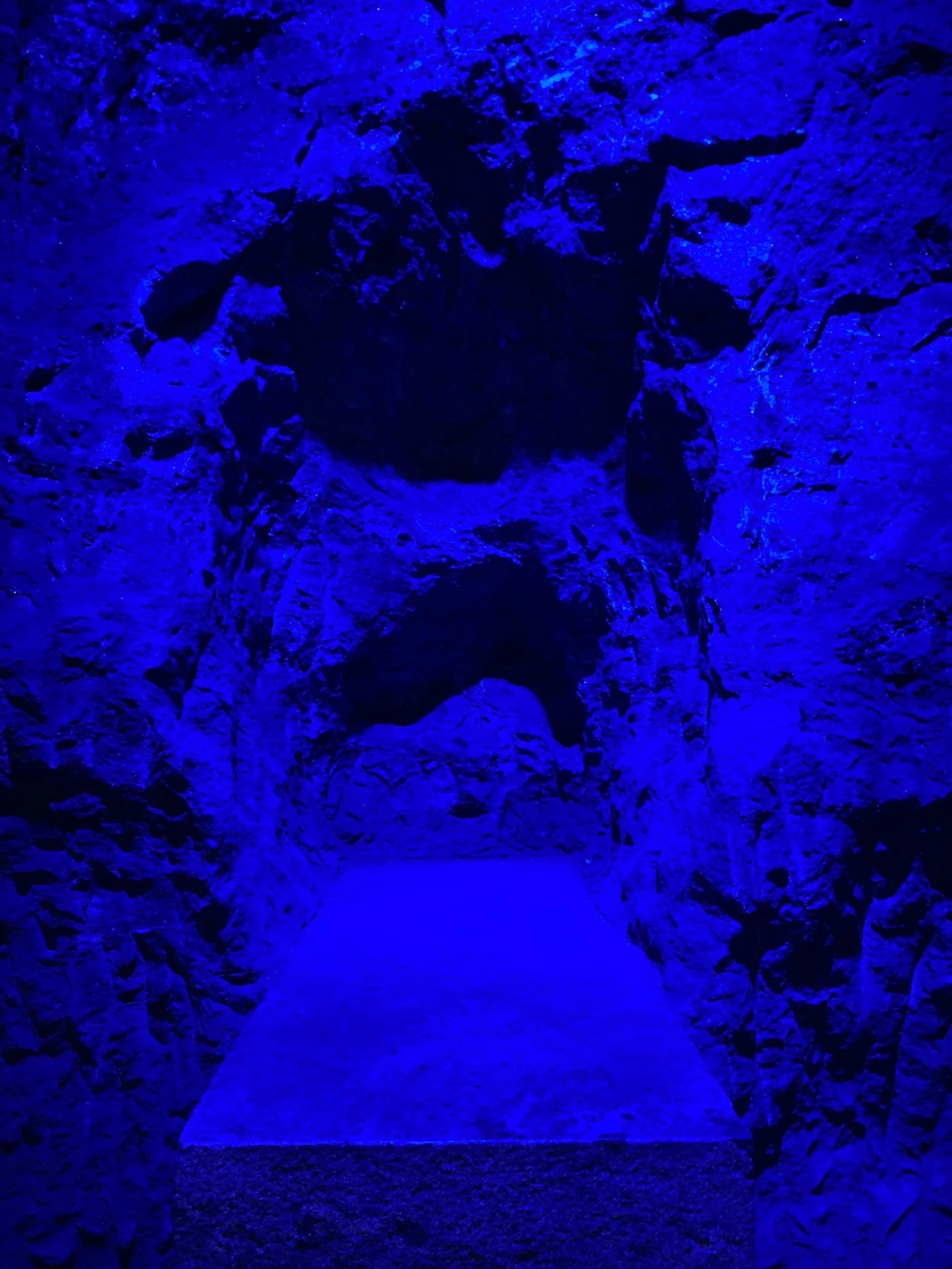
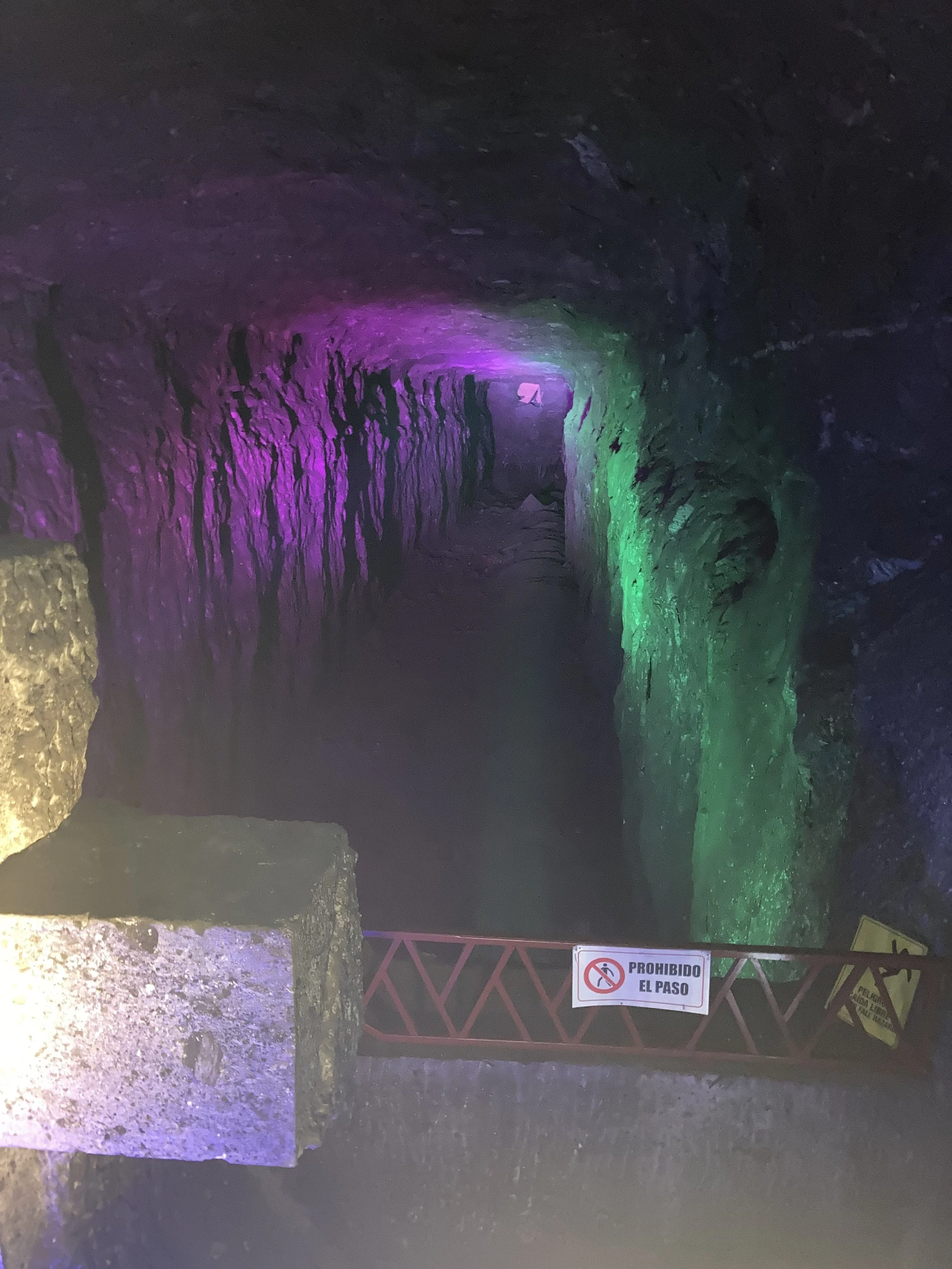
The lighting is equally fantastic. The LED colors change and I find my mood changing with them. Yes, in these pictures, it’s difficult to make out exactly what is there. I sense that’s on purpose. Leaving some mystery for the guests who haven’t visited encourages a deeper look. Like the final station, rolling back the rock and Jesus isn’t there. This is the only exhibit without a cross. It’s a void in the wall. That may not be obvious from the picture, but the void is powerful. It’s another example of “no-thing-ness.” Just space. Empty space.
In many ways, this symbolically tells us all we need to know about being our best selves. When we pause before responding, the space between stimulus and response is our power. When someone says or does something negative to me, it’s easy to react. Hell, I did exactly that in Mexico when I found out the cost of my rental car was more than 5 times my reserved cost. Had I paused, I would have simply acknowledged and left. It would have saved me more than an hour arguing an obvious point and getting really angry in front of Will. Without the pause, I had a meltdown and acted like a toddler.
Had I simply paused, I could have taken a deep breath (or 5 or 10) and walked away. That would have been the more powerful action and in keeping with my values. Or better yet, thank the man in front of me for doing his job, forgiving the company for deceiving me and wishing them well before exiting. The void is a powerful symbol and important reminder. This is just one example of how the artistic symbolism can trigger deep realizations and reflection on application to my own life’s journey. It was a powerful, rich and spiritual experience today.
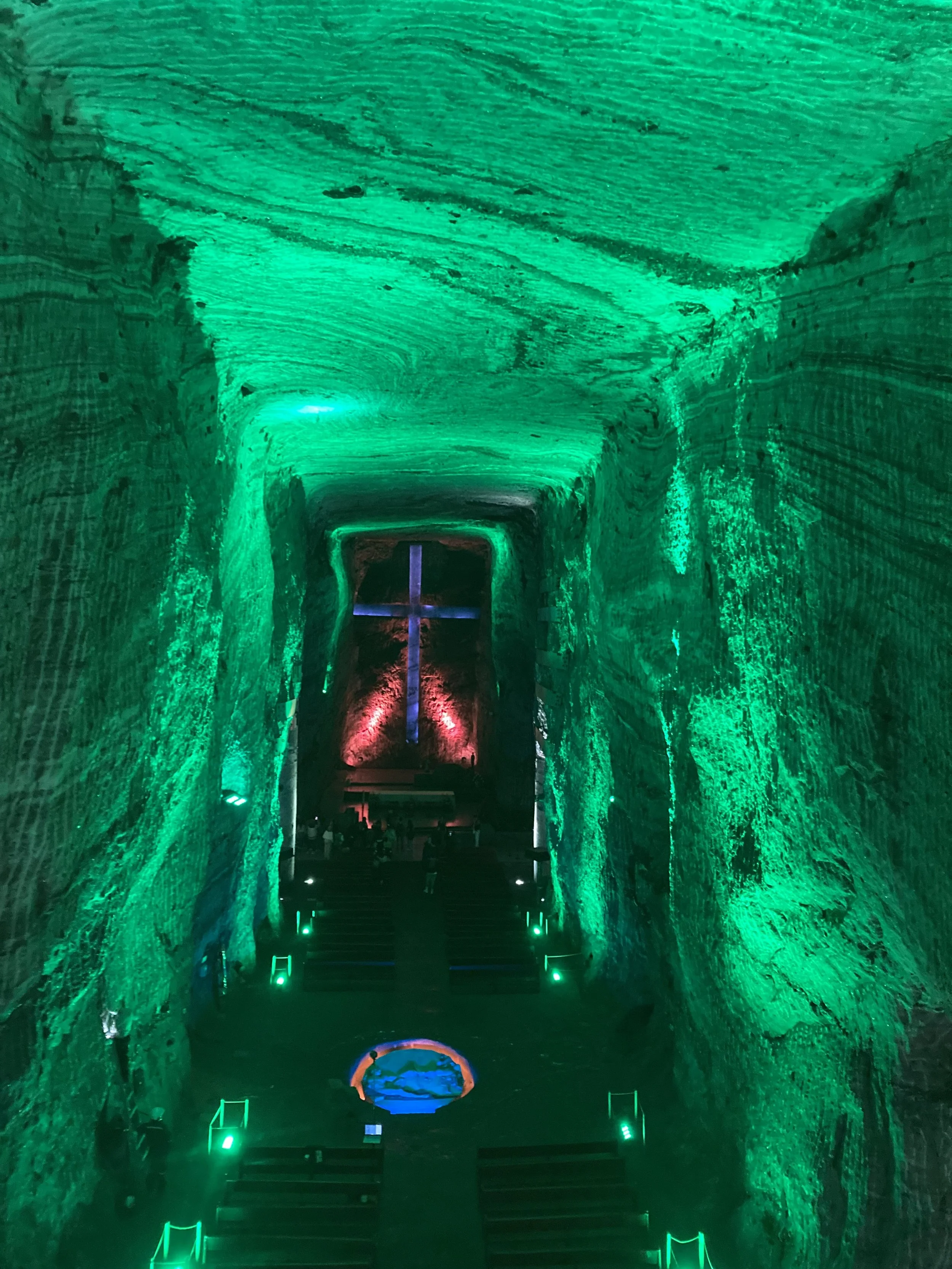
And now we reach the Cathedral itself. Huge and awe inspiring.
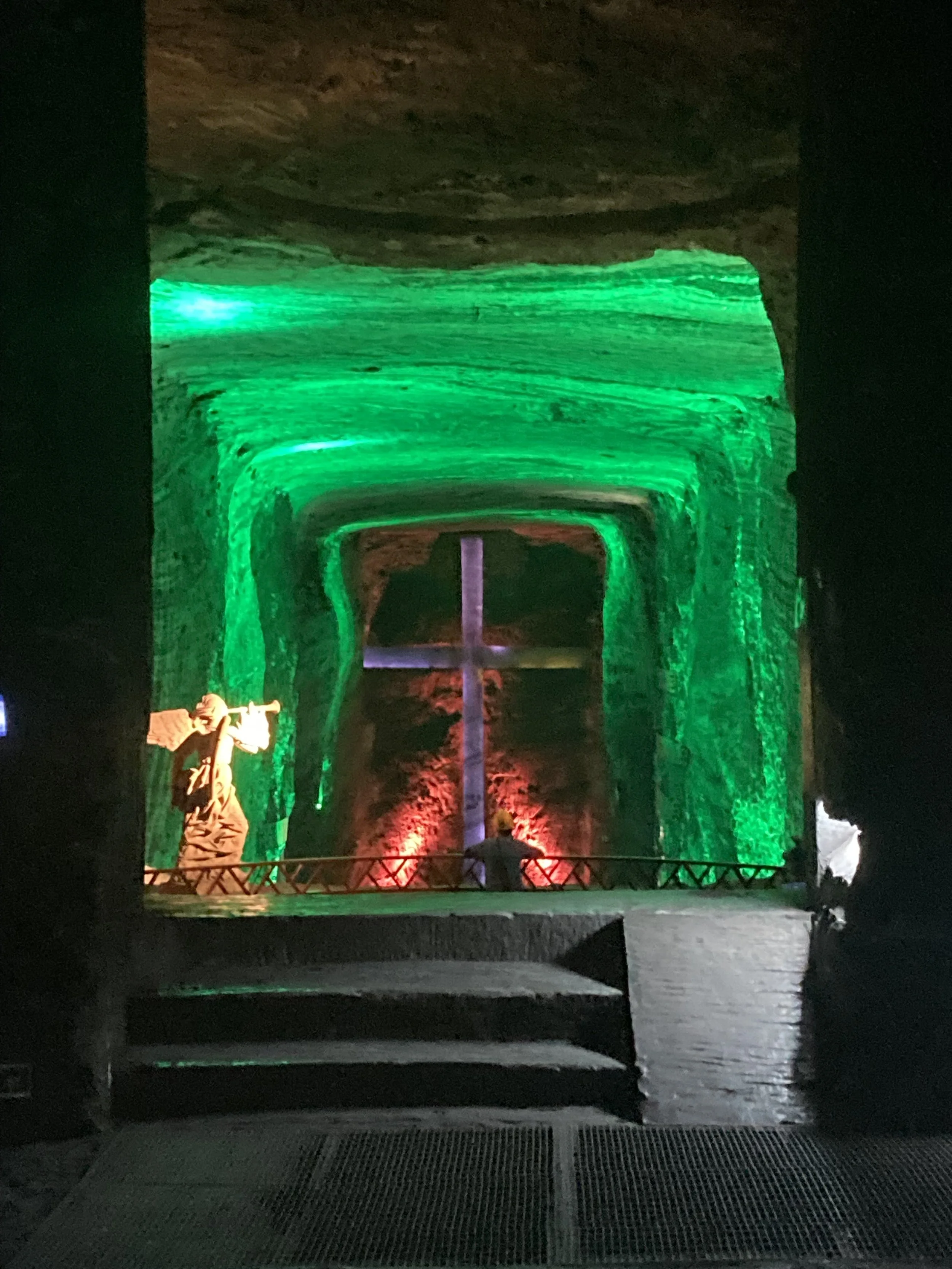
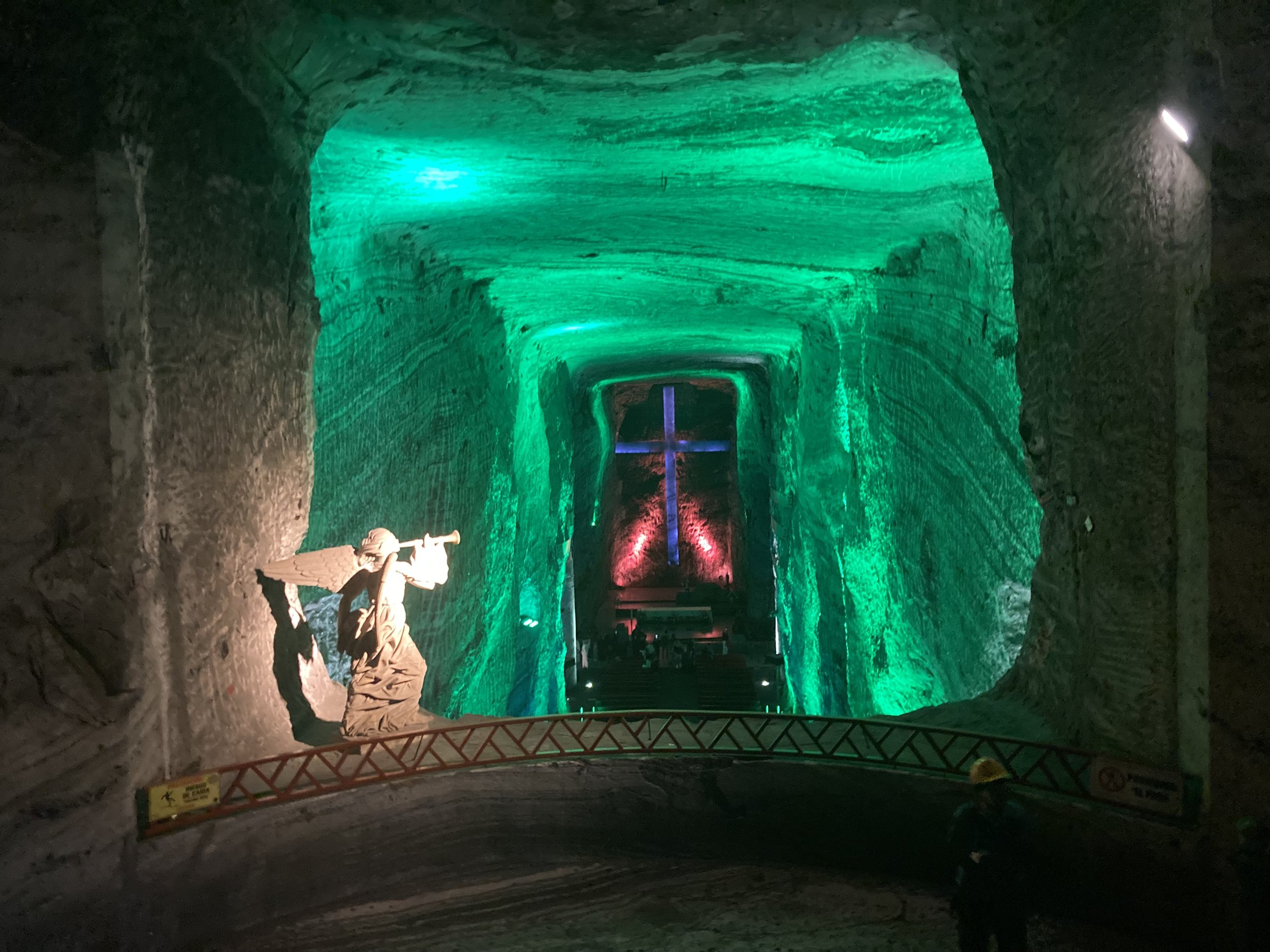
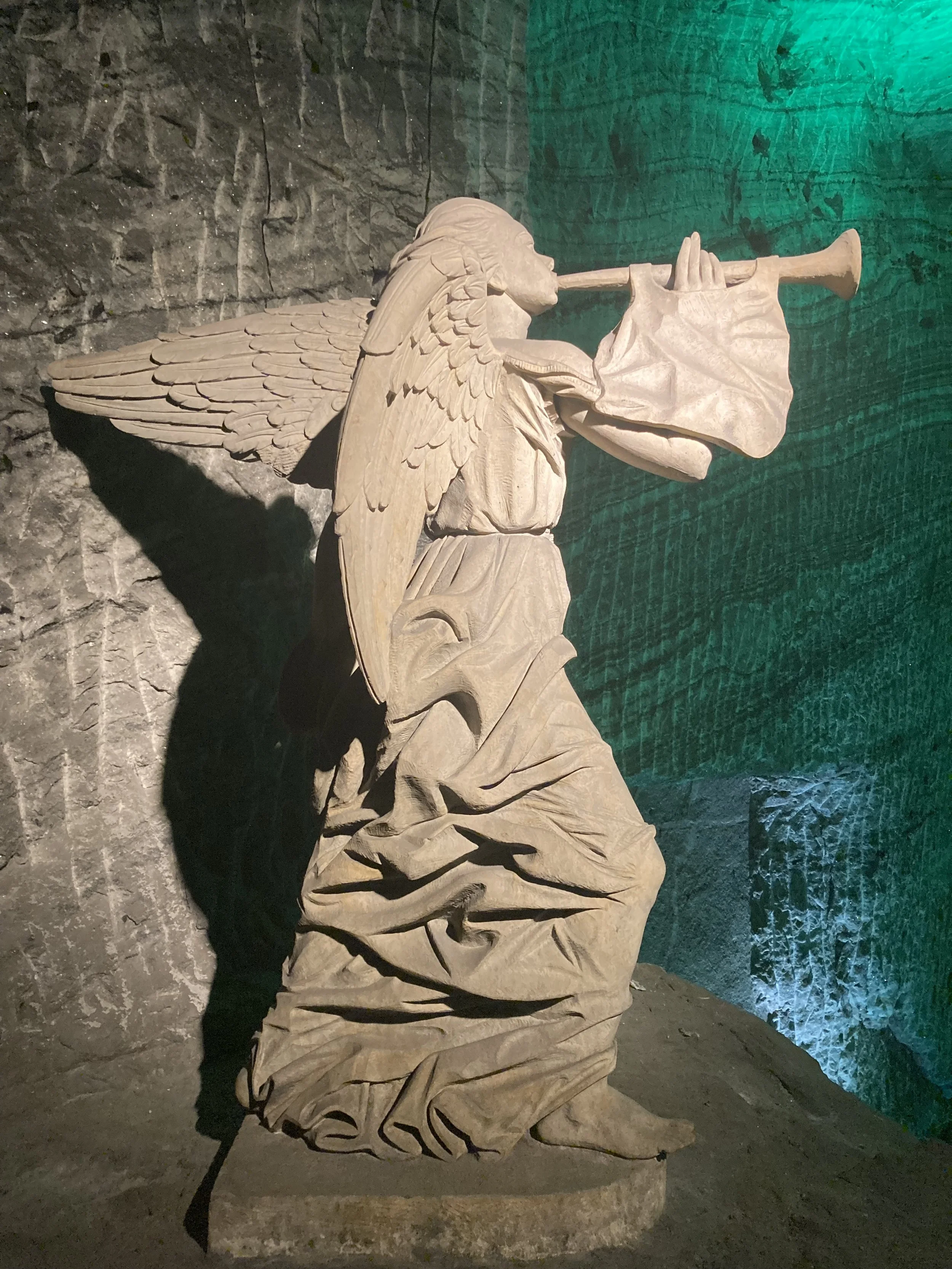
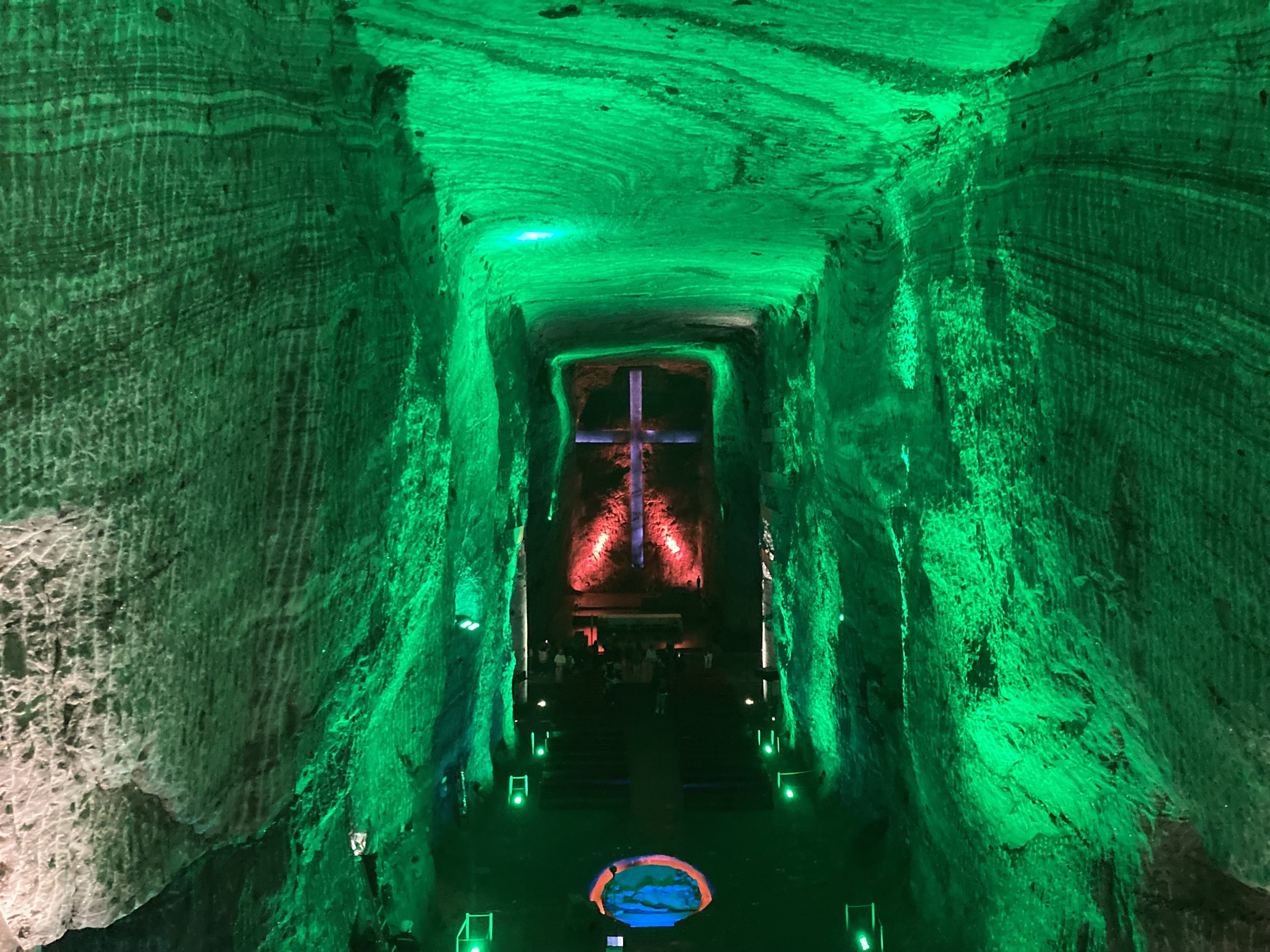
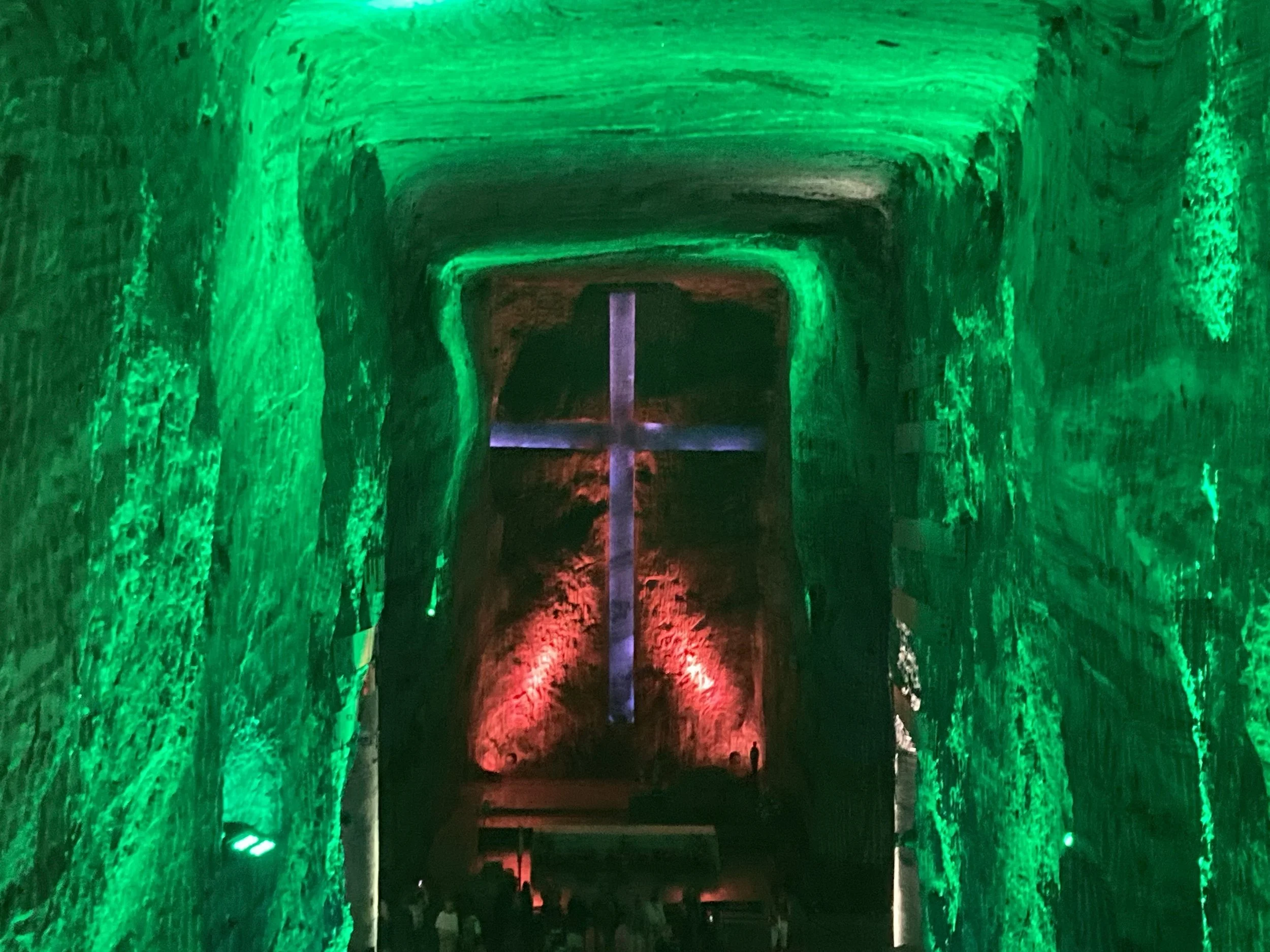
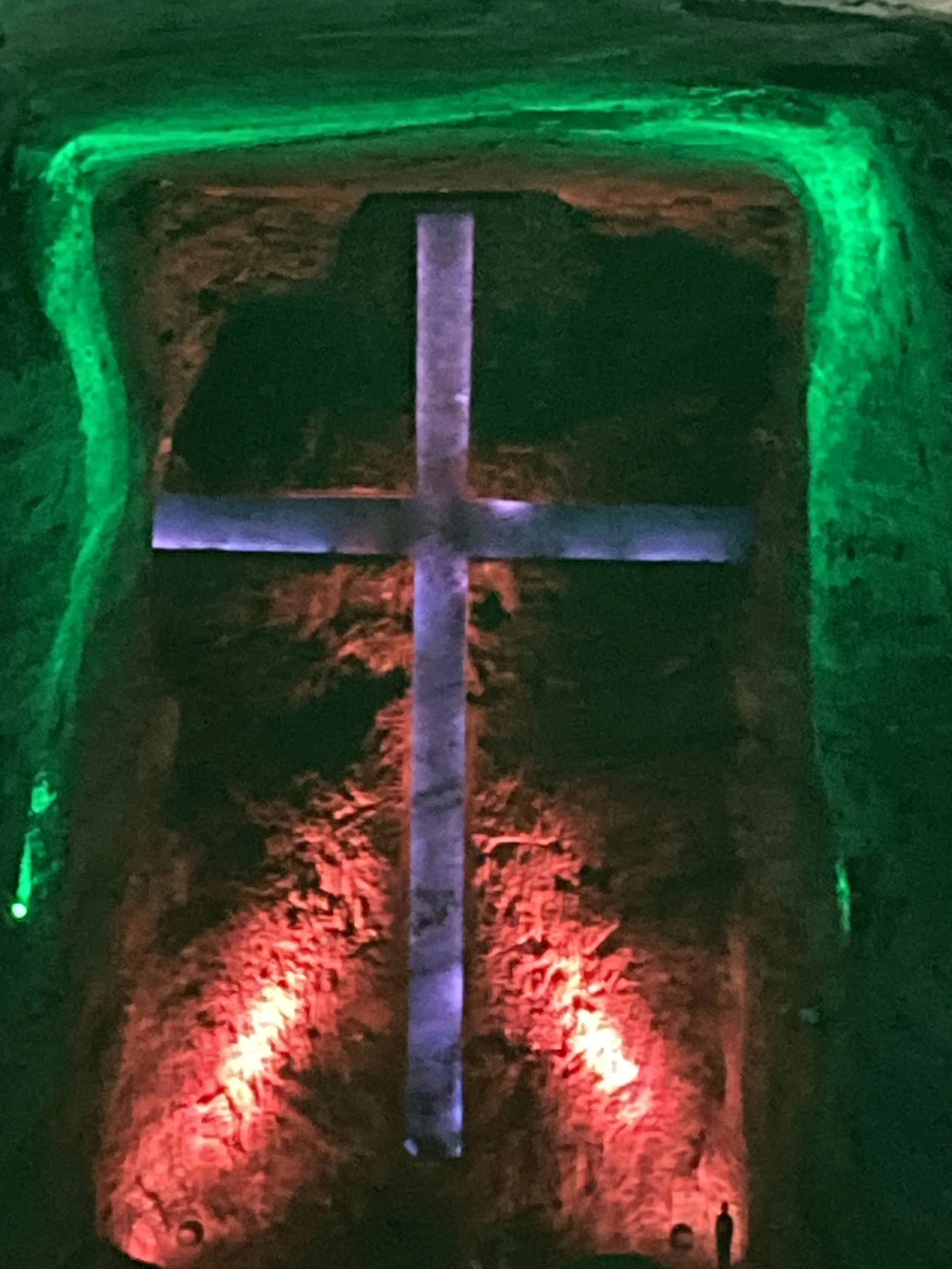
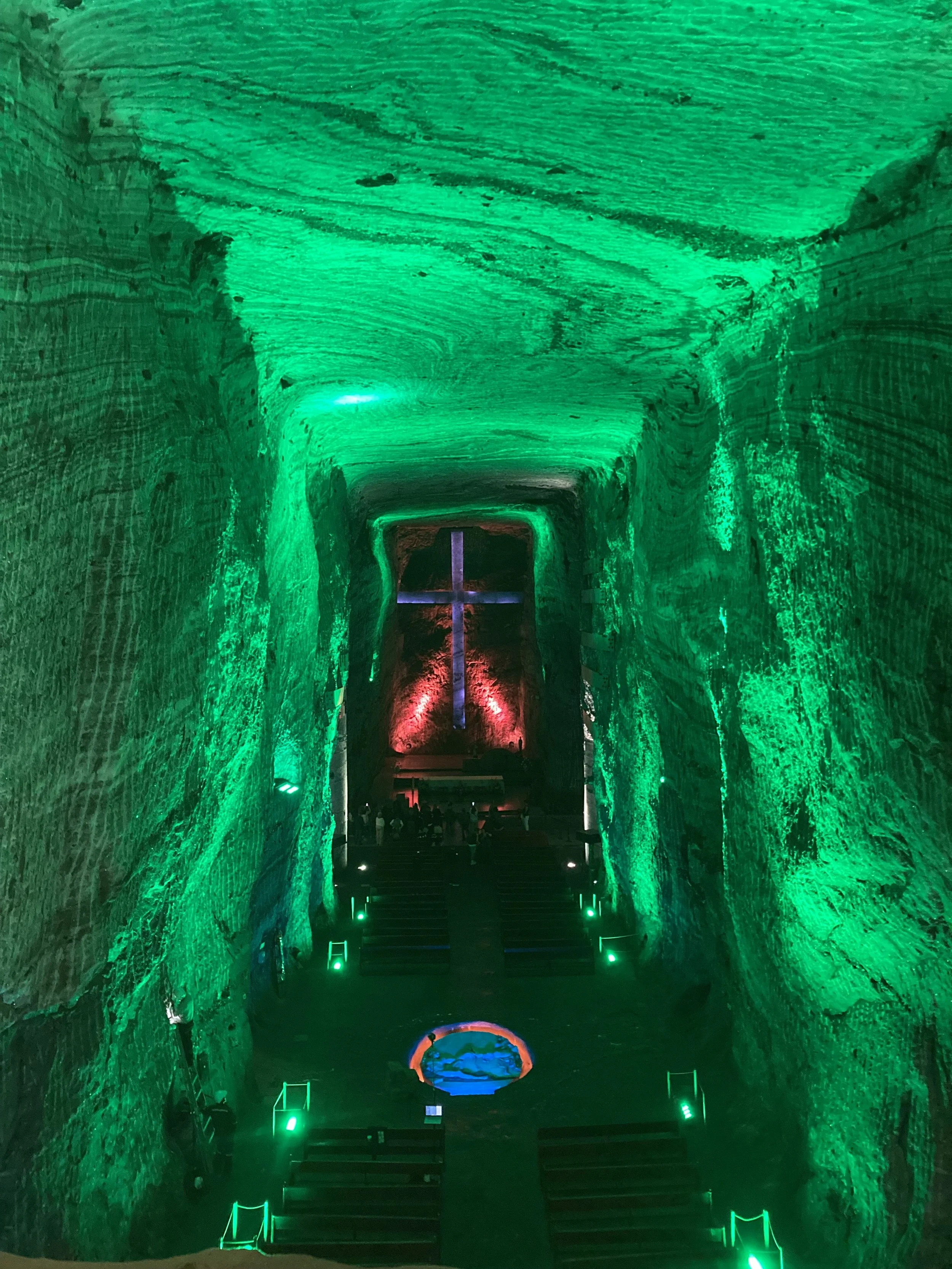
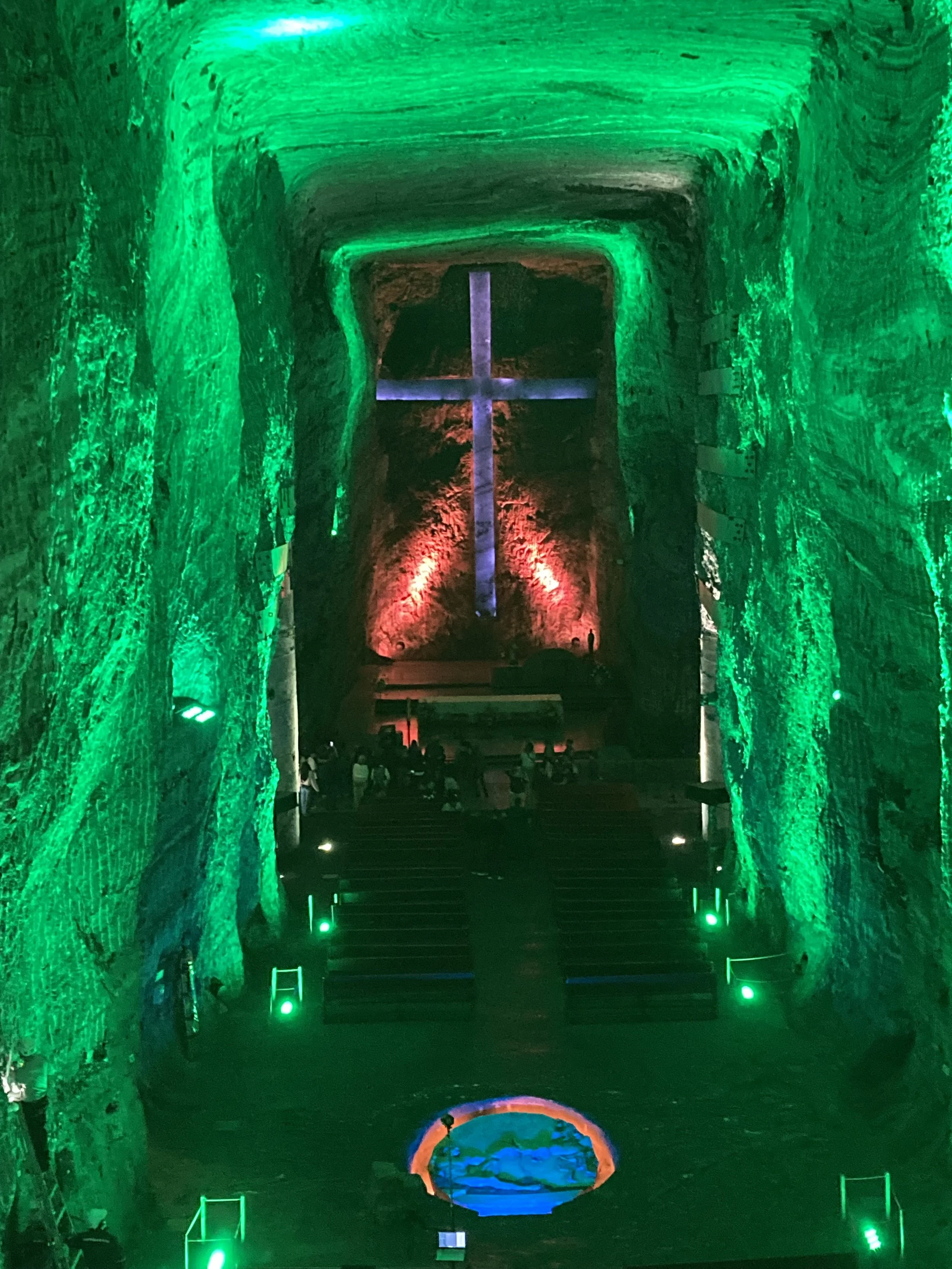
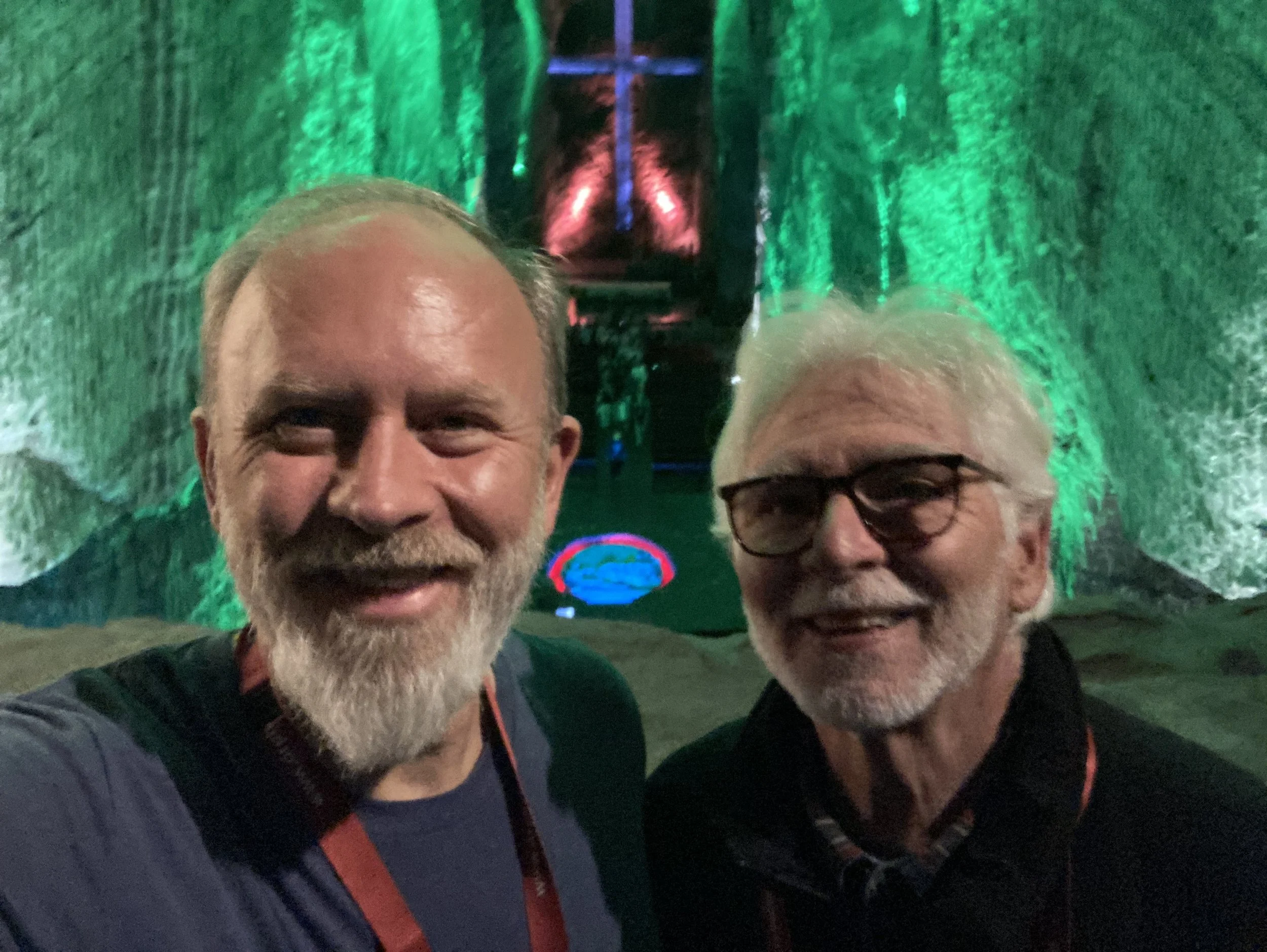
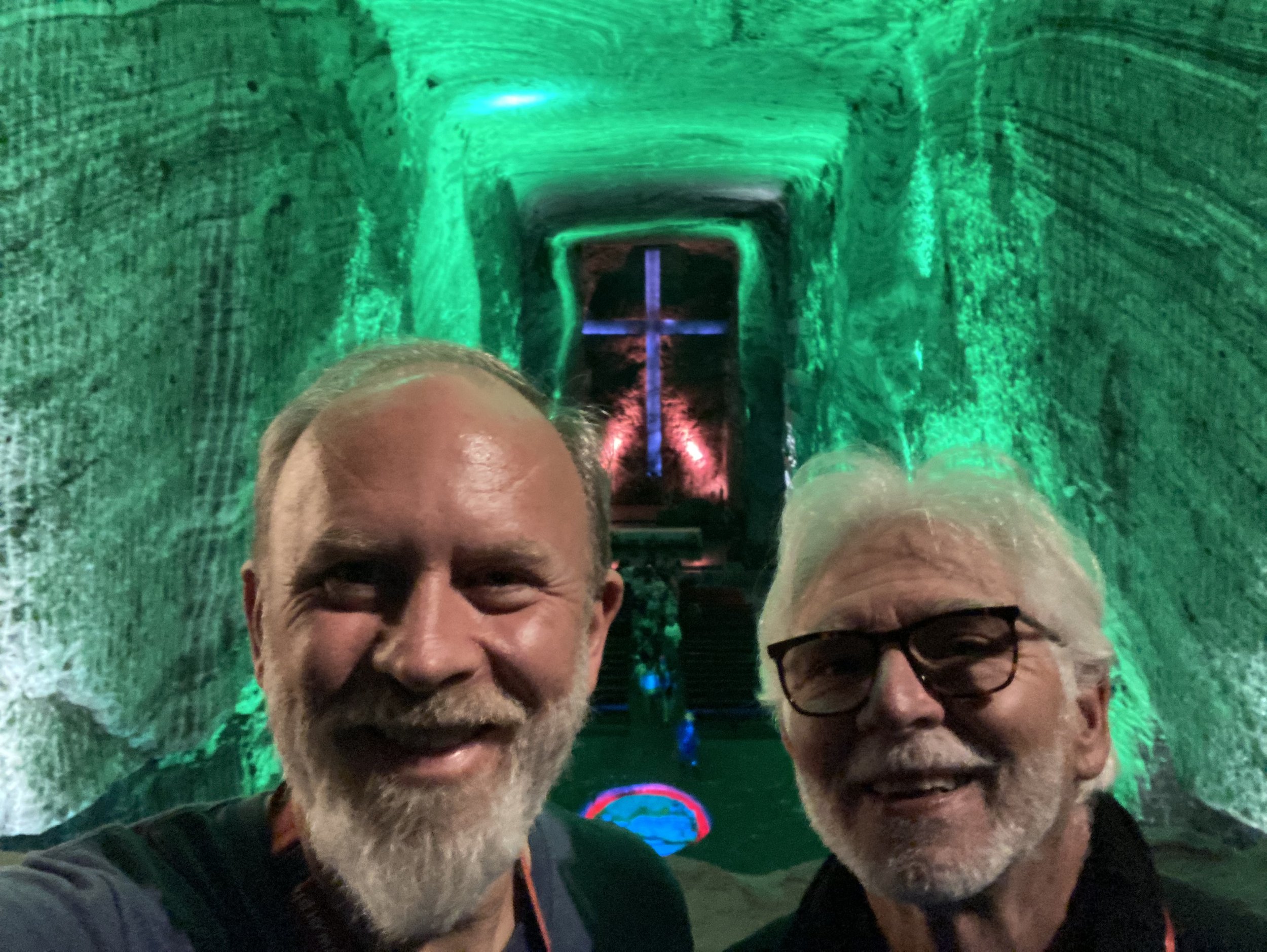
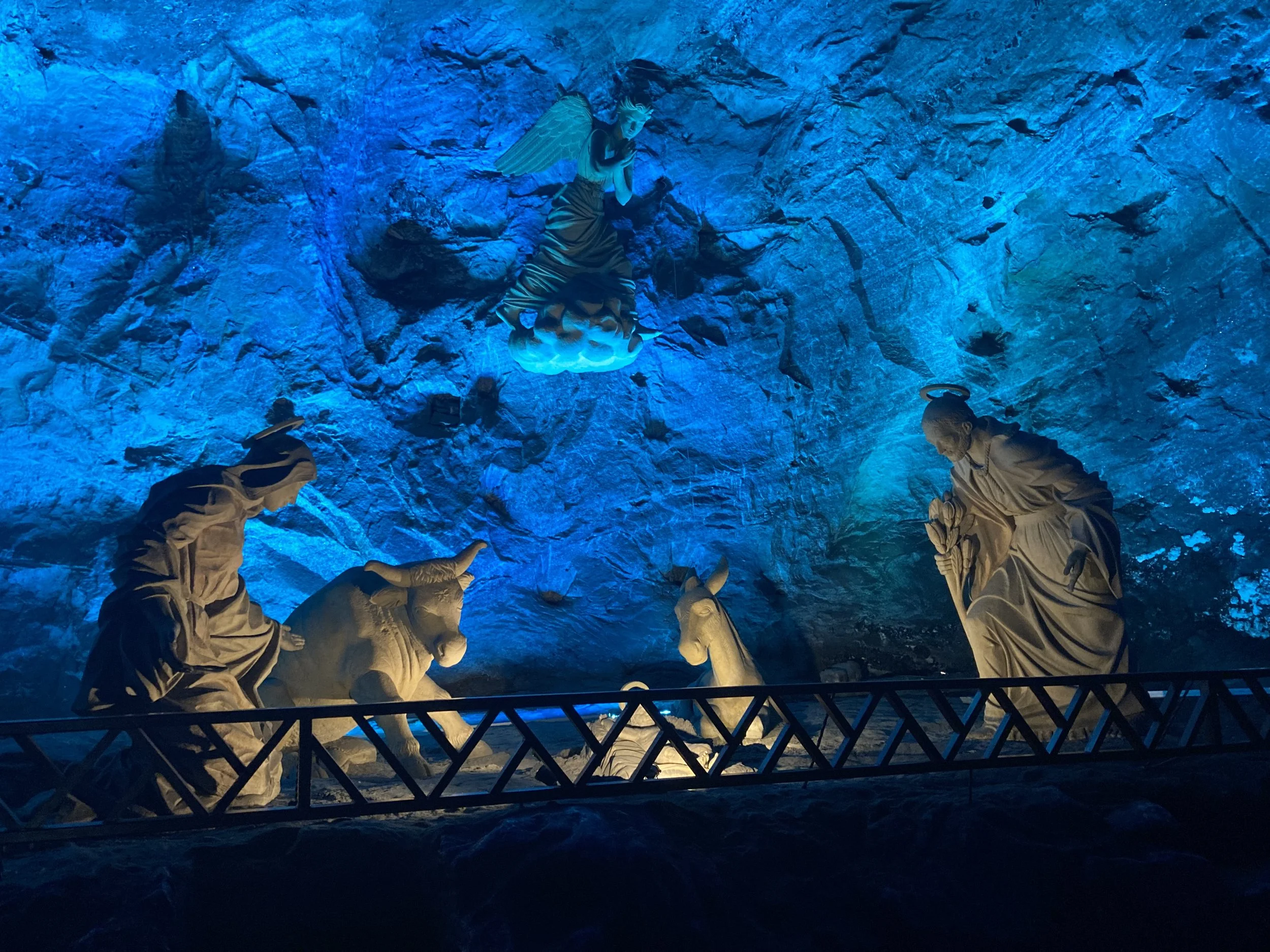
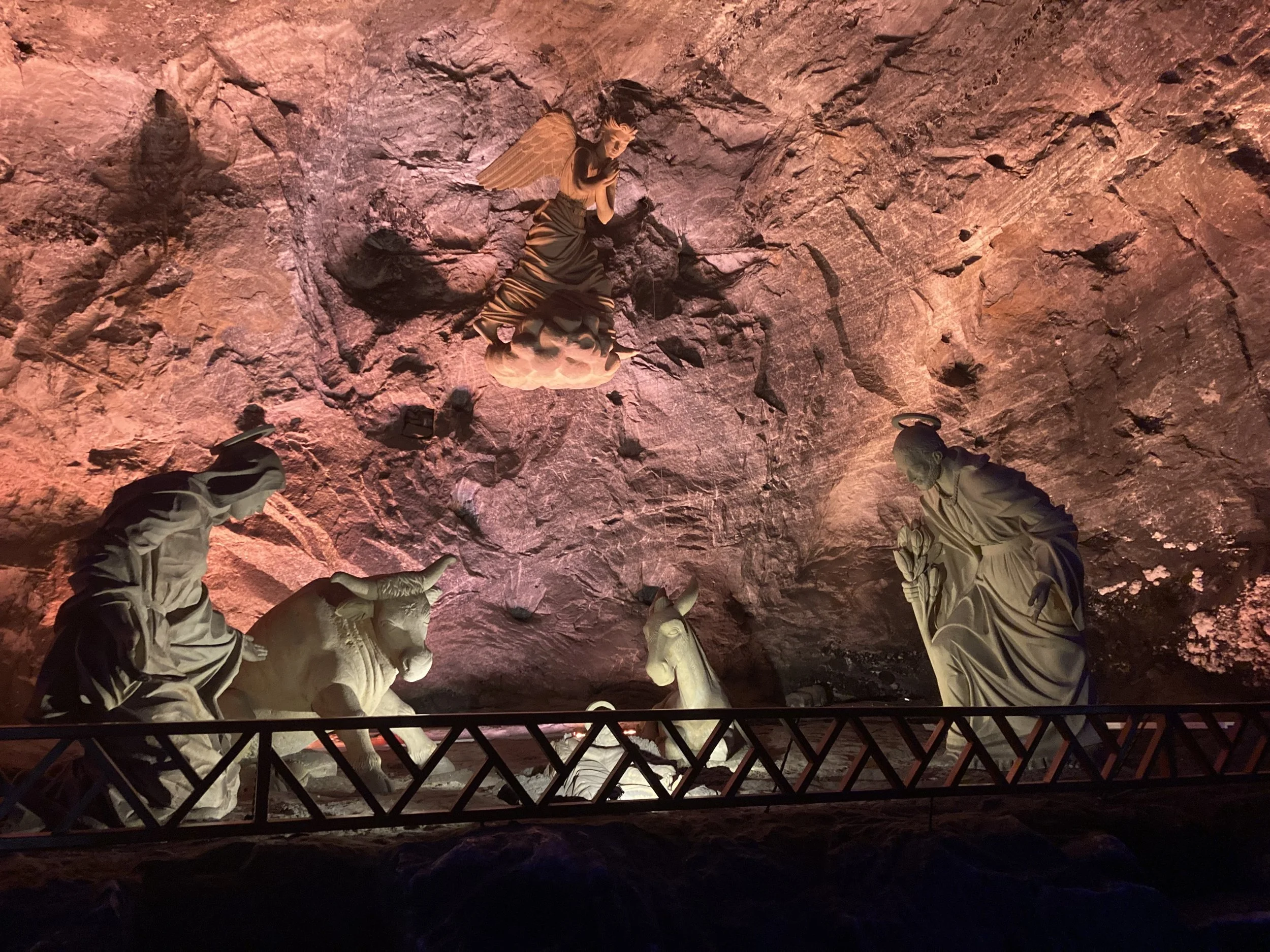
The surprises continue as Felipe and I explore the “mall” after the Cathedral. This place goes and goes and goes. After the fourteen stations of the cross, we reached the Cathedral, and then there is a full and complete underground mall to explore – including Egyptian artifacts I know Elena would have enjoyed seeing. There was food, jewelry, artwork, souvenir shops, and an epic Four Seasons styled bathroom. No kidding. White granite tiles under the natural salt mine ceiling. Every appliance was new and sparkling clean – just as you’d expect from a 5-star hotel. (No pictures for obvious reasons).
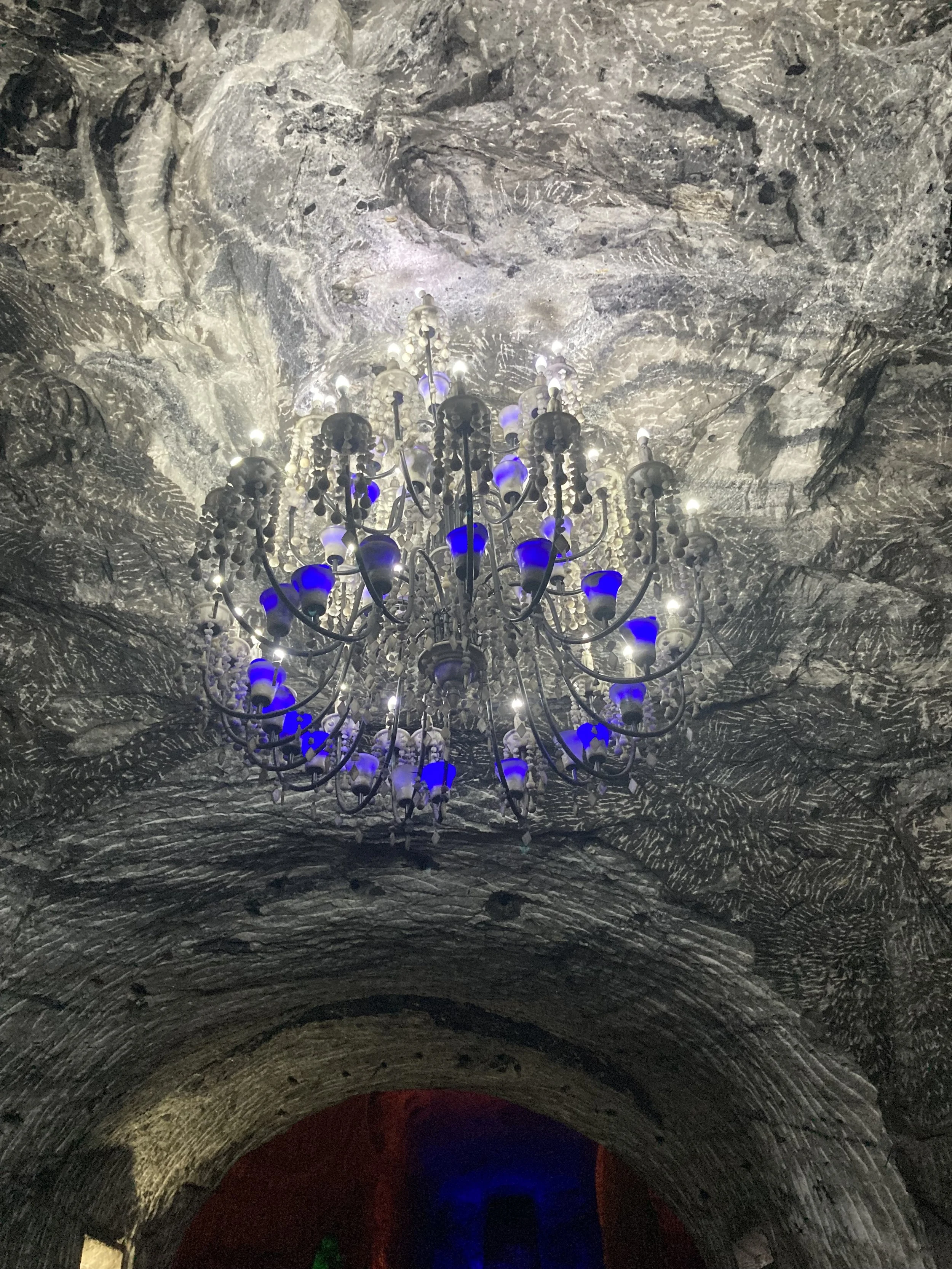
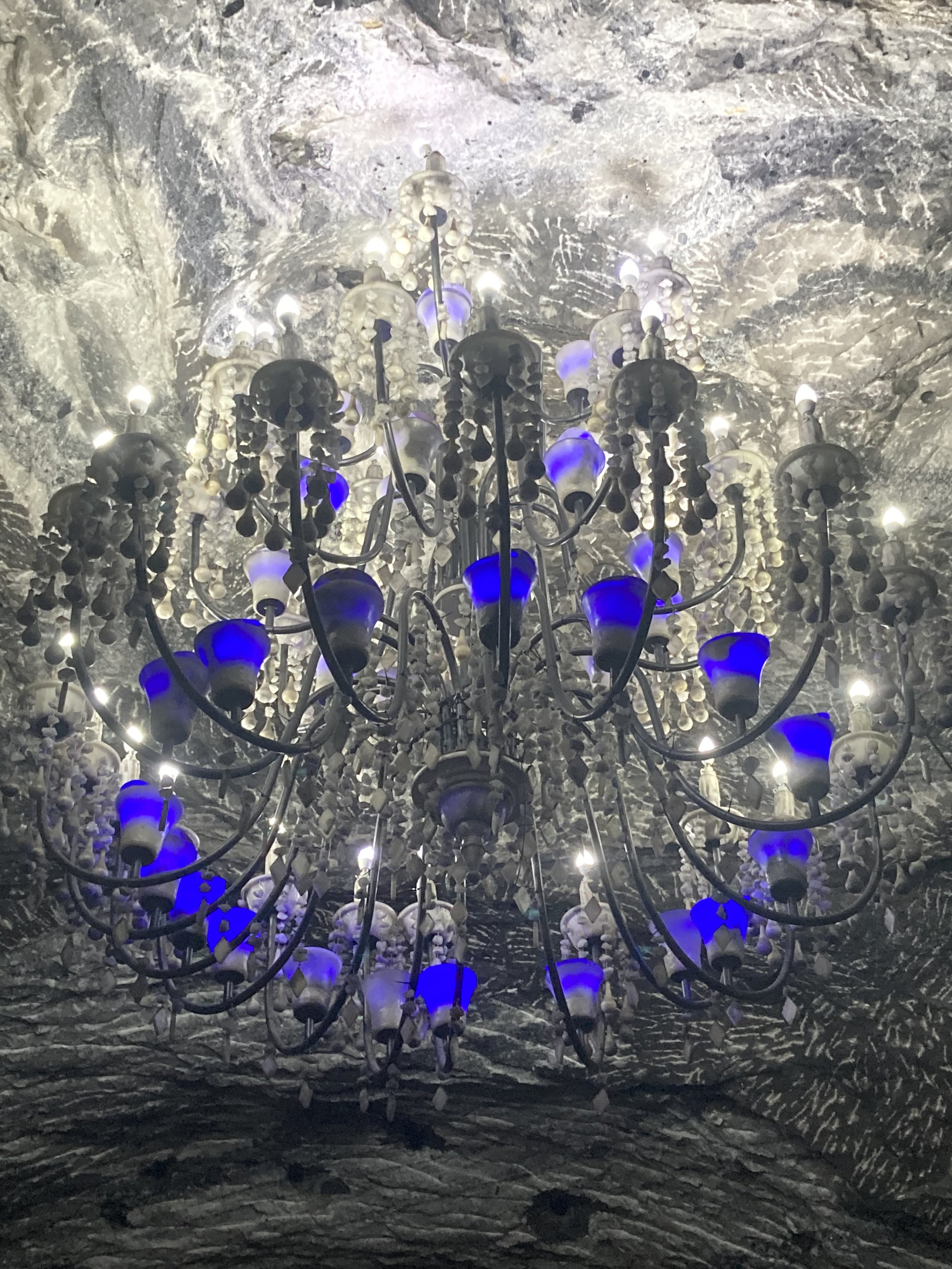
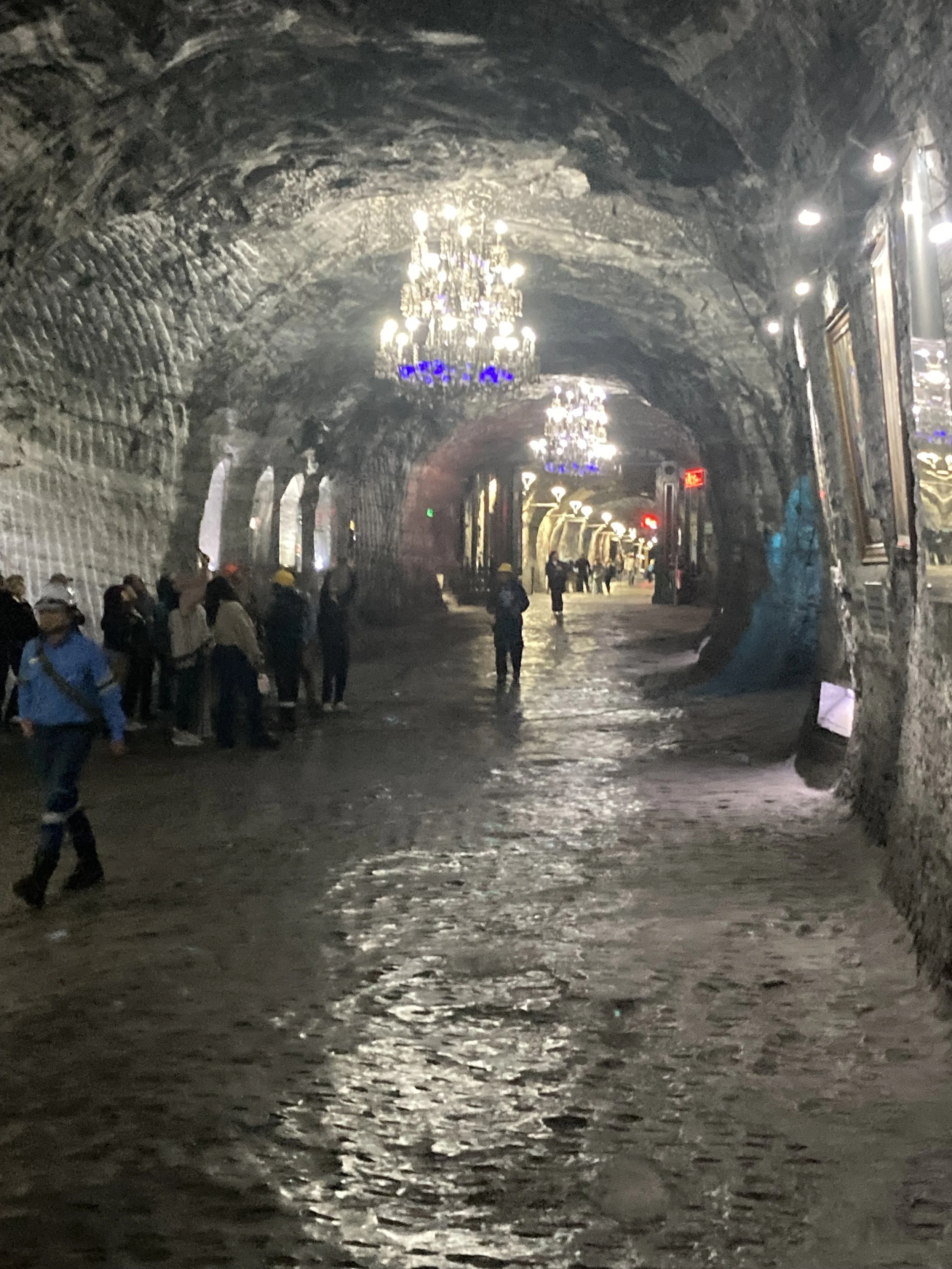
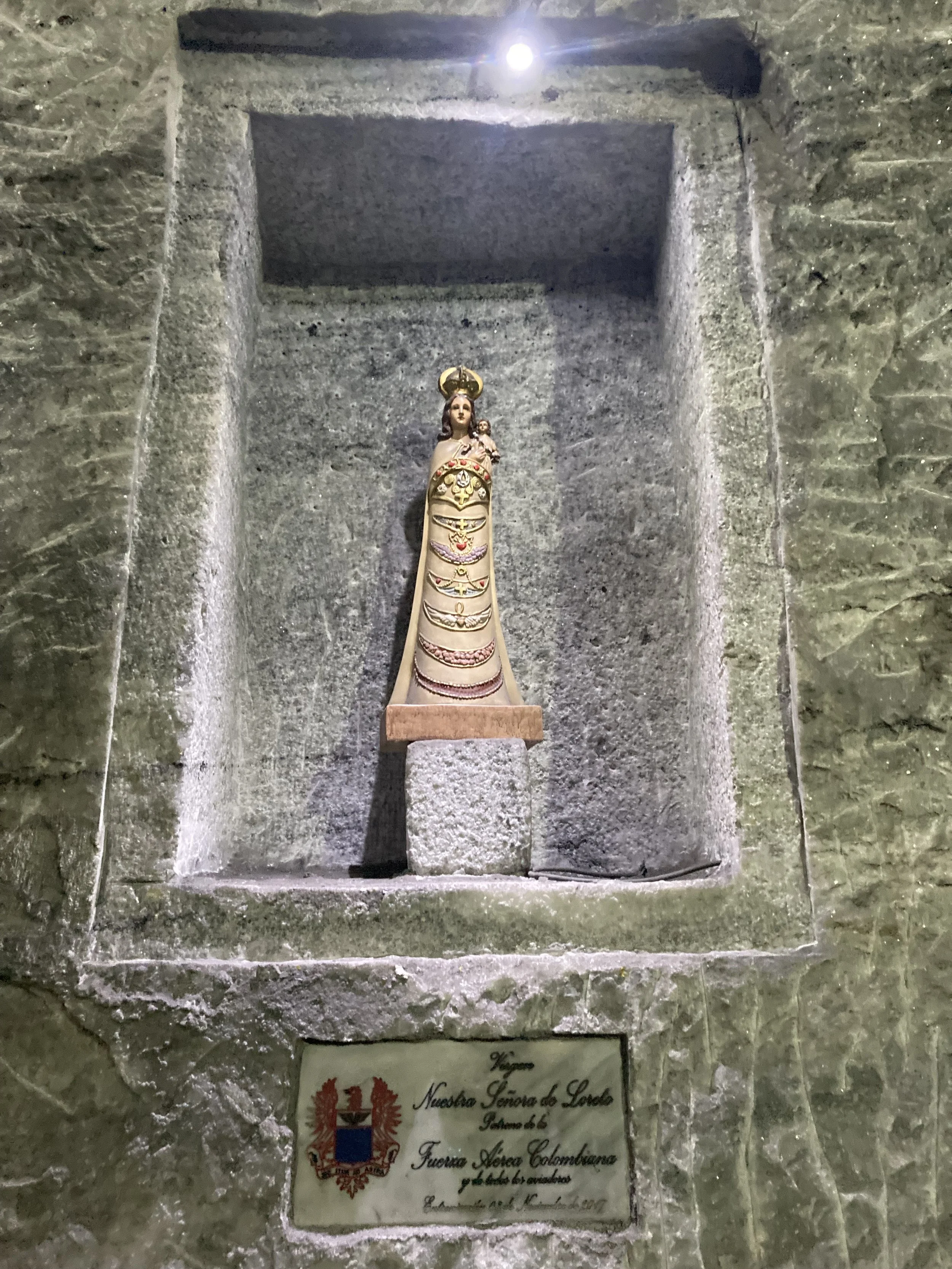
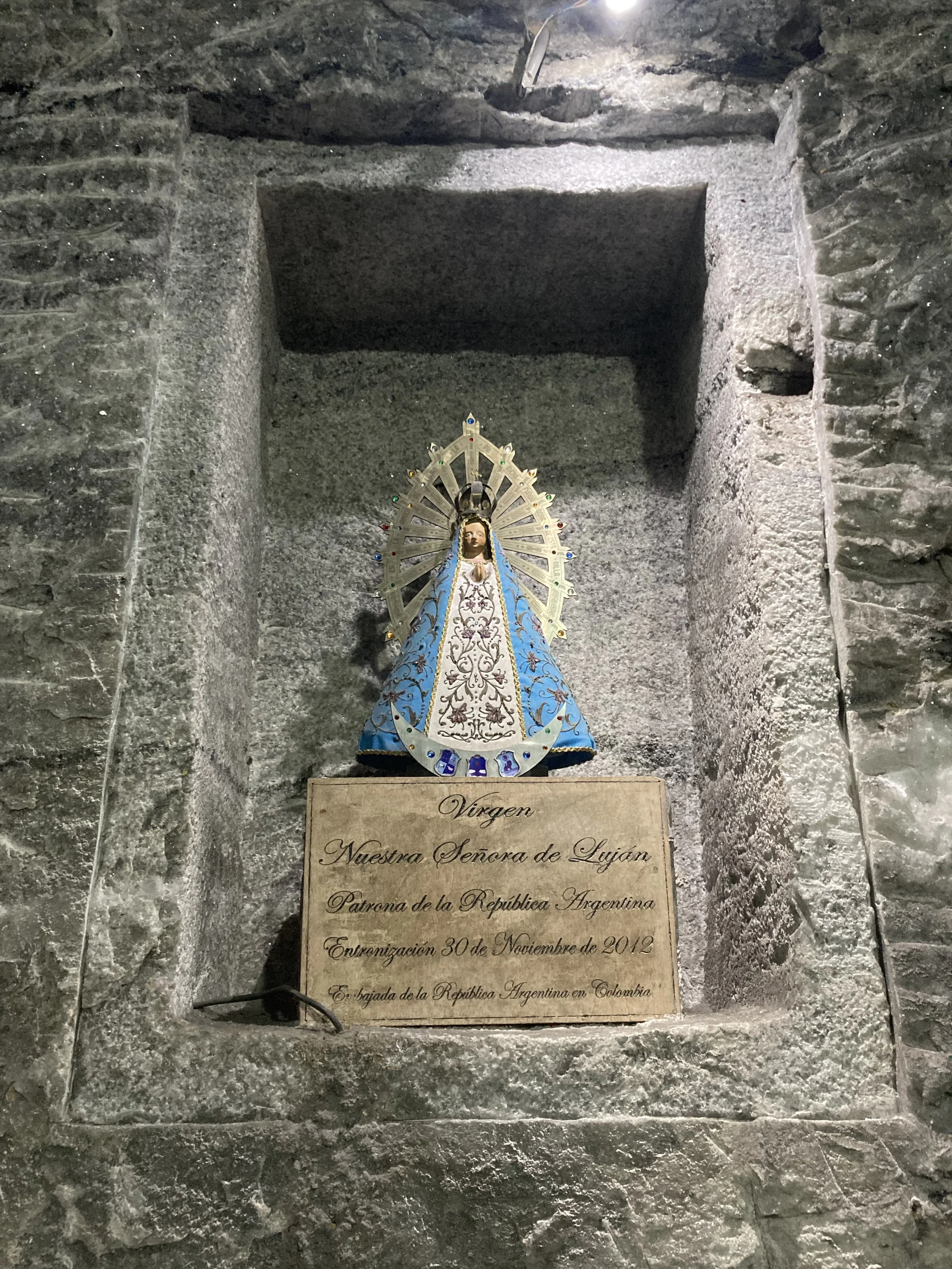
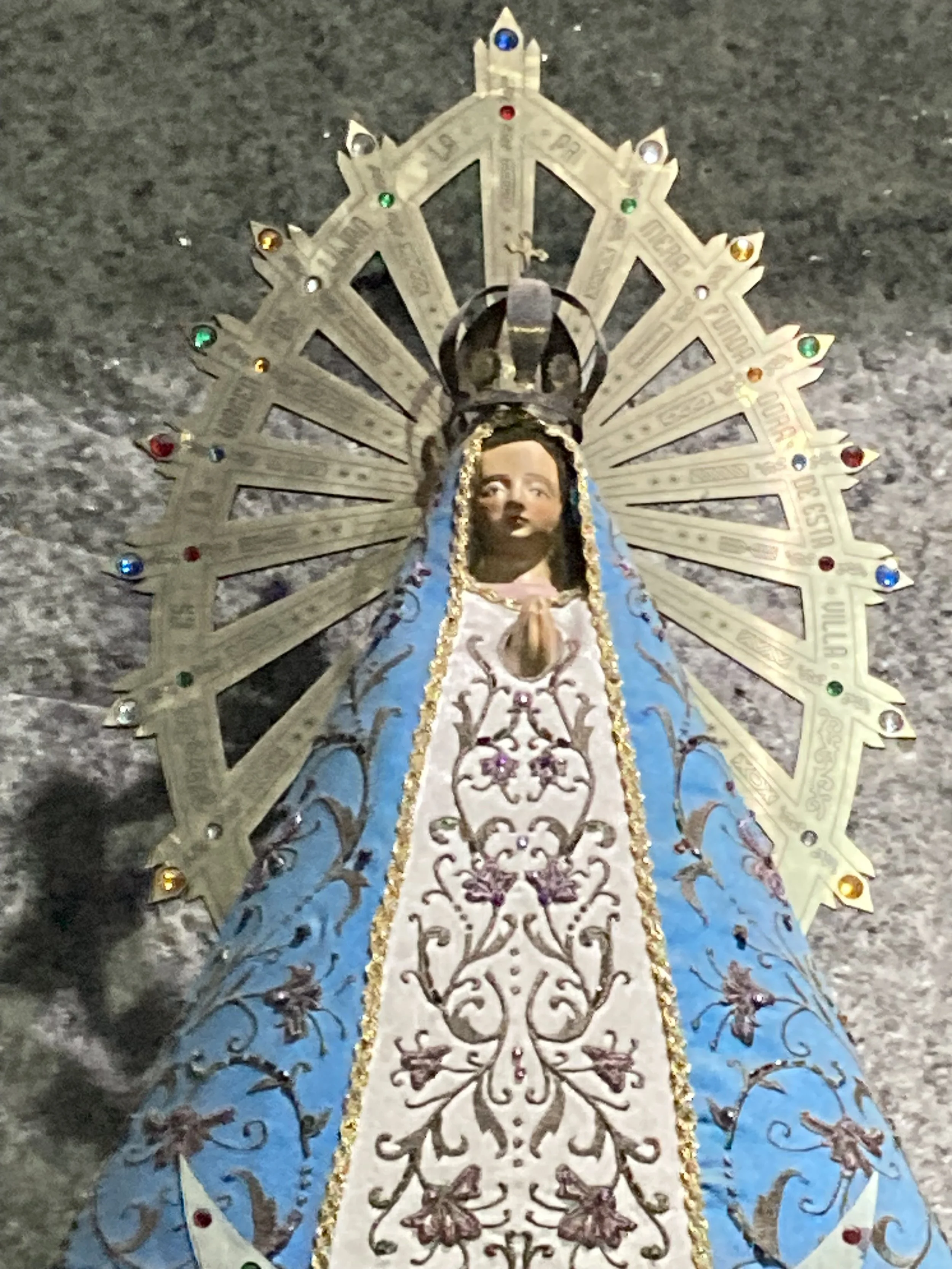
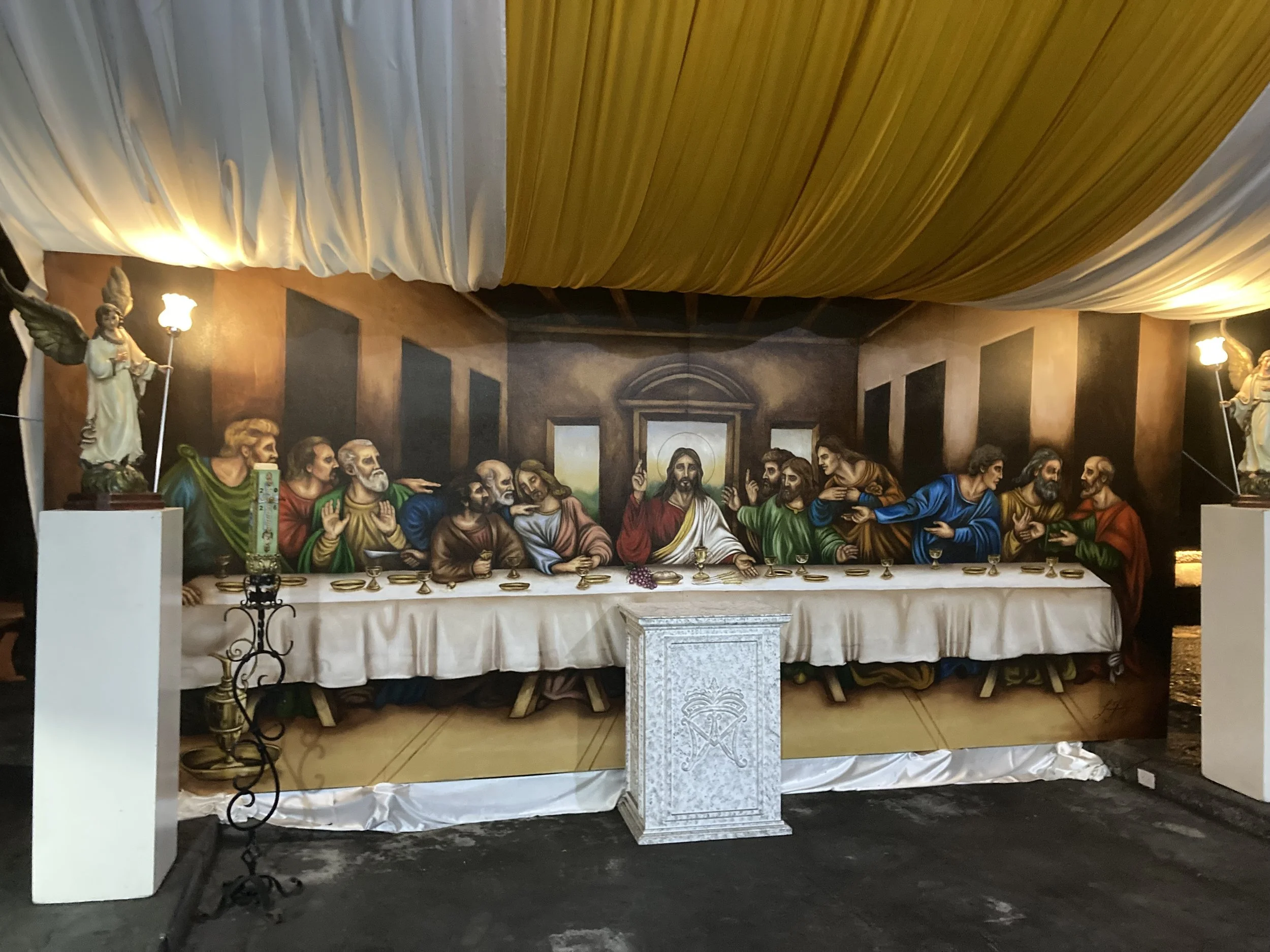
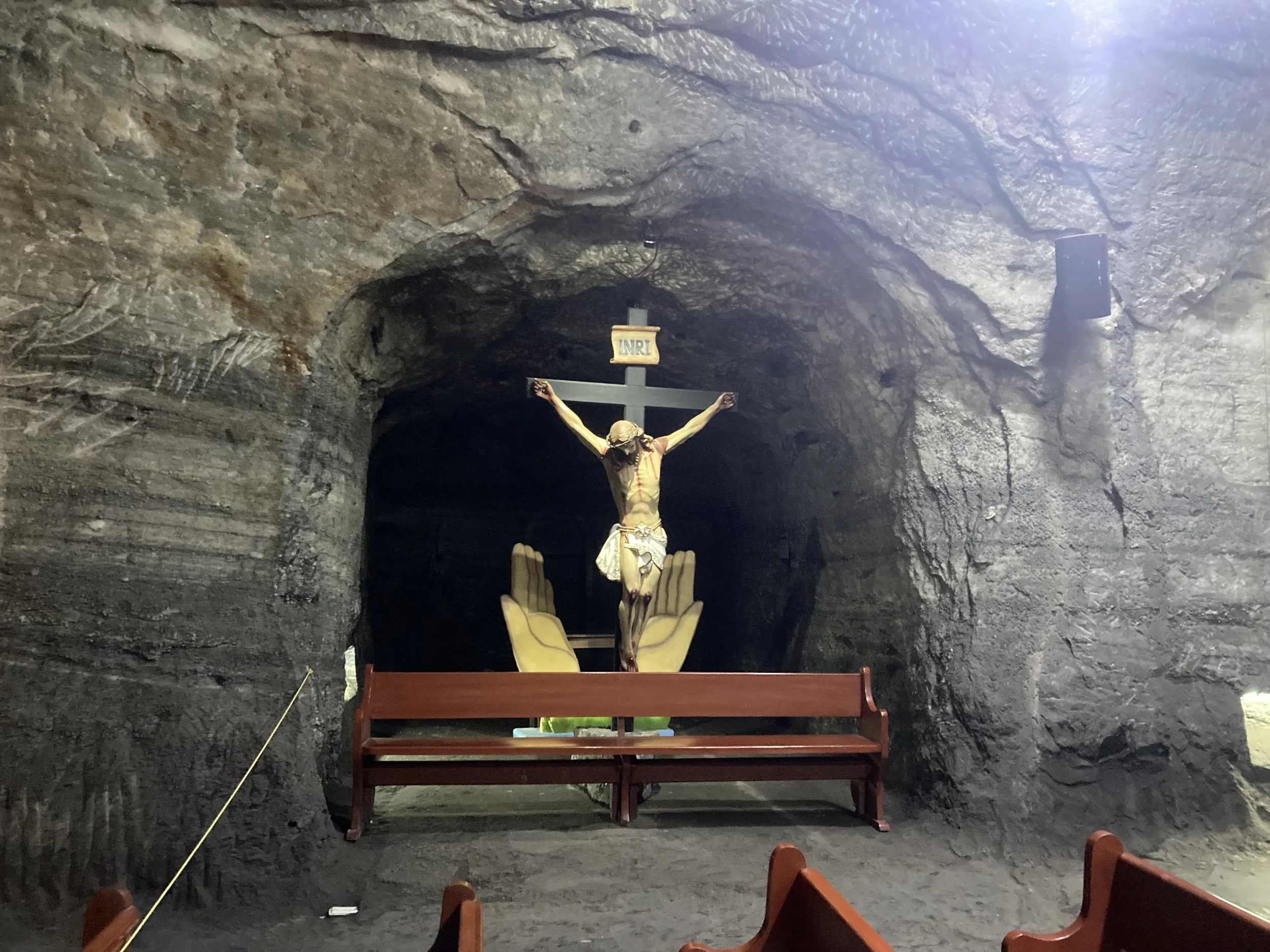
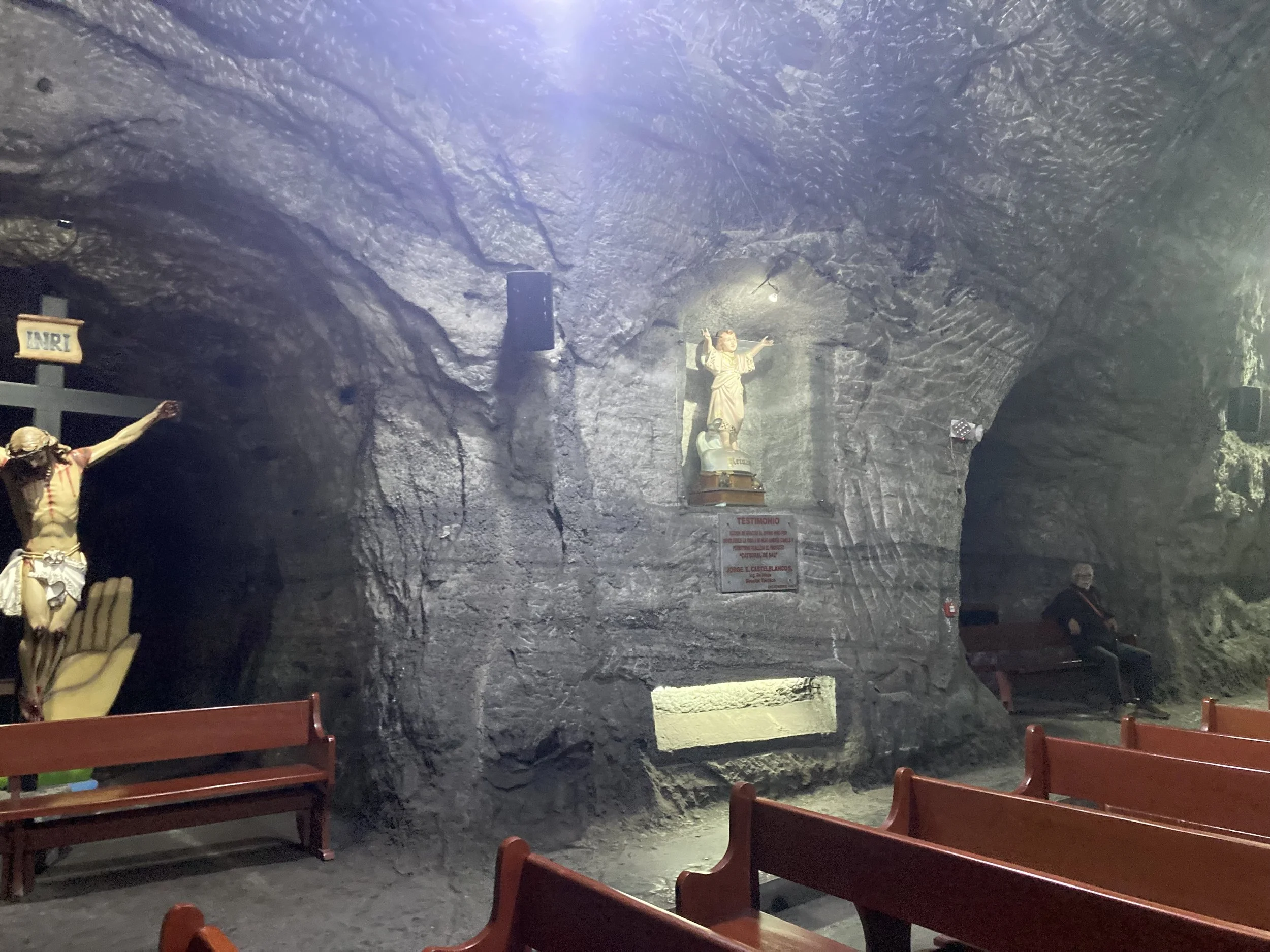
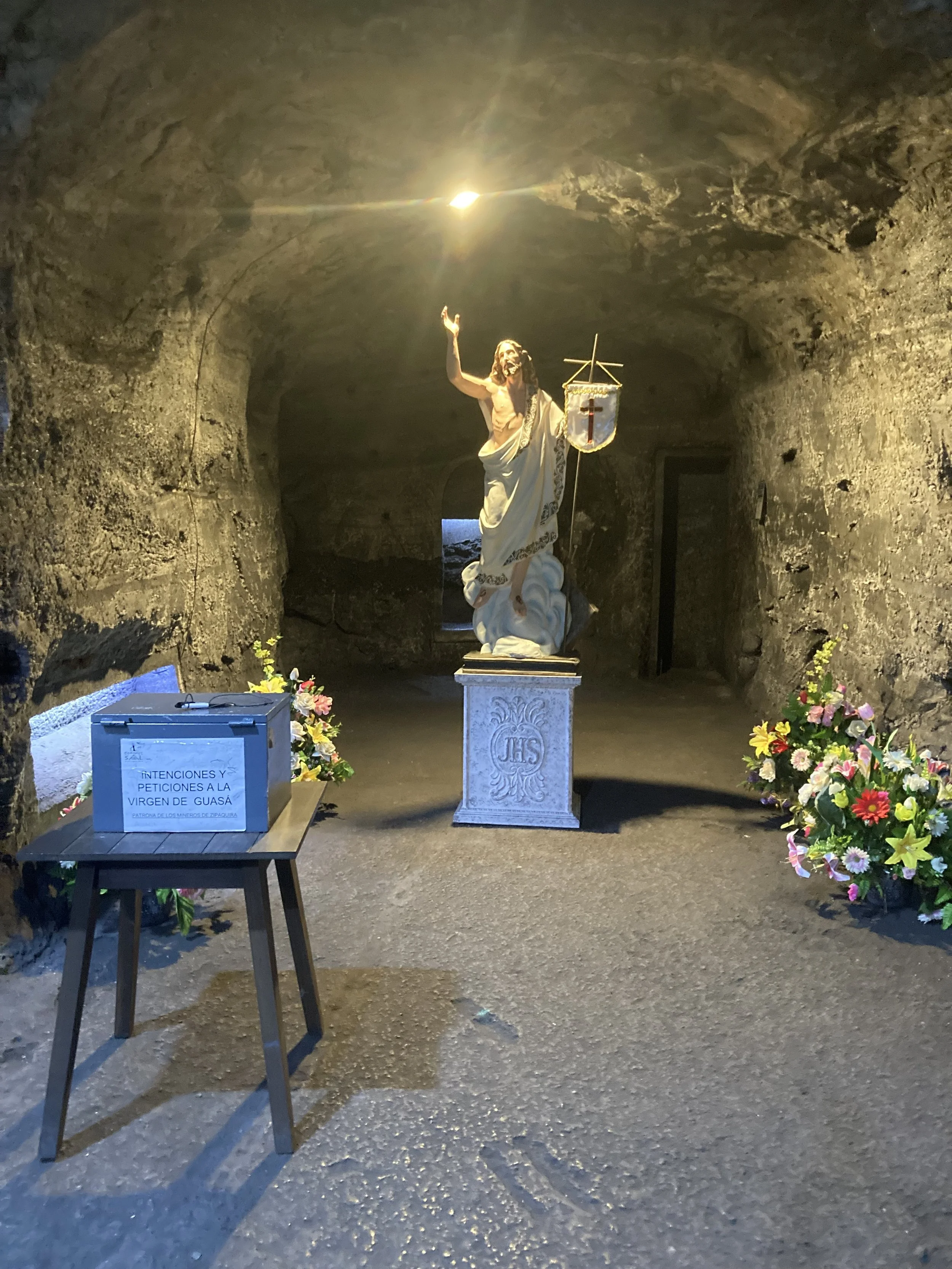
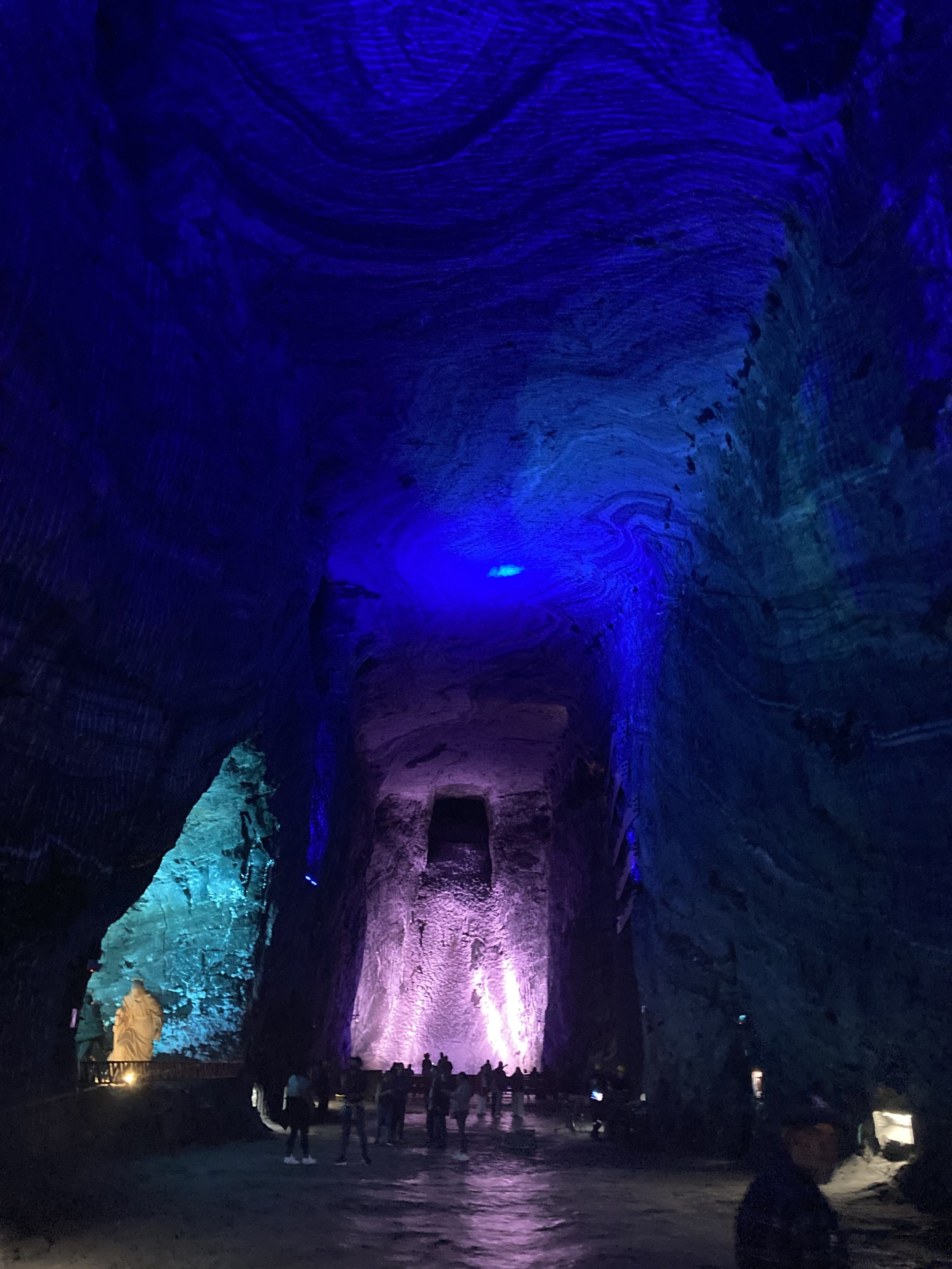
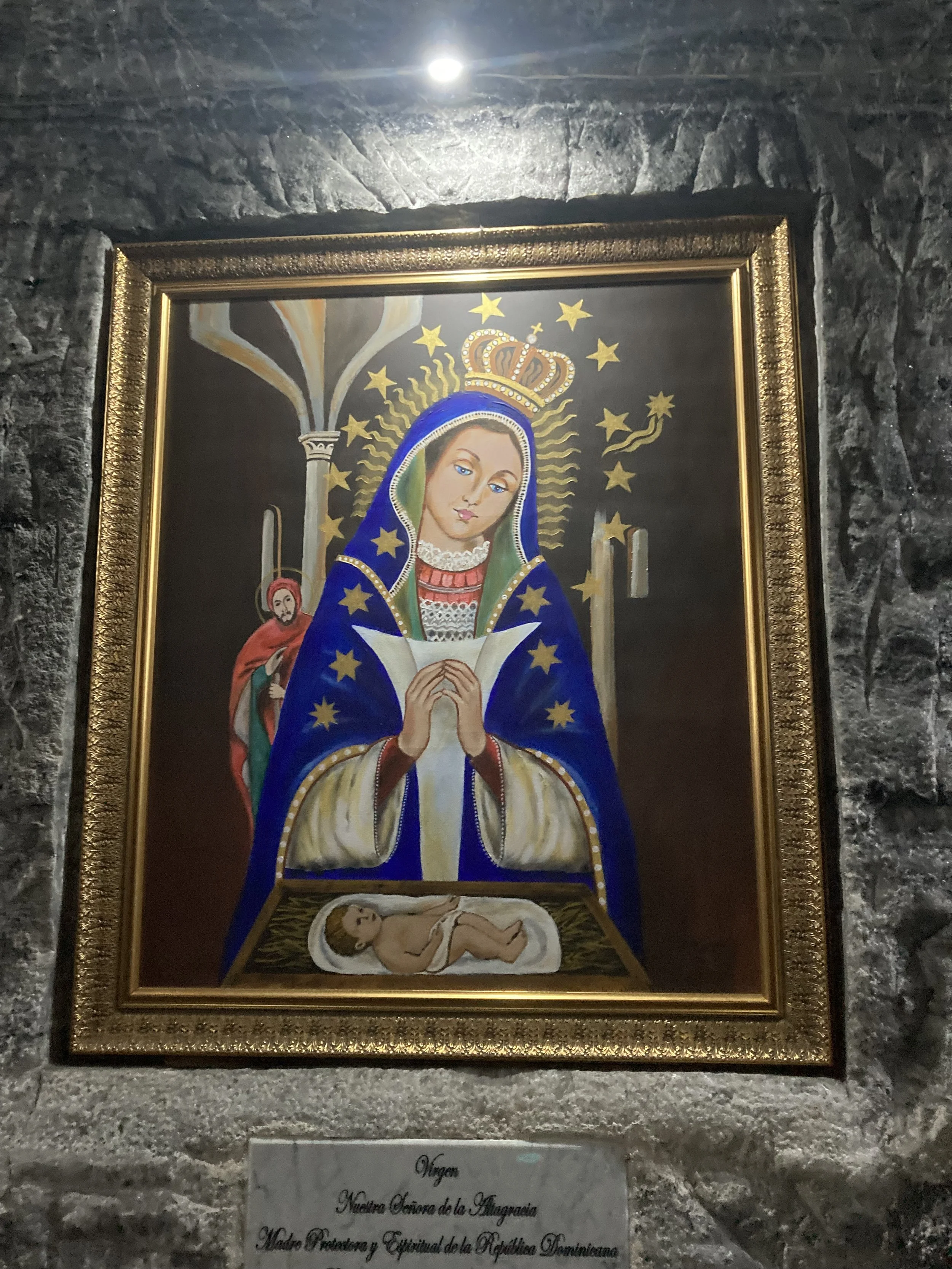
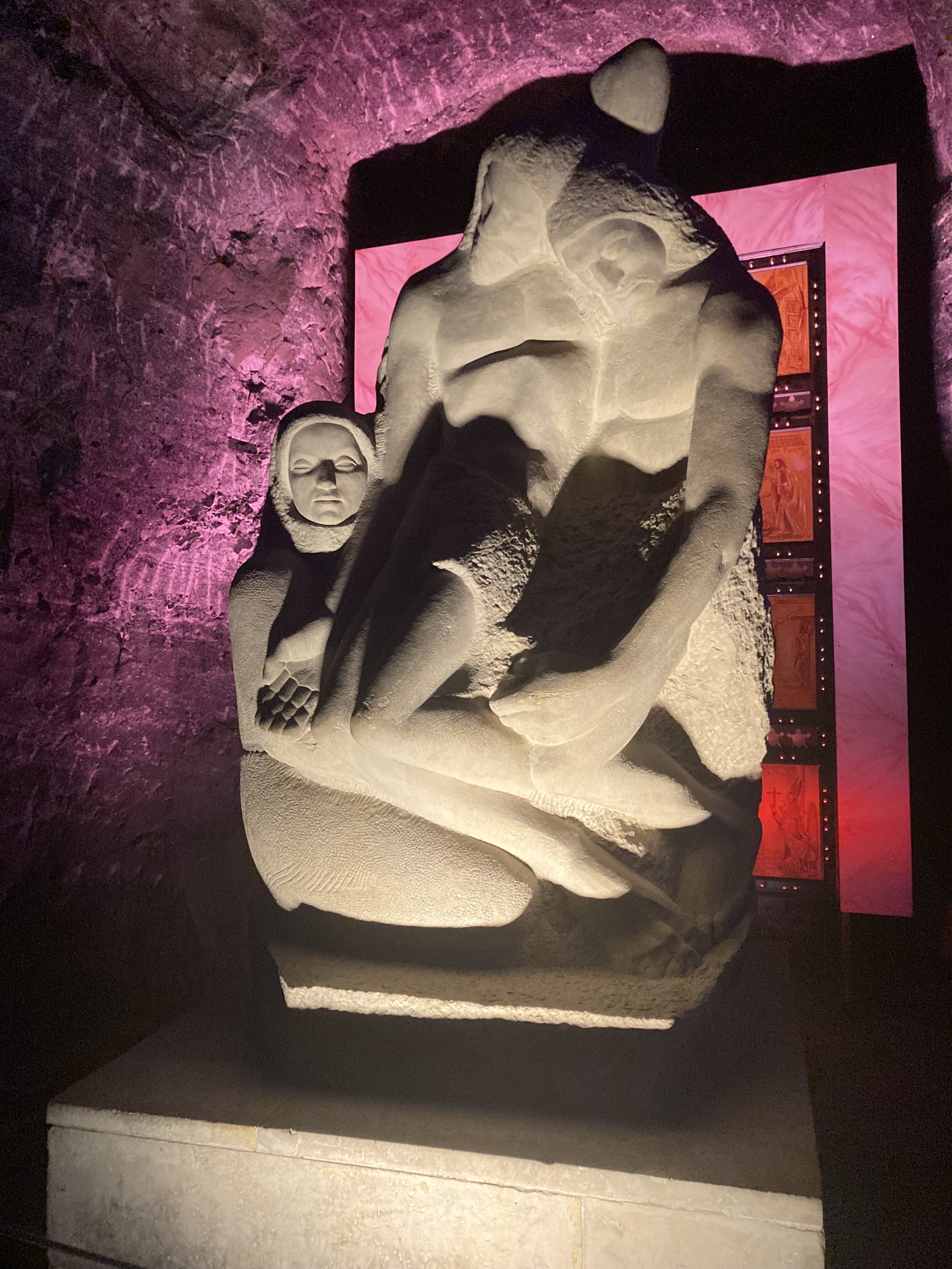
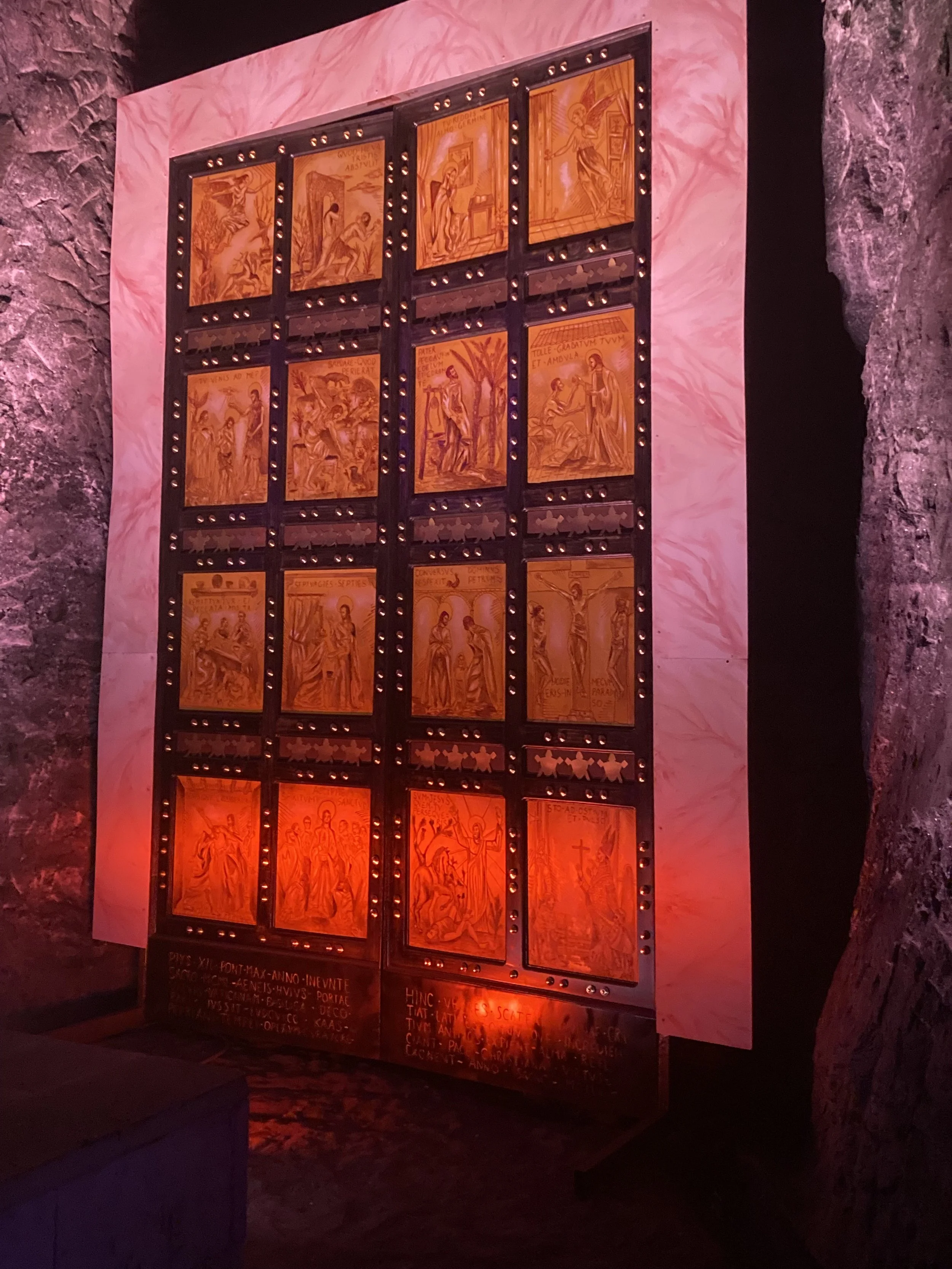
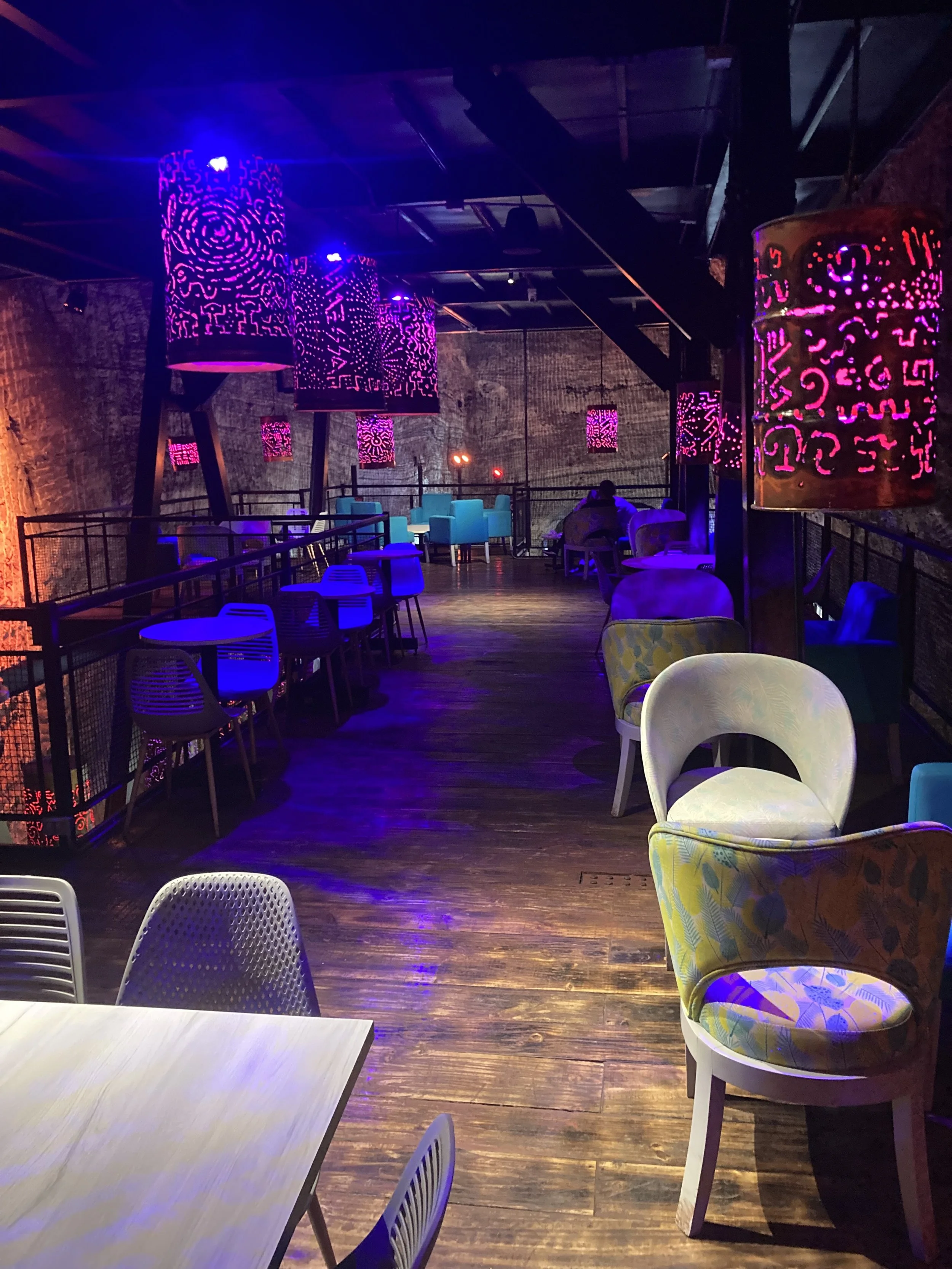
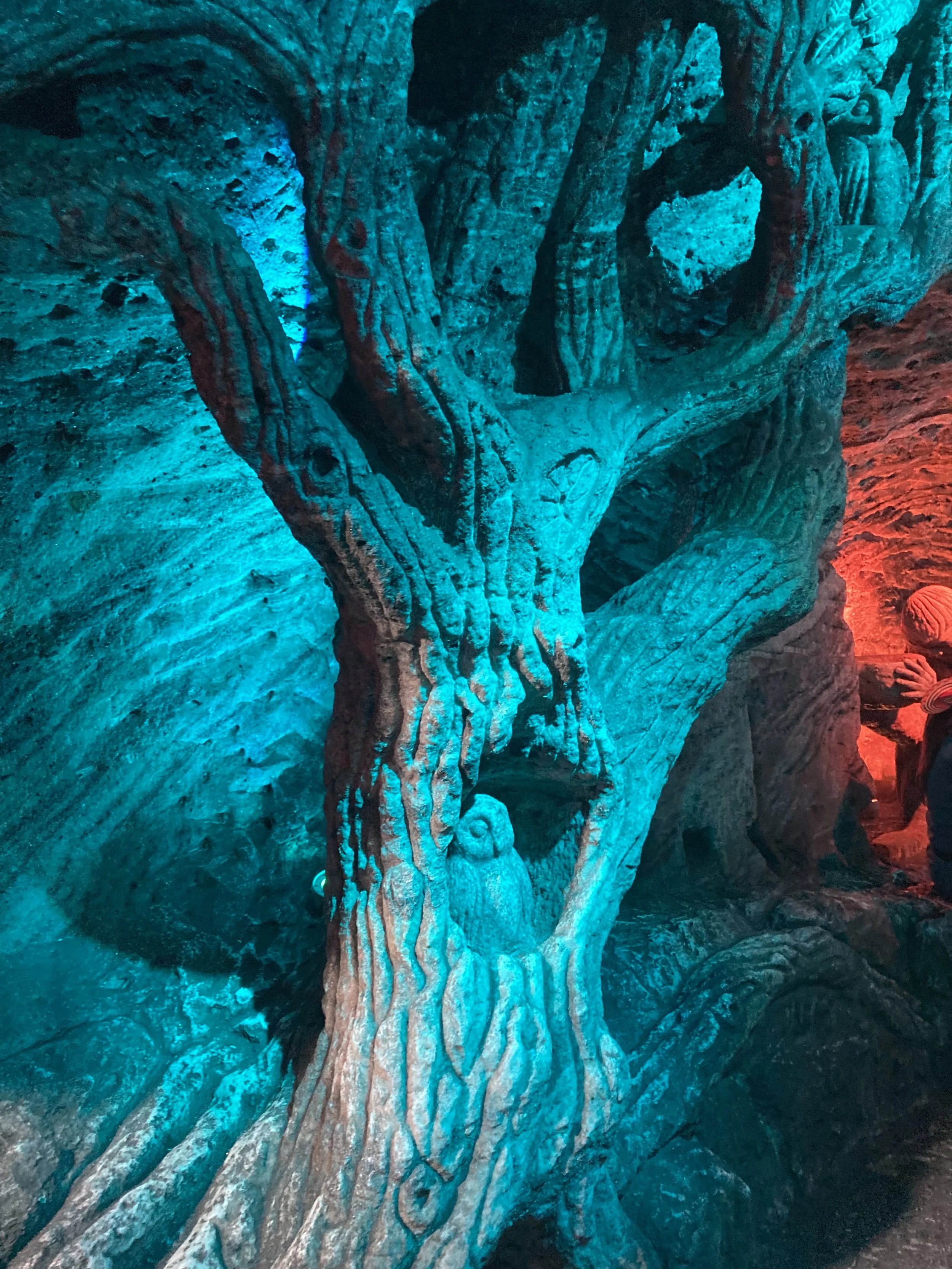
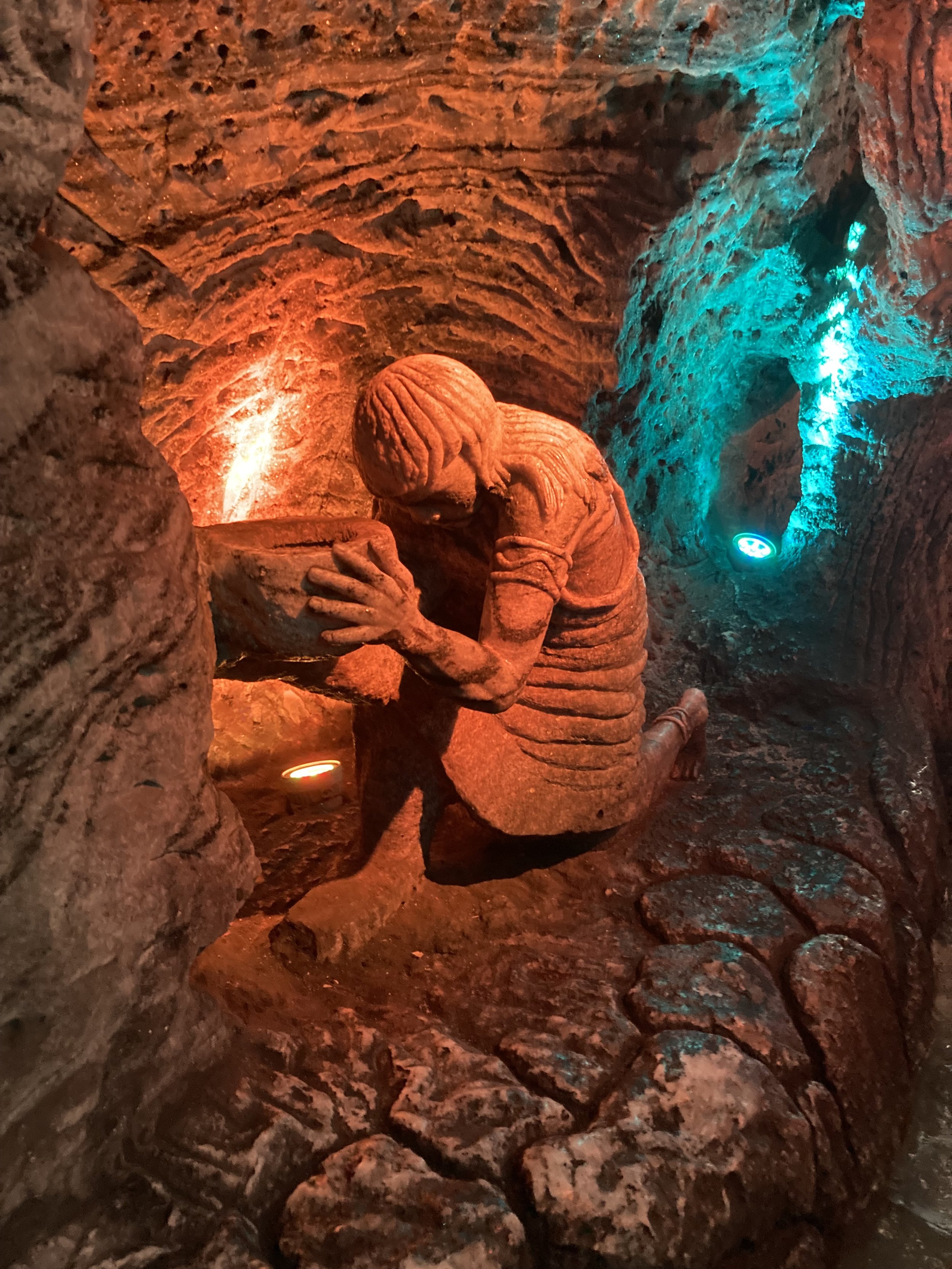
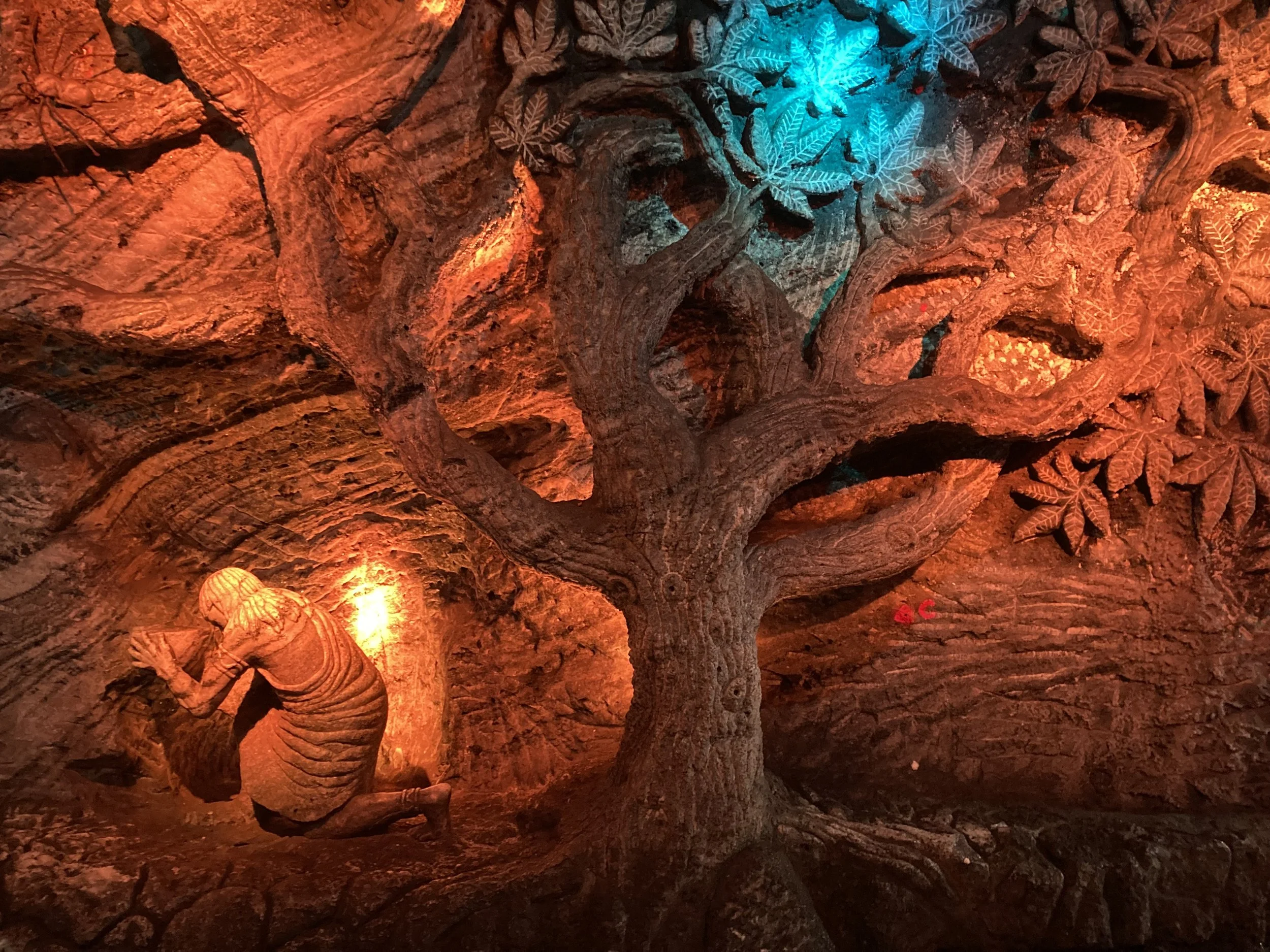
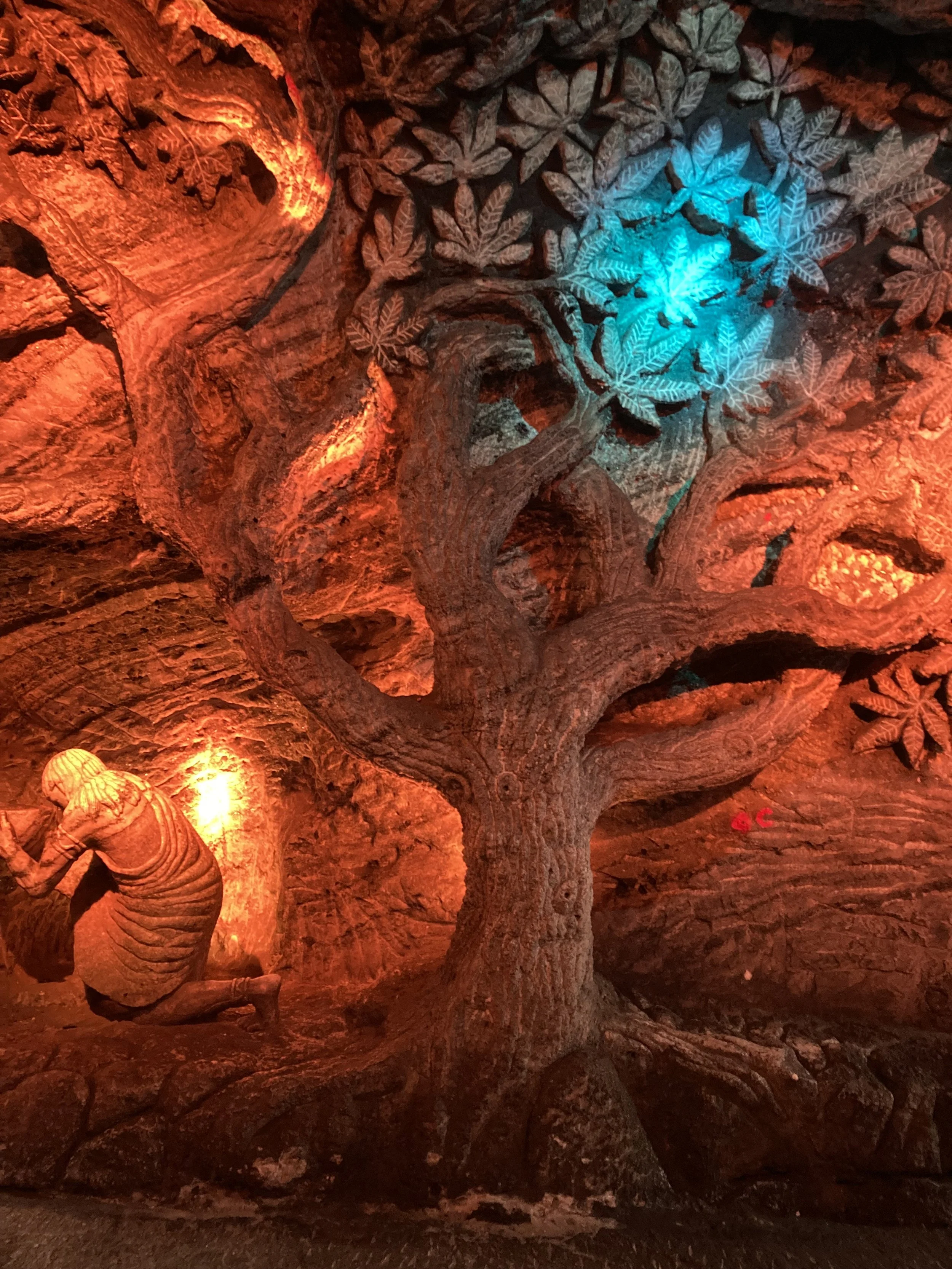
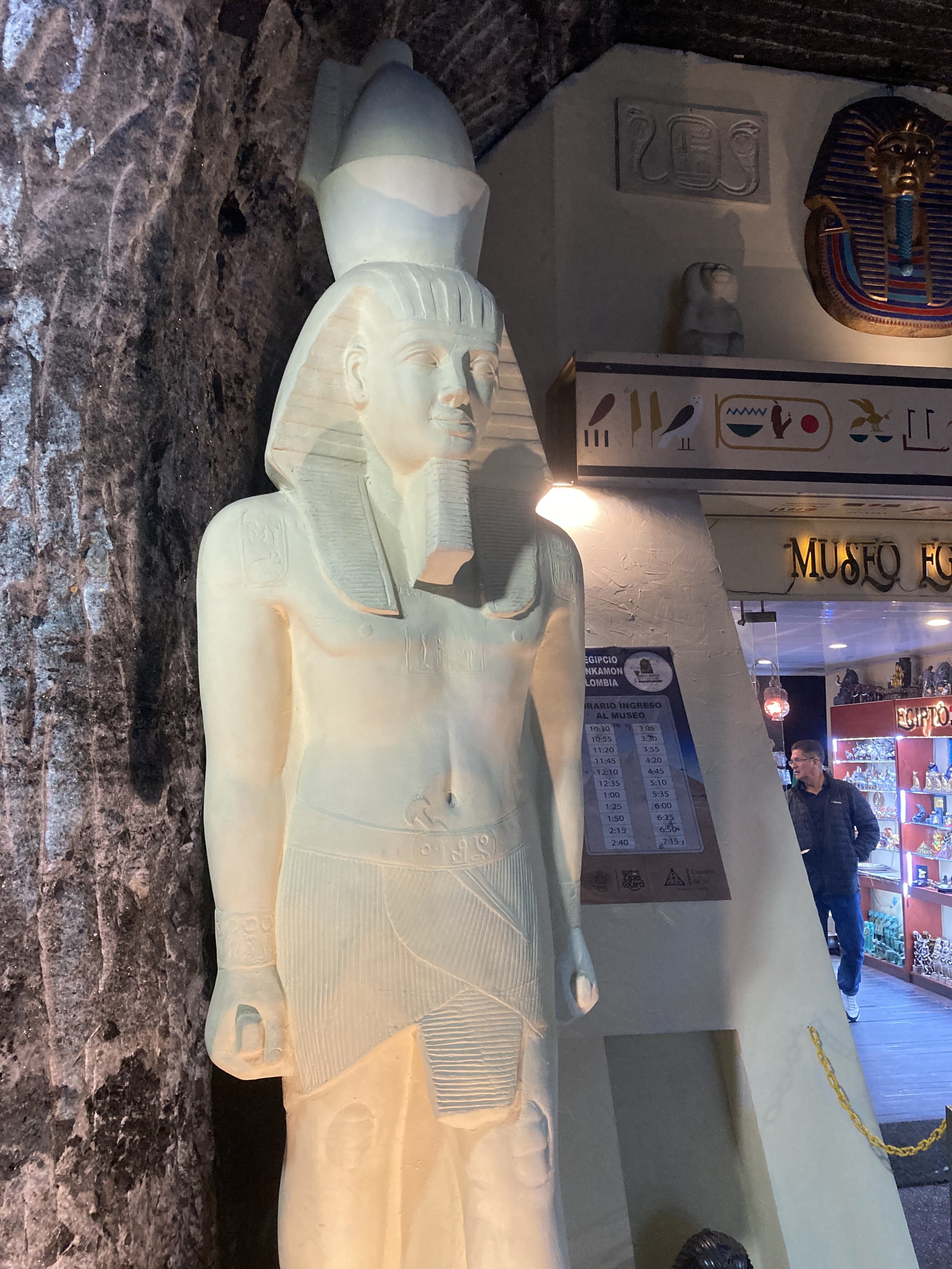
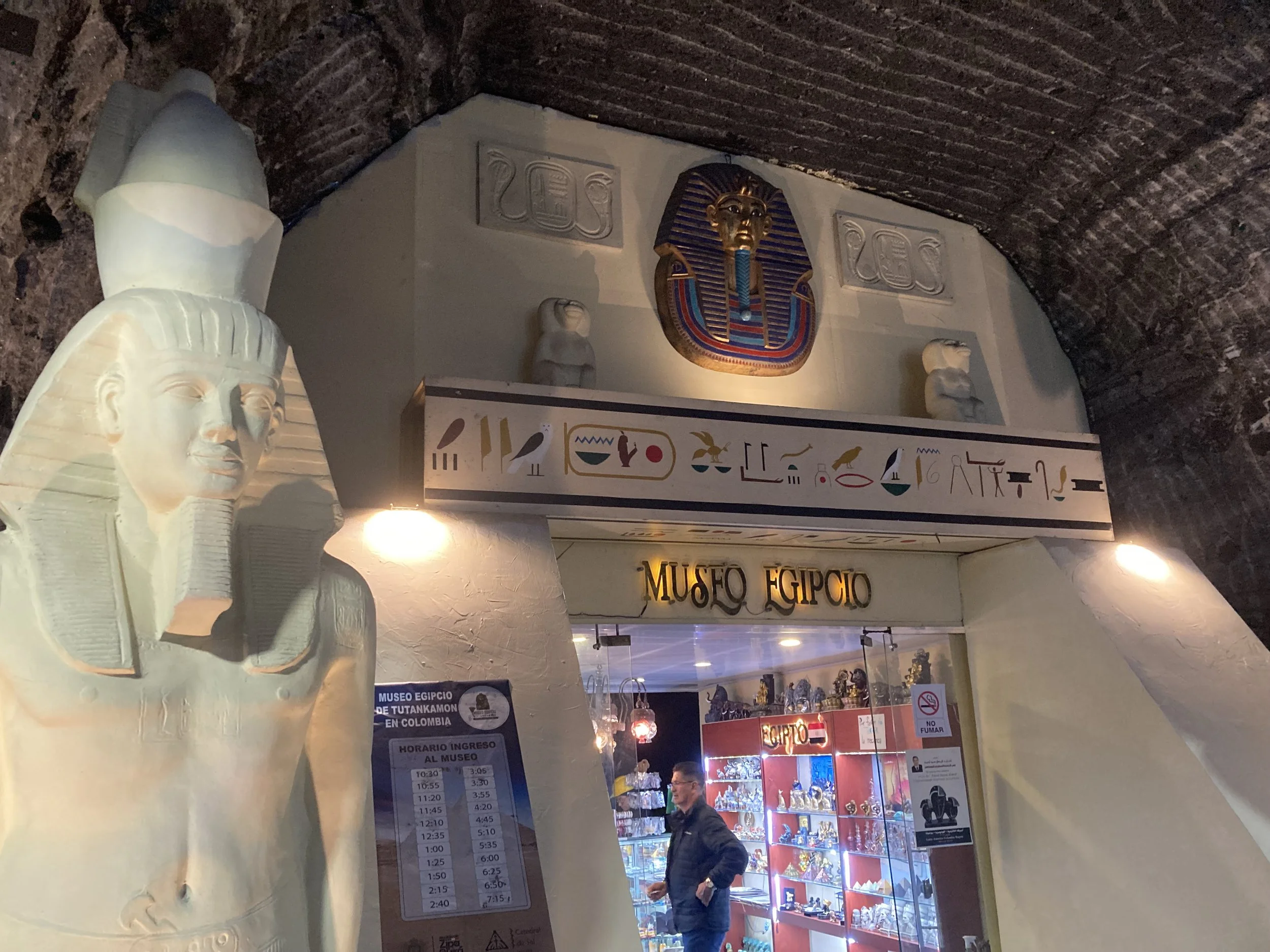
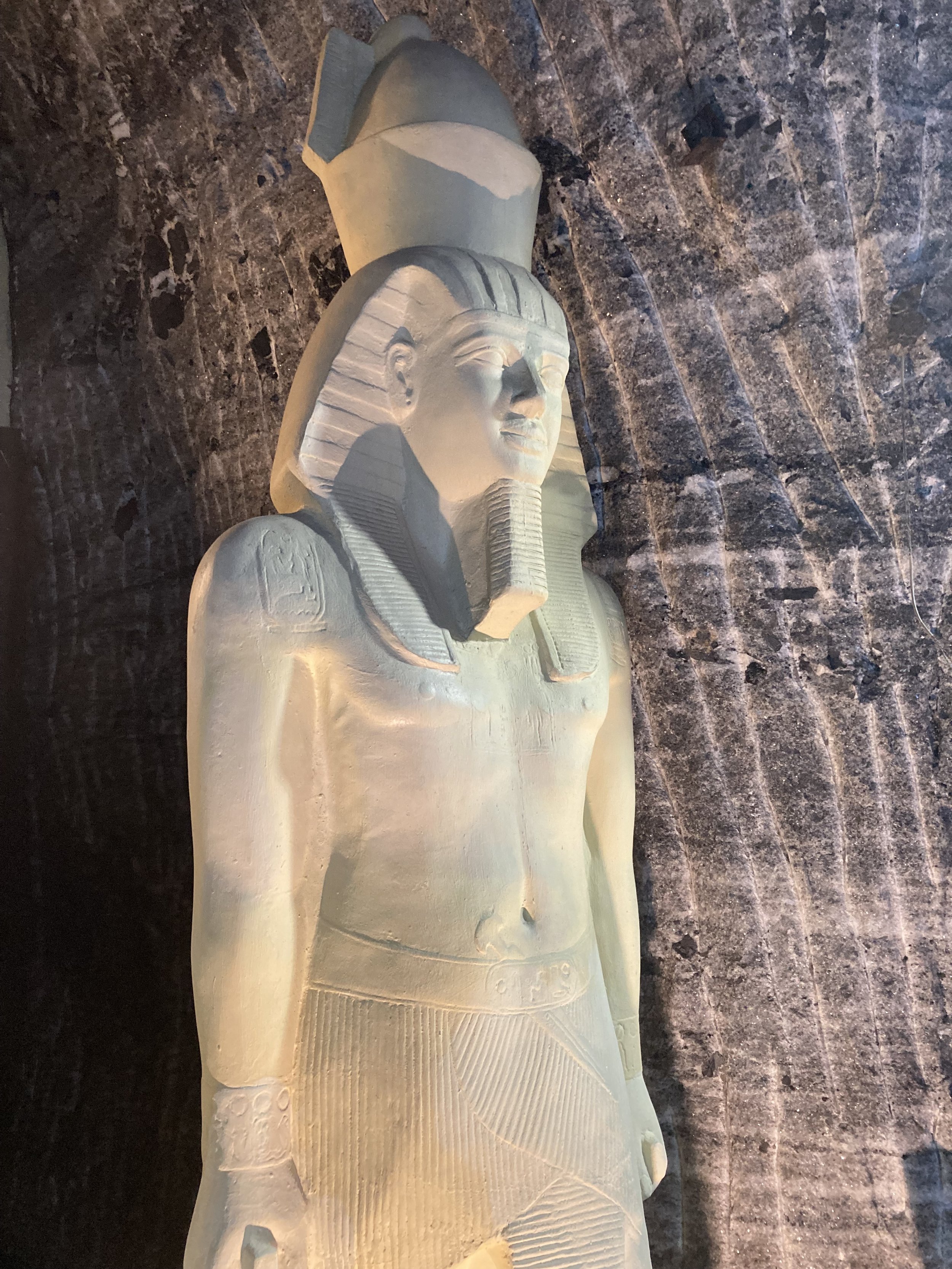
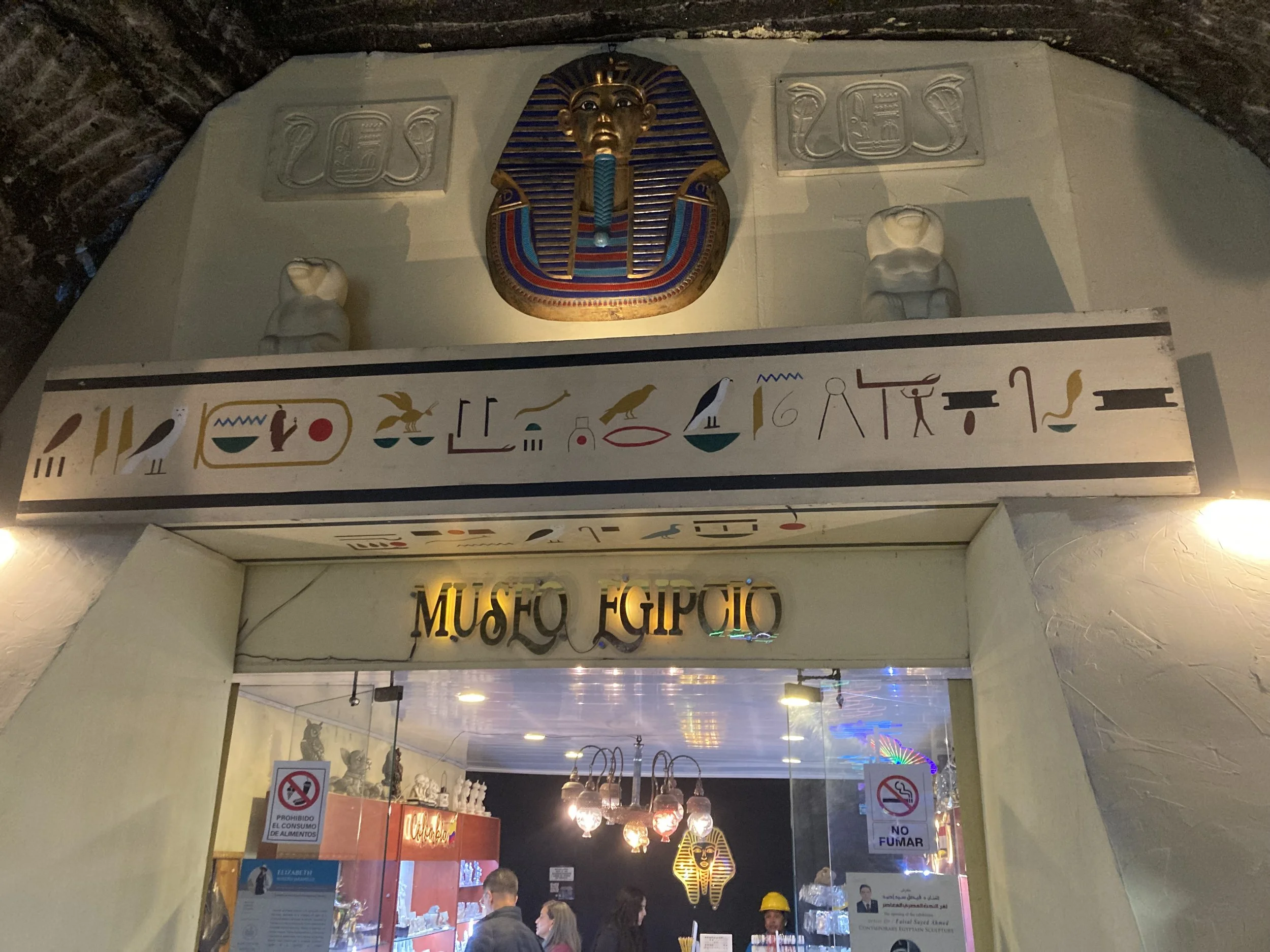
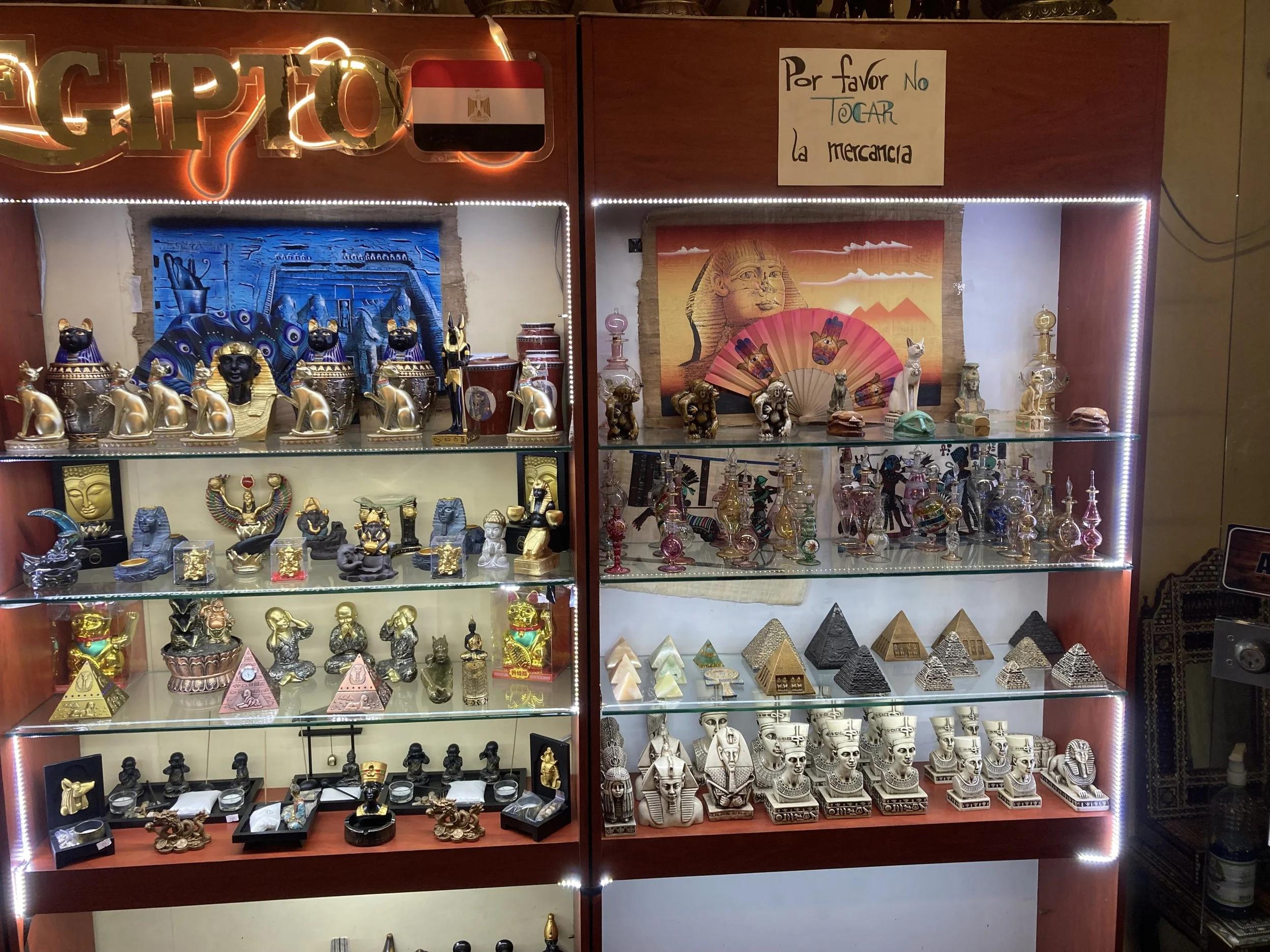
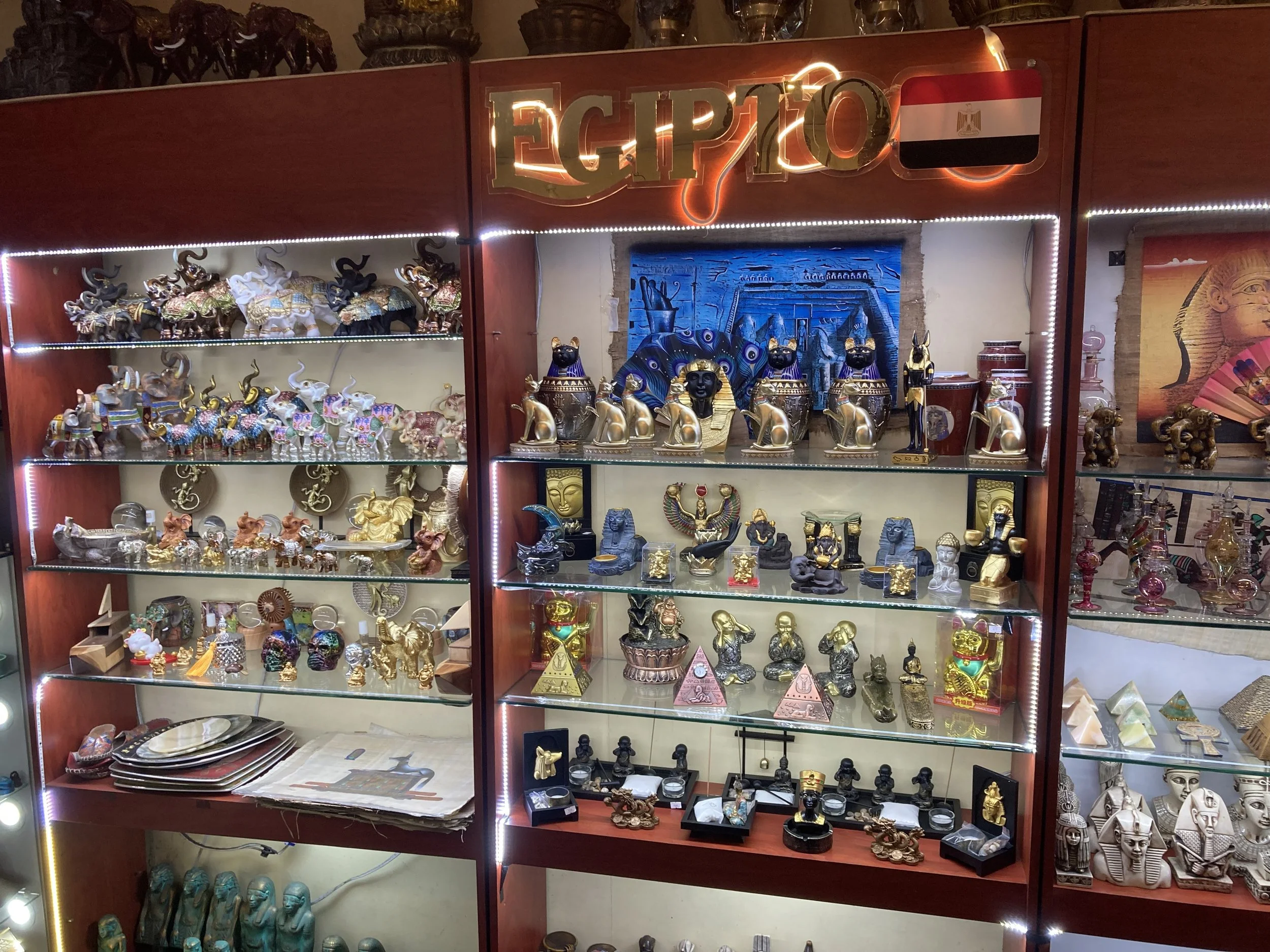
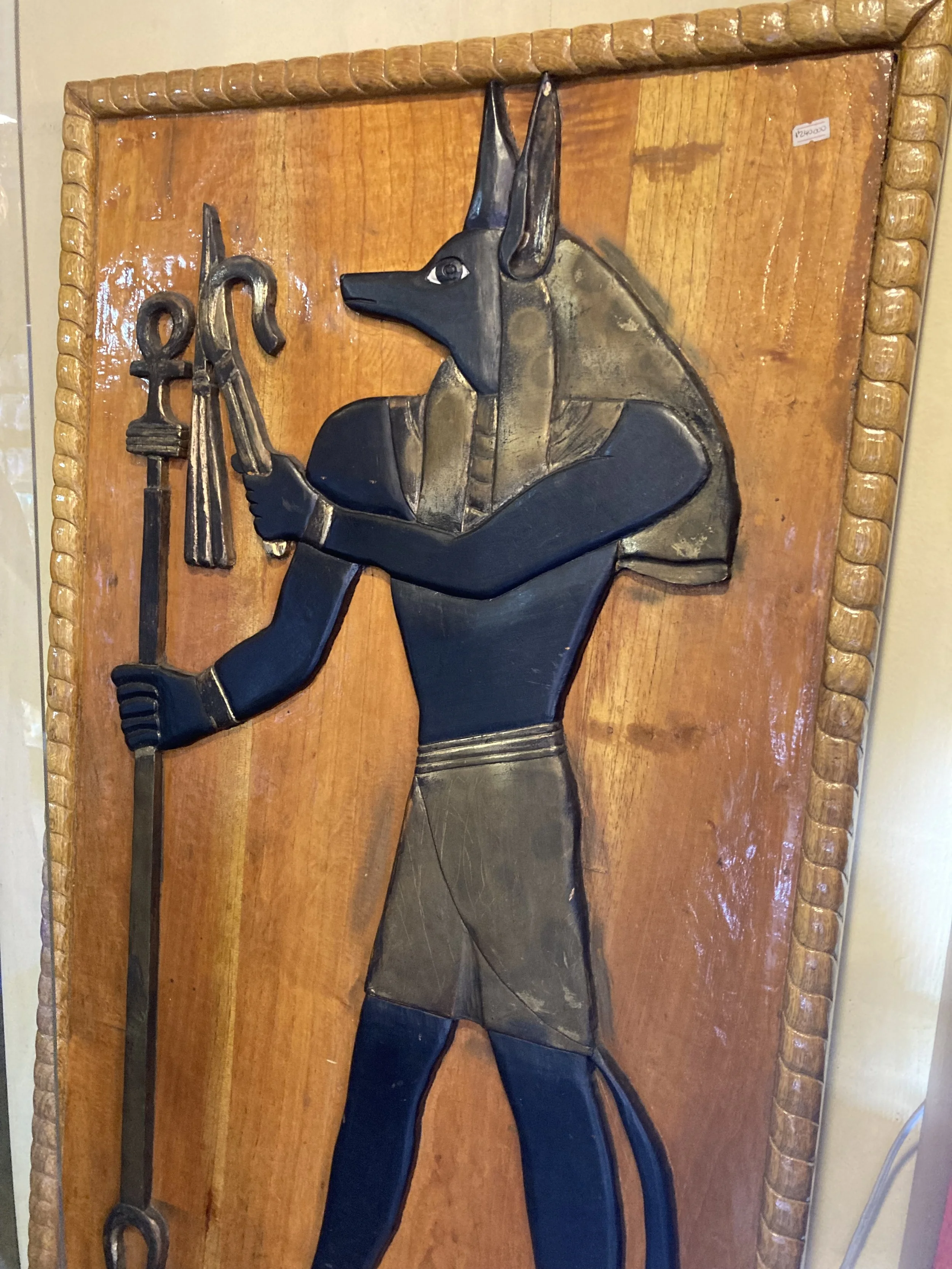
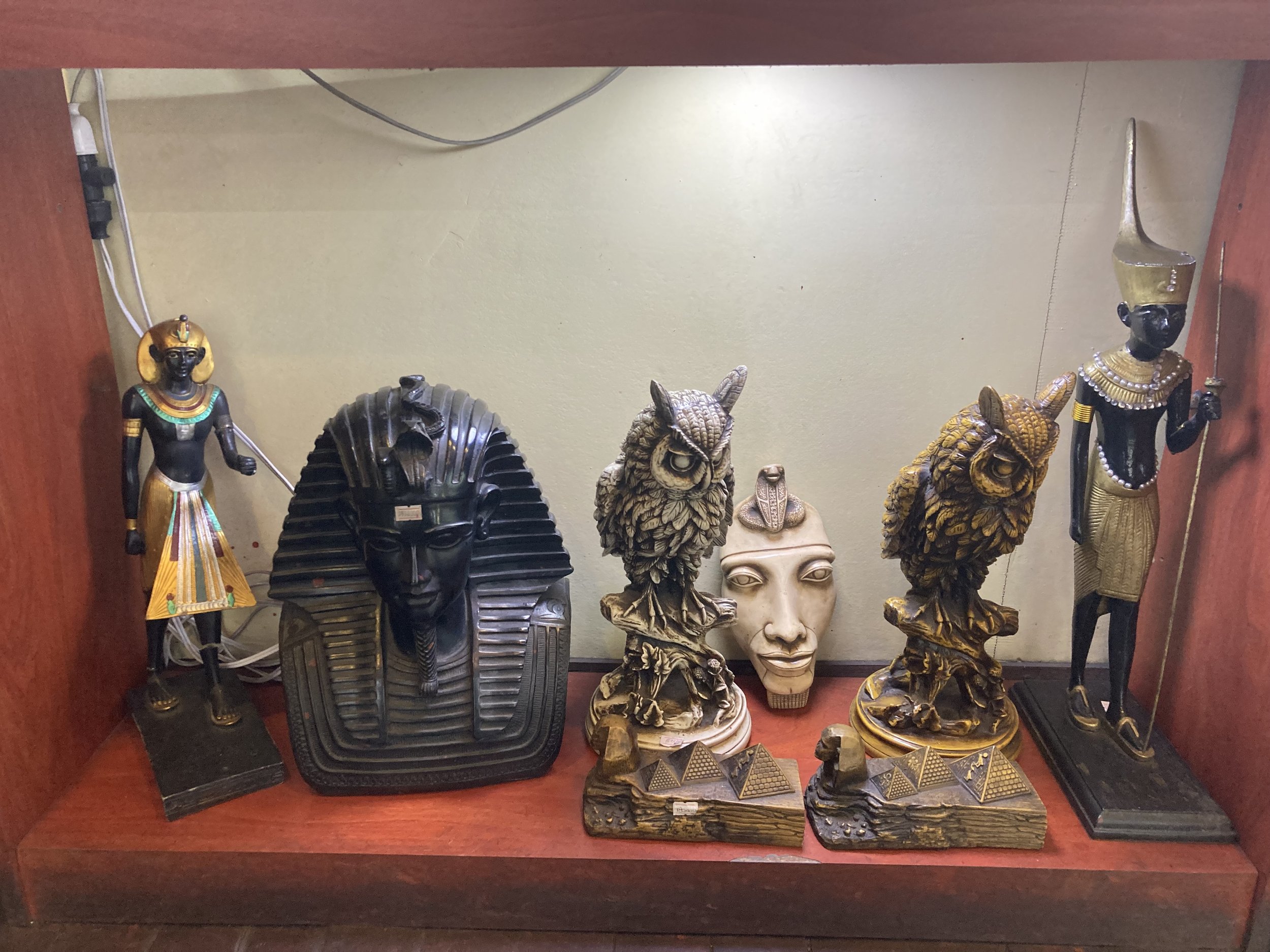
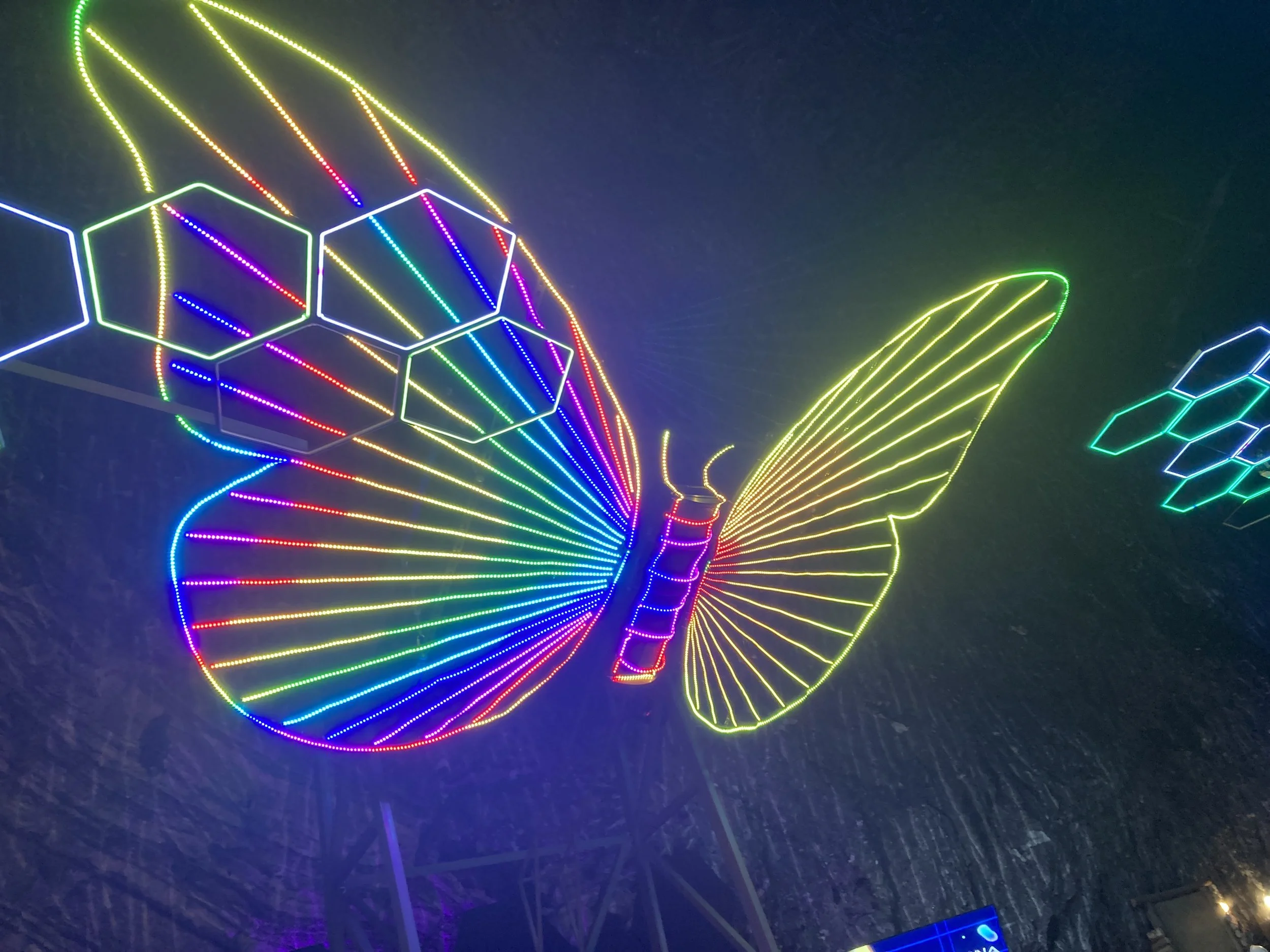
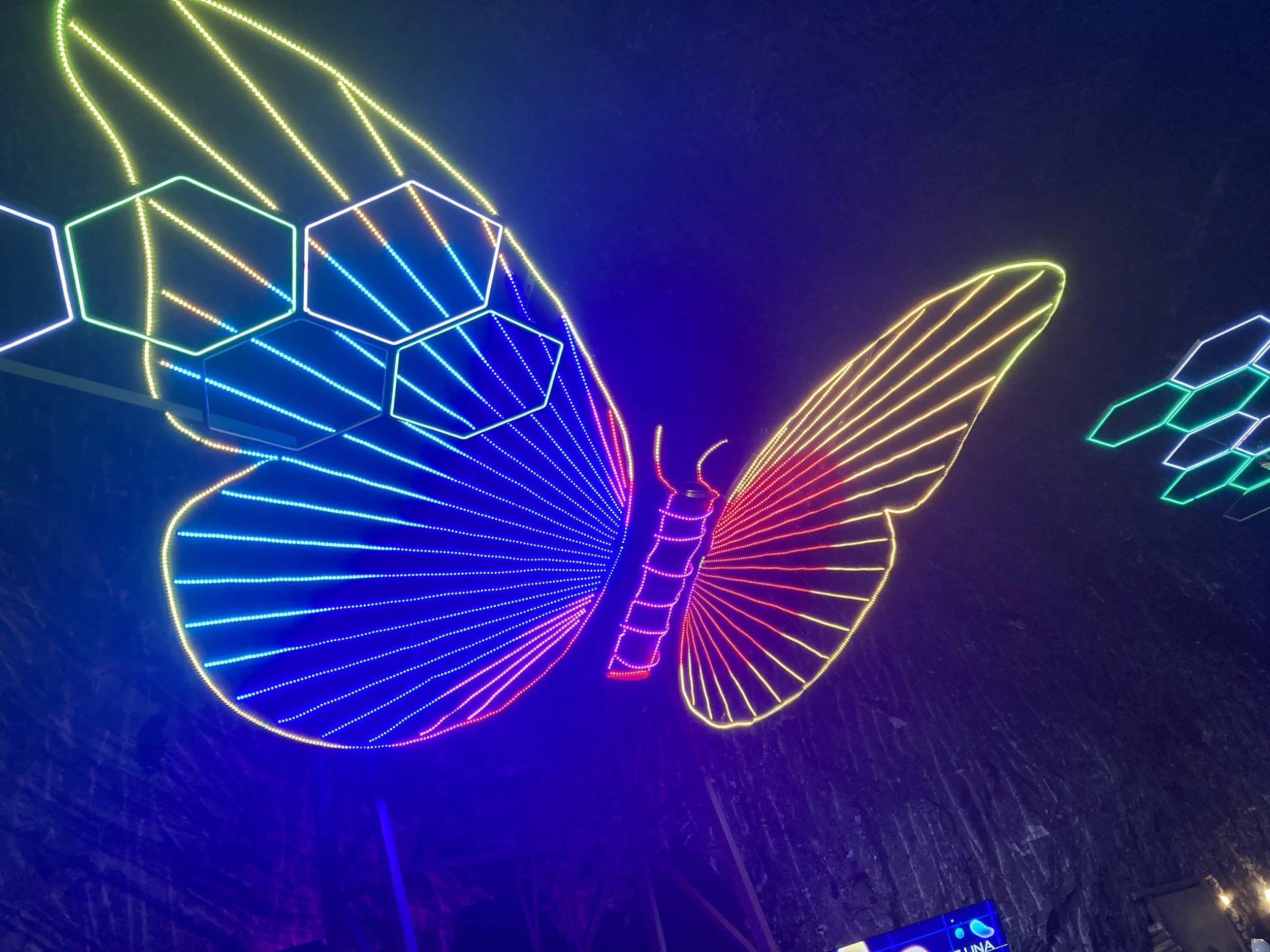
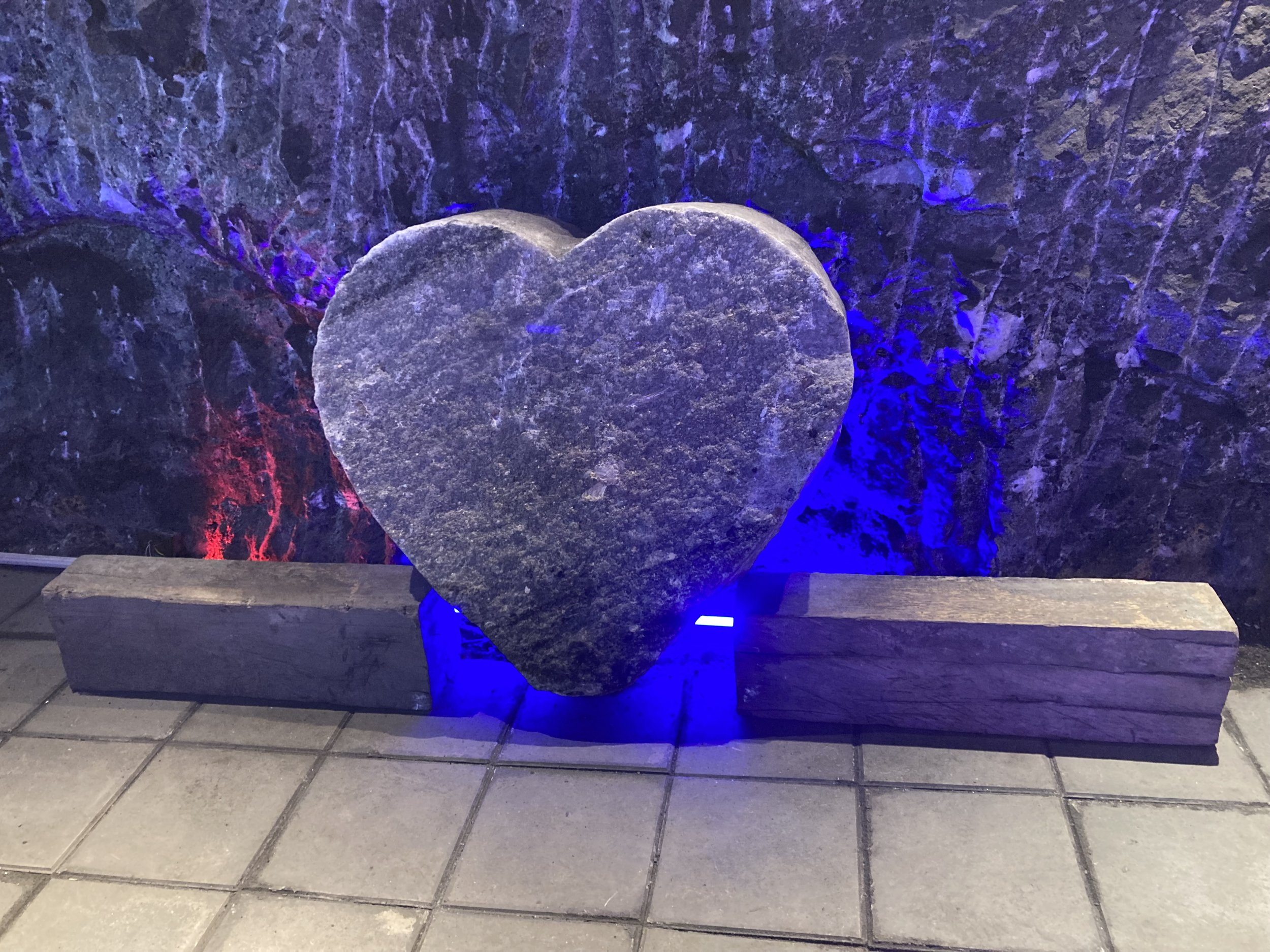
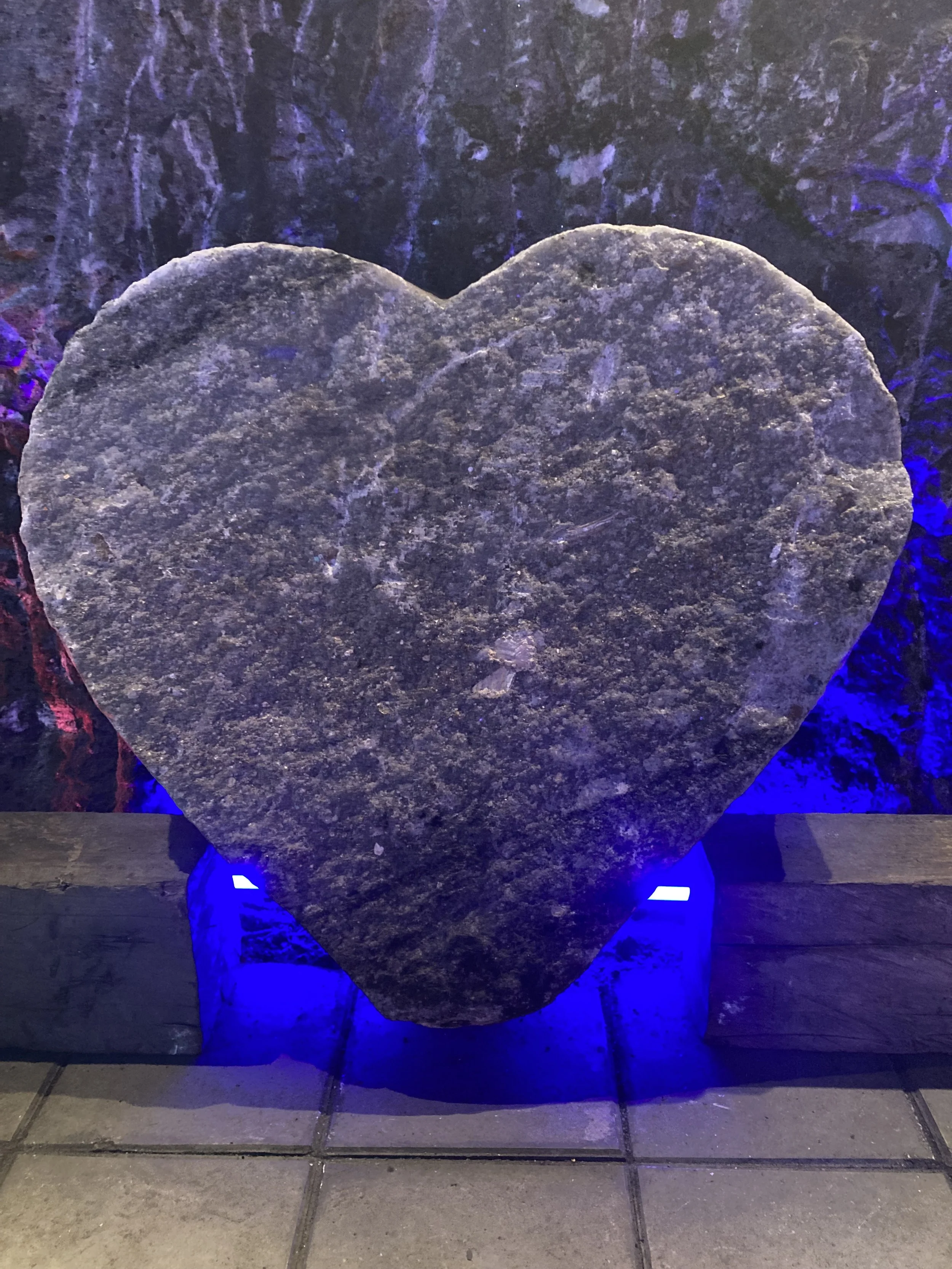
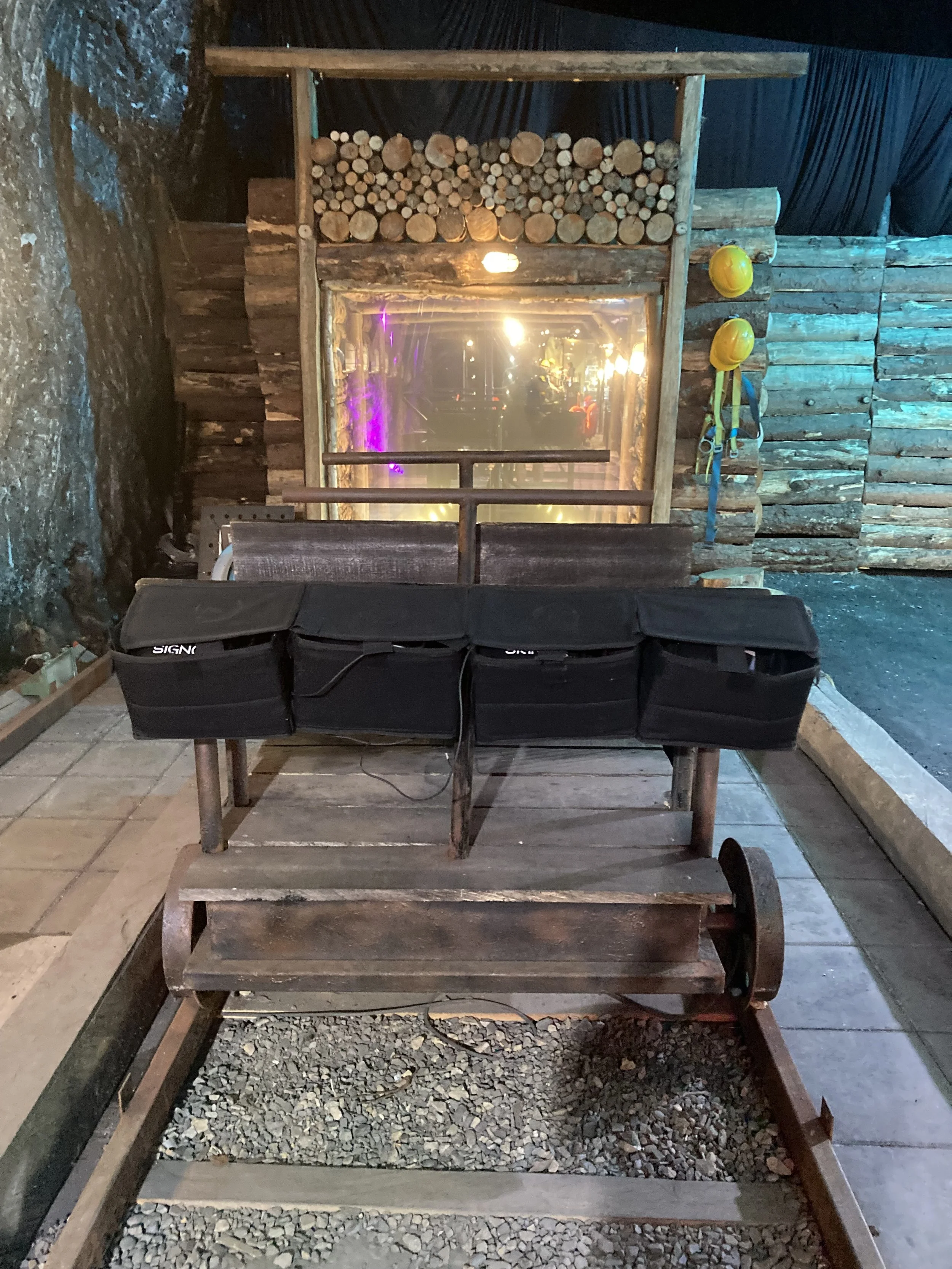
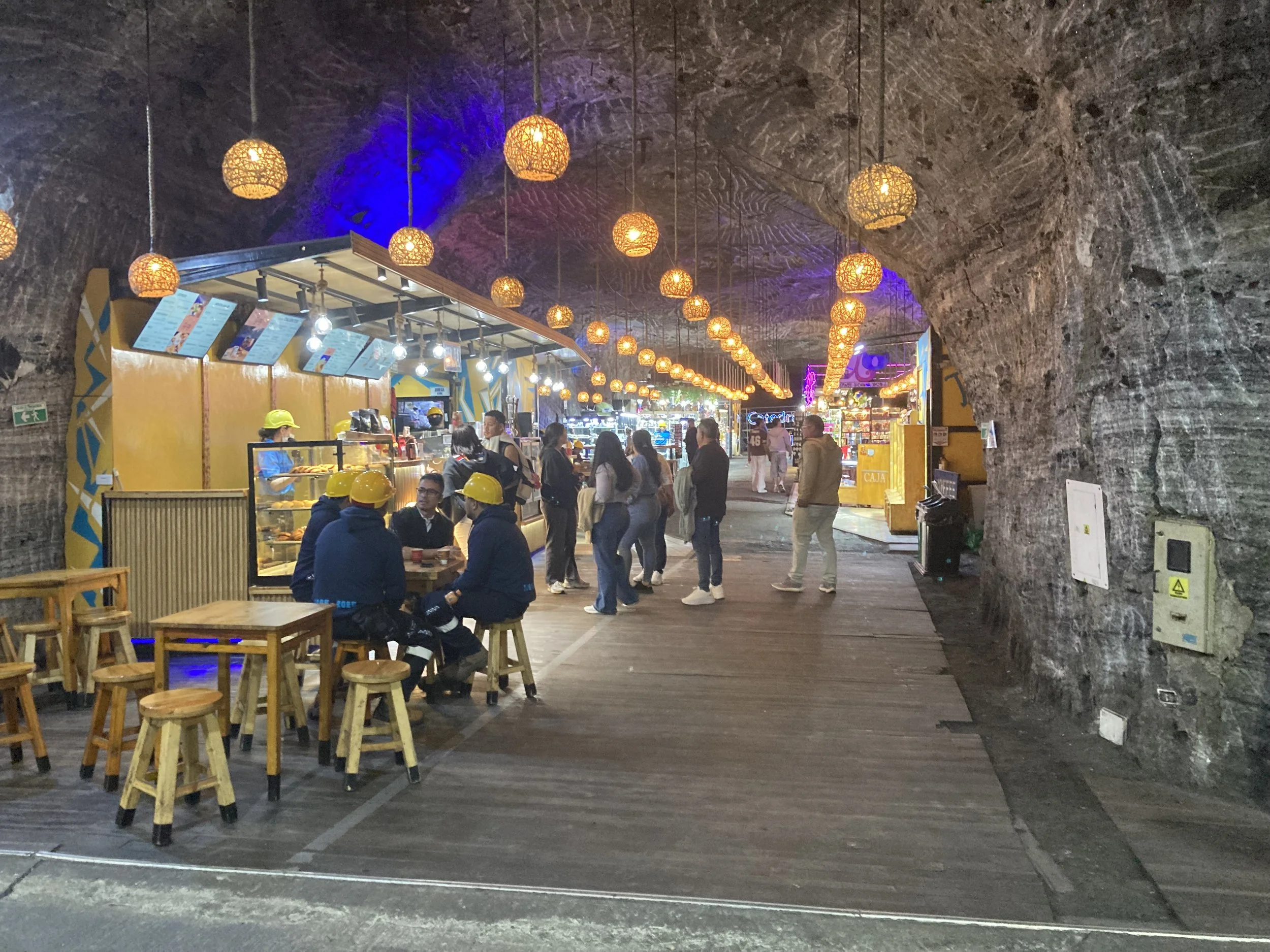
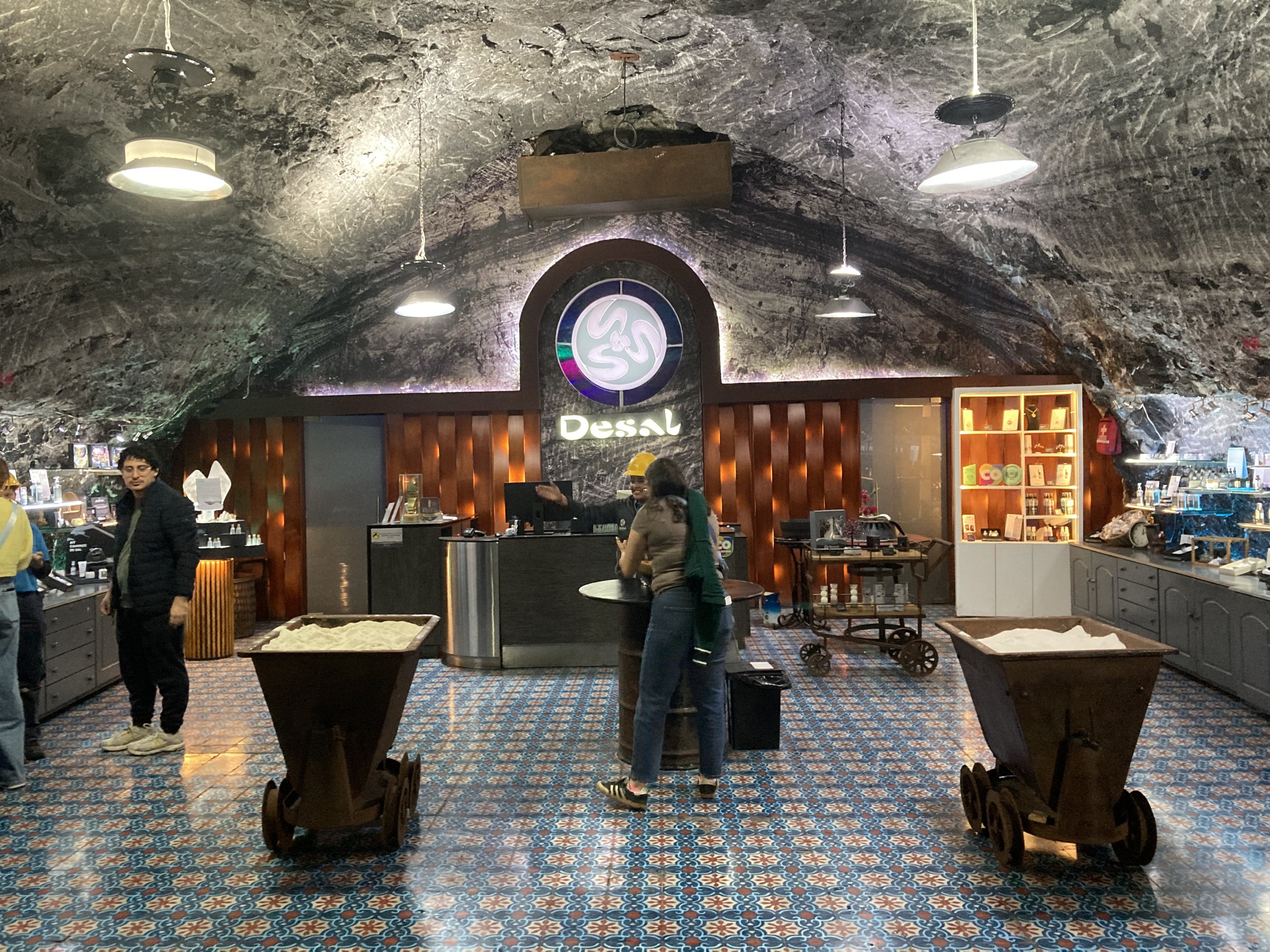
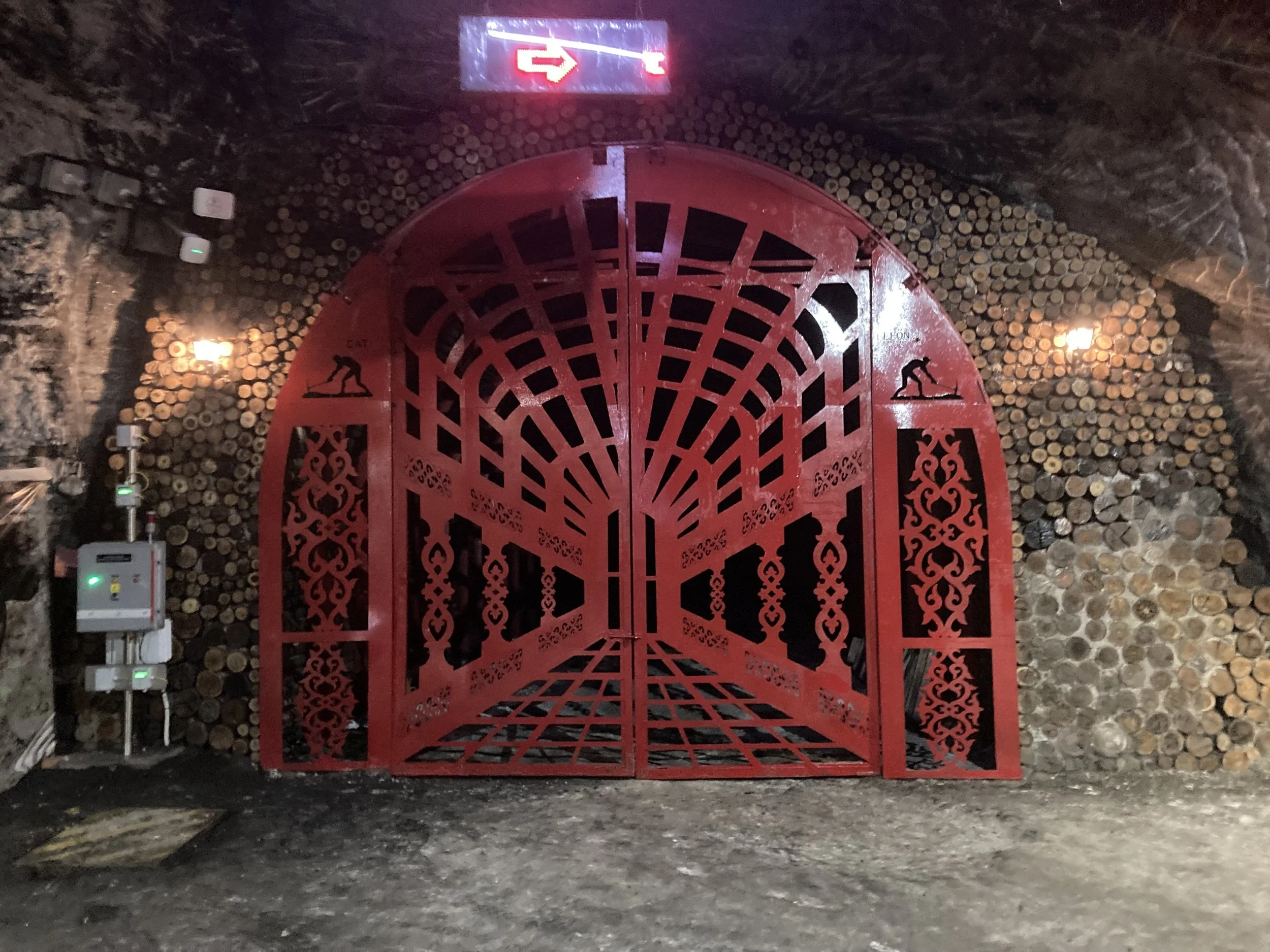
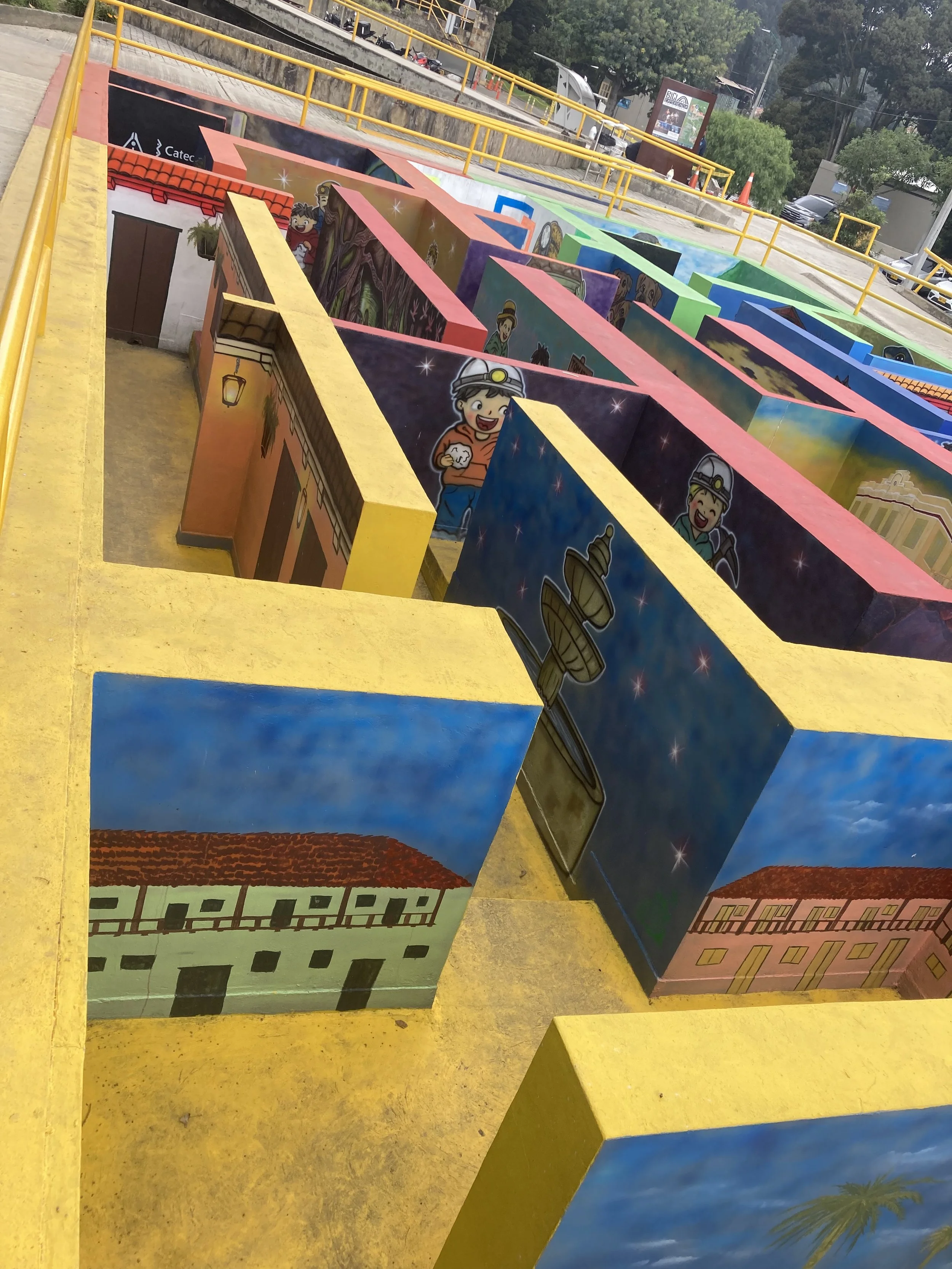
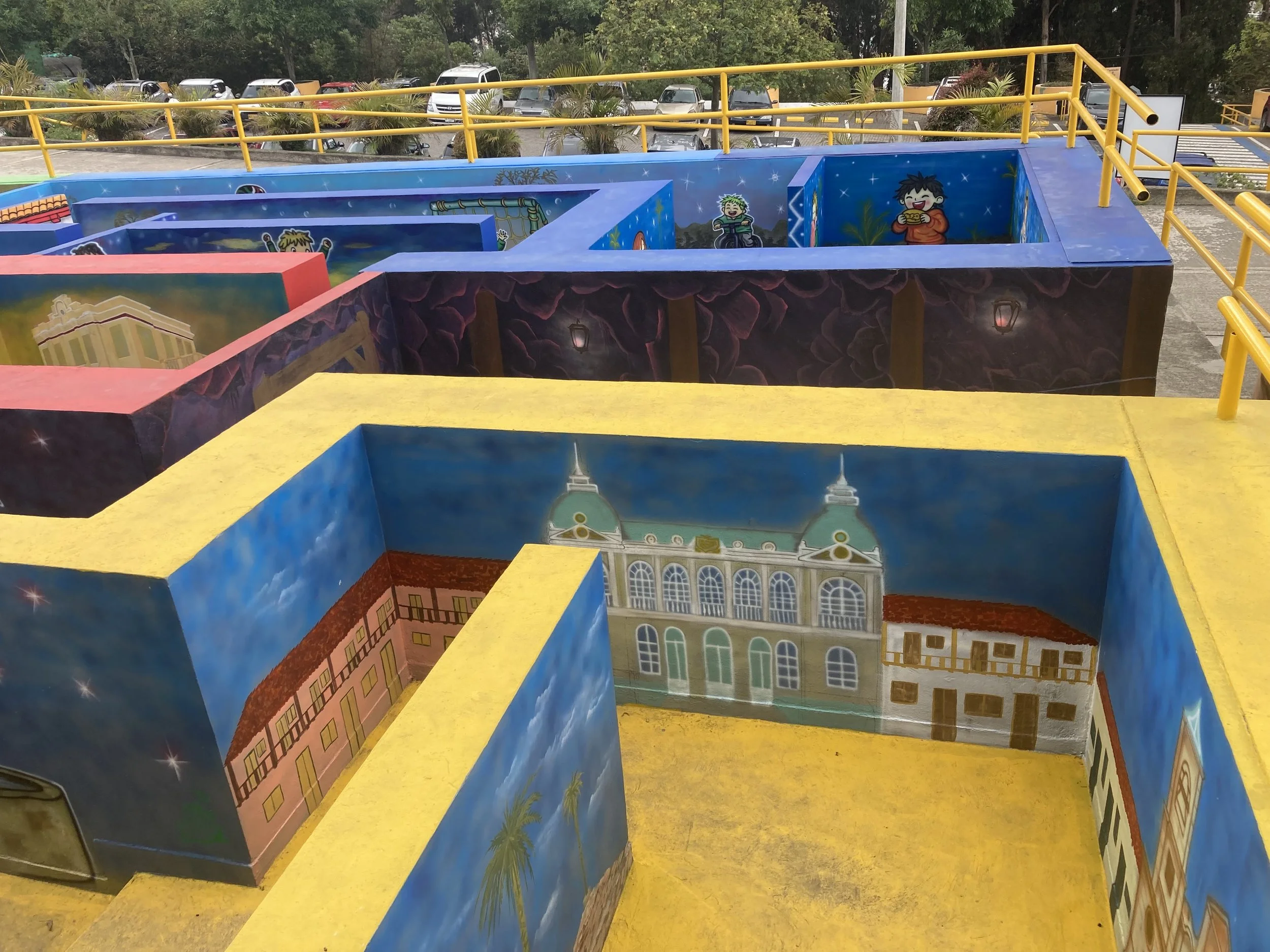
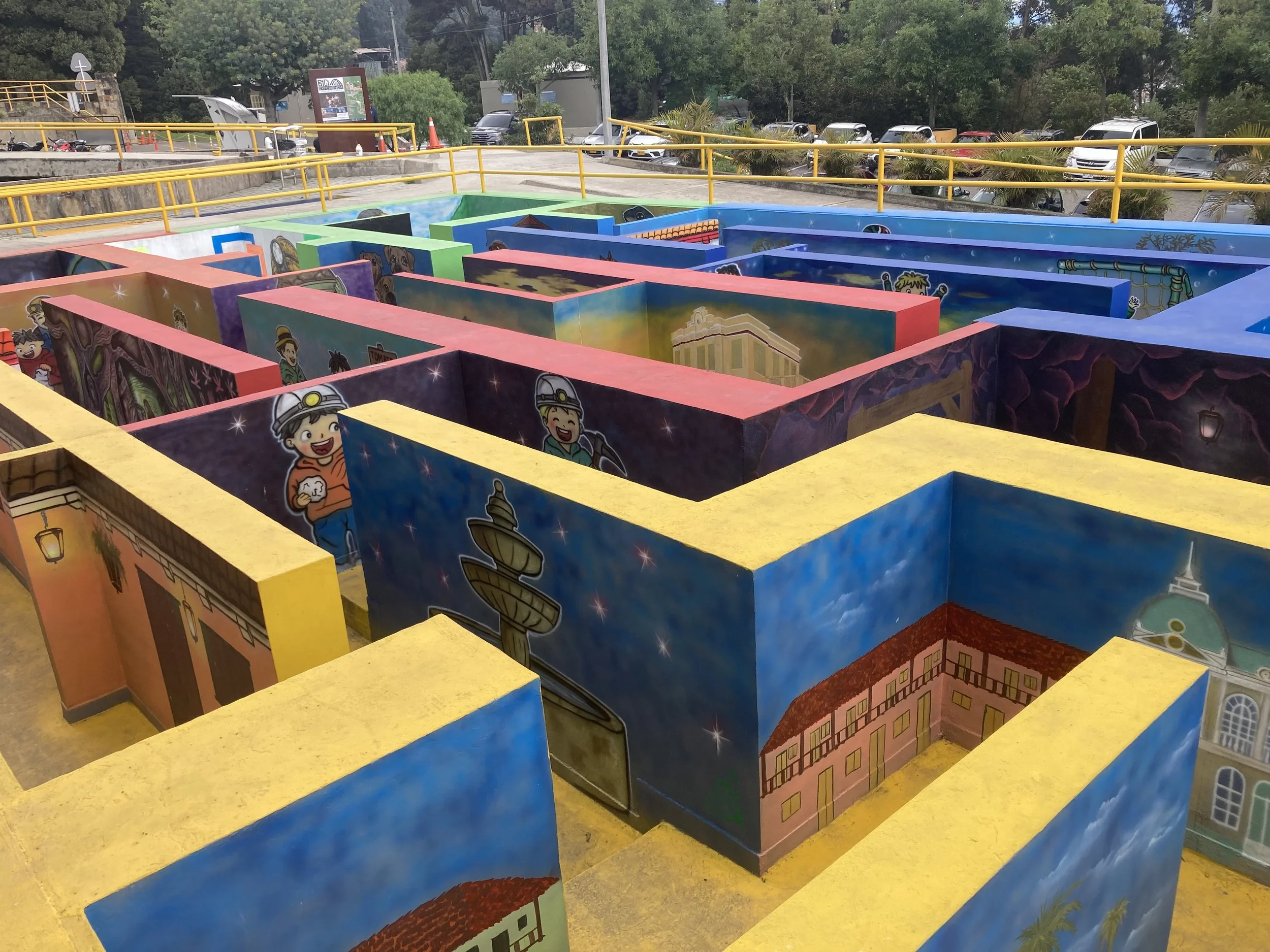
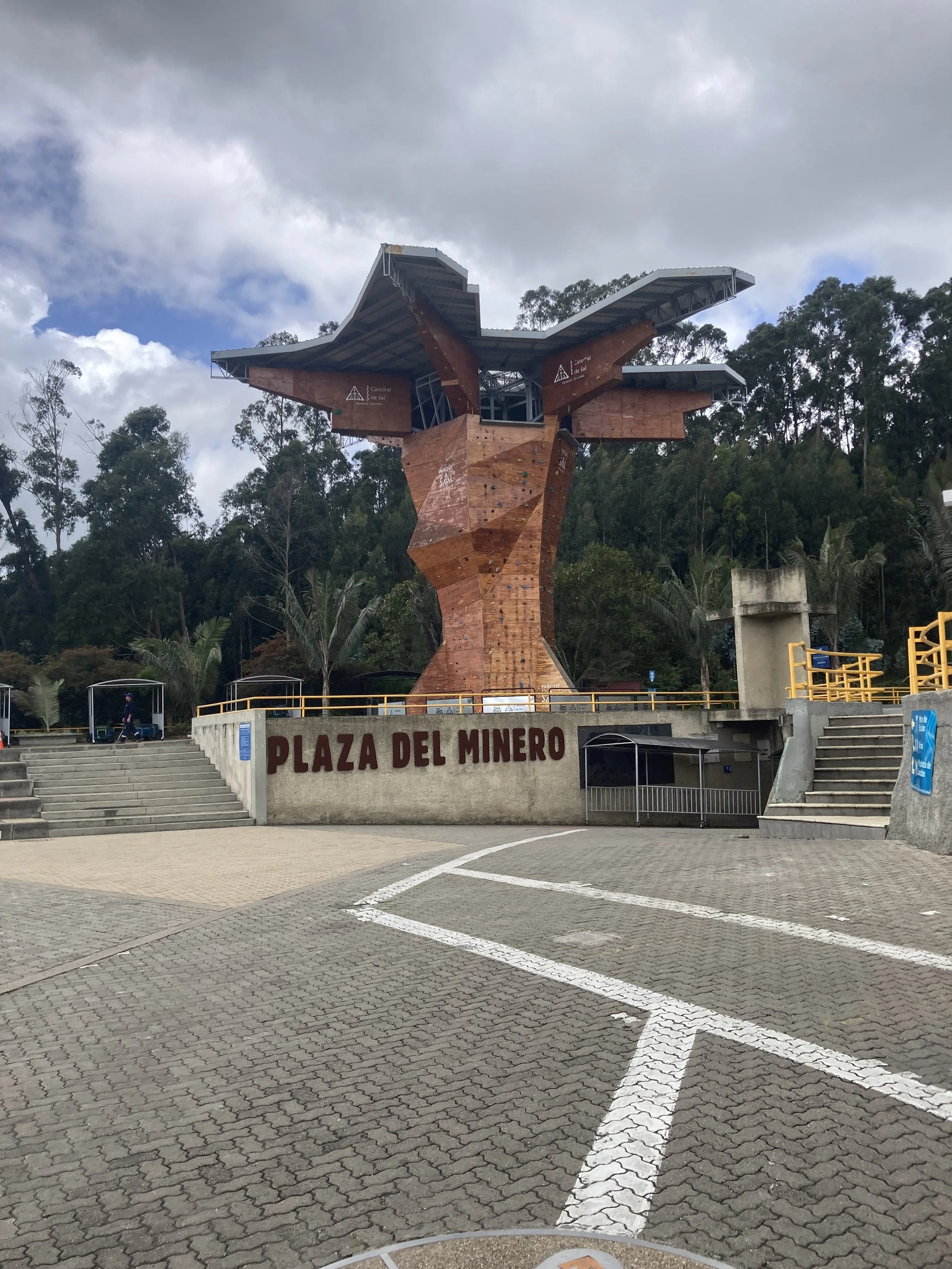
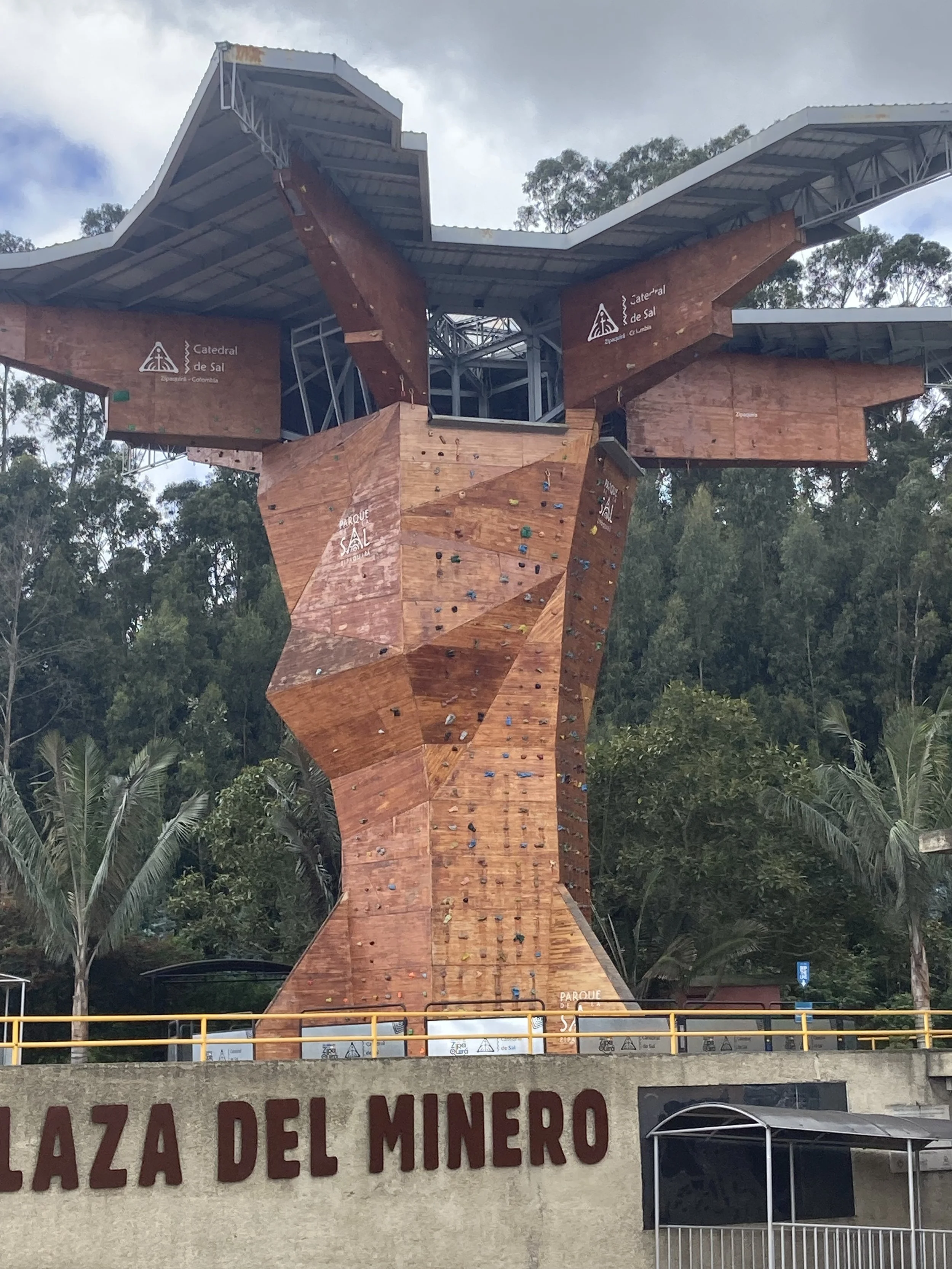
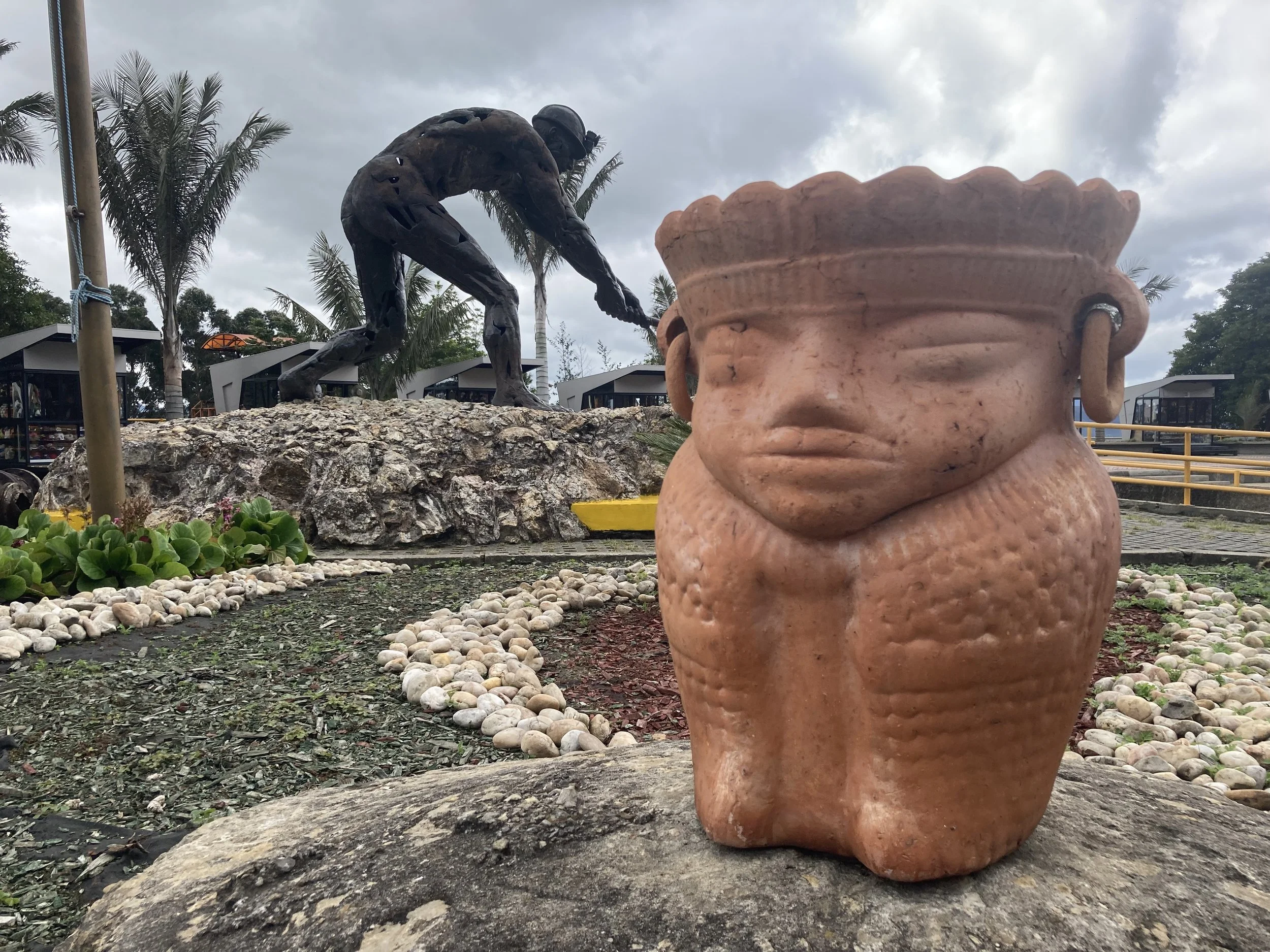
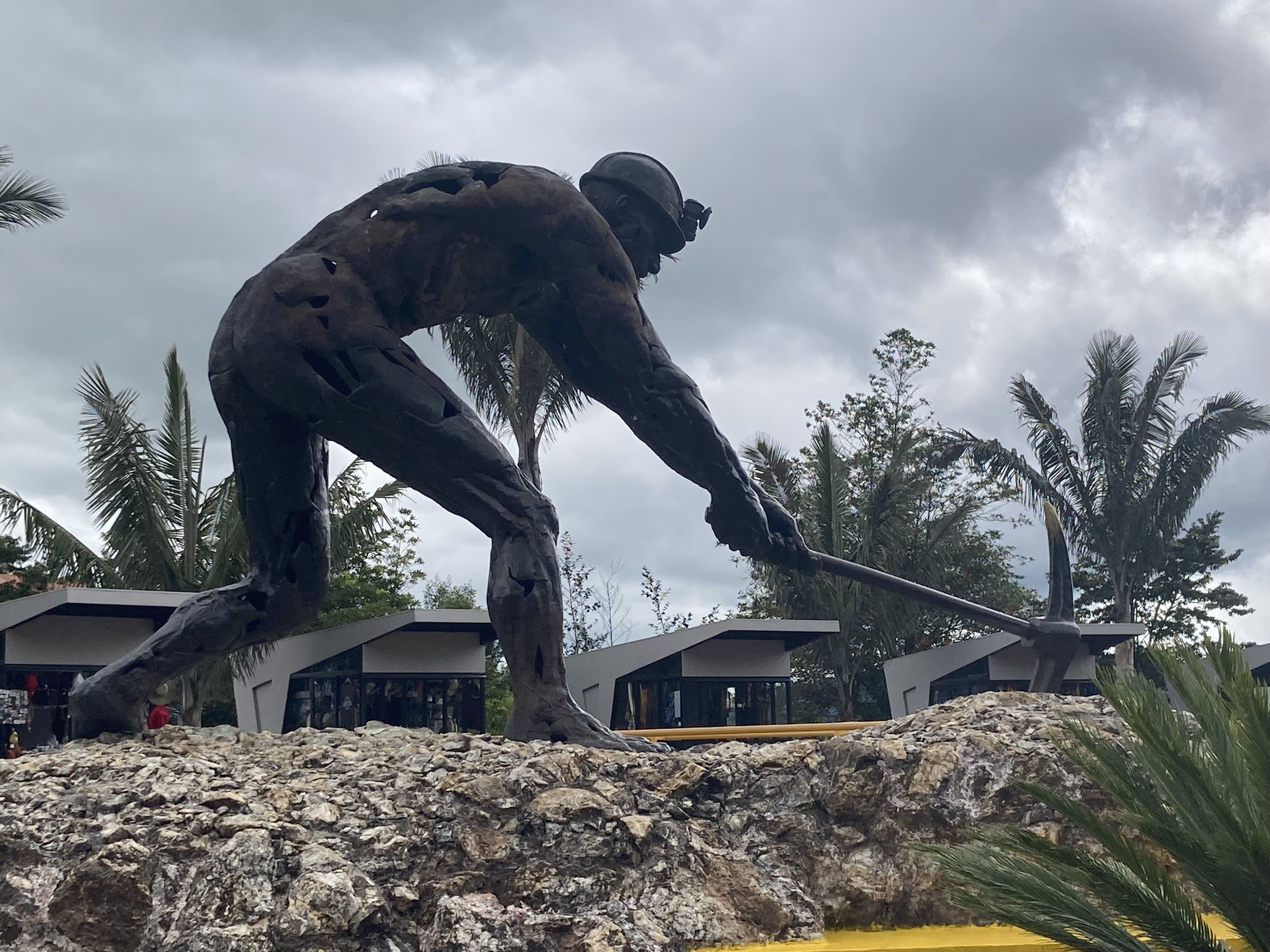
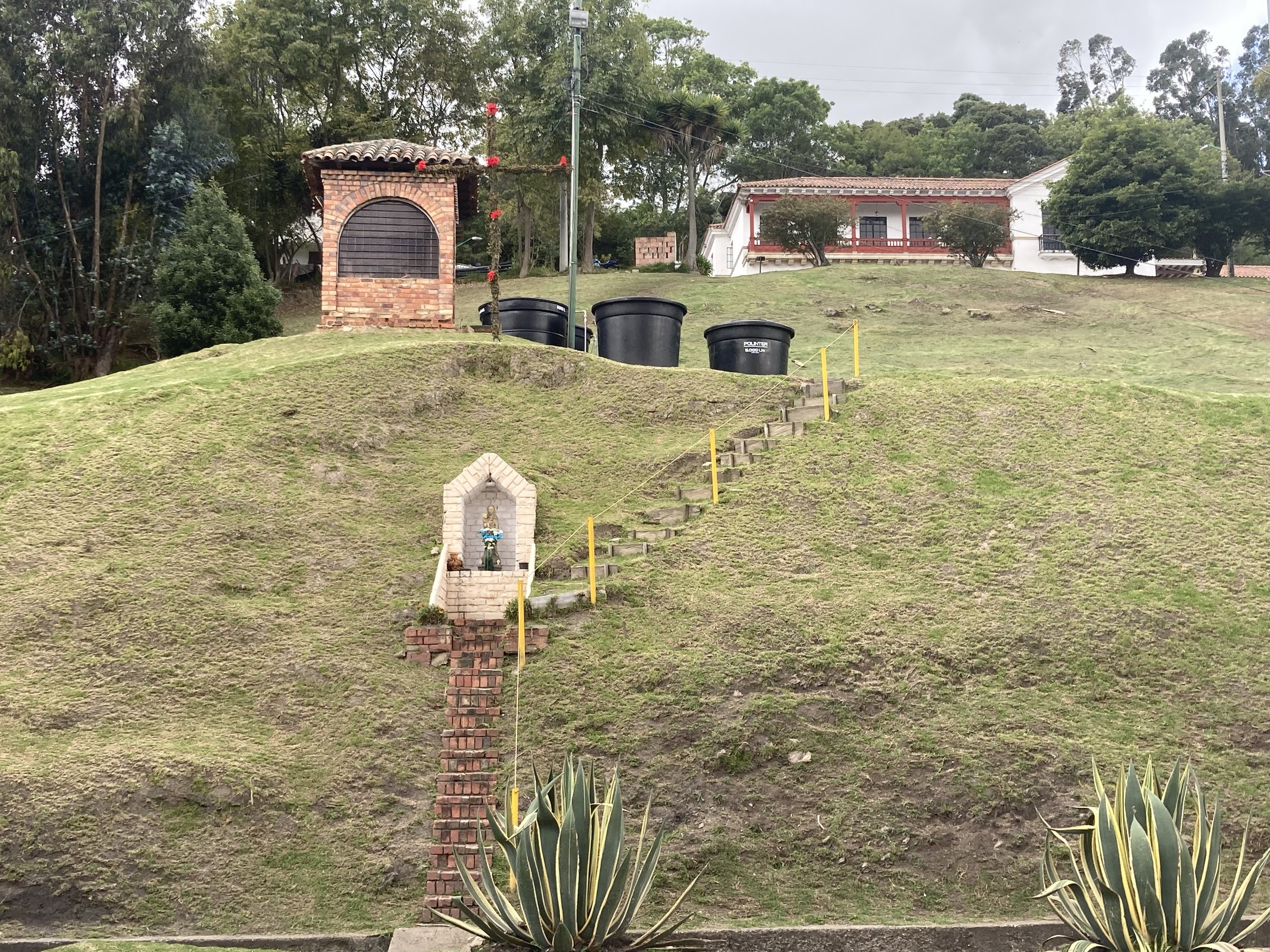
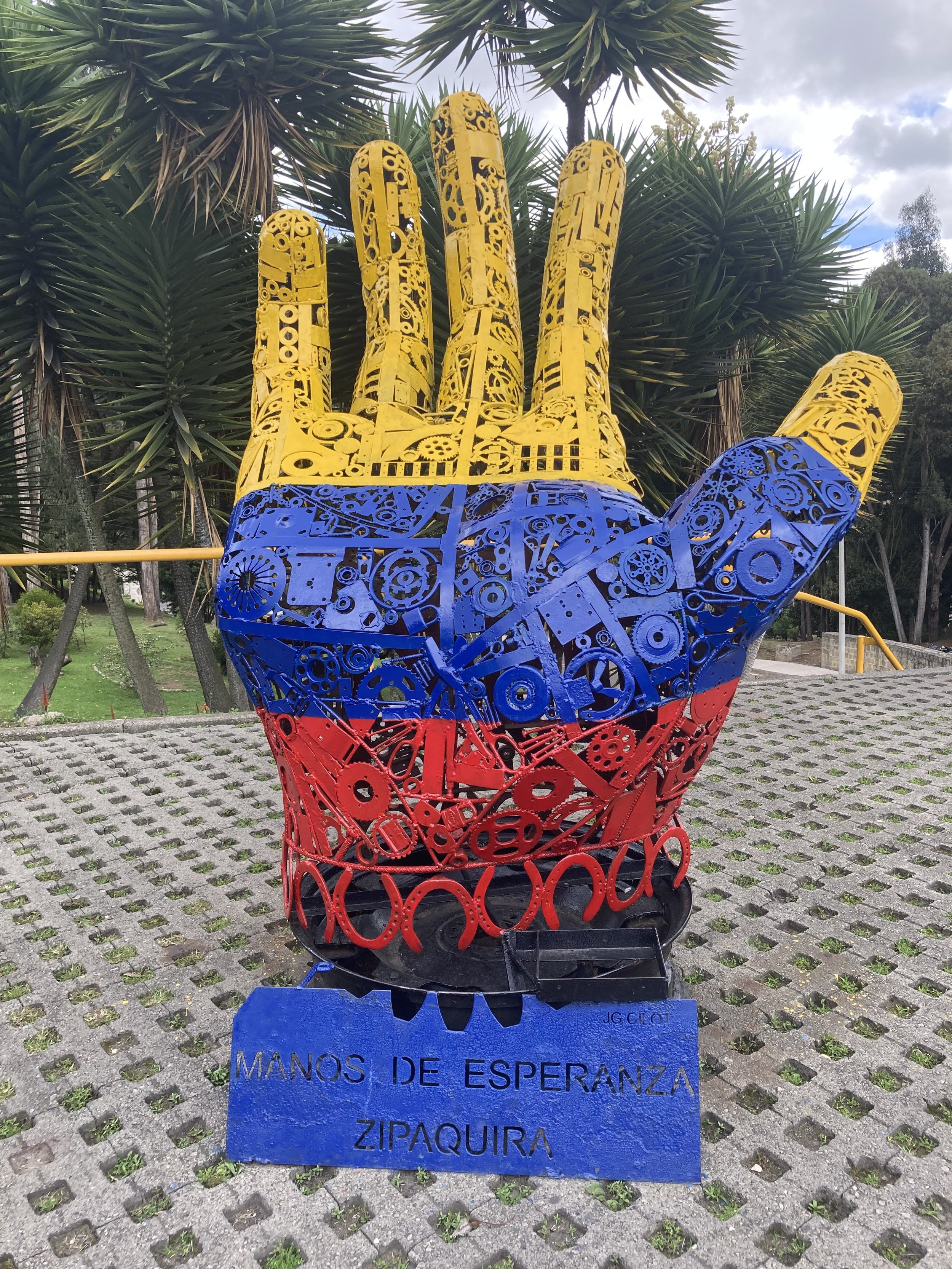
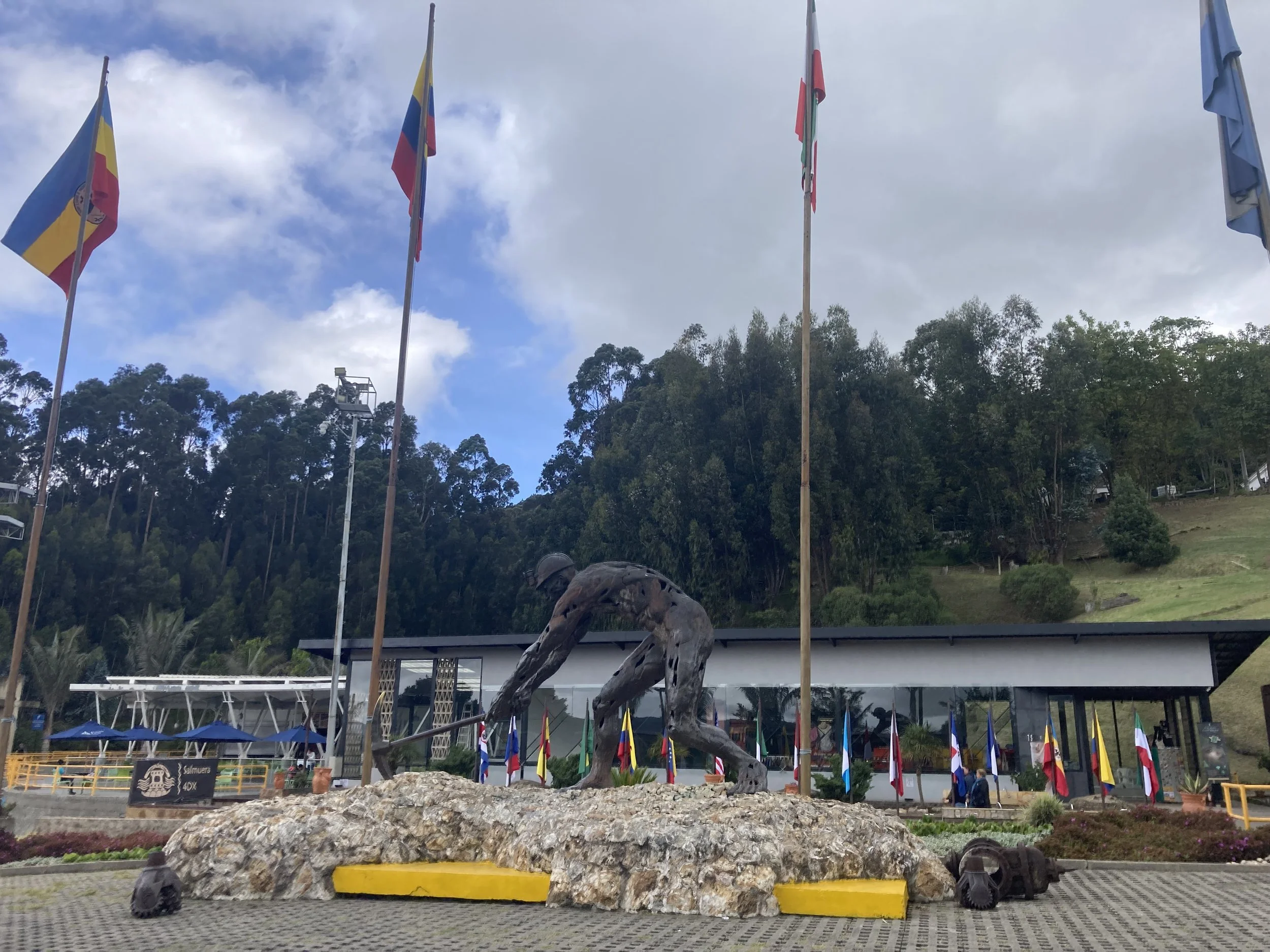
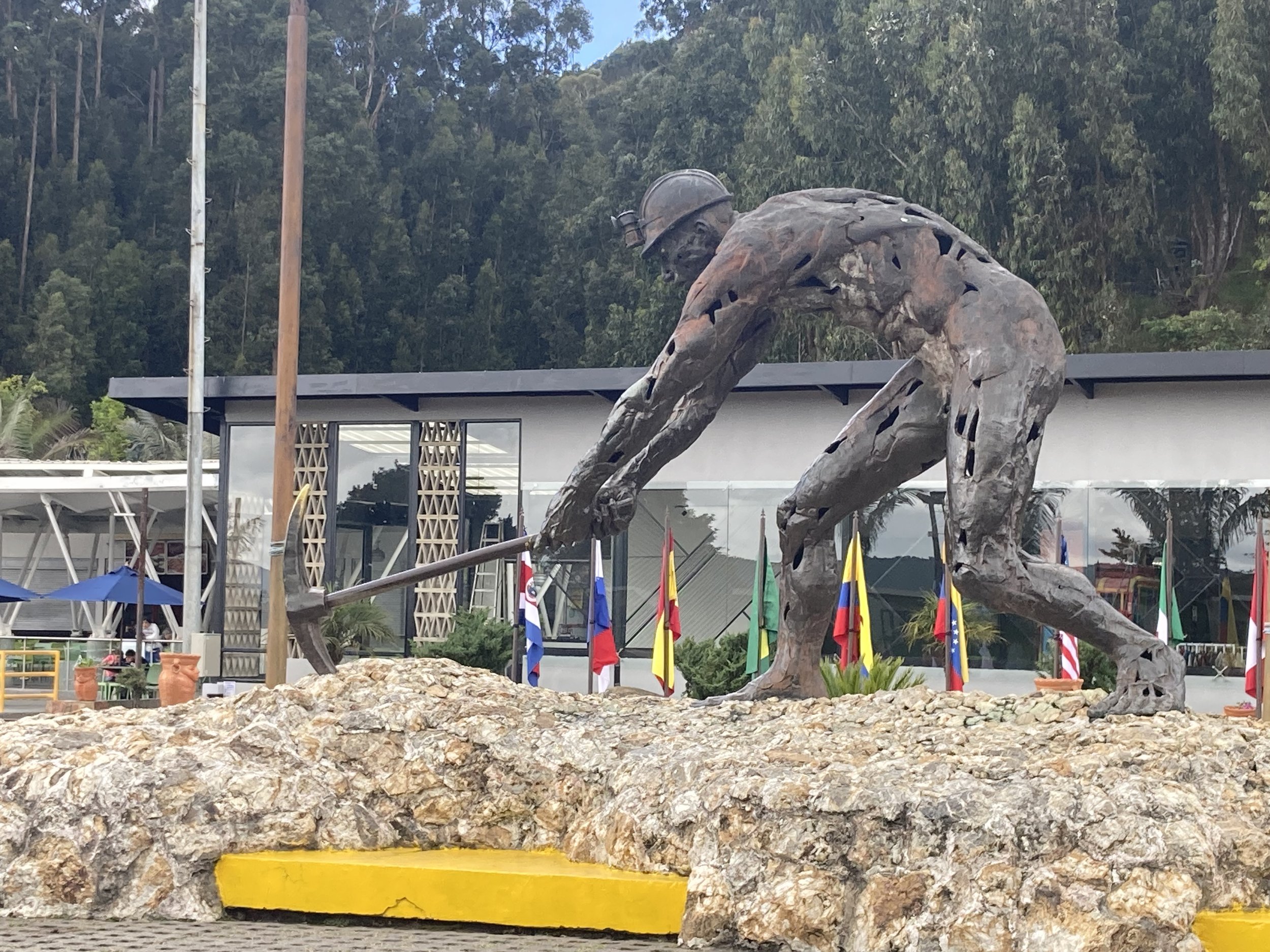
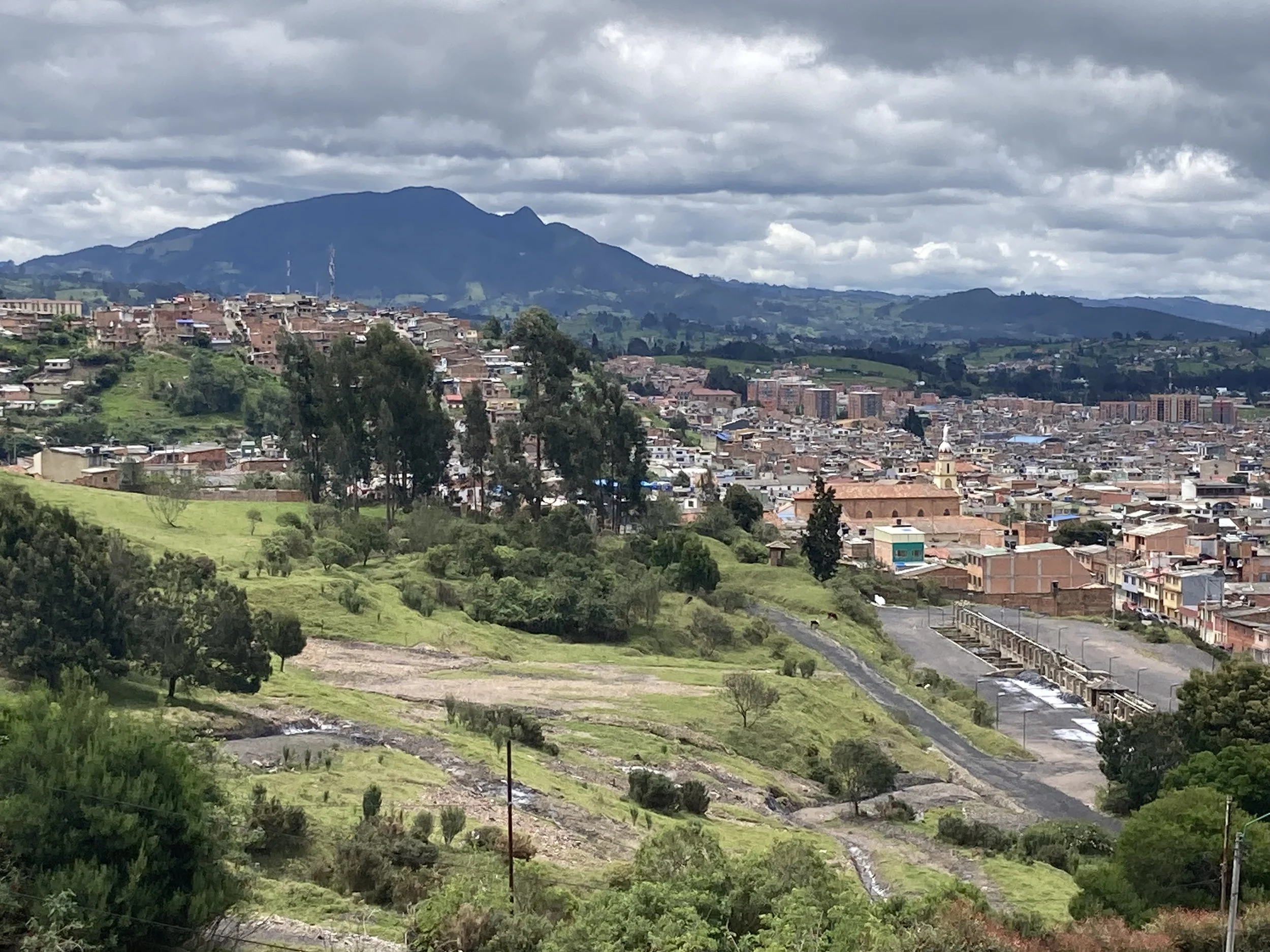
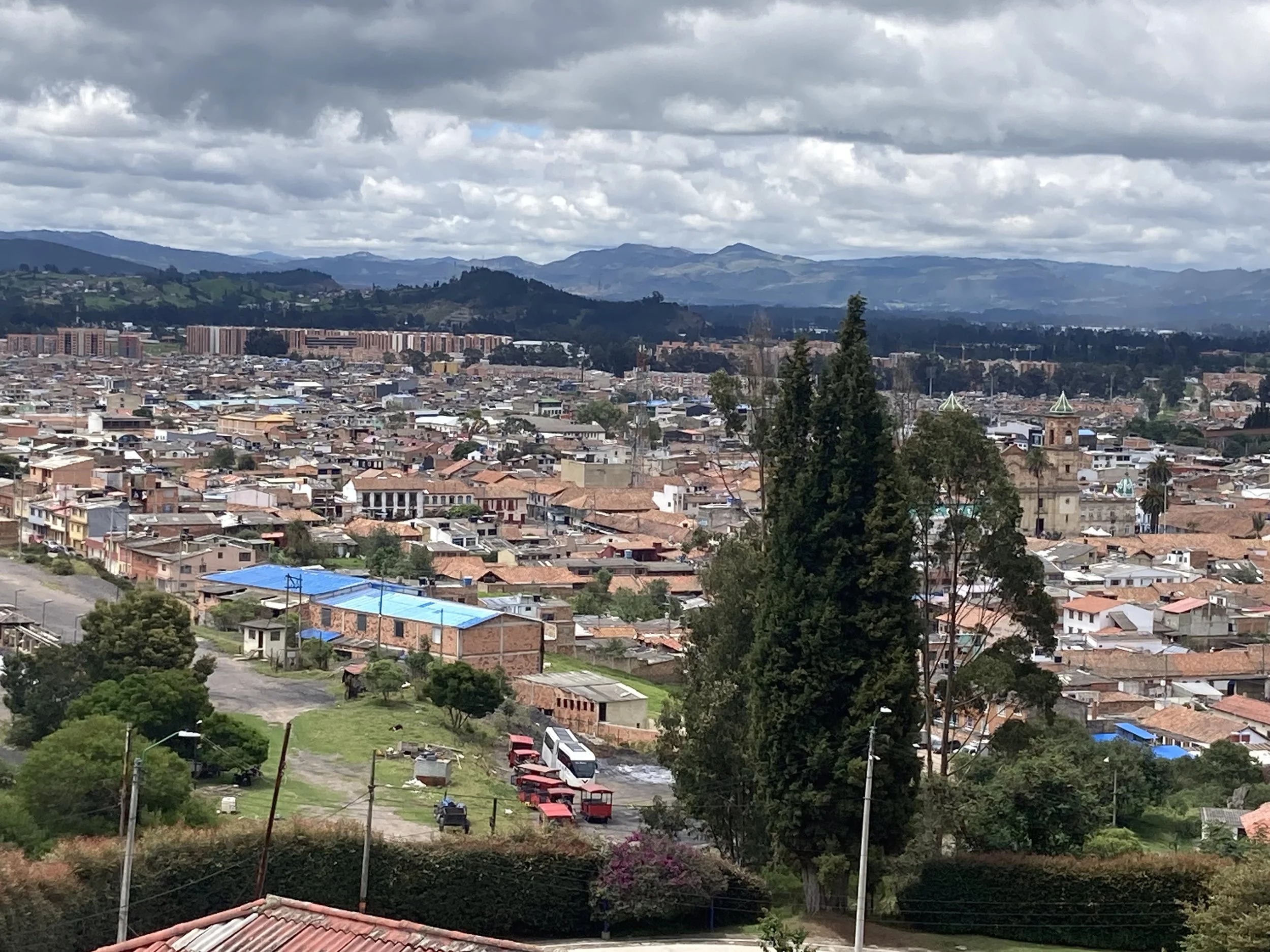
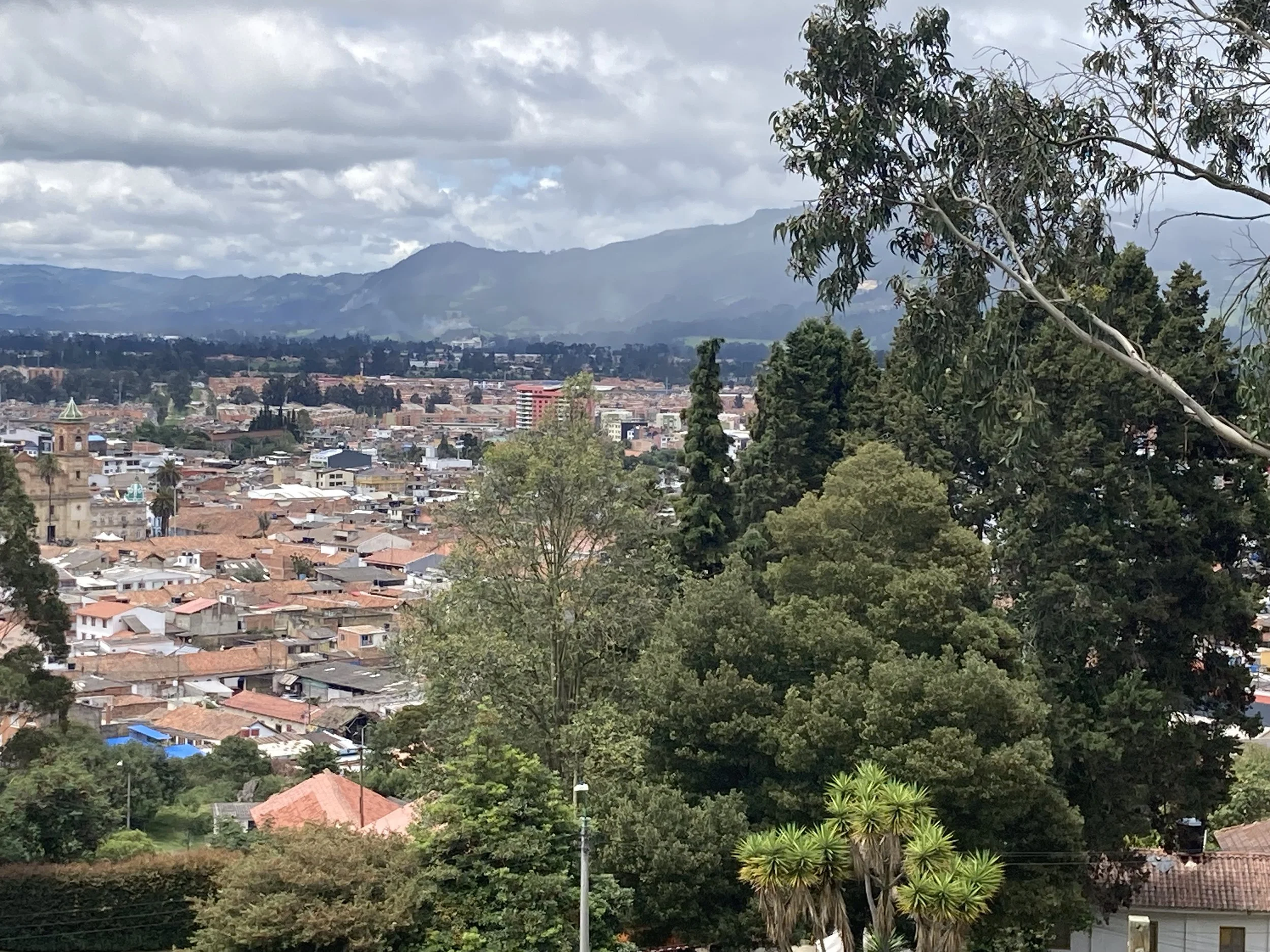
Wow. And if THAT weren’t enough, there’s a ton to do OUTSIDE the main entrance of the entire exhibit including a kids maze (which Will and Violet would have loved) and a giant 60-foot climbing wall structure. Not to mention all the rest of the artwork dotting this place. It’s almost overwhelming. And the views of the rest of the city below are equally stunning.
Andres Carne de Res Chia
Wait, there MORE?!?
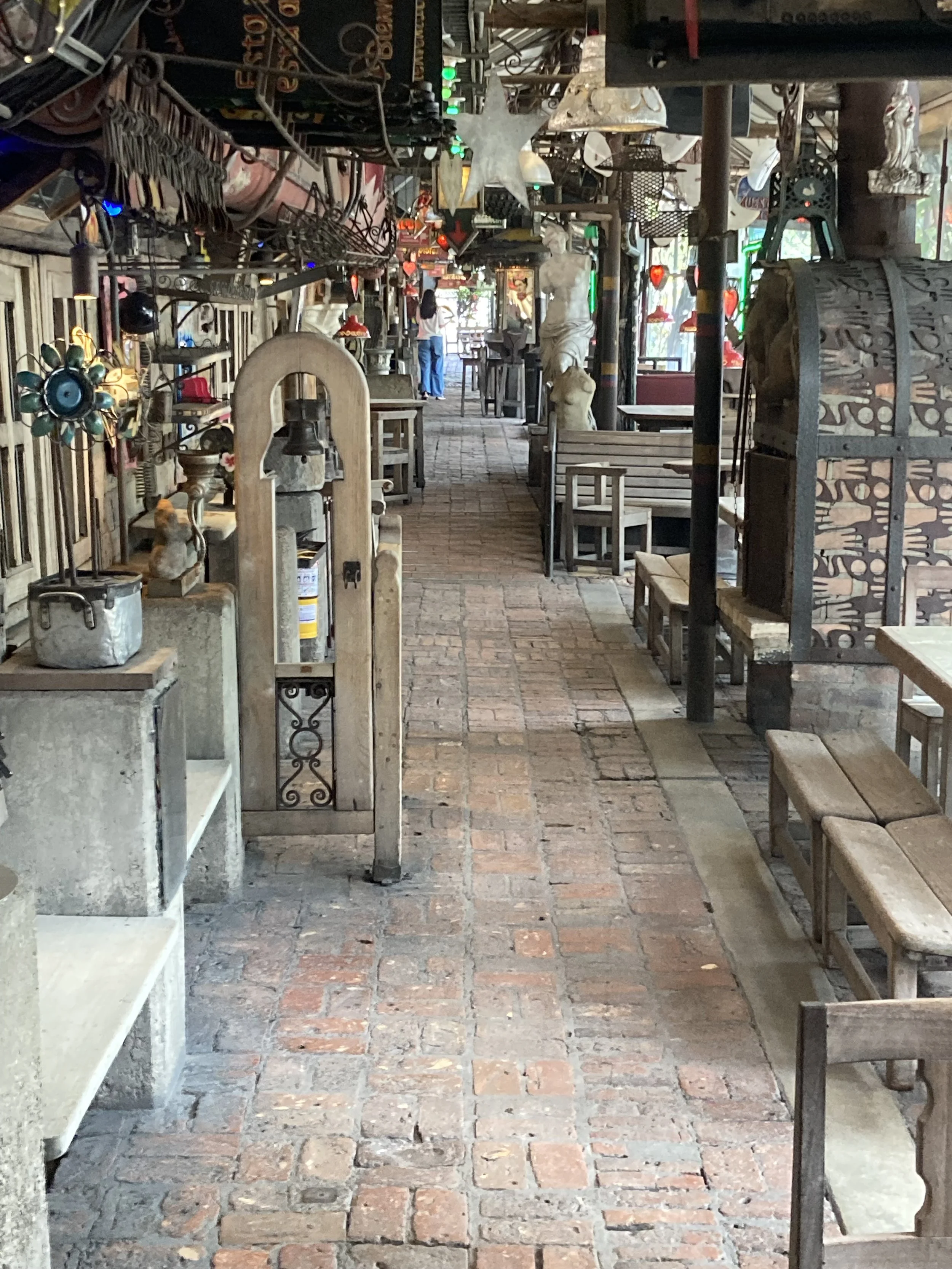
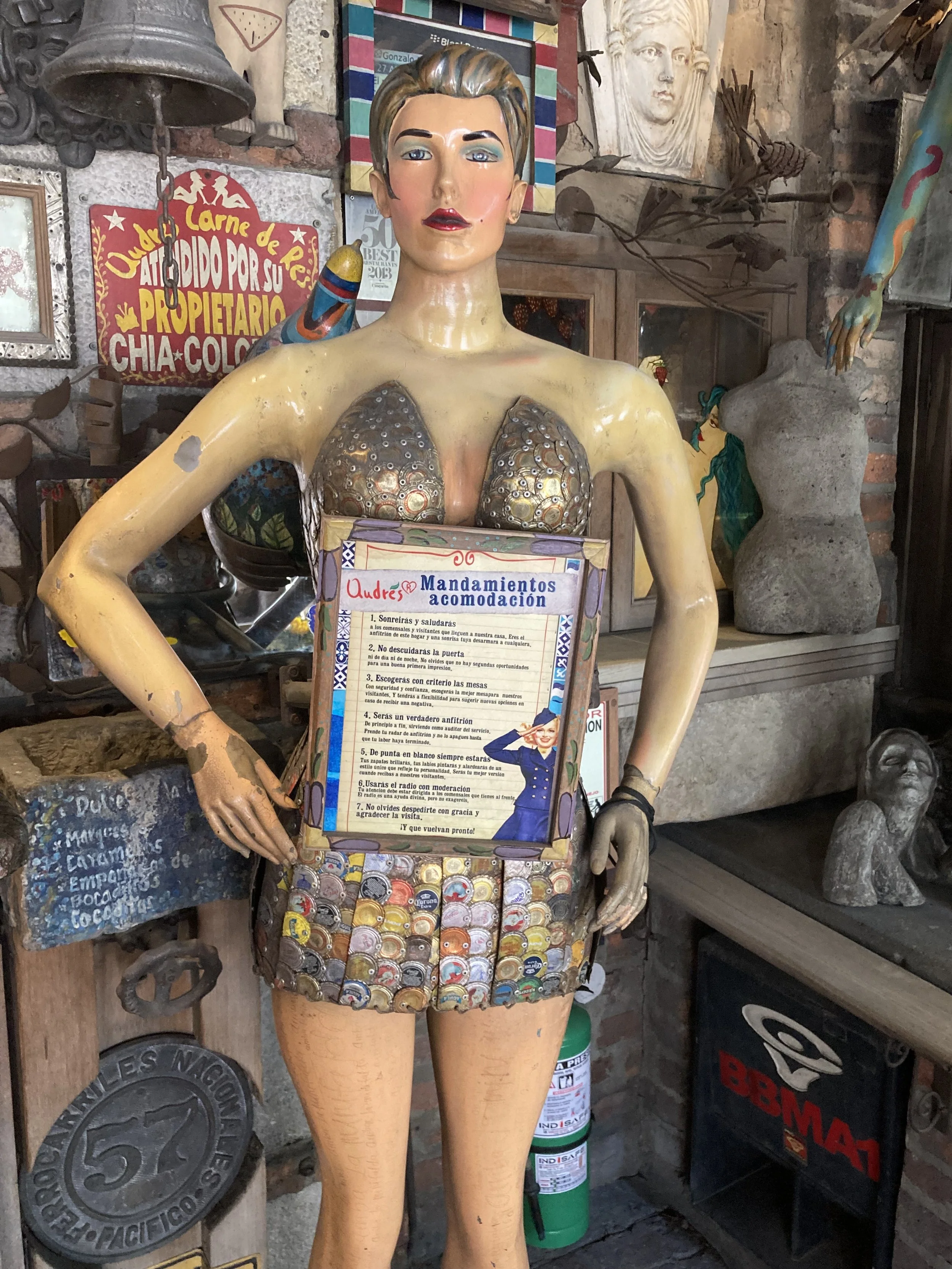
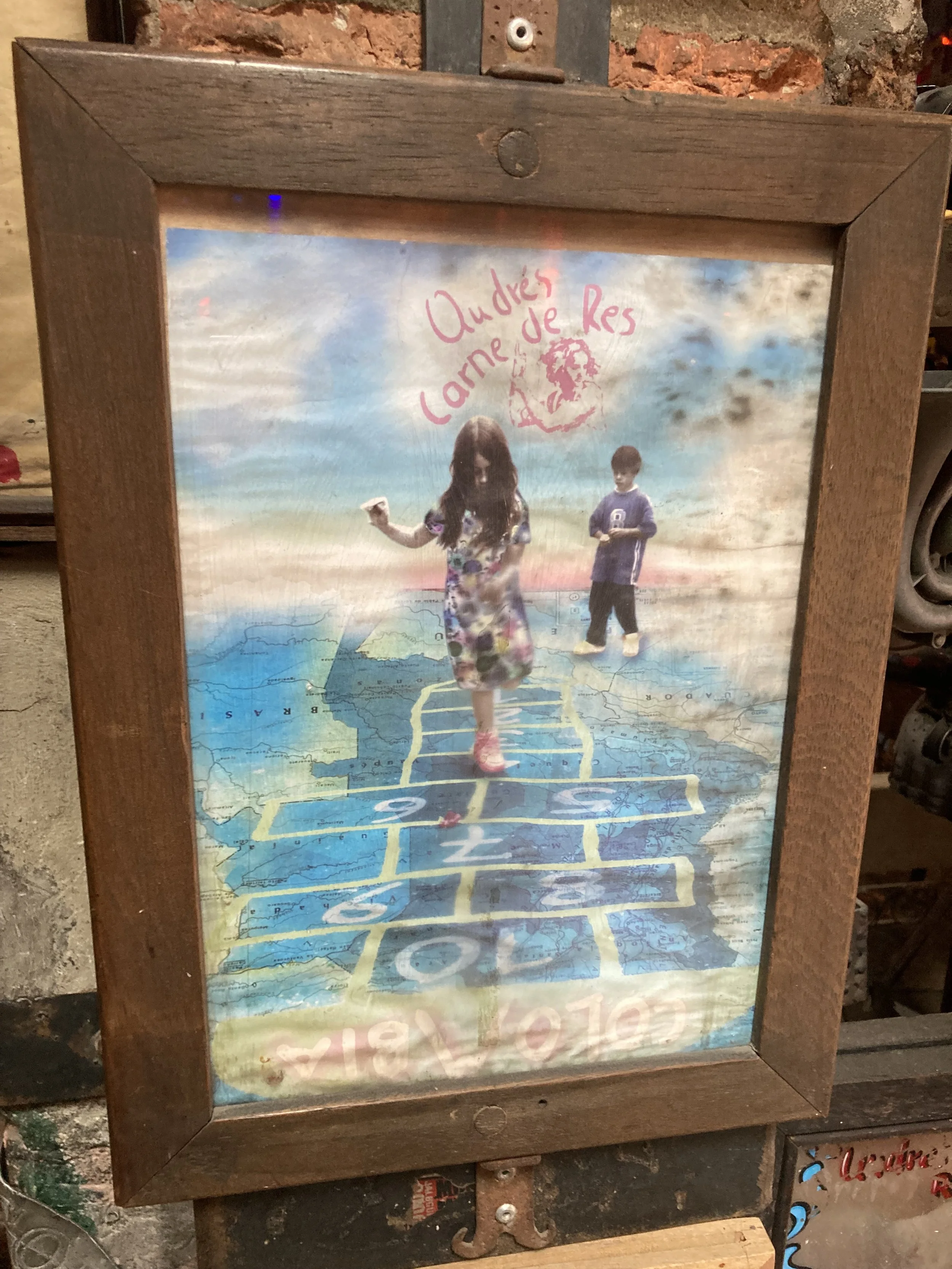
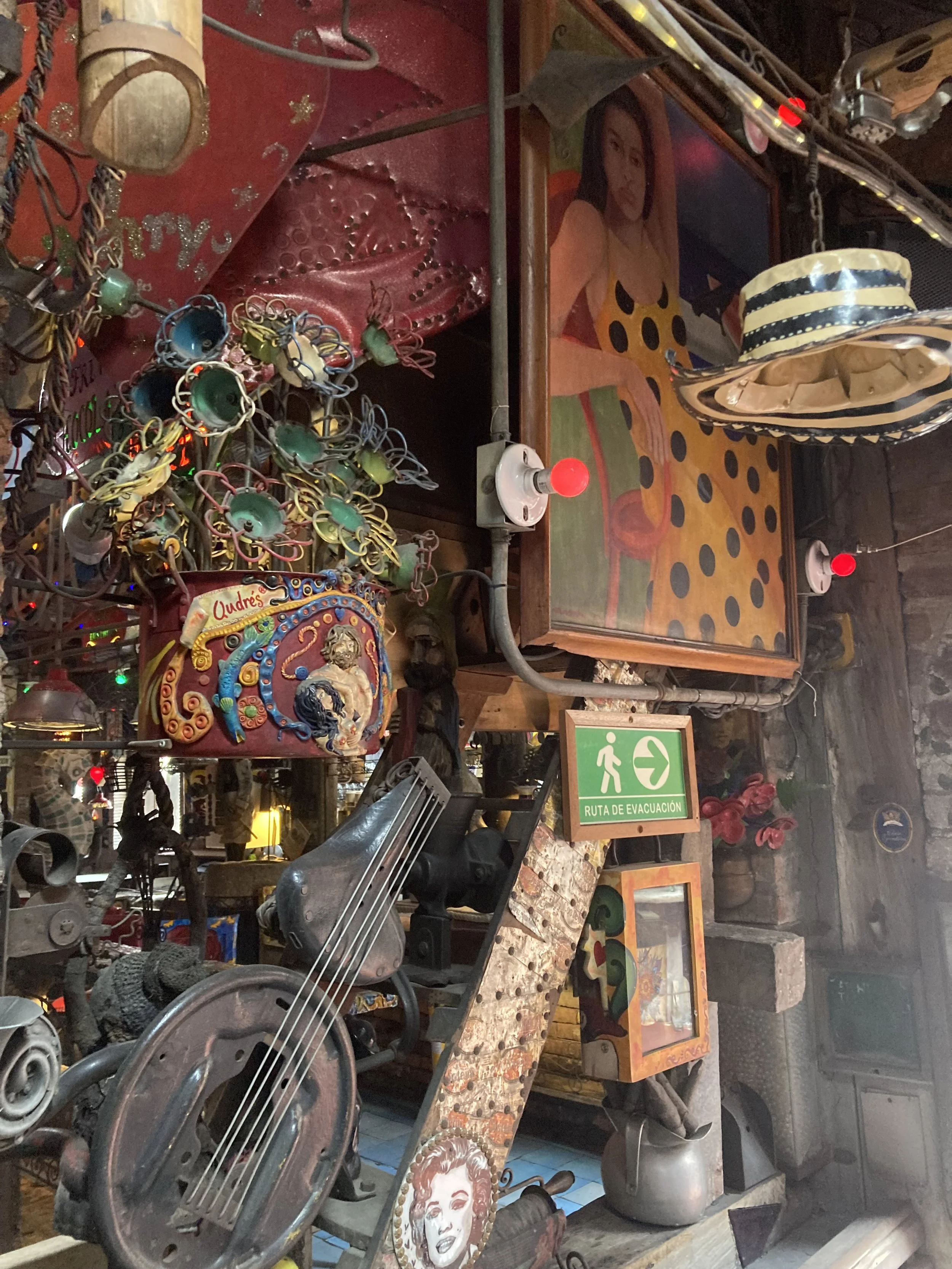
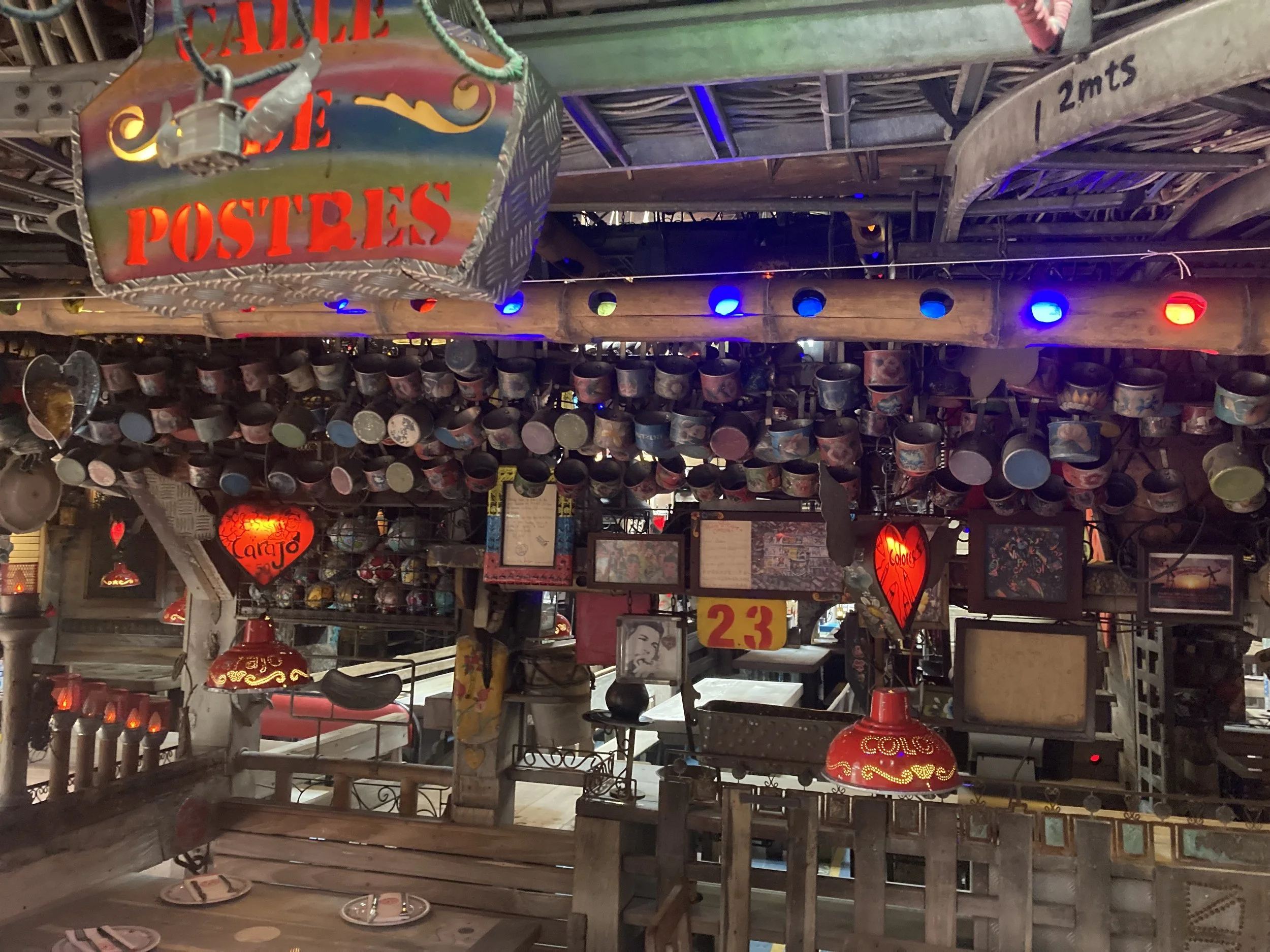
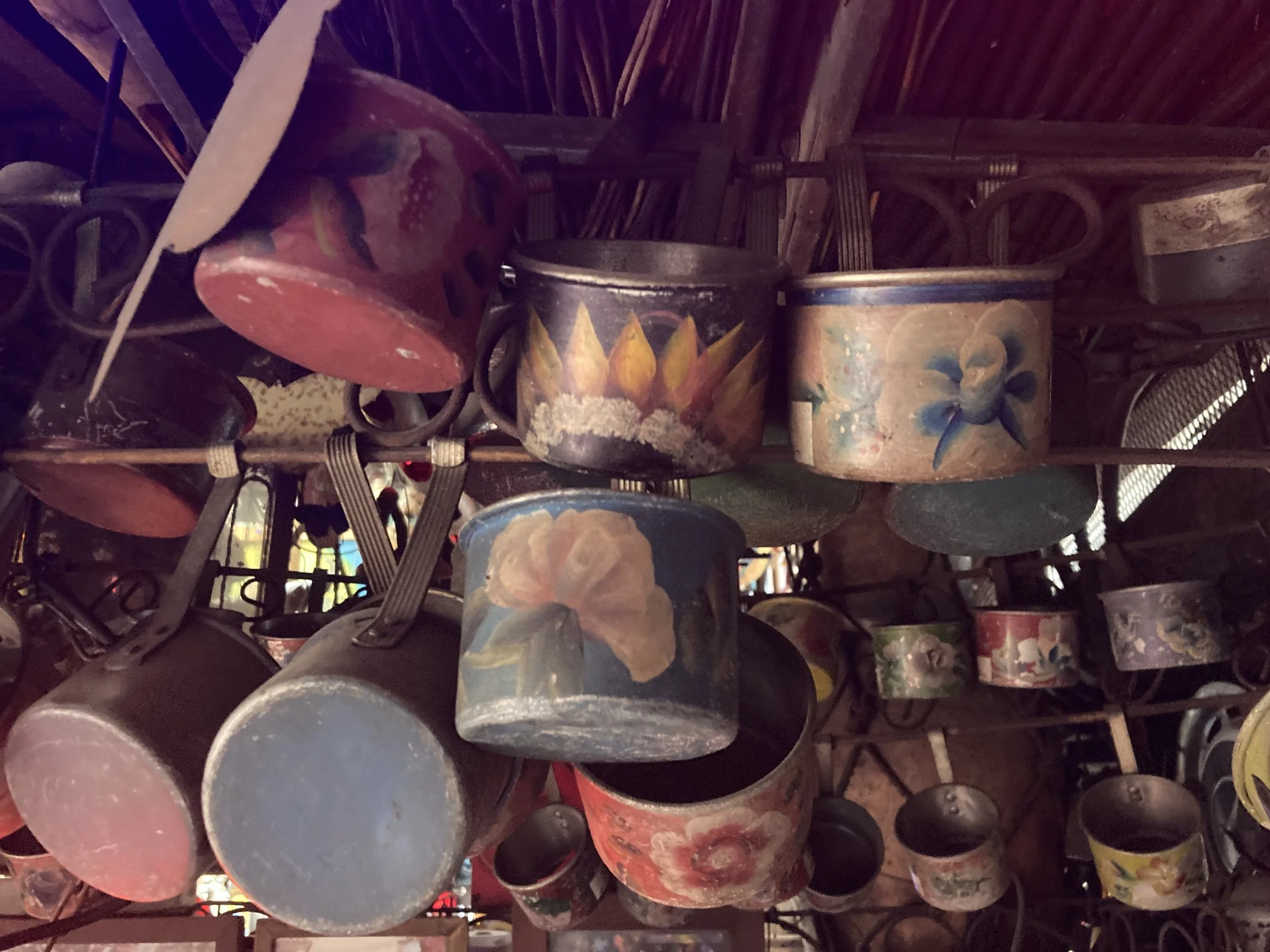
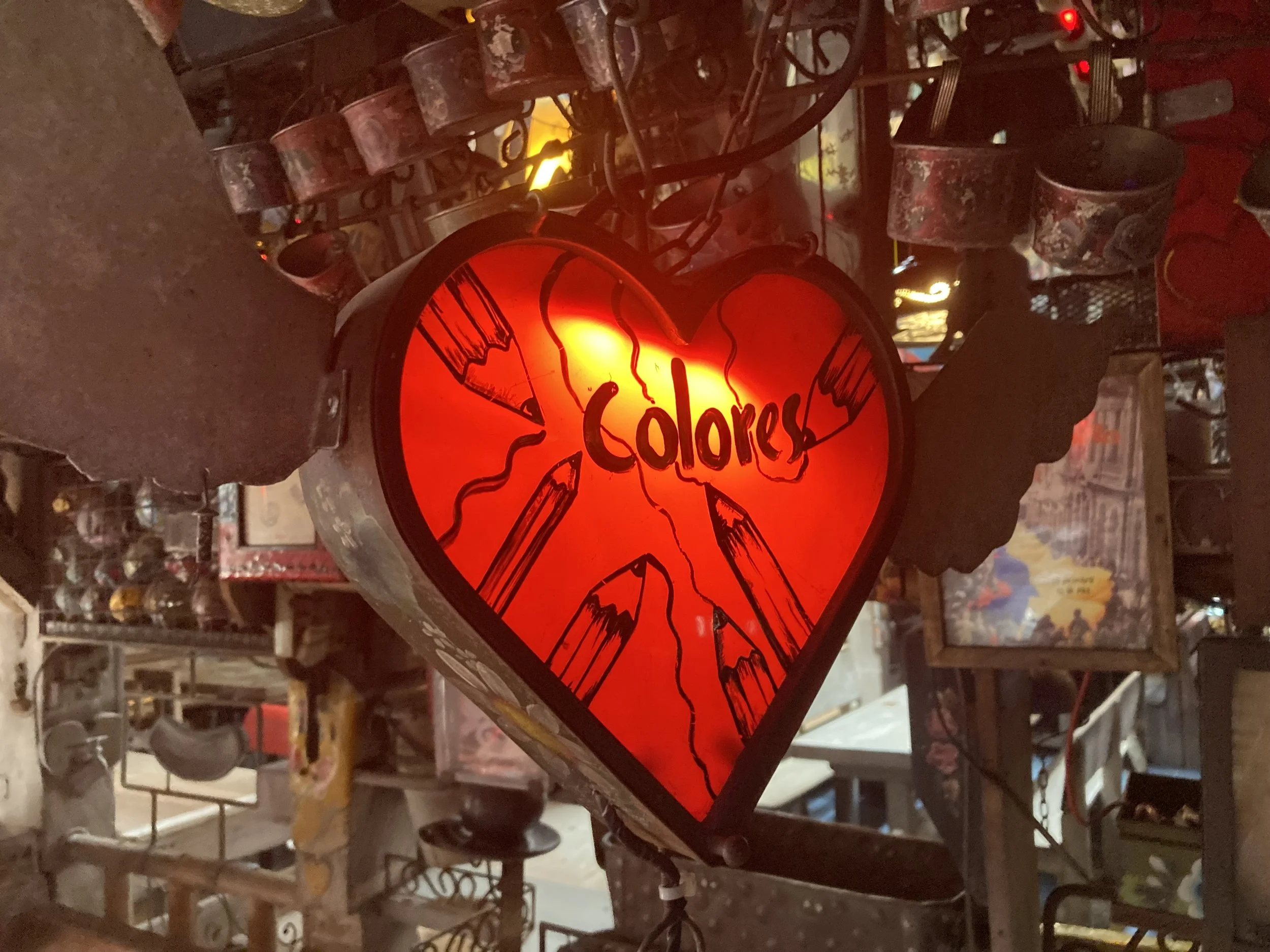
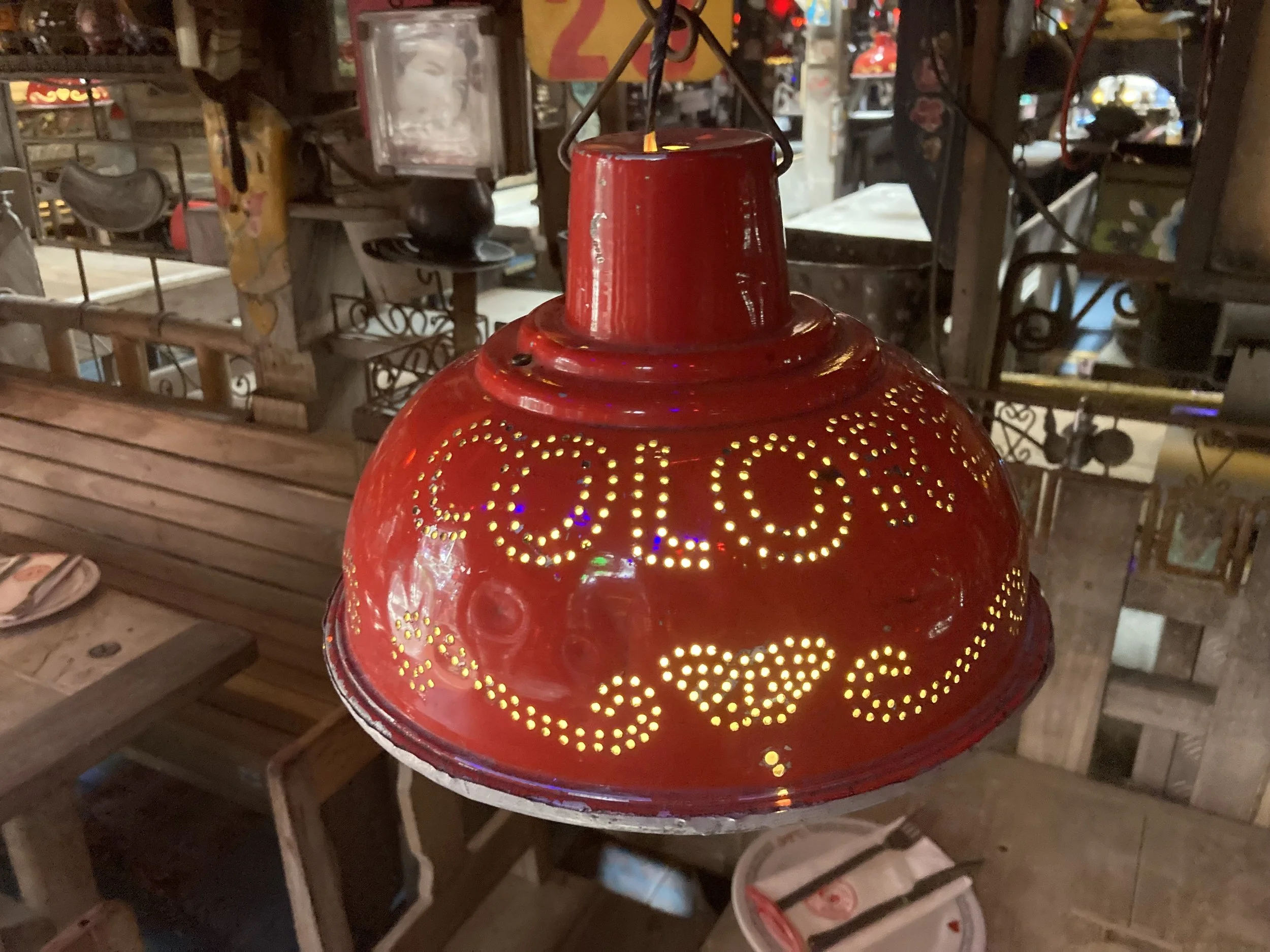
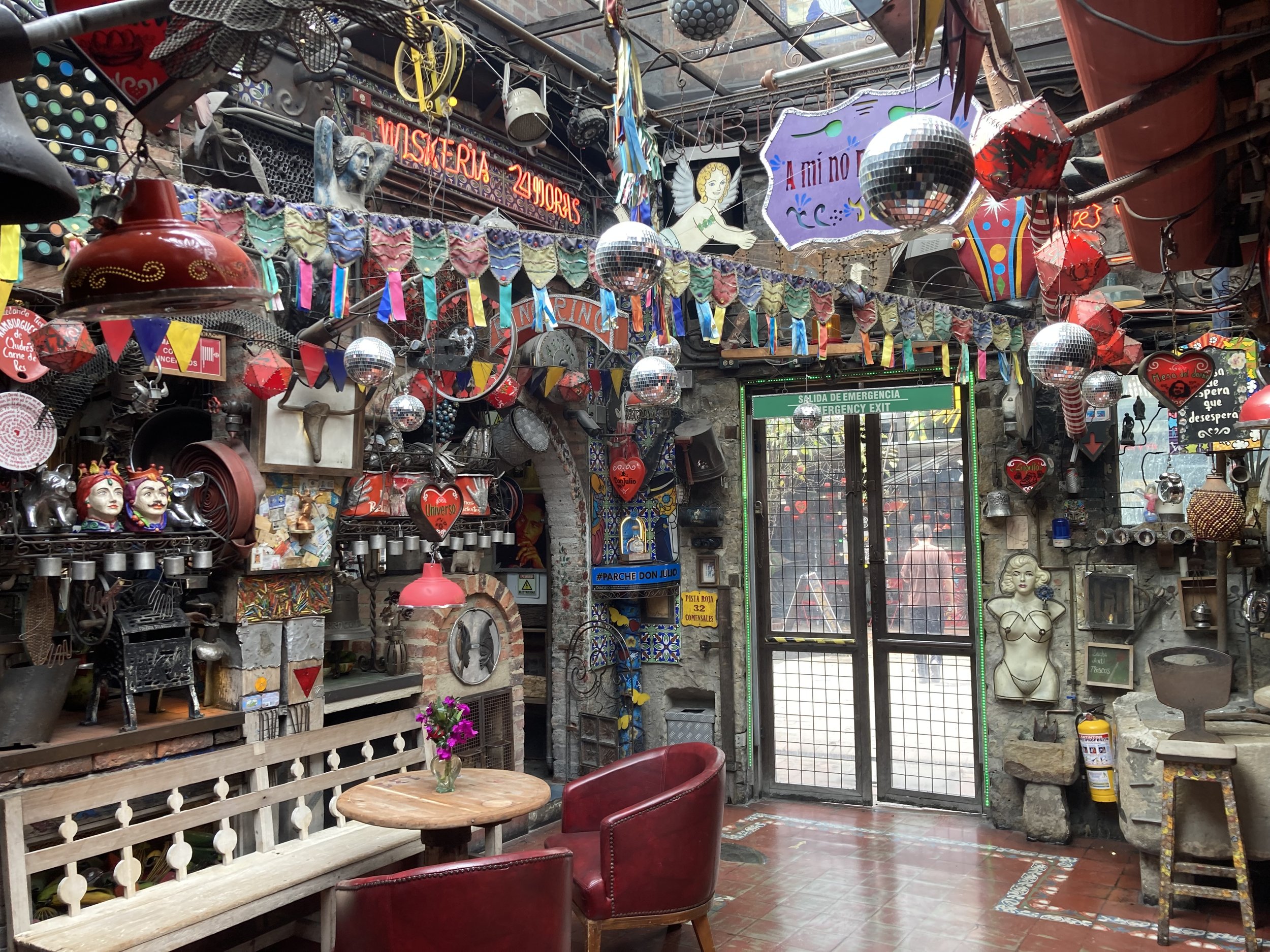
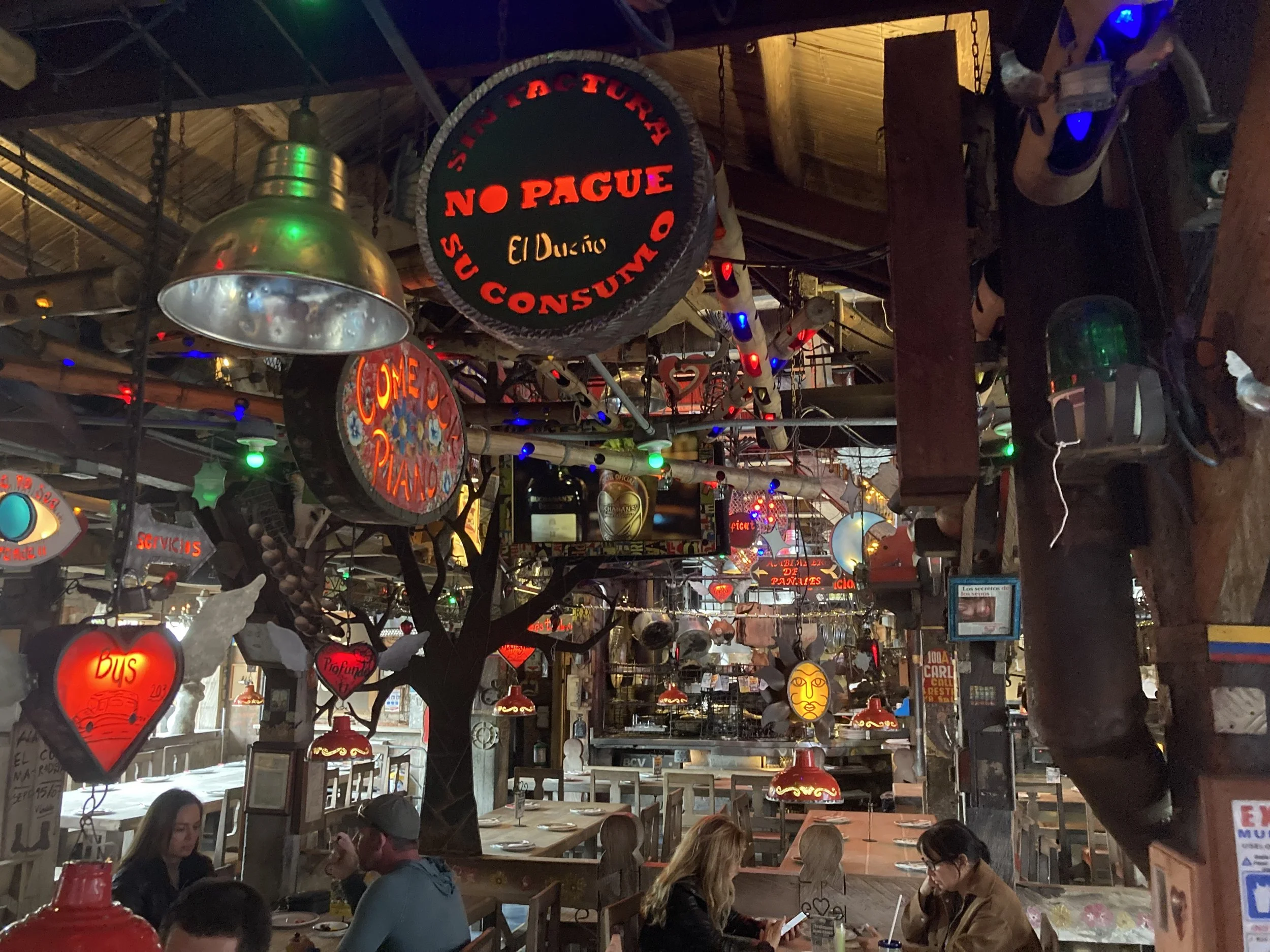
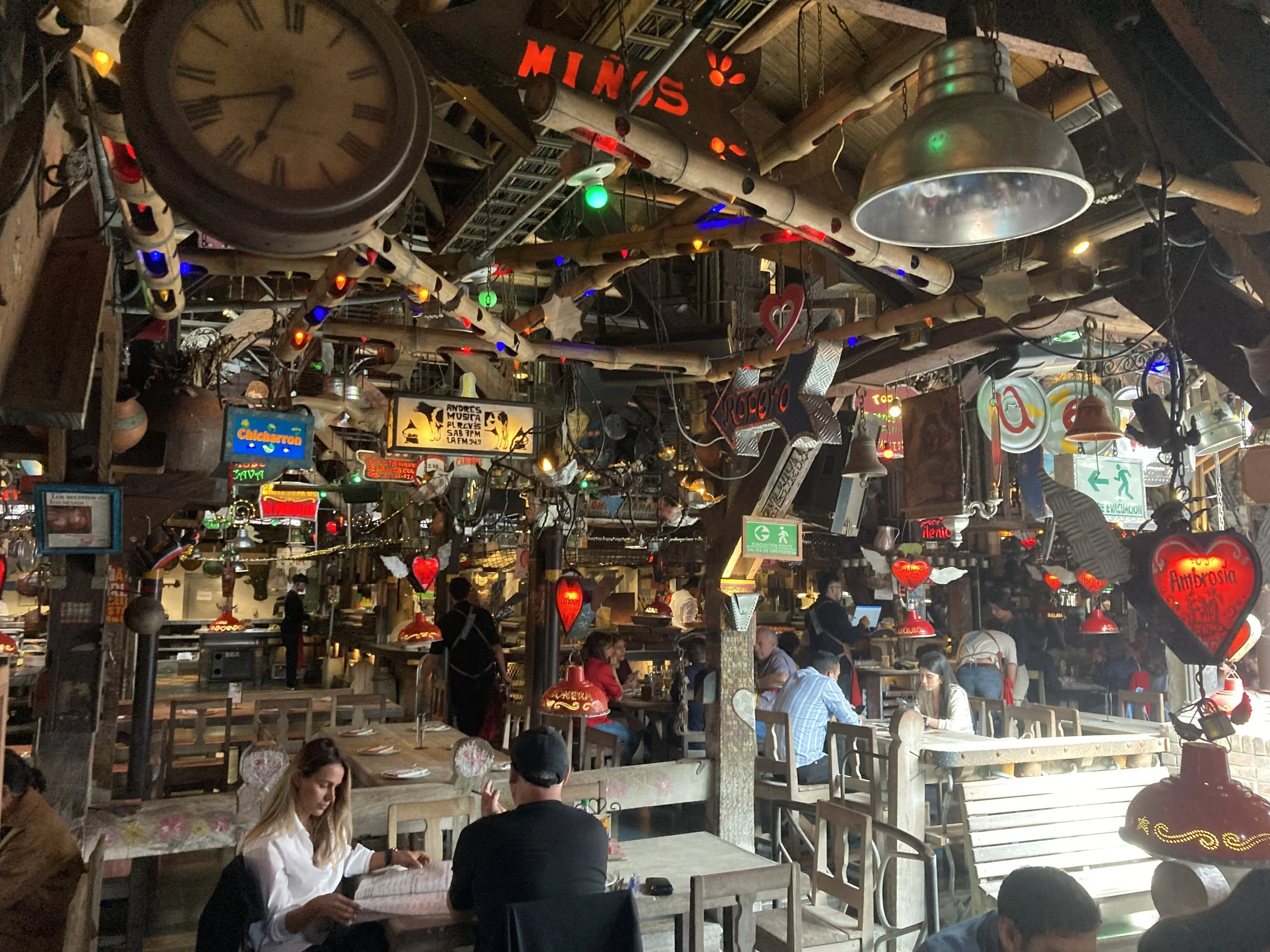
For today, the only restaurant that would rival The Salt Cathedral is the famous Andres Carne de Res Chia – the legendary original that started it all. This is how an art hoarder turned his obsession into a fortune. Imagine a hippie in the 70s who collected all sorts of nick knacks. We’re talking multiple tractor trailer loads. Now imagine said hippie turned out to be one hell of a chef and a really decent artist too. When the trifecta of all three … talents(?) come together, what you have is the now famous Andres Carne de Res Chia.
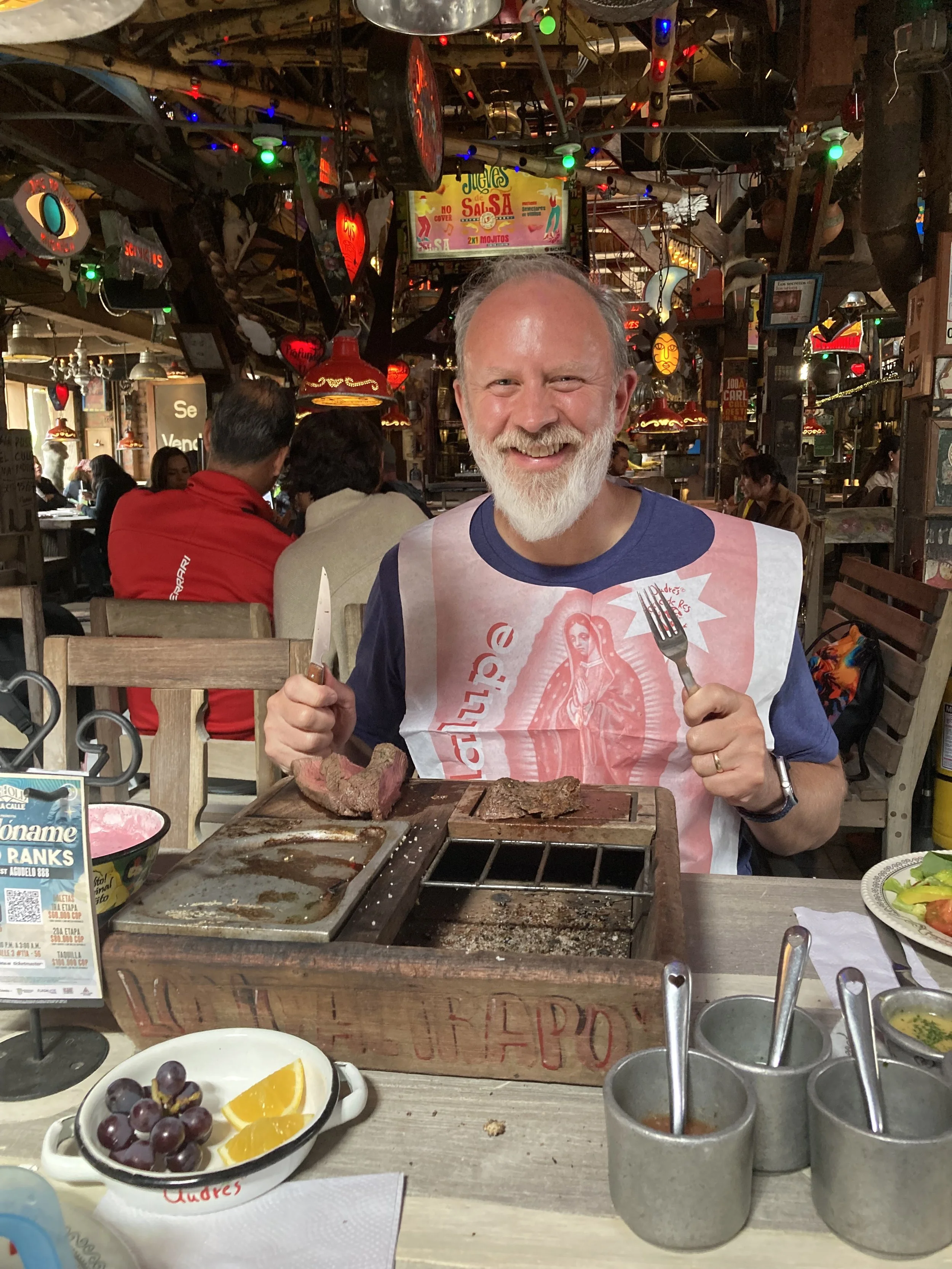
I’m ready for my salt steak at Andres Carne de Res Chia
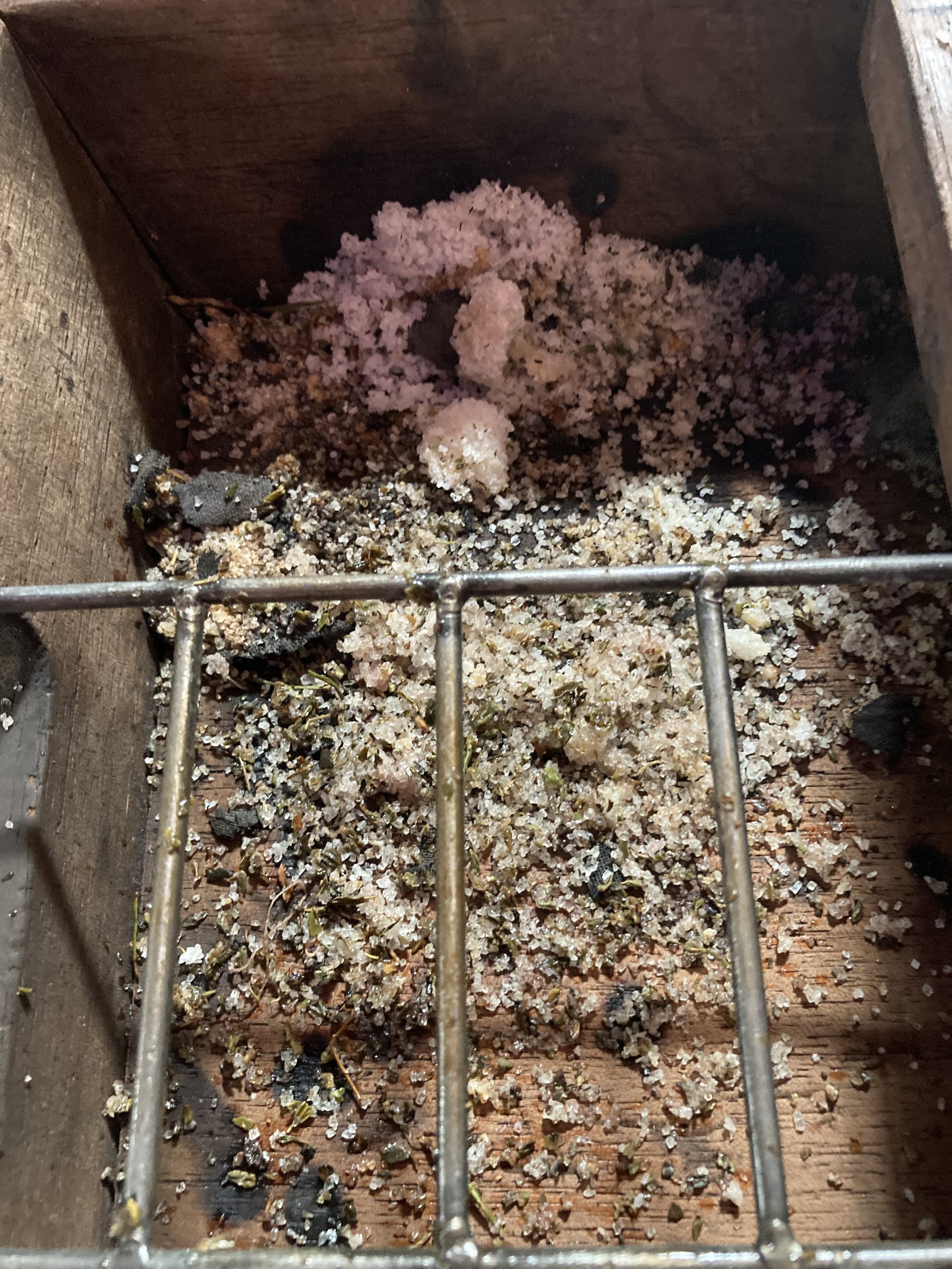
As is my custom, I had the locals decide for me what I wanted to eat. Felipe suggested a salt fillet. No kidding. In staying with the salt theme, this cut of tenderloin is rolled in a absurdly thick layer of salt which becomes the crust, and then wrapped in what looked like a corn stock, but could have been any large leaf where it was cooked slowly. The presentation was top notch. Cut from the leaf I was shown the thick salt crust which locked in the juices. The salt was systematically knocked off the steak and what was revealed was the medium rare steak itself. Sauces were provided, but not necessary. The steak was fantastic.
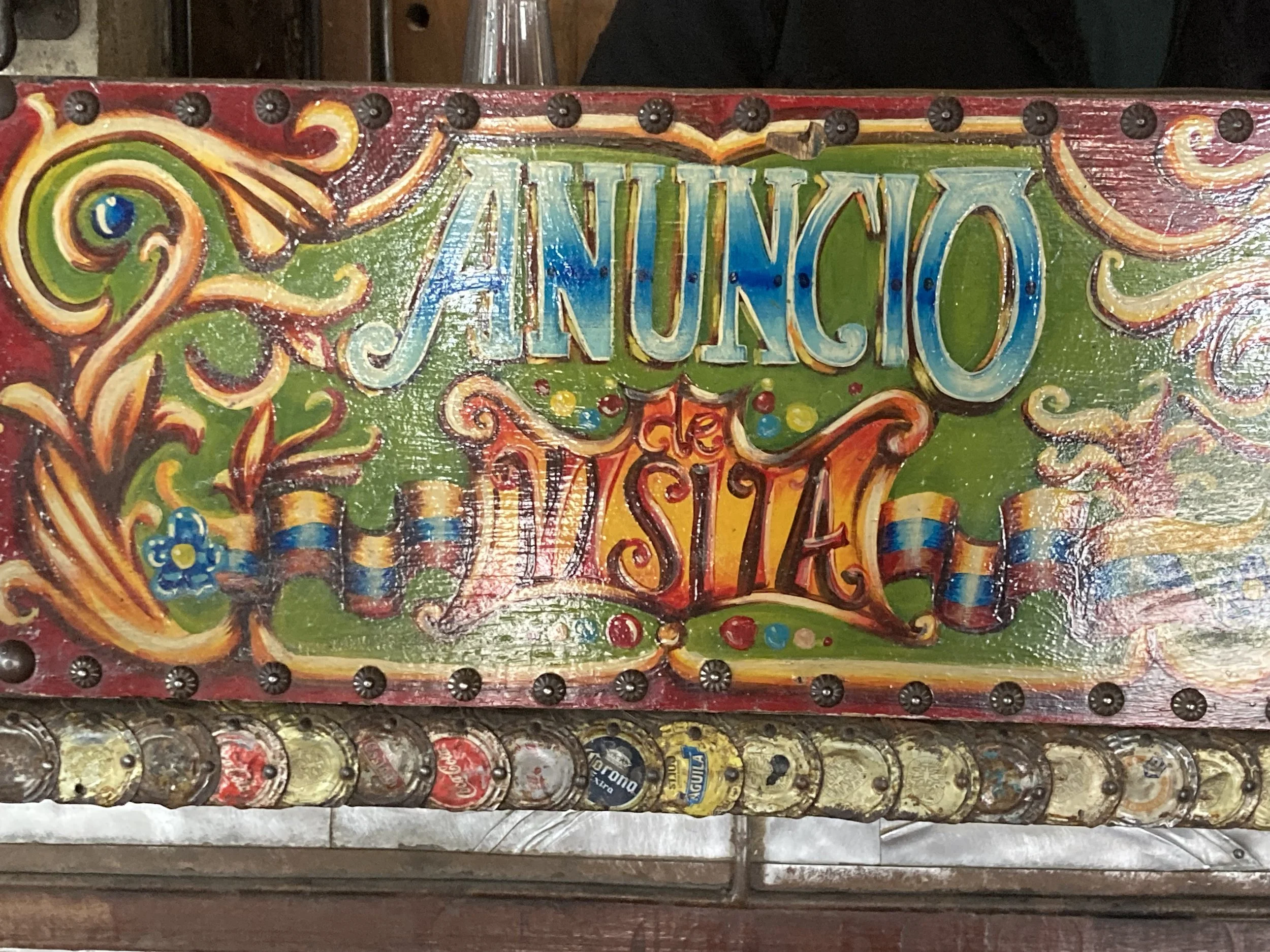
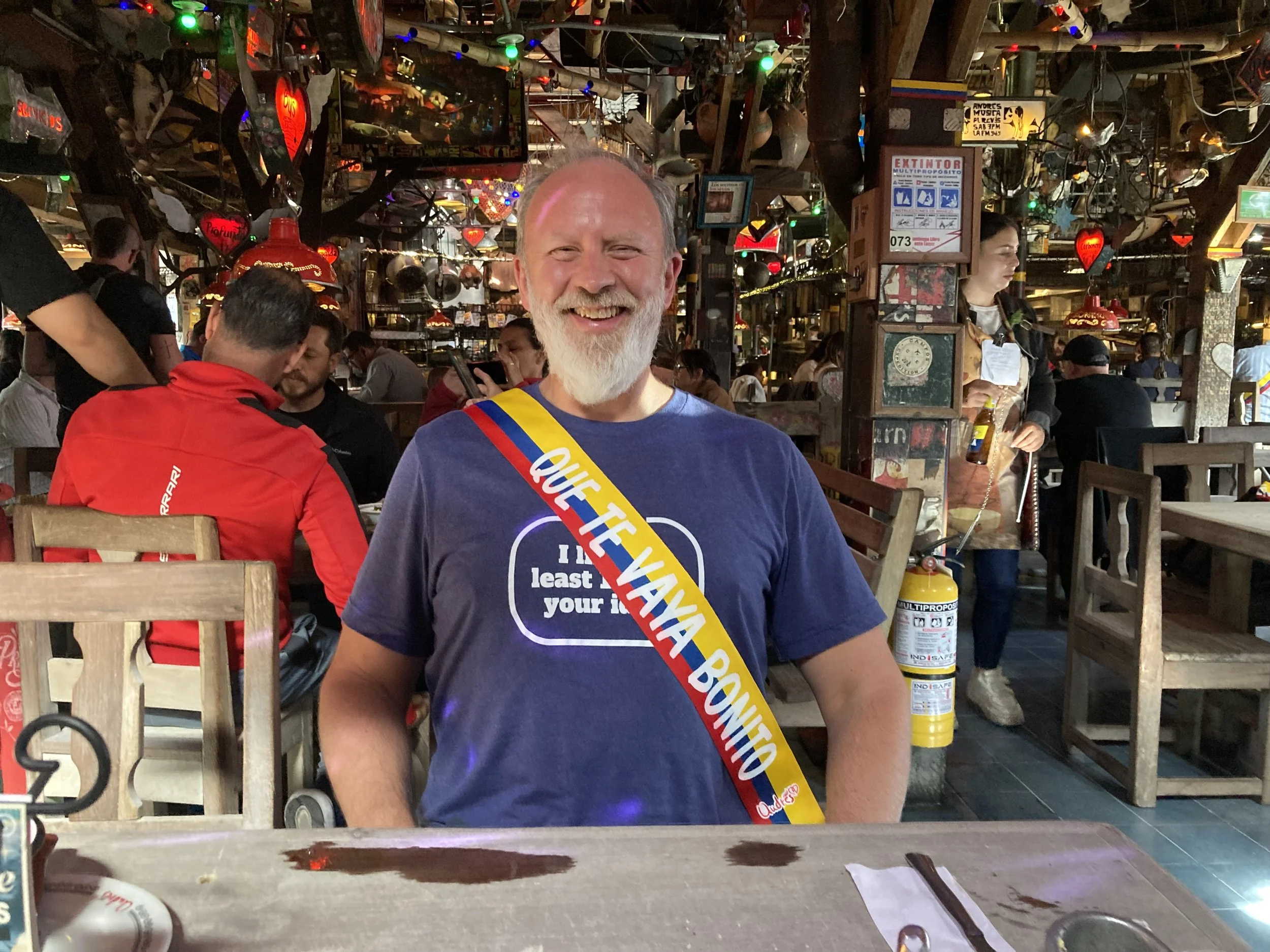
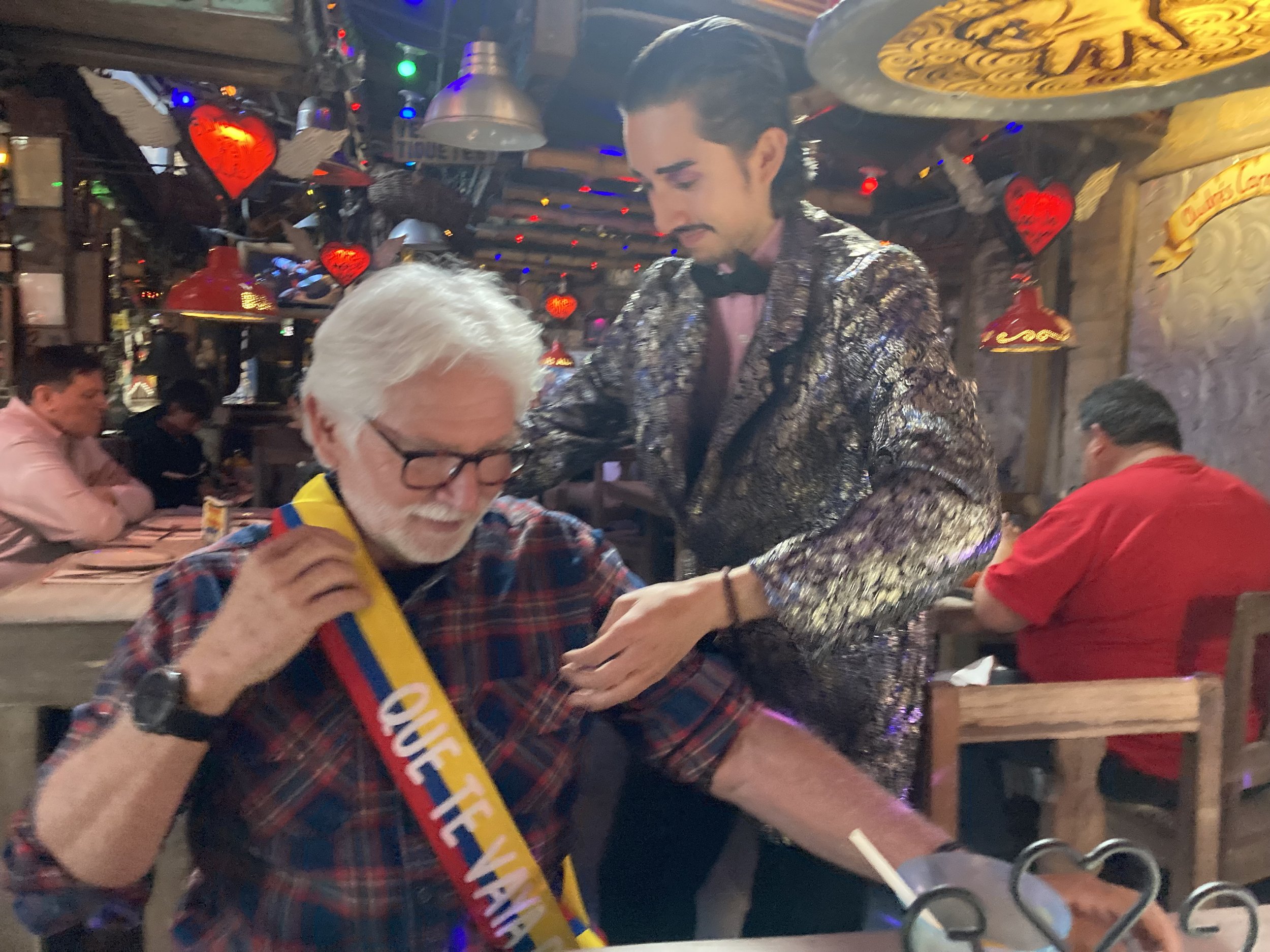
I had a blackberry juice mixed with yogurt and served in a bowl for my drink. For desert, it was a traditional Colombian cheese soaked in a browned sugar cane juice. Devine. And of course, the setting was incredibly unique with so much calling for my attention. The rest of the pictures give you just a small taste of what’s inside this incredible restaurant.
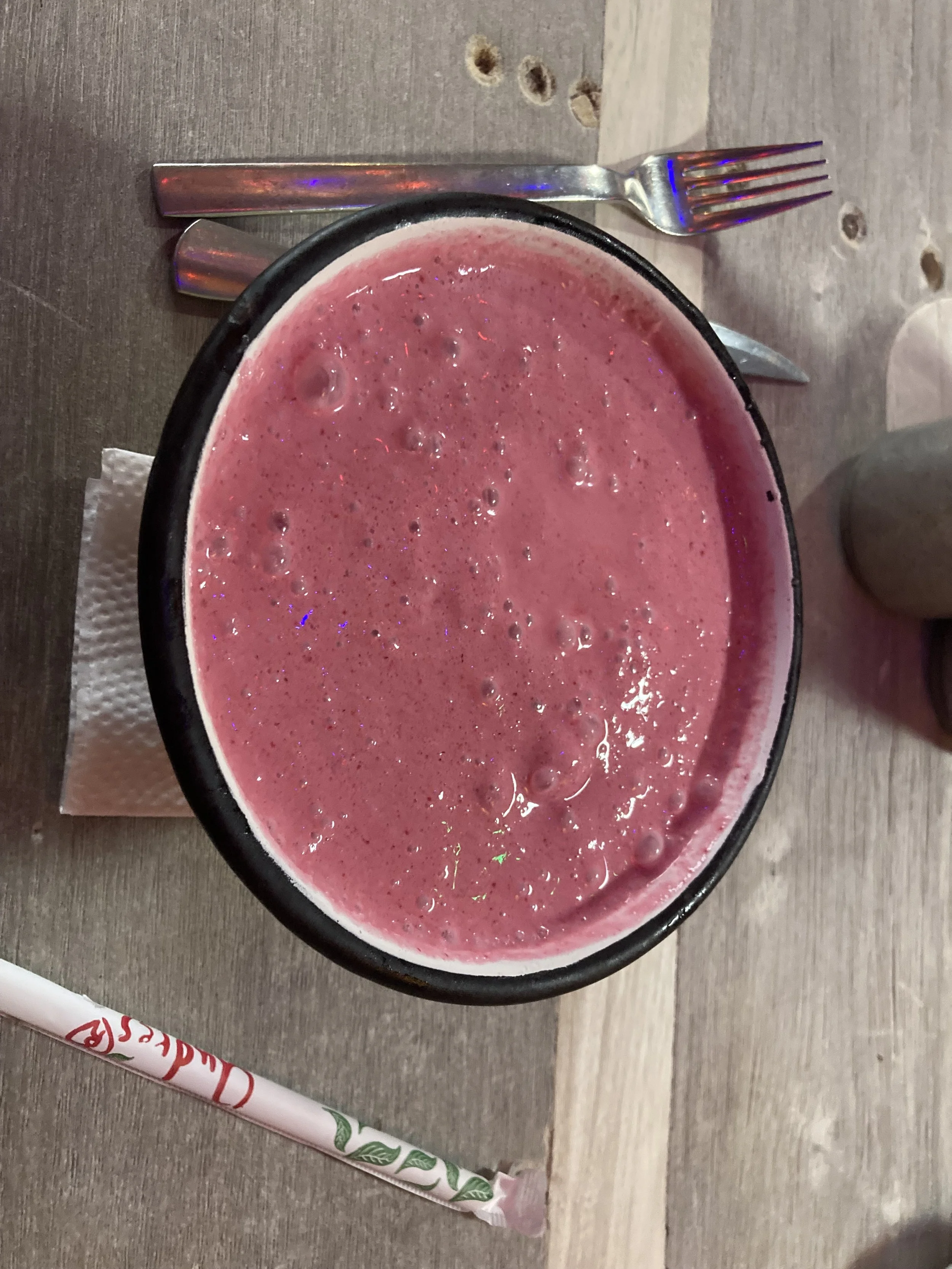
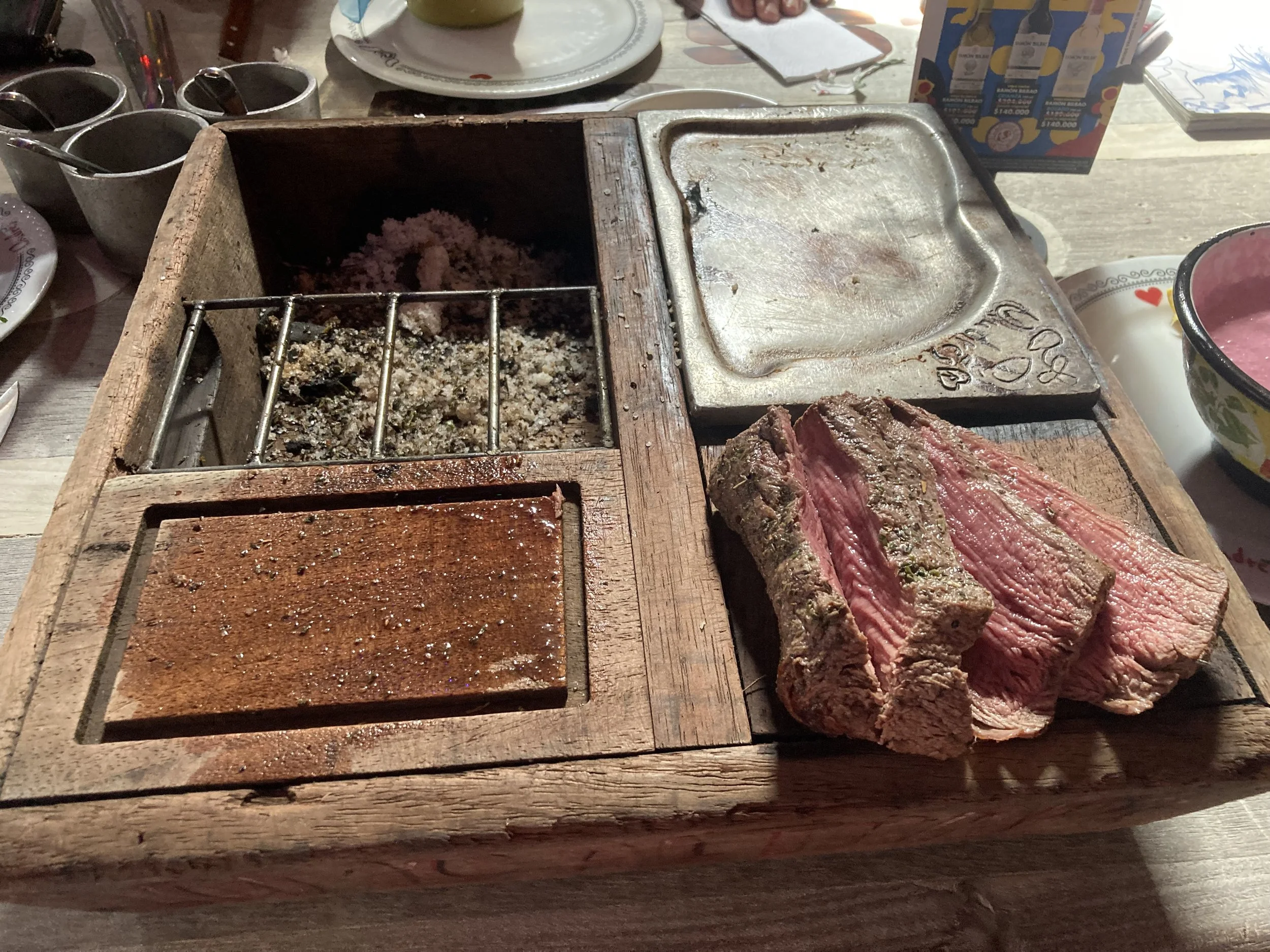
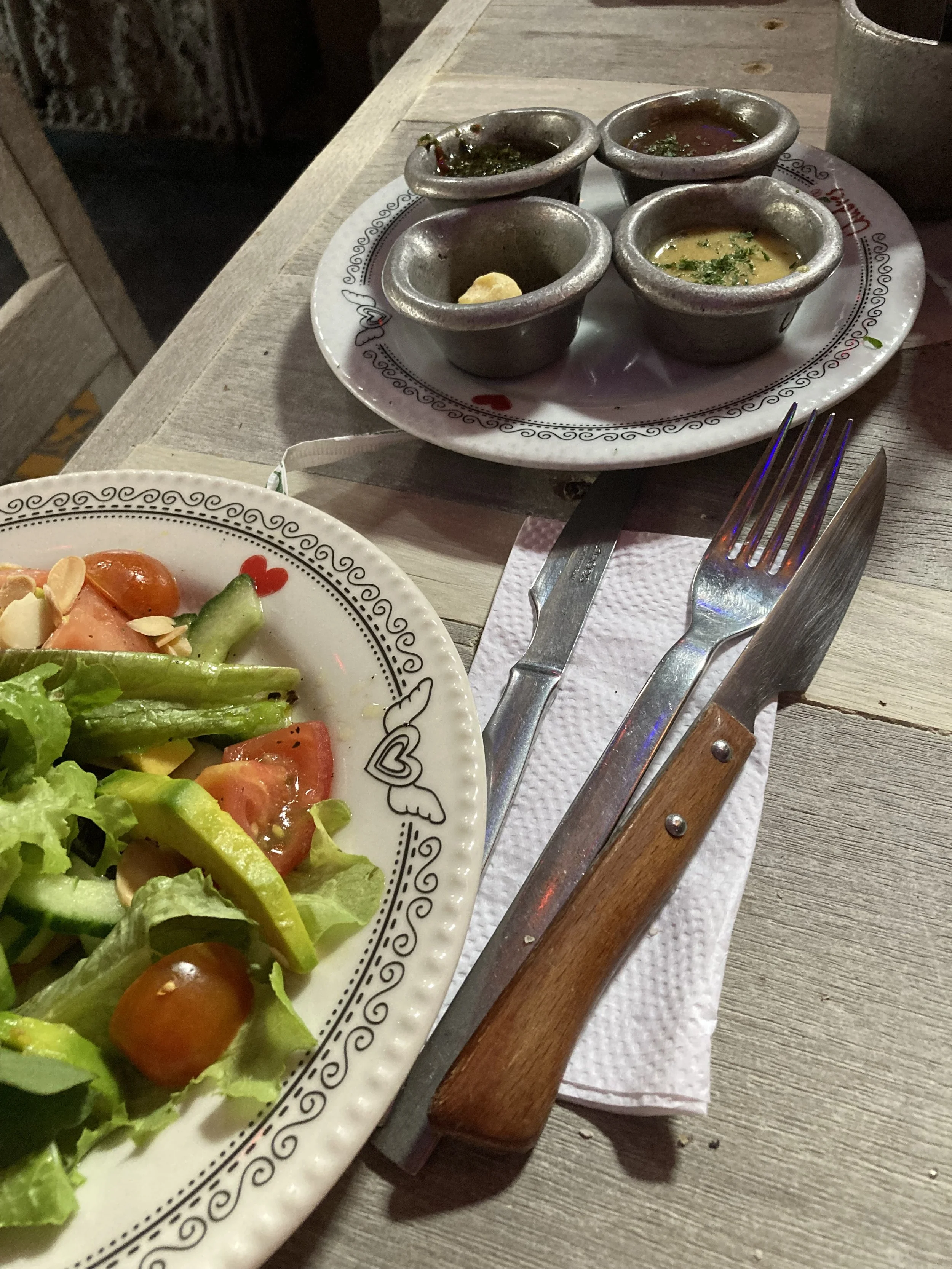
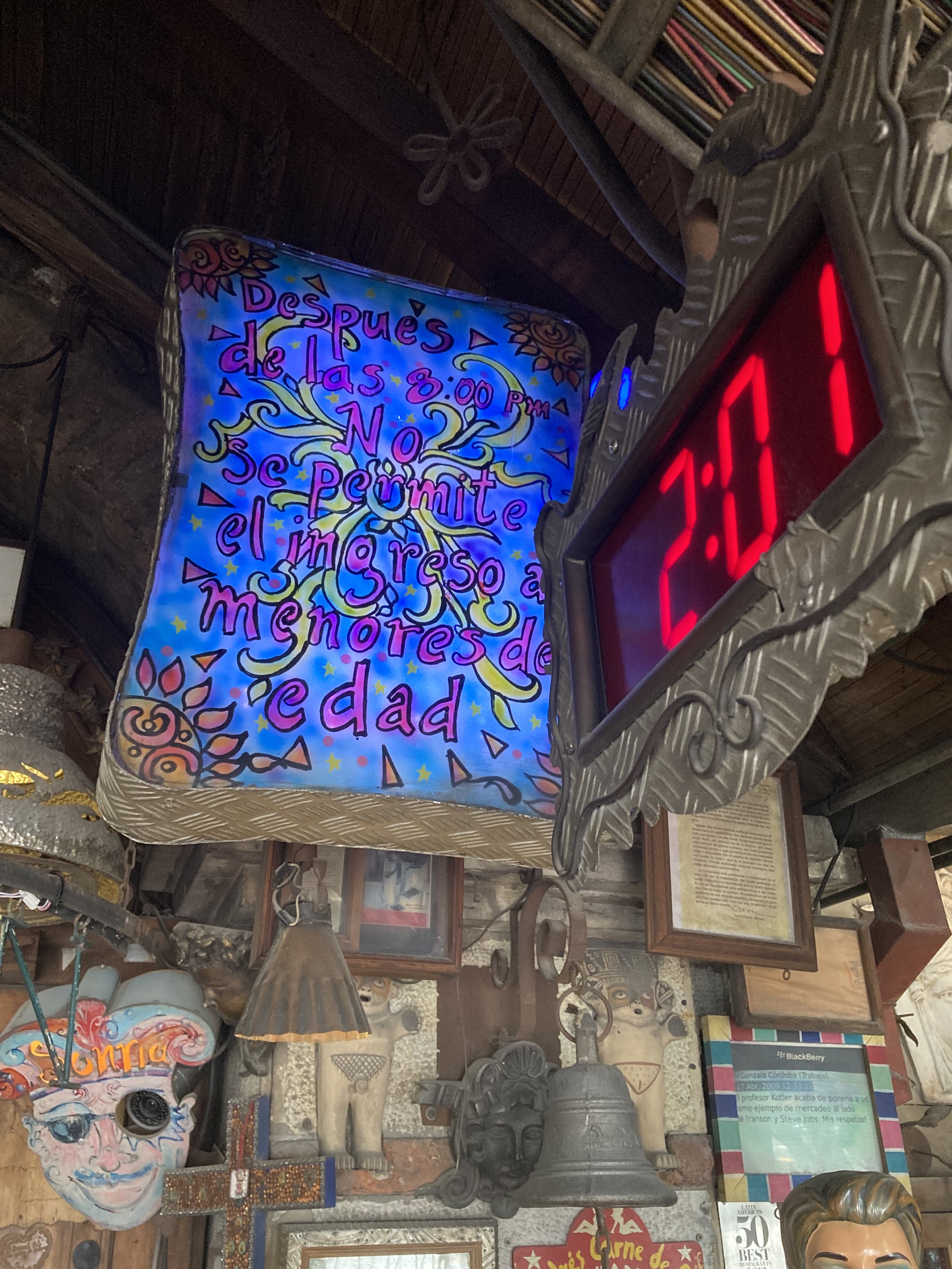
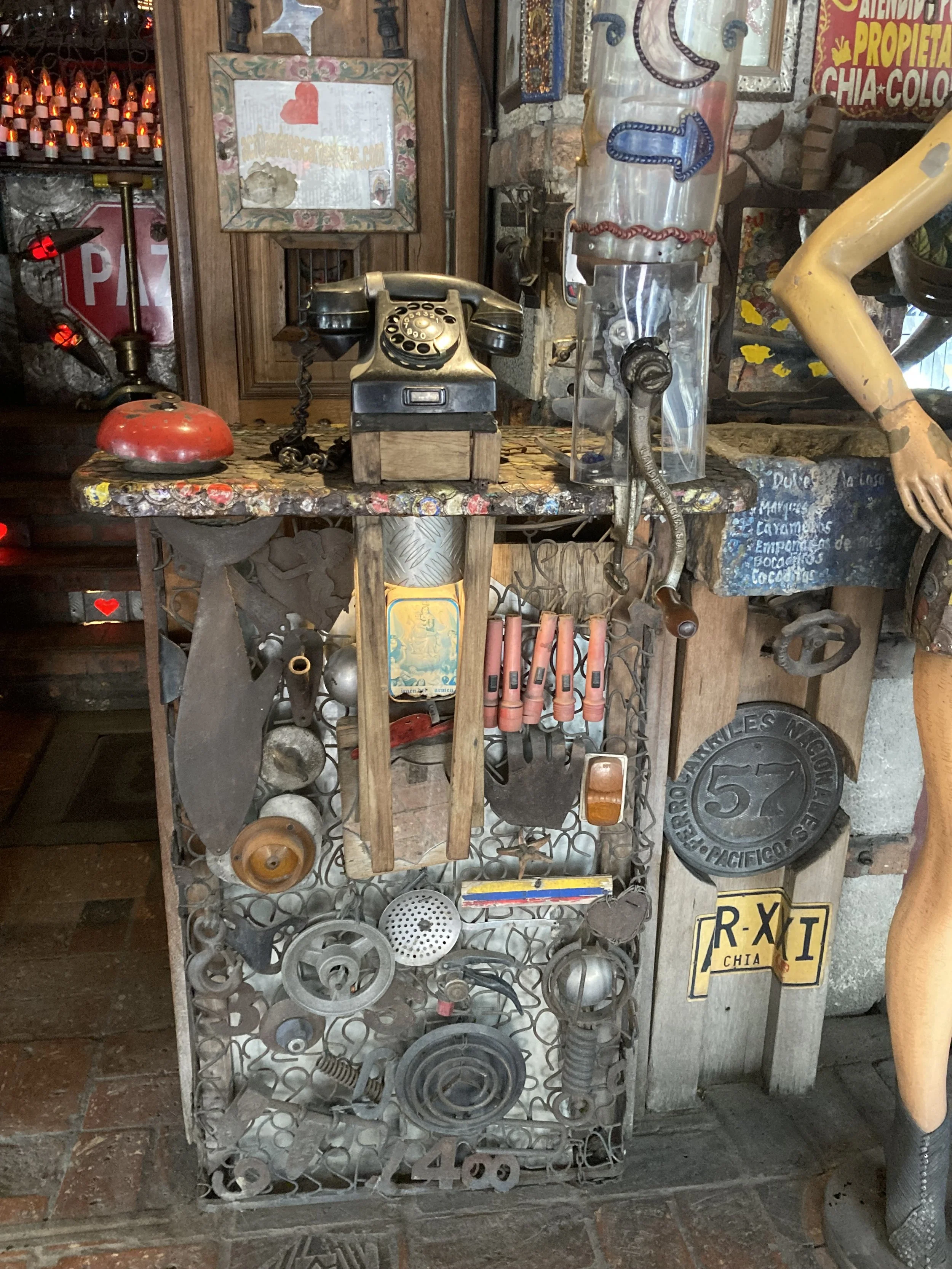
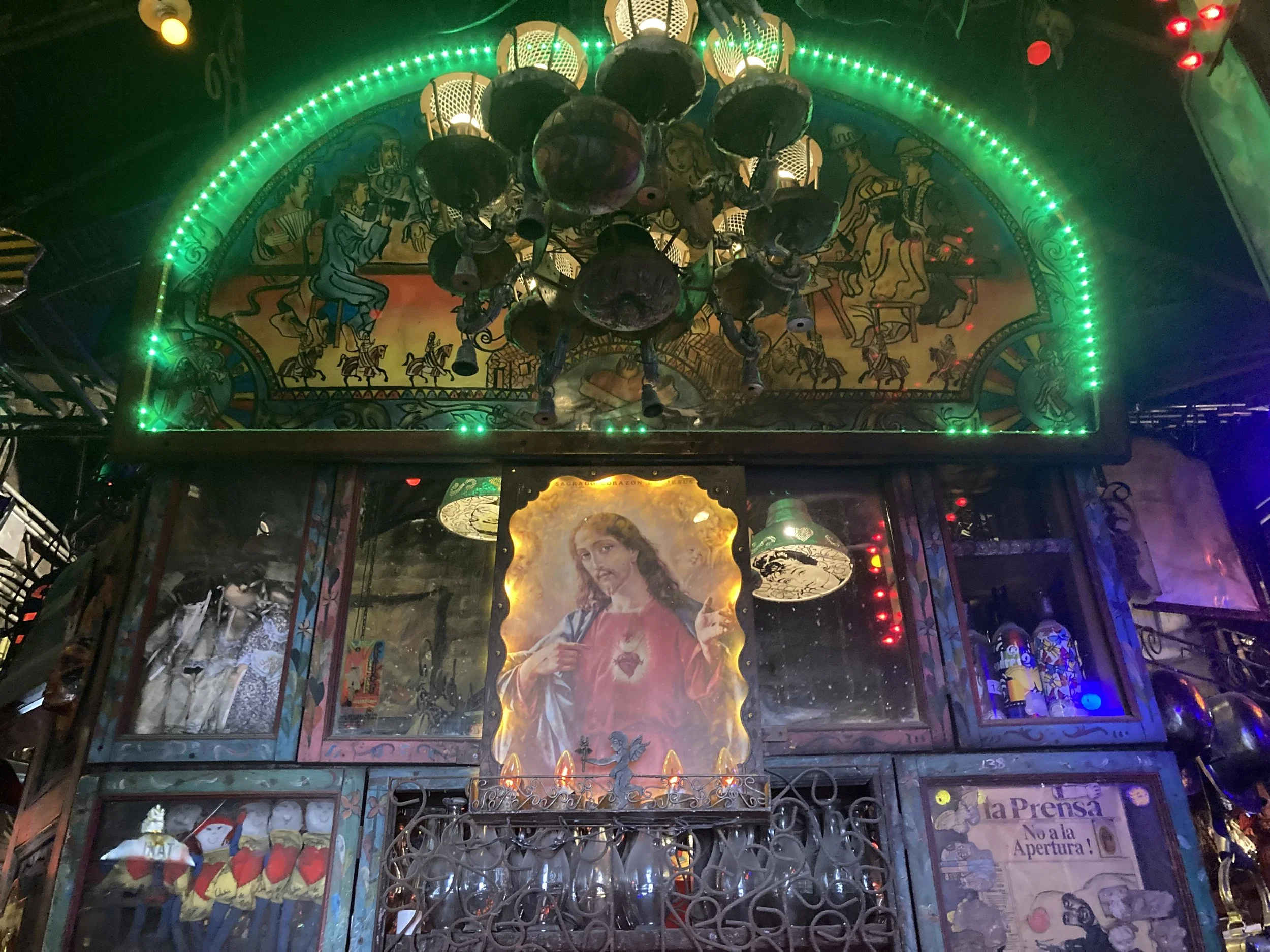
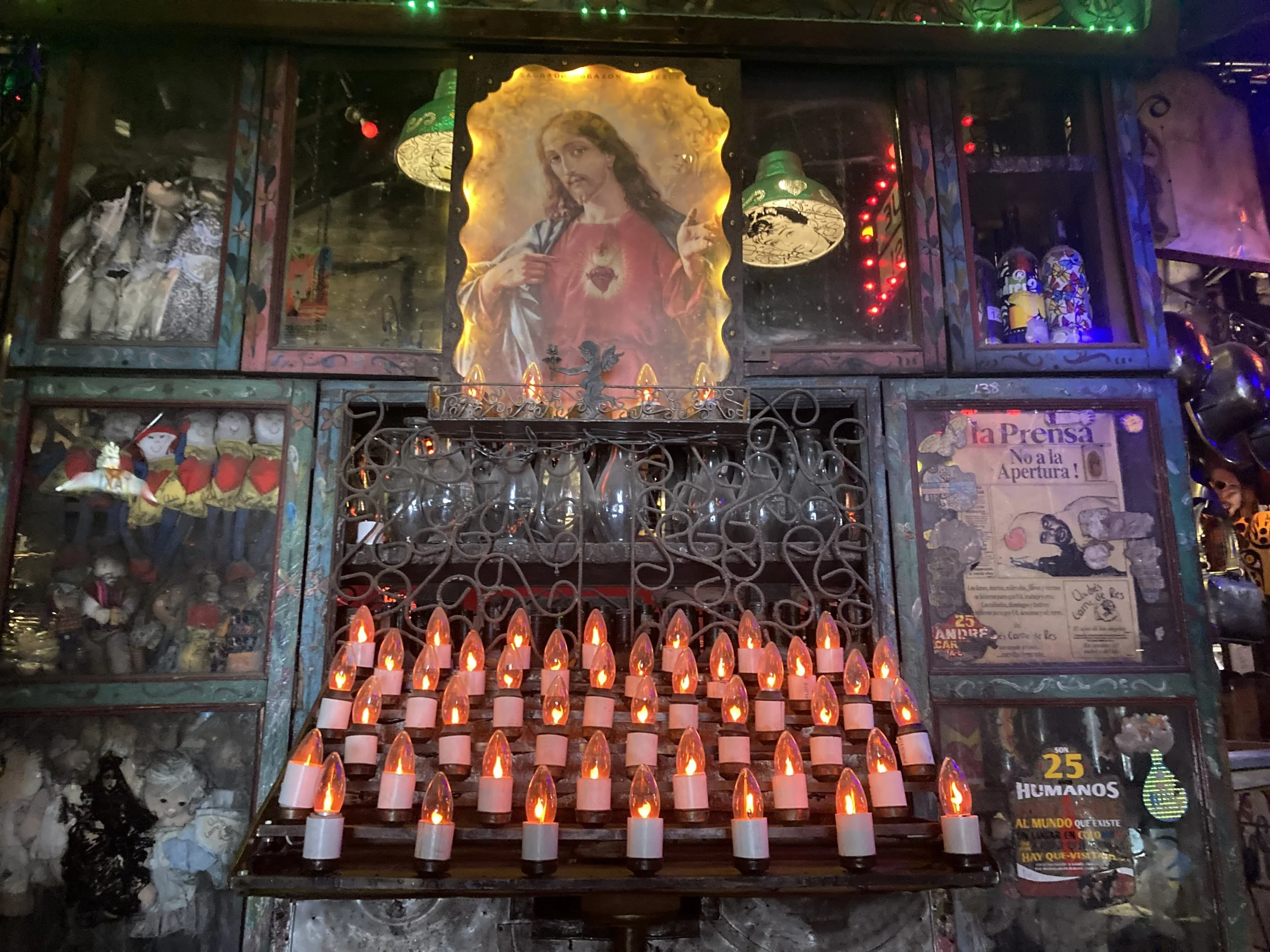
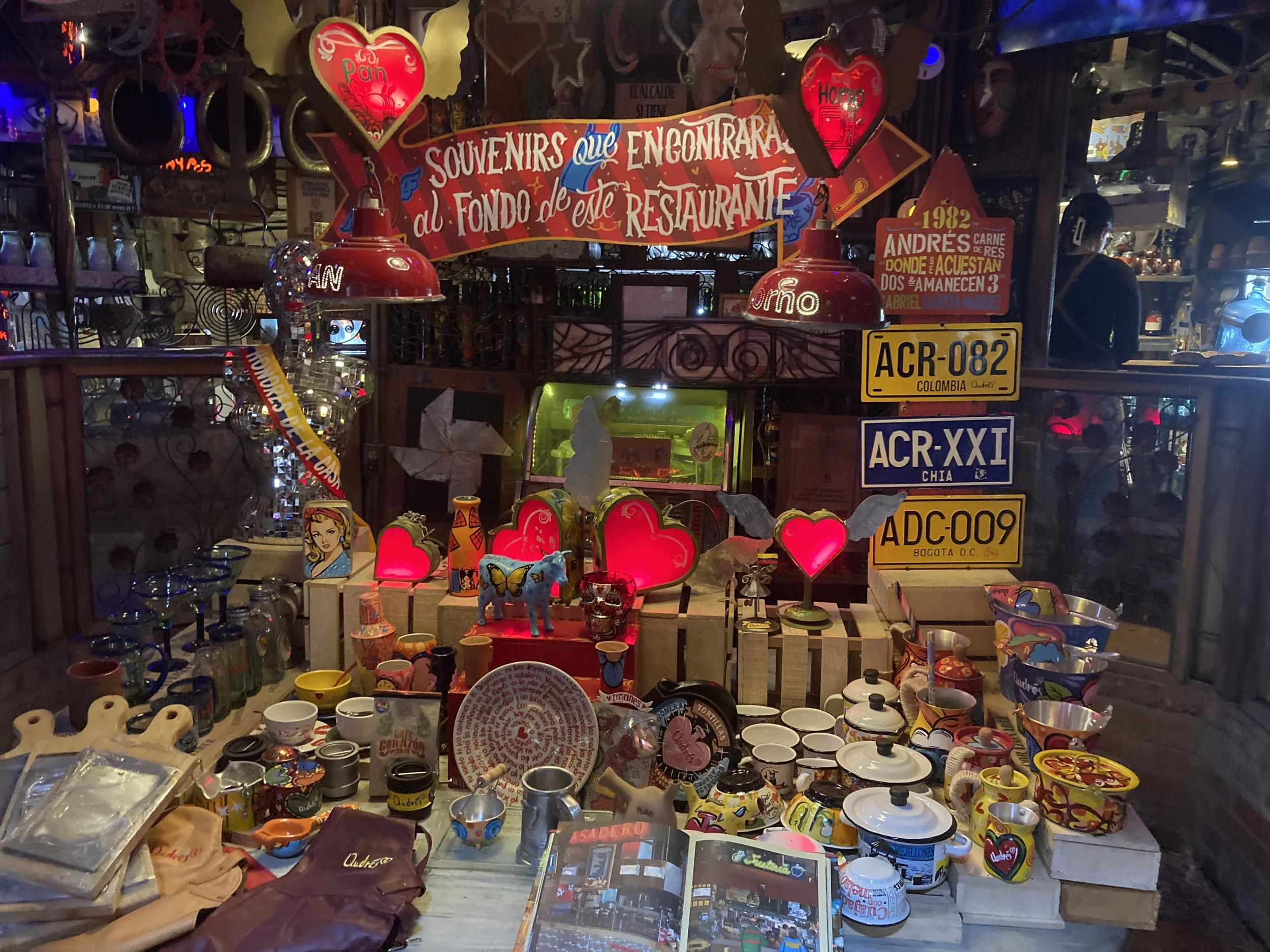
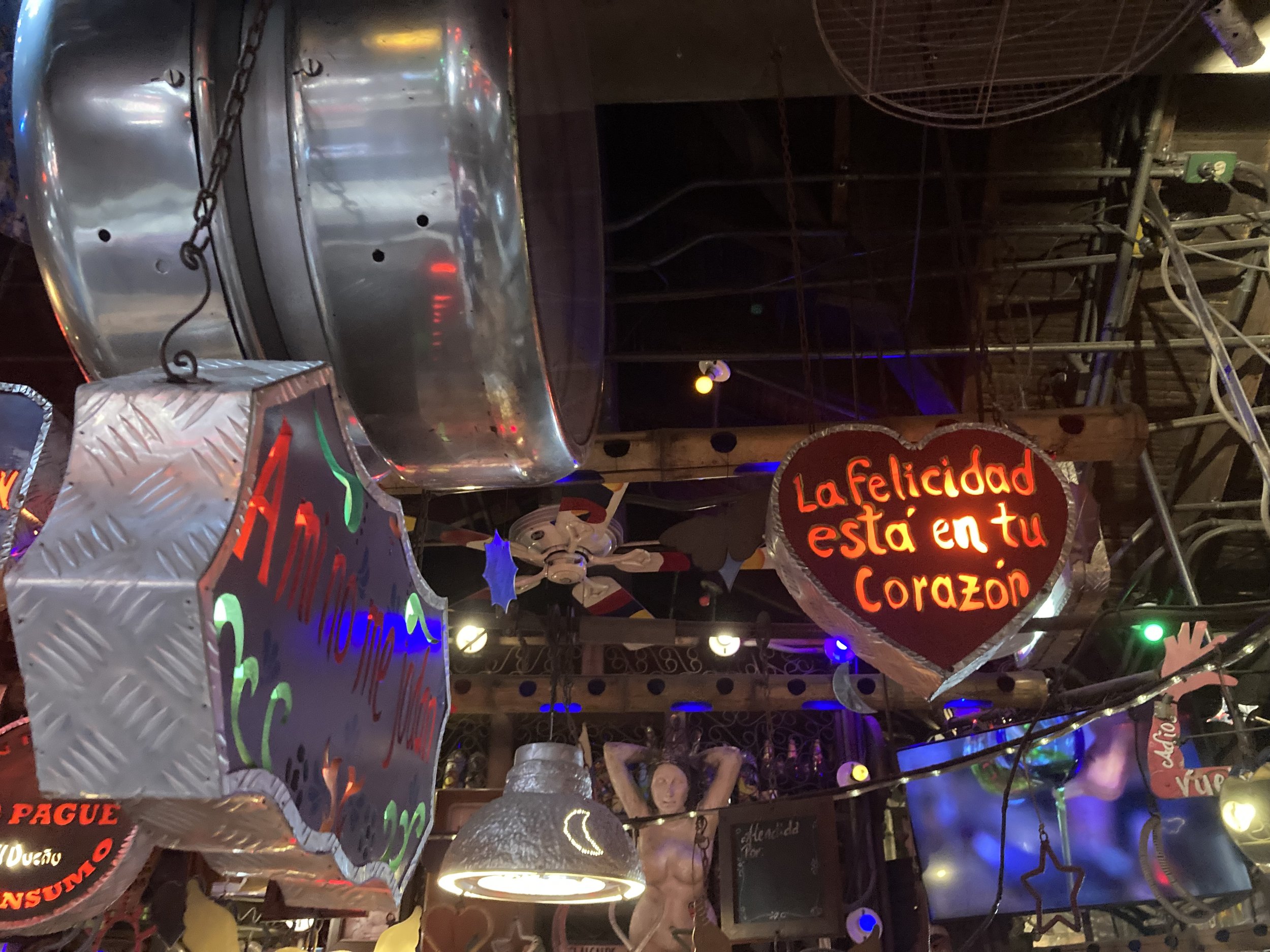
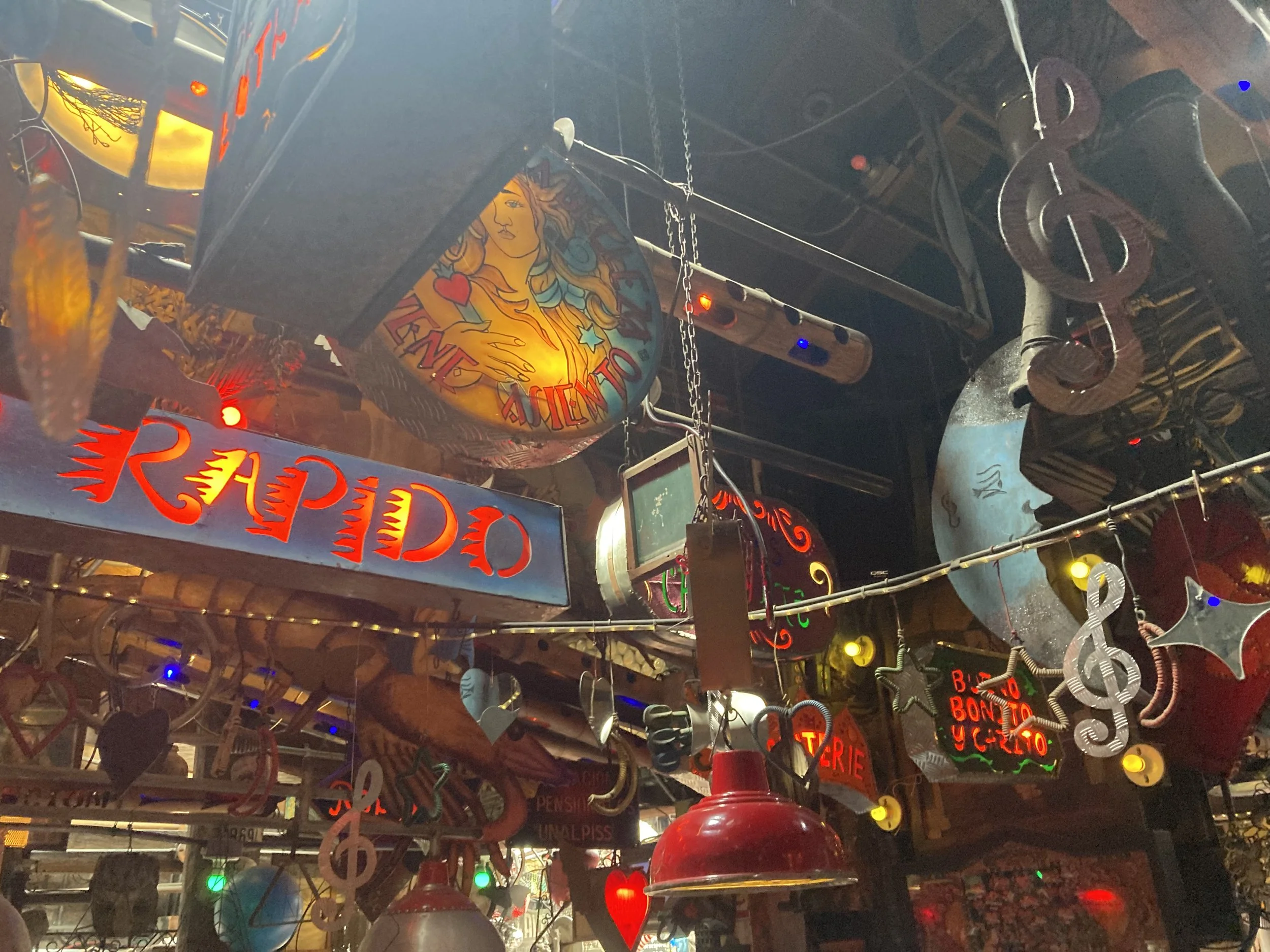
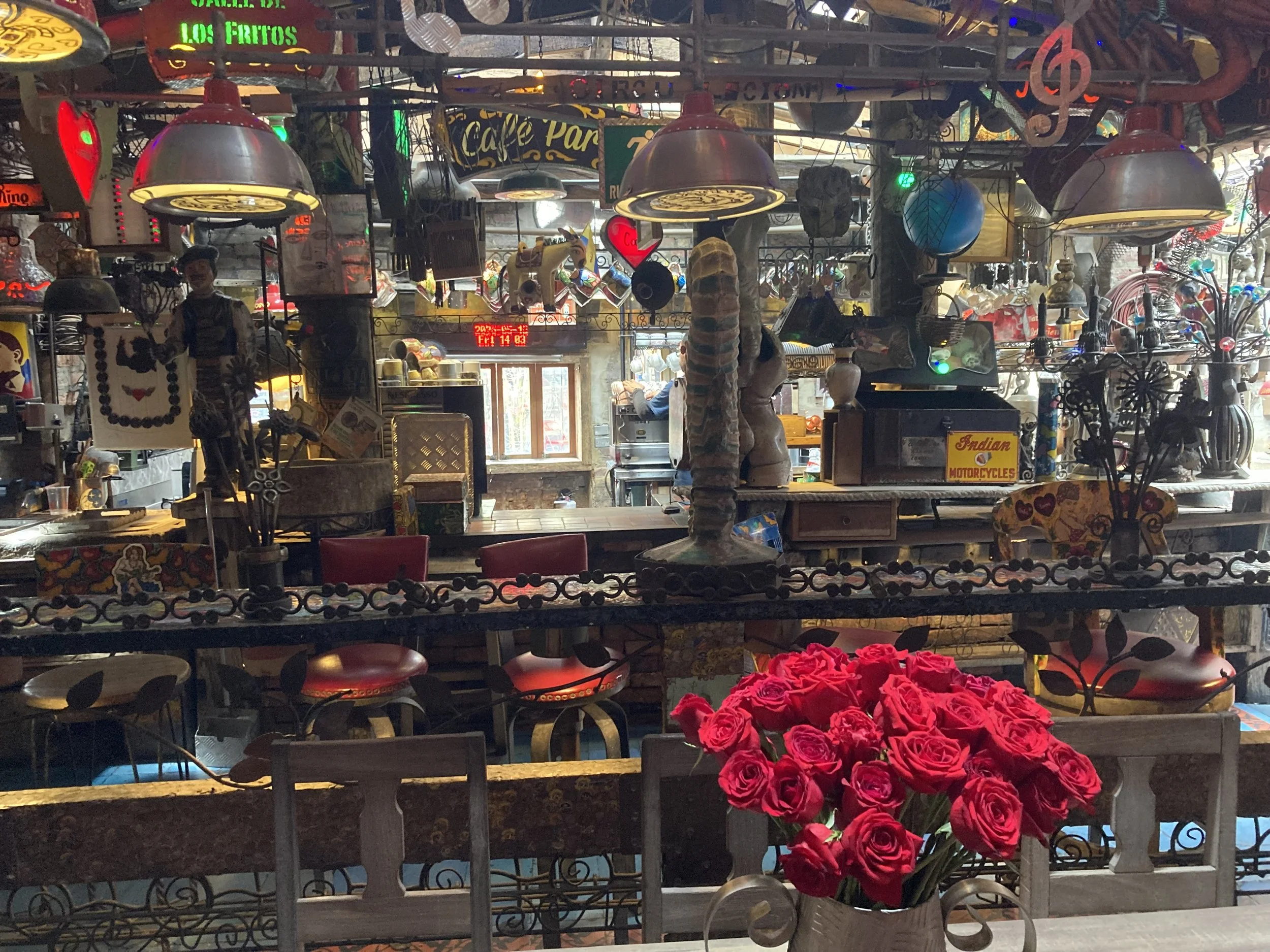
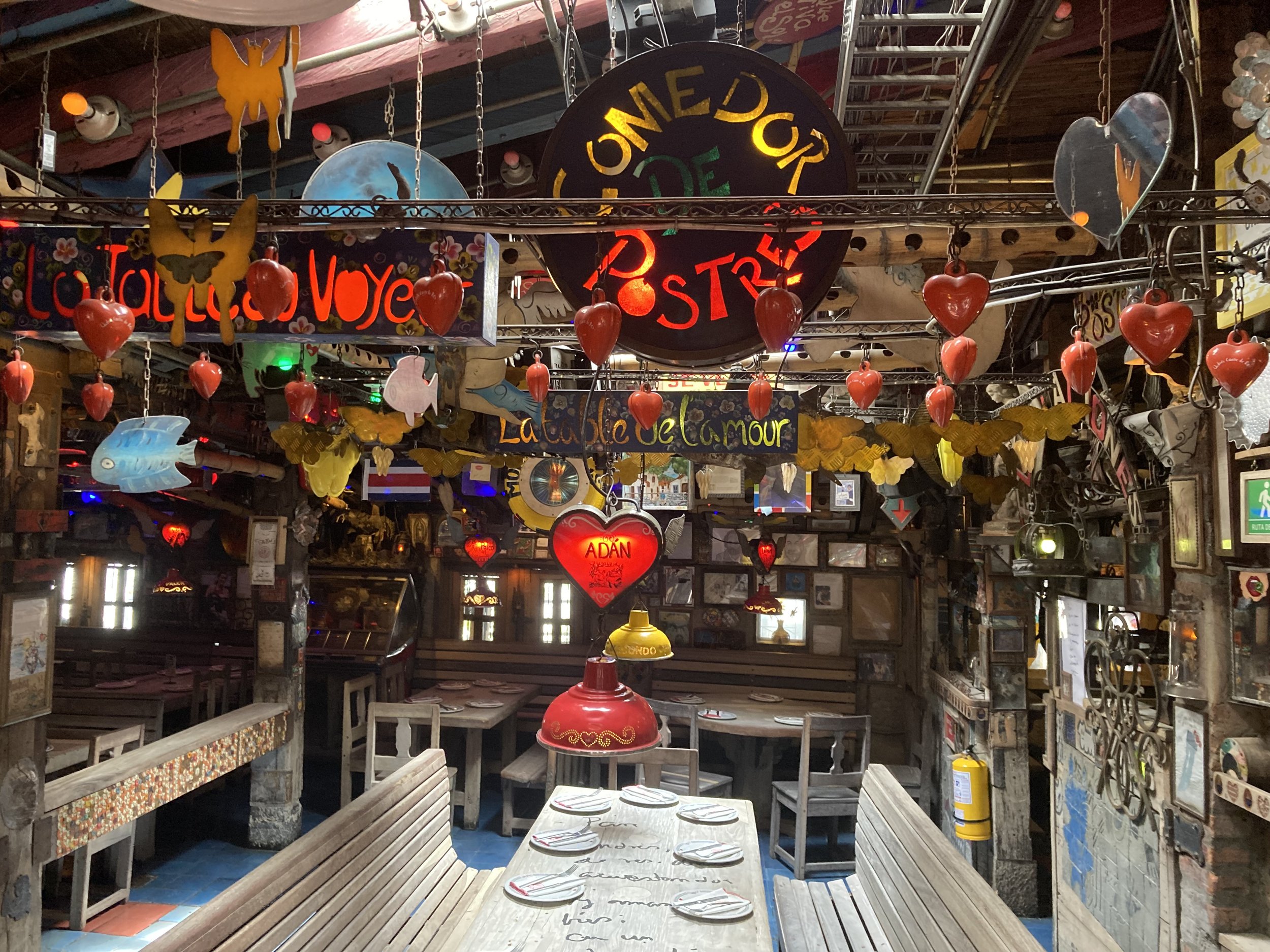
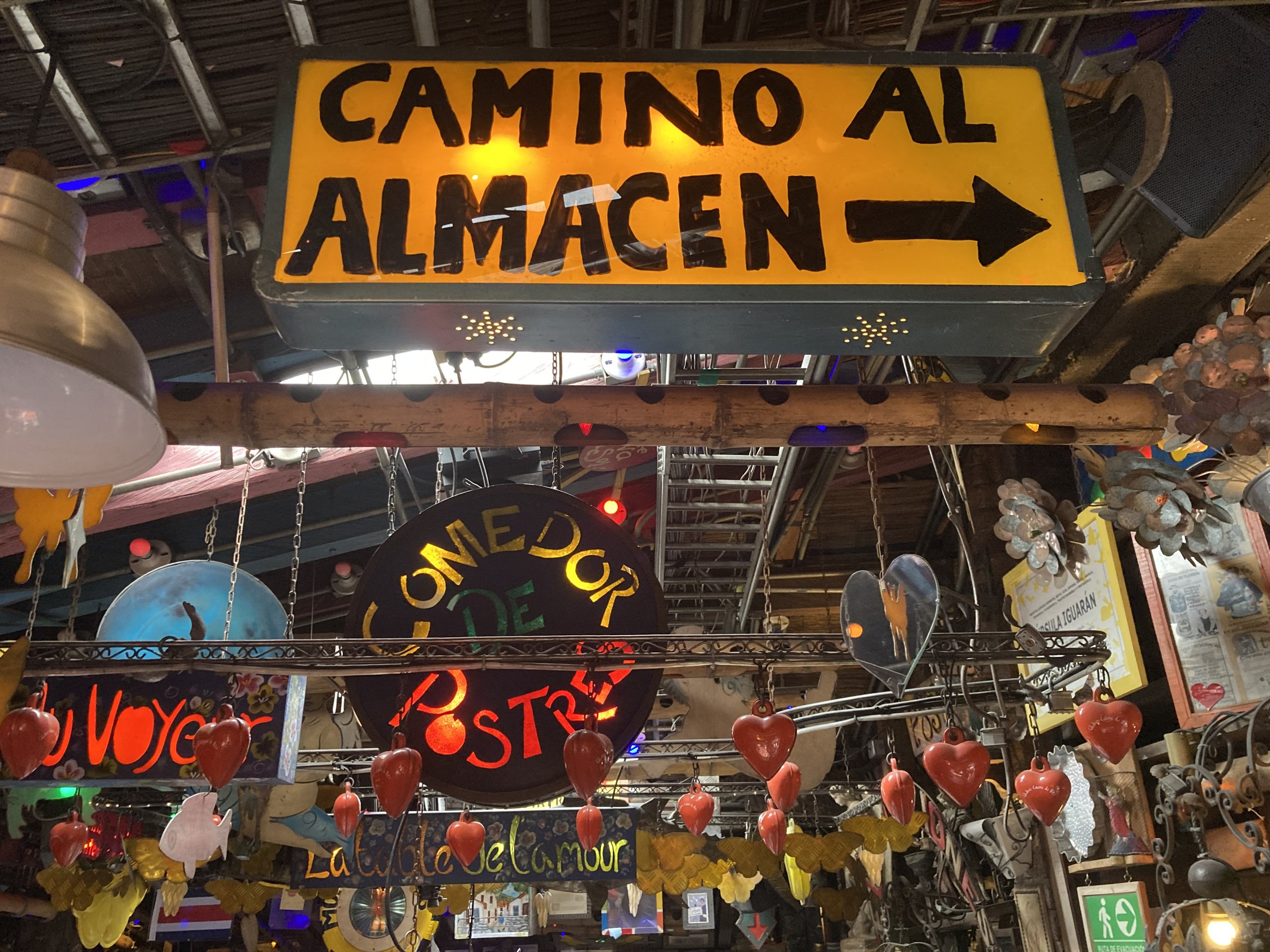
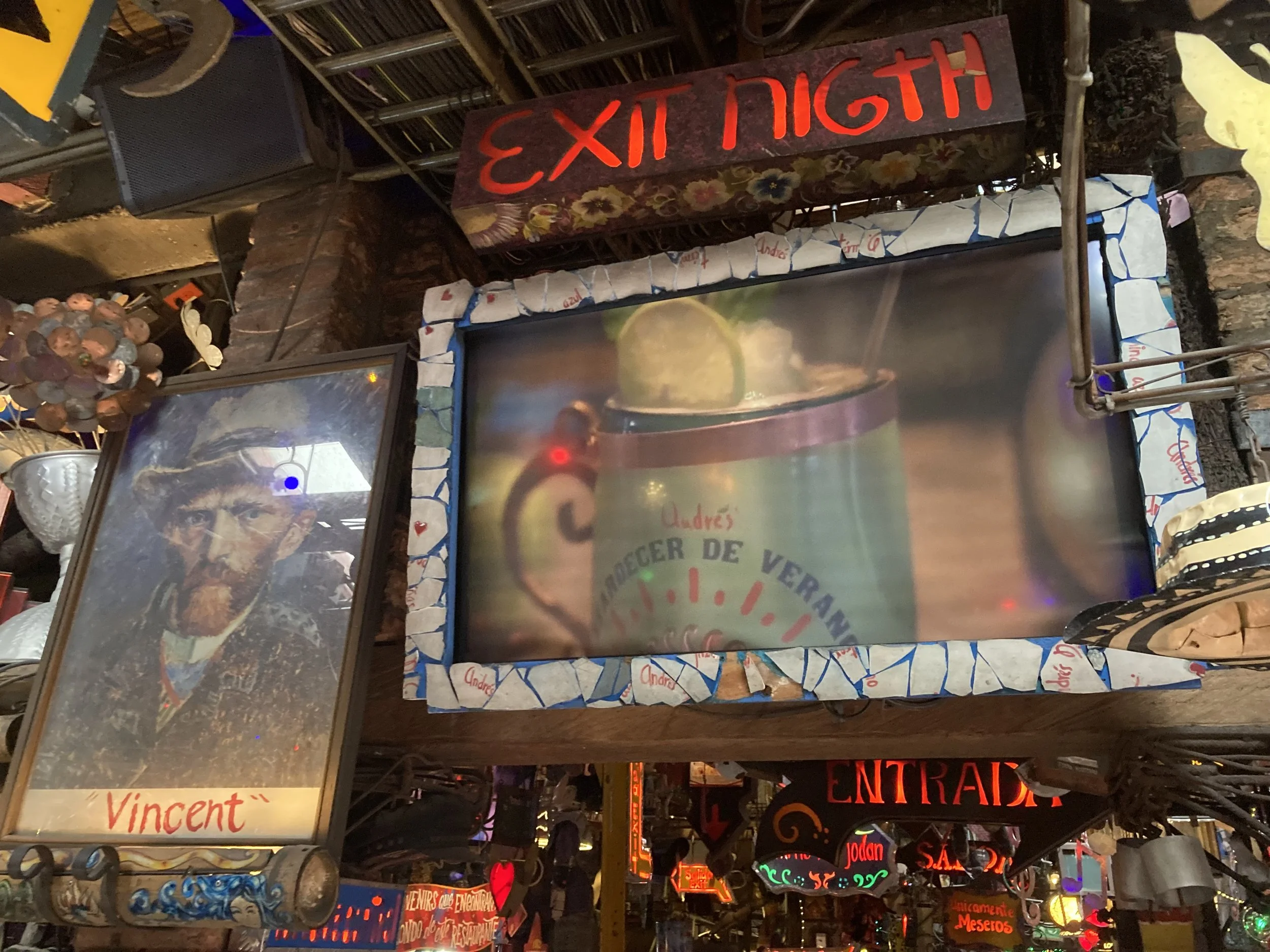
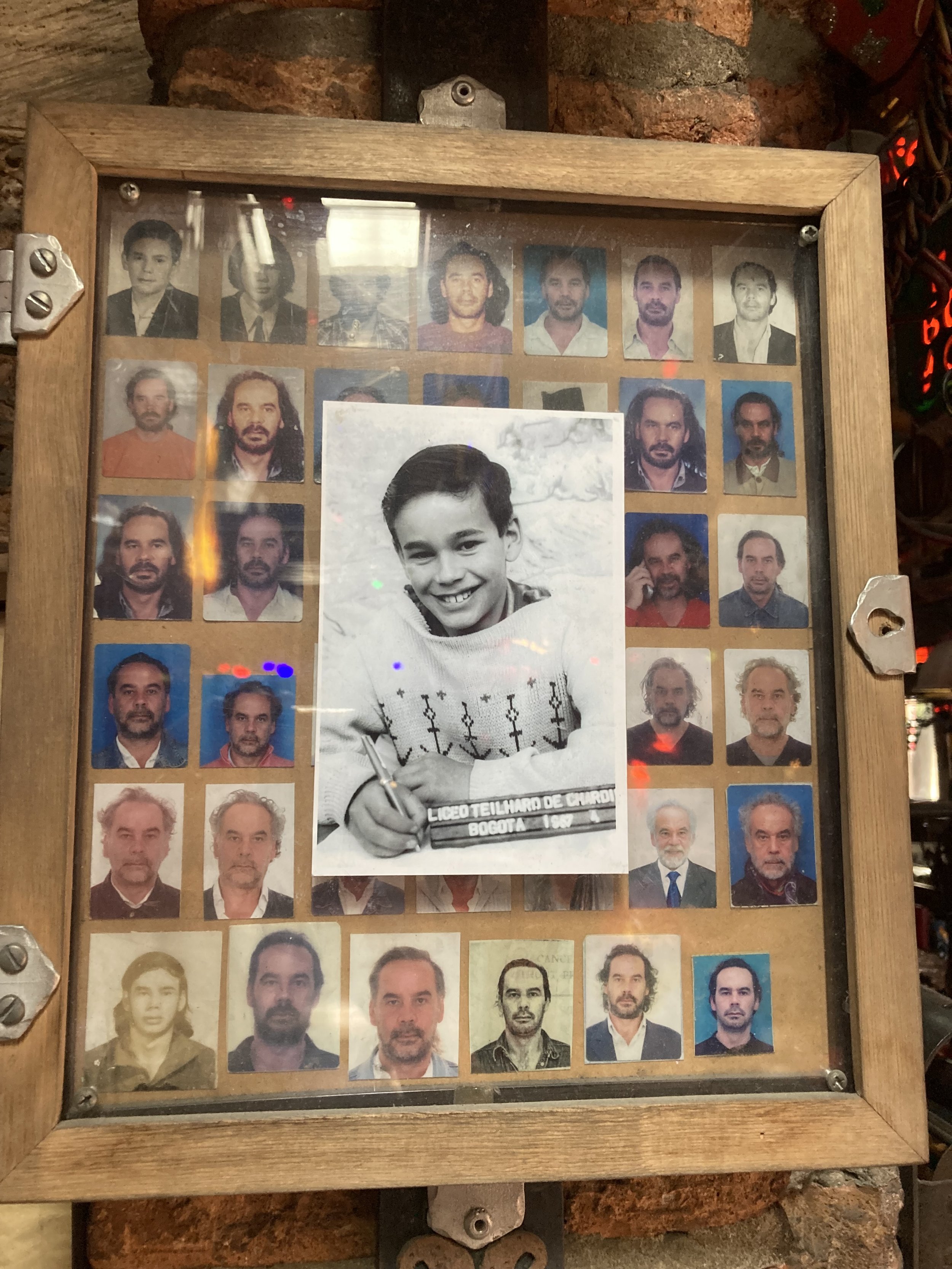
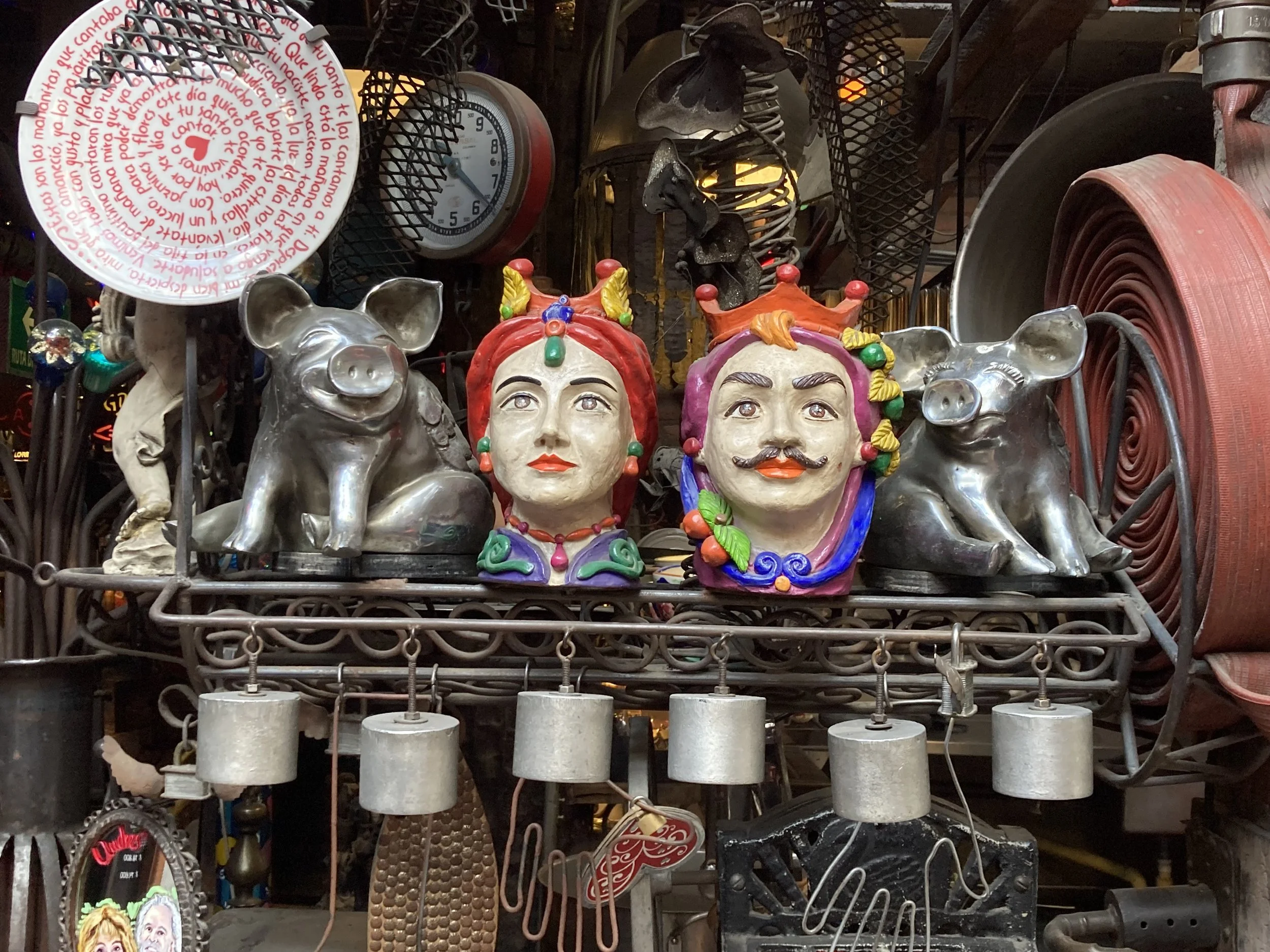
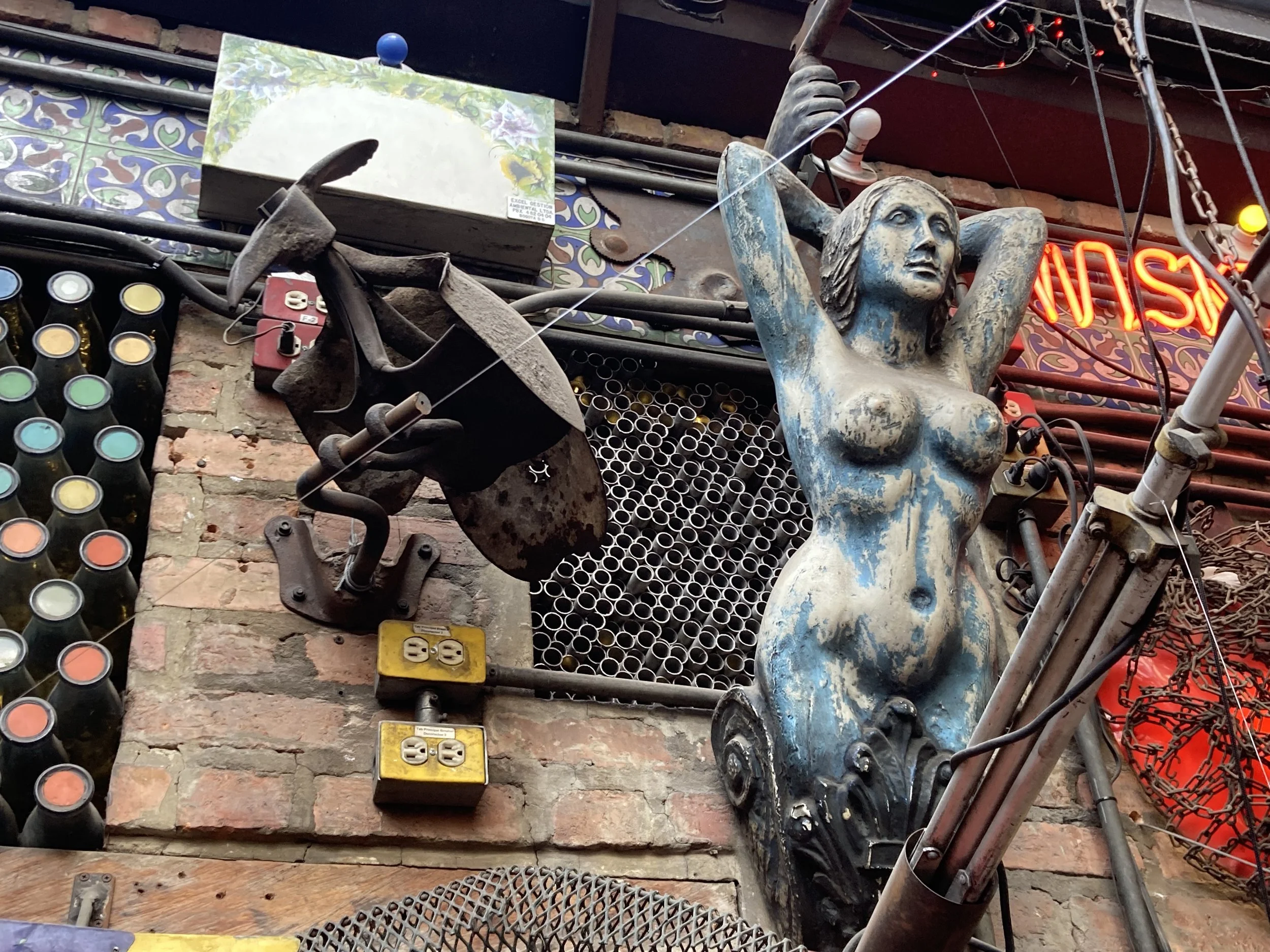
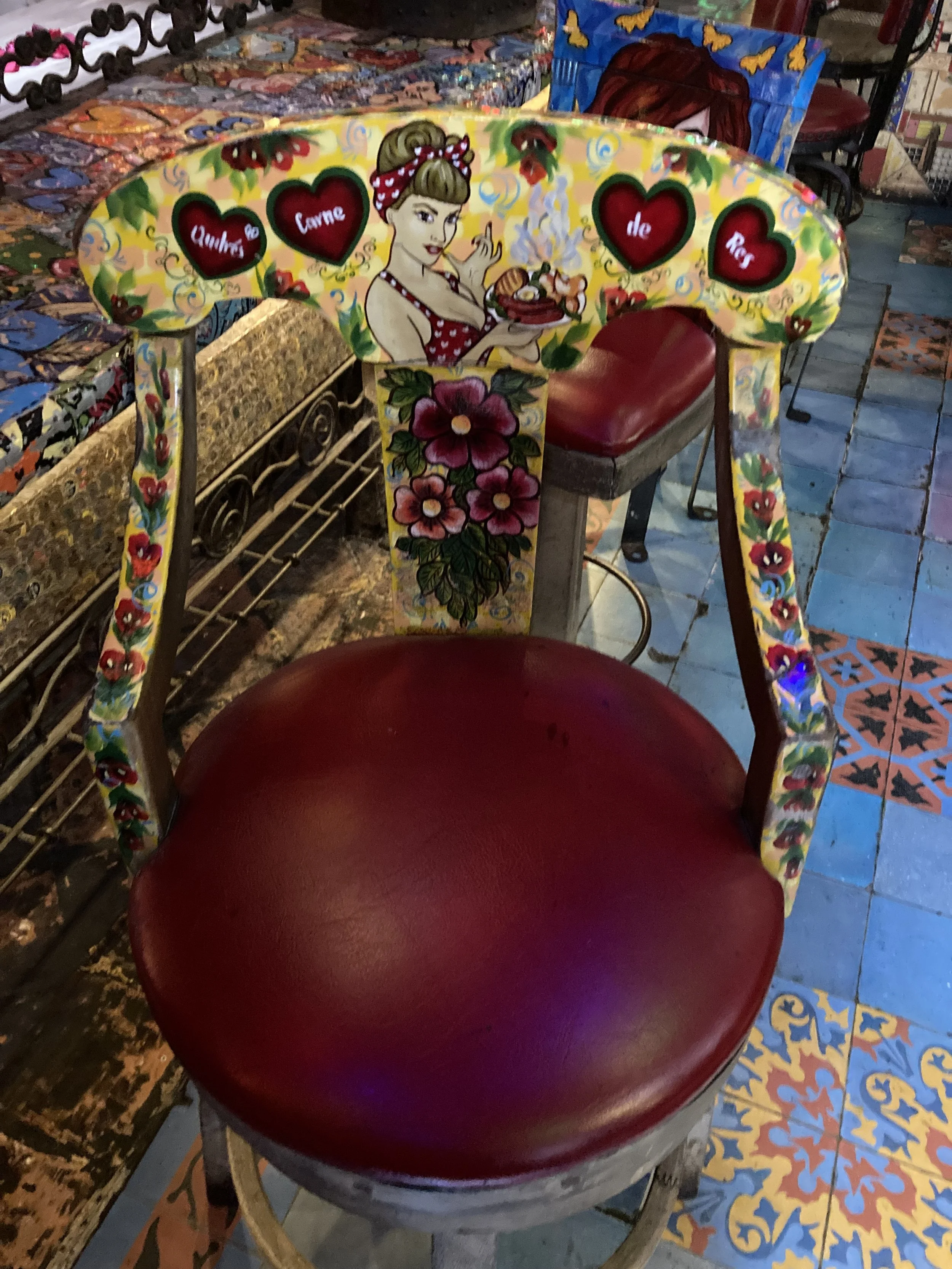
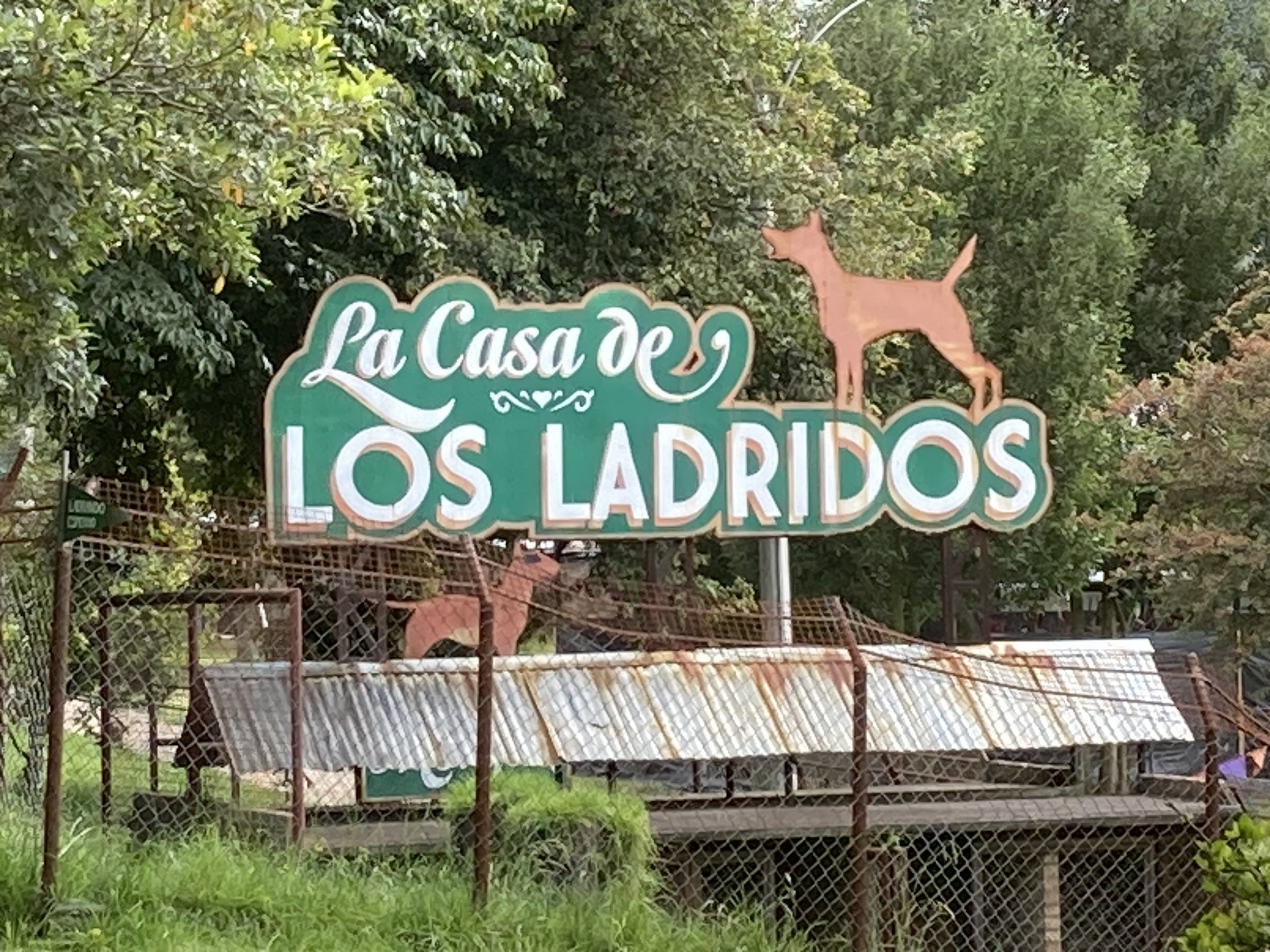
What a fantastic way to end our day together. There’s no way we’re going to top today and I’m totally fine with it. Each day will be unique and different and no matter what else happens, this is likely to be the high-water mark of my time in Colombia. Epic experience all around. What a way to kick off my stay here.