Guatapé, Peñol and 1480 Steps (May 23, 2026)
Steps. Steps. Steps. Steps. Steps. Steps. Everybody!
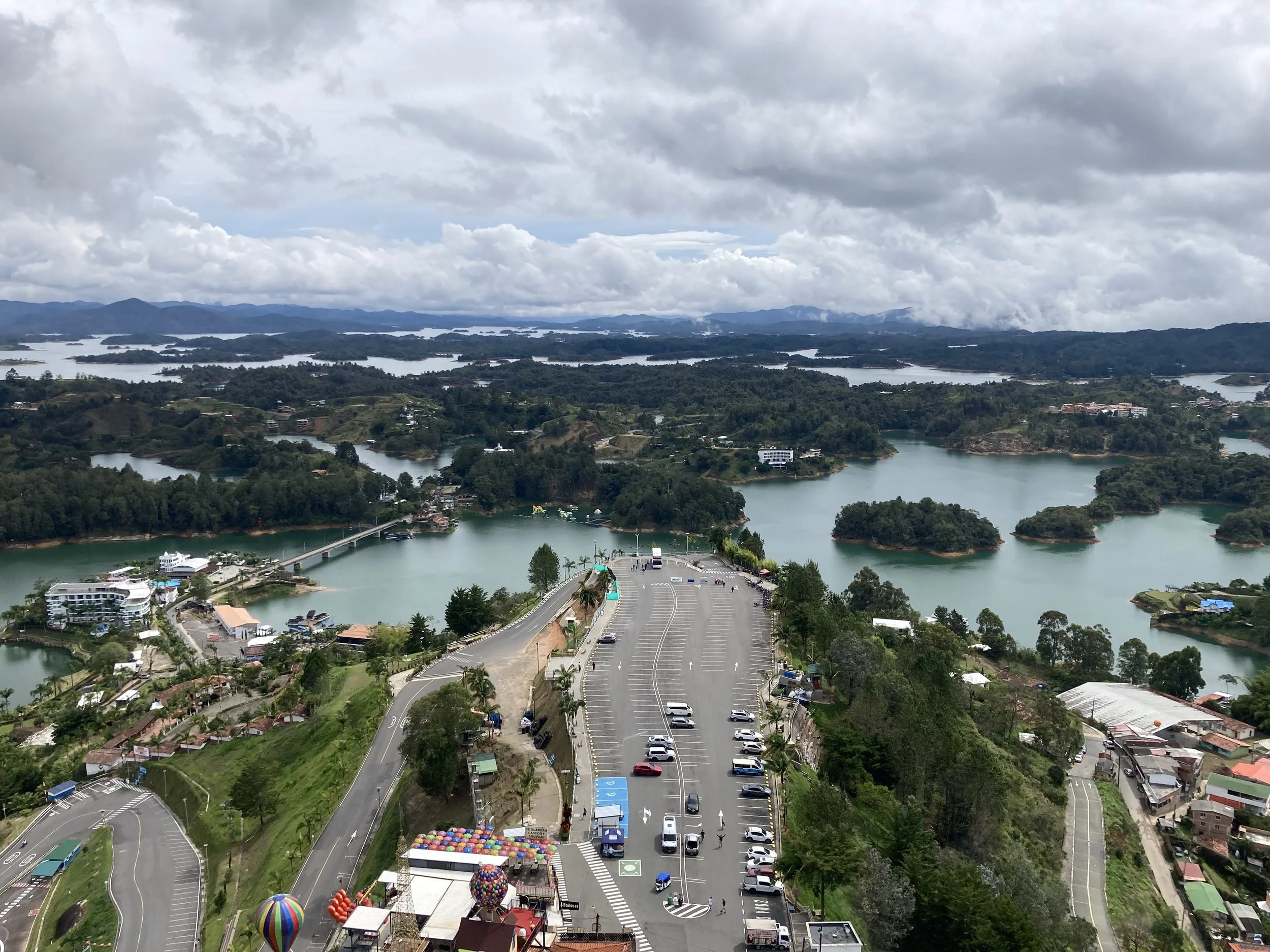
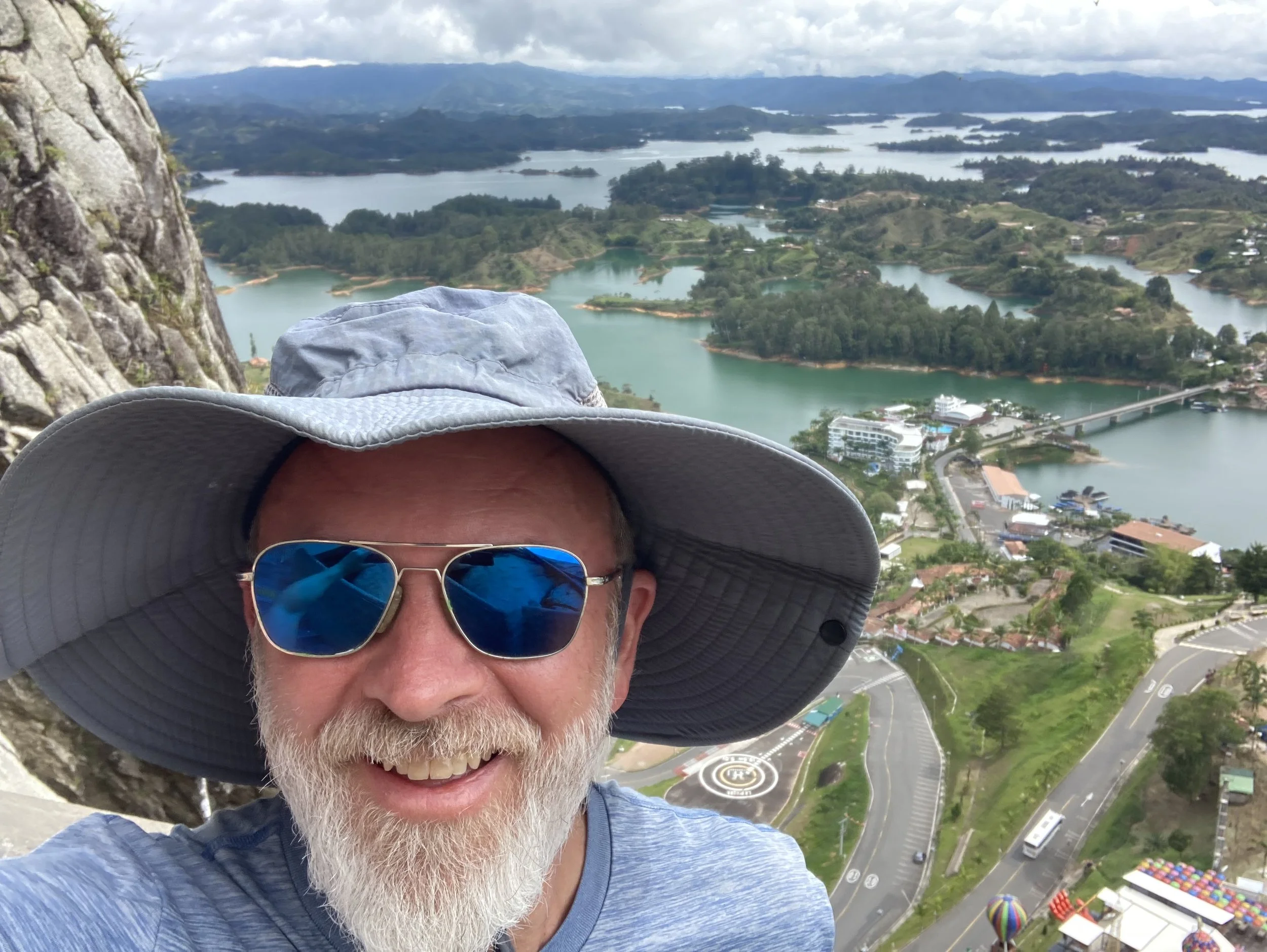
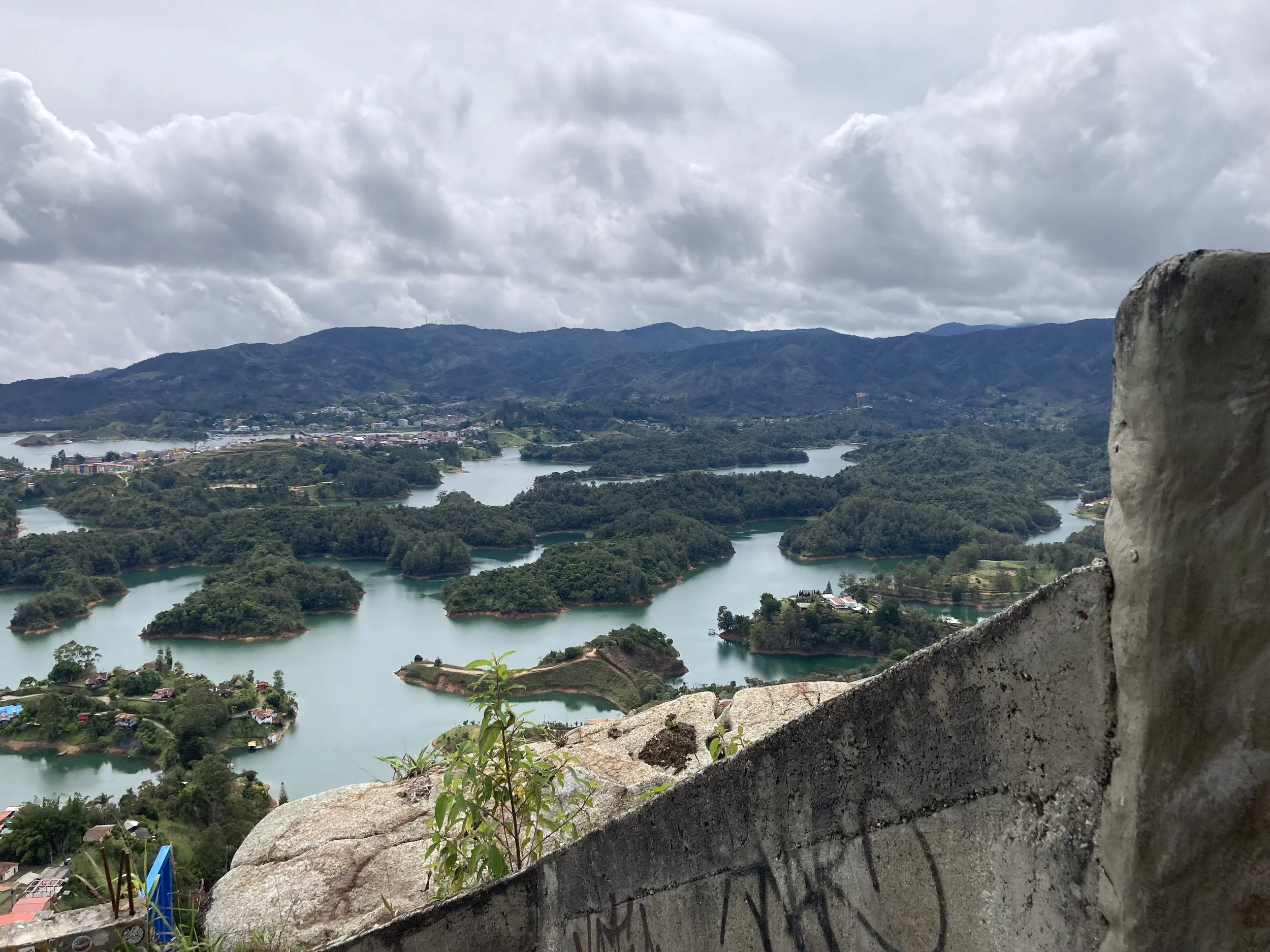
I mean it’s 740 steps up and another 740 steps down. When it’s not crowded (like this morning at 9:30am), it takes about 15 minutes. But with crowds, well it can take a lot longer. Either way, the view is totally worth it. Spectacularly so:
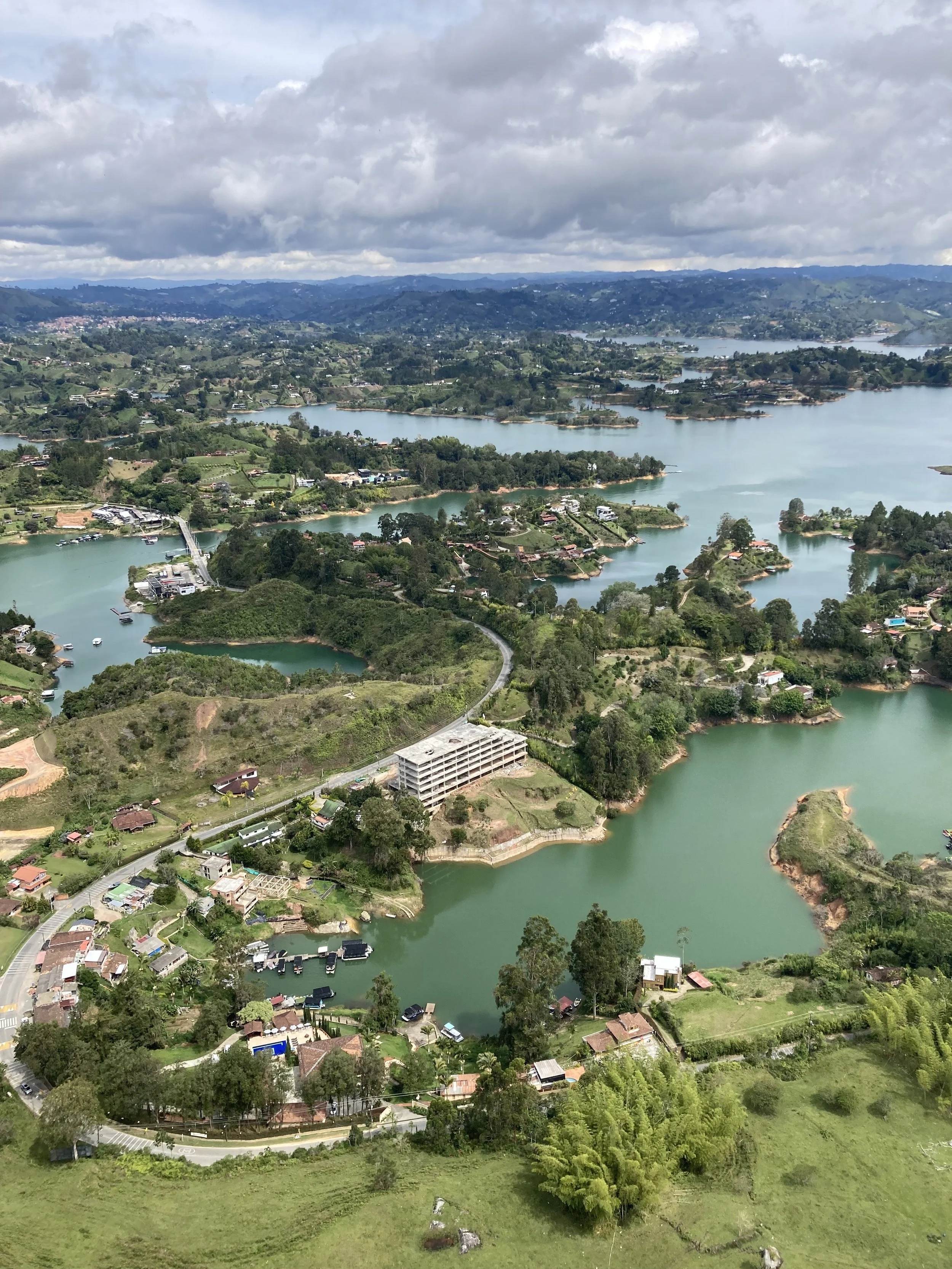
Can I still say “Money Shot” or does that get me cancelled?
Here’s the thing. The view from 740 steps on top of the largest rock anywhere nearby reminds me a lot of my time in Ha Long Bay, Vietnam (see related article). This is, after all, one of the main reasons I take the time I do to write this blog (now over 320 posts and counting!) So much of the world looks similar to so much of other parts of the world, I need a place to keep all the places I’ve visited straight.
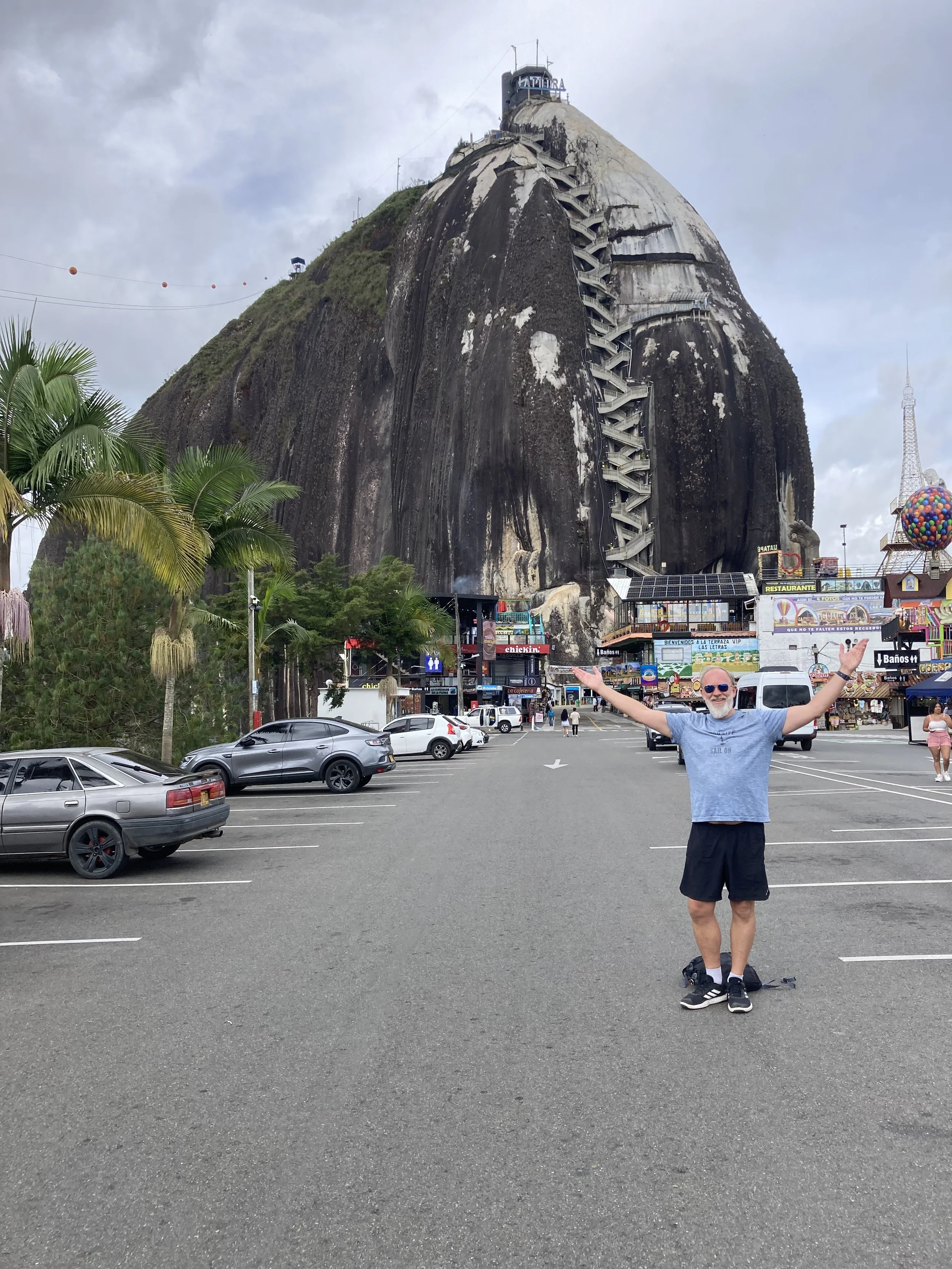
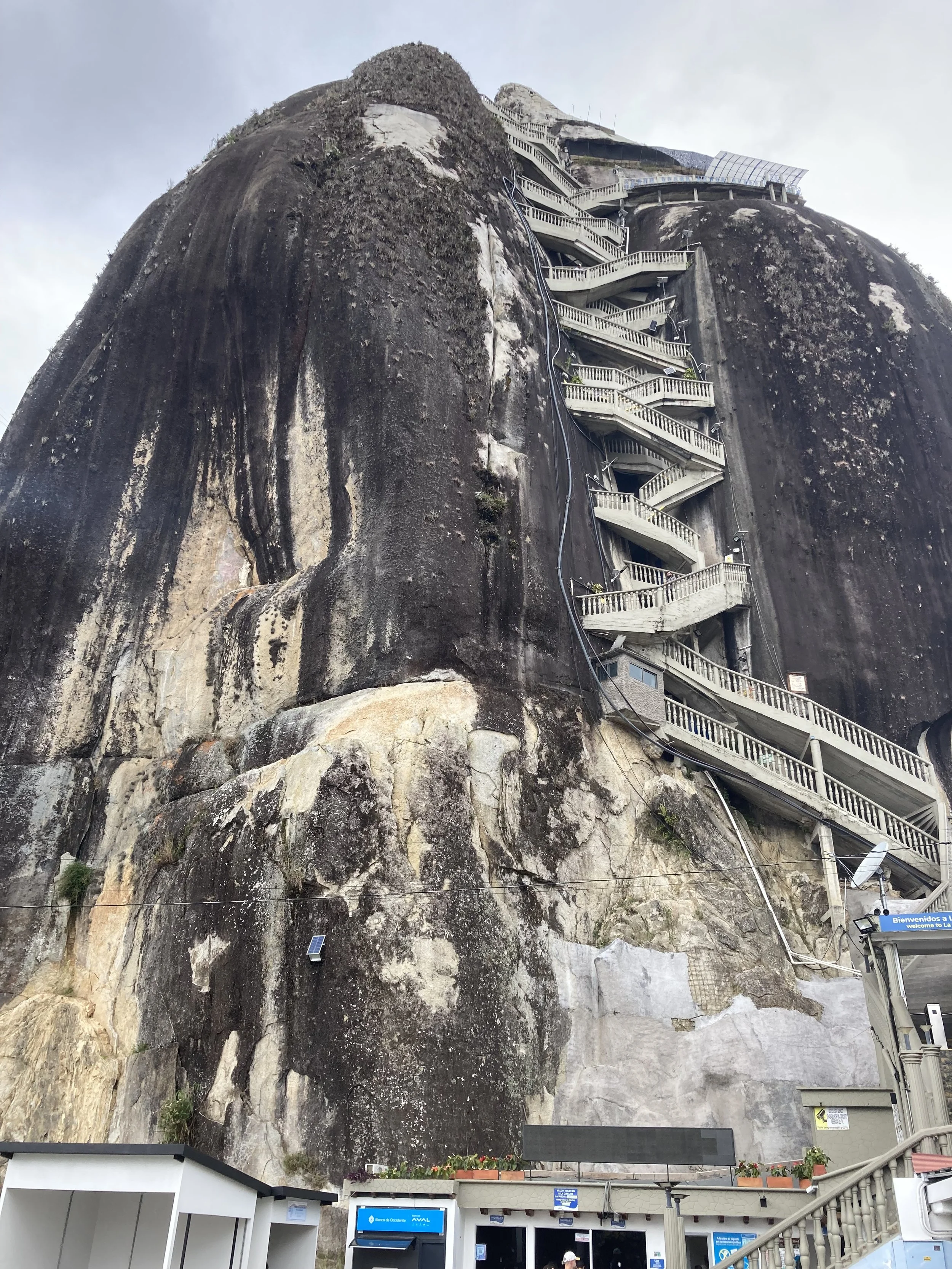
Today was unique because of how you get to the most spectacular views of this area:
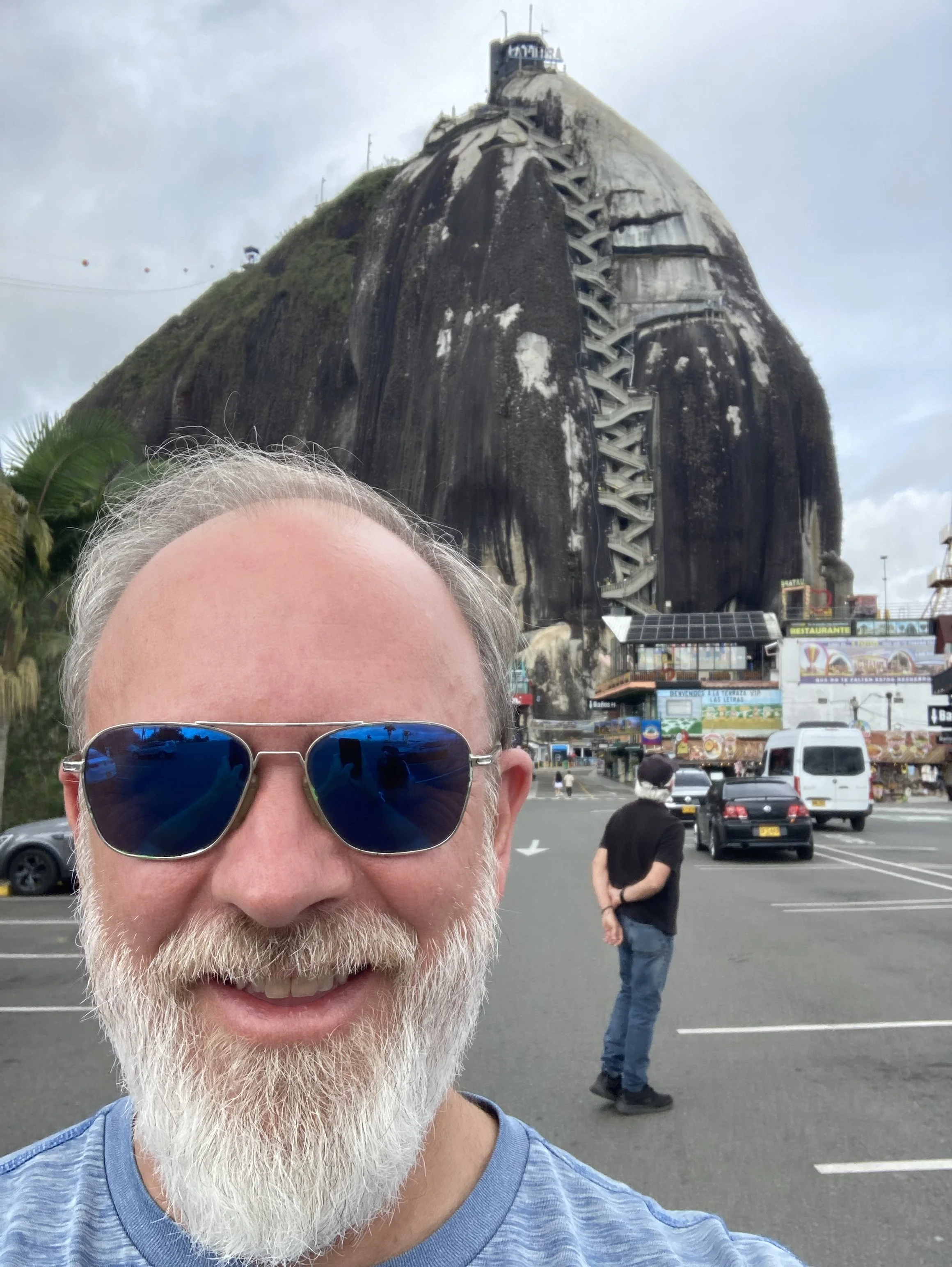
What 740 steps looks like from “base camp” (i.e. the parking lot)
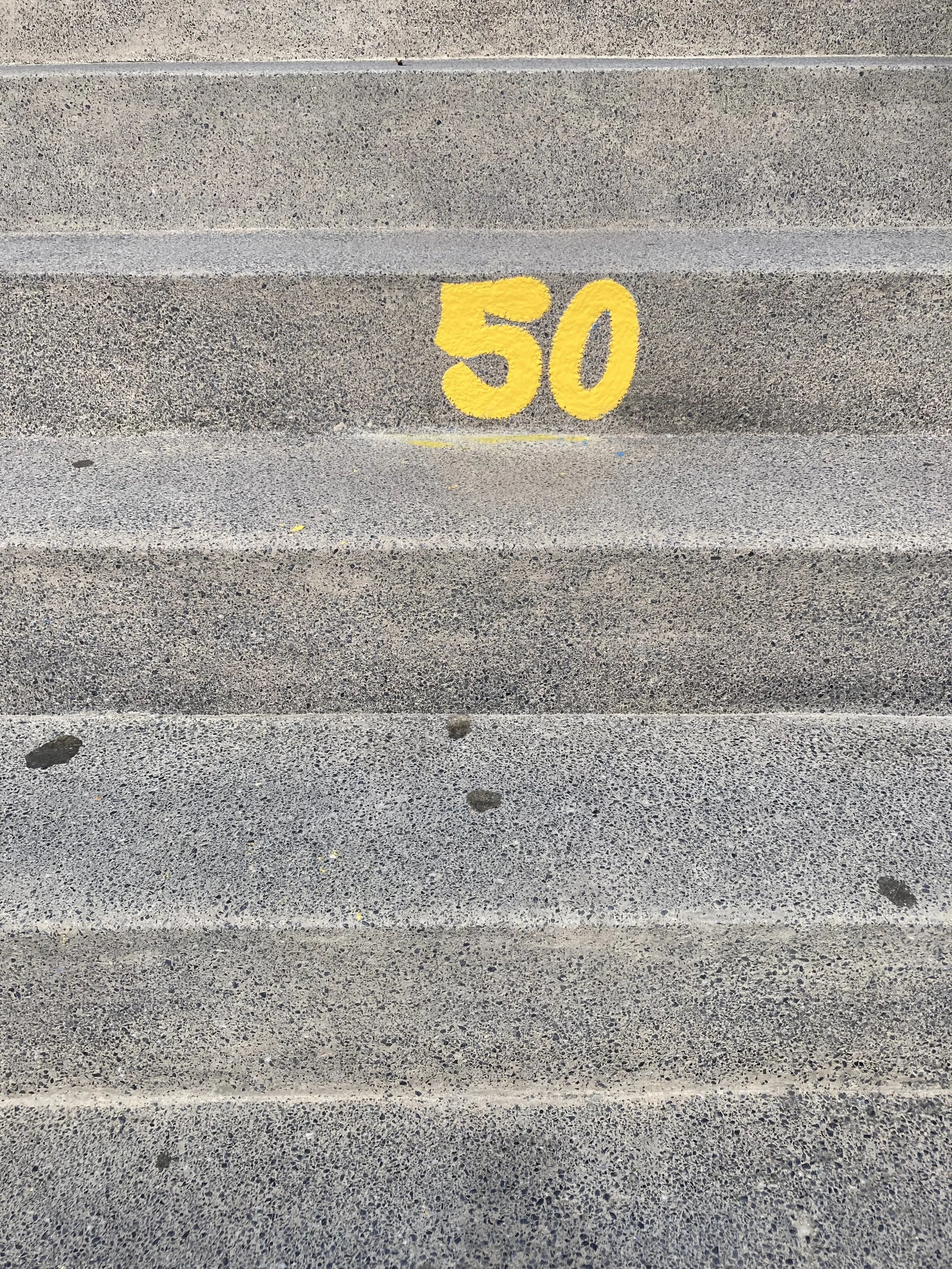
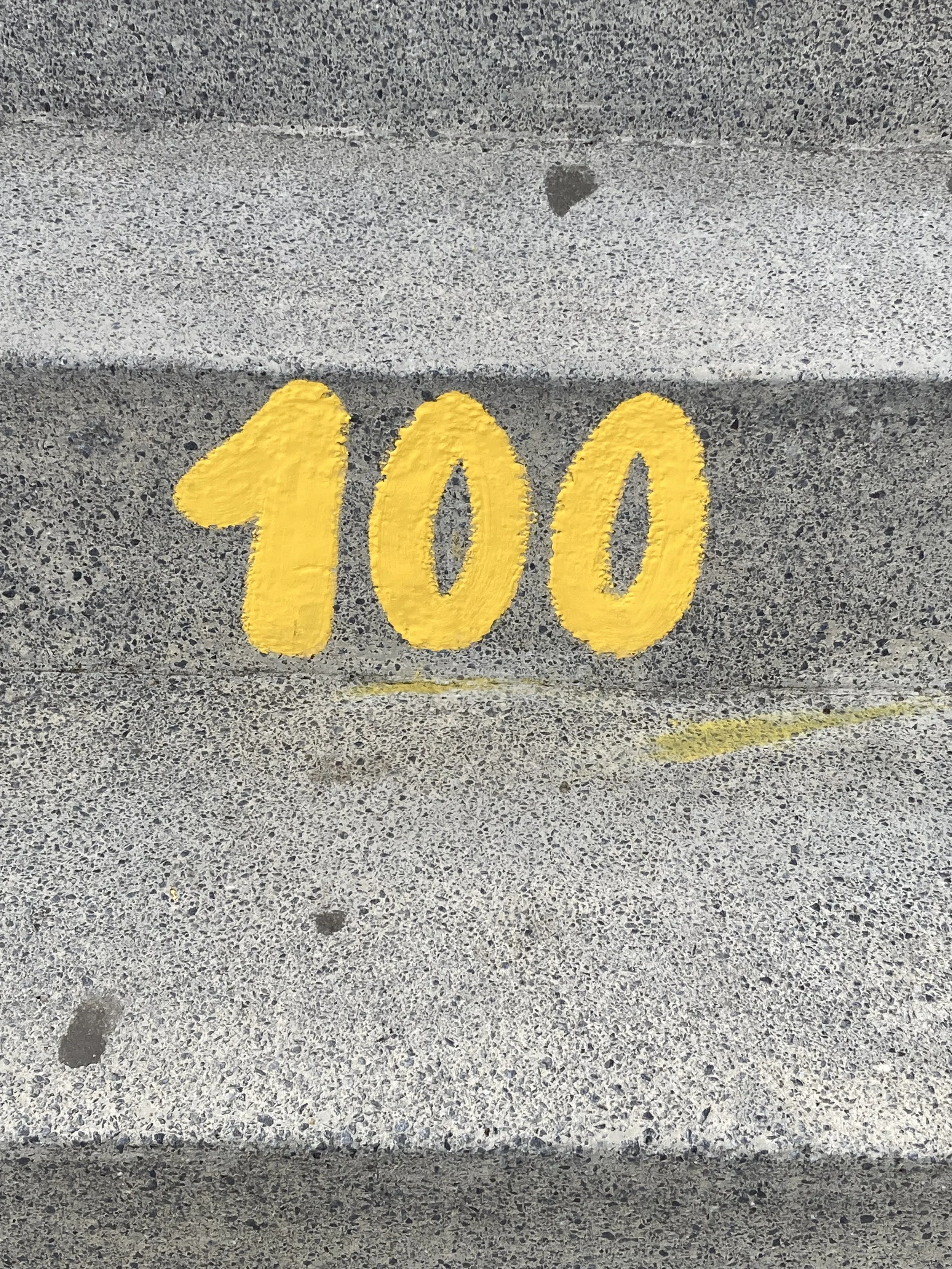
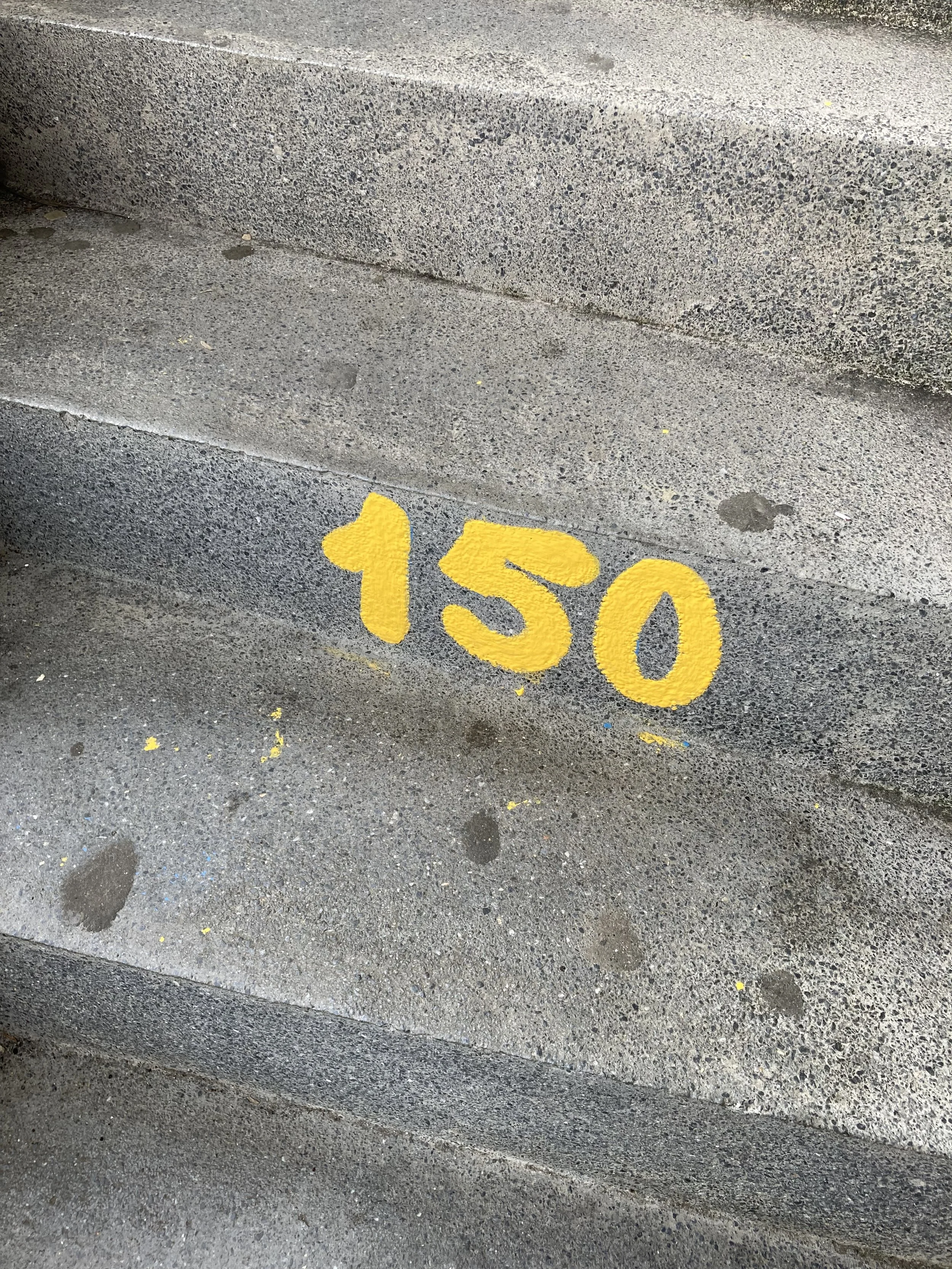
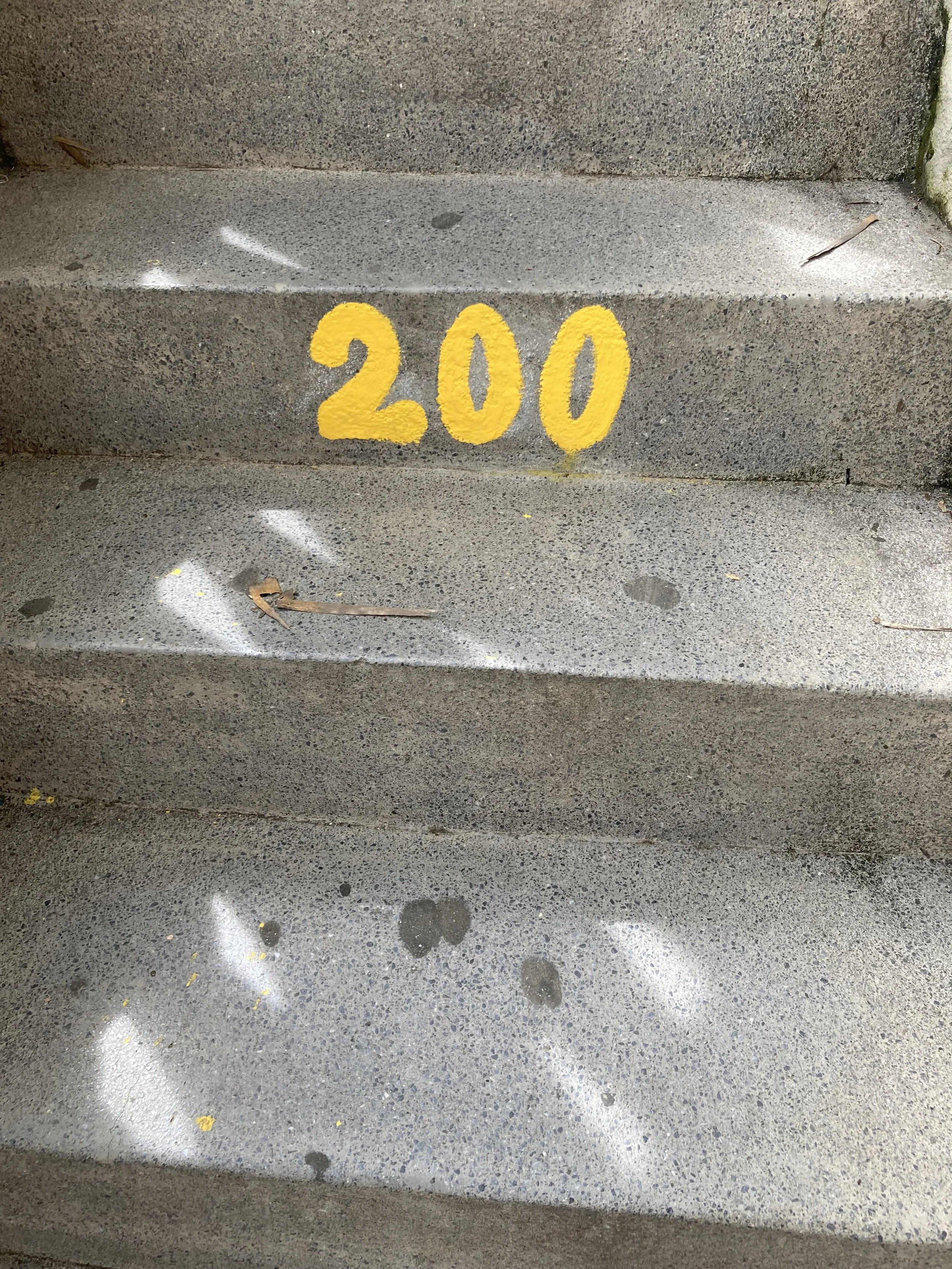
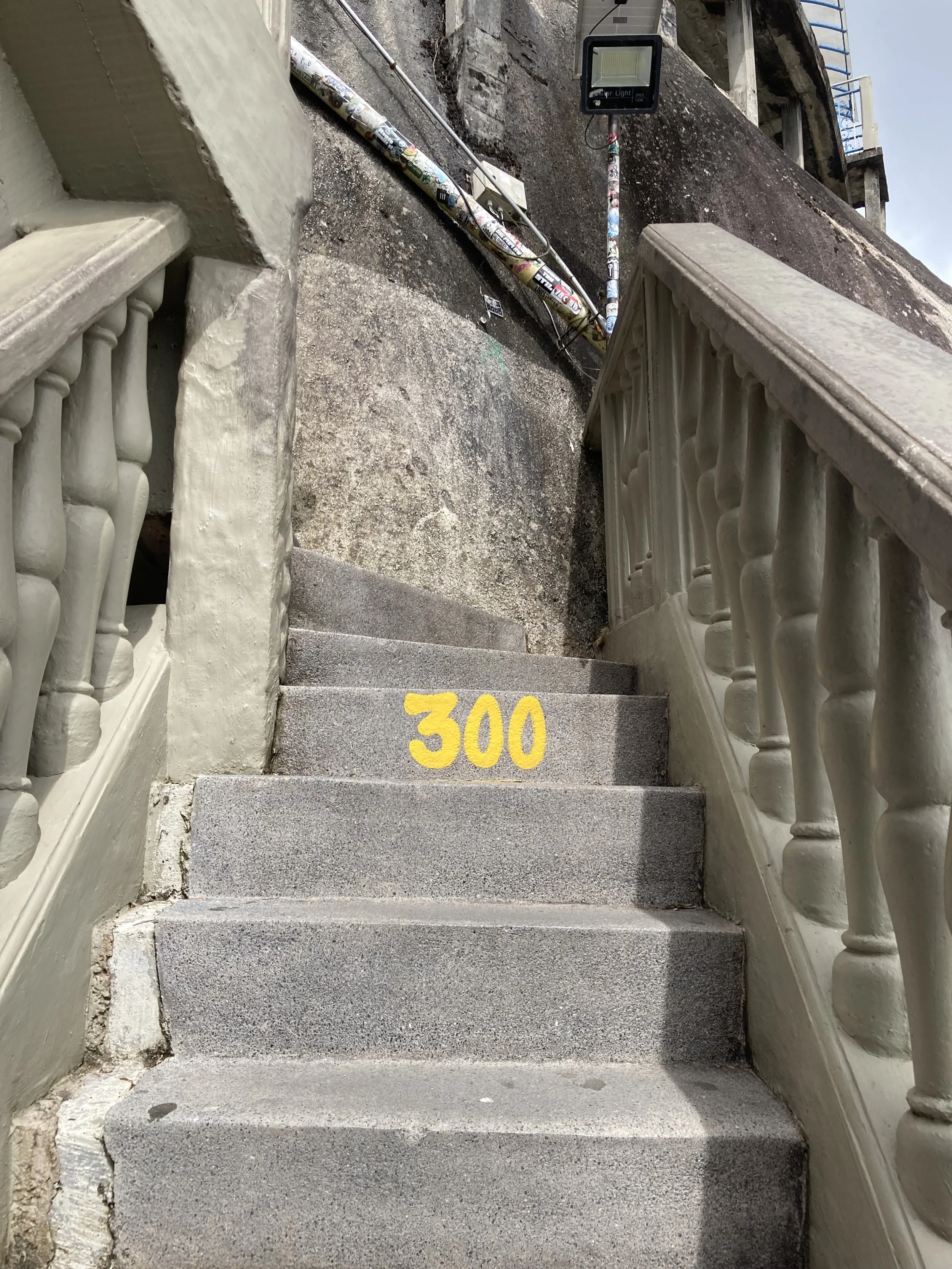
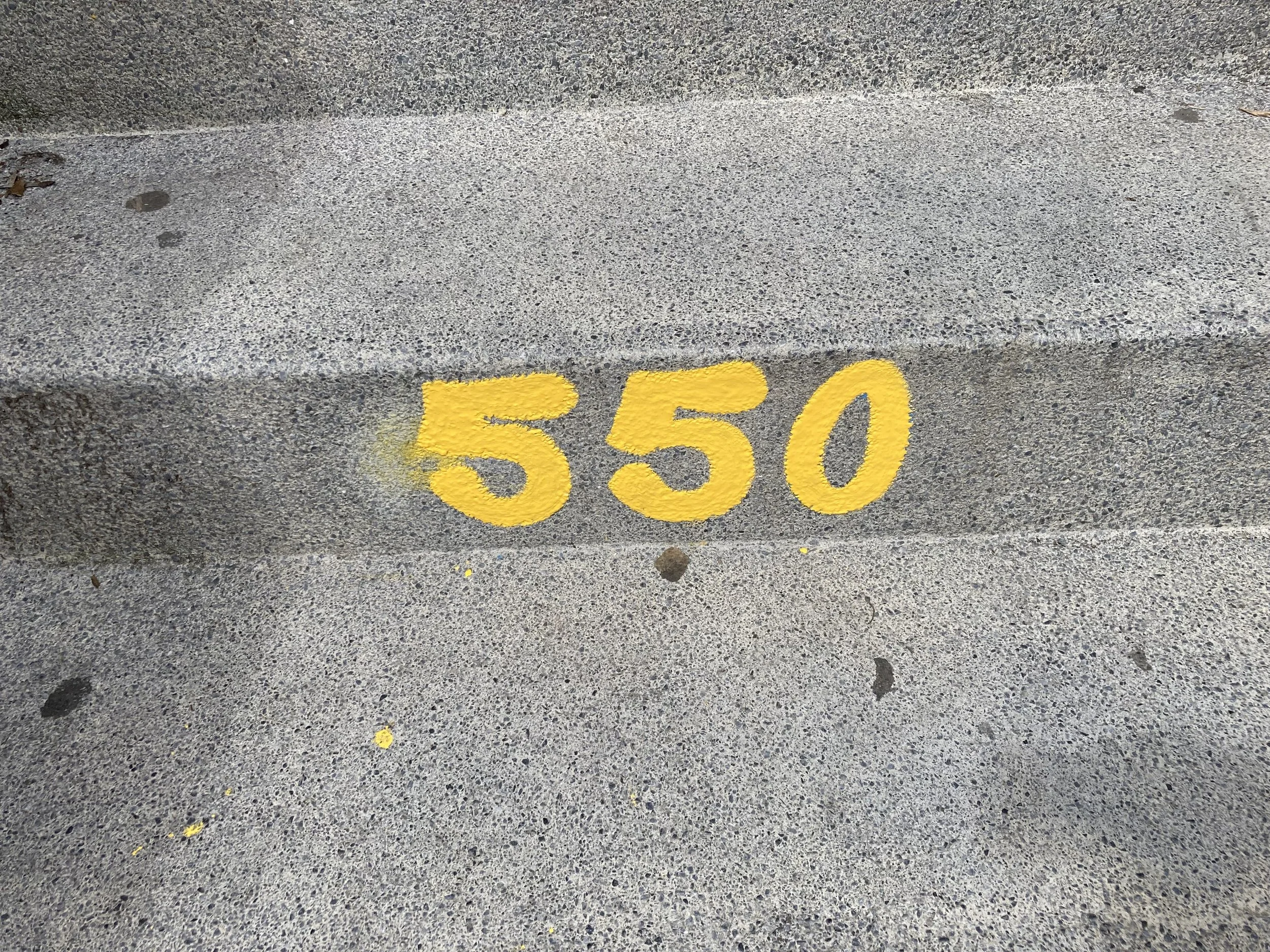
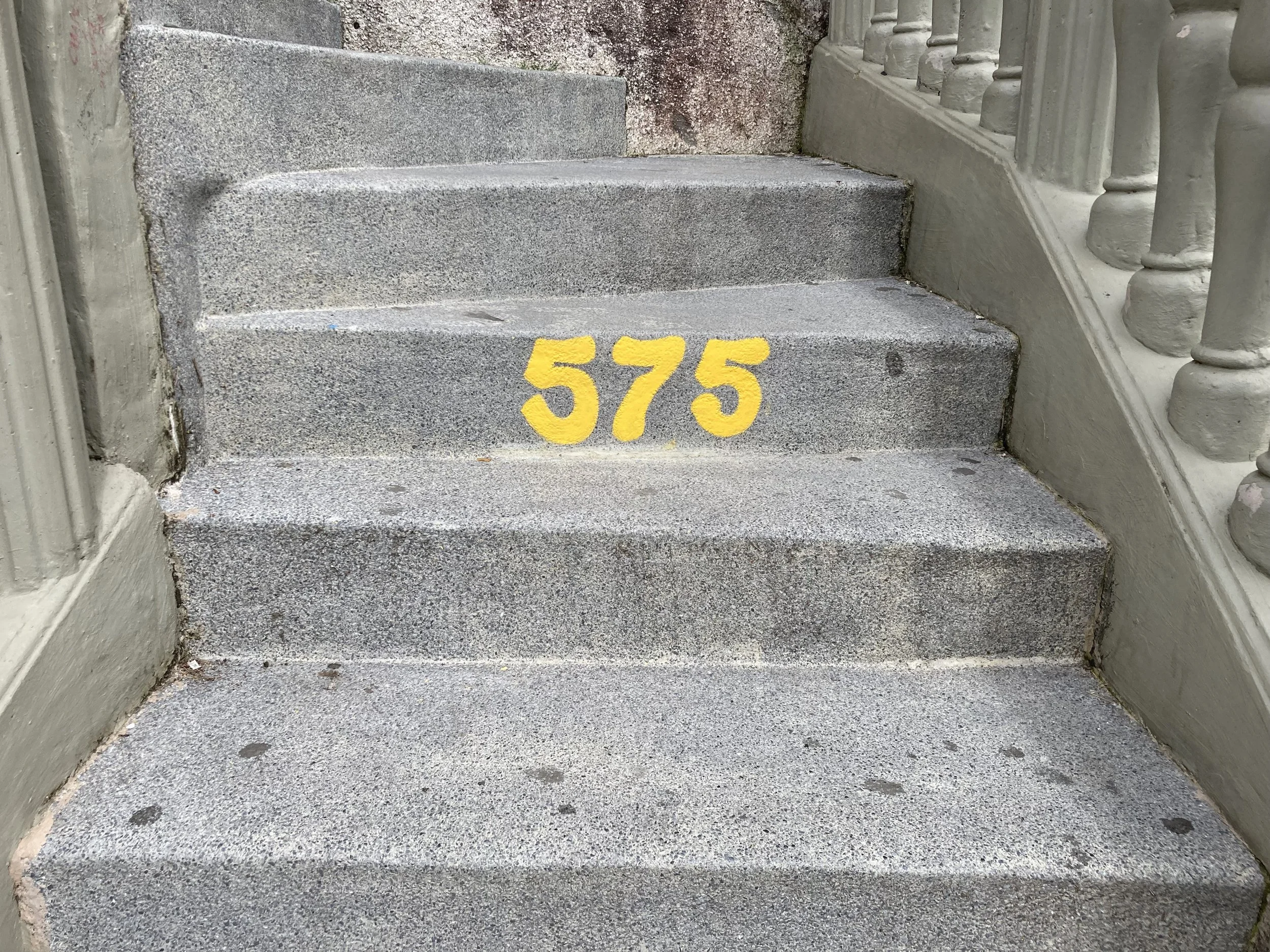
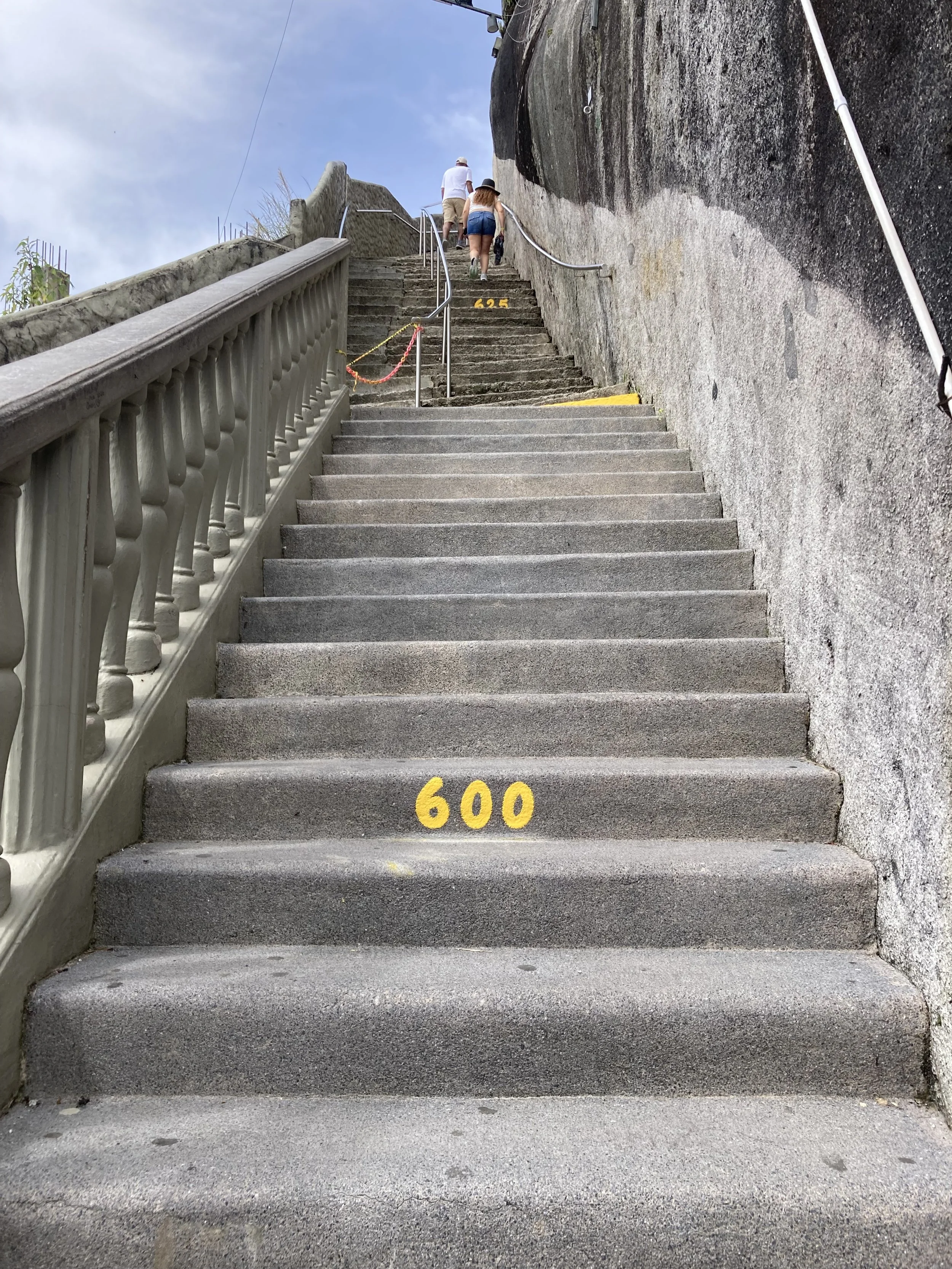
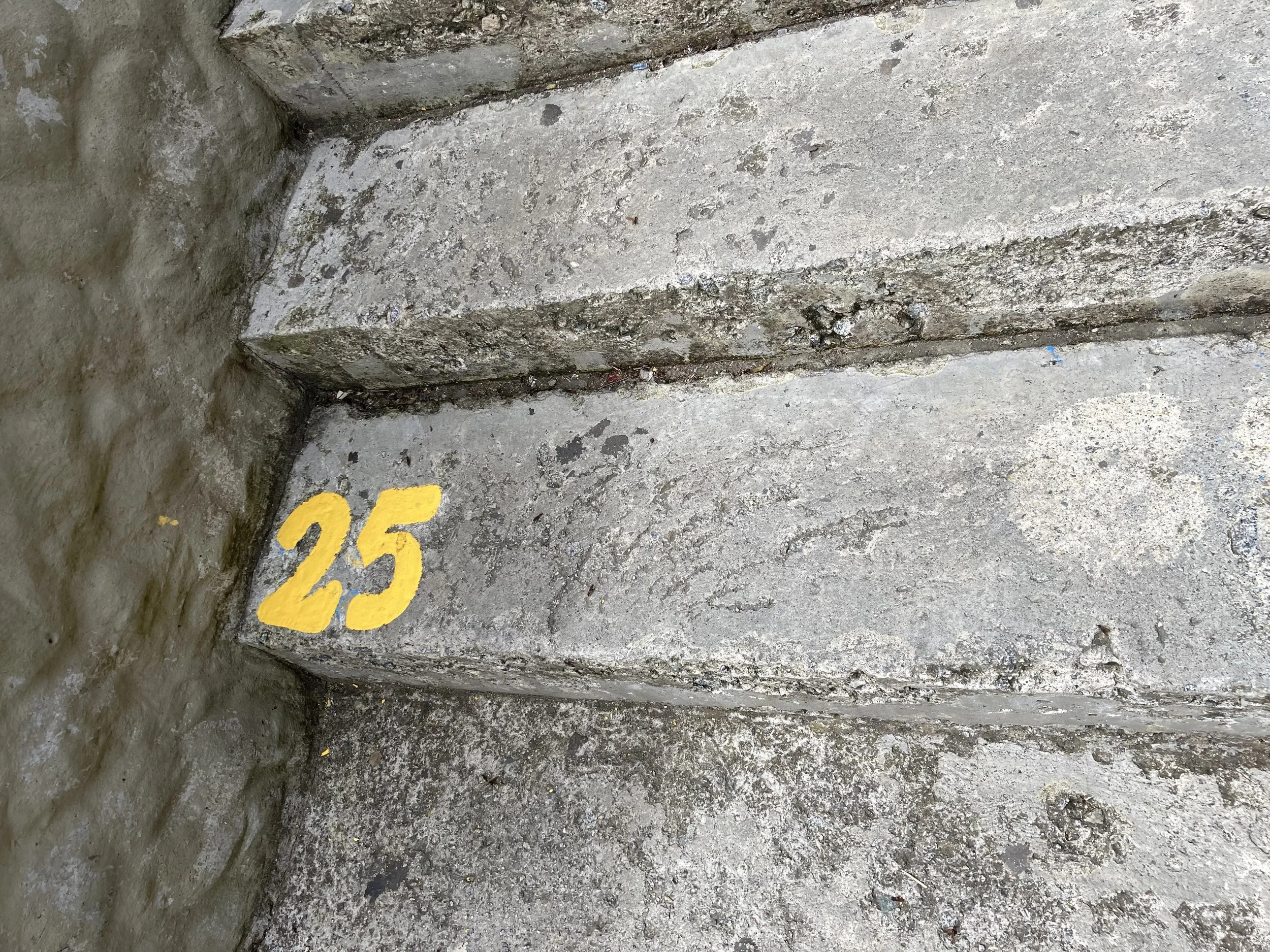
I started counting the steps as I began my journey, only to see that enough people have done this that they began painting every 25th step until you get to the top … sort of.
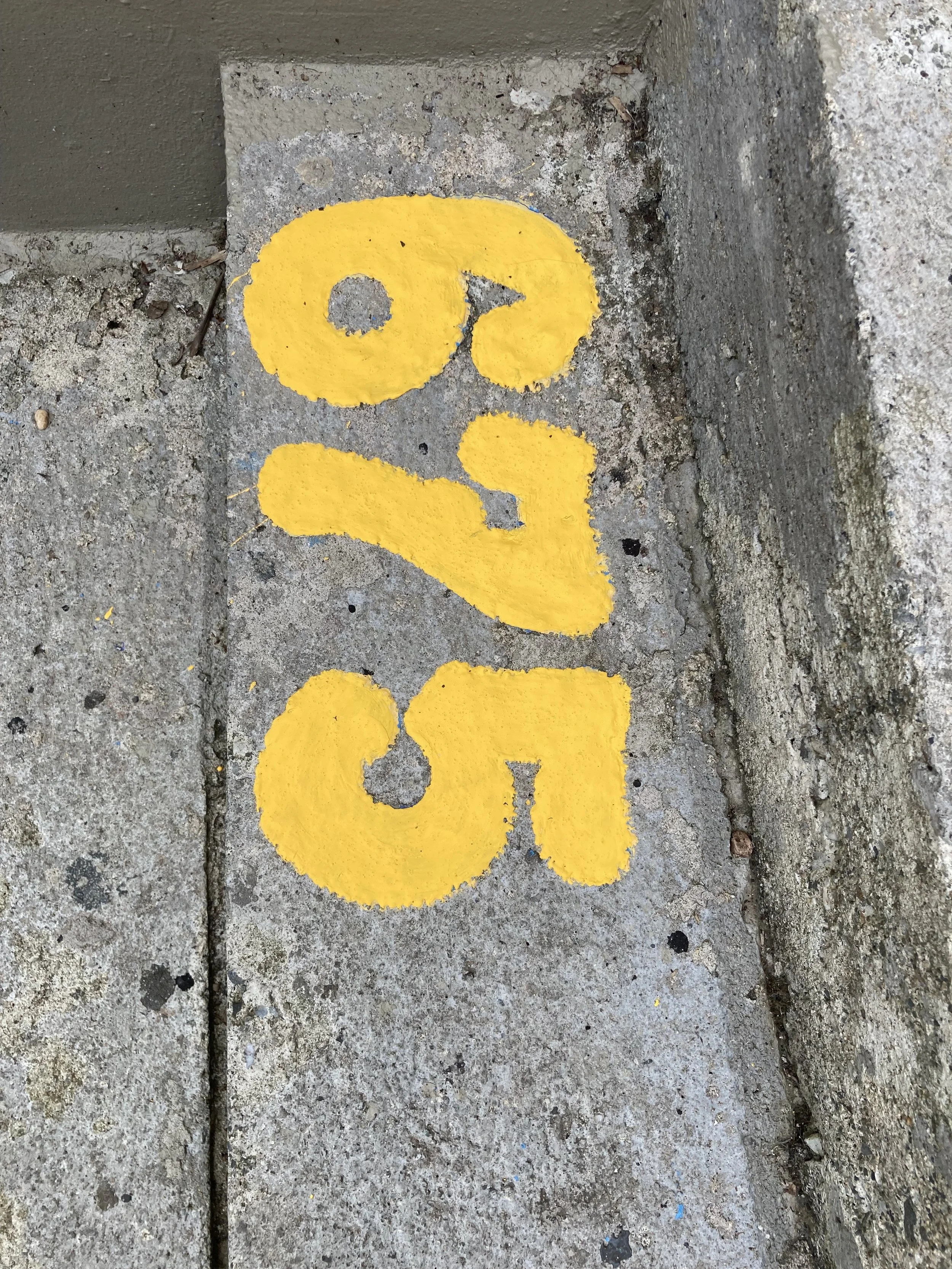
This is the last “official” marker helping you with your step count
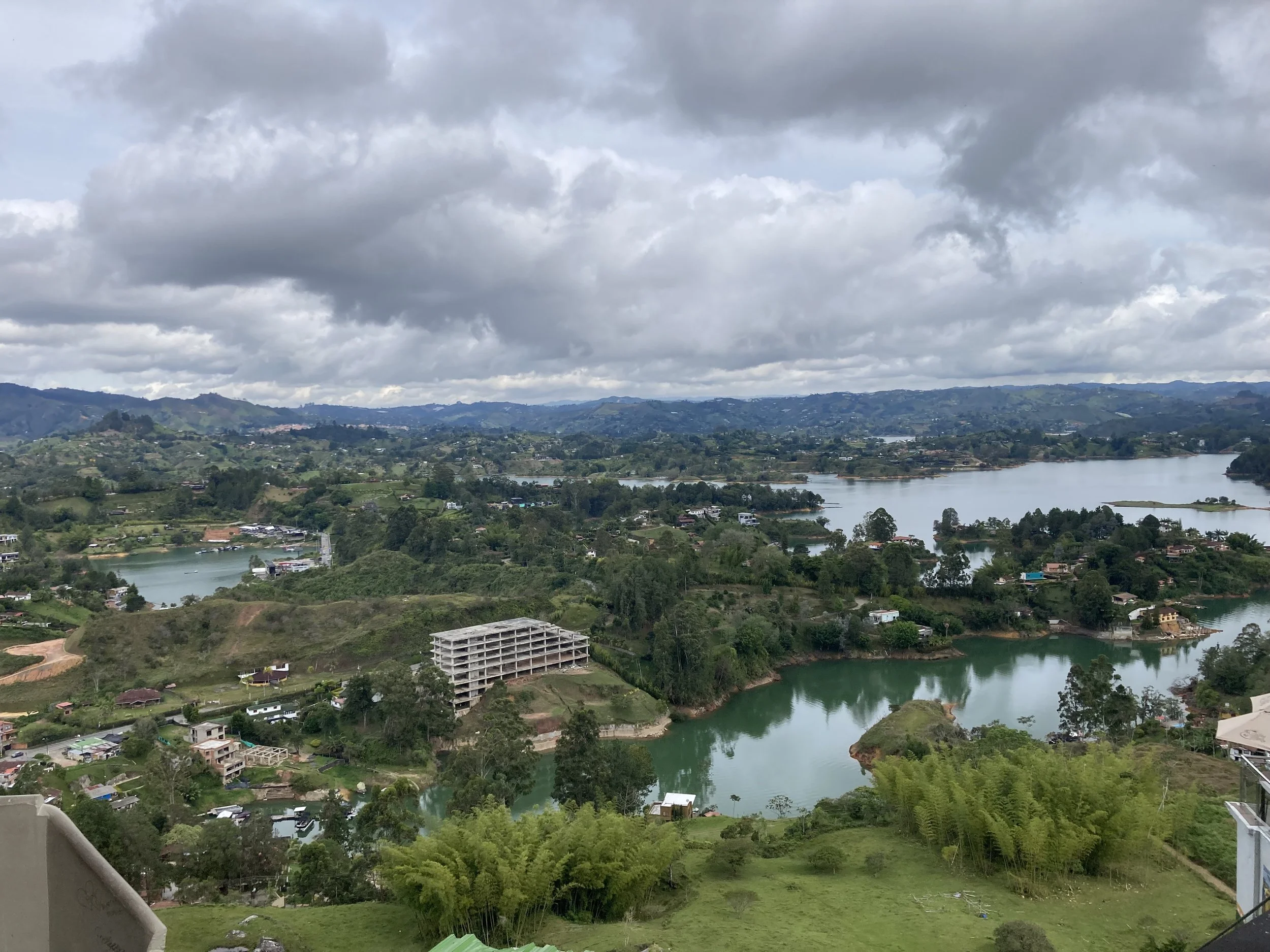
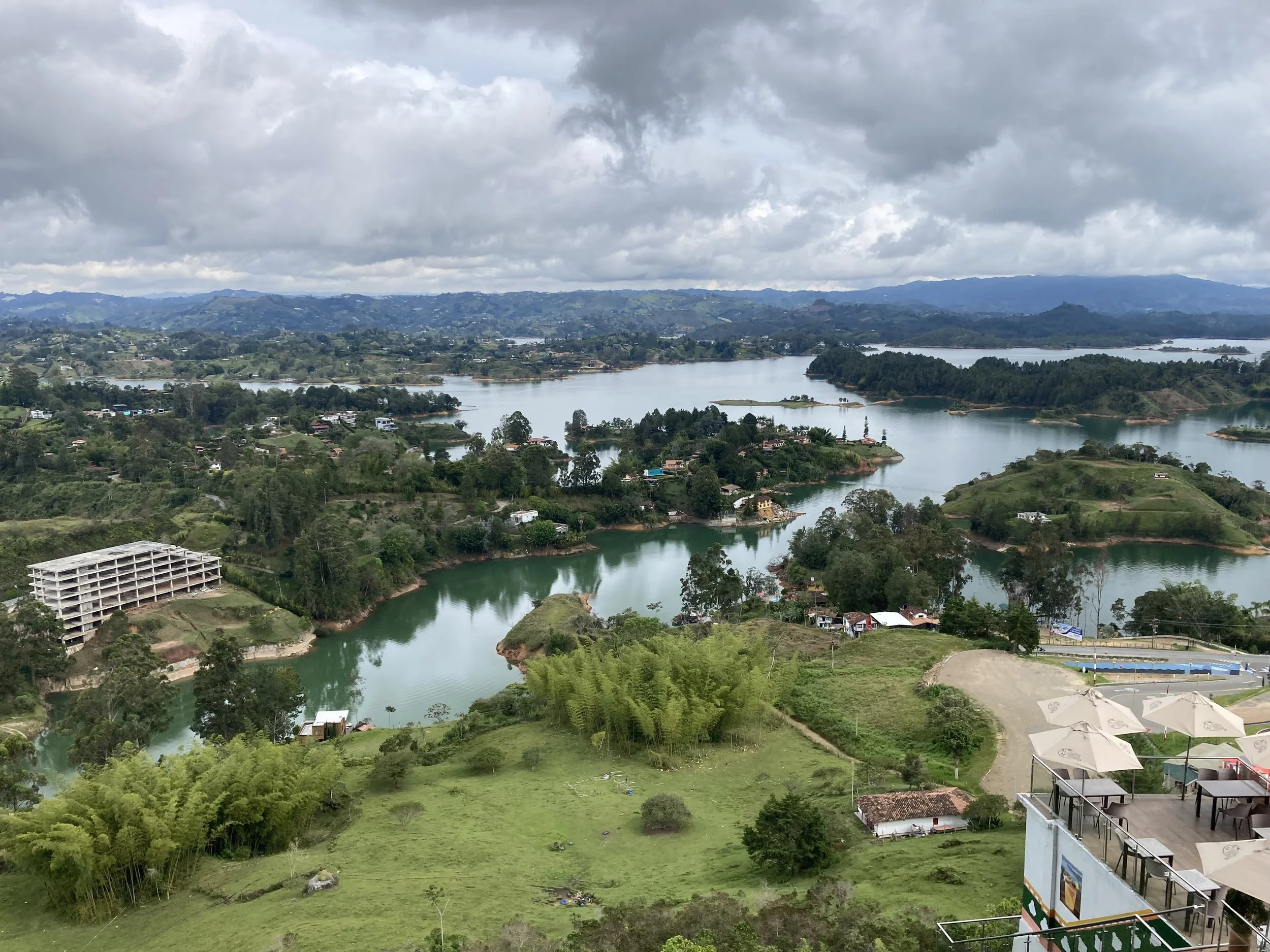
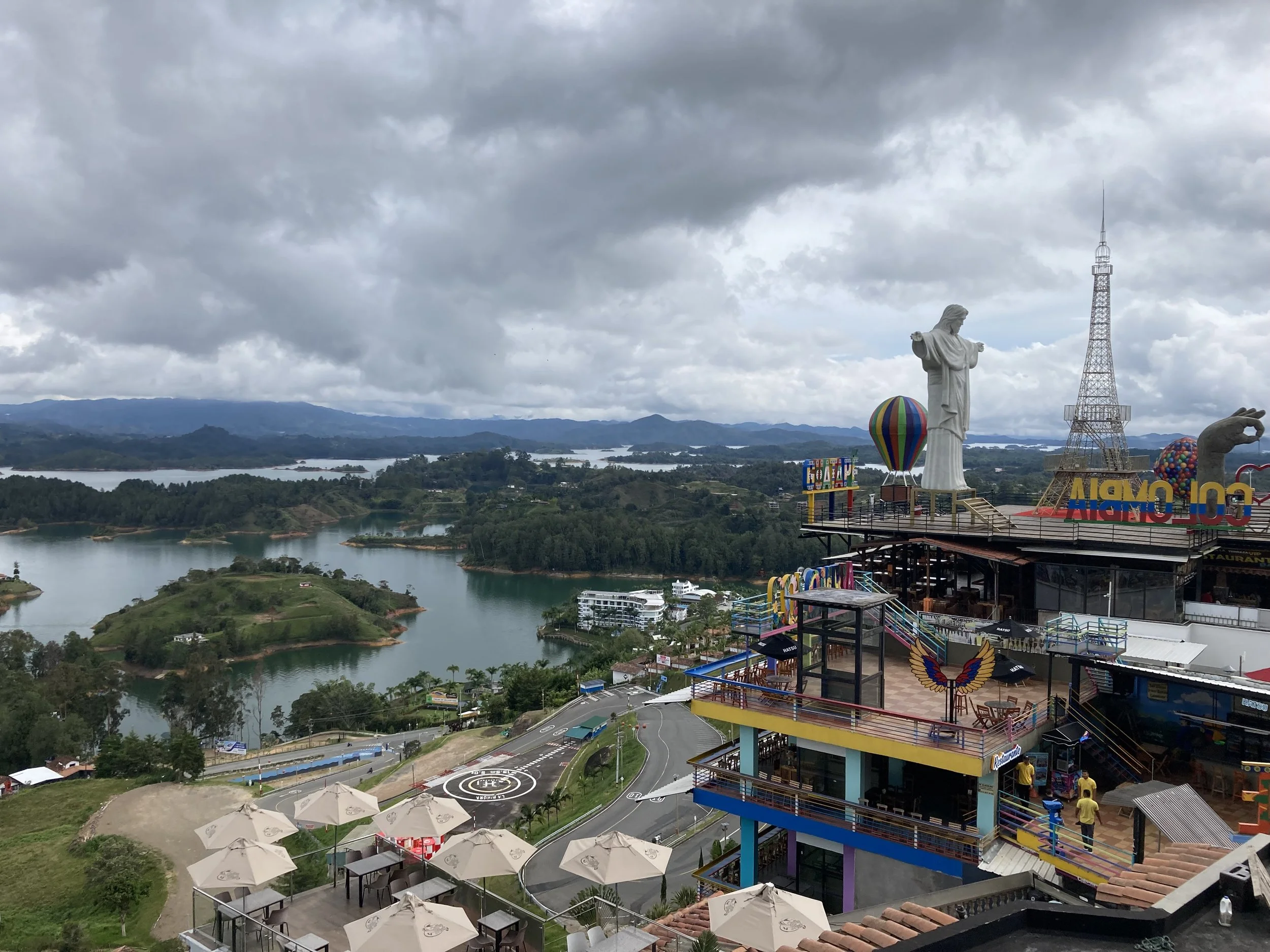
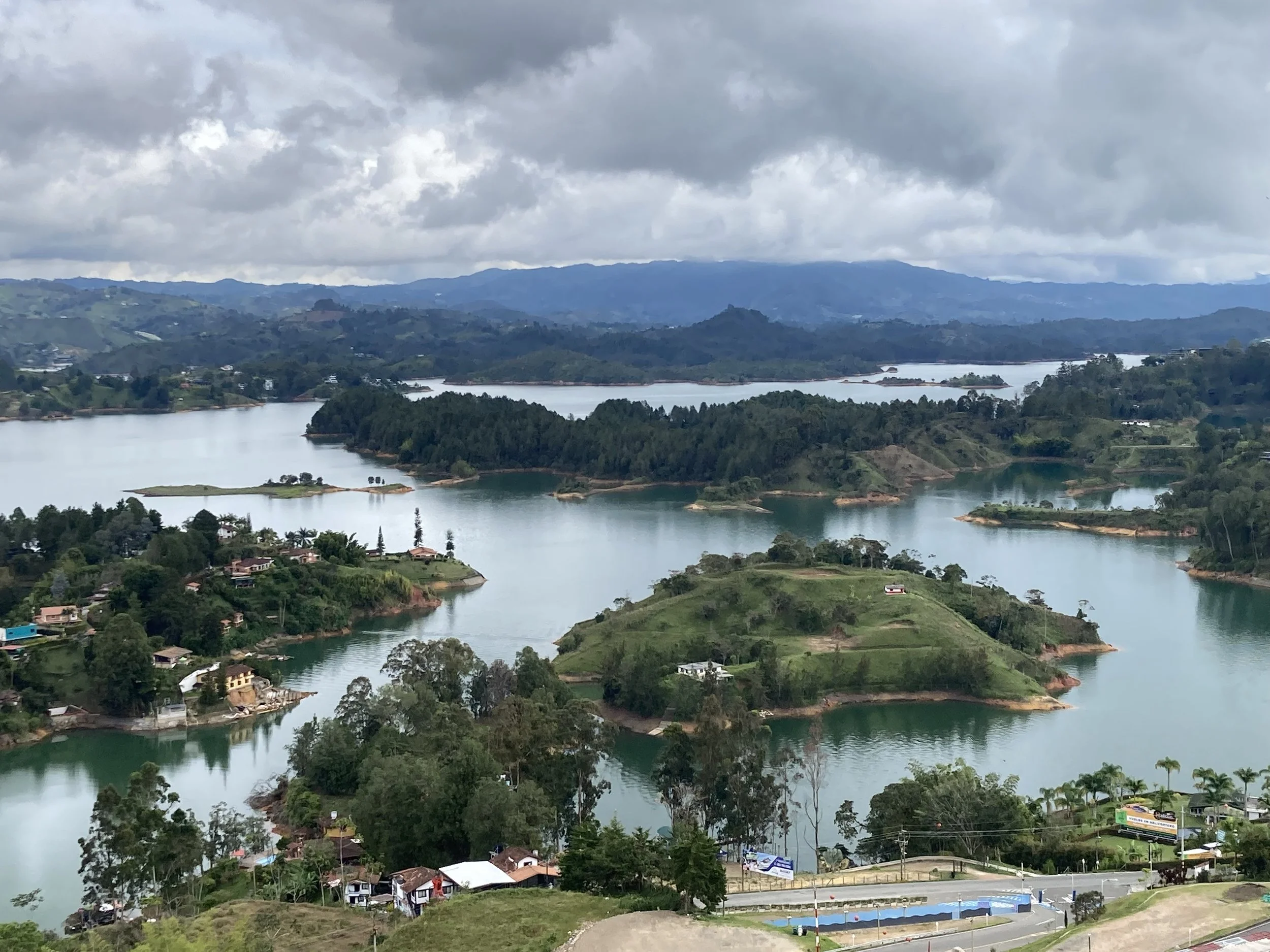
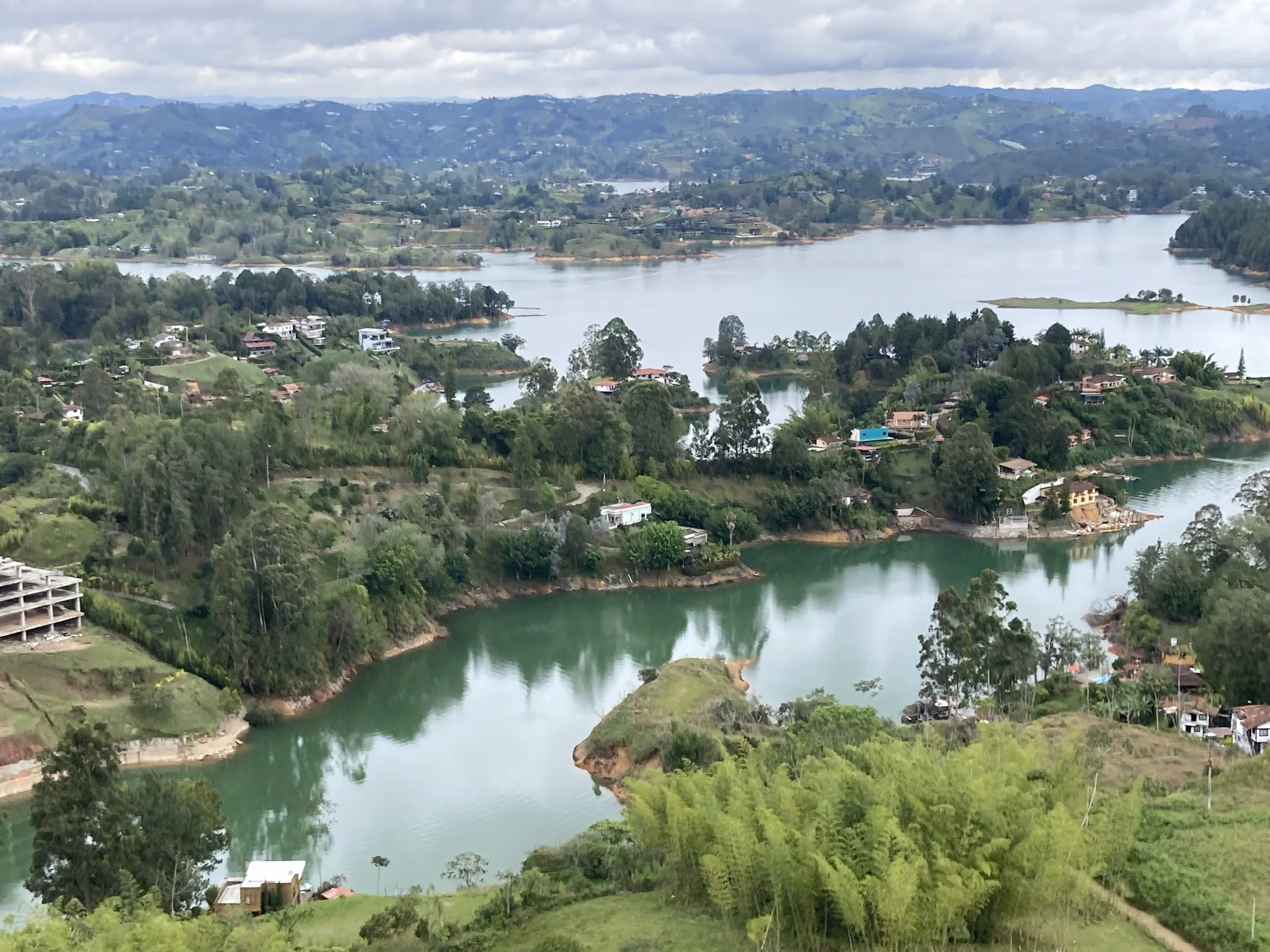
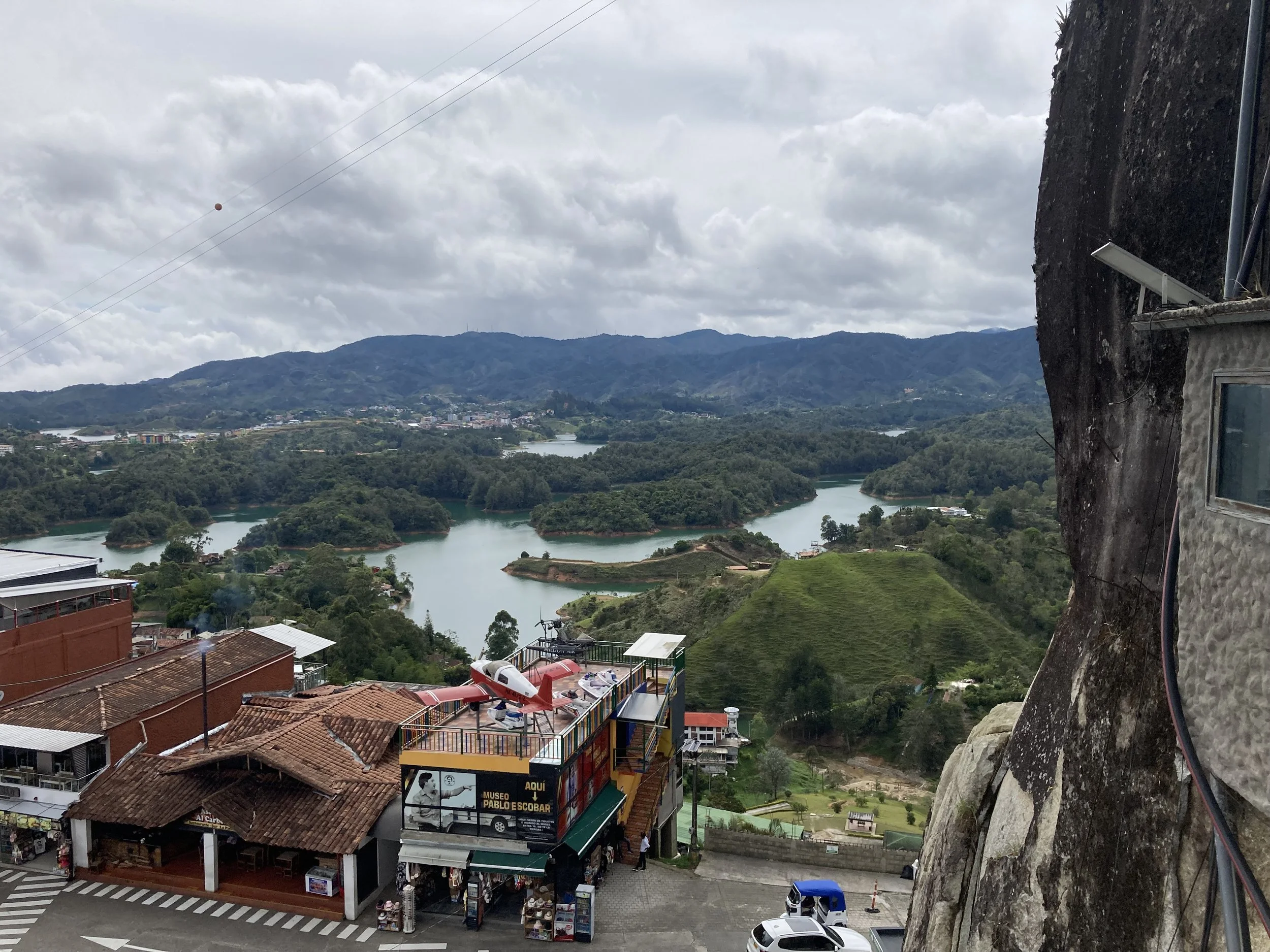
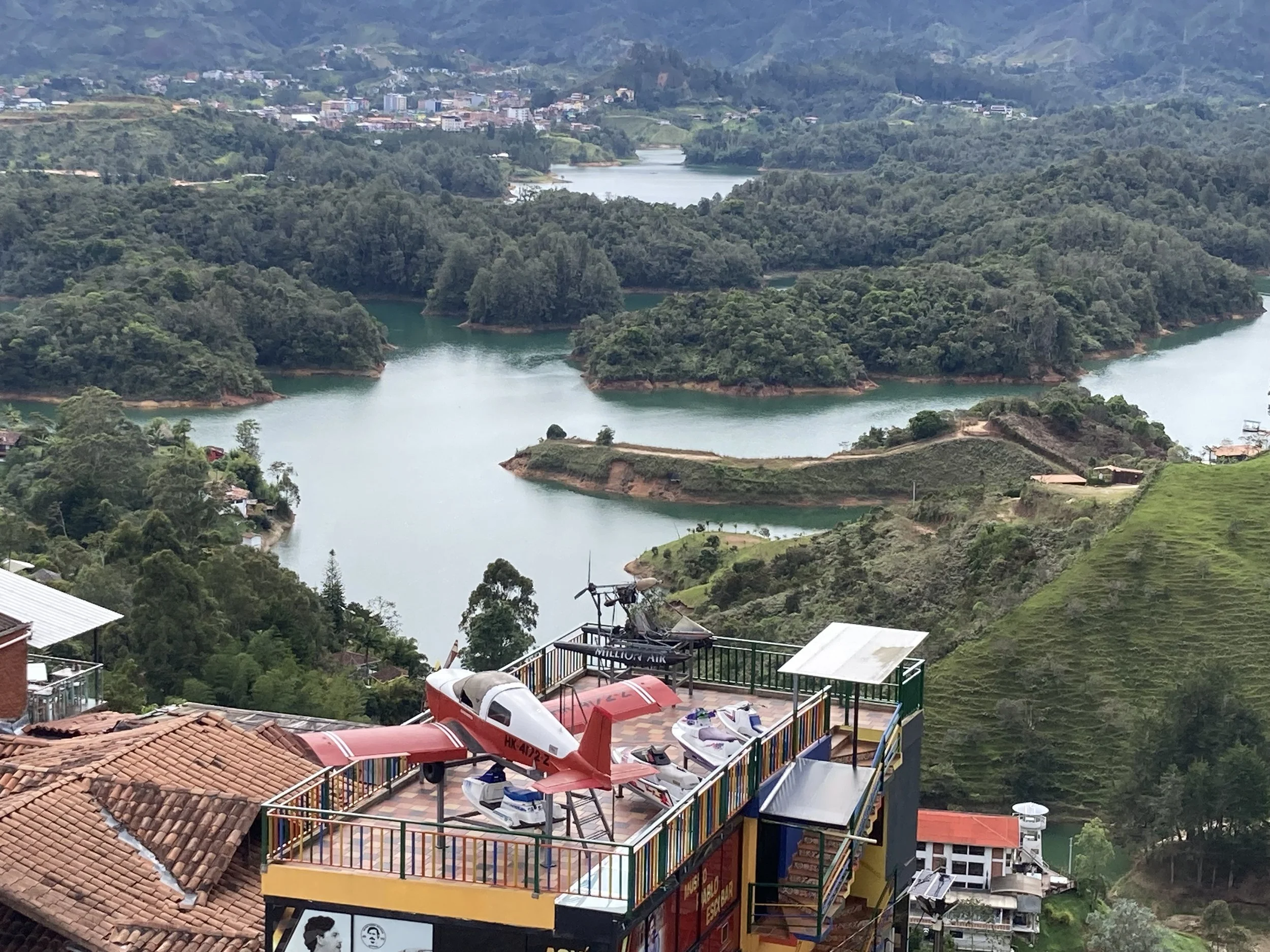
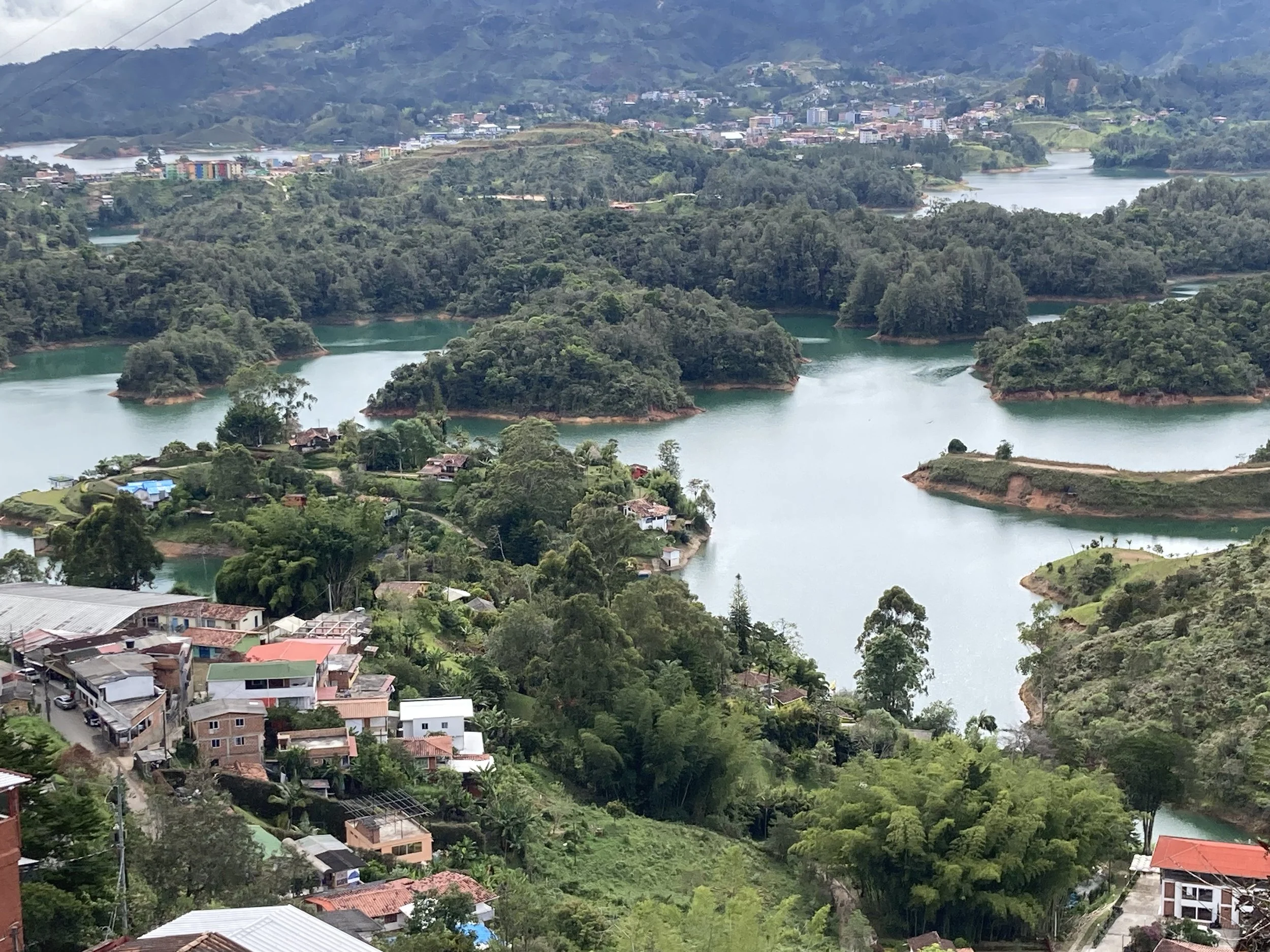
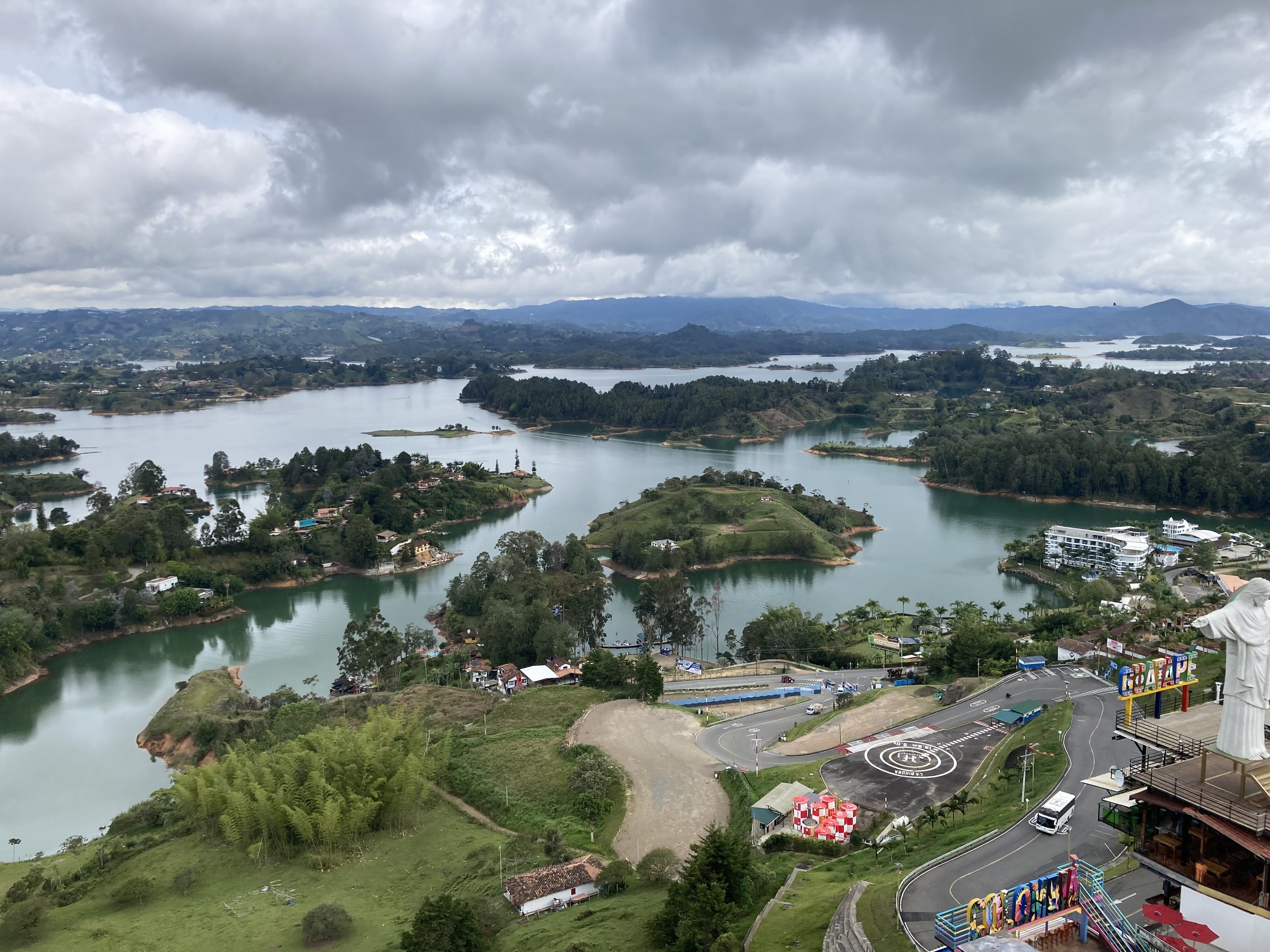
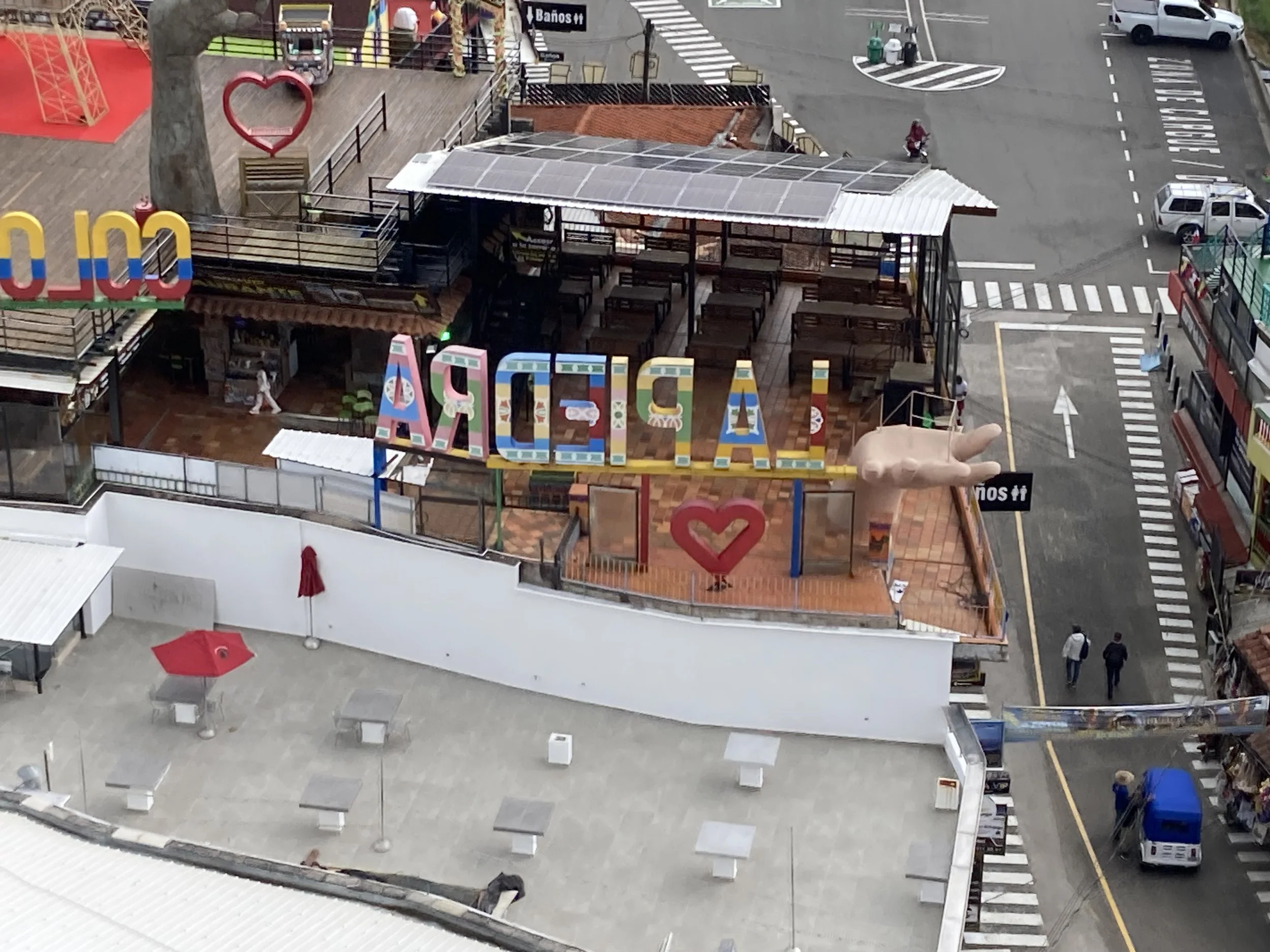
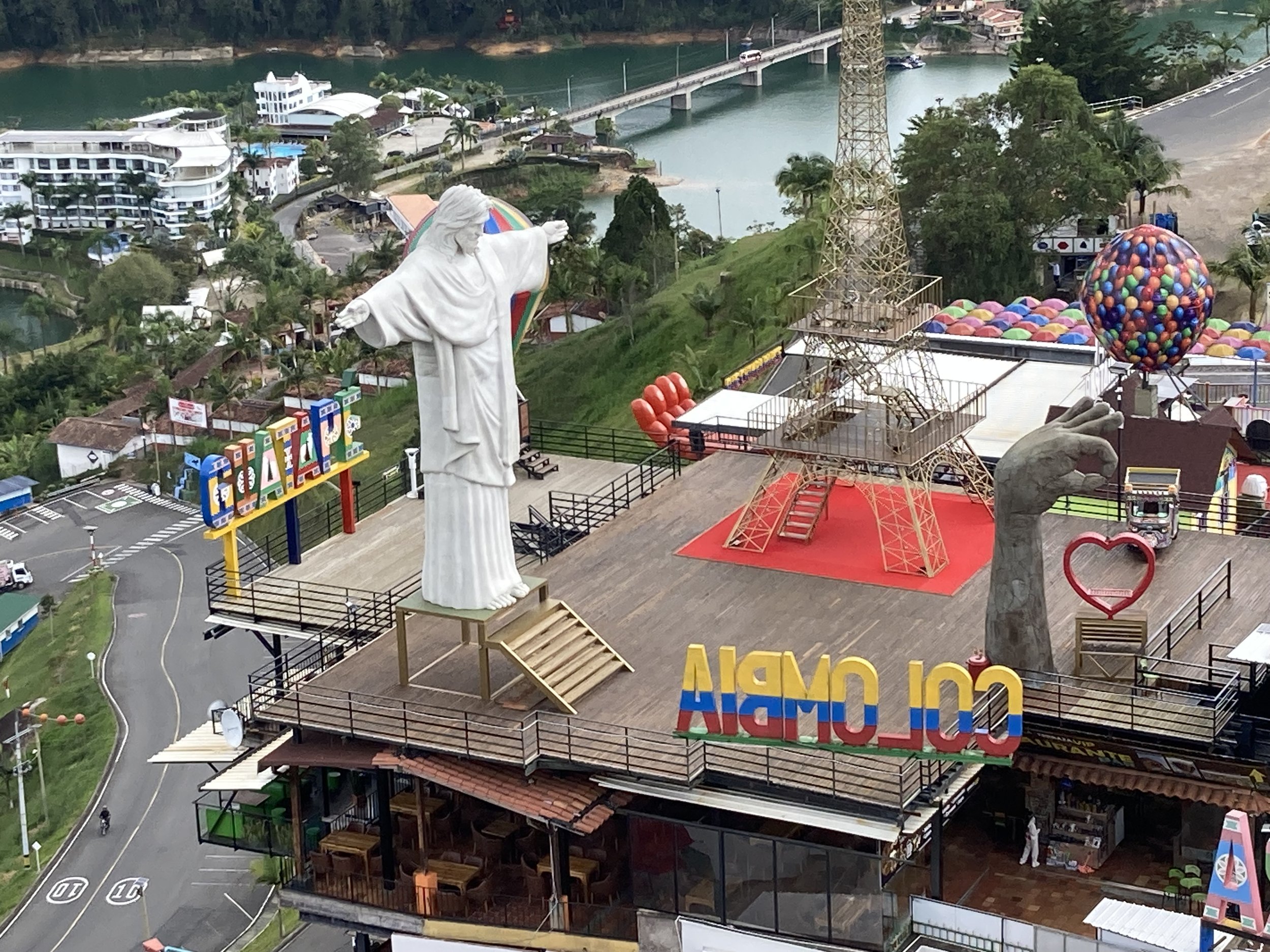
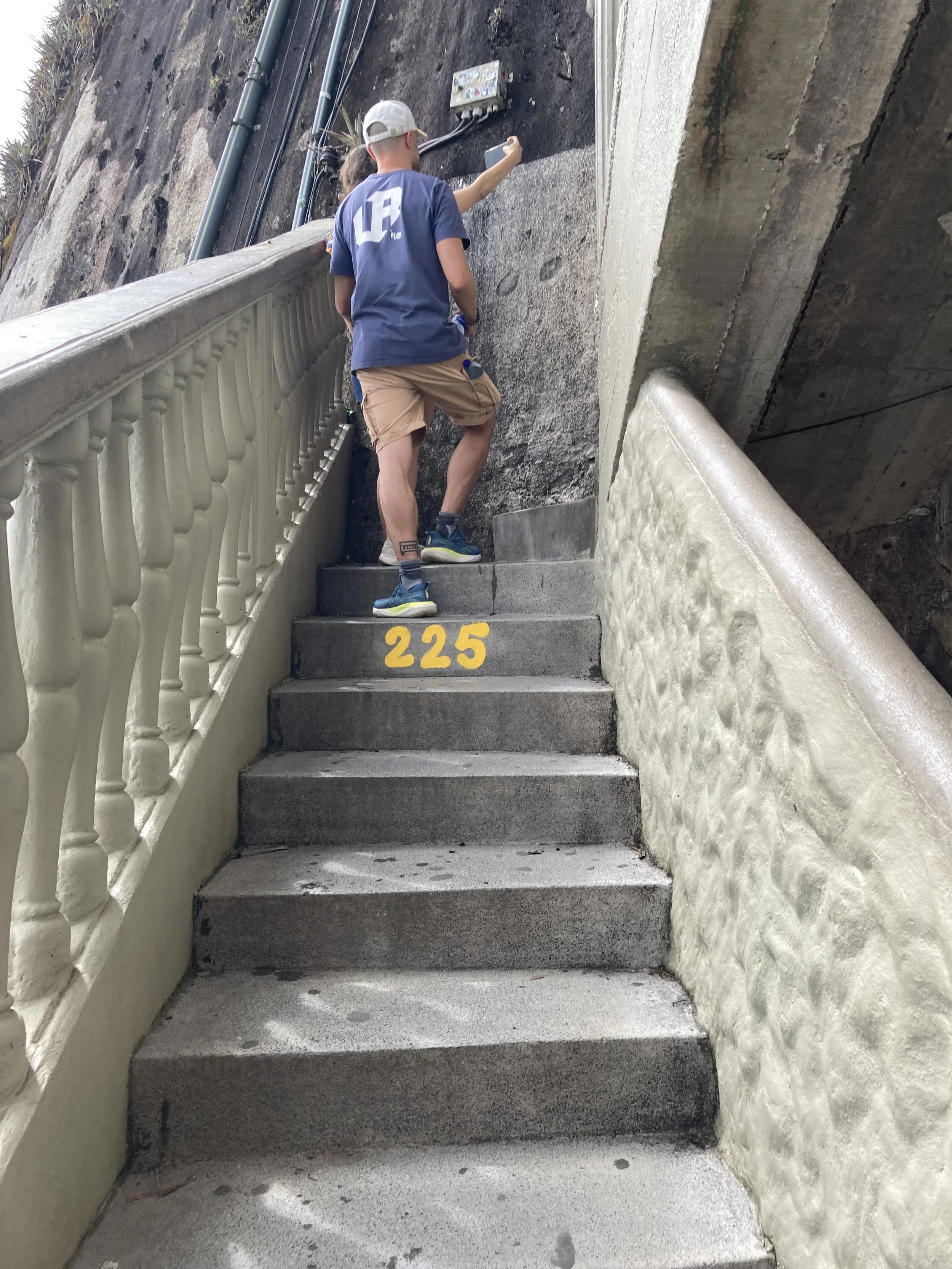
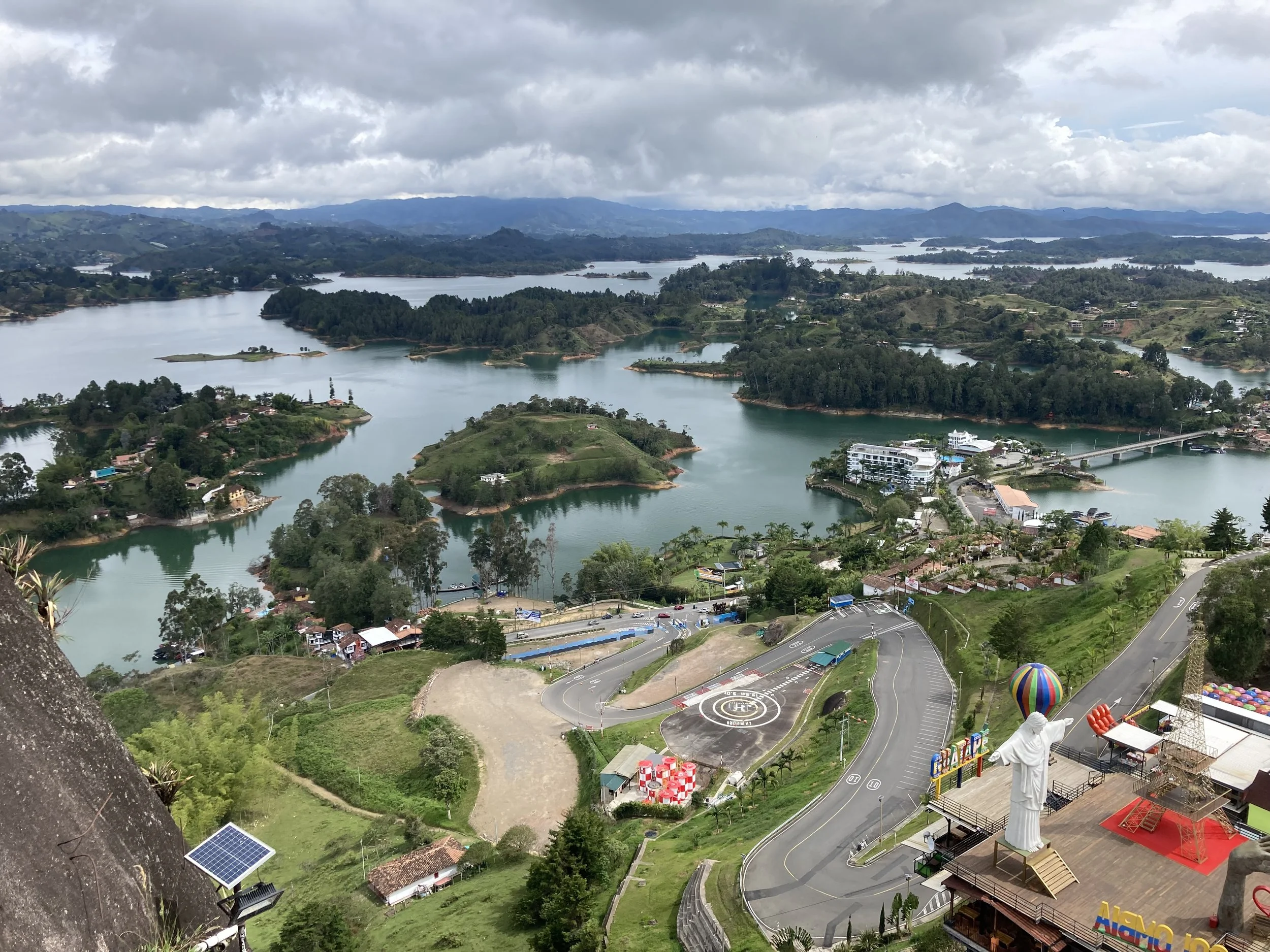
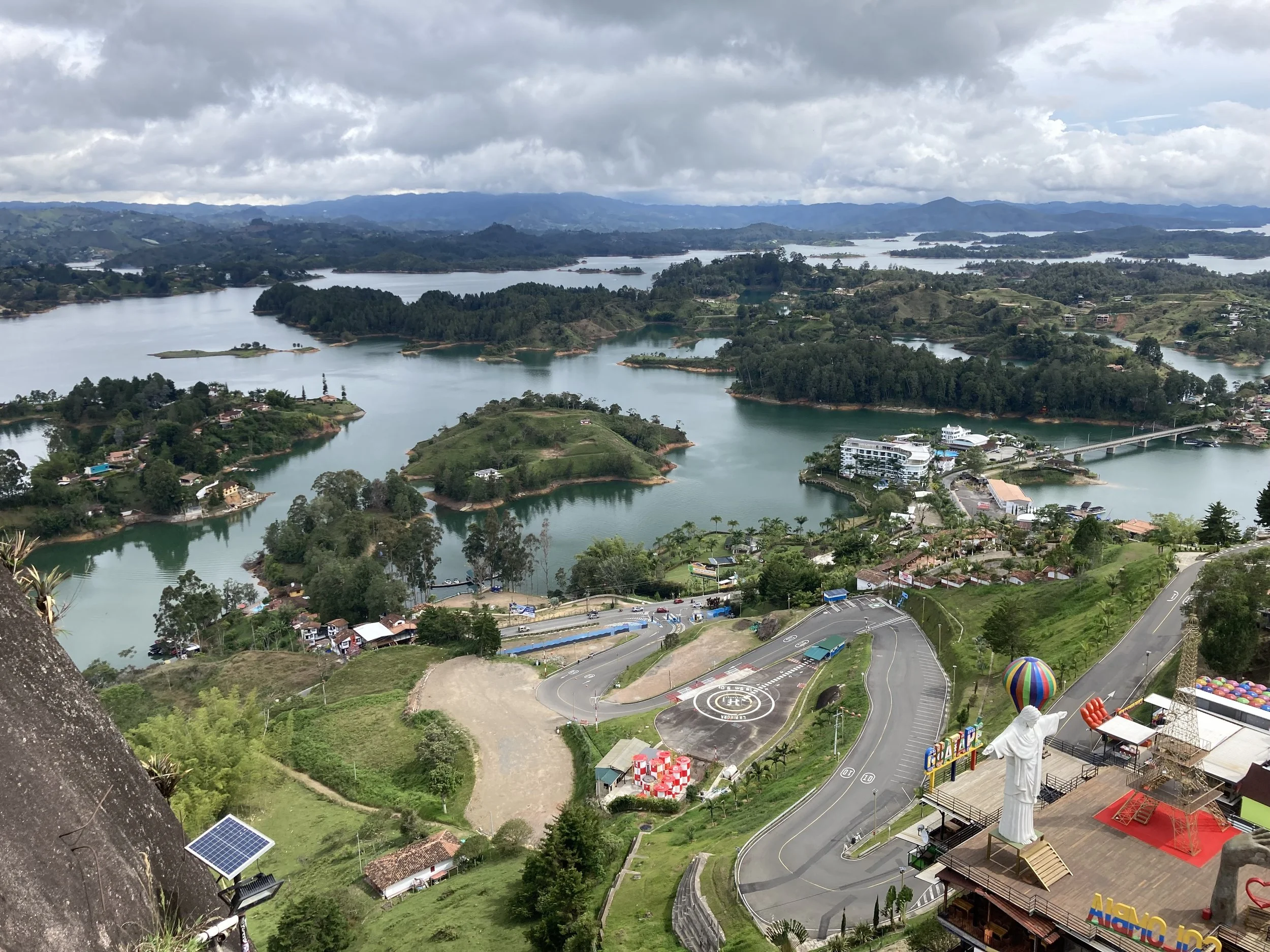
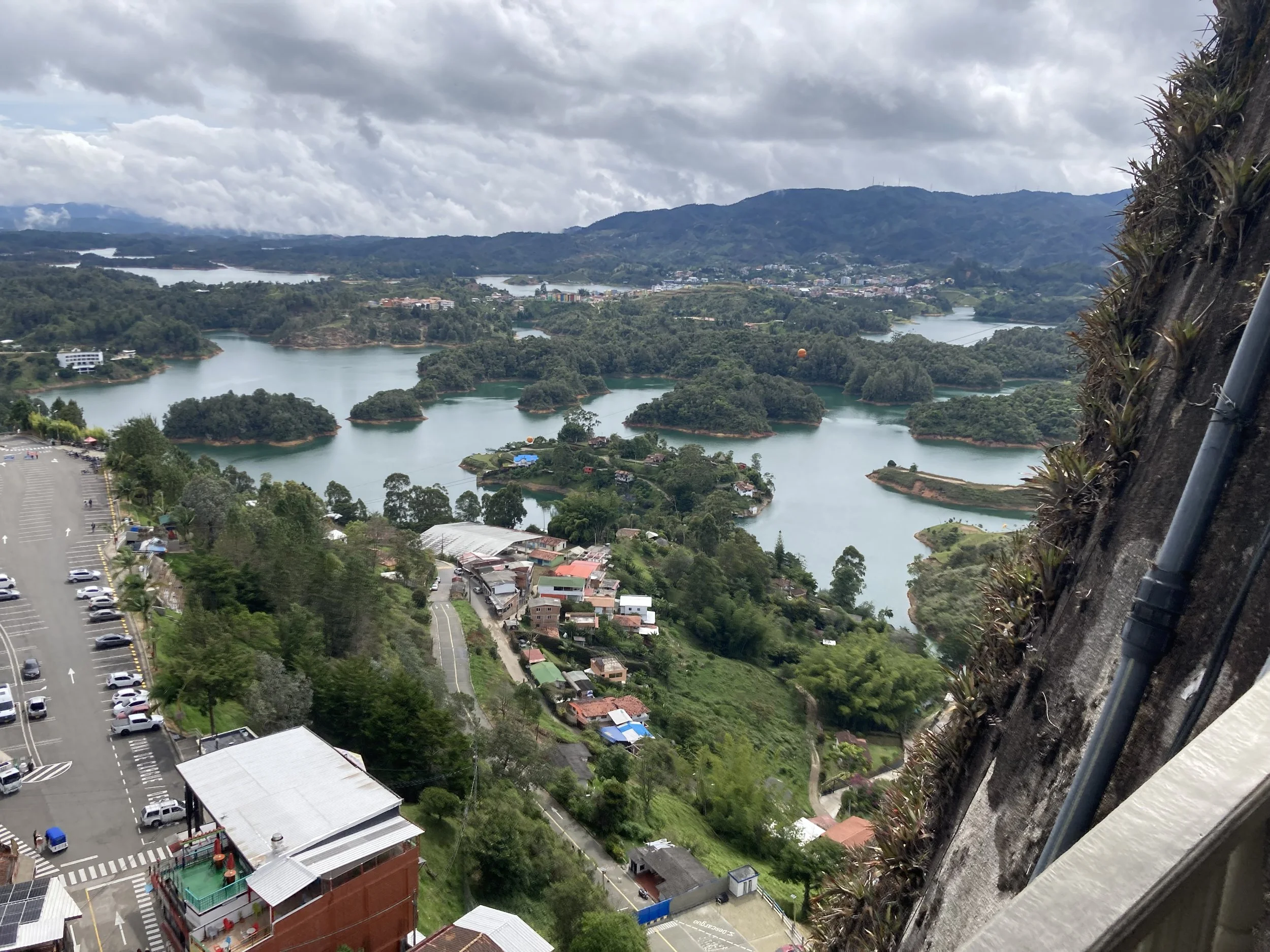
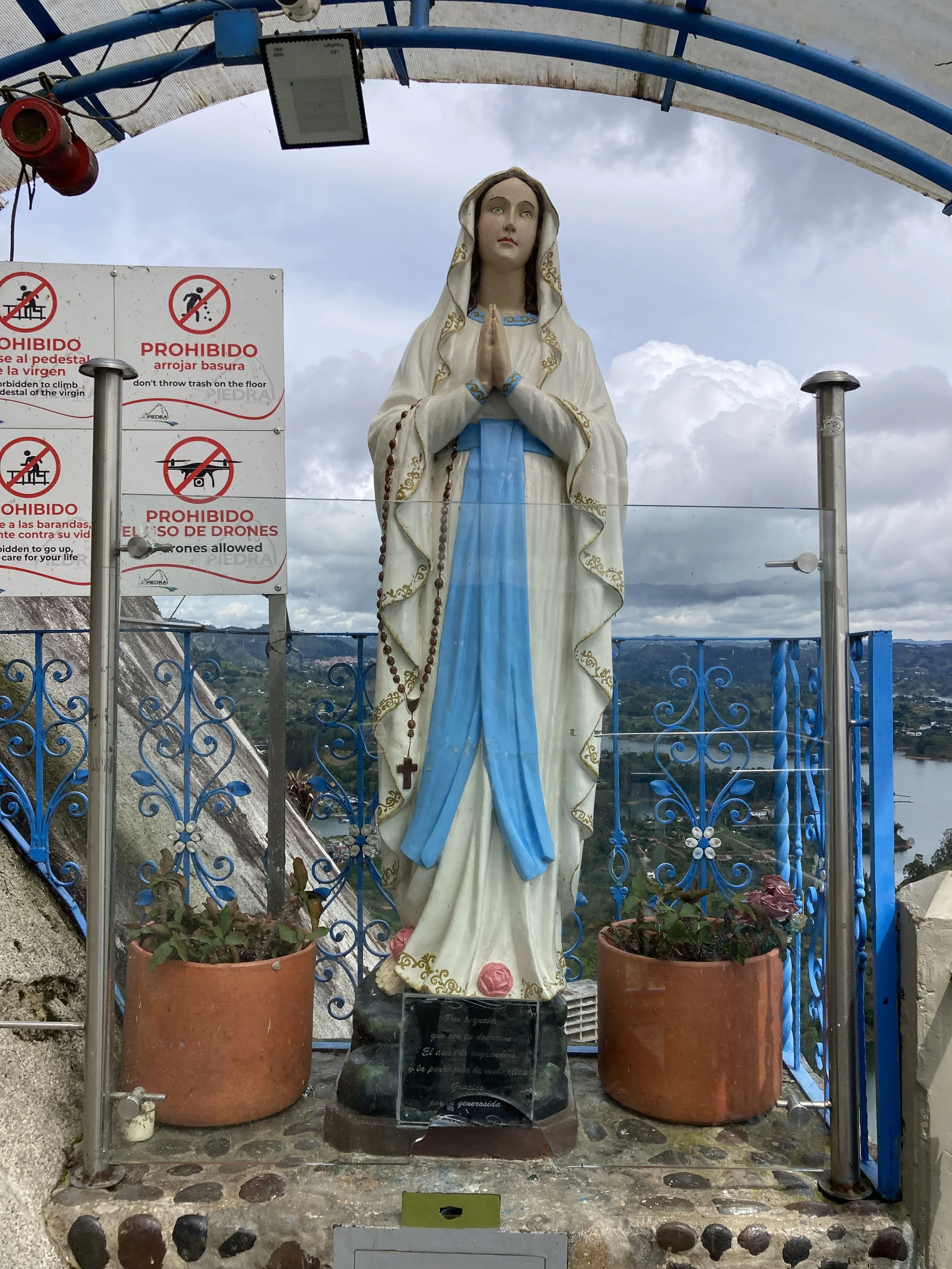
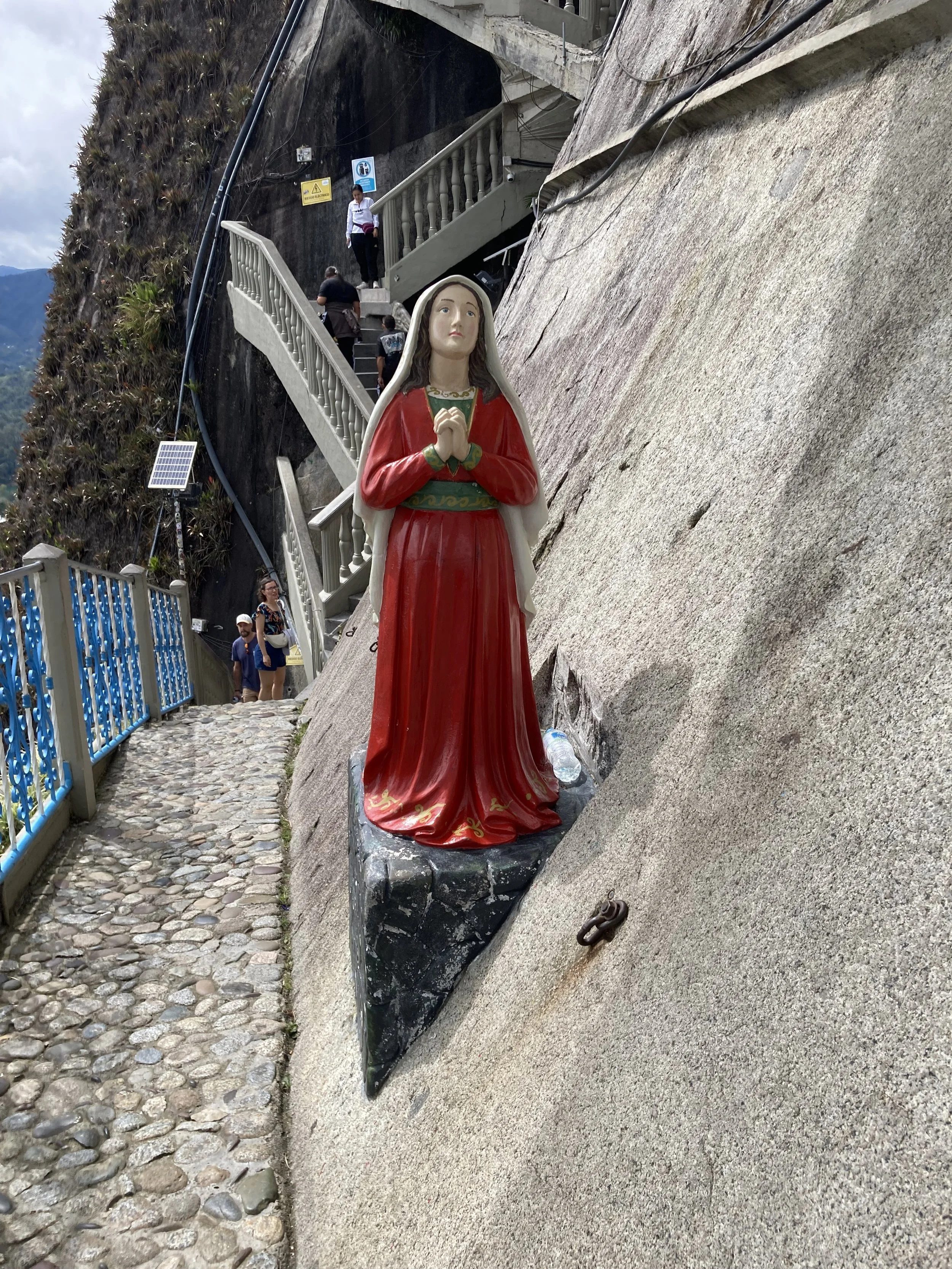
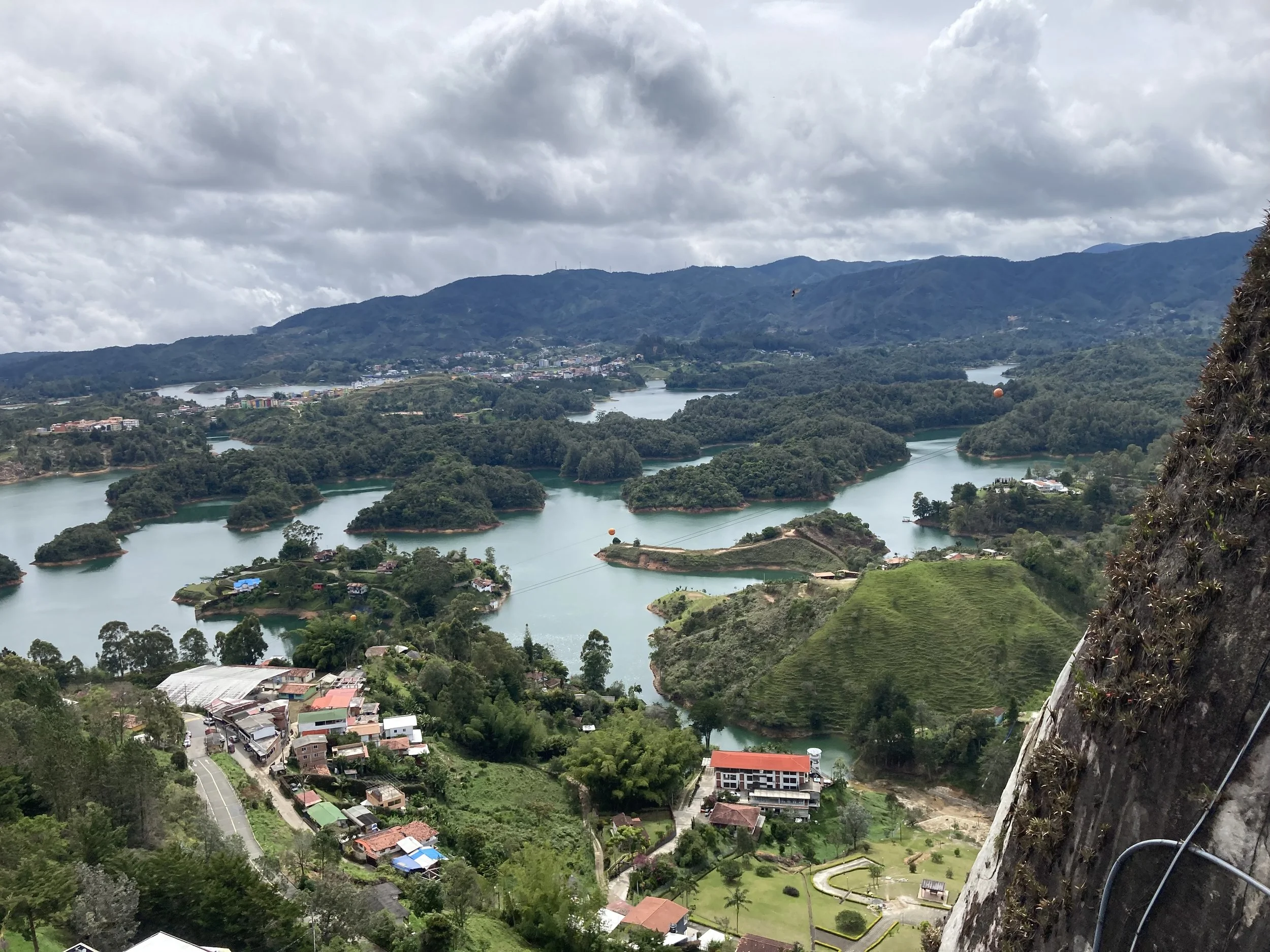
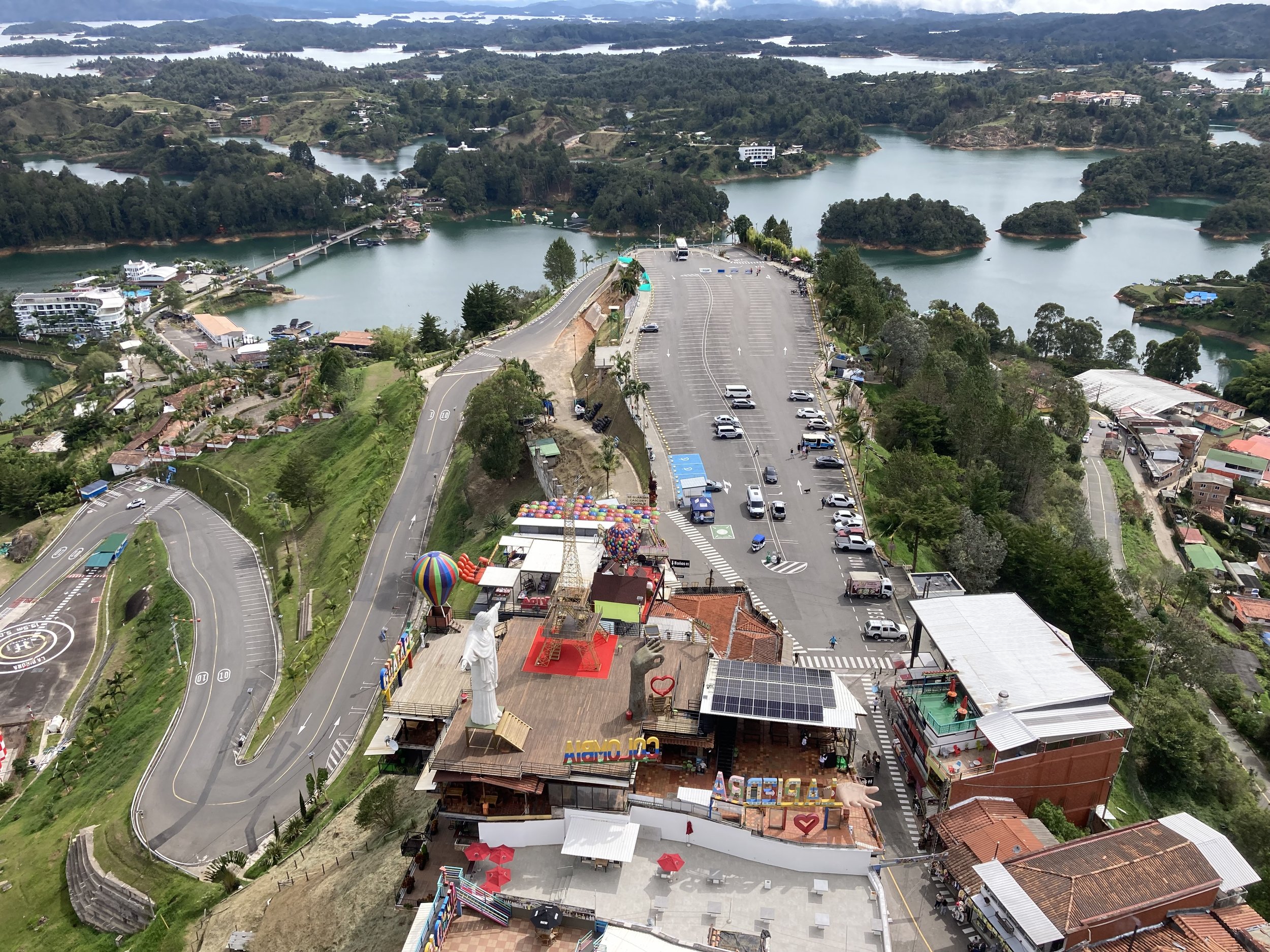
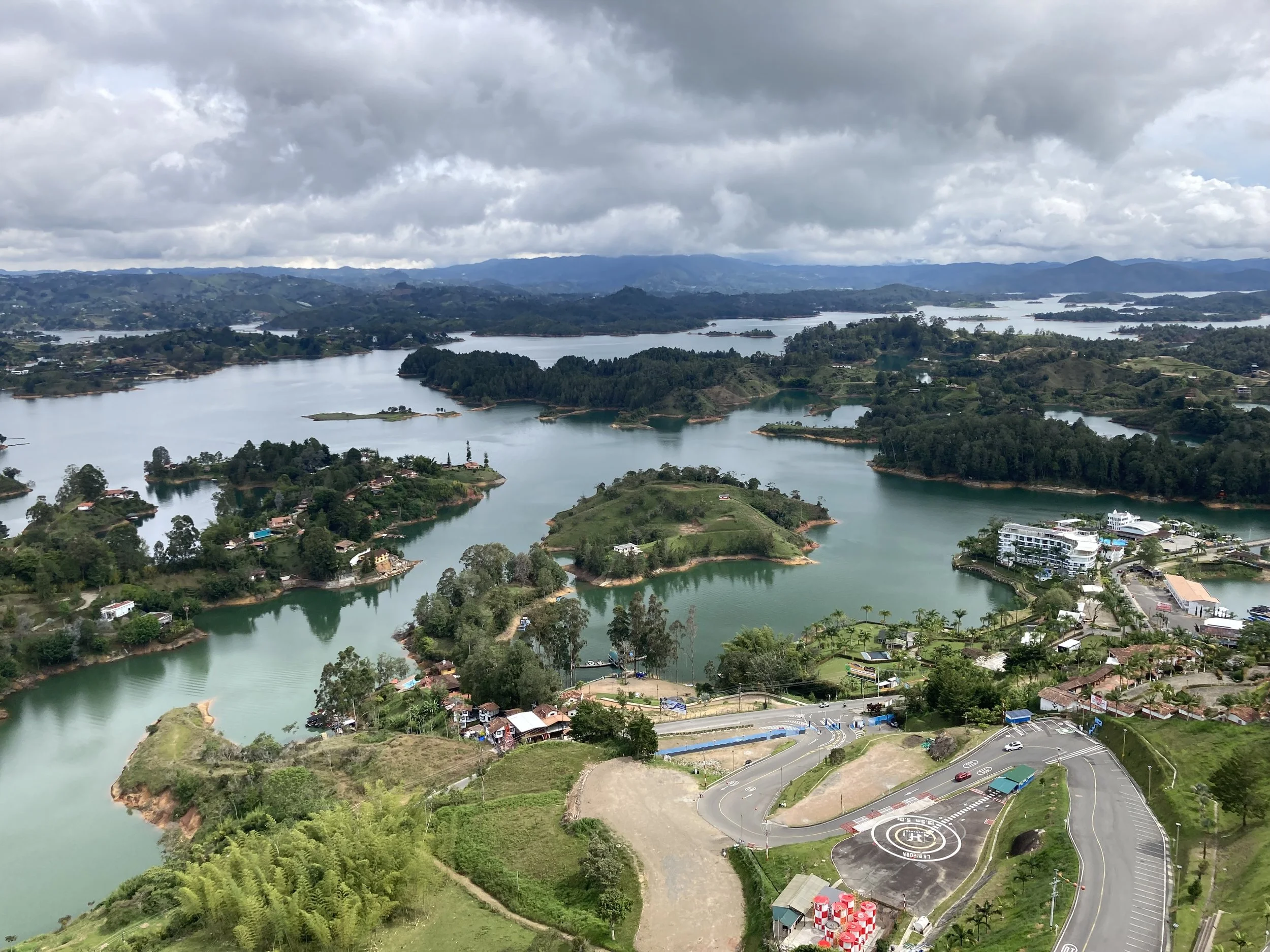
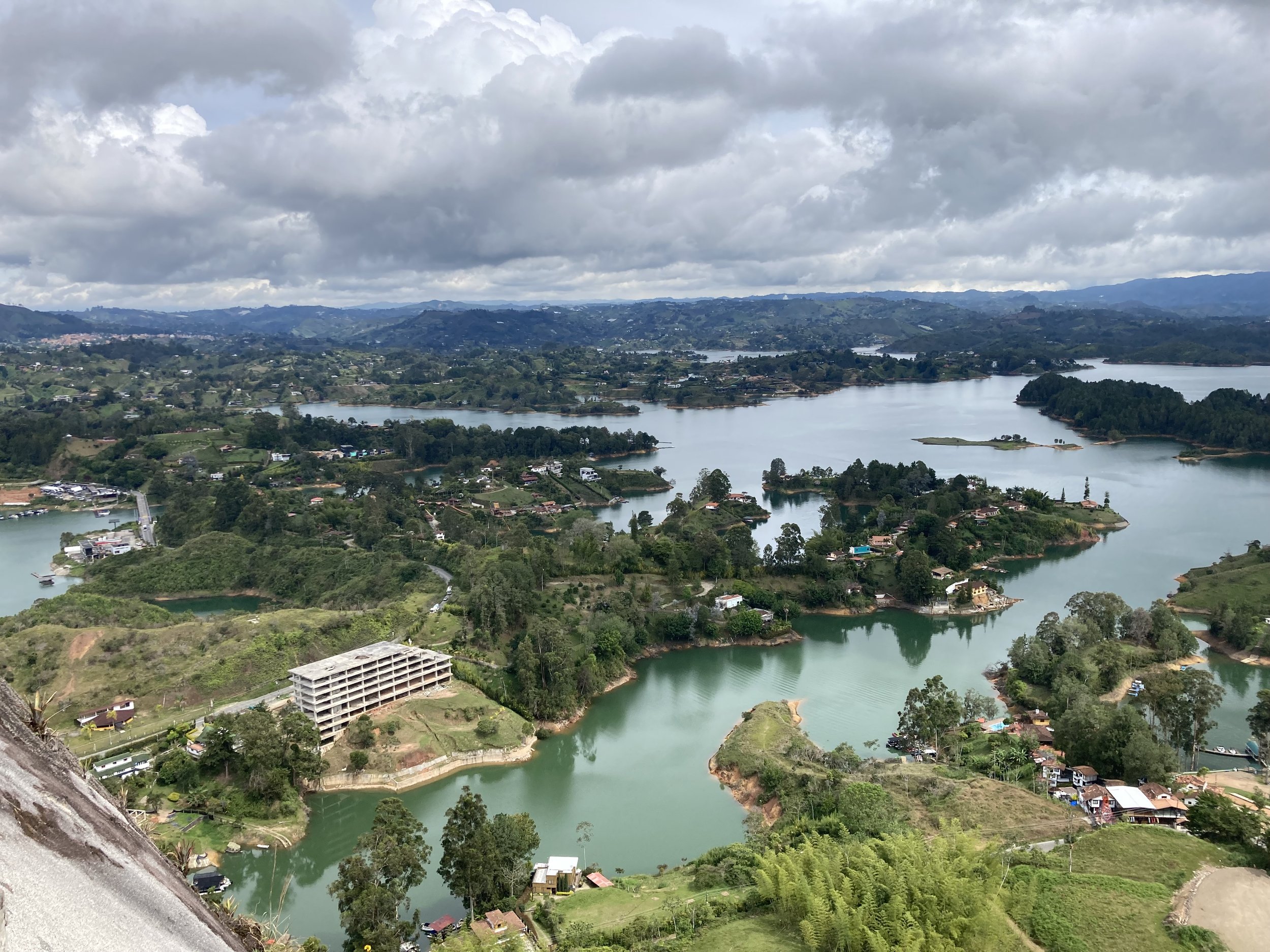
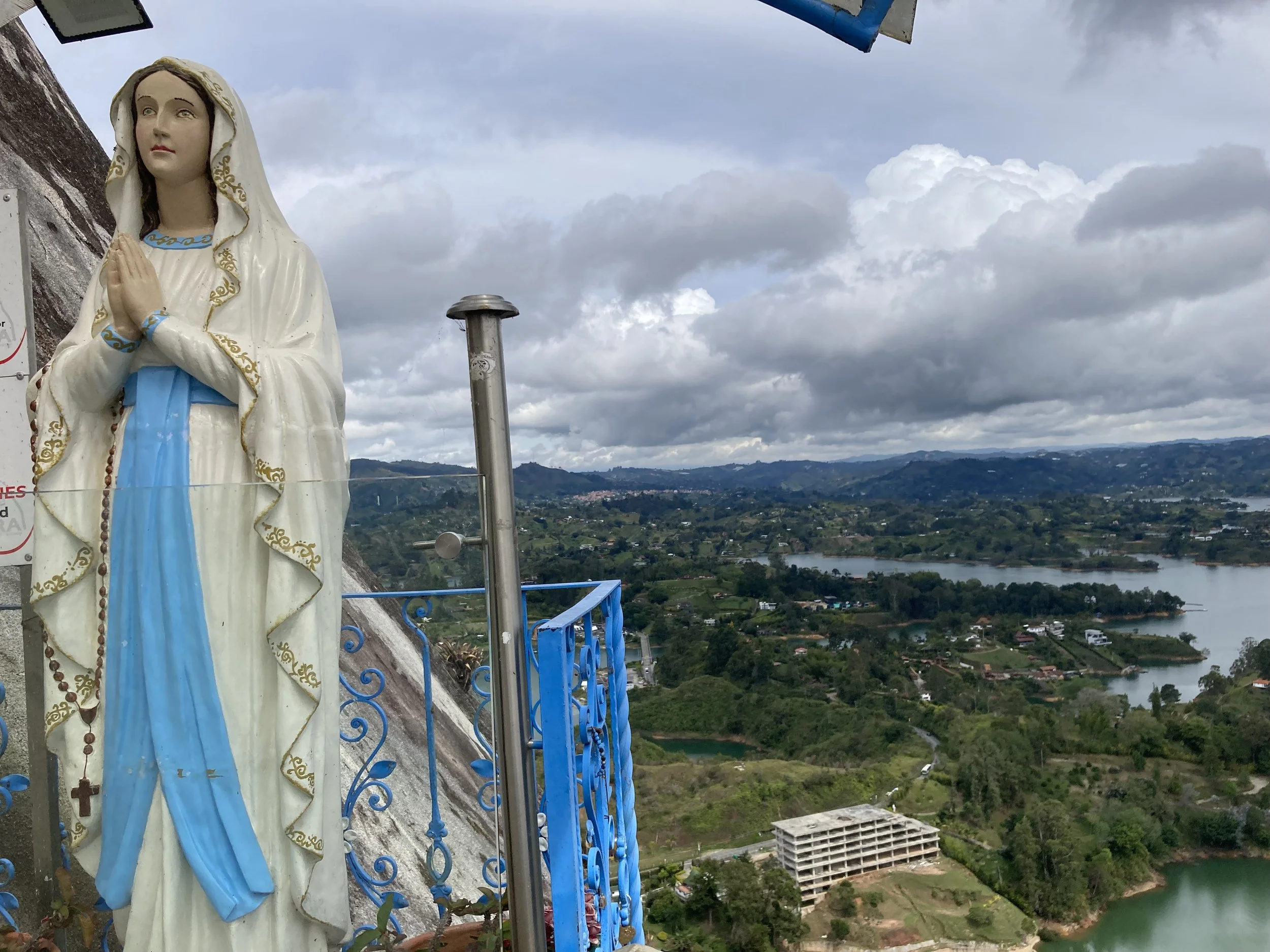
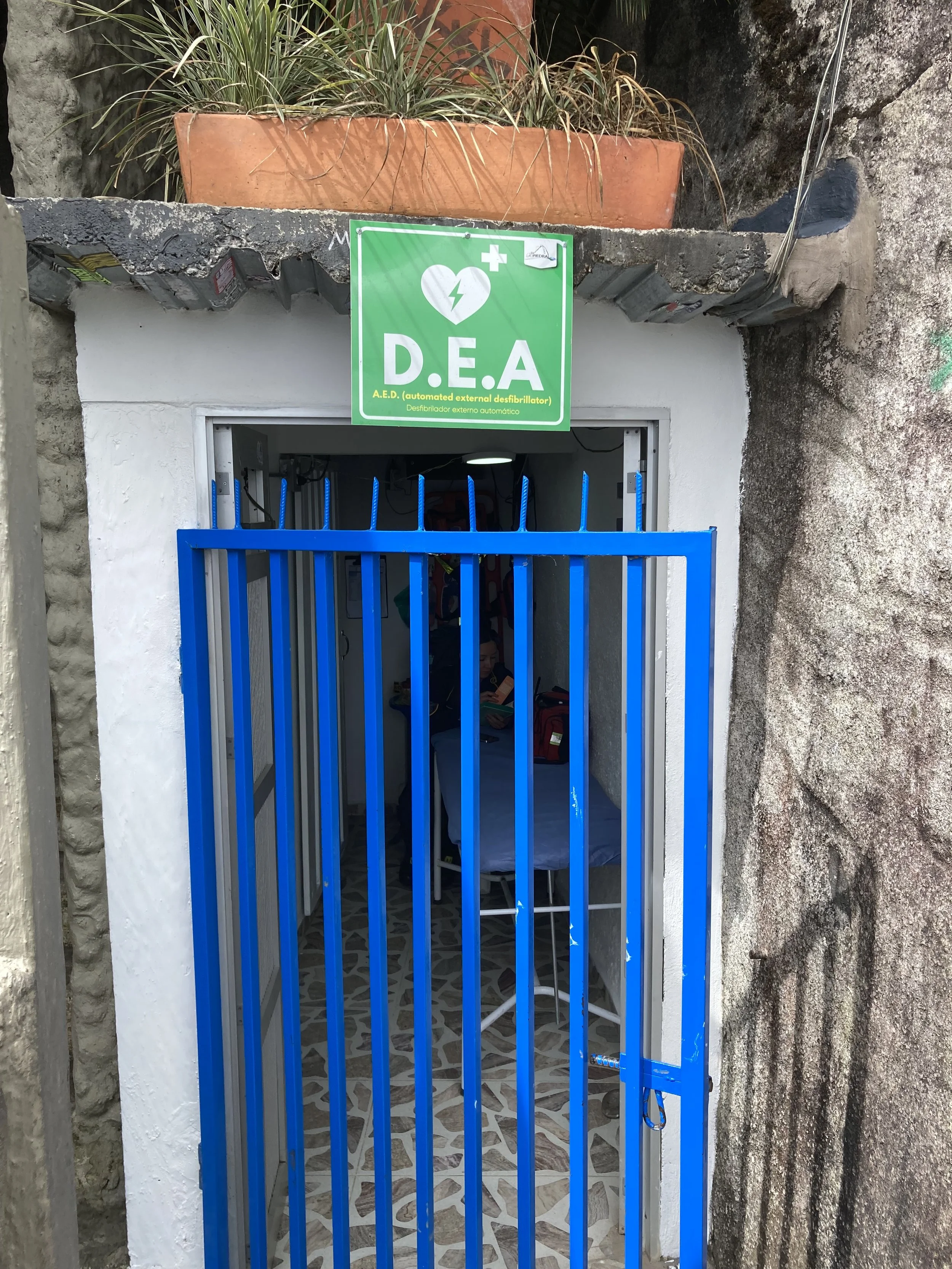
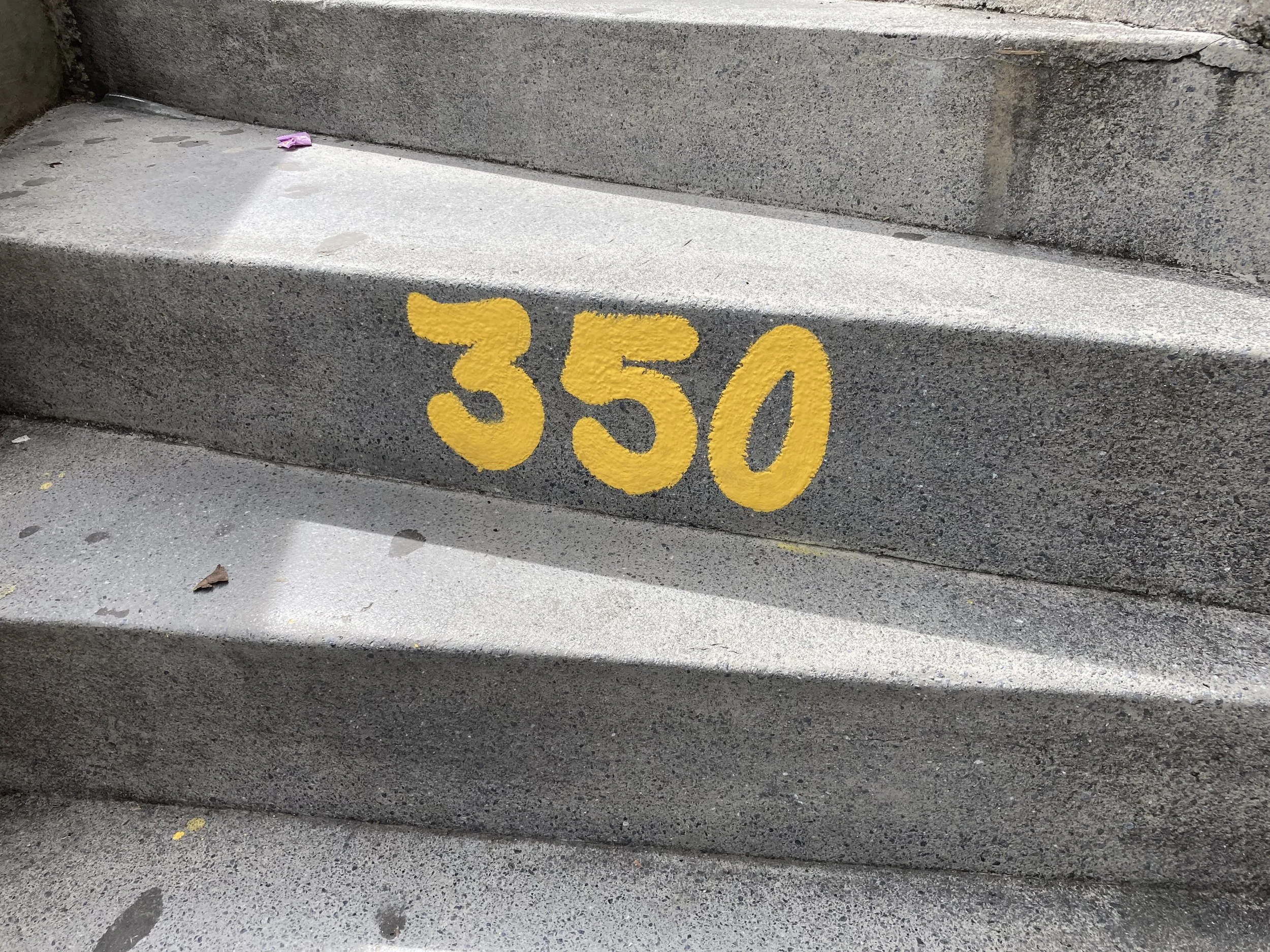
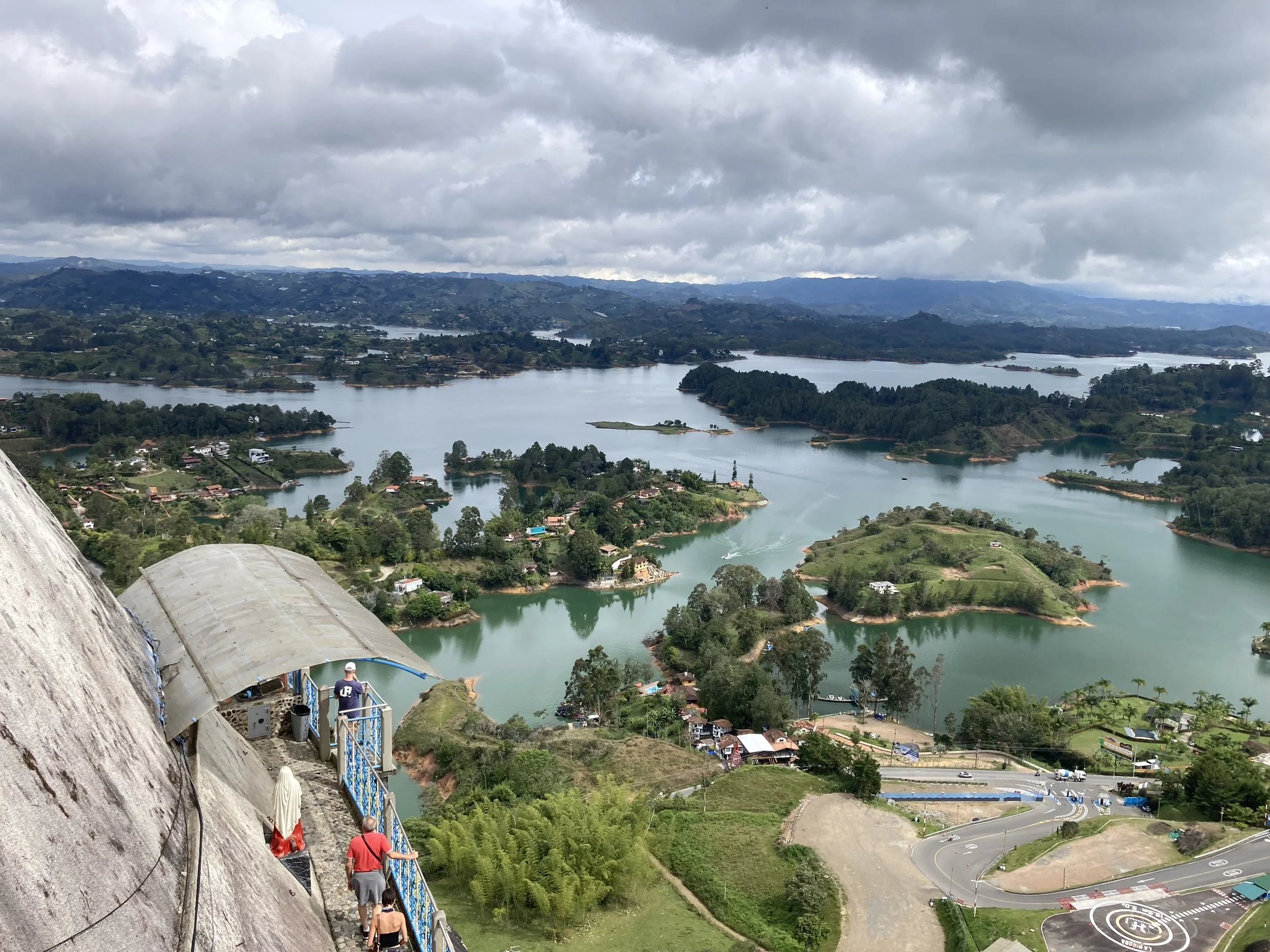
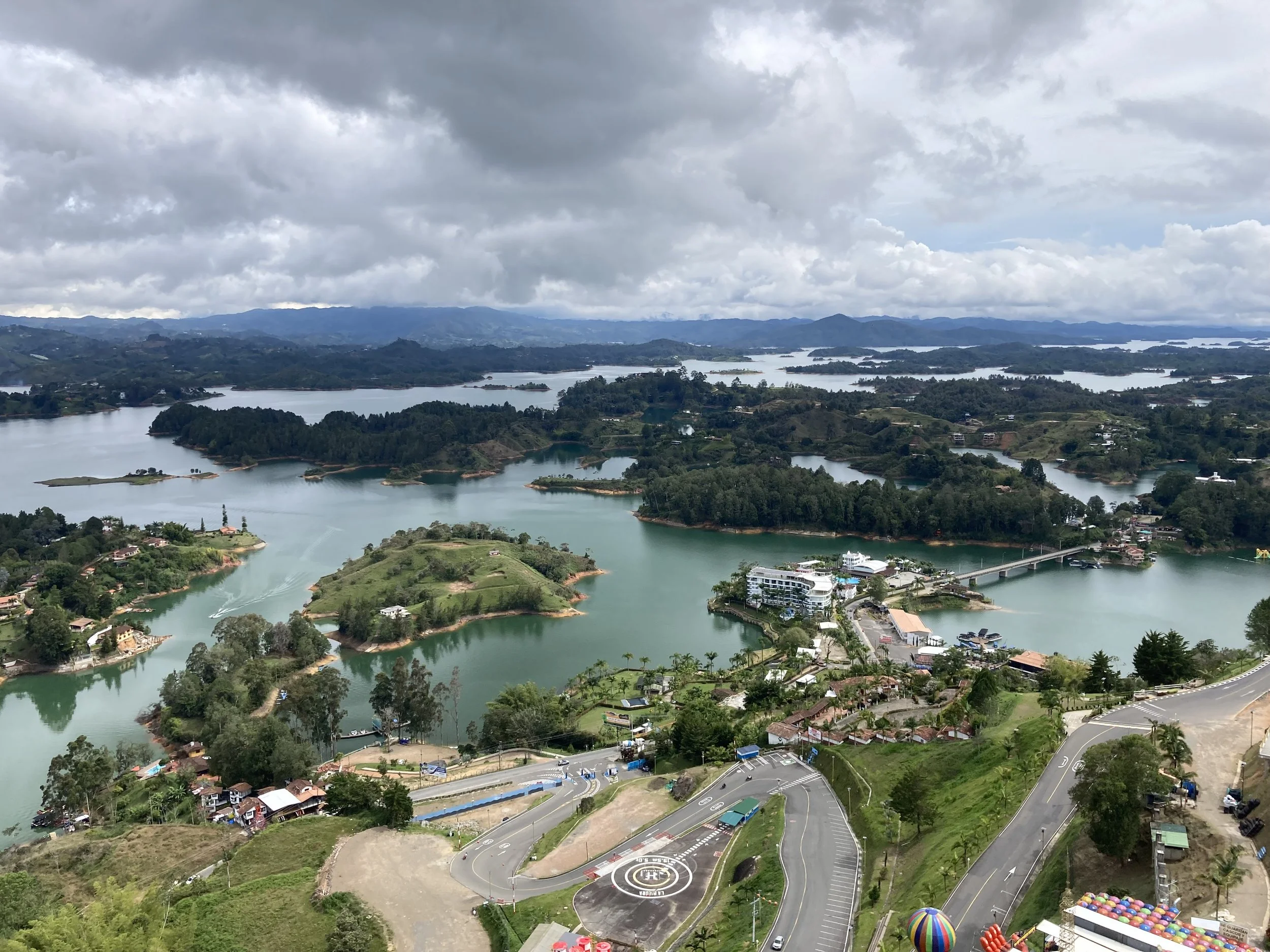
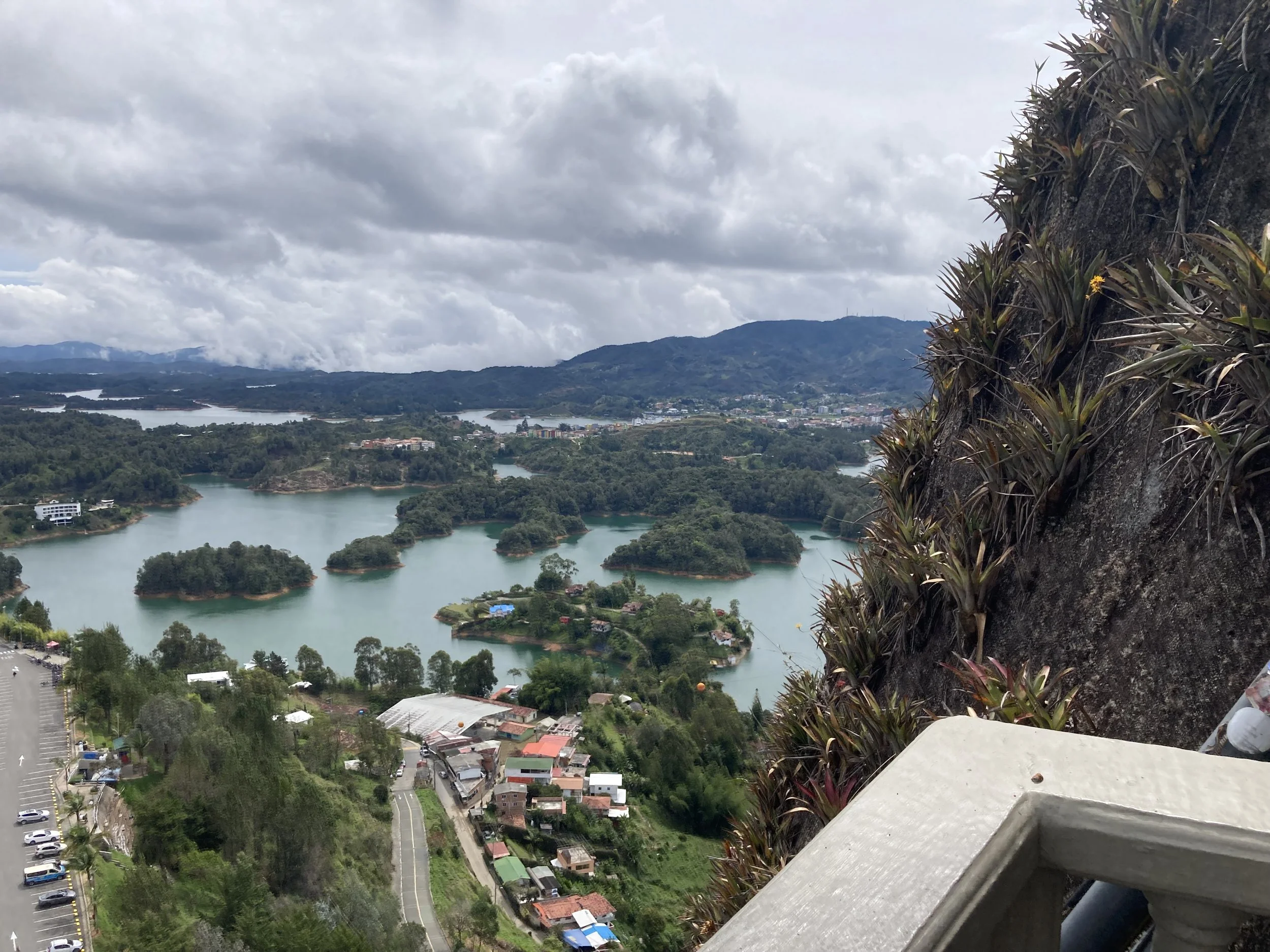
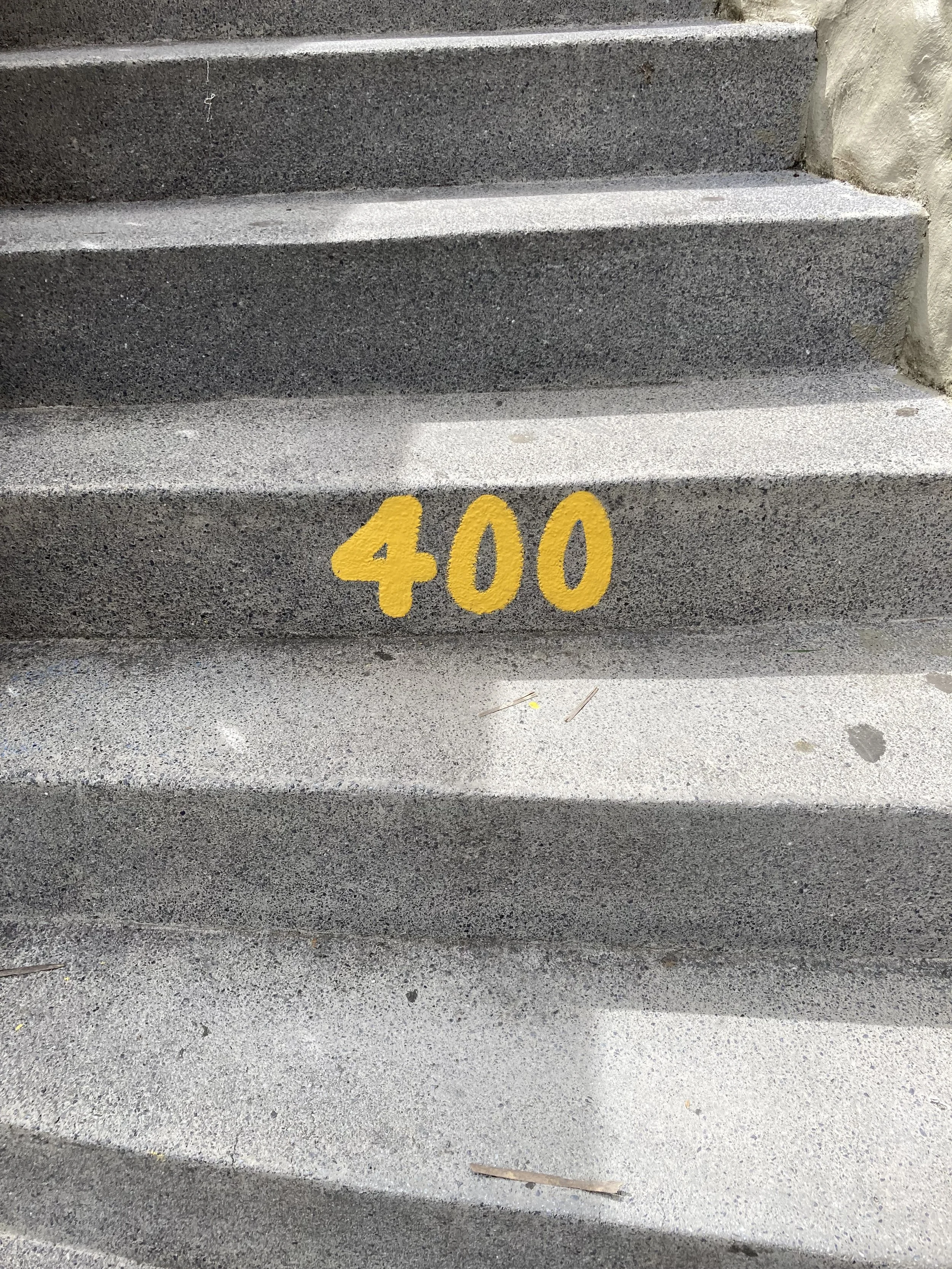
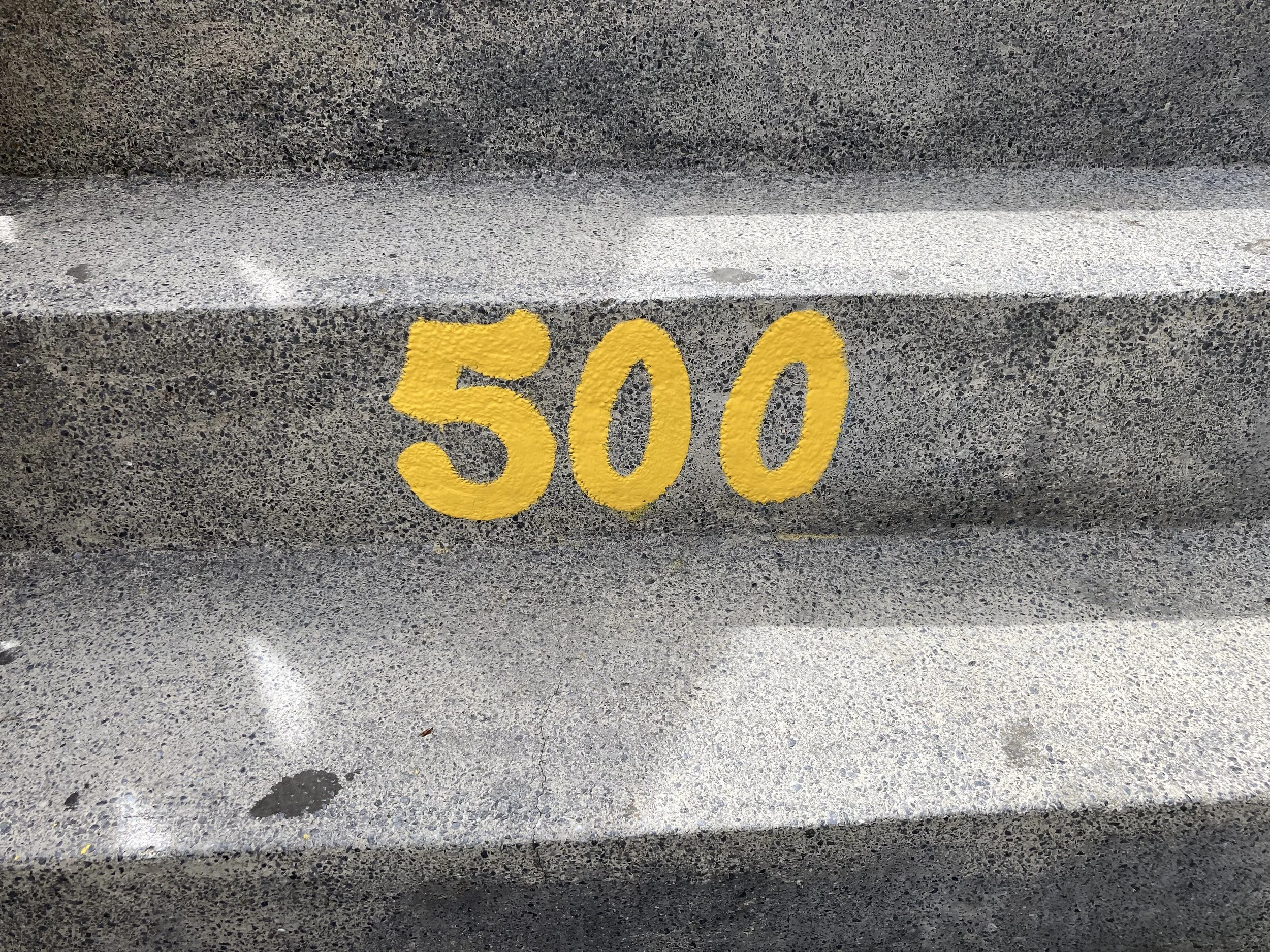
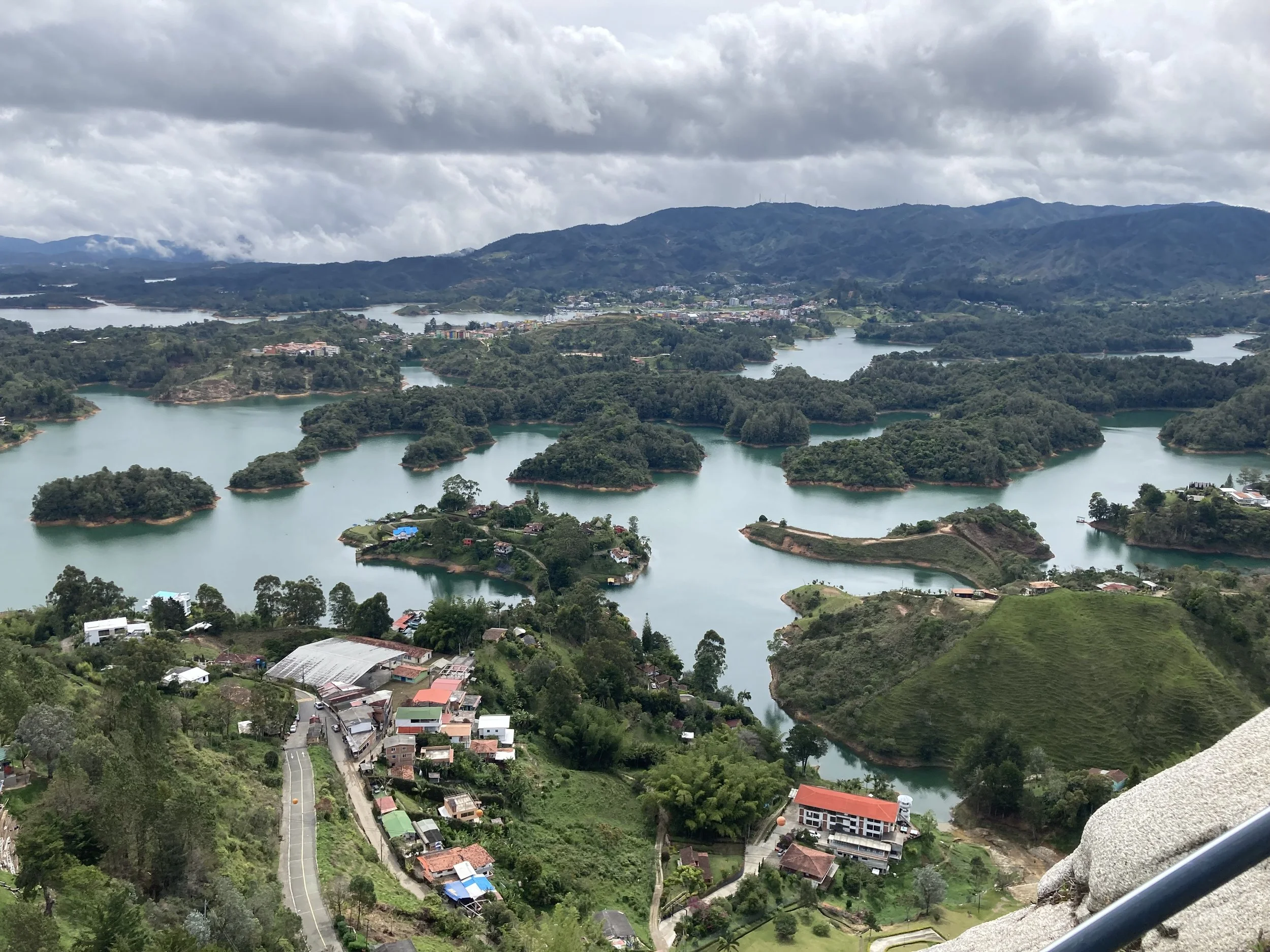
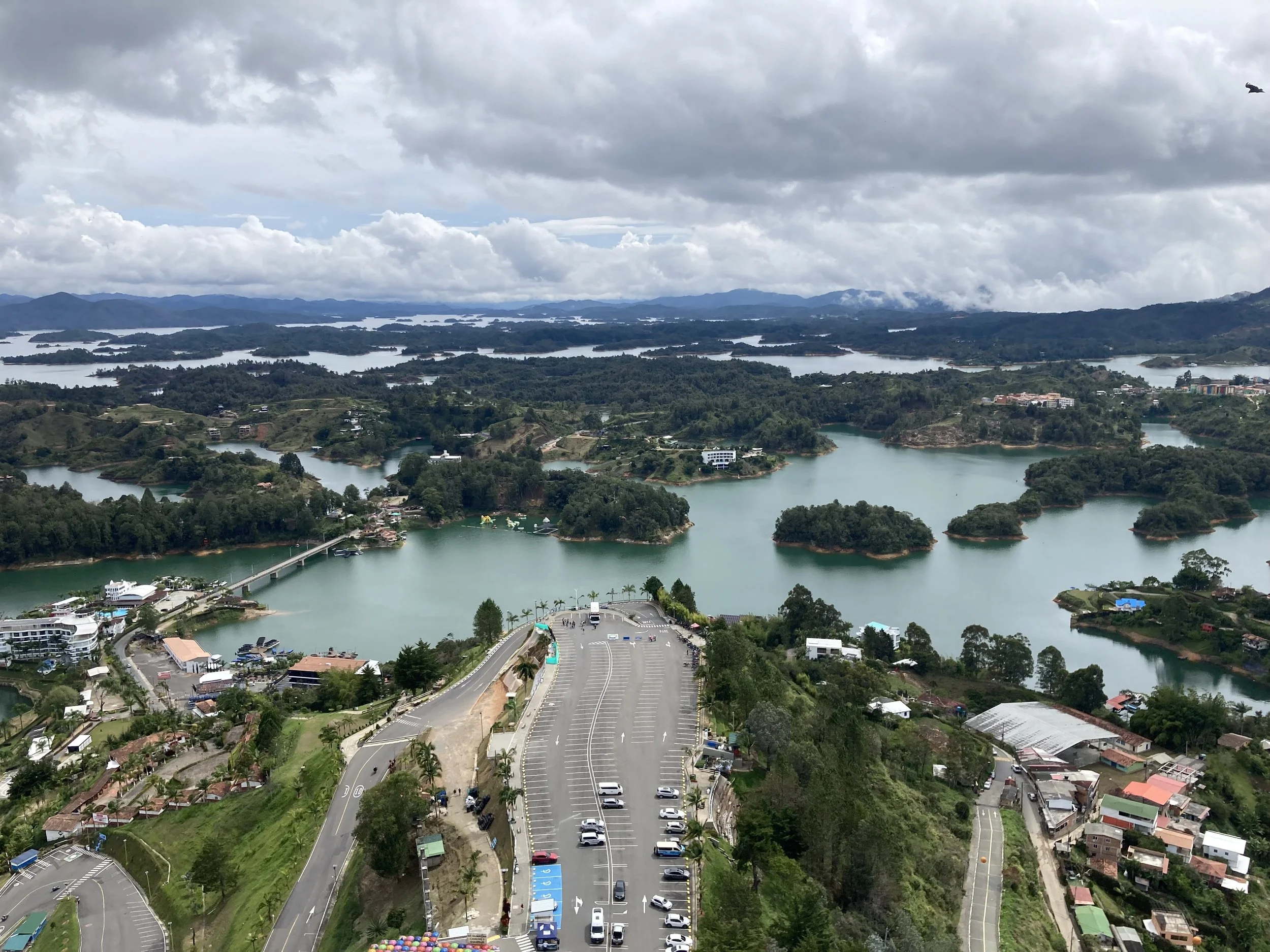
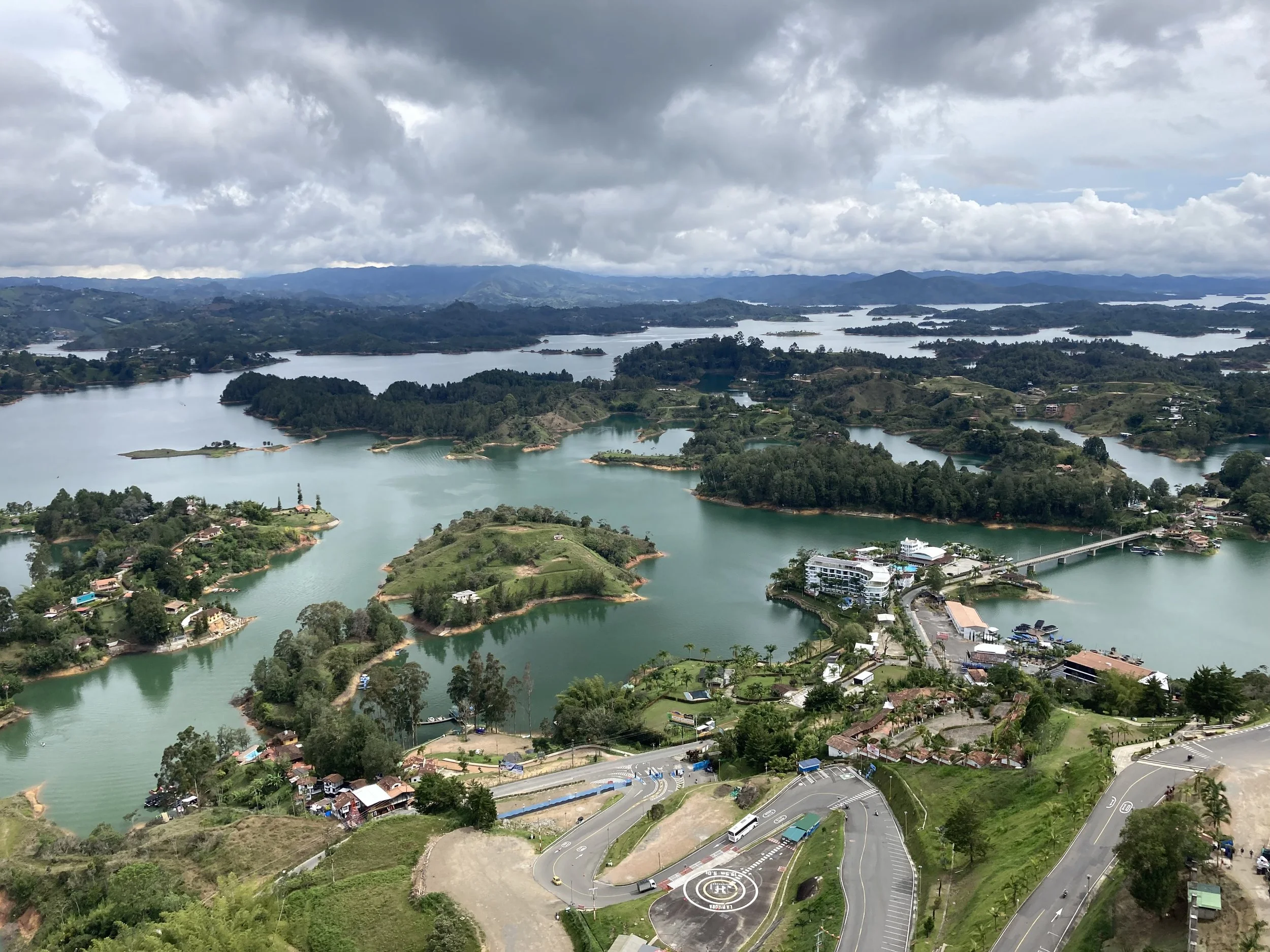
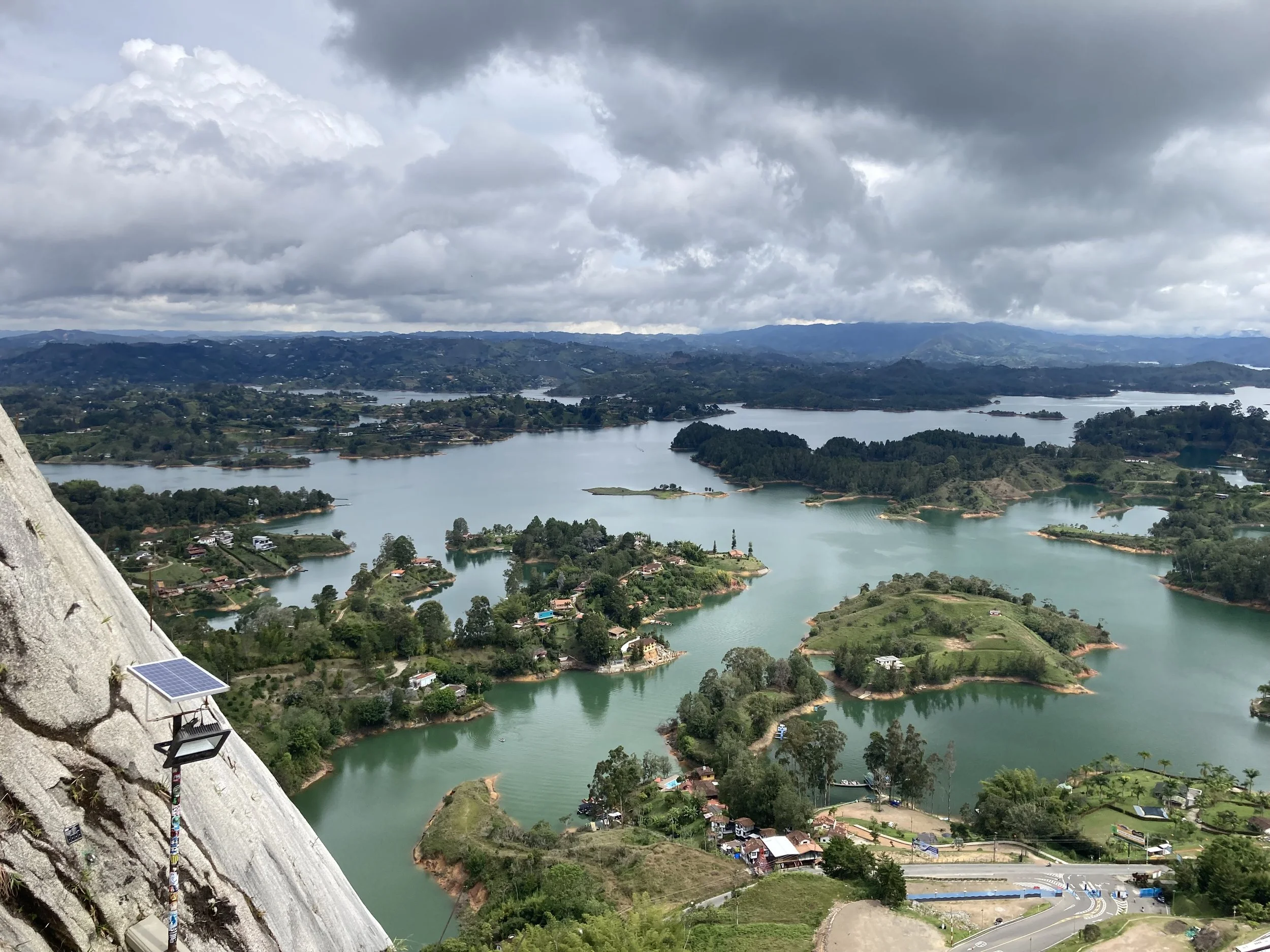
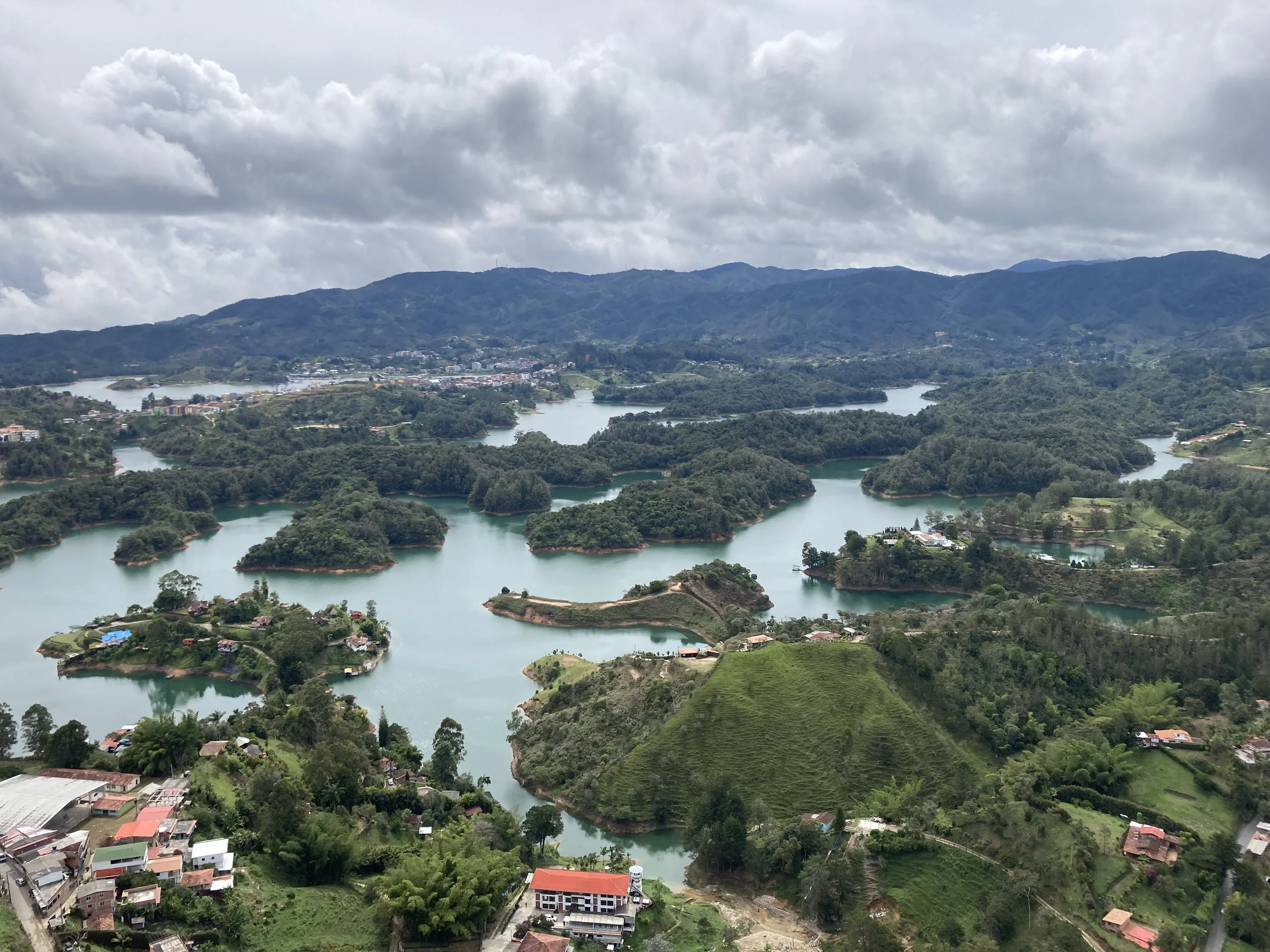
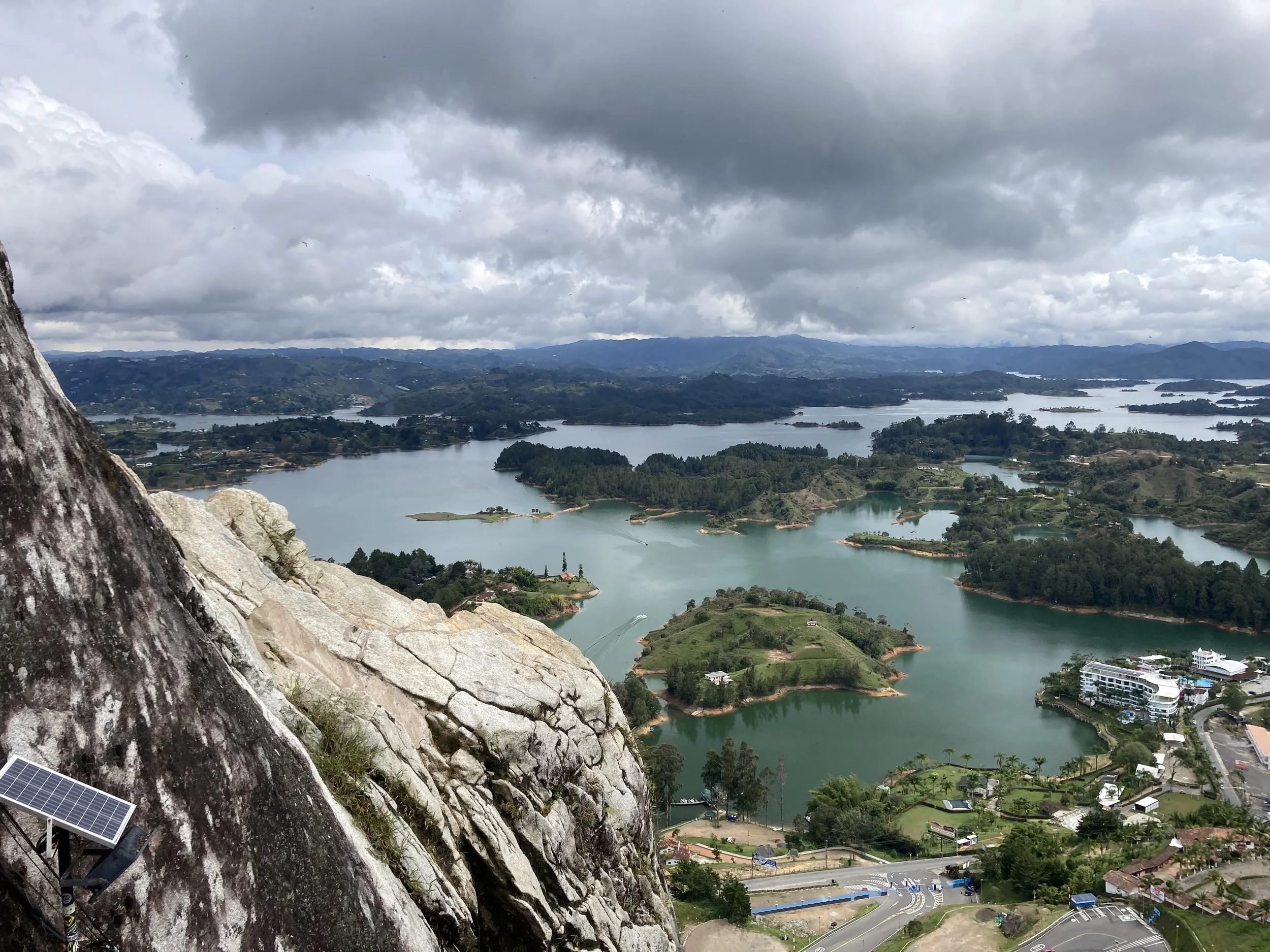
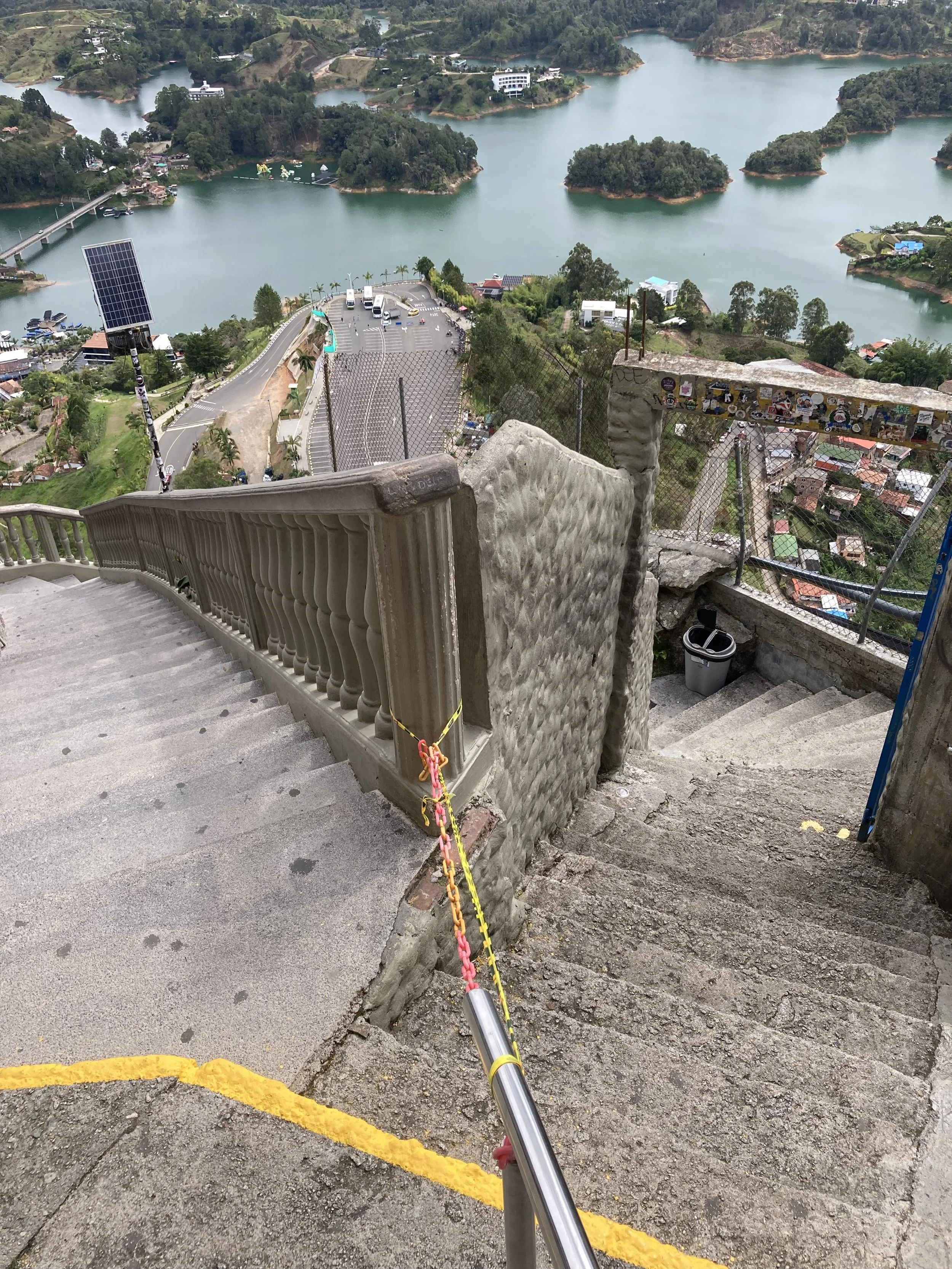
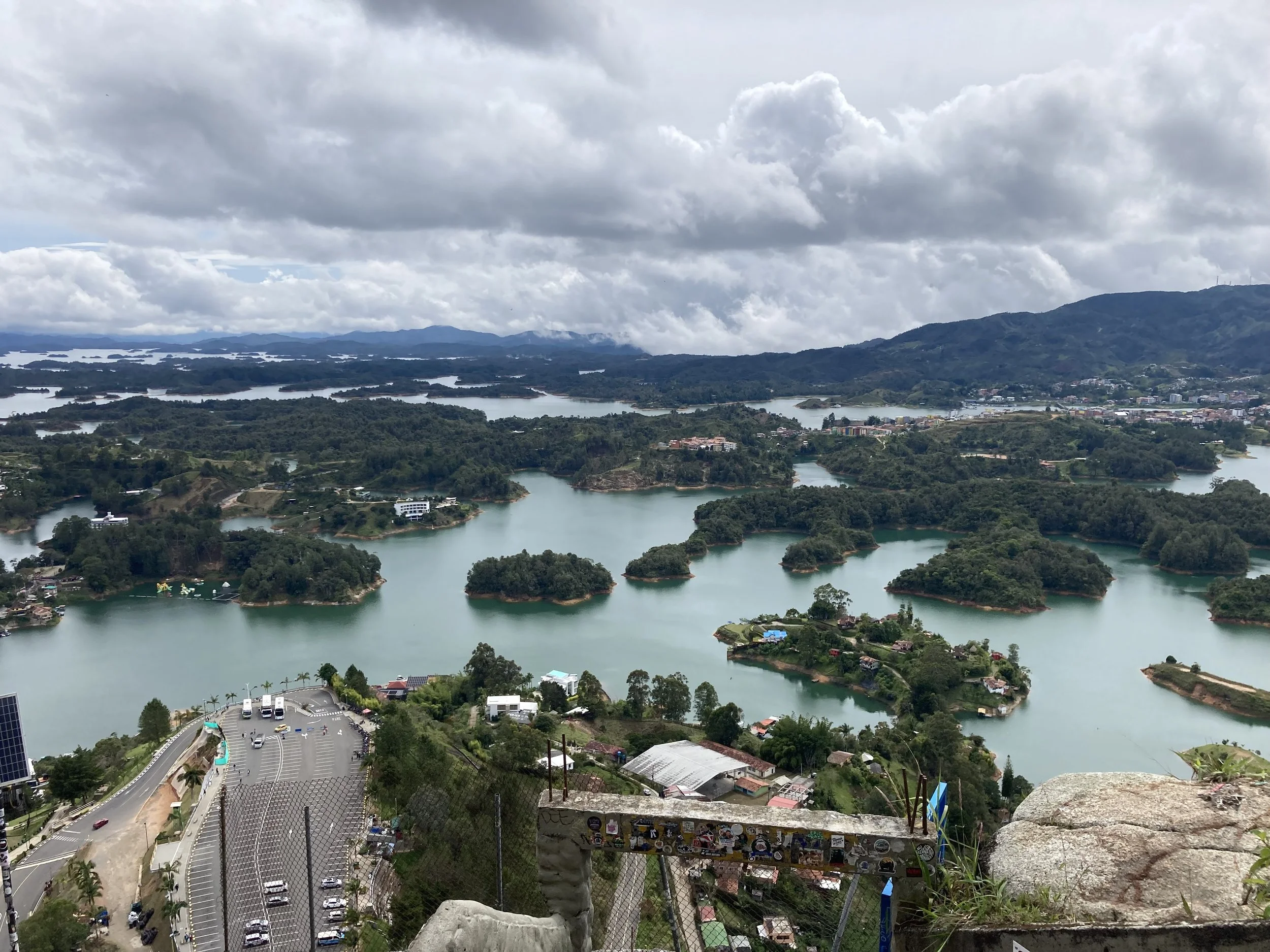
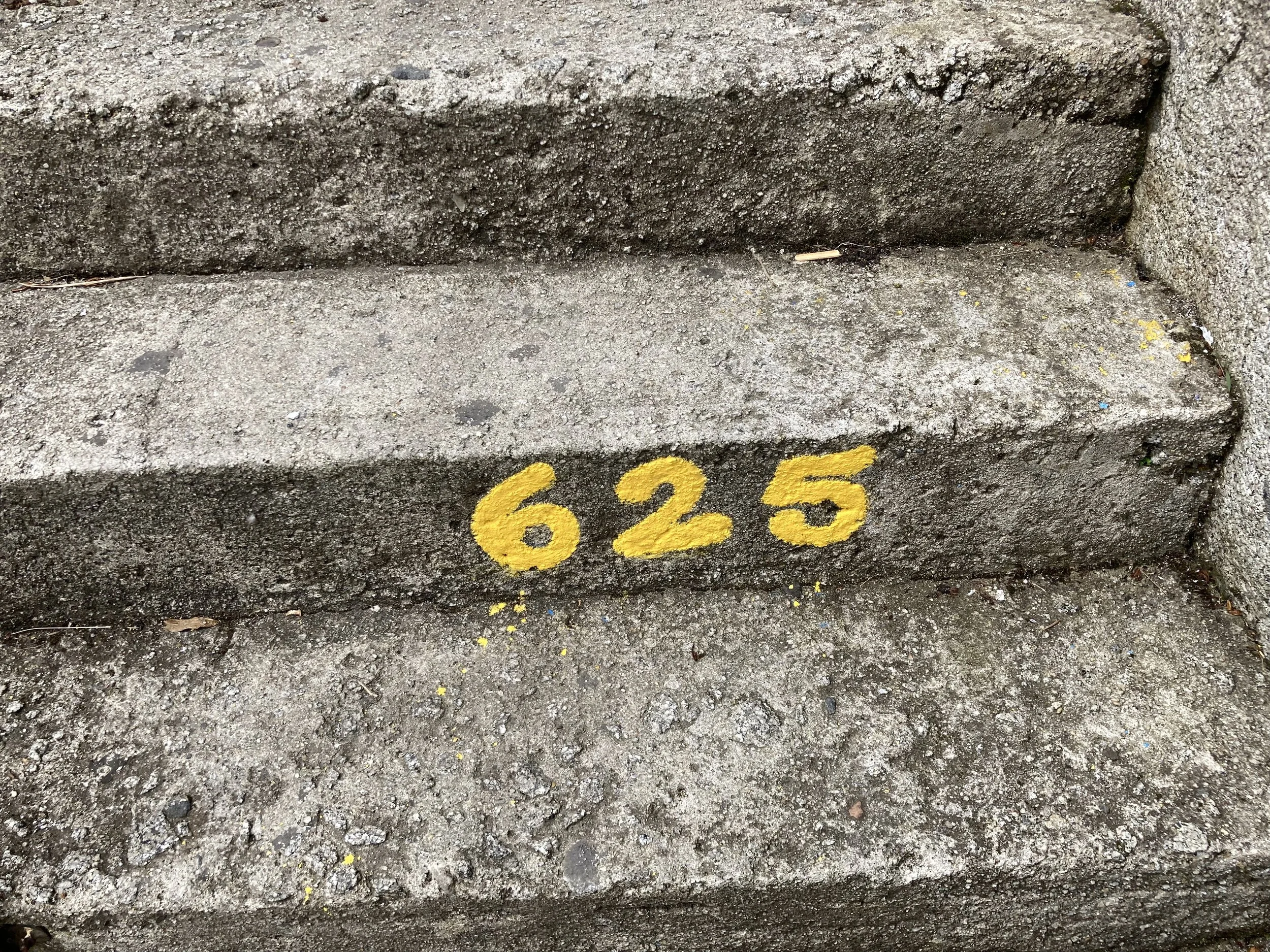
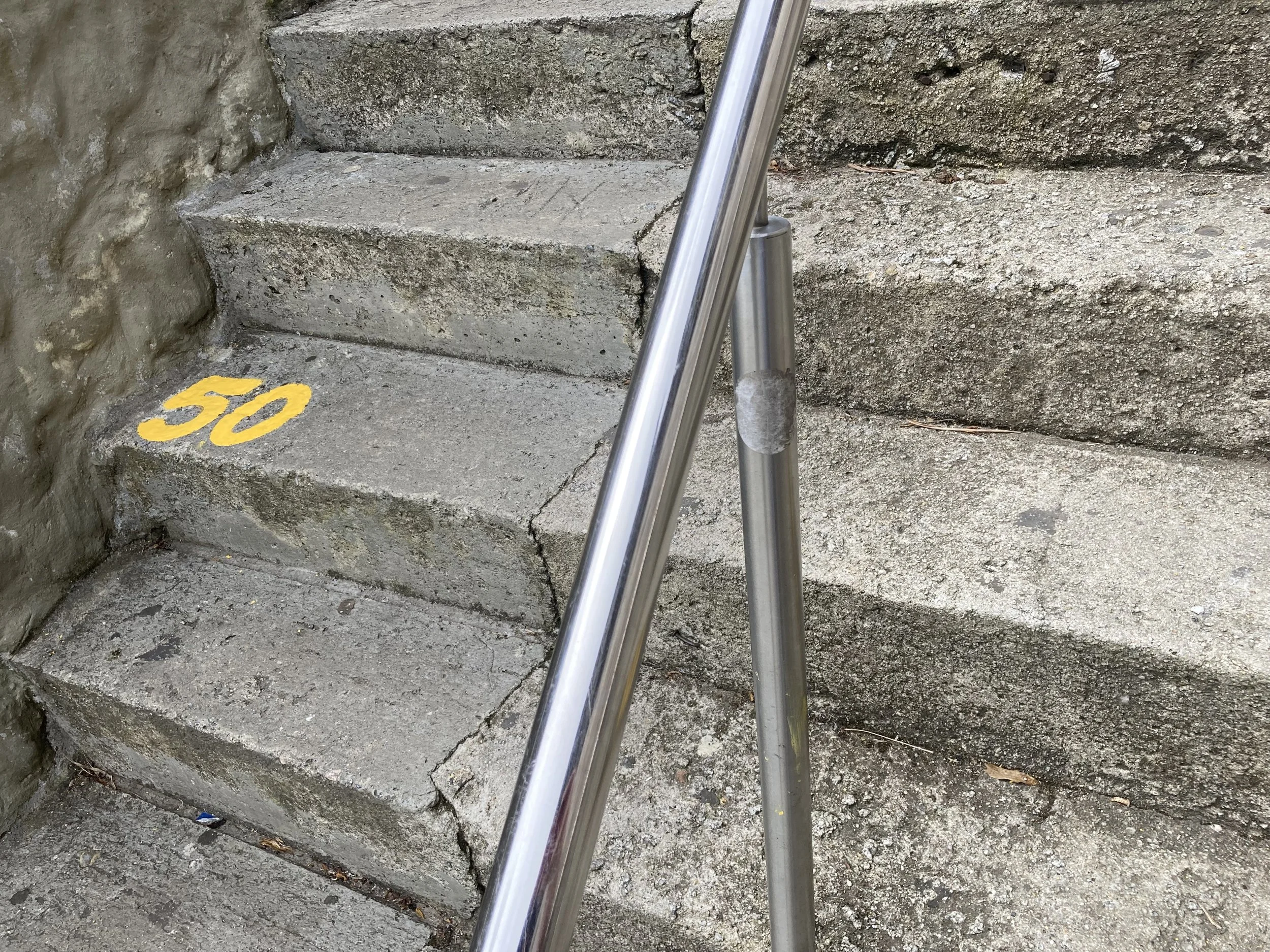
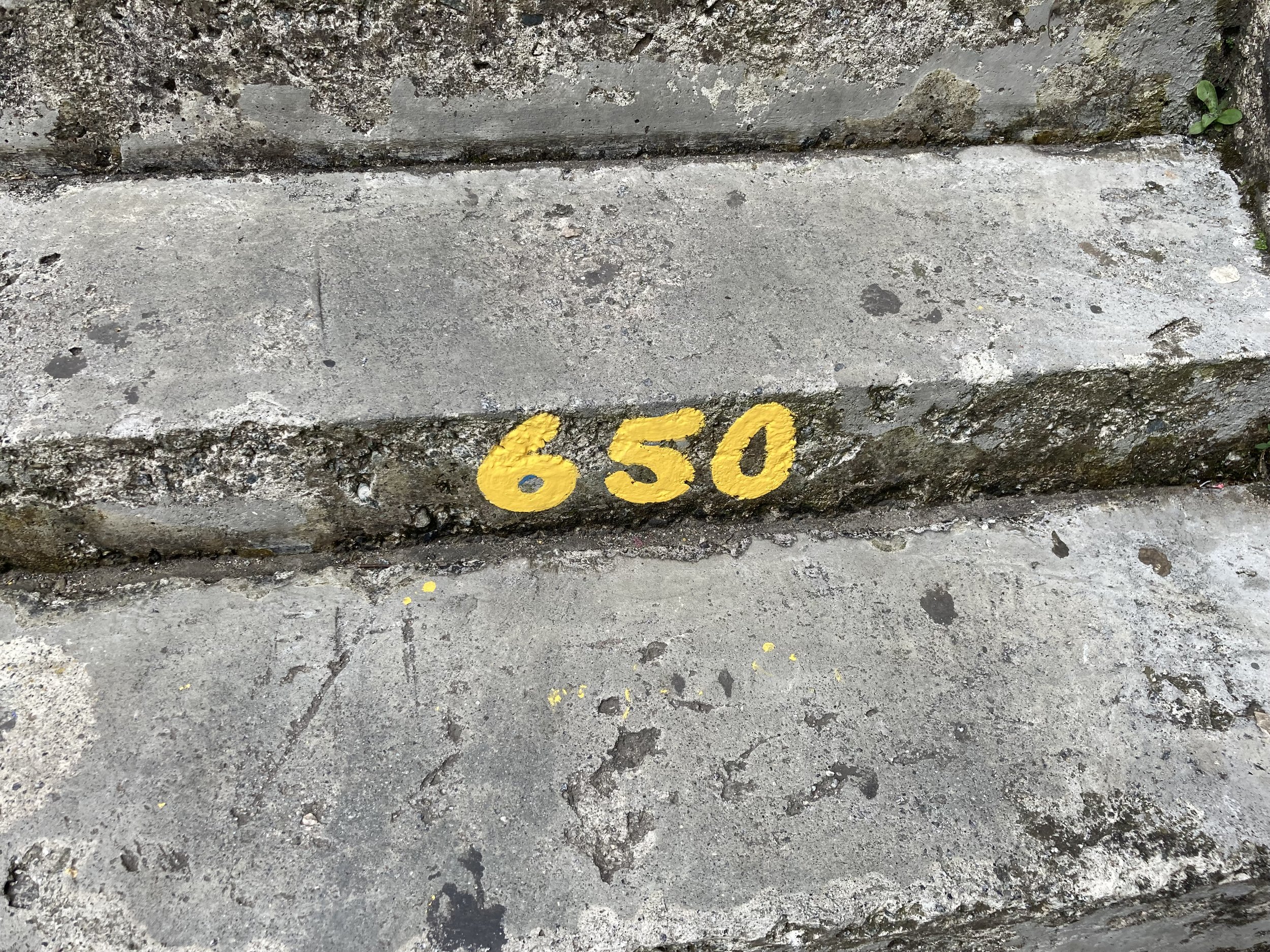
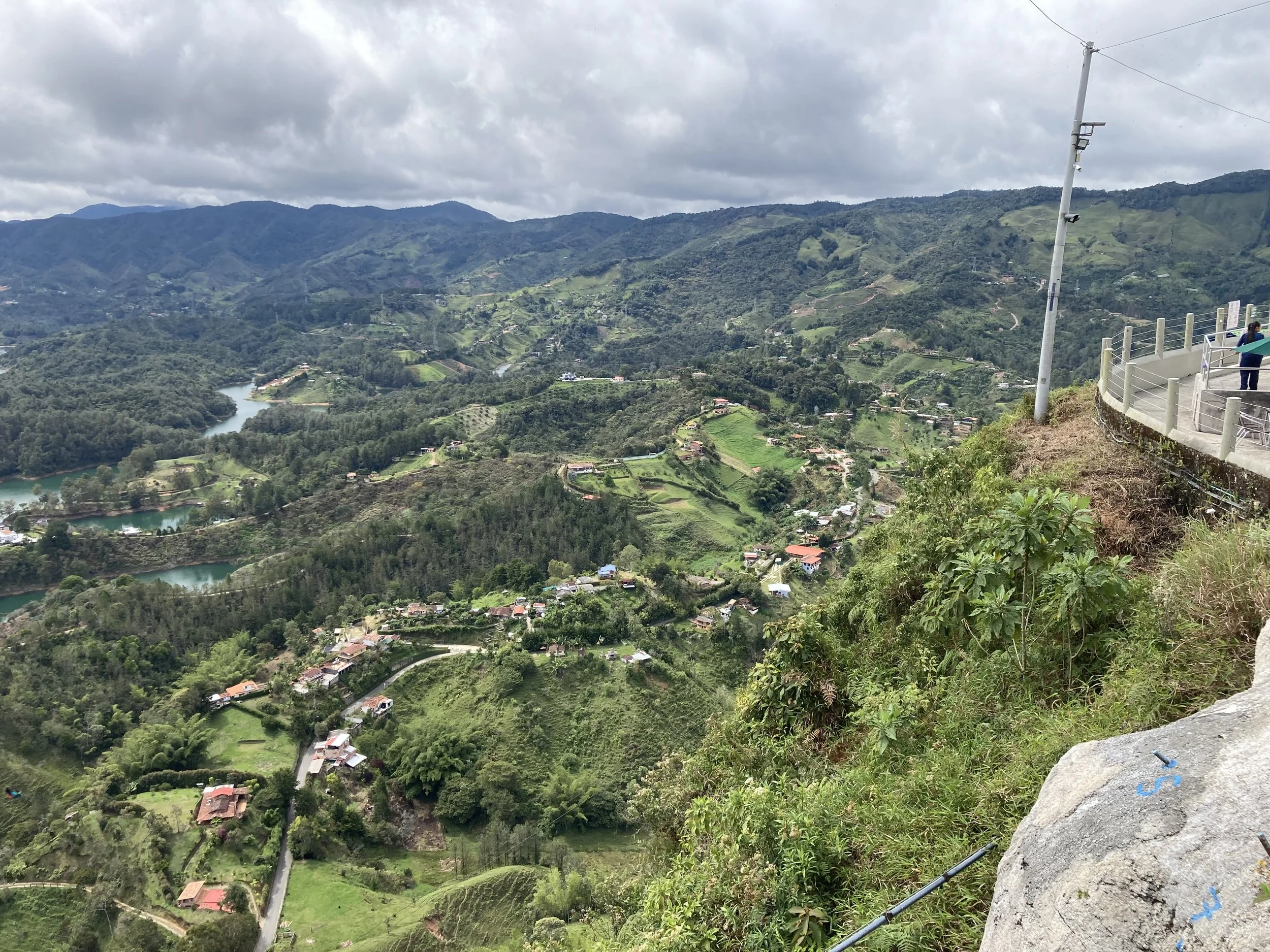
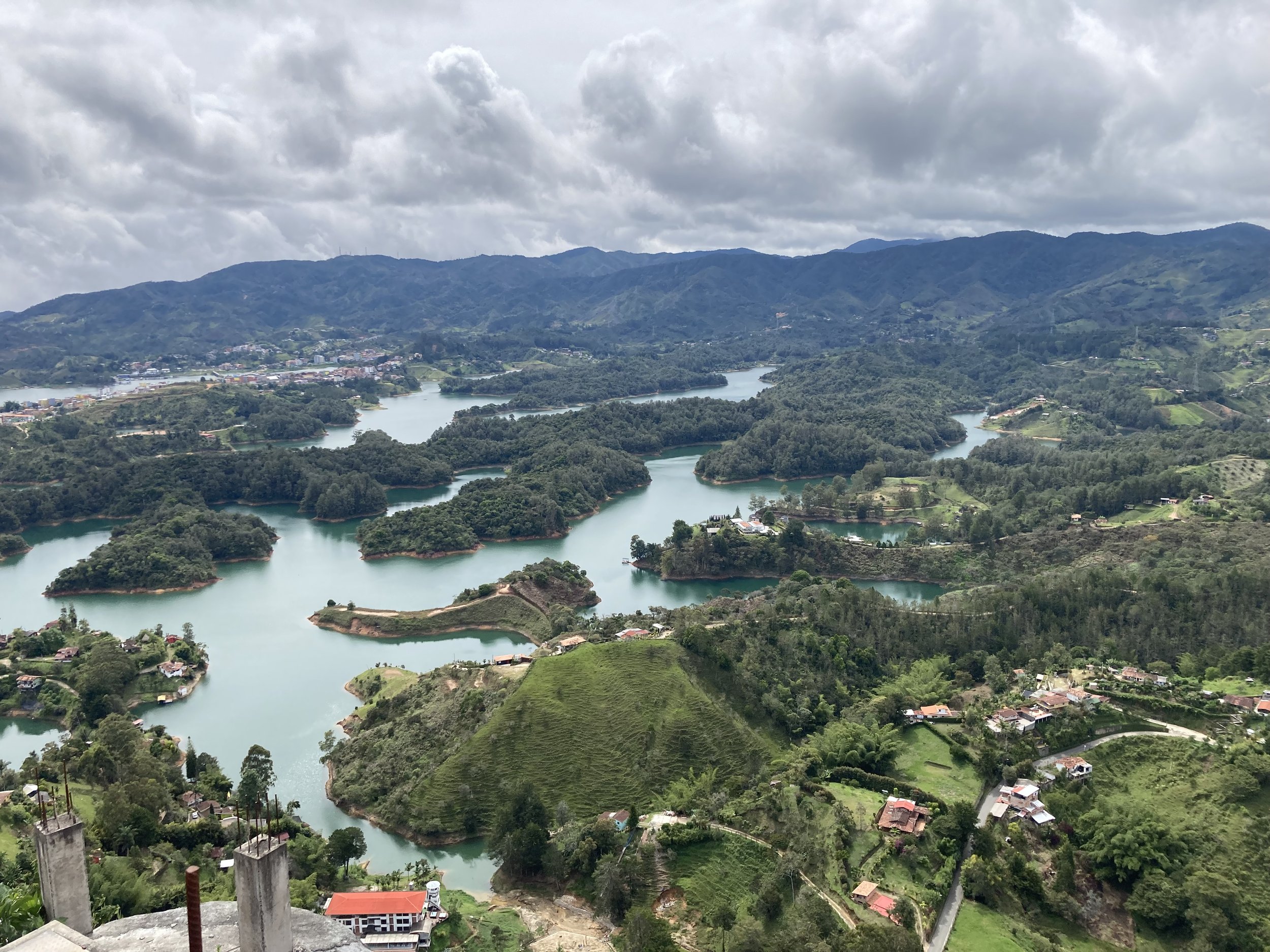
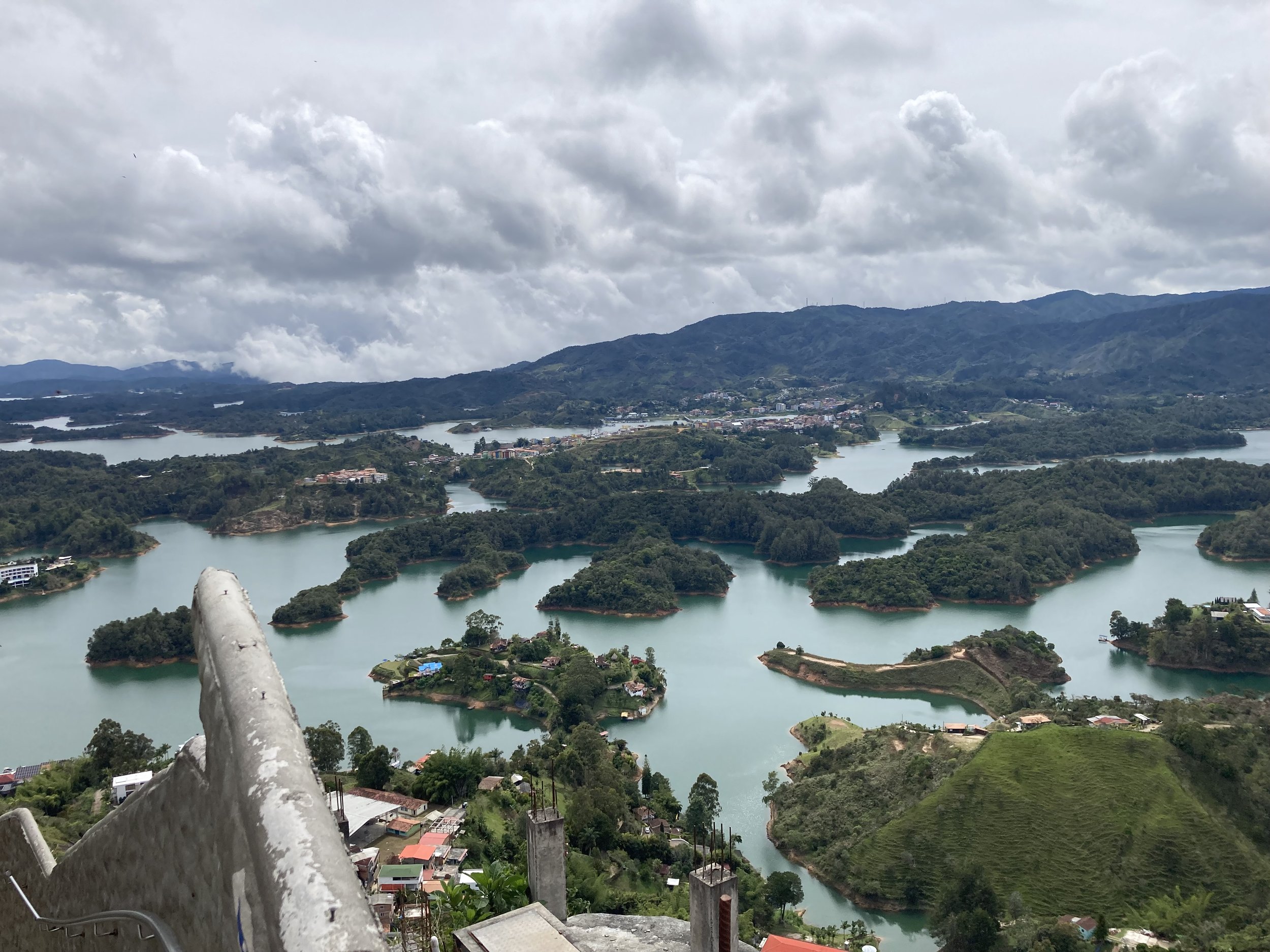
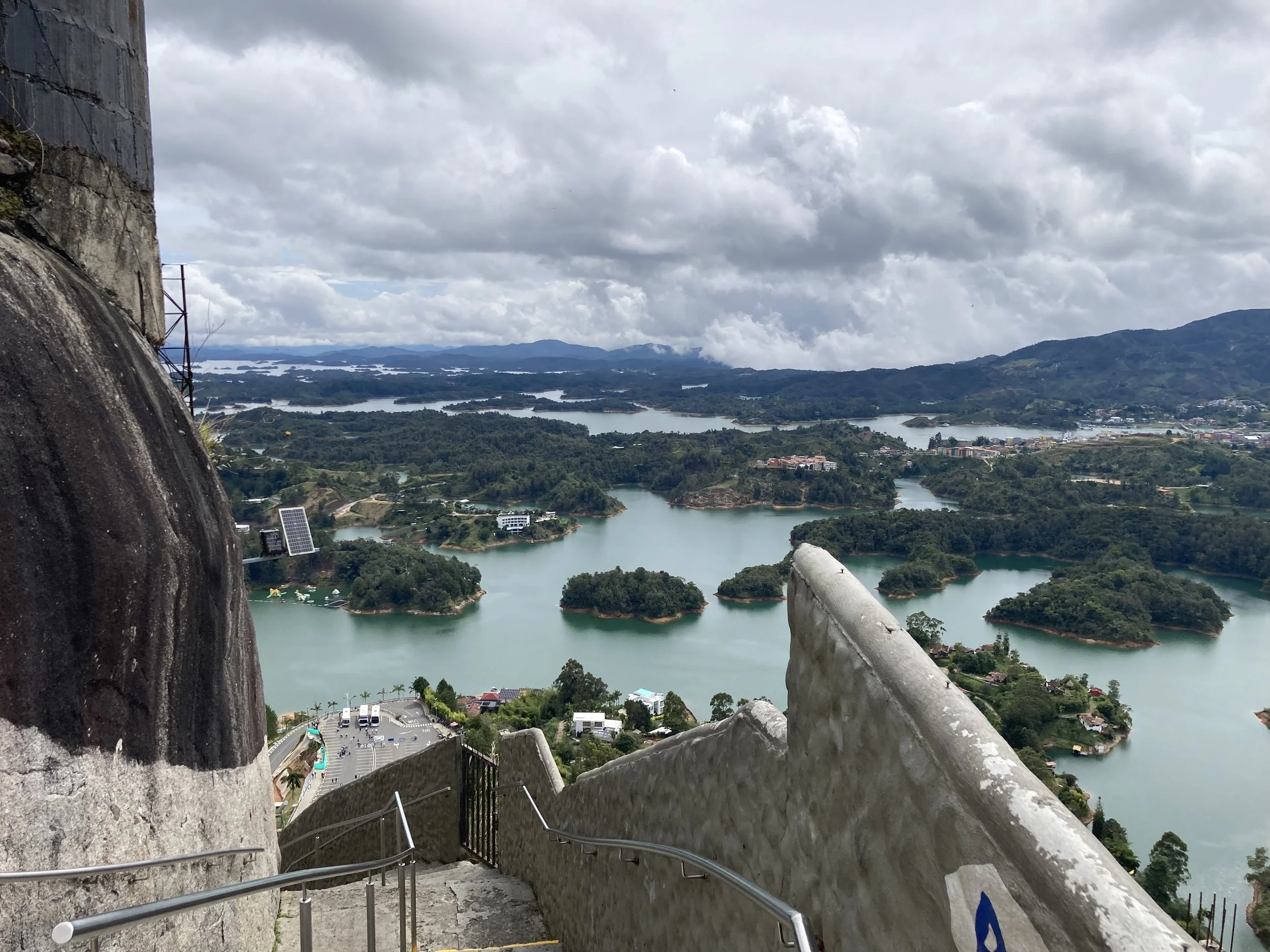
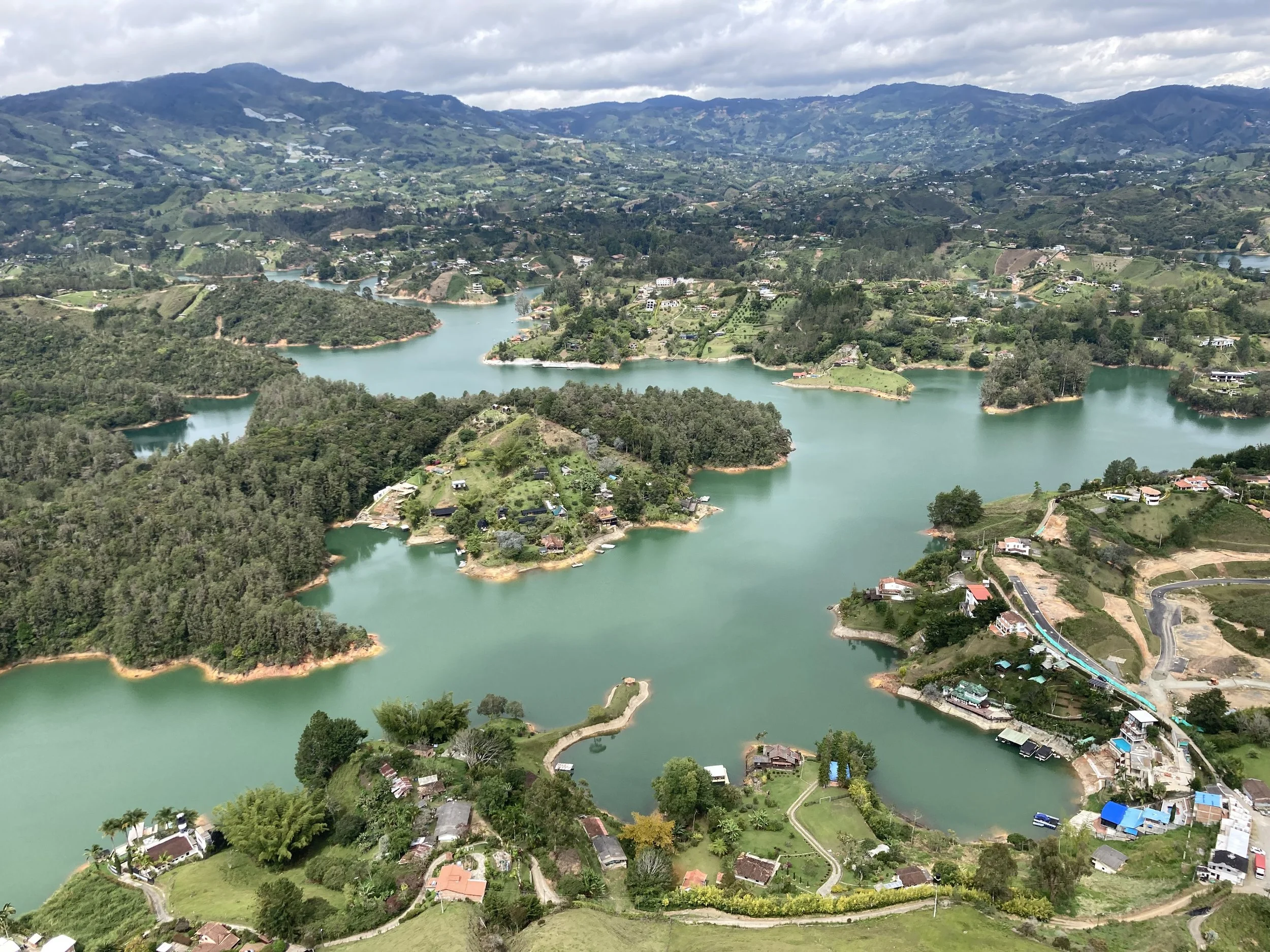
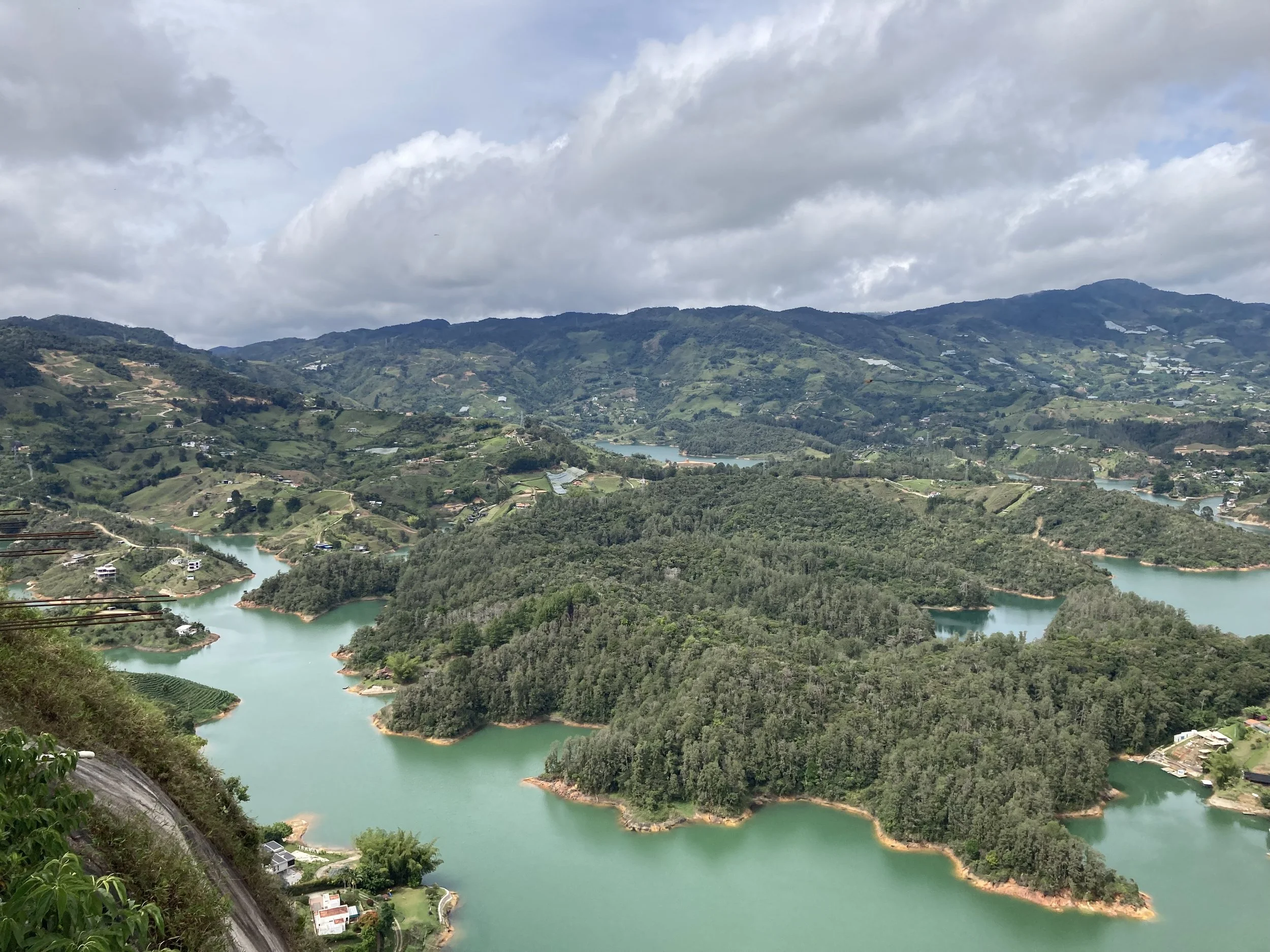
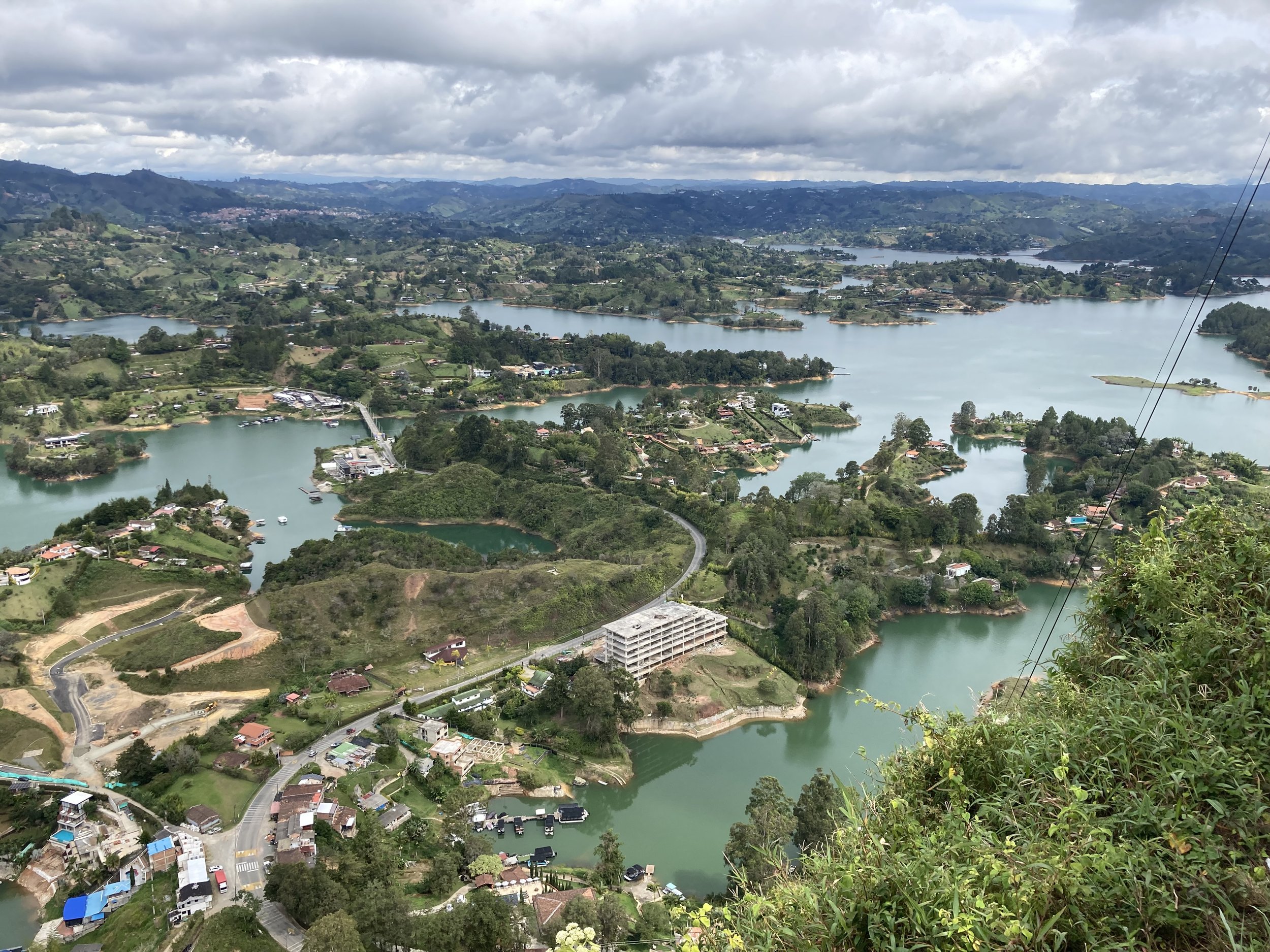
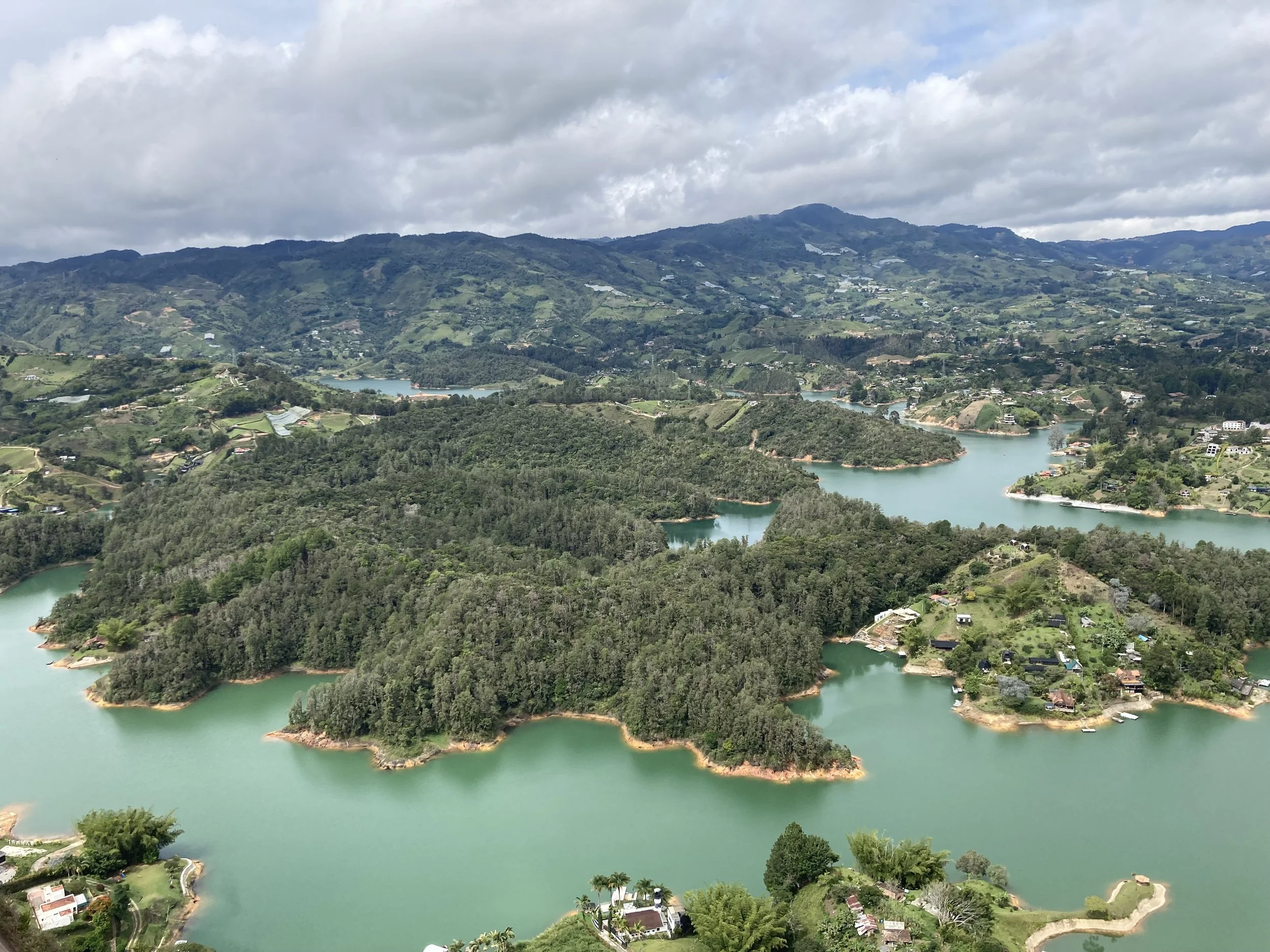
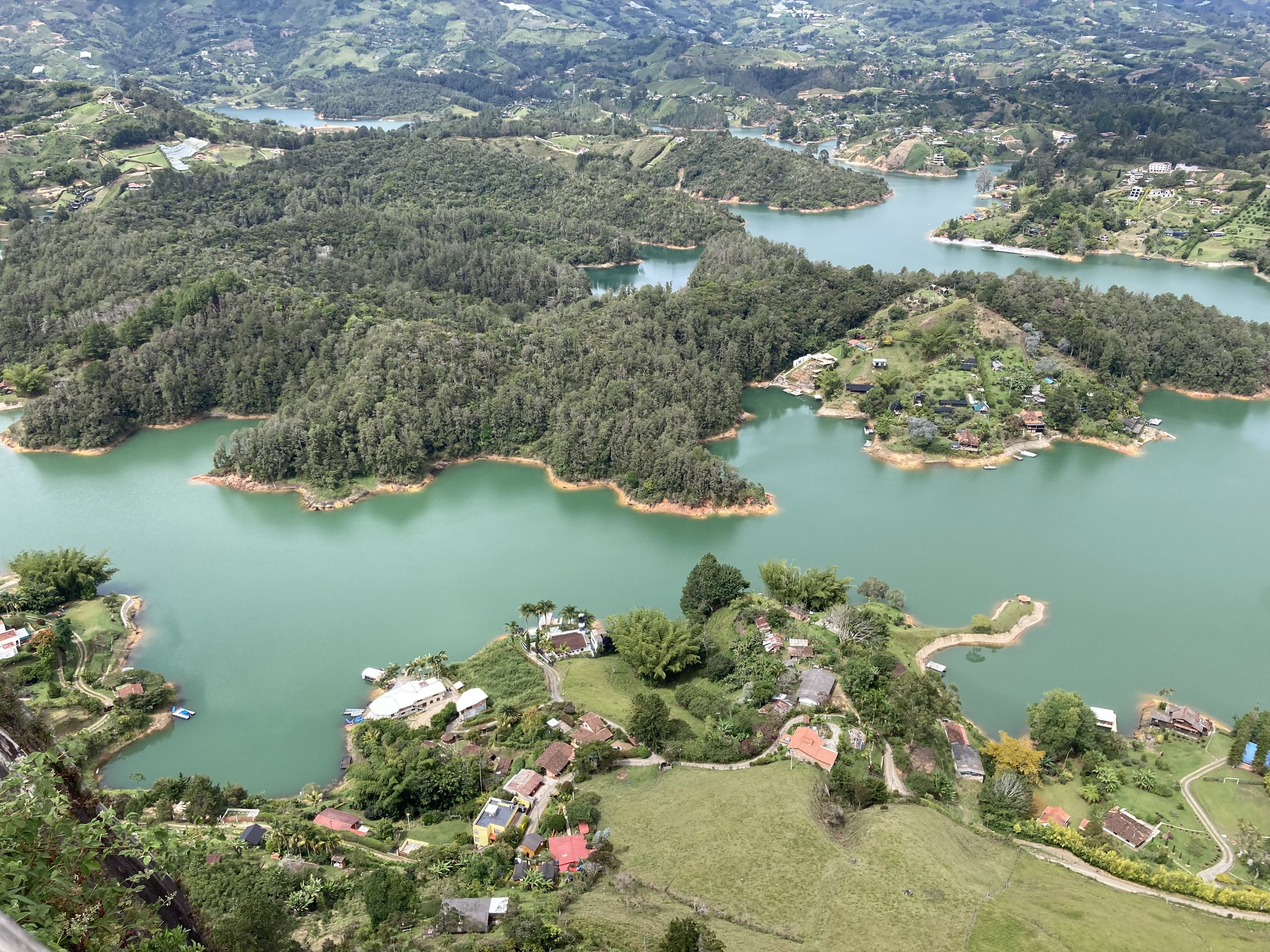
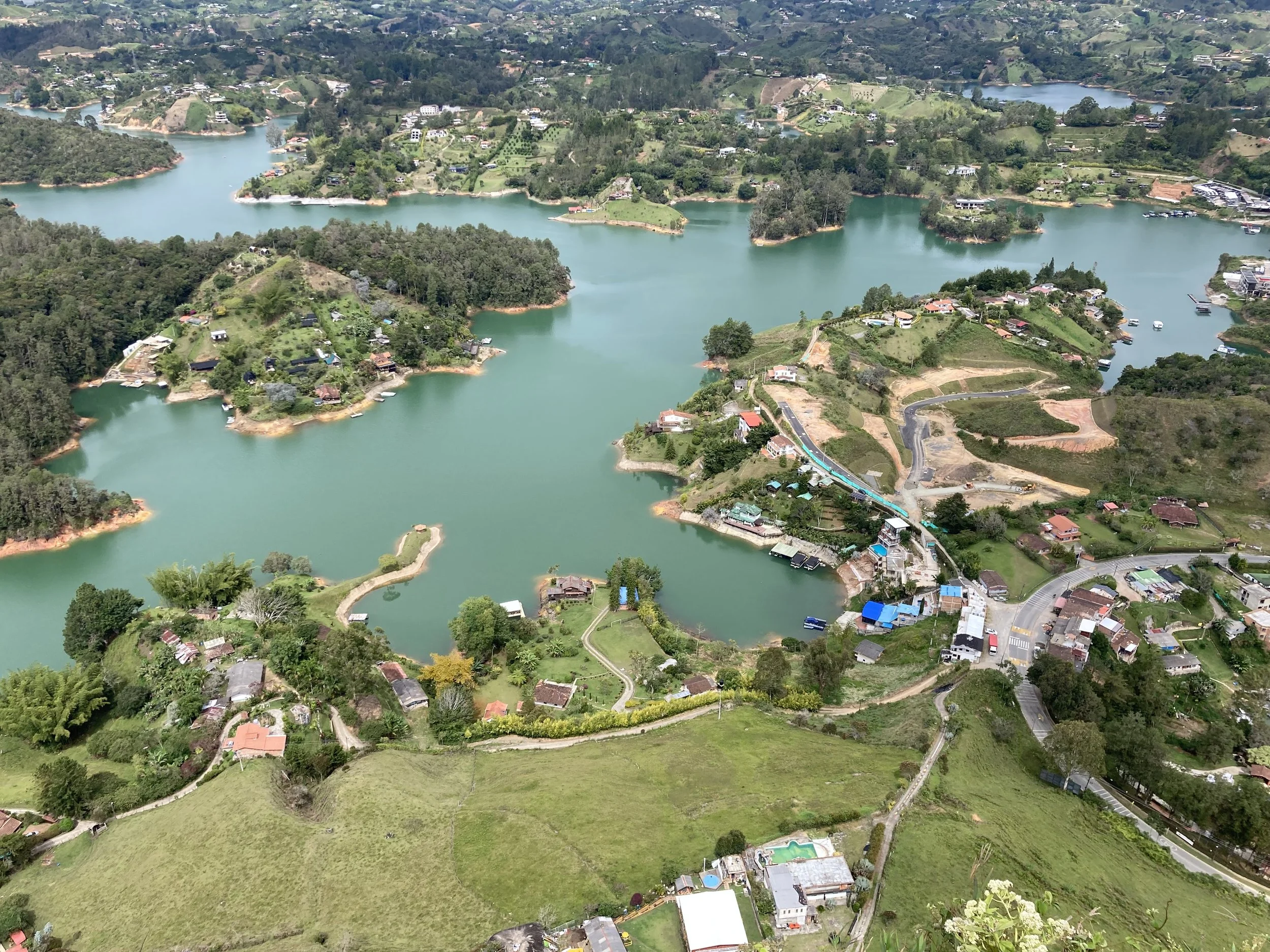
At each elevation, you can see the view get more “birds-eye” and look less and less like recognizable objects. I particularly liked the Virgin Mary statues (“Help me make it to the top” type prayers I imagine) as well as the sitting medical person with a defibrillator around step 350 or about half way there.
Yep. That checks out. I saw so many huffing and puffing on their way up. But, for the most part, if you take it slow and steady, I believe anyone can climb this. It’s just a lot if you’re not used to climbing stairs. Like, 740 stairs in one go.
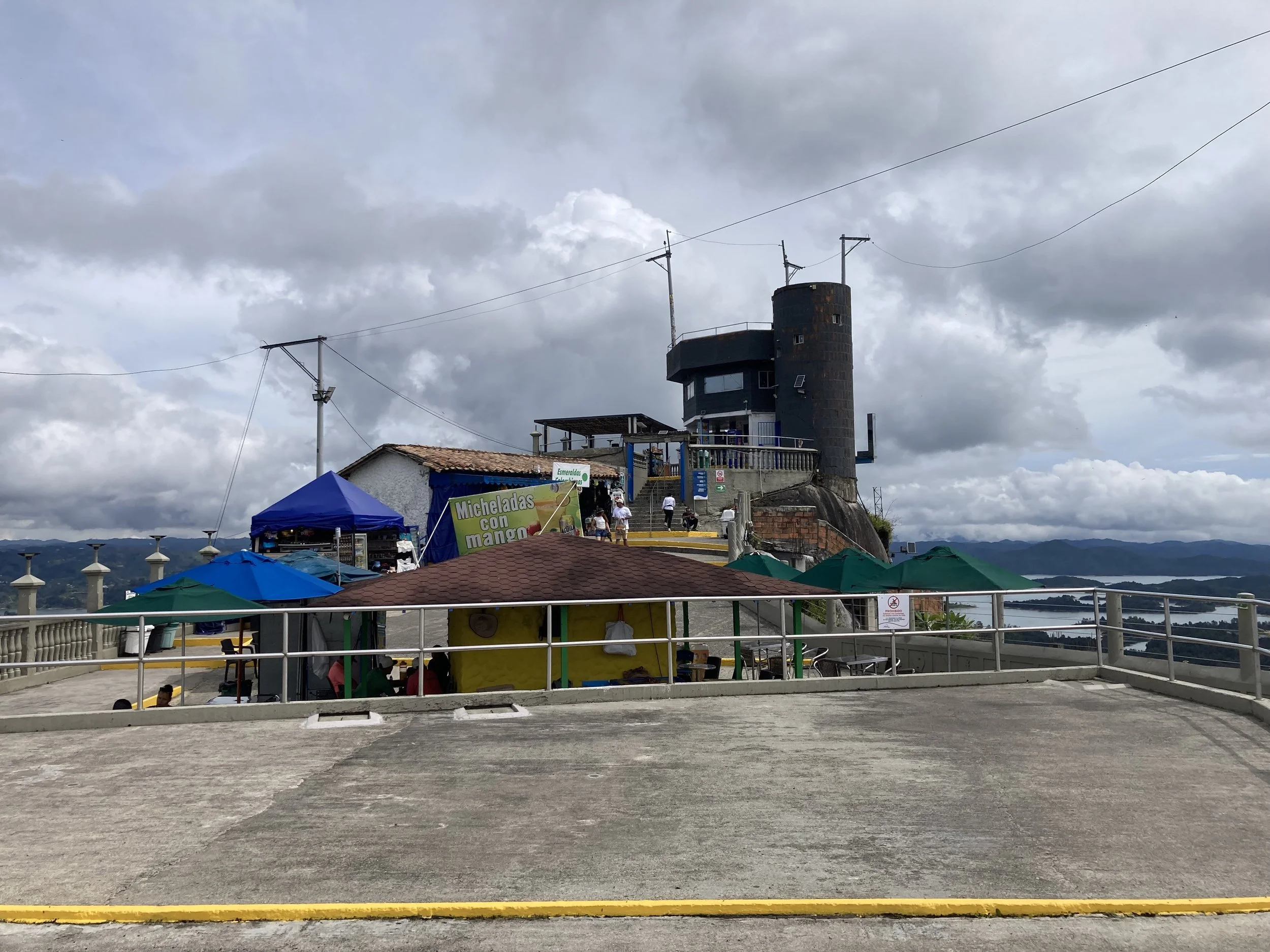
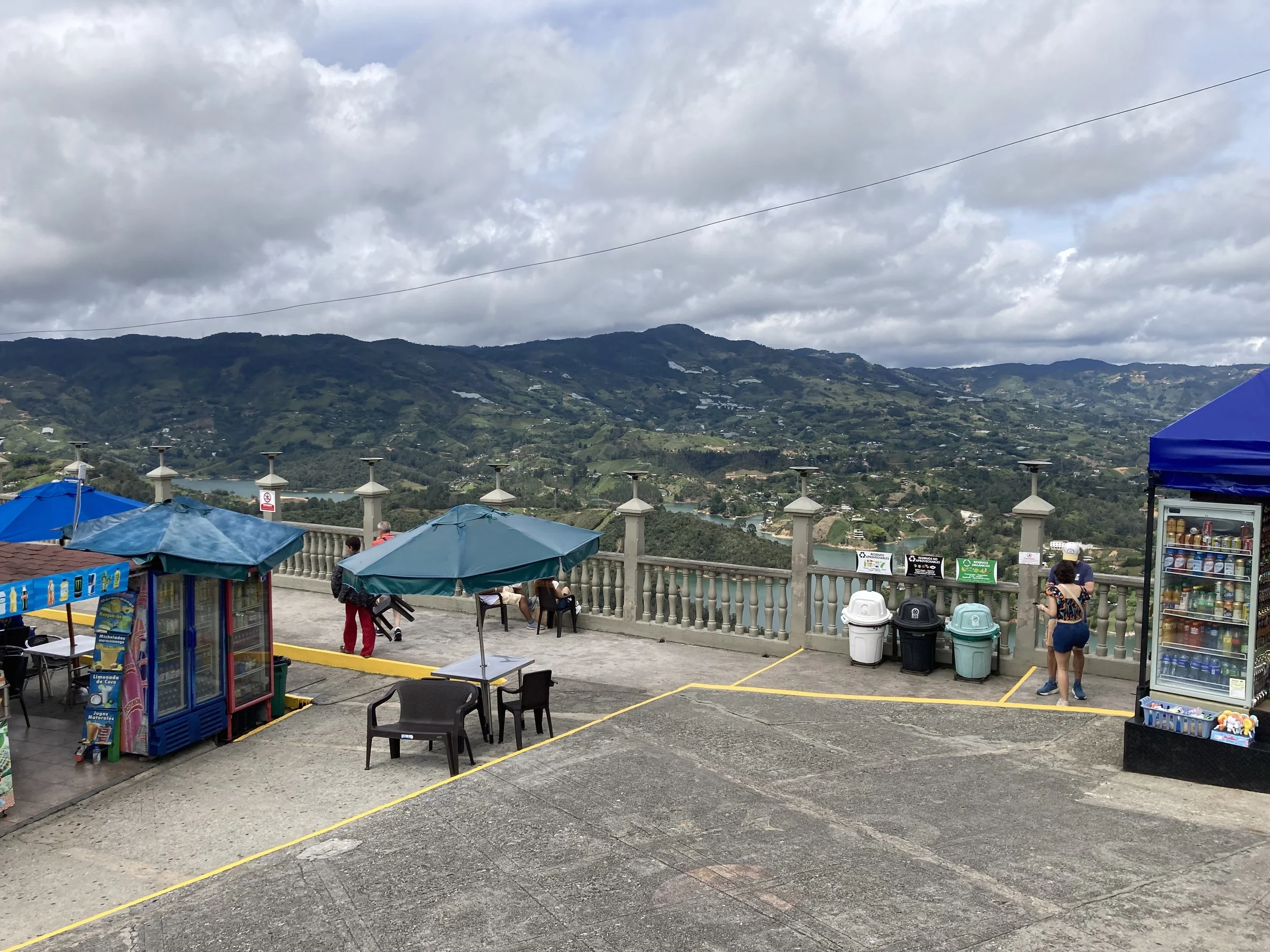
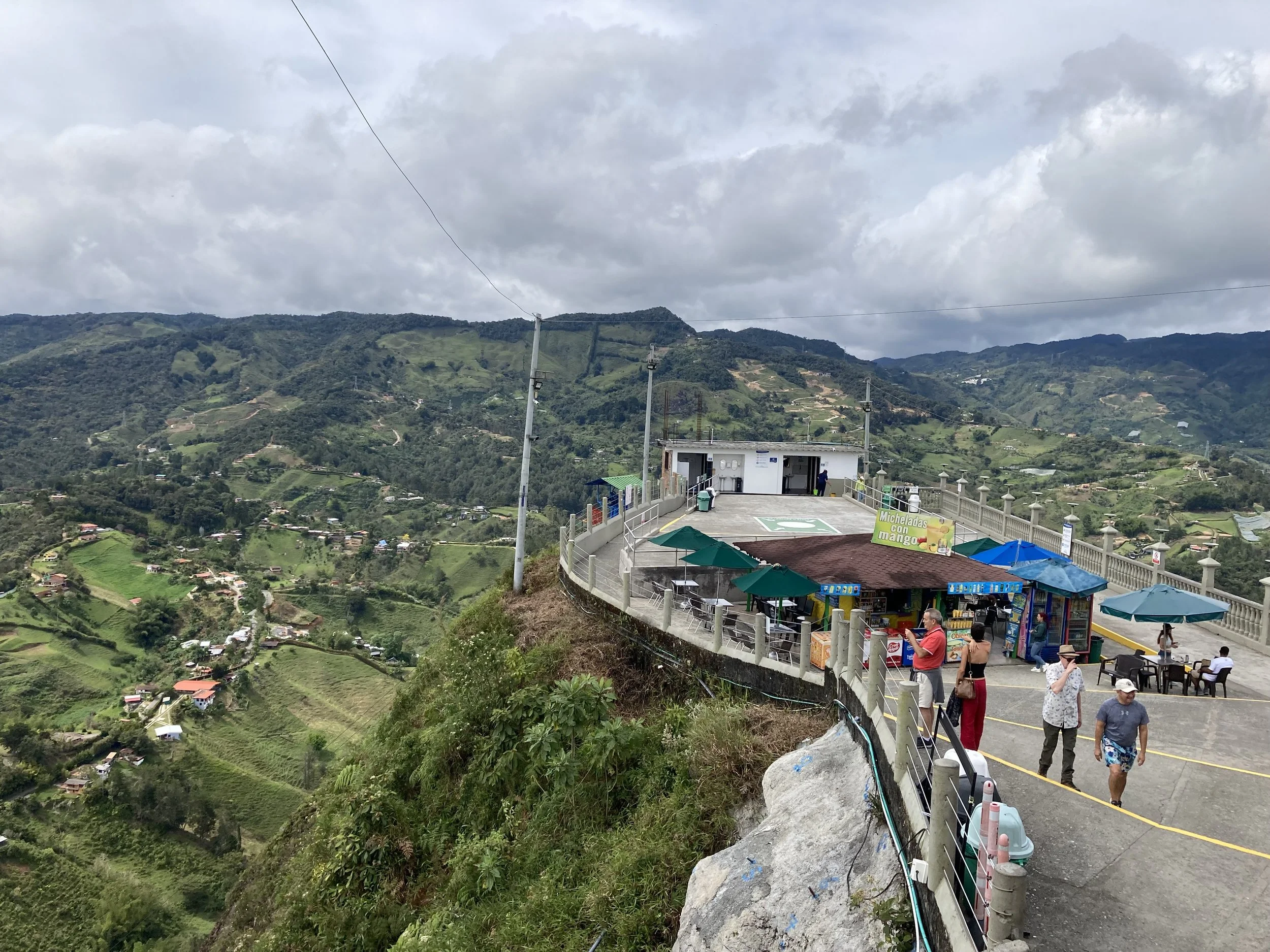
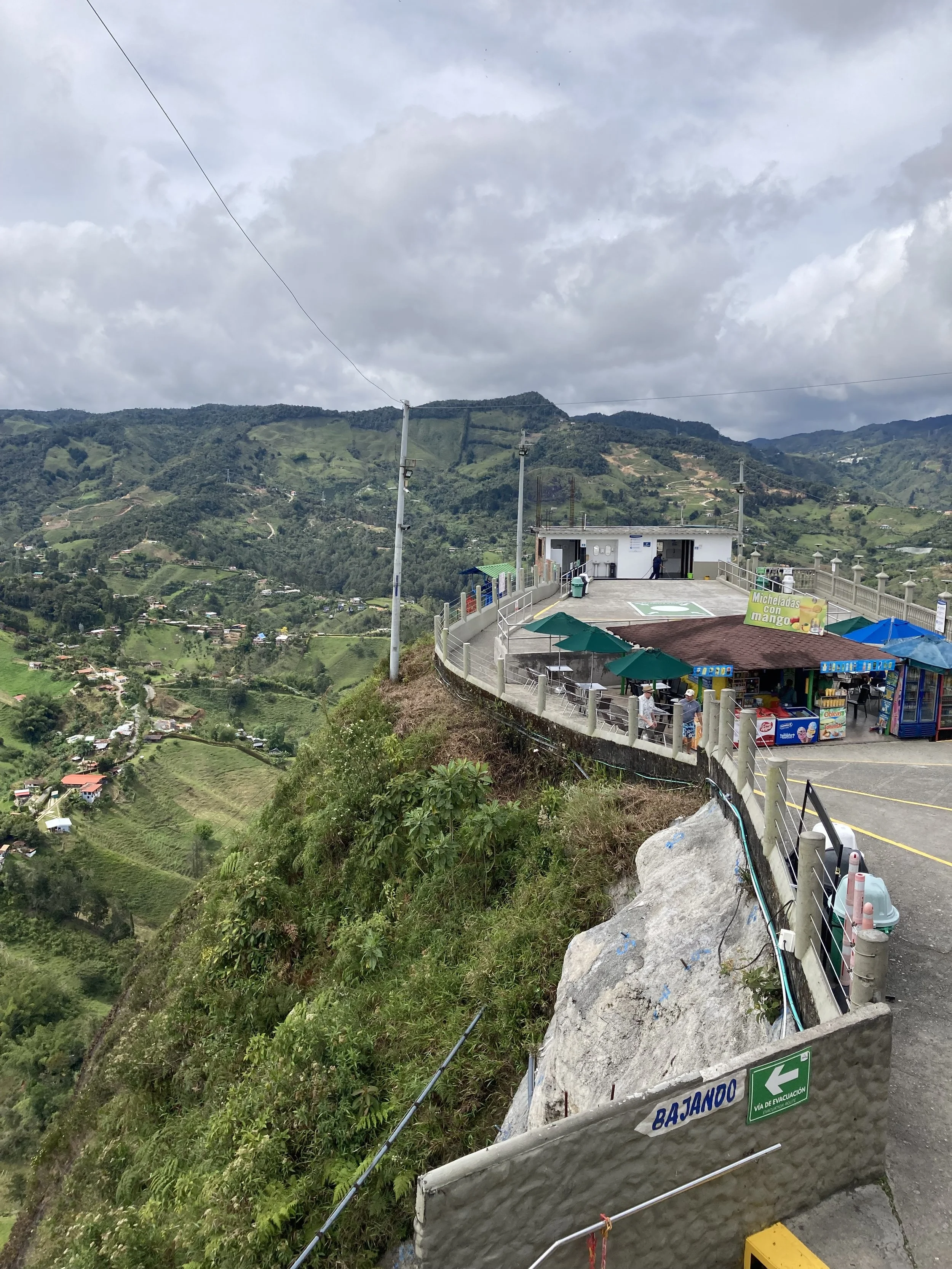
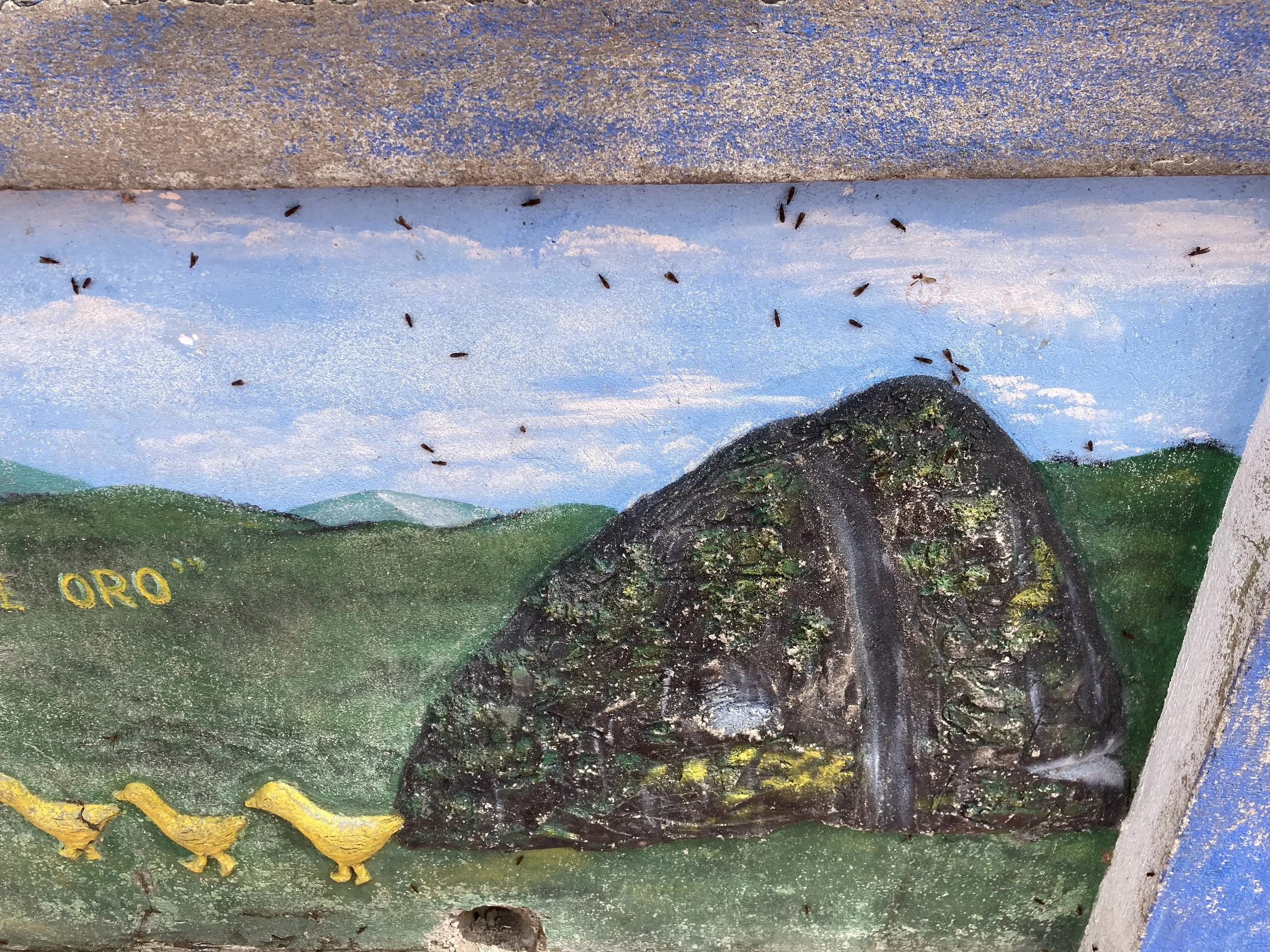
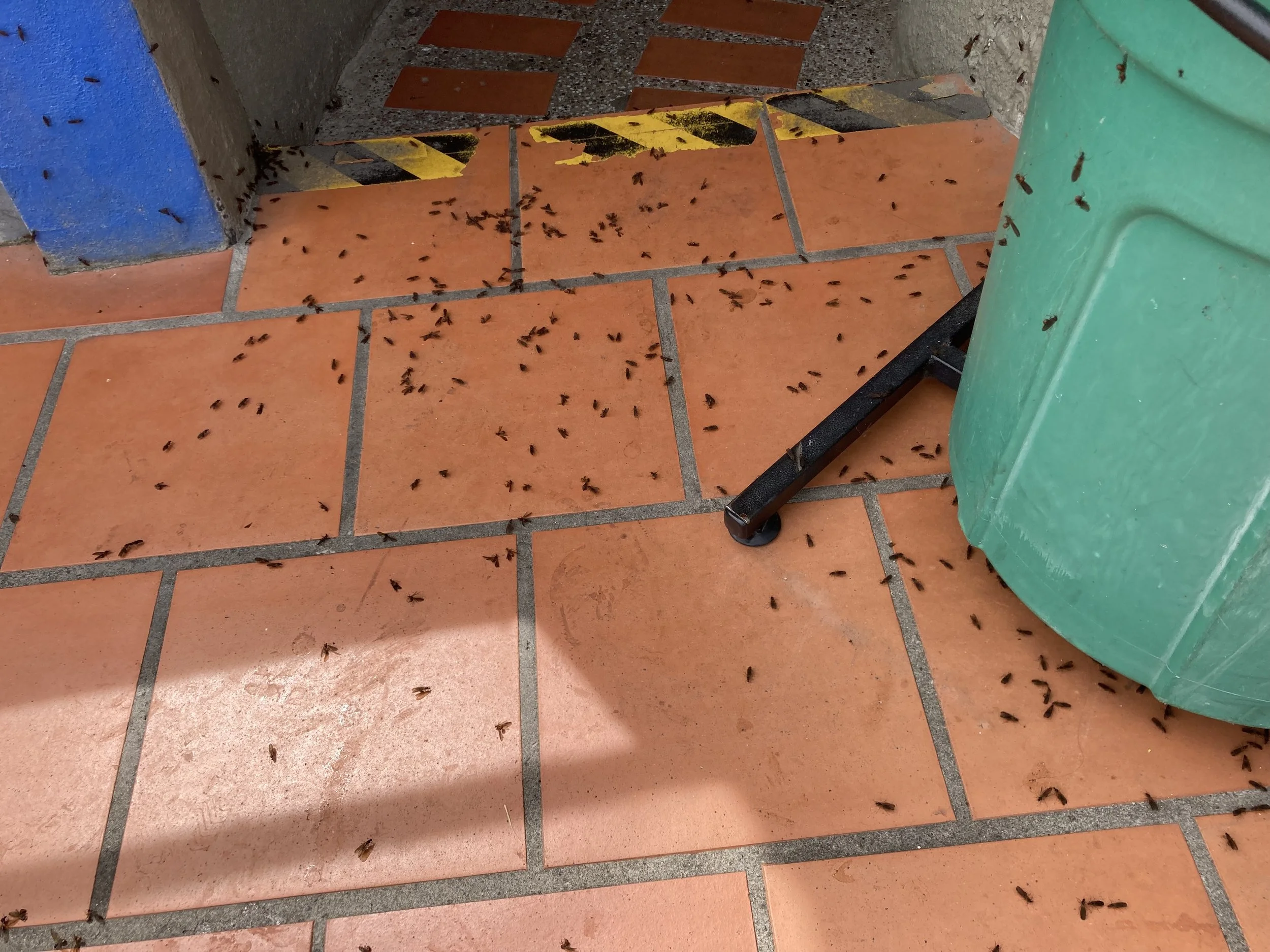
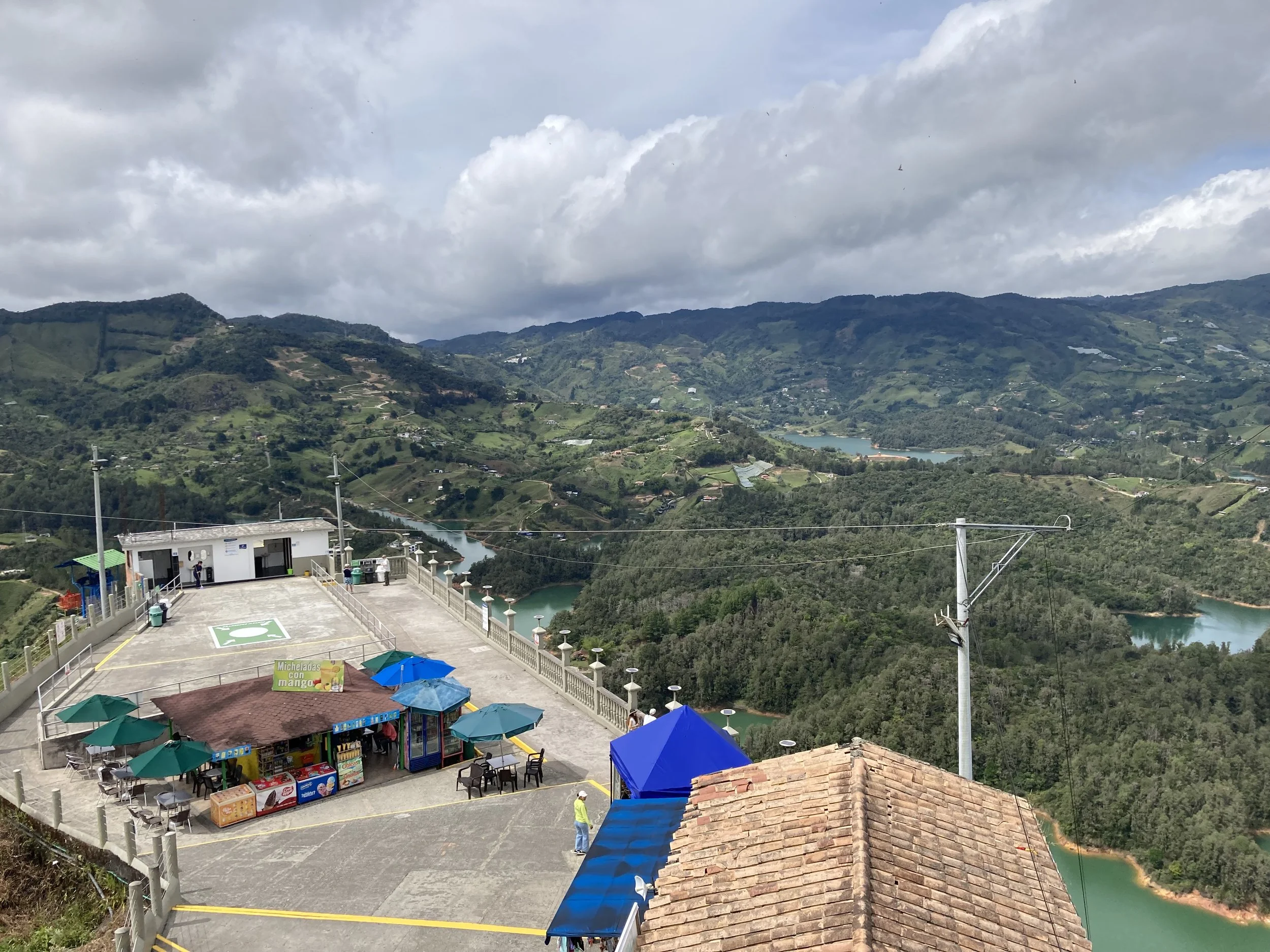
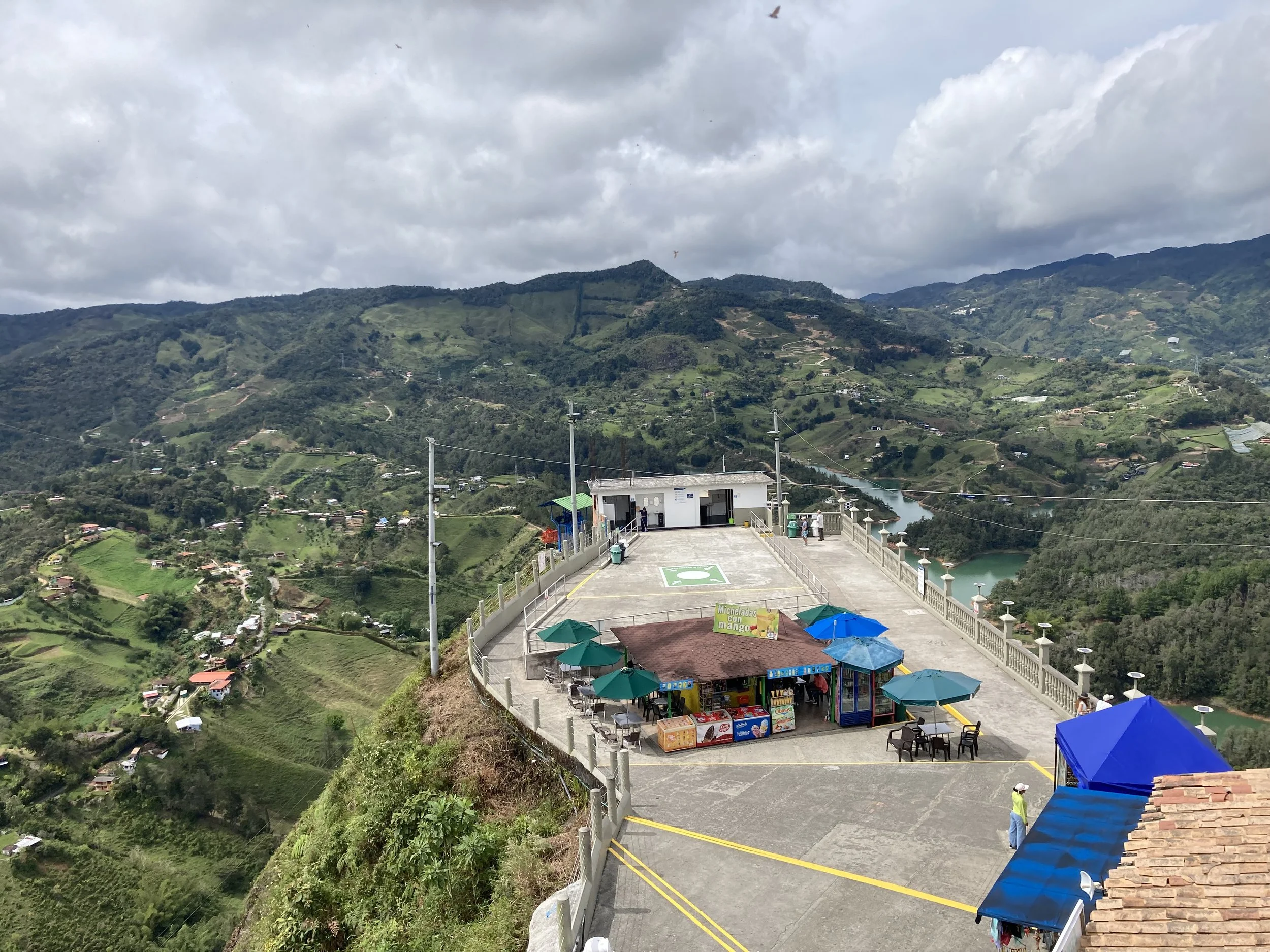
Once at the top of the rock, there were a number of souvenir shops, a restaurant and a few coffee shops as well as a bathroom overlooking the same epic views shared above. What was unexpected were a host of bugs at the very top. No matter as long as you didn’t disturb them. Although a few of them were looking to hitch a ride on me for the way down. Interestingly enough, the way down was a separate path.
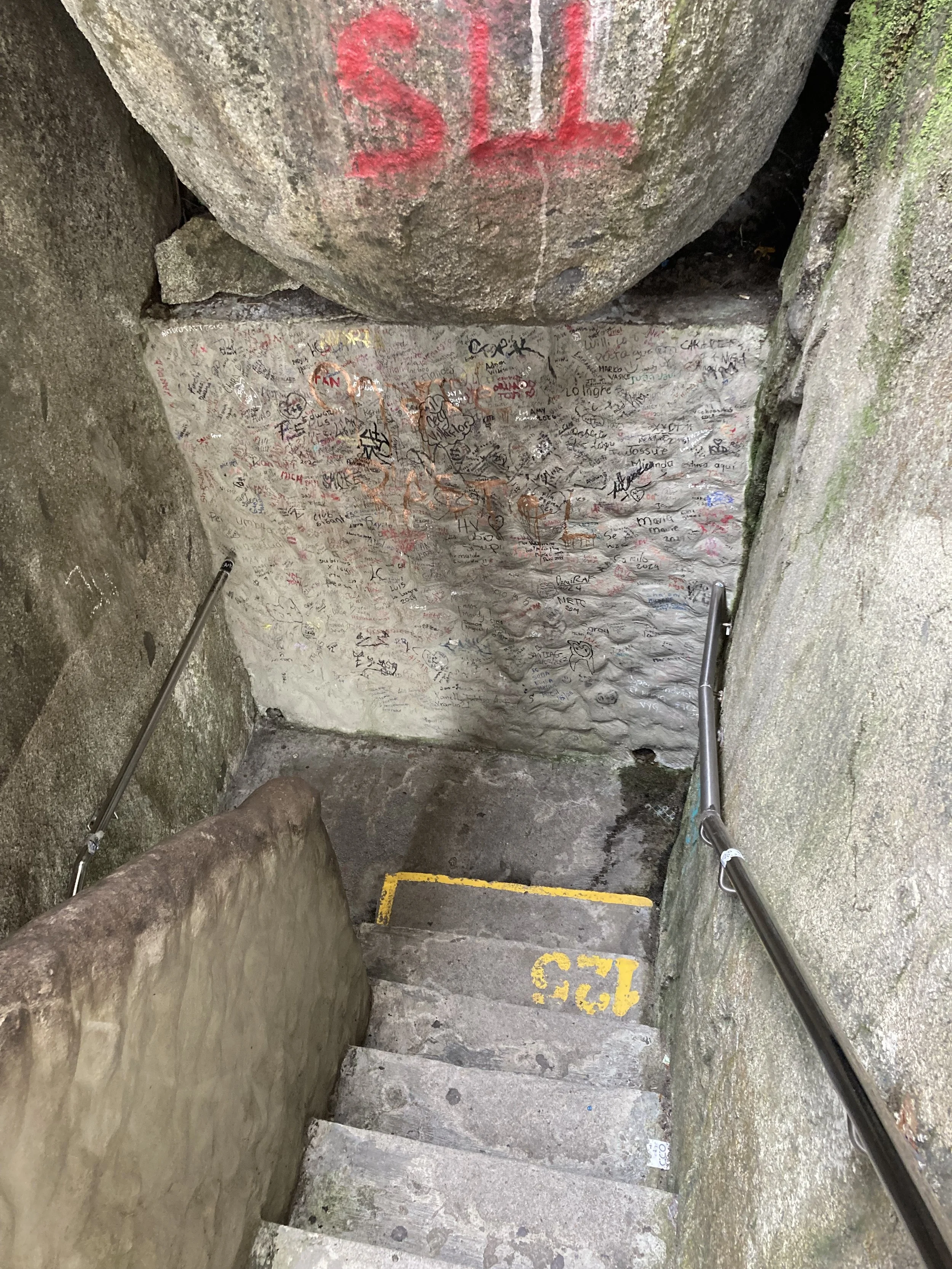
This looks familiar. Isn’t this right out of the scene of Indian Jones?
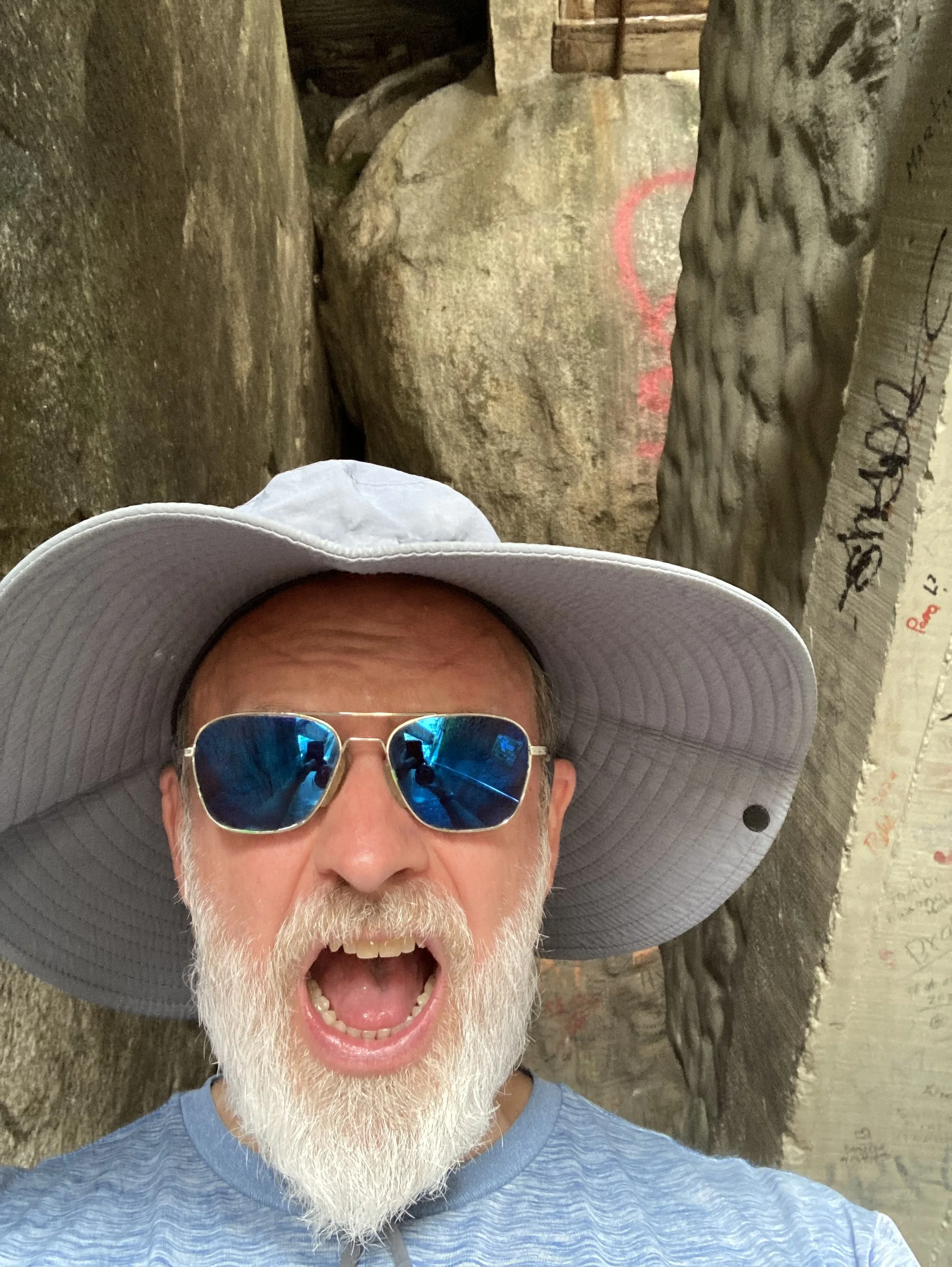
RUN! I guess this is how they clear the path with too many tourists!!!
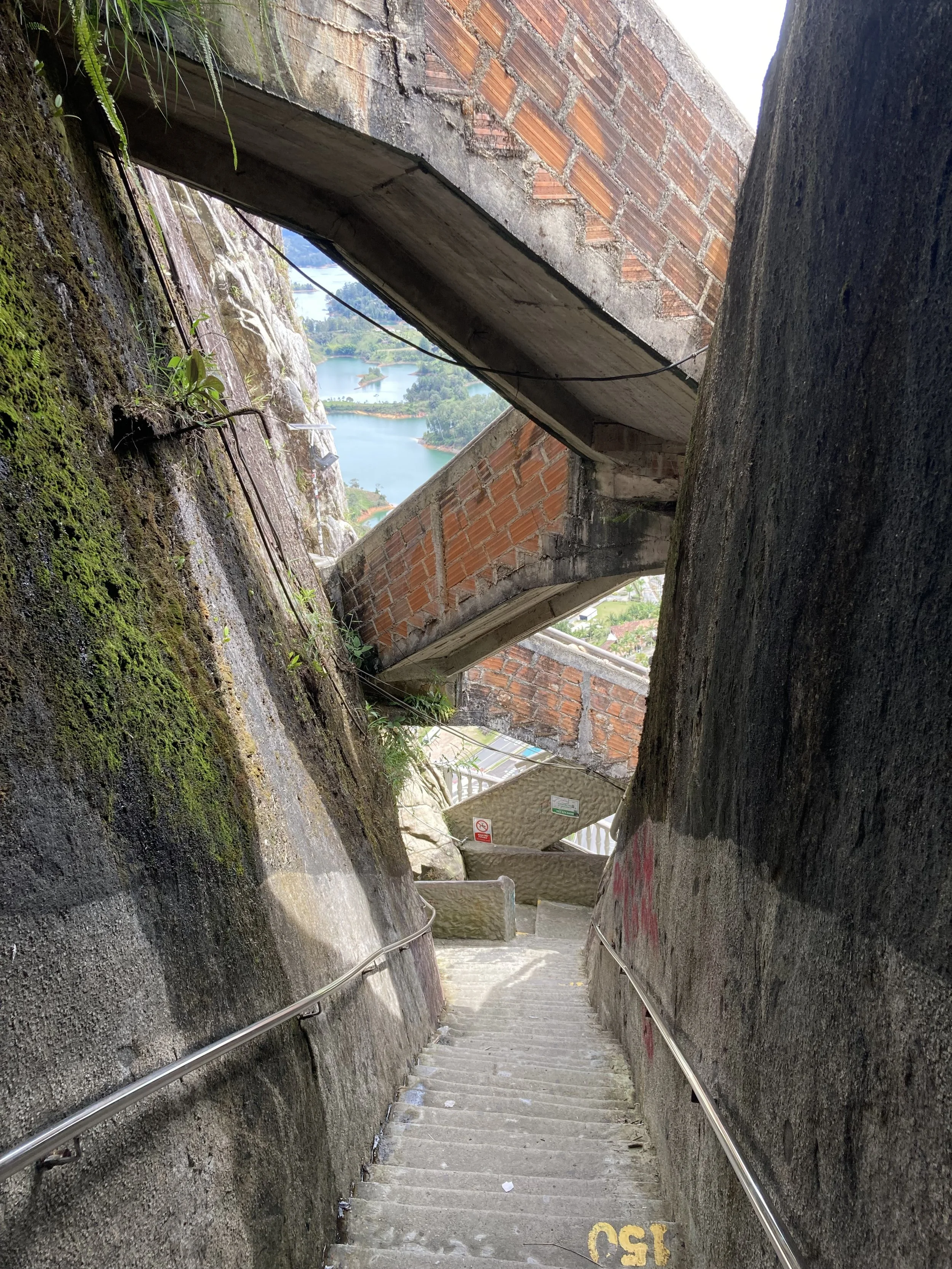
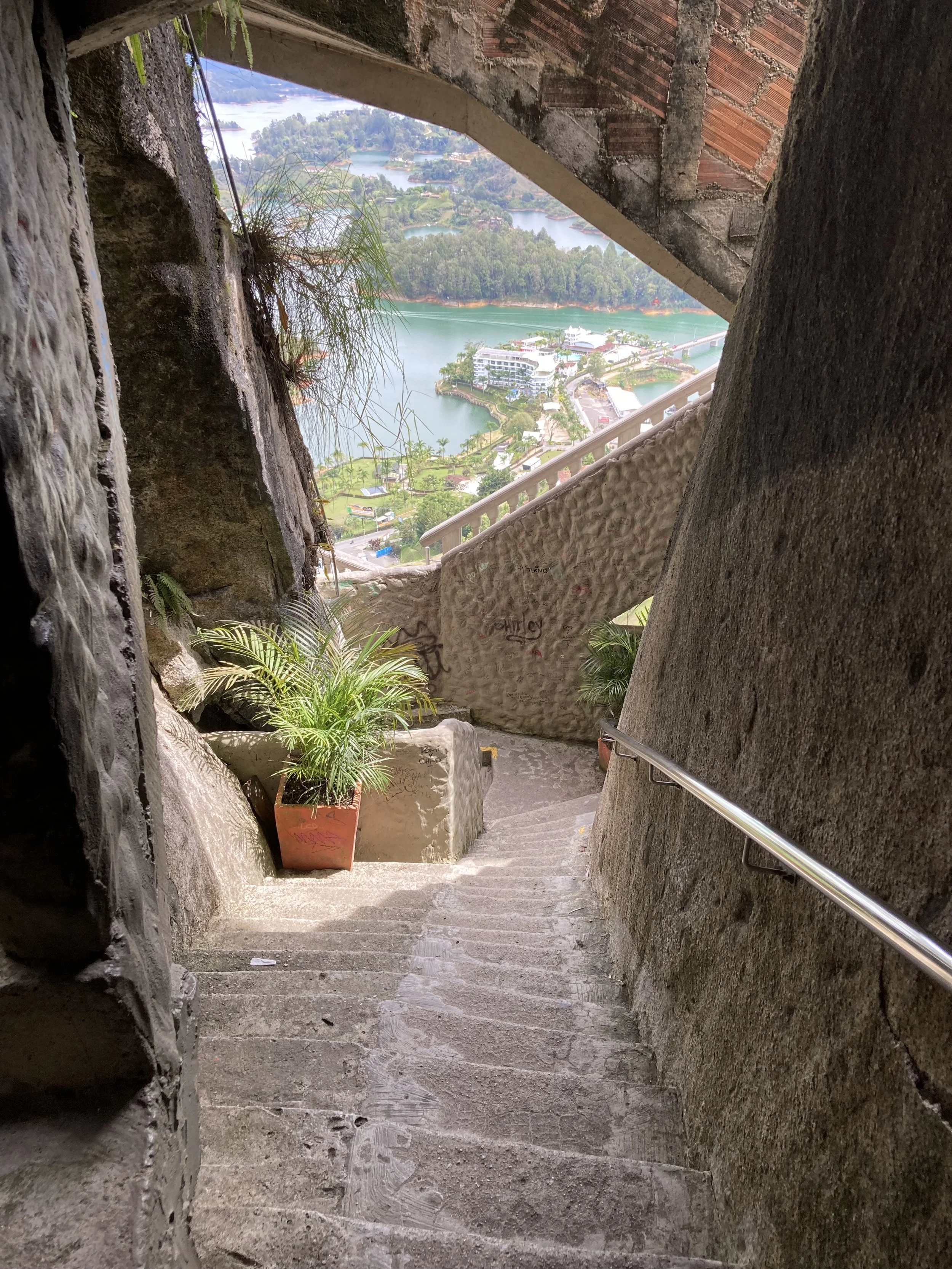
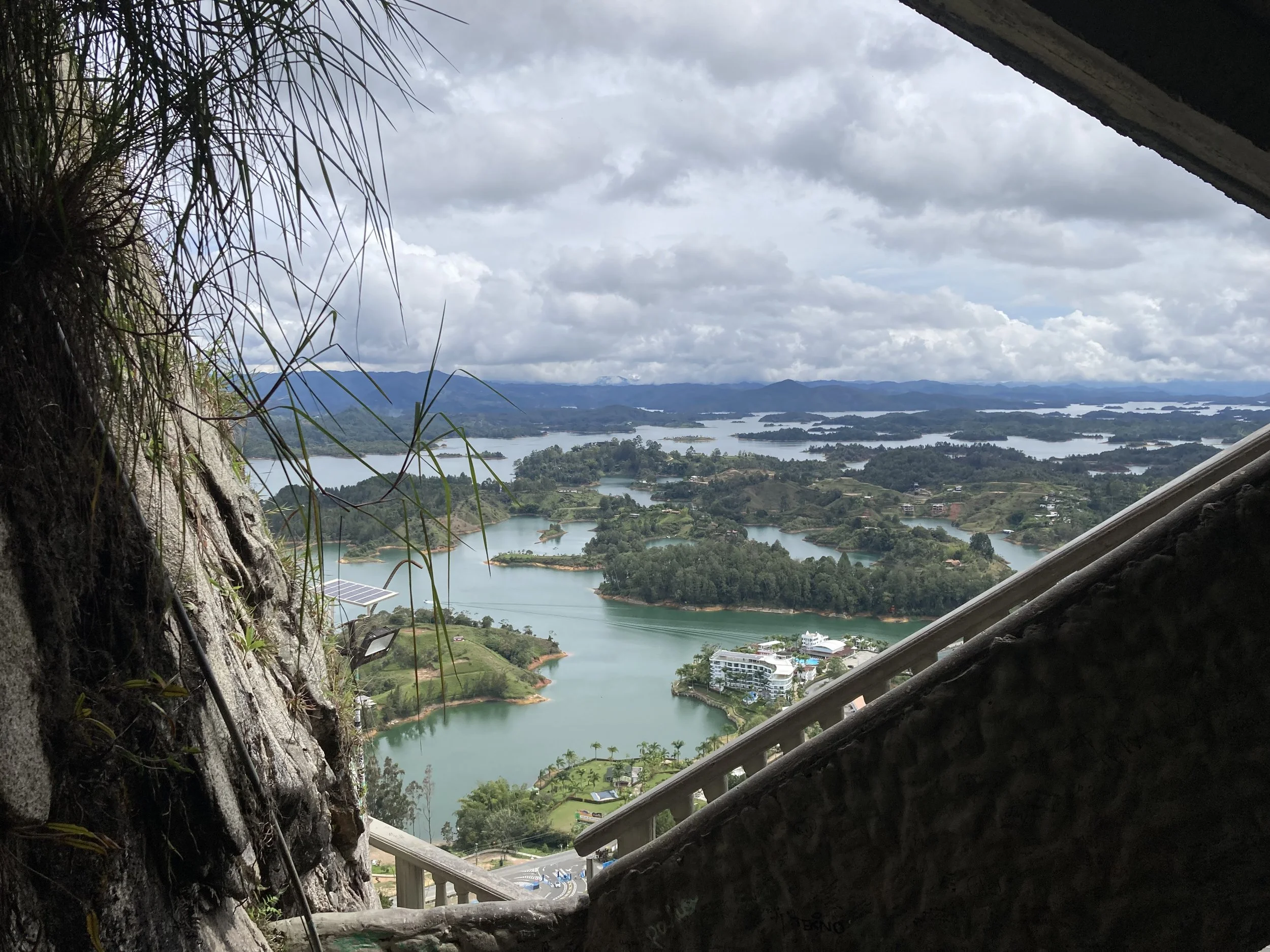
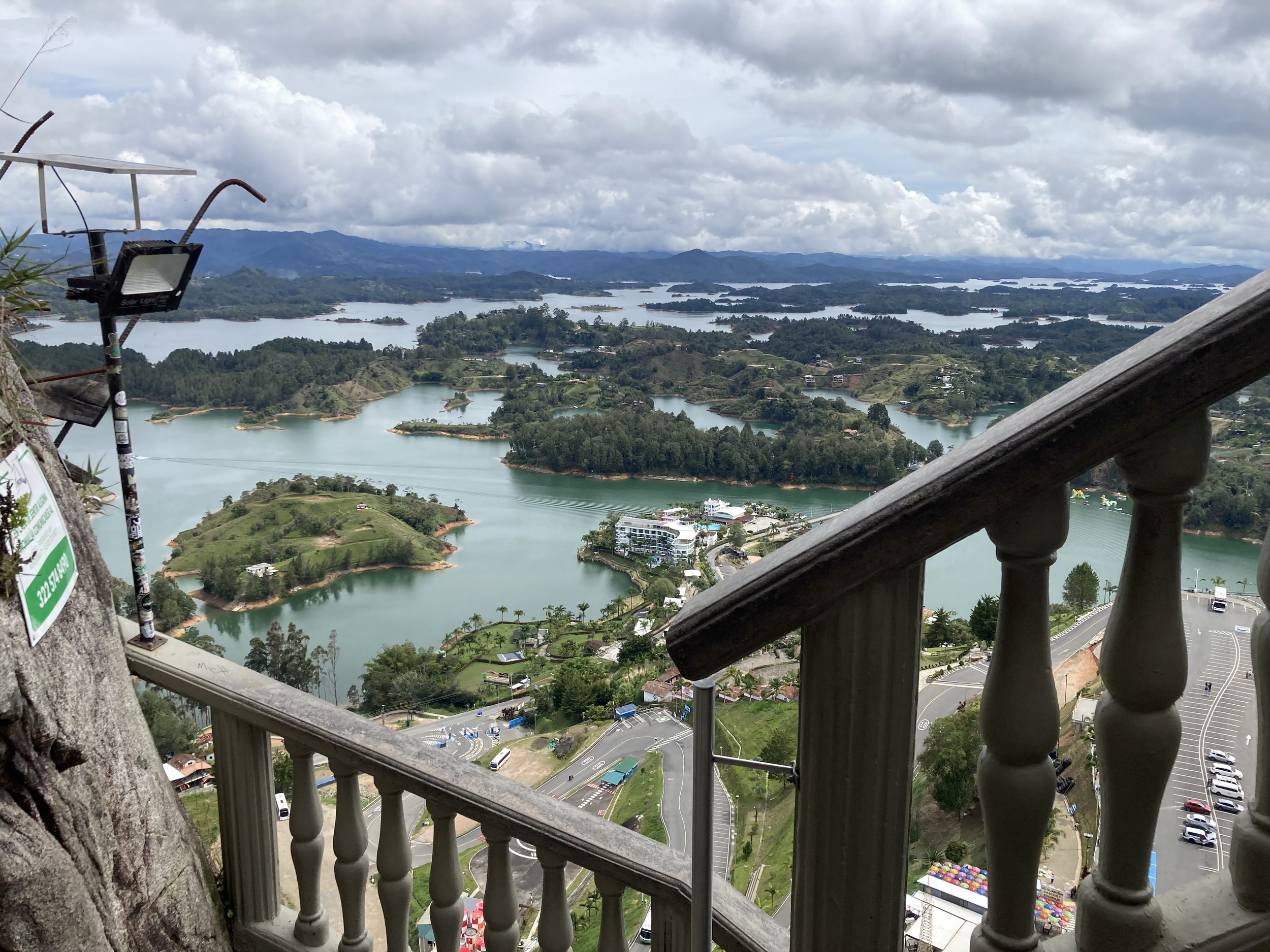
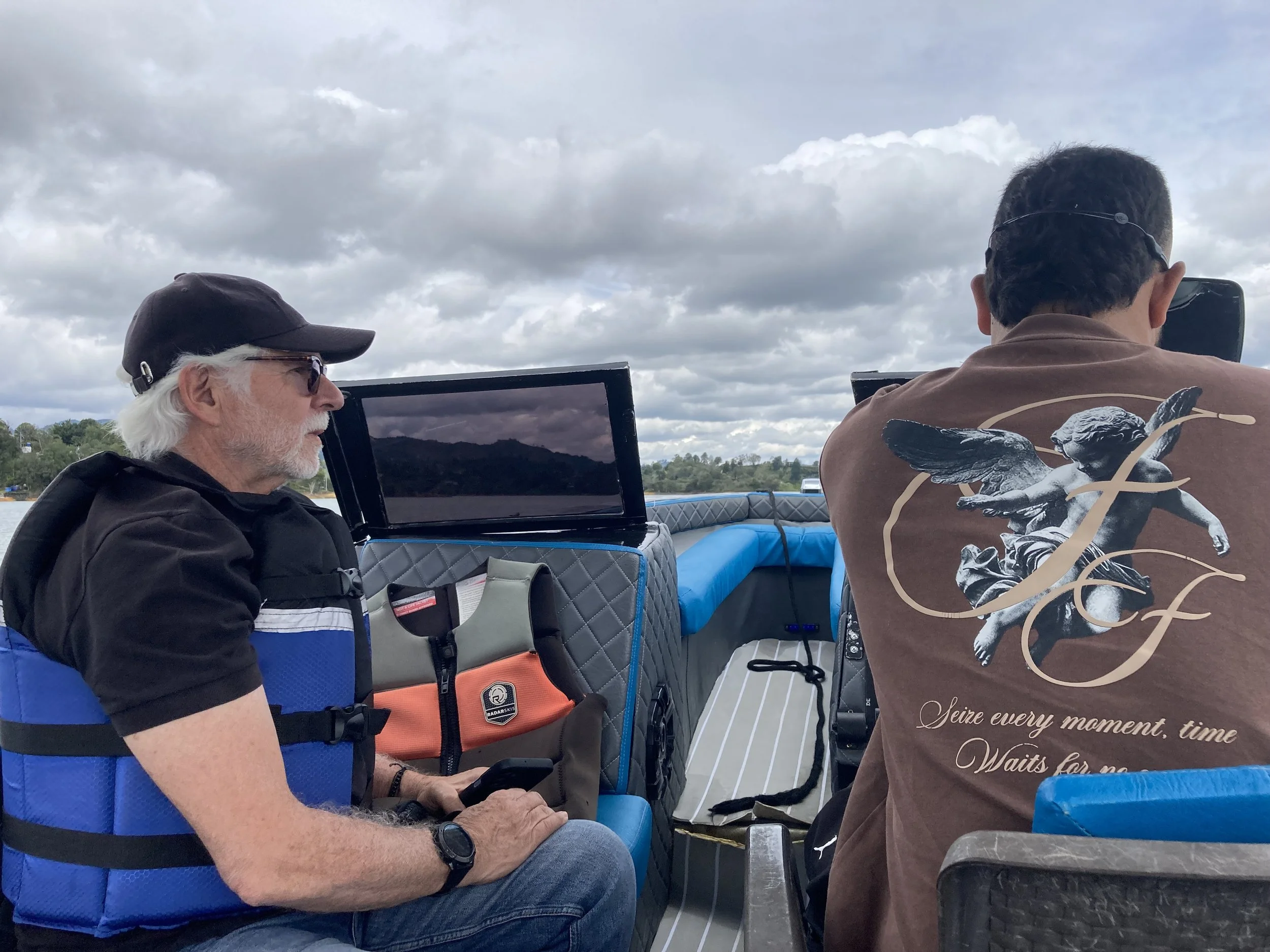
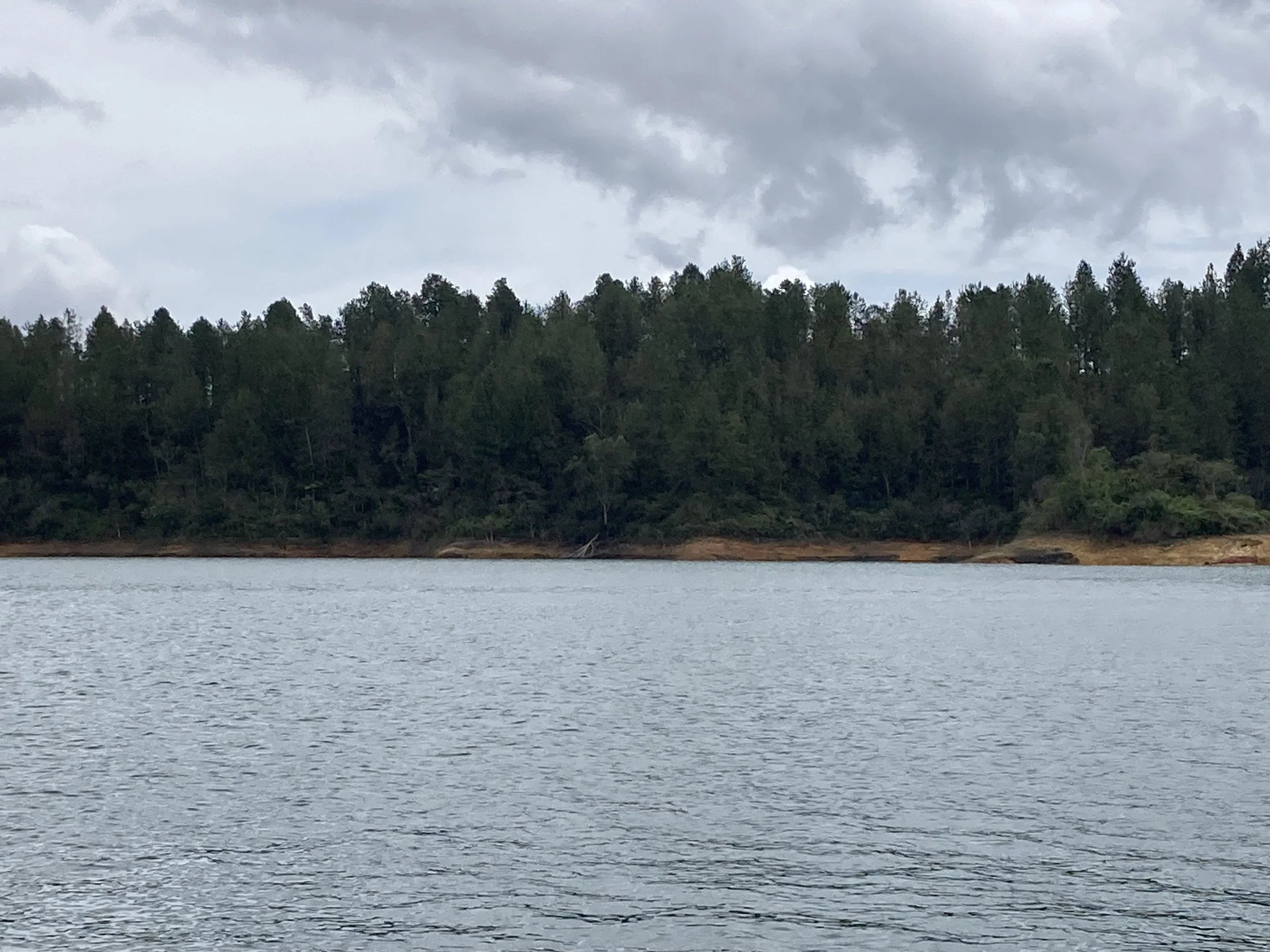
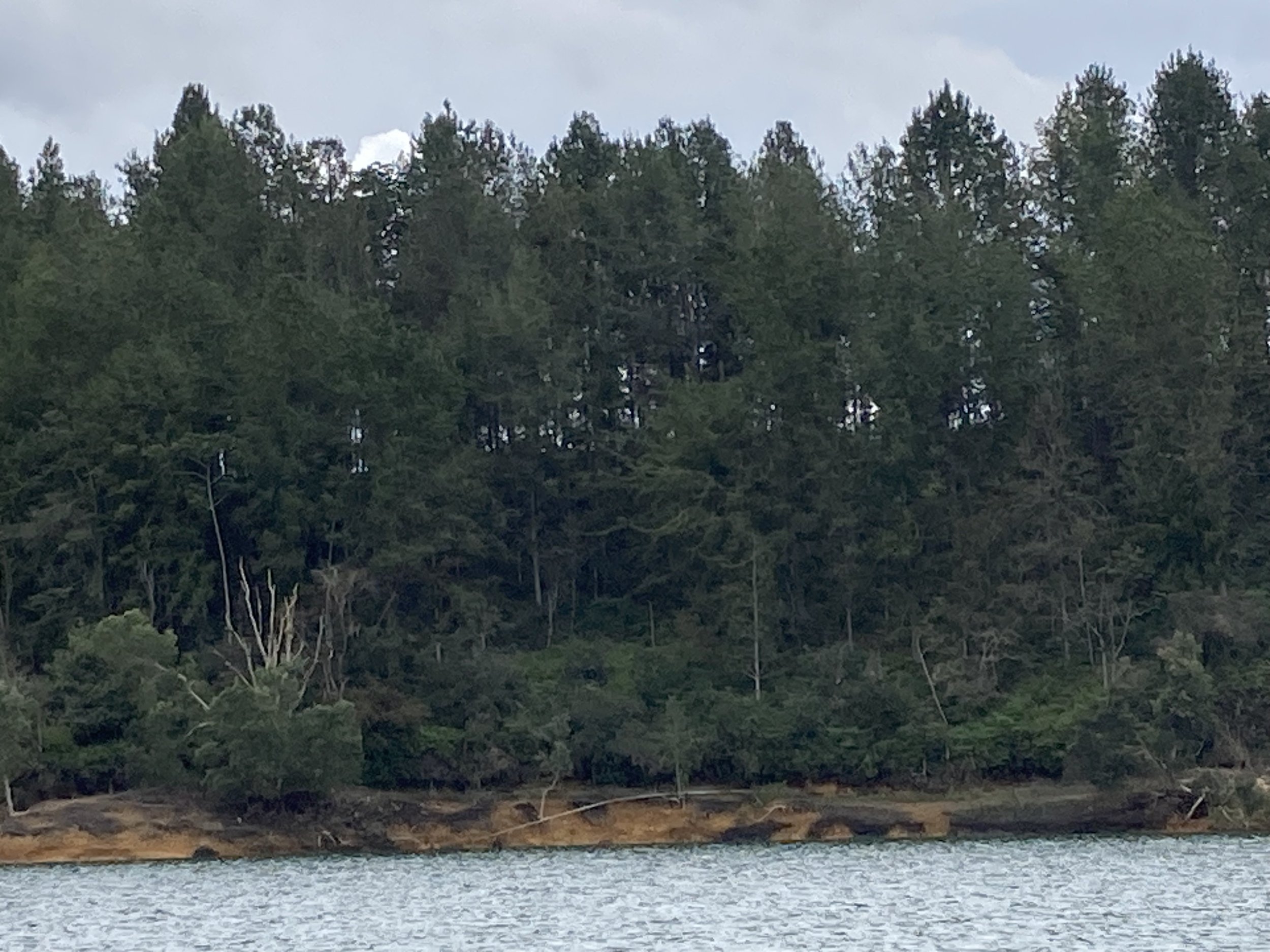
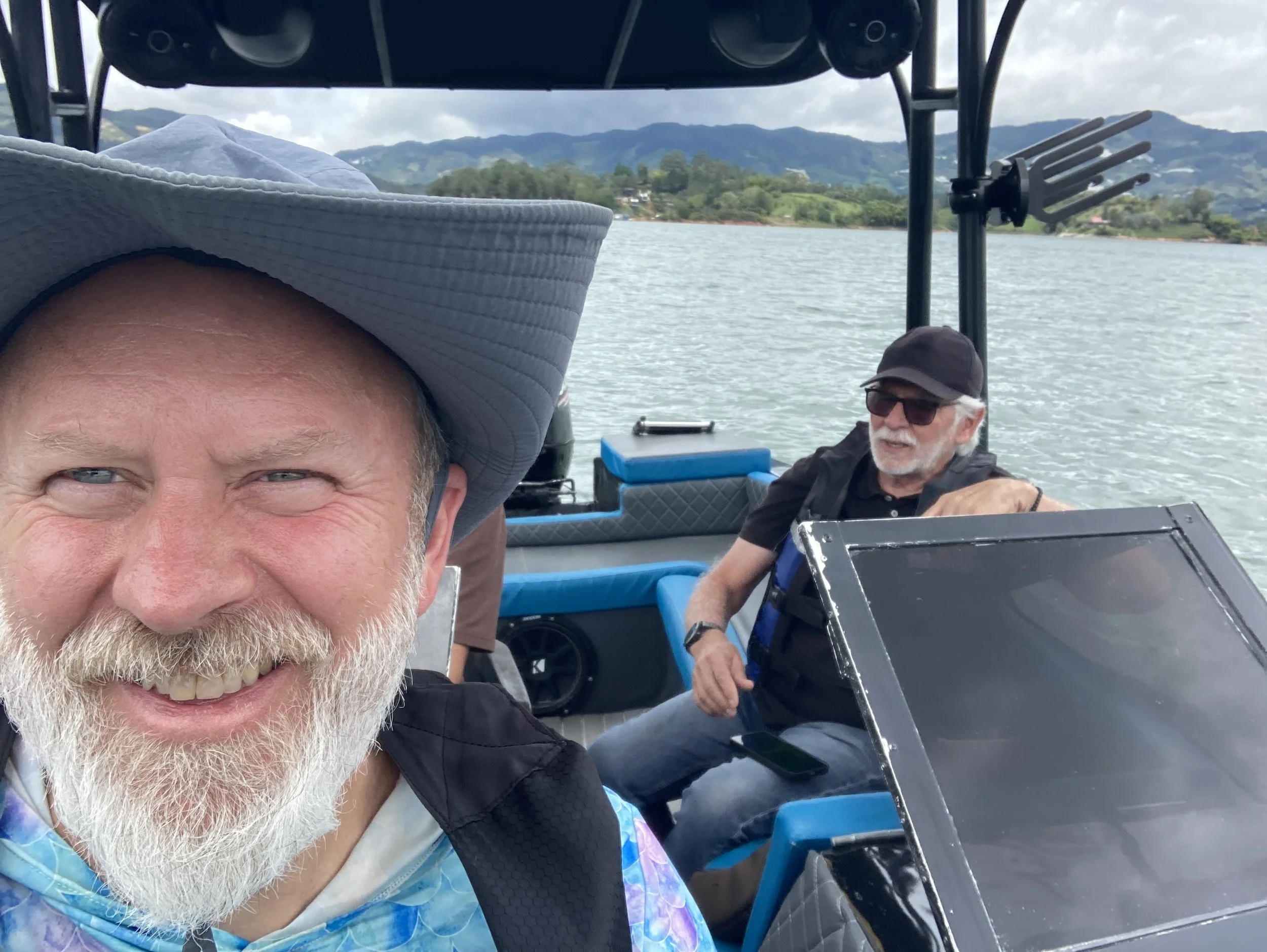
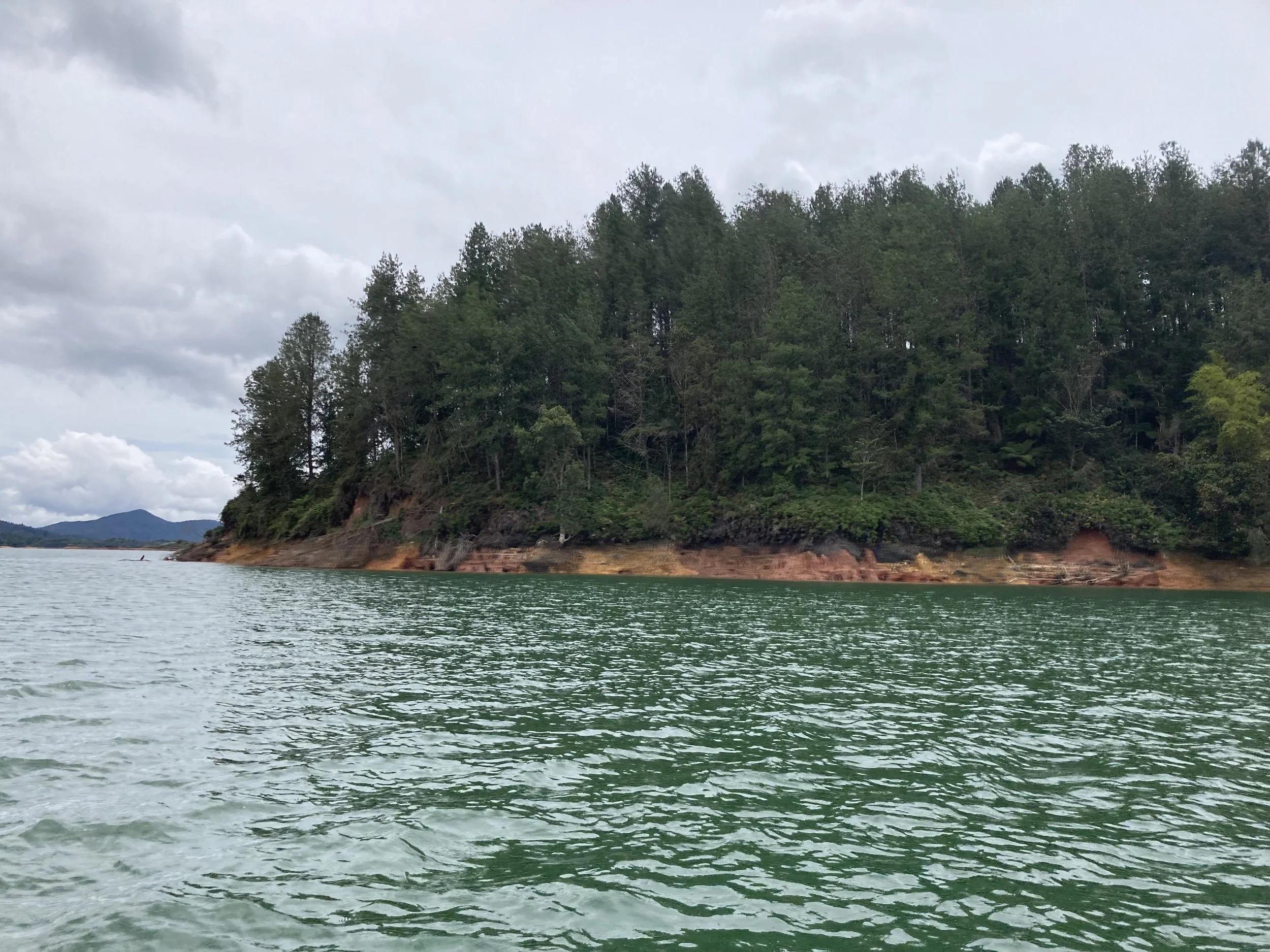
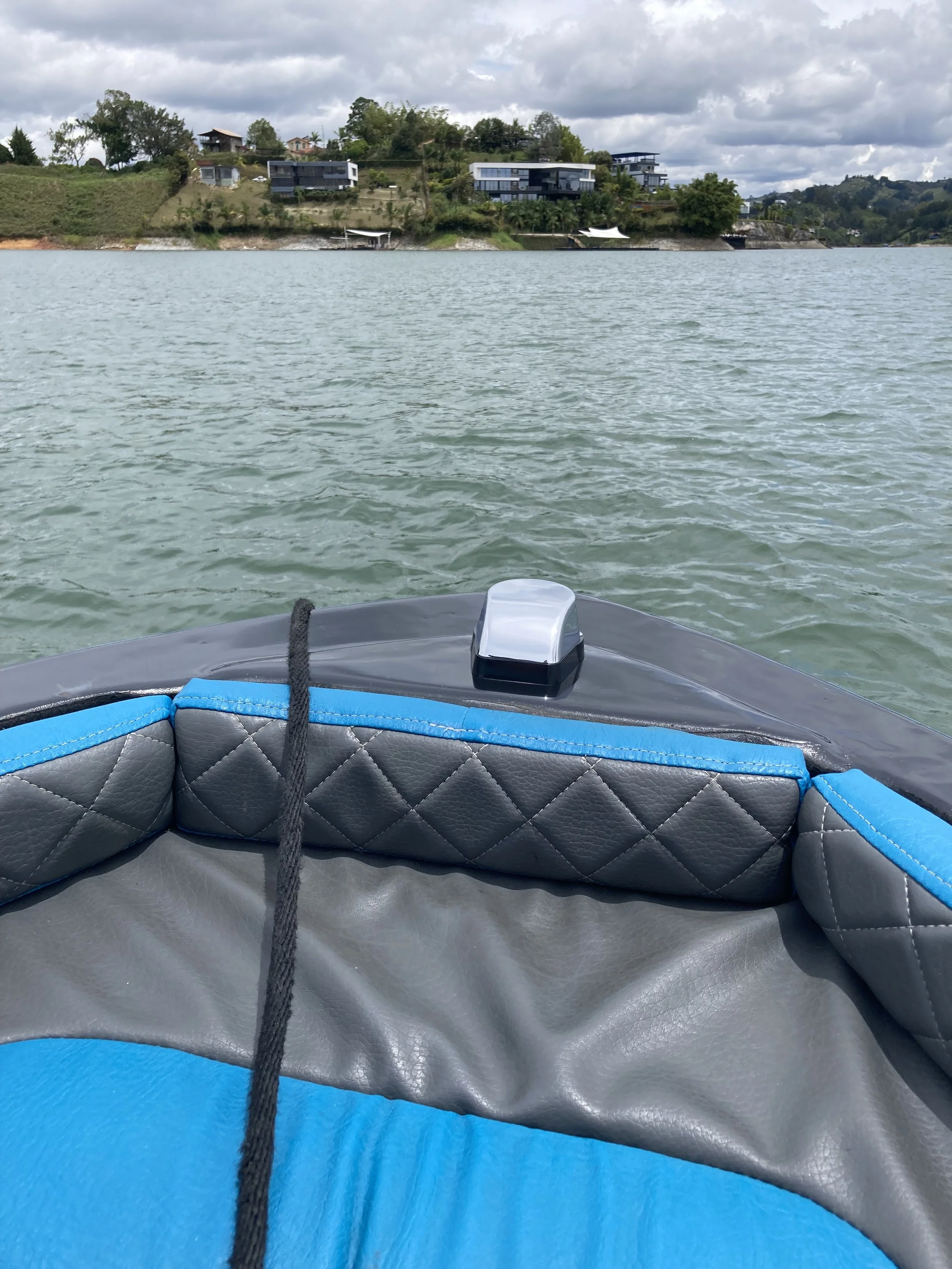
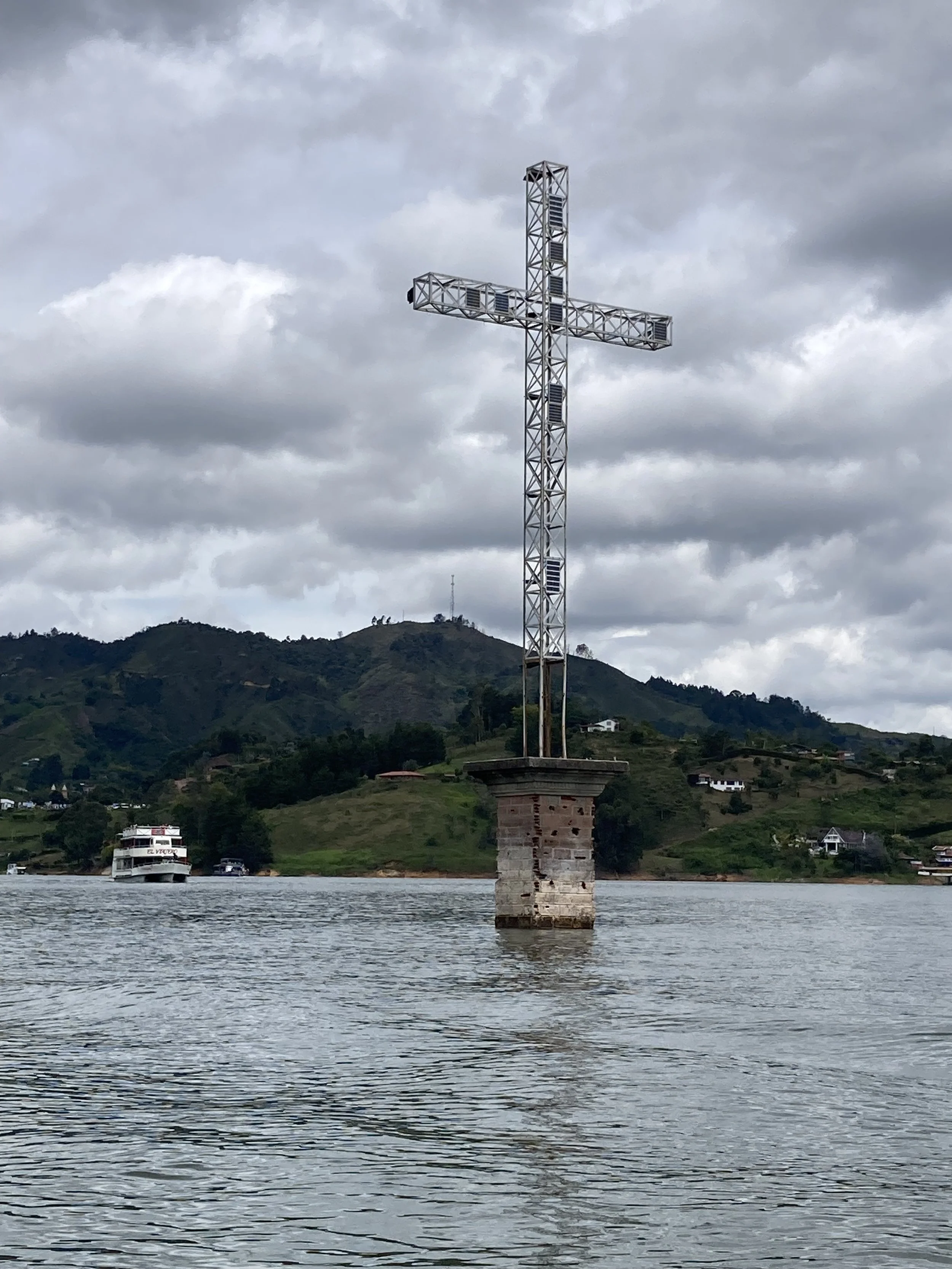
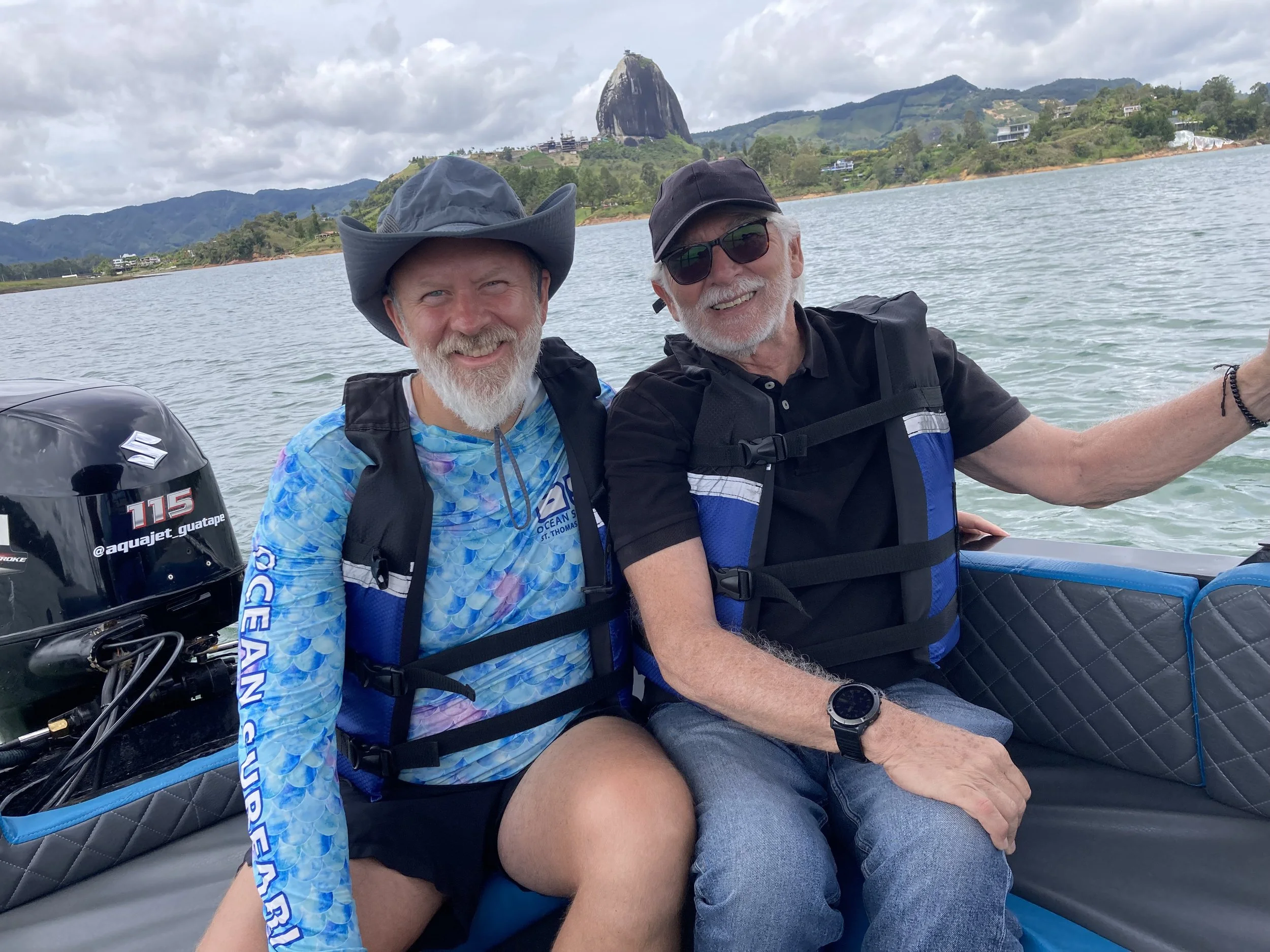
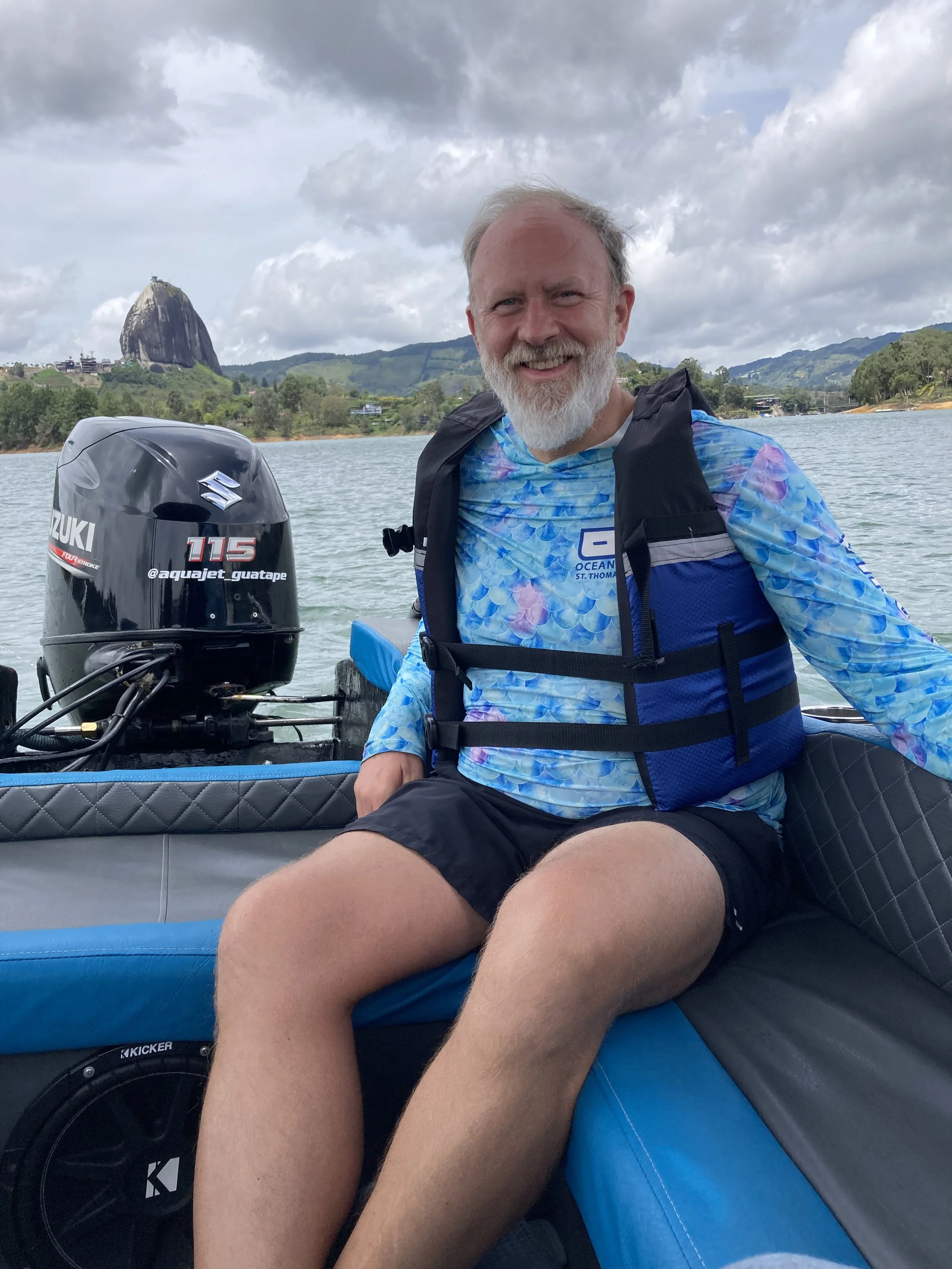
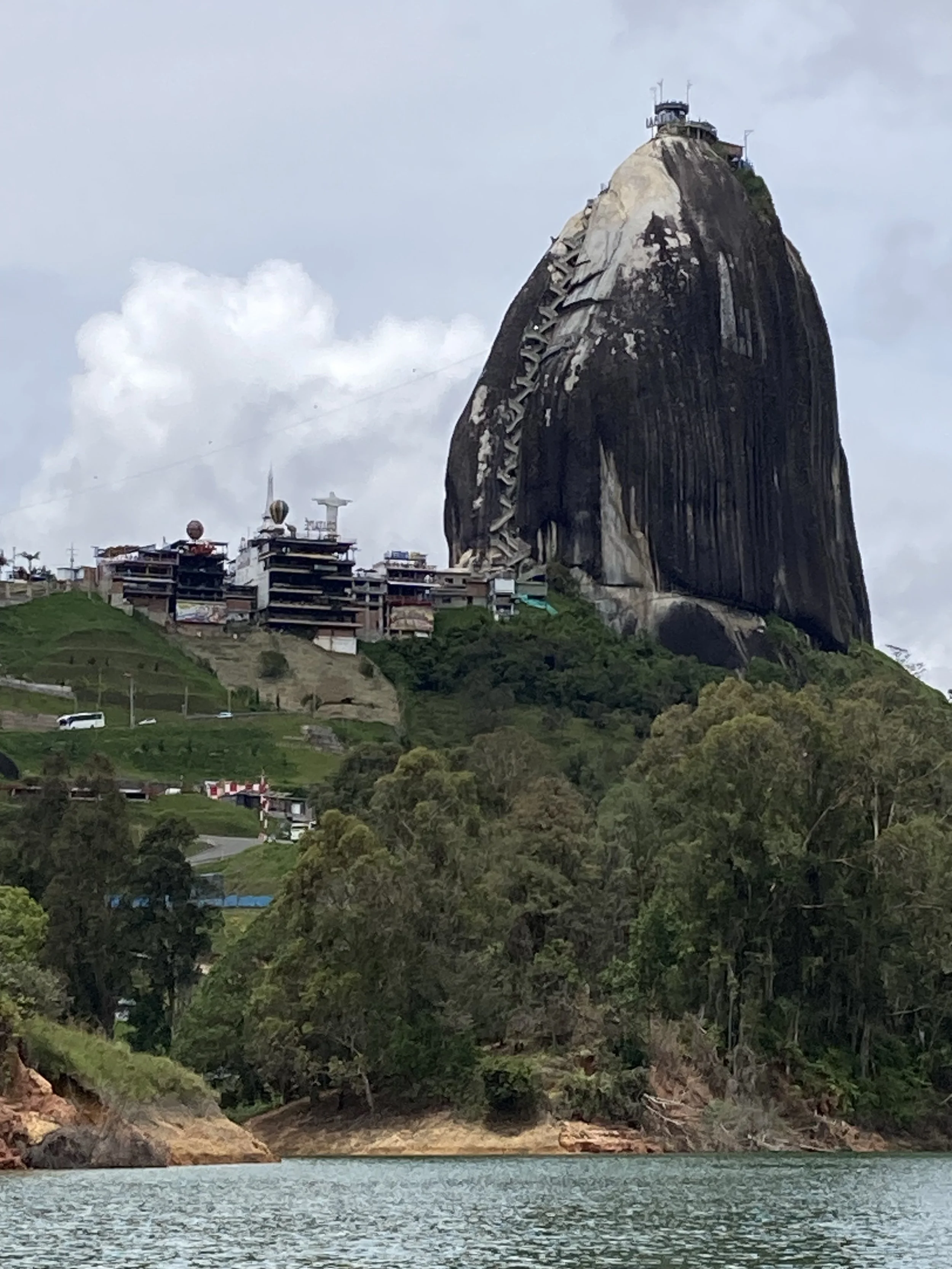
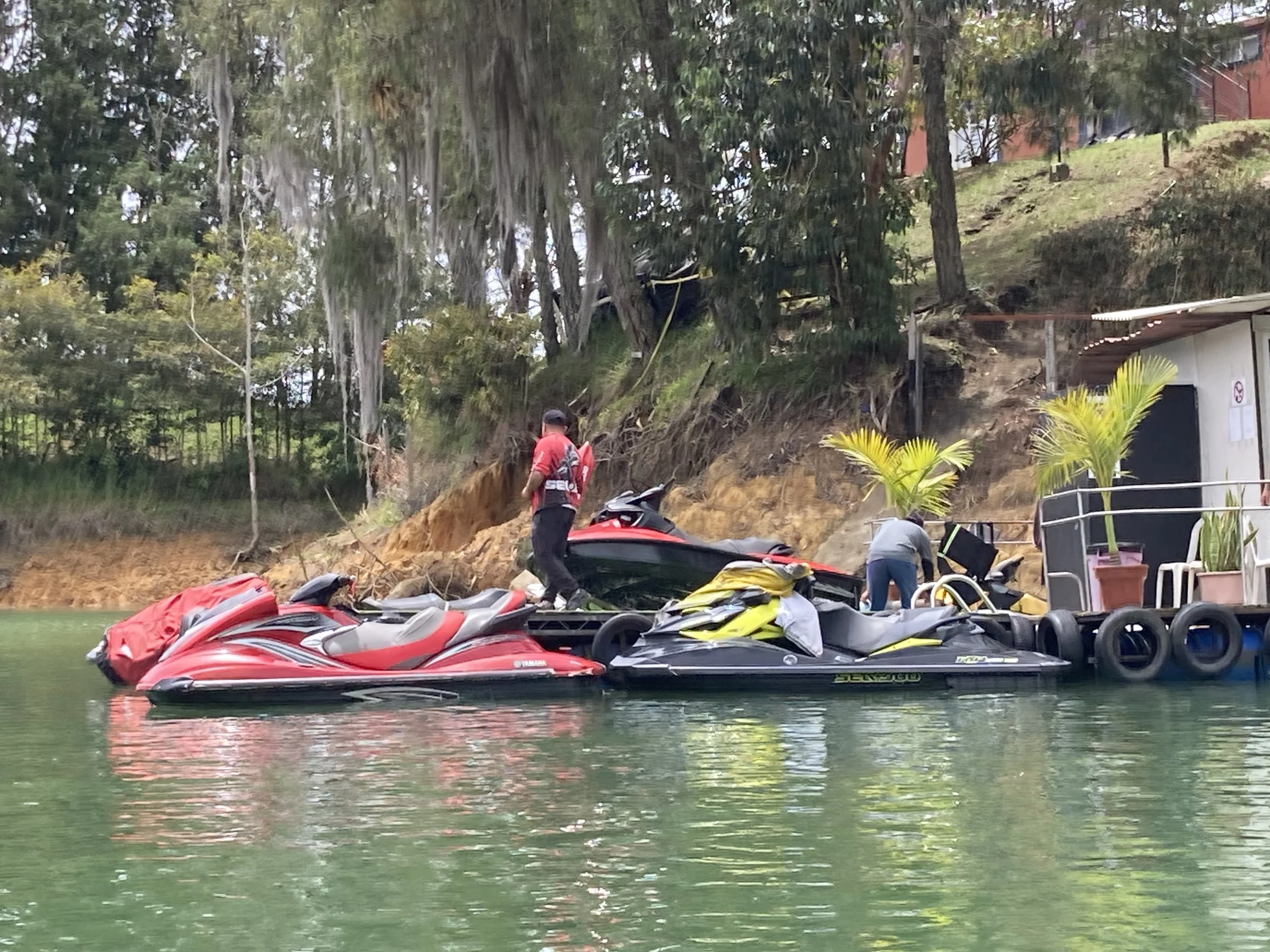
Now, I could end here and it would be a full day, but you see all those beautiful lake paths? Wouldn’t it be cool to explore them in a speed boat? Felipe and I agreed that we should do just that together — and even see a few unique cultural icons along the way.
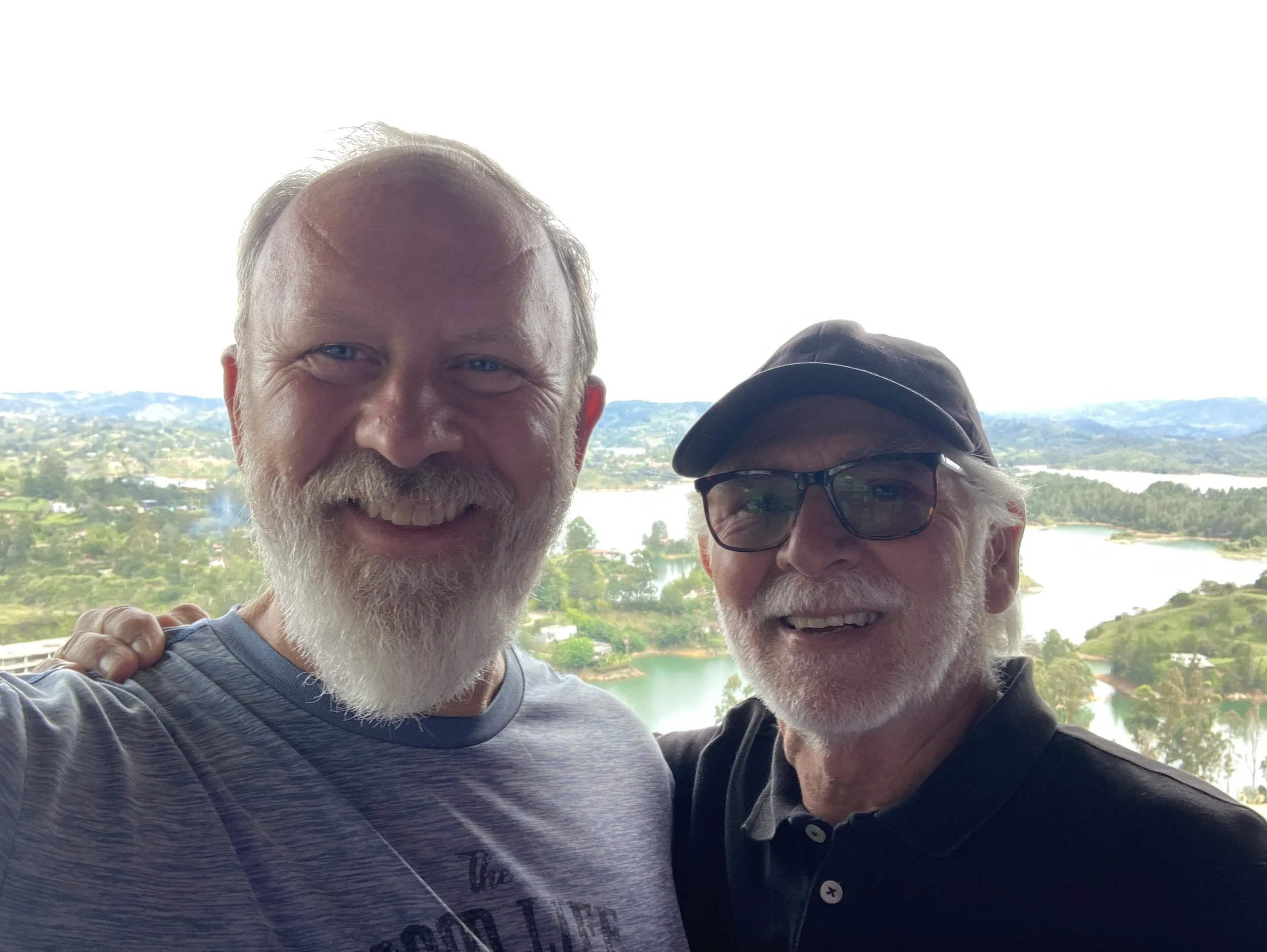
Felipe and I are ready to explore these lake path together.
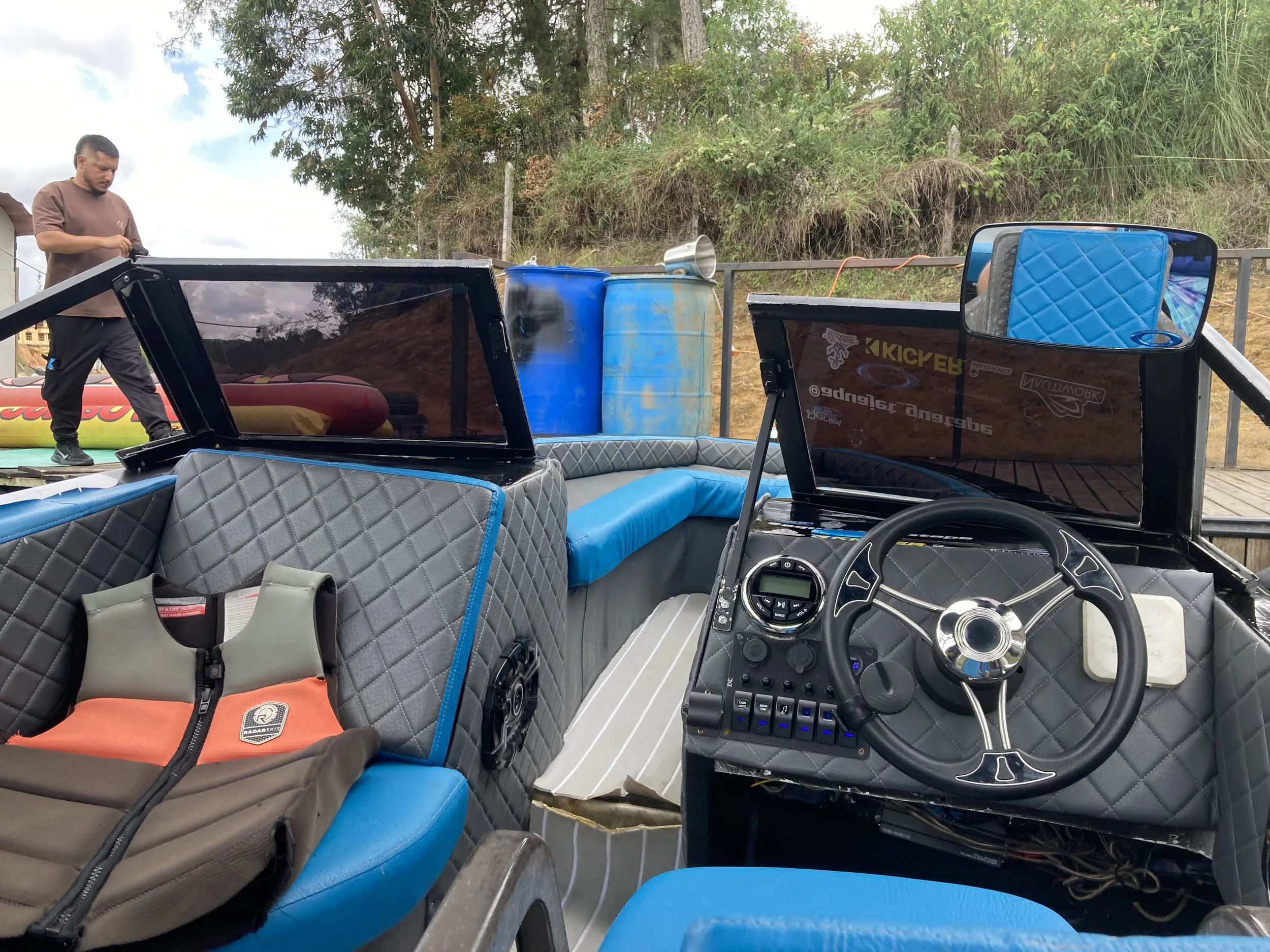
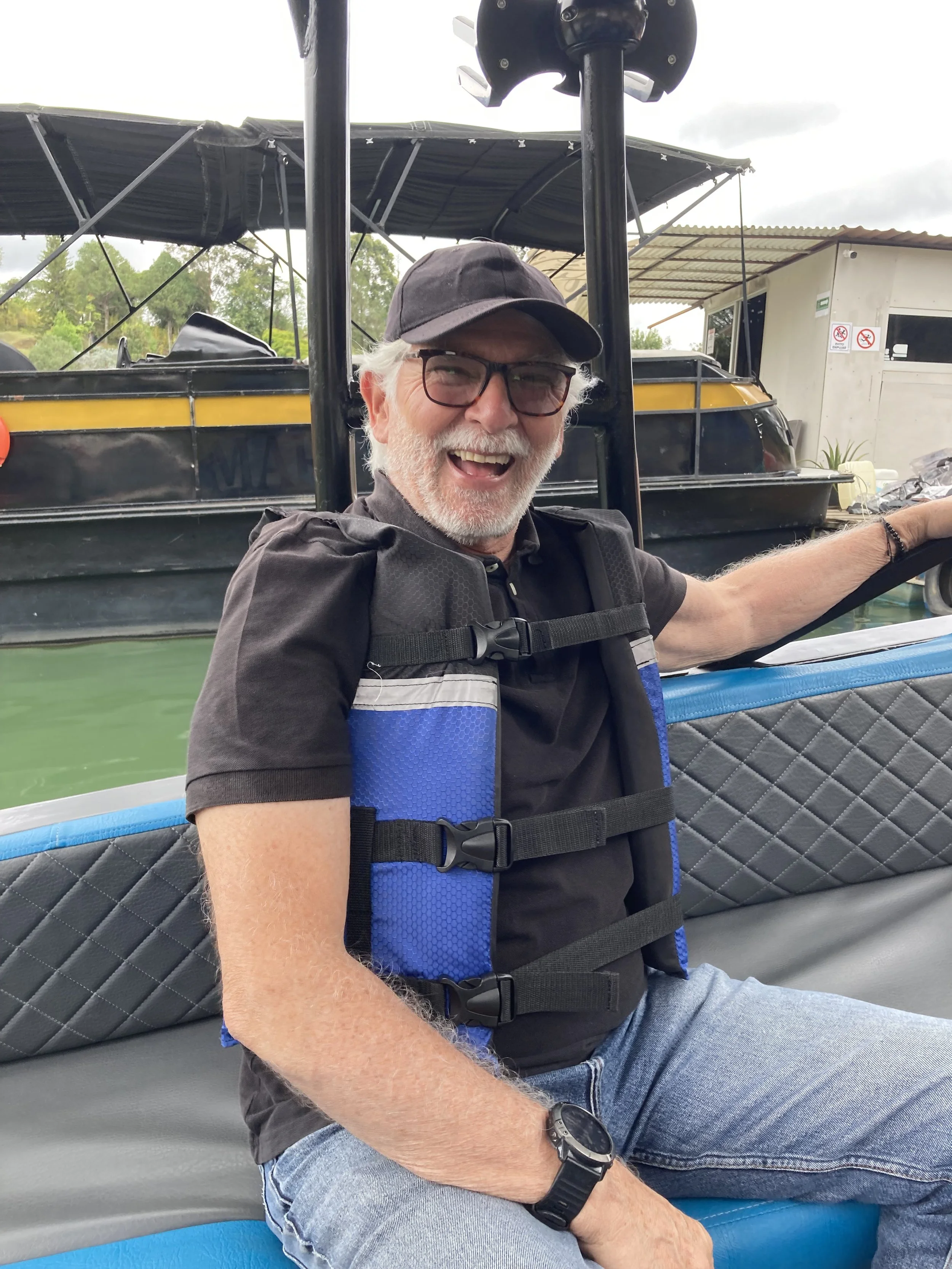
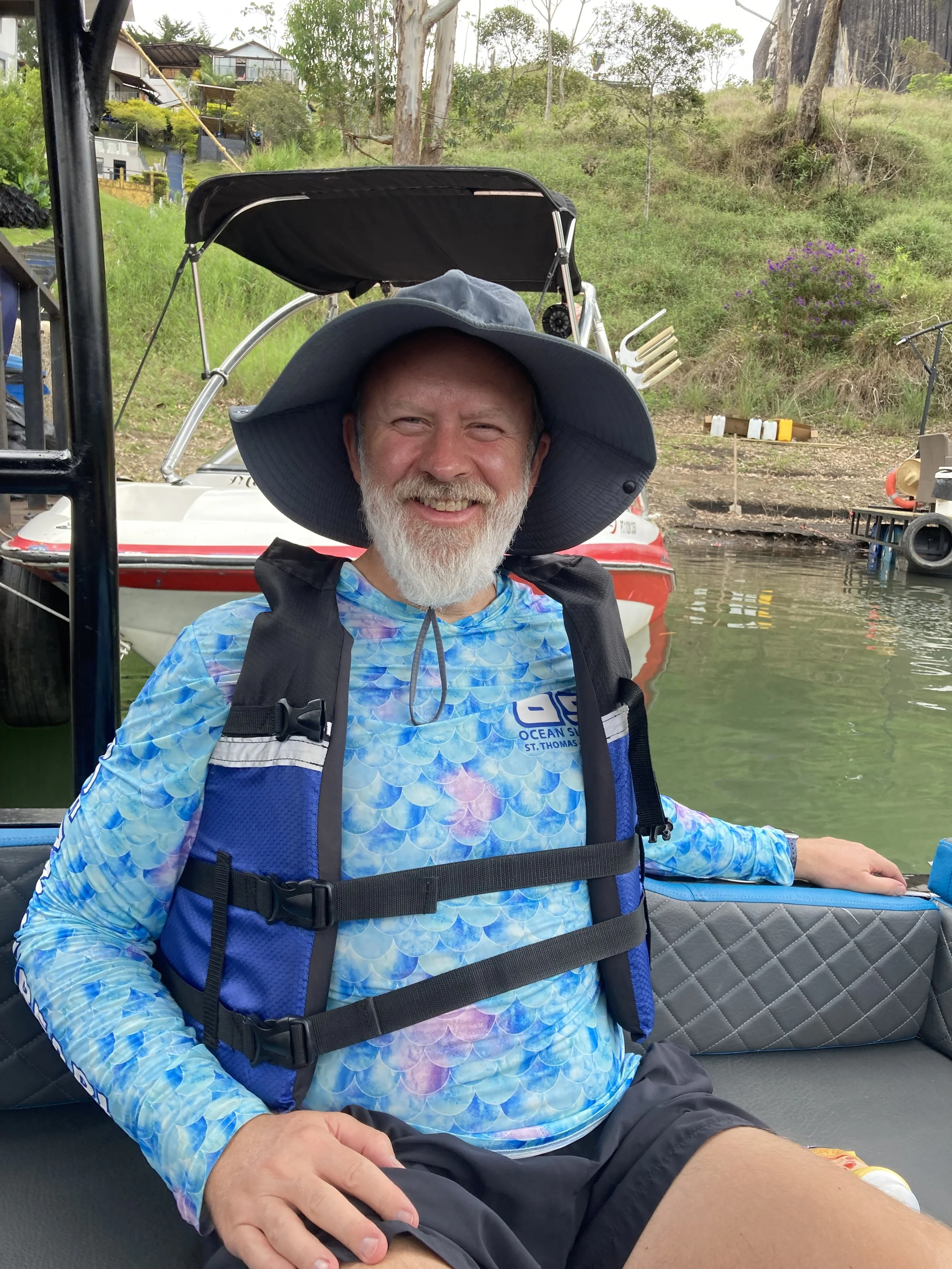
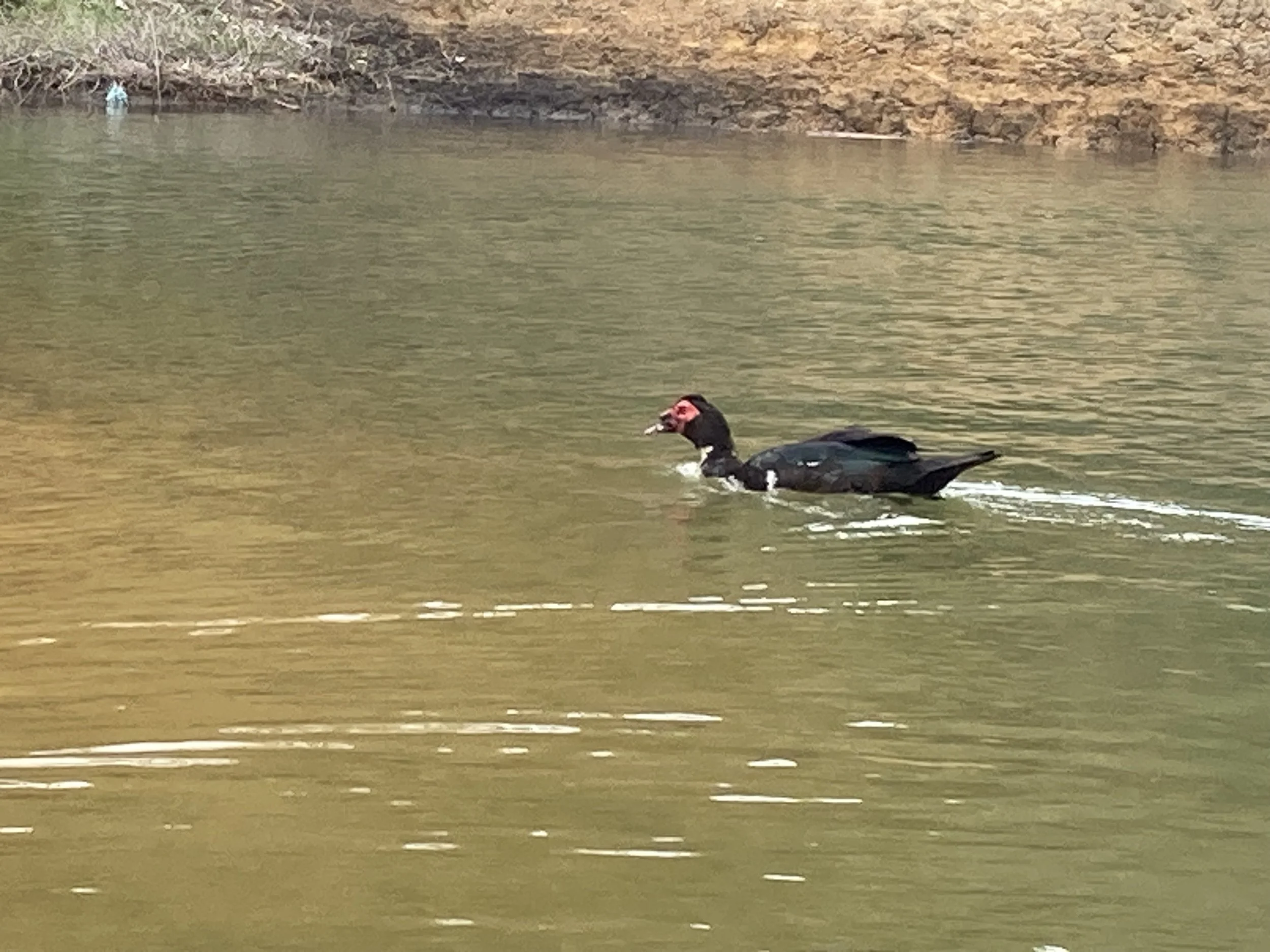
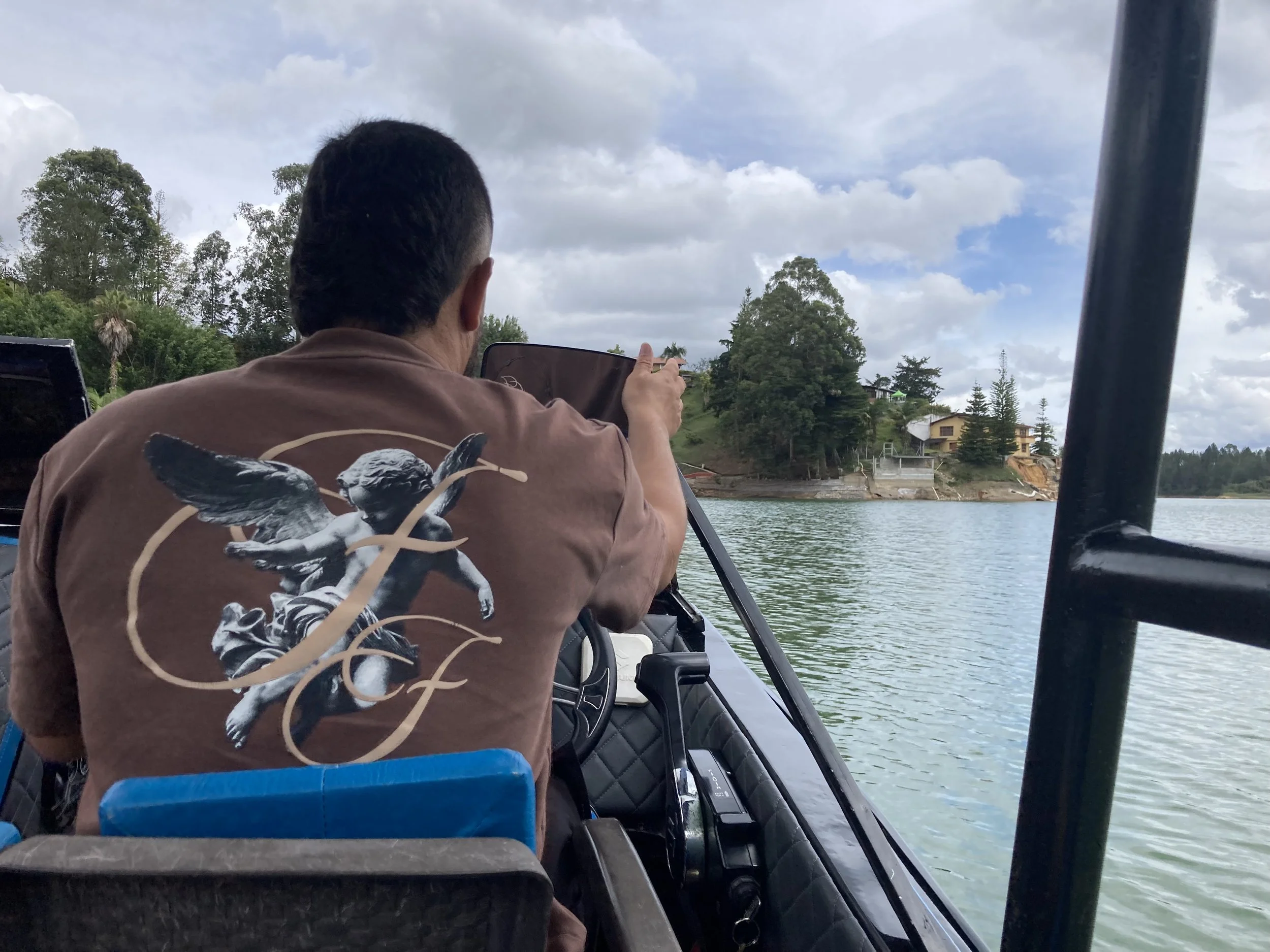
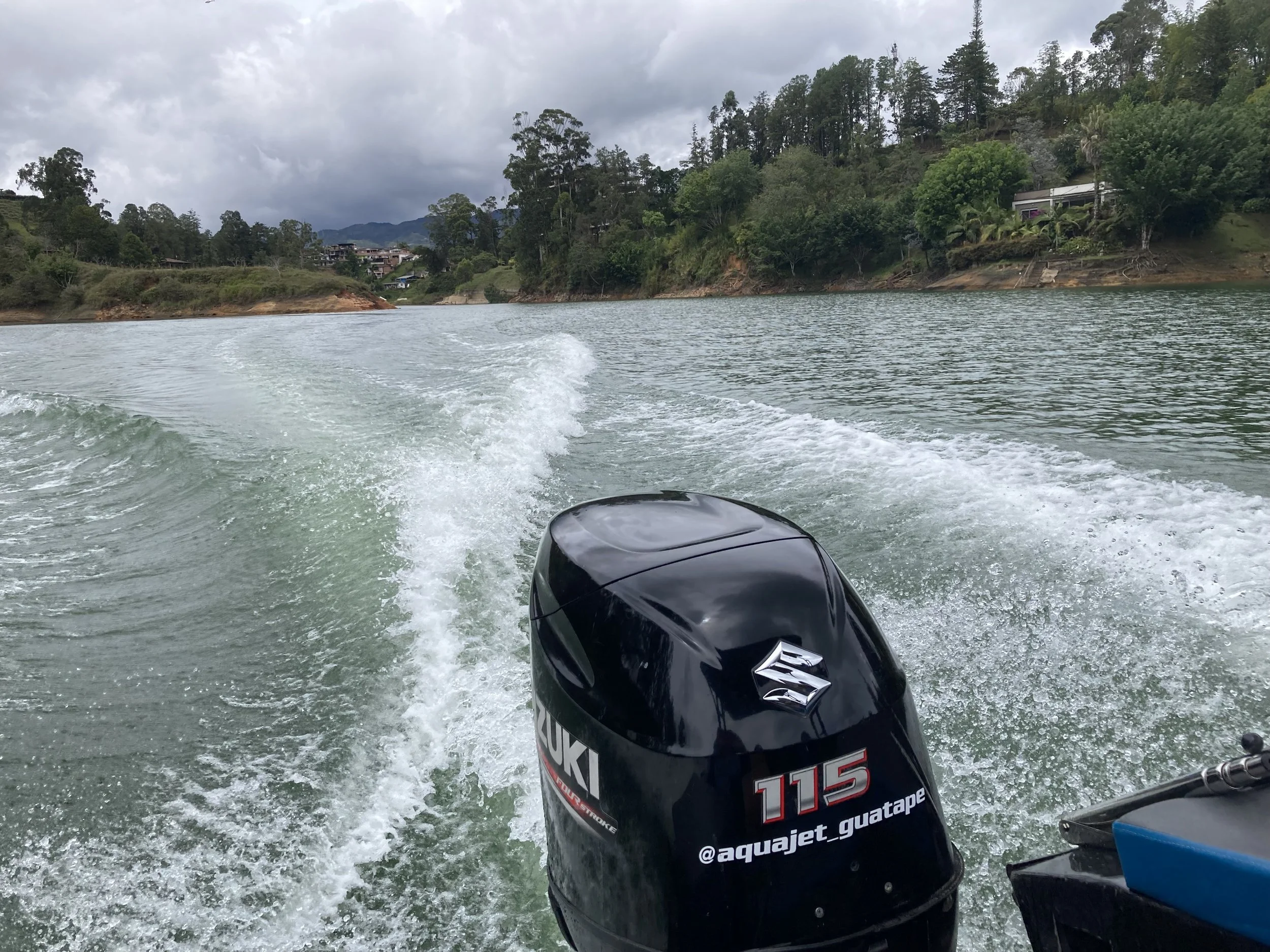
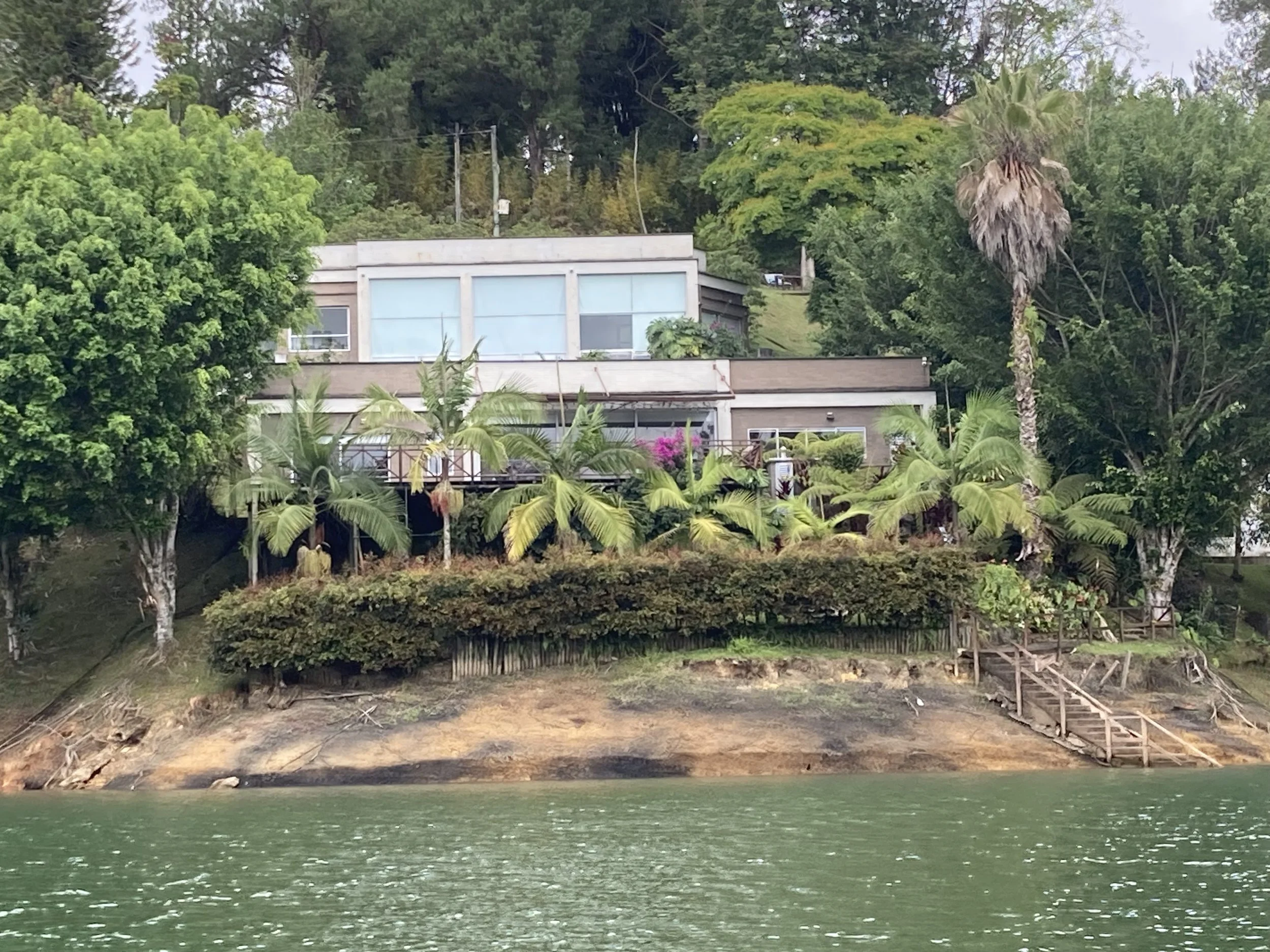
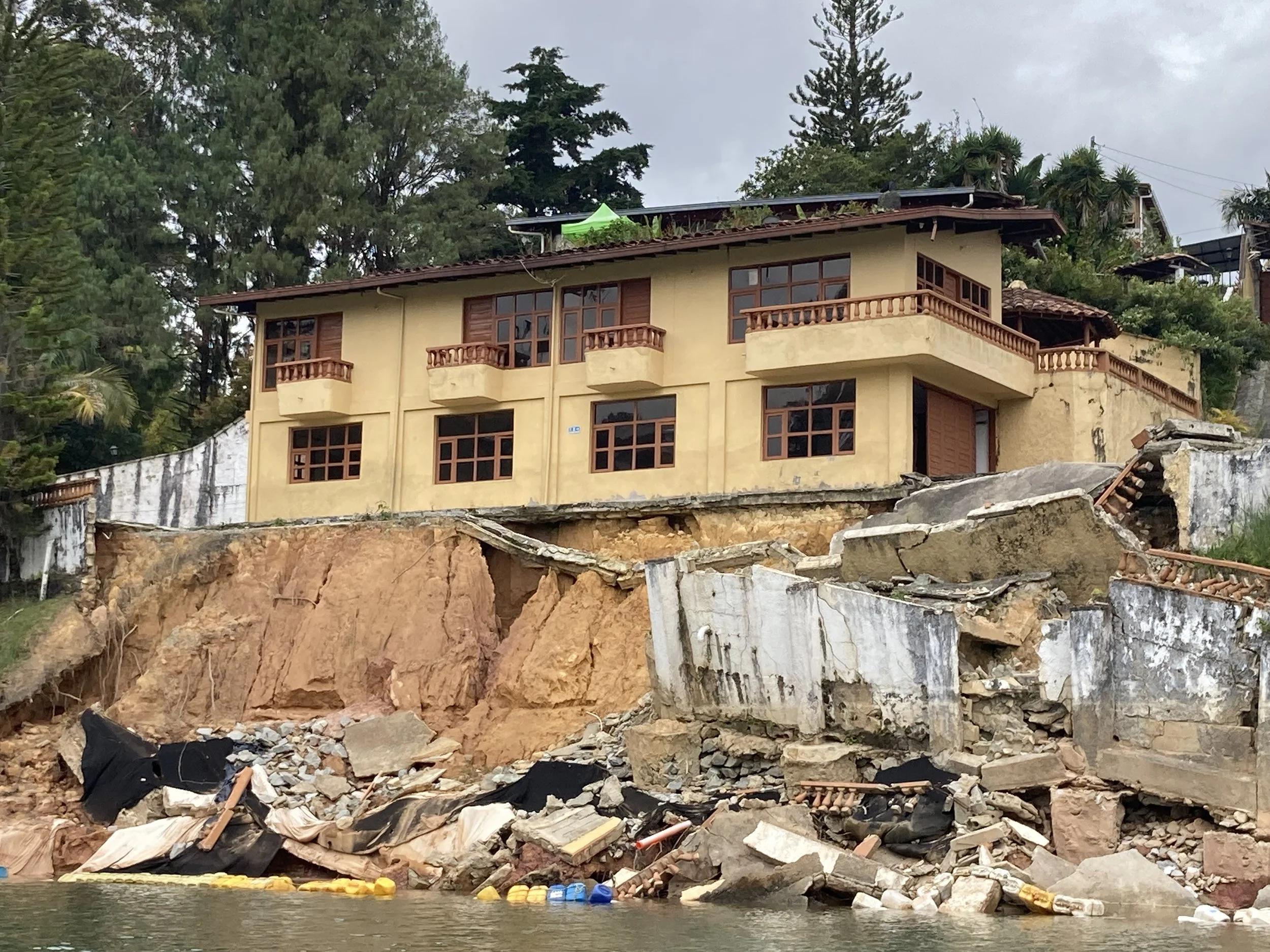
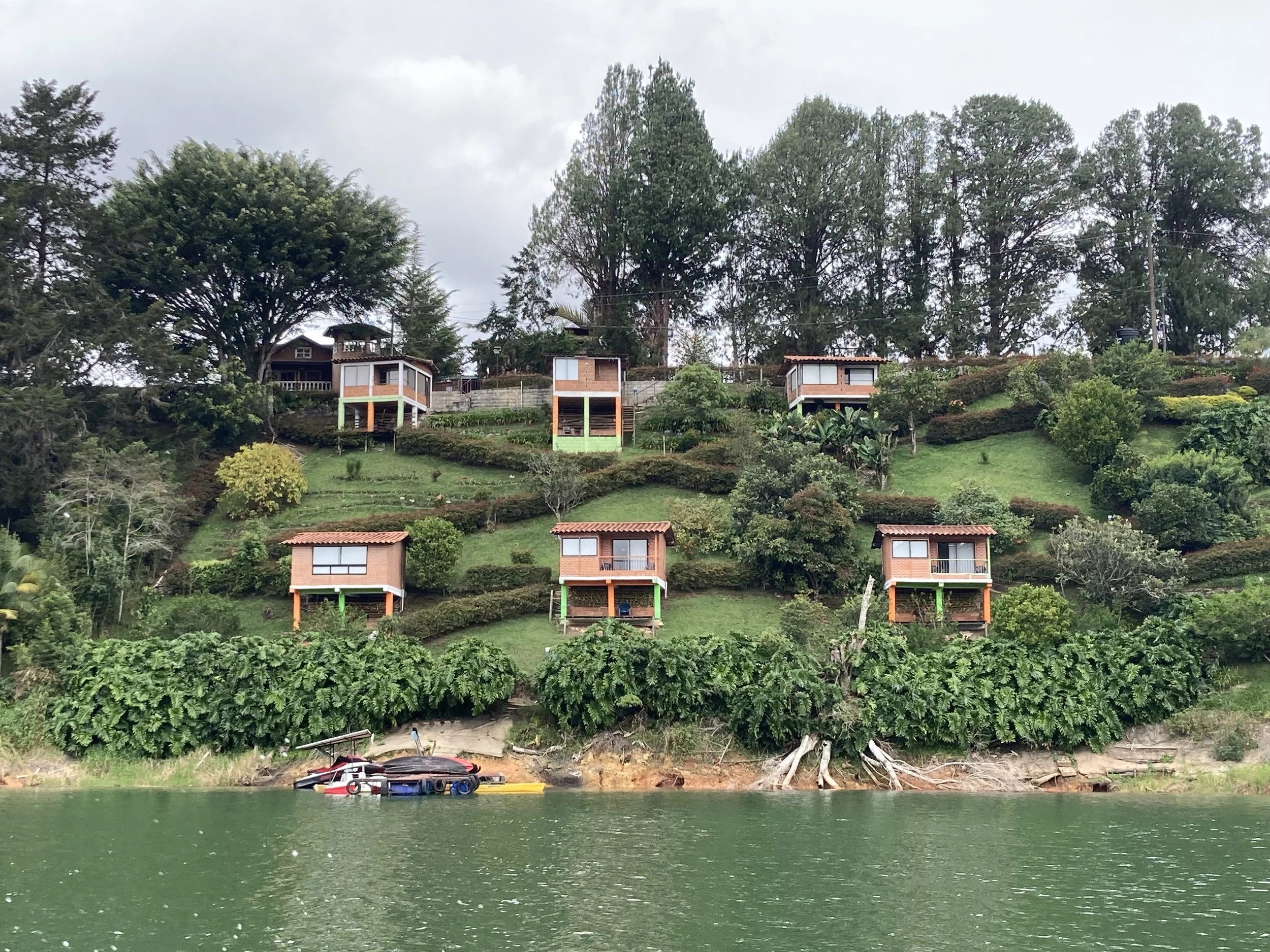
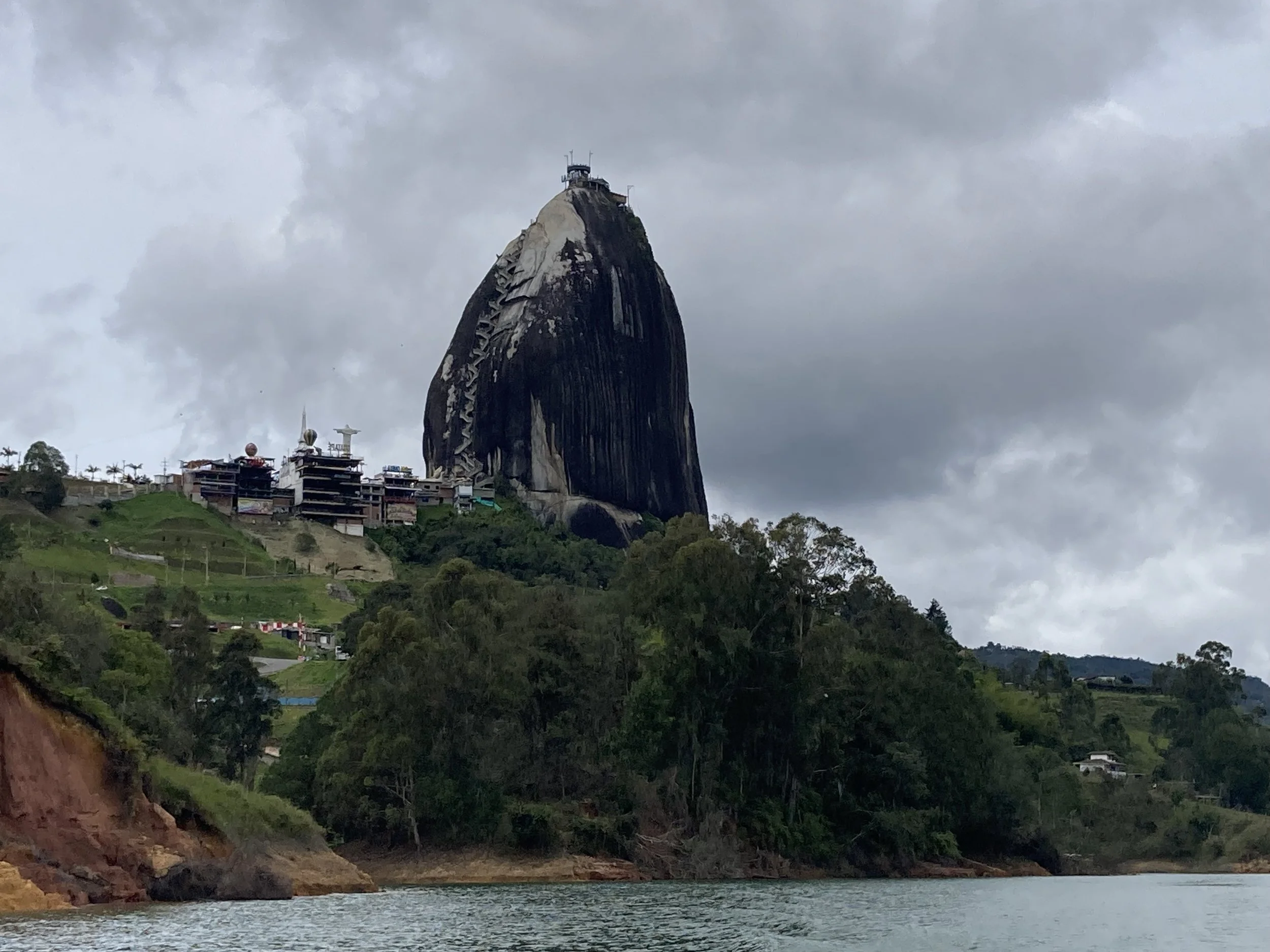
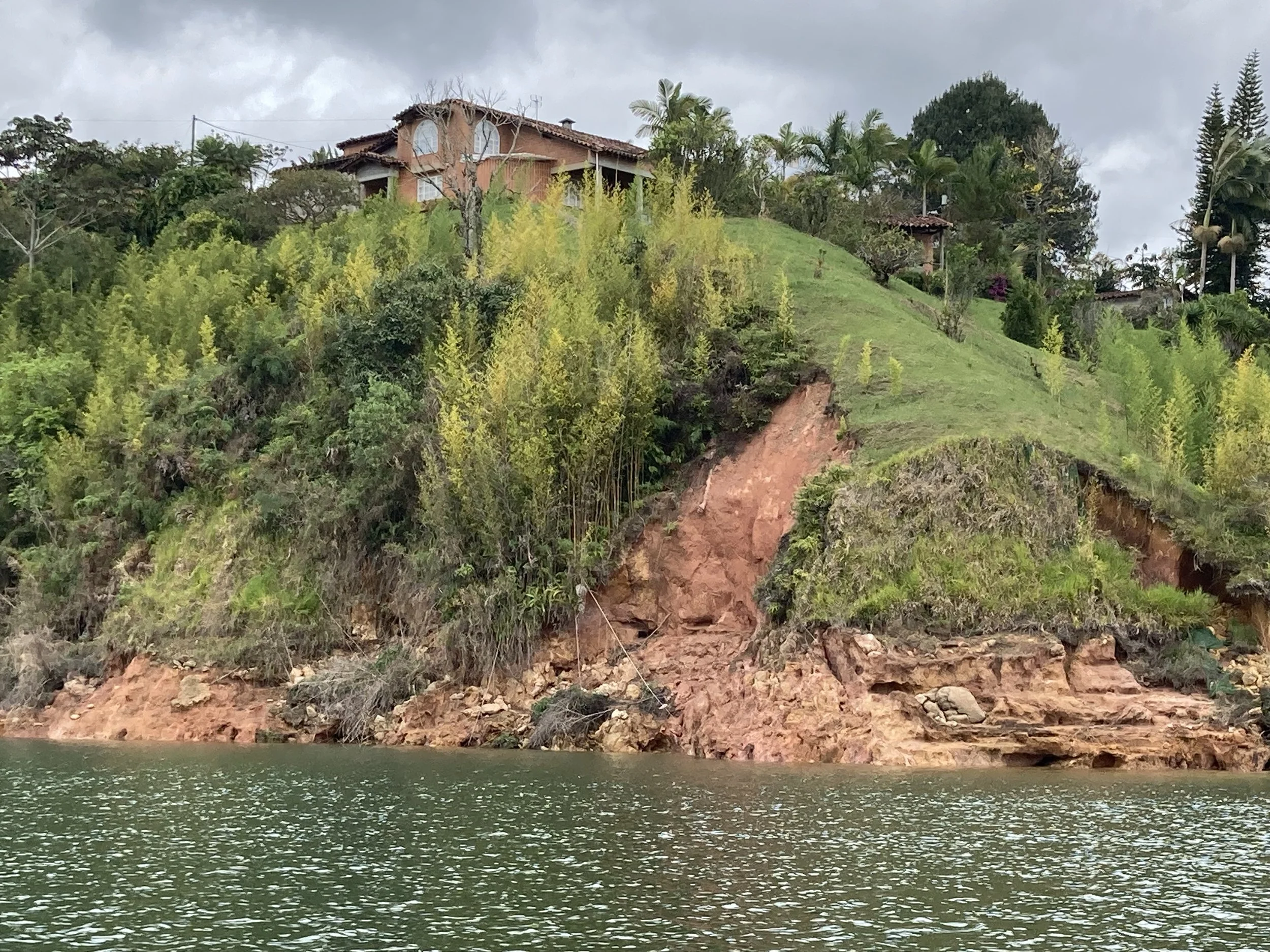
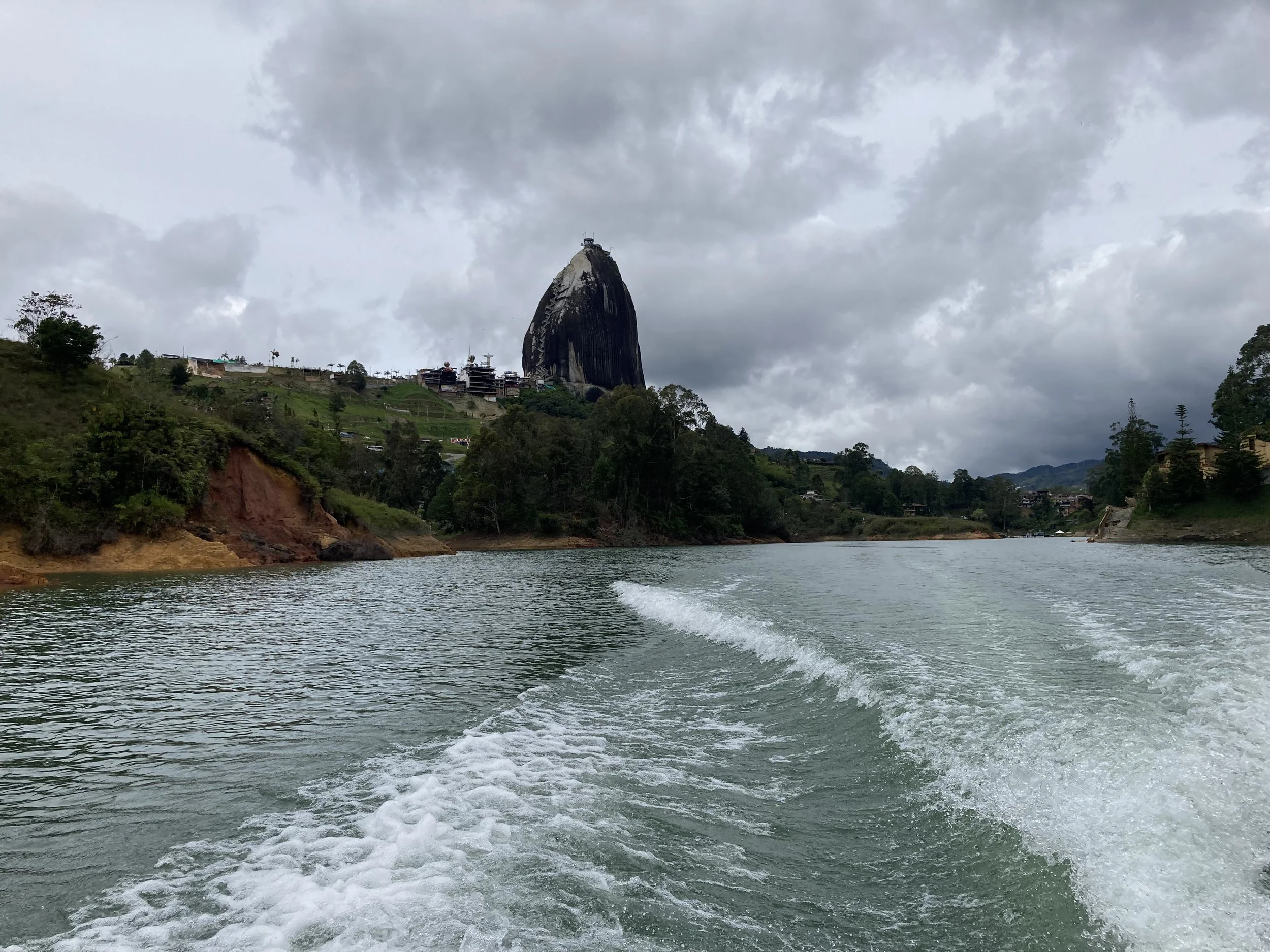
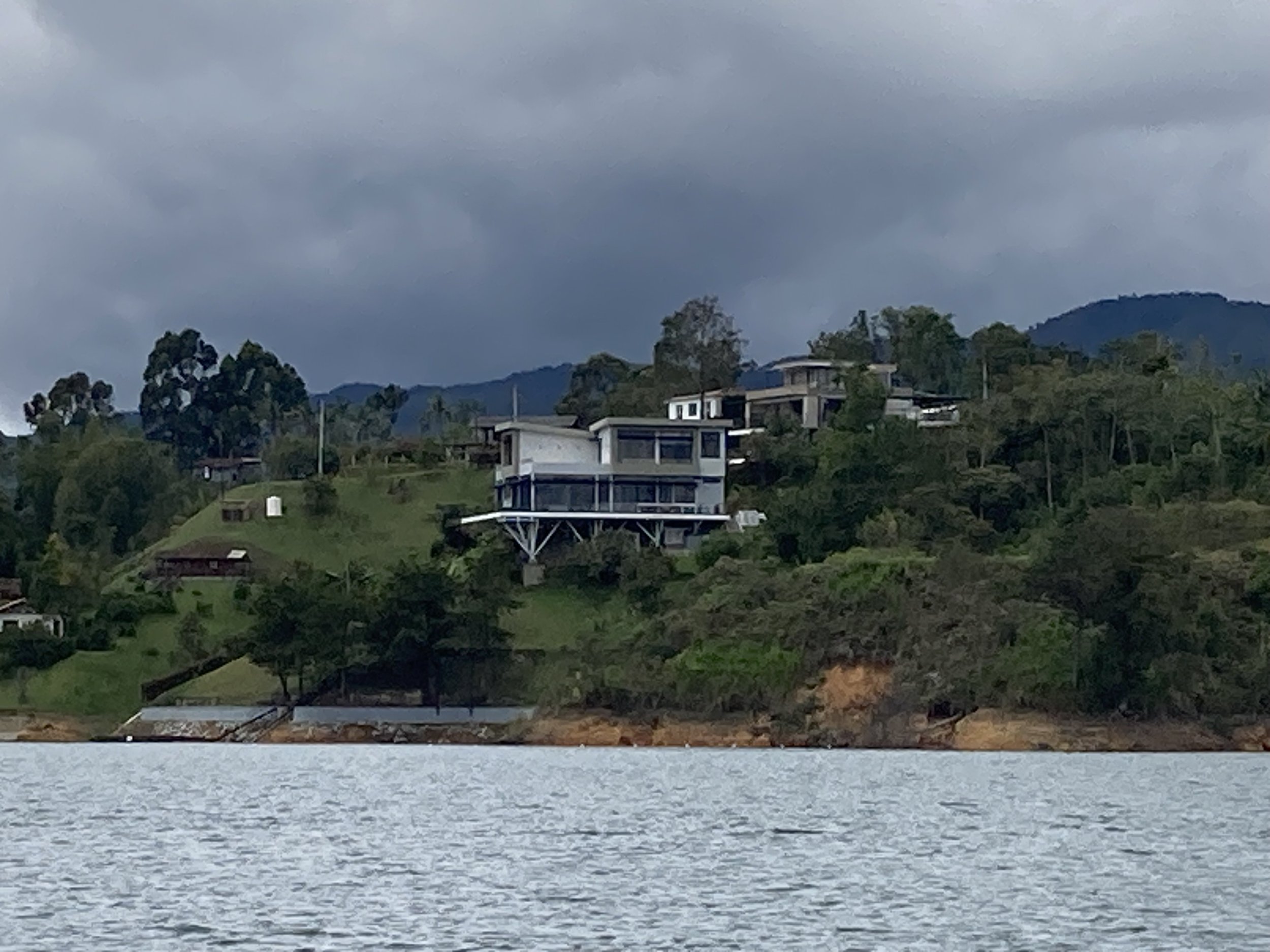
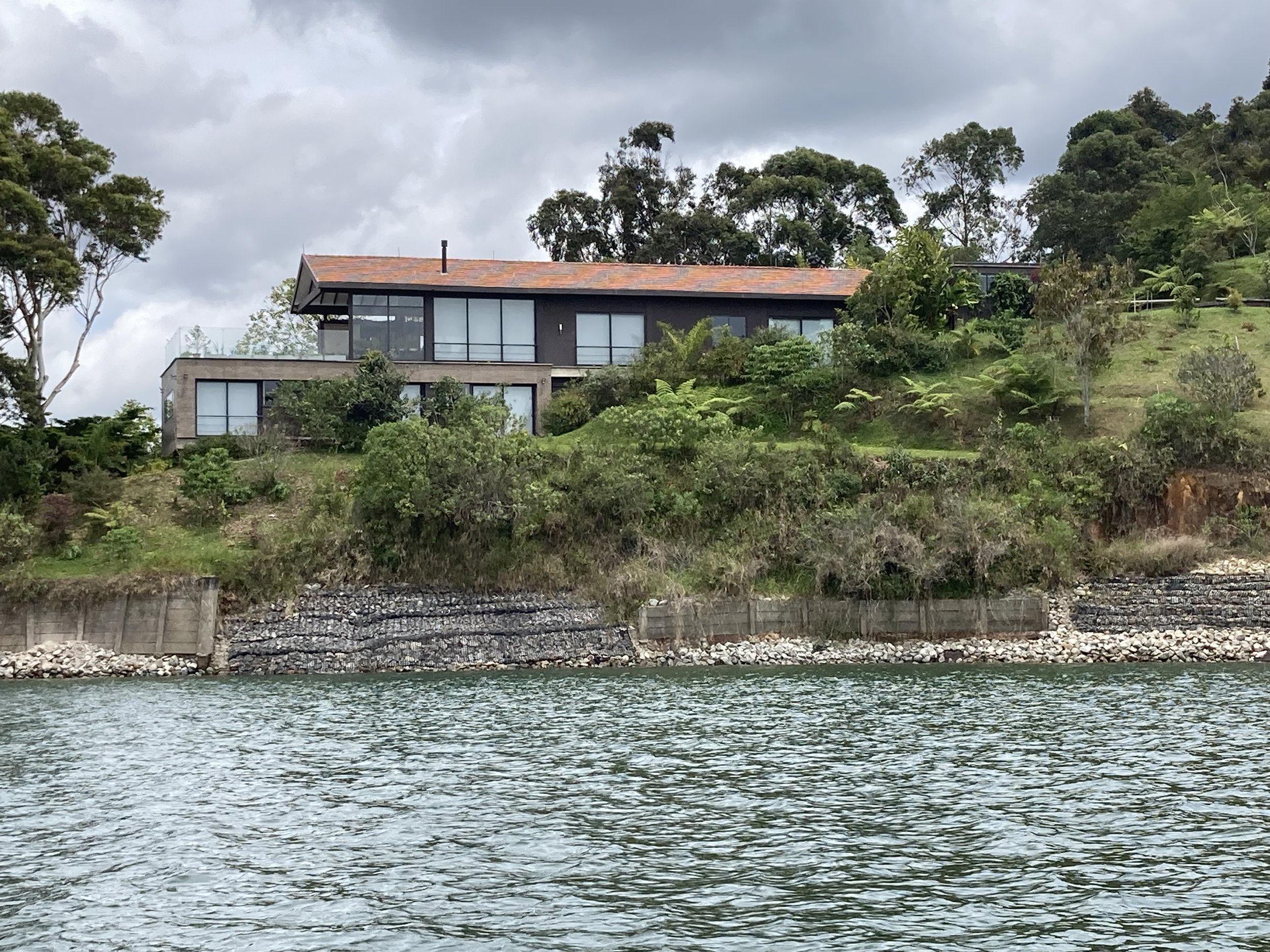
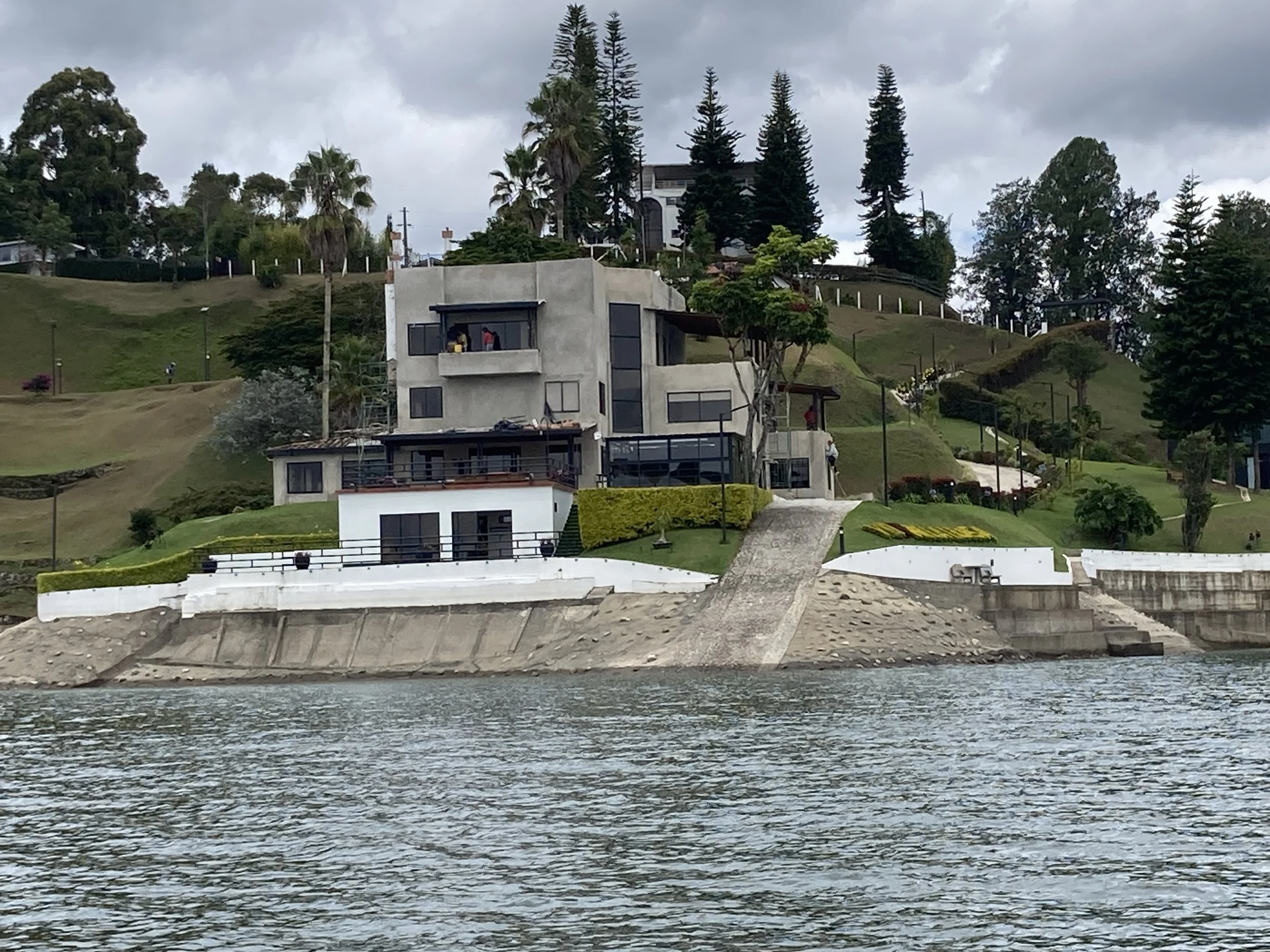
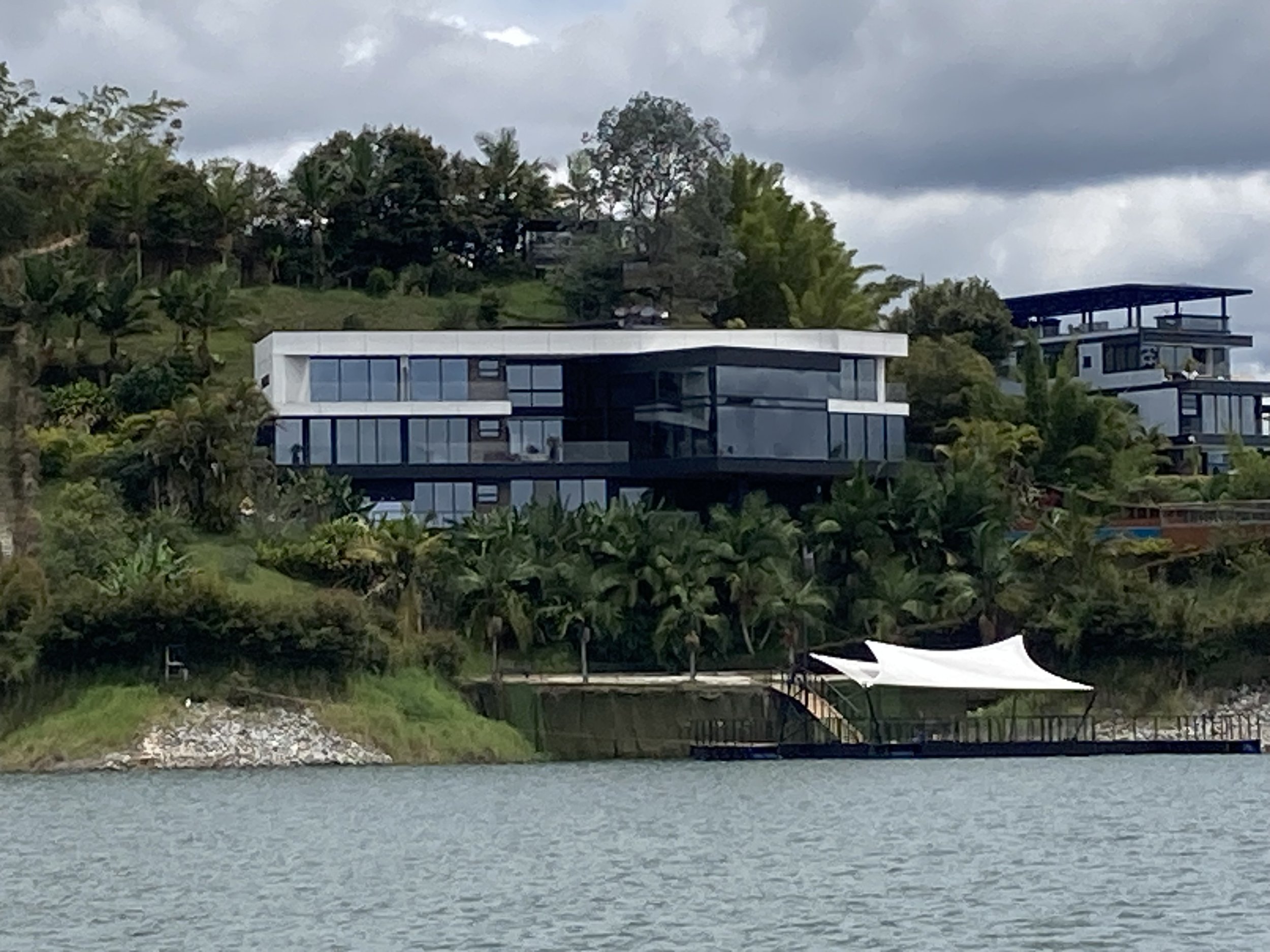
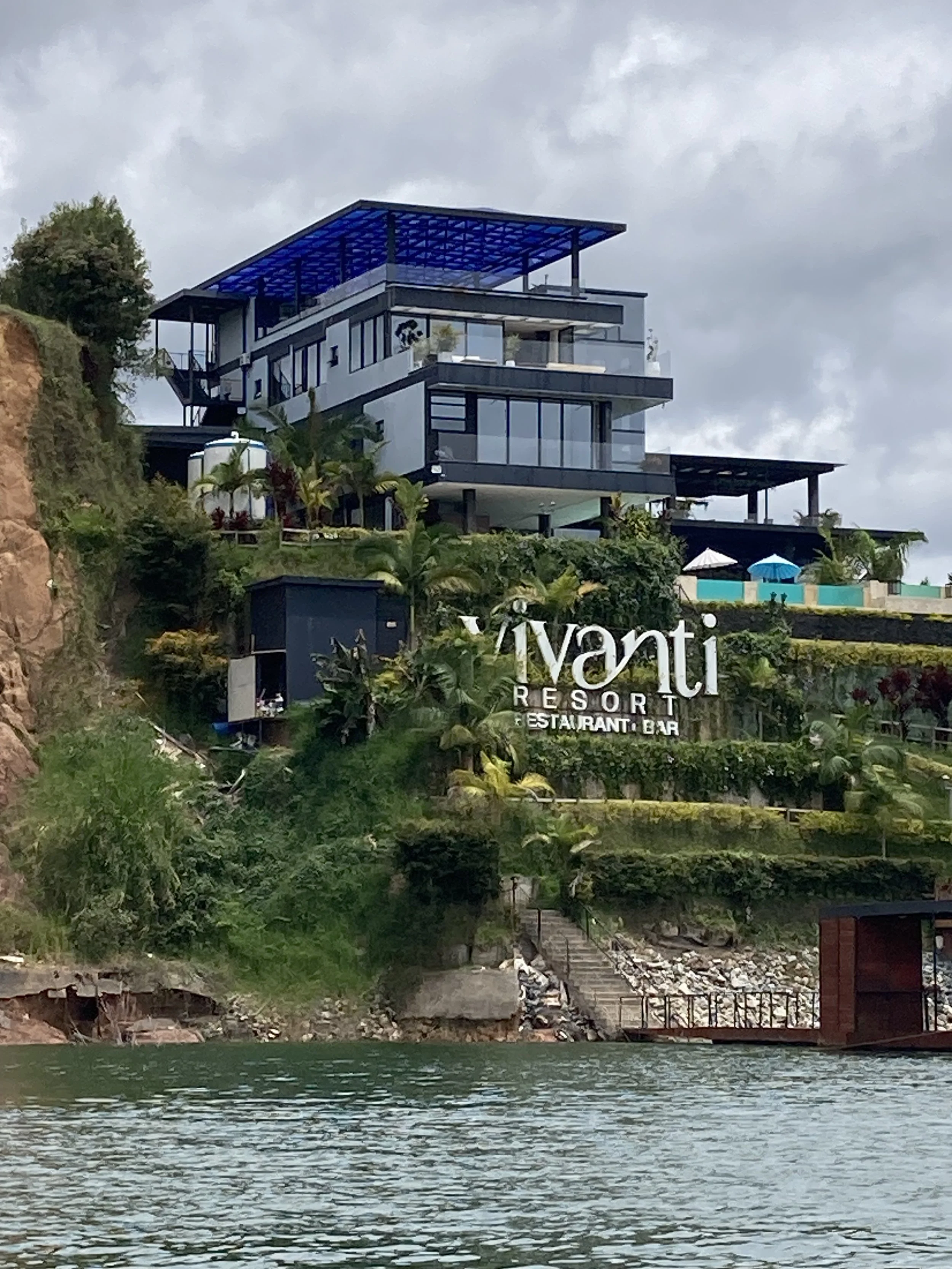
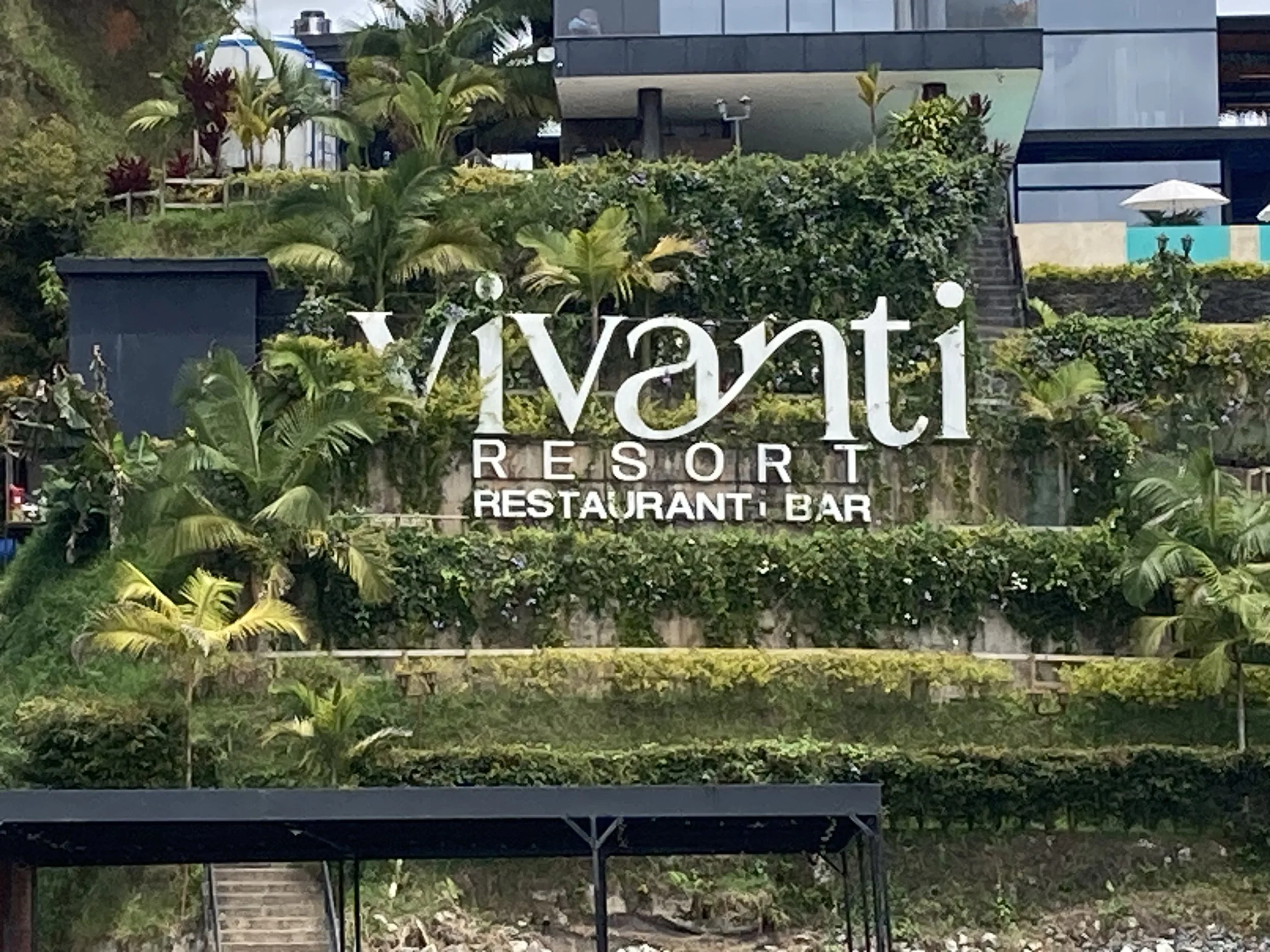
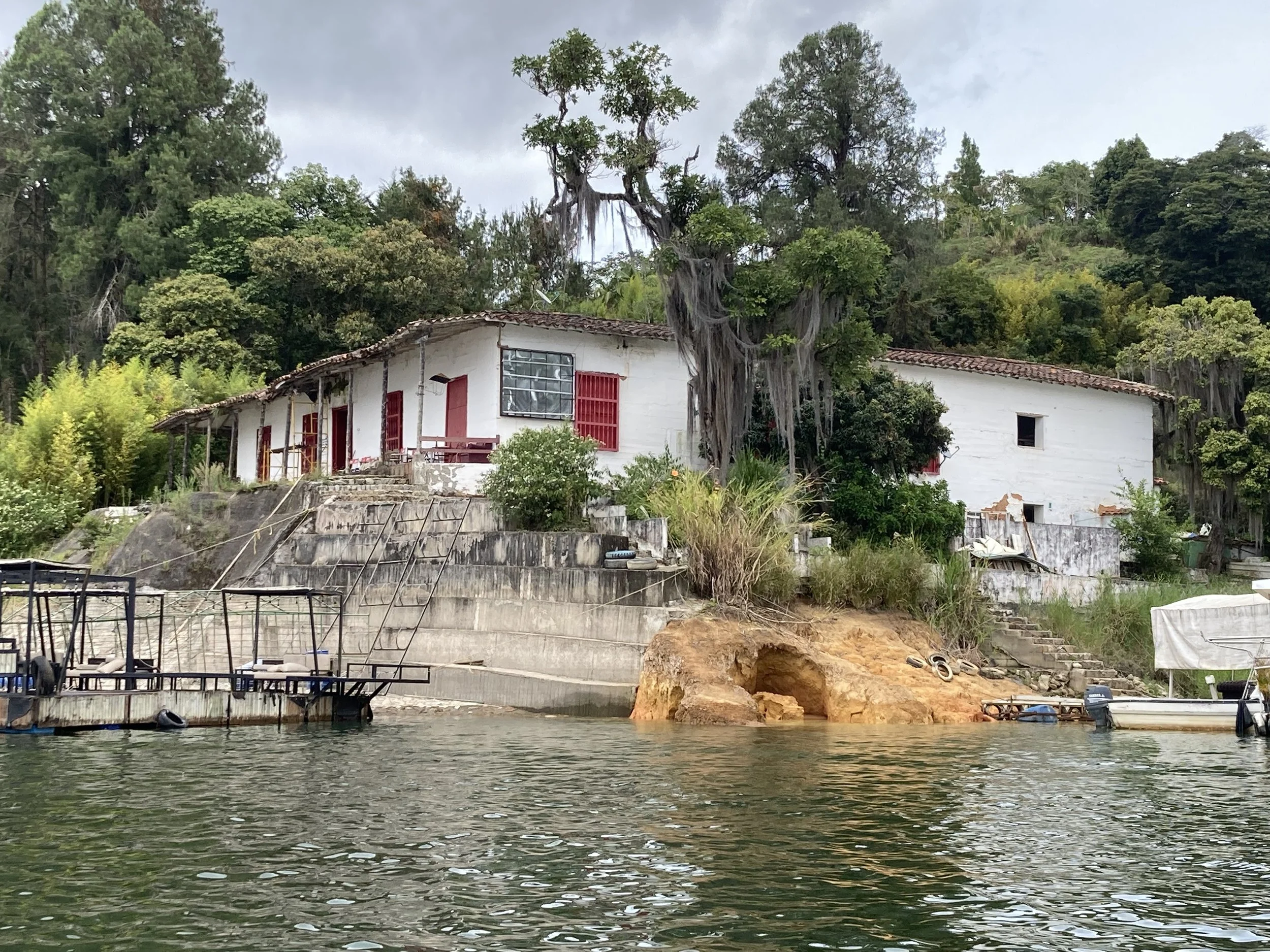
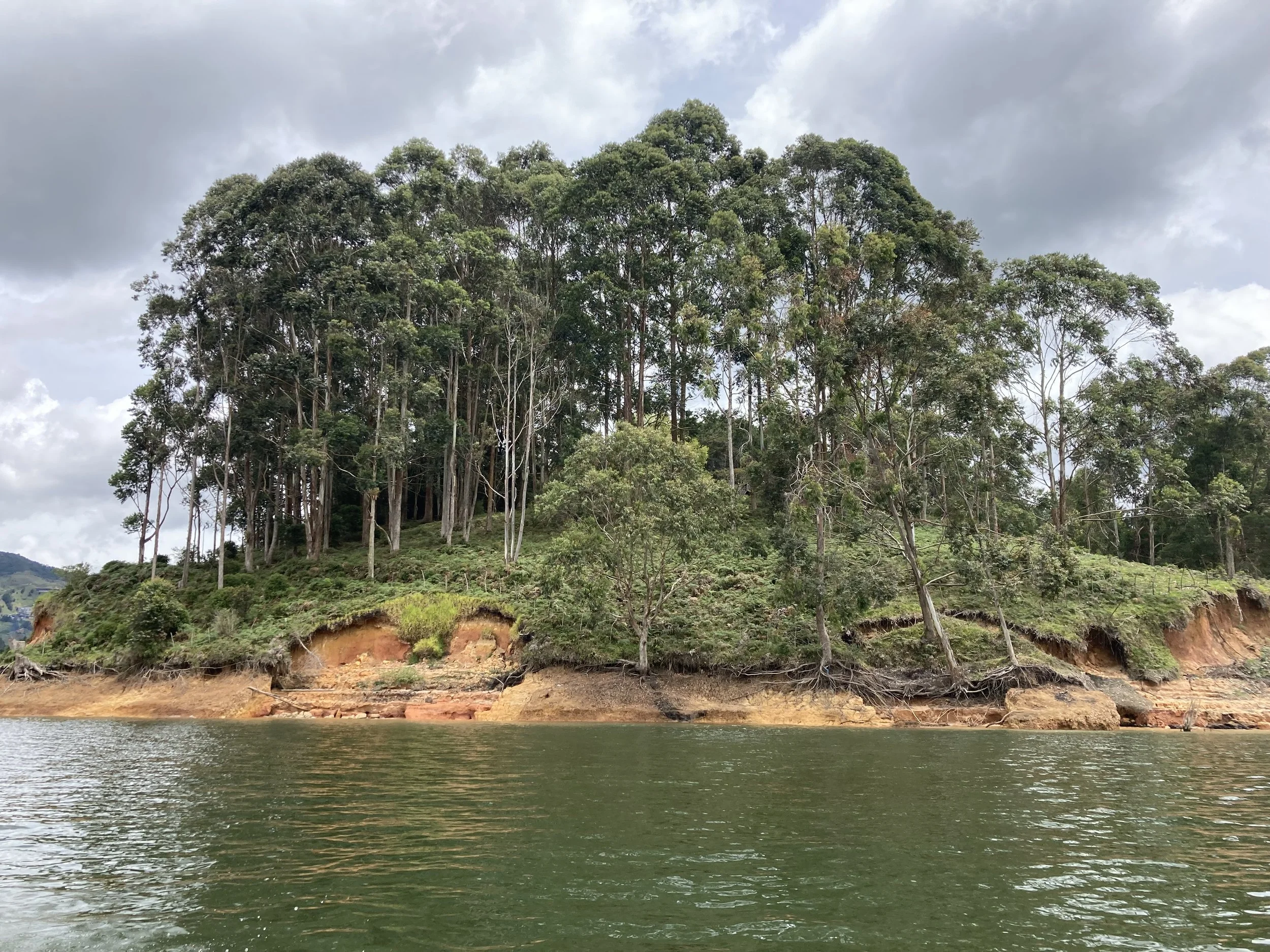
There were mansions from famous Colombian singers, actors, and football players. But this is the one that caught my attention:
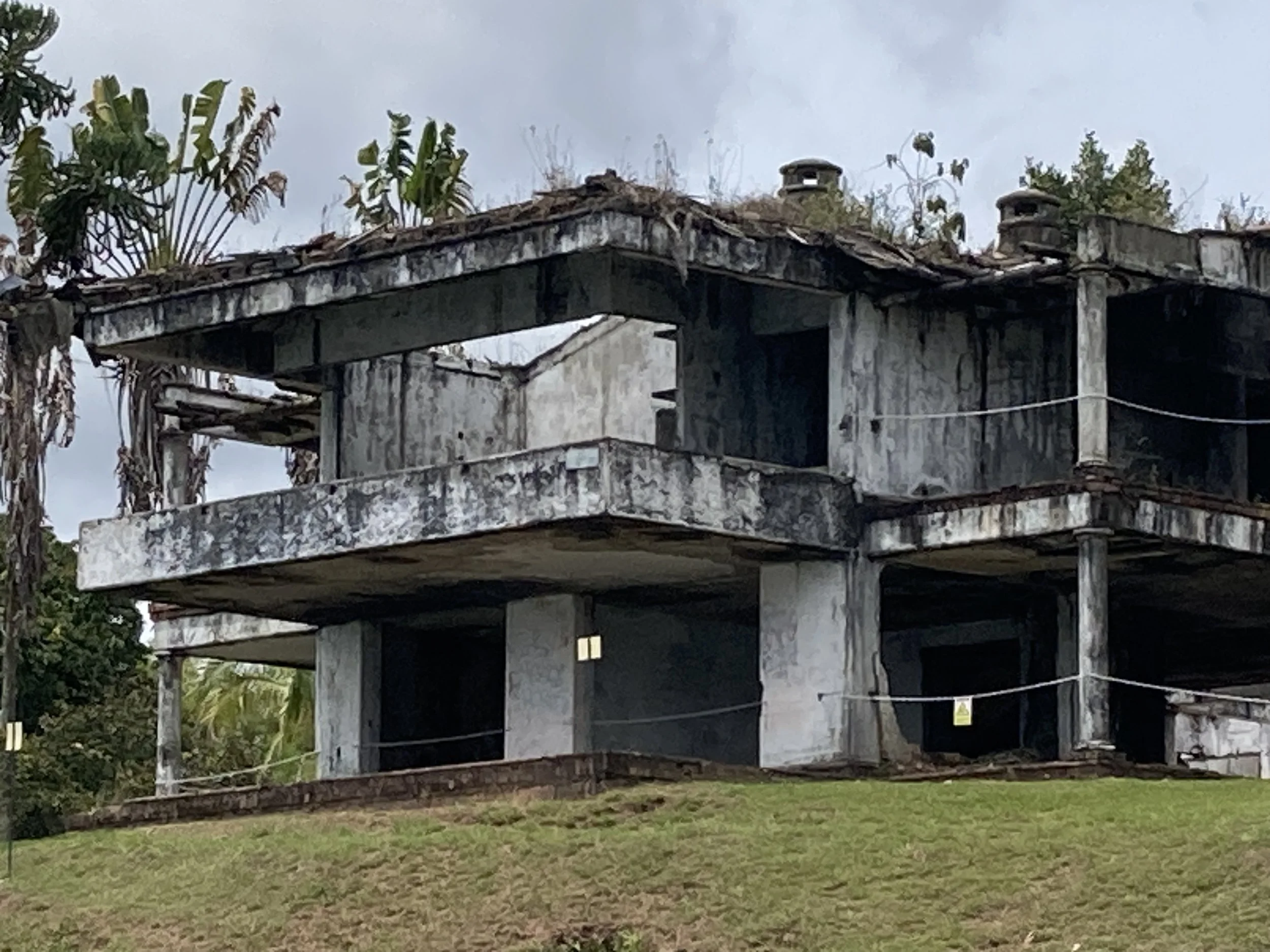
Bombed house of Pablo Escobar’s daughter (trying to capture him)
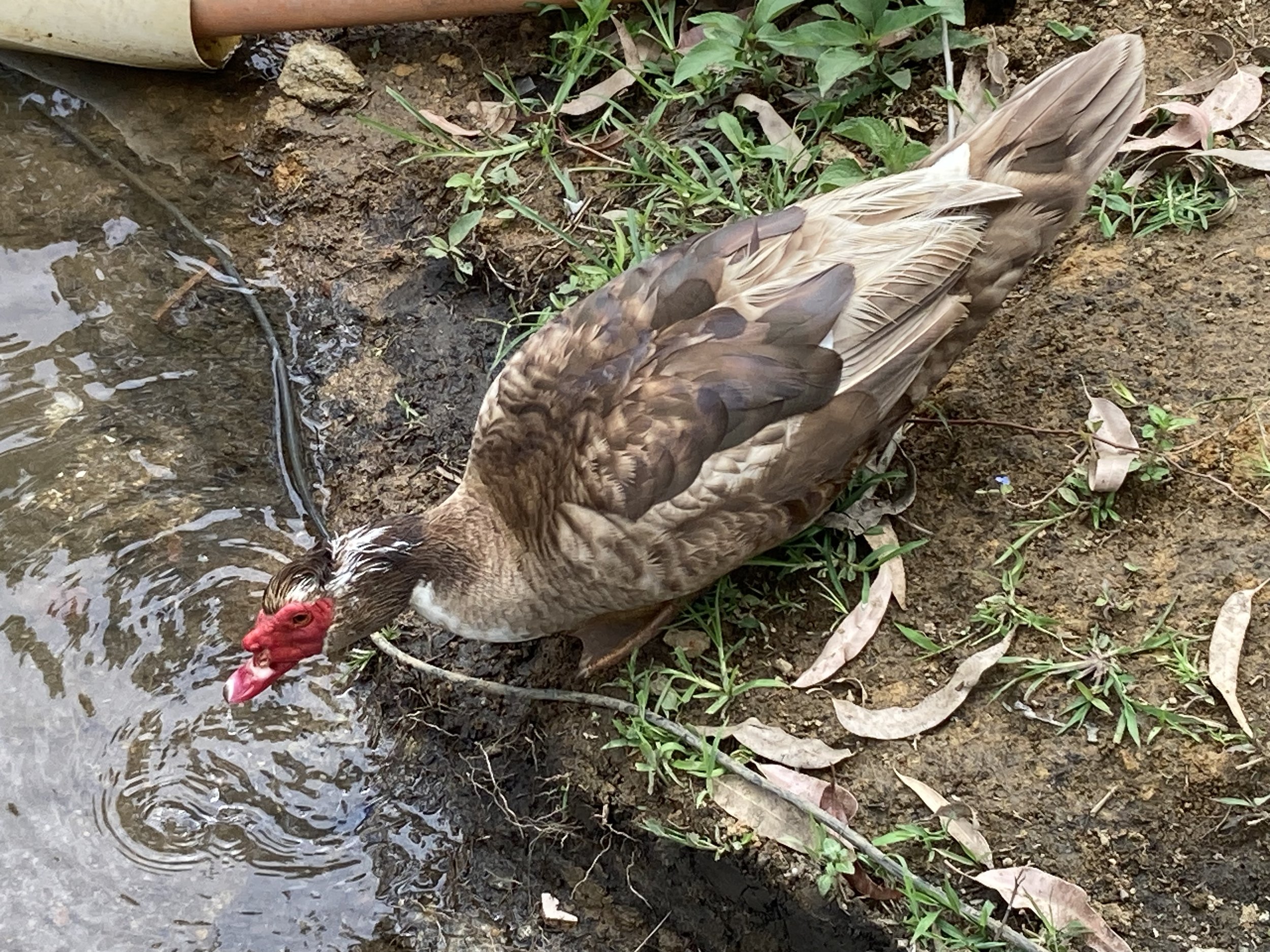
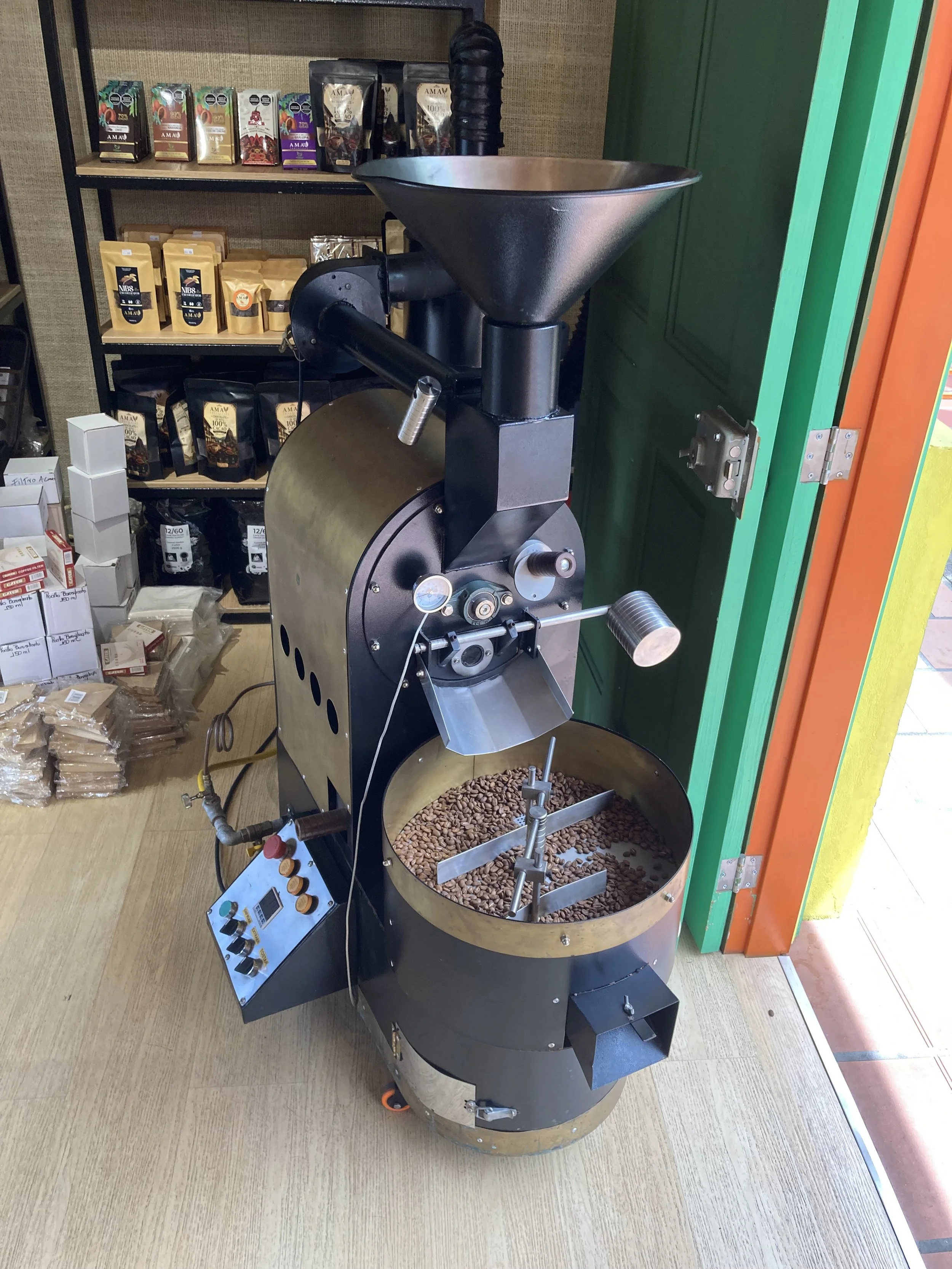
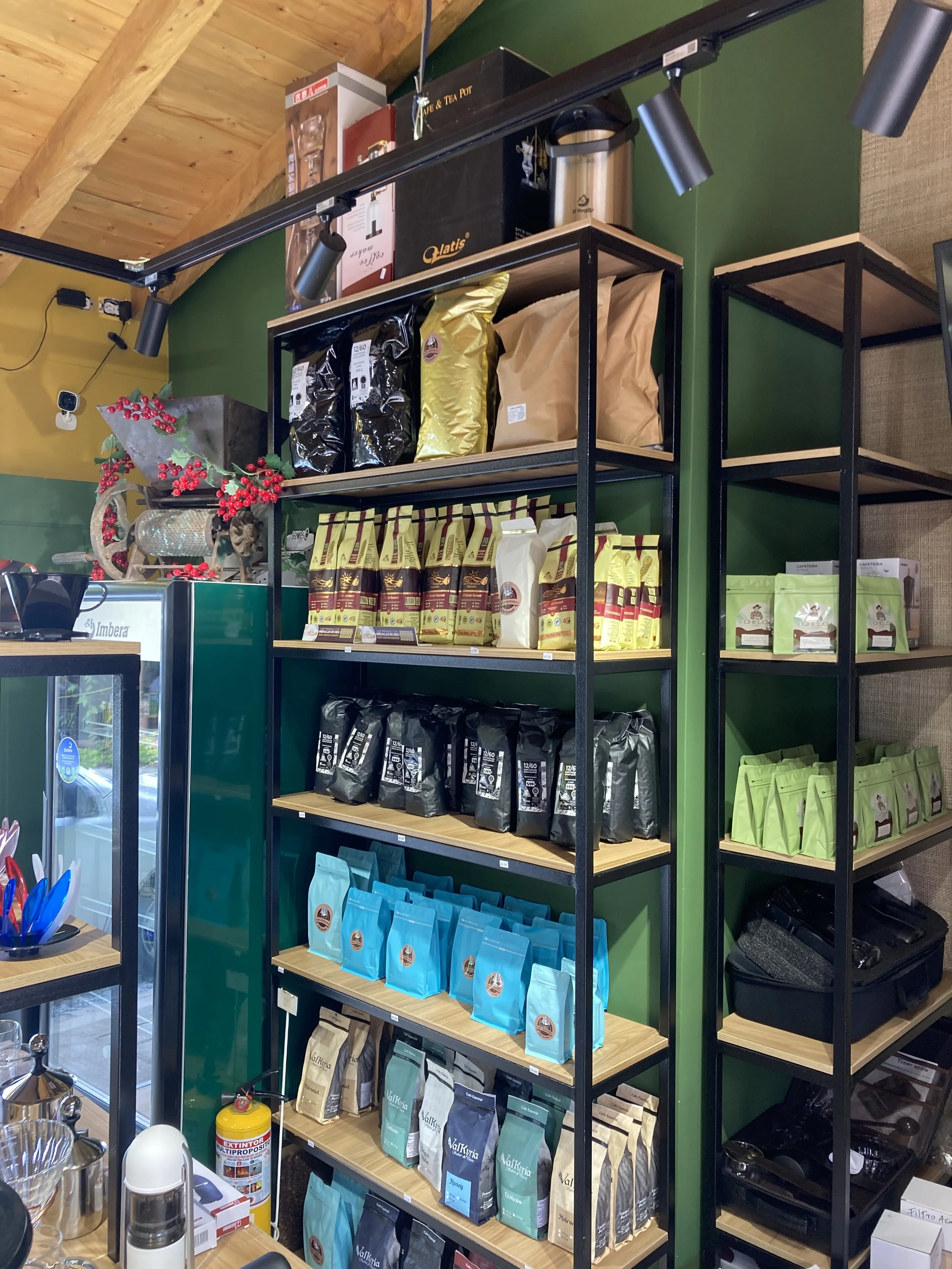
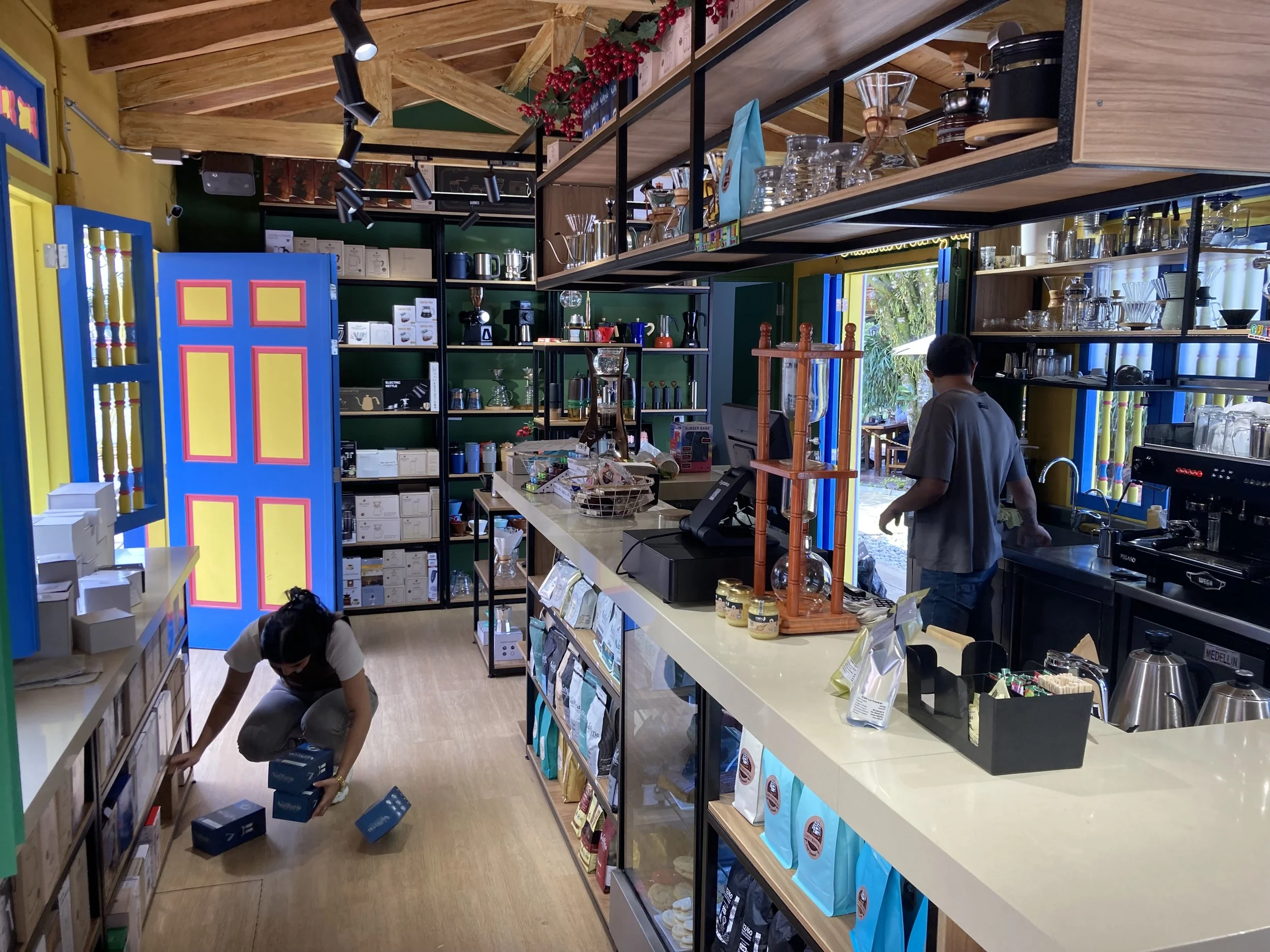
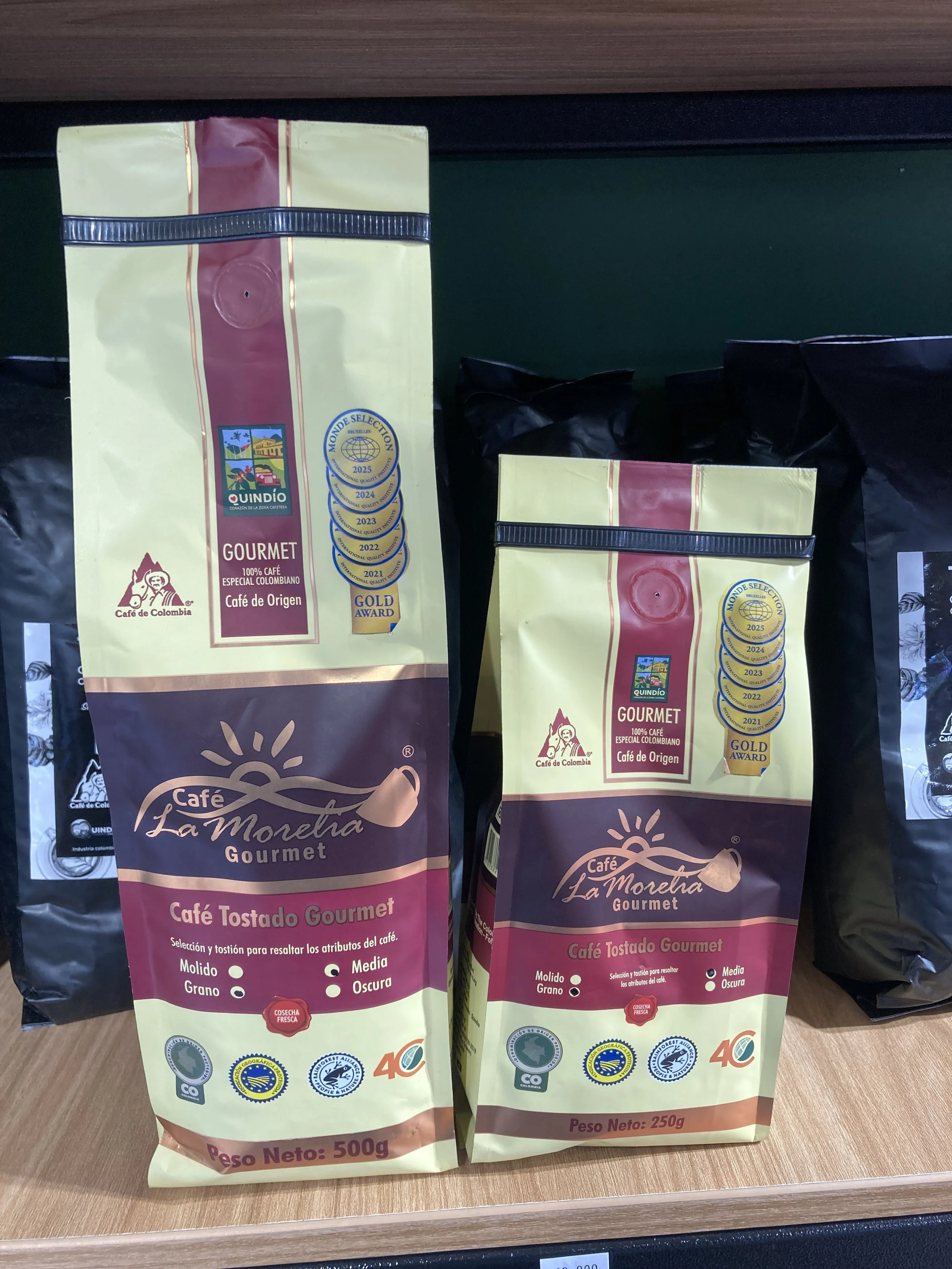
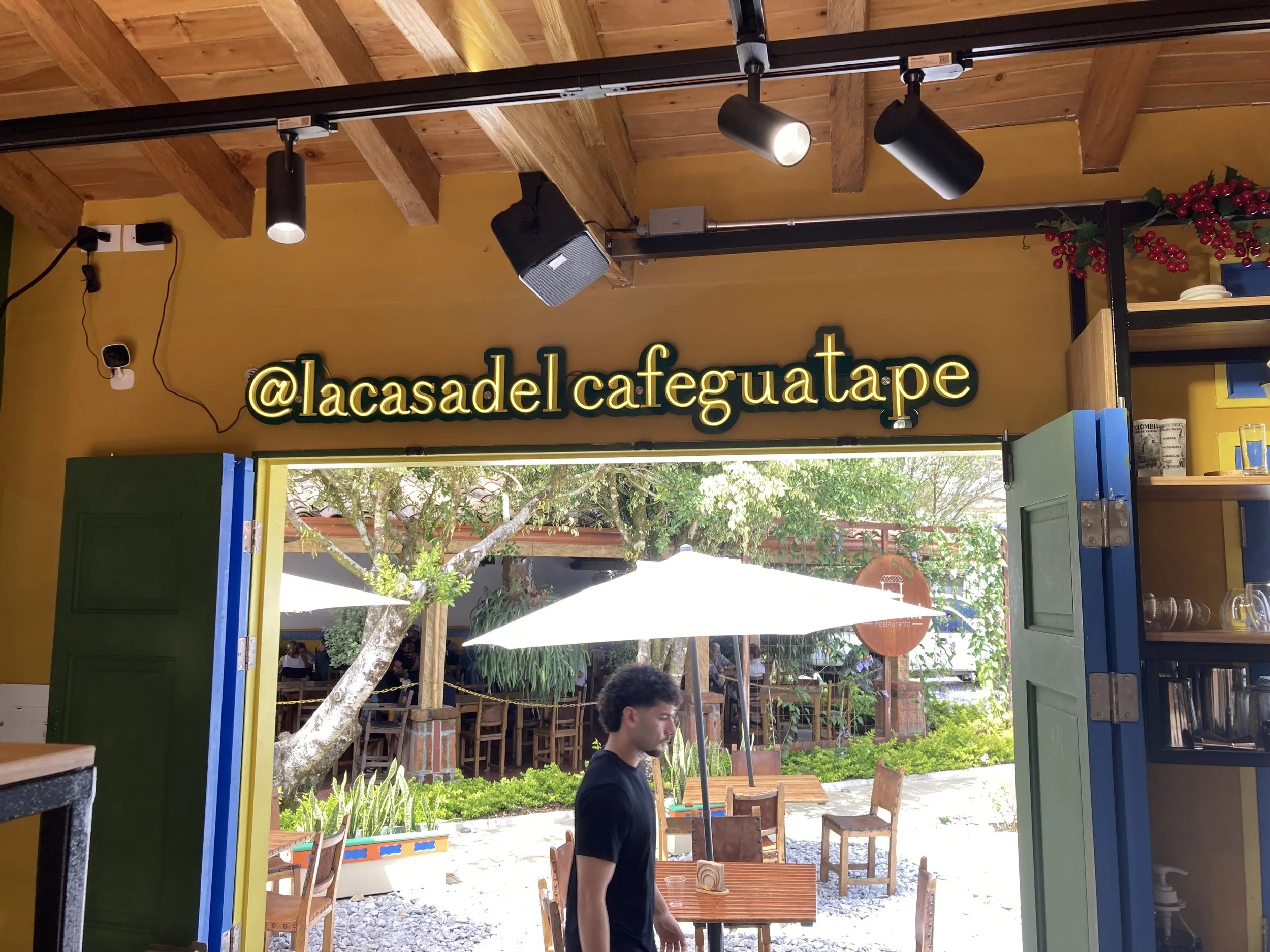
Surely, this is where the day ends, right? Almost. After our beautiful speedboat around the lake, we explored the nearby towns of Guatapé and Peñol where I learned about Colombian coffee from a resident expert named Stevenso Linares:
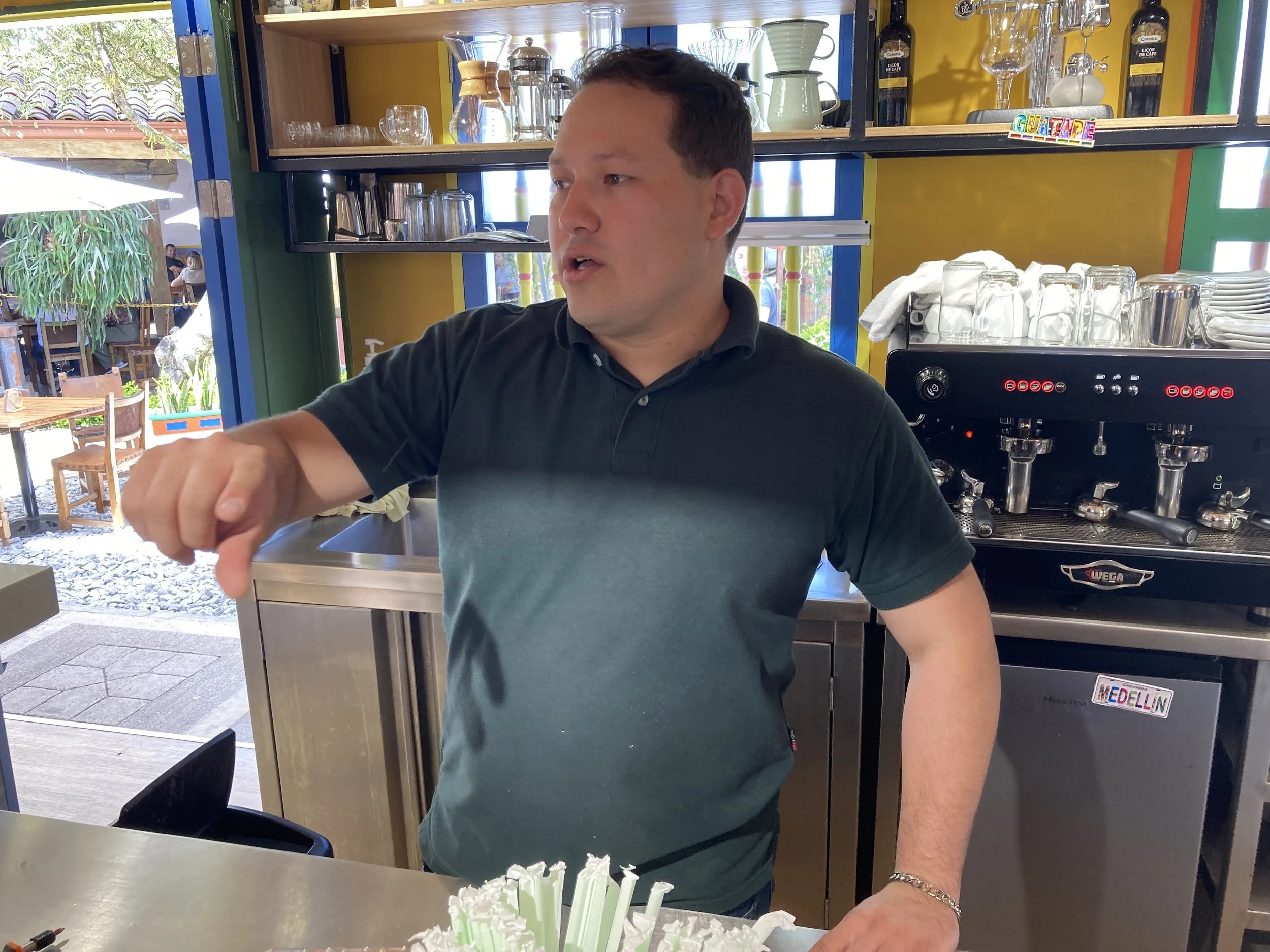
PRO Tip: Put your coffee in cold water in a French Press overnight for FIVE TIMES the caffeine in the morning (no heating)
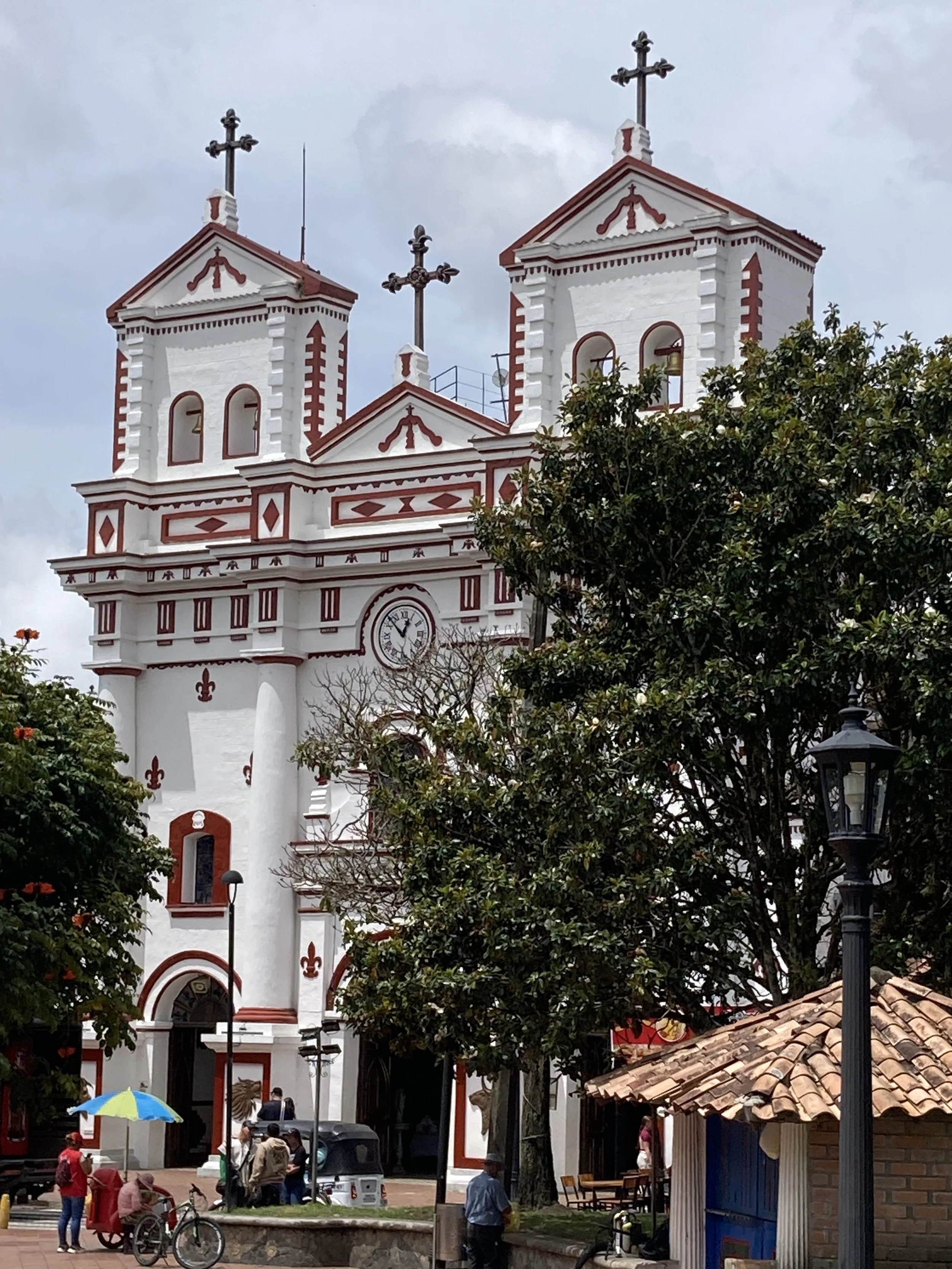
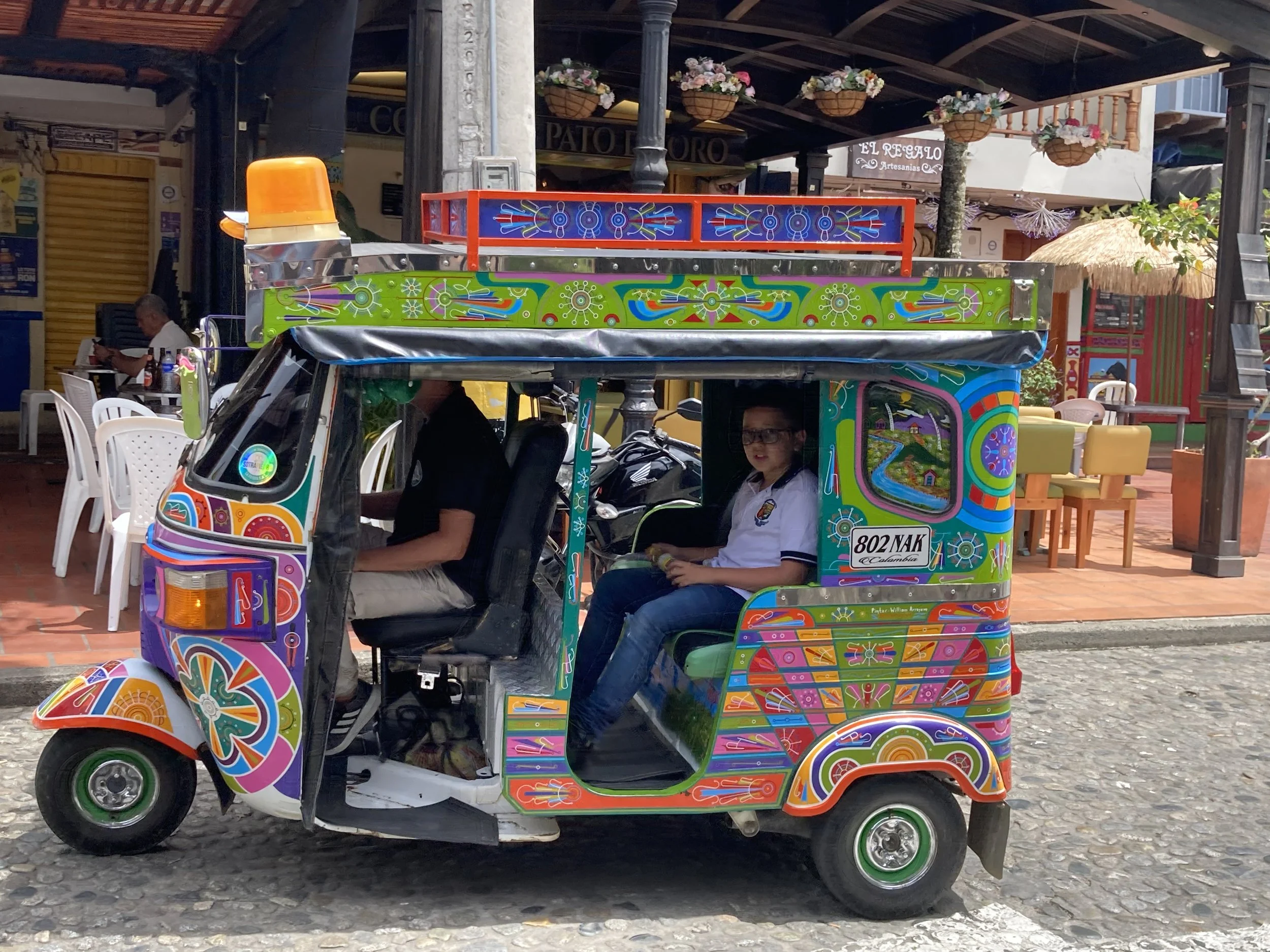
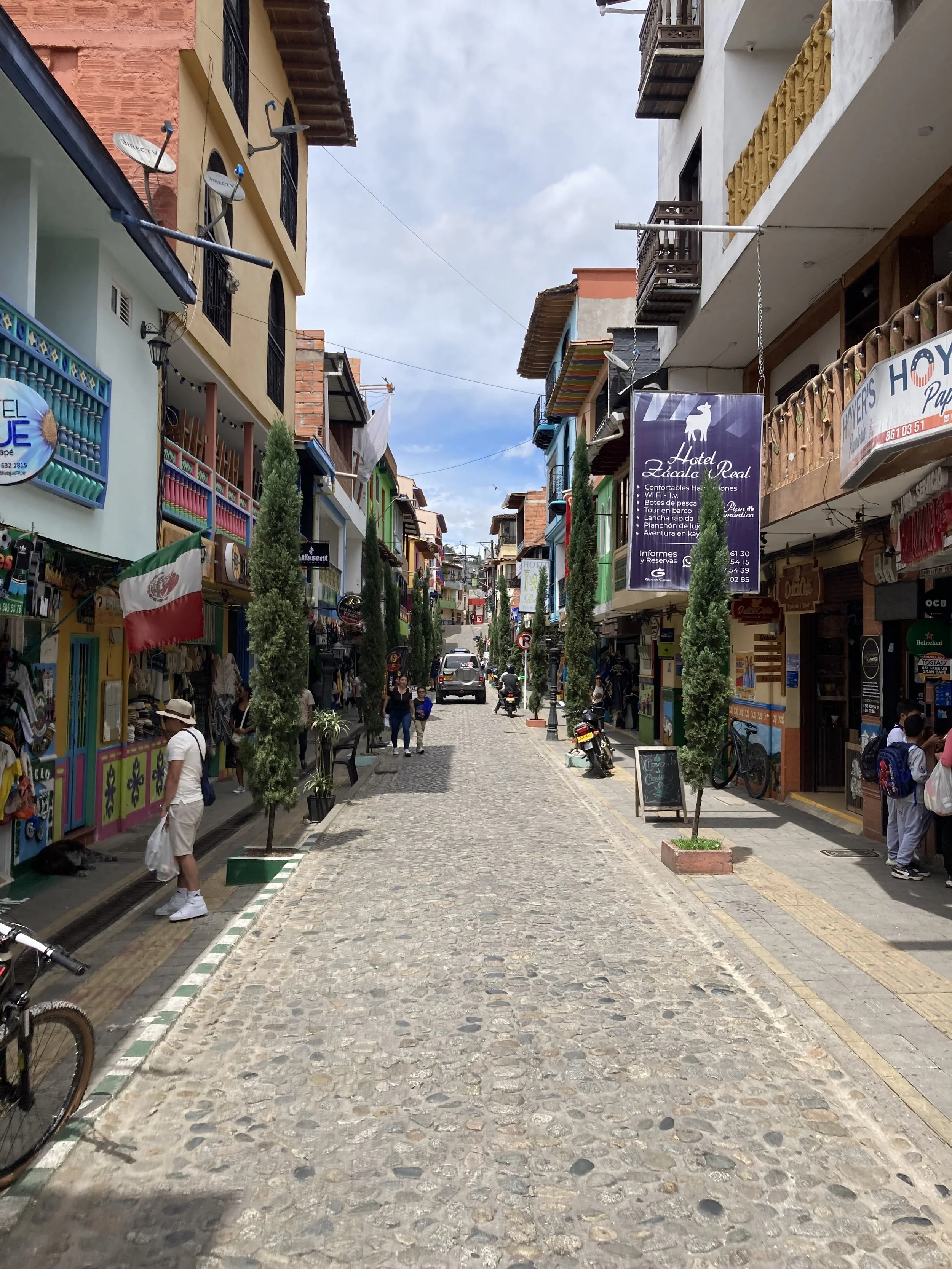
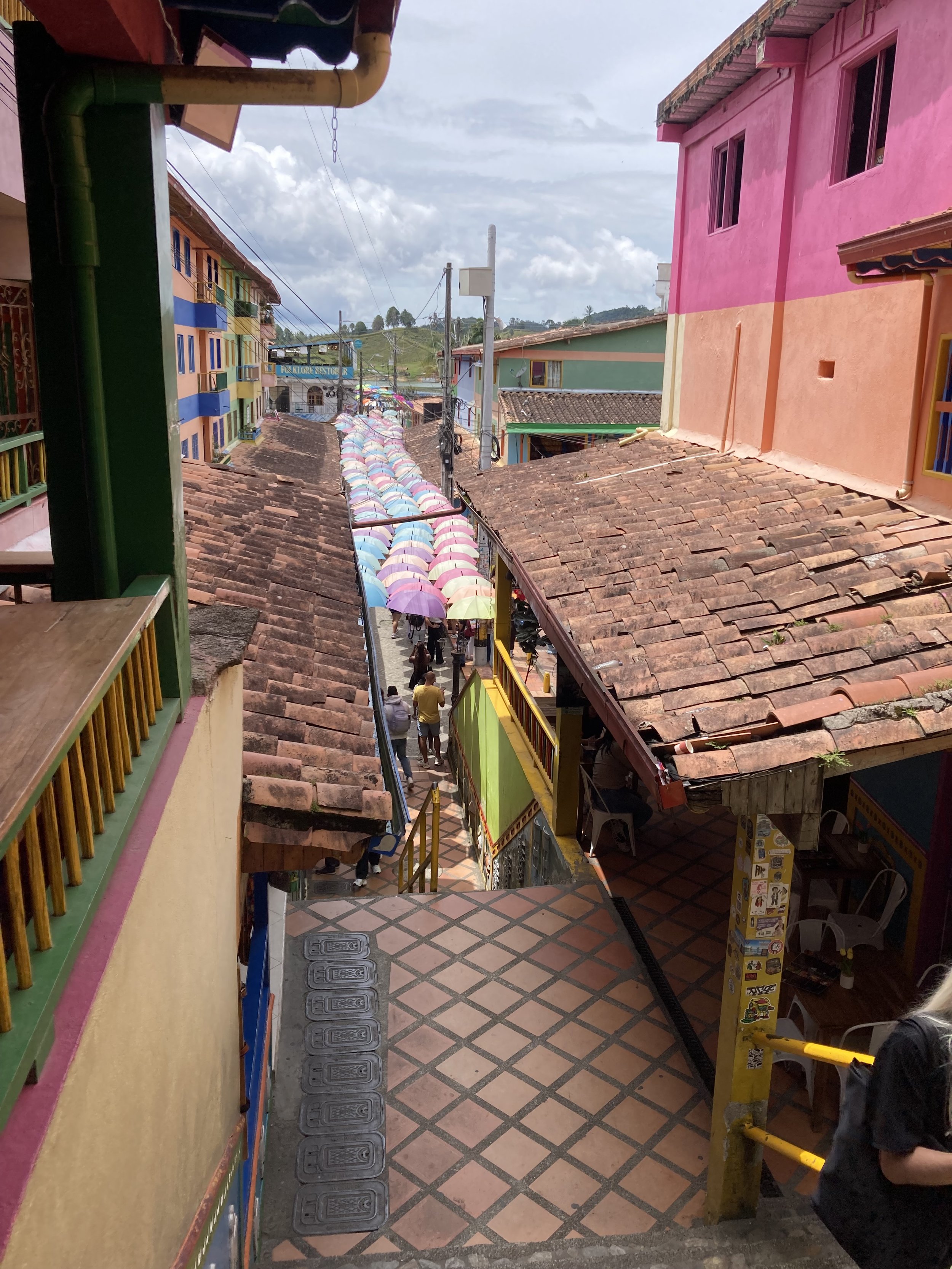
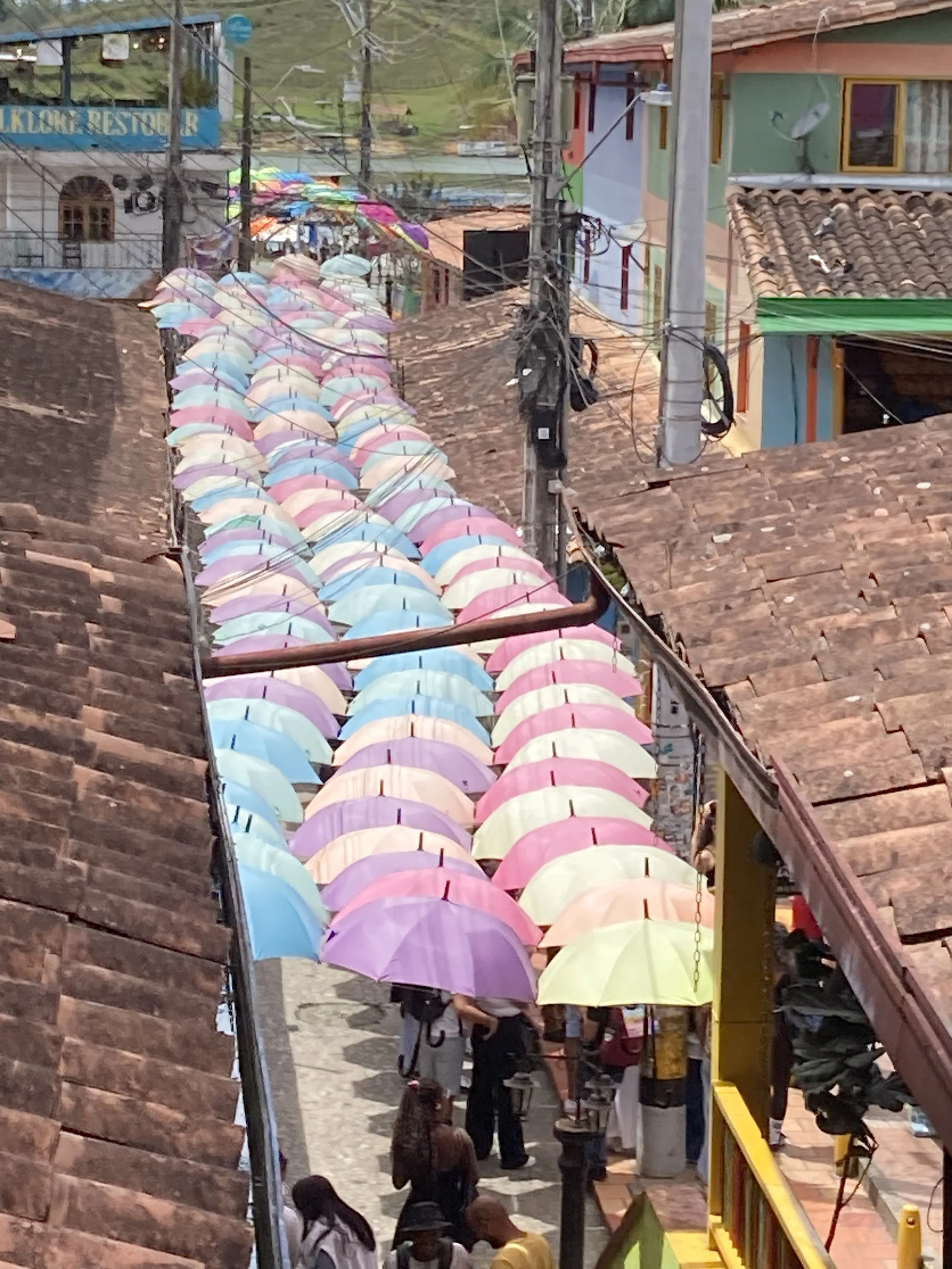
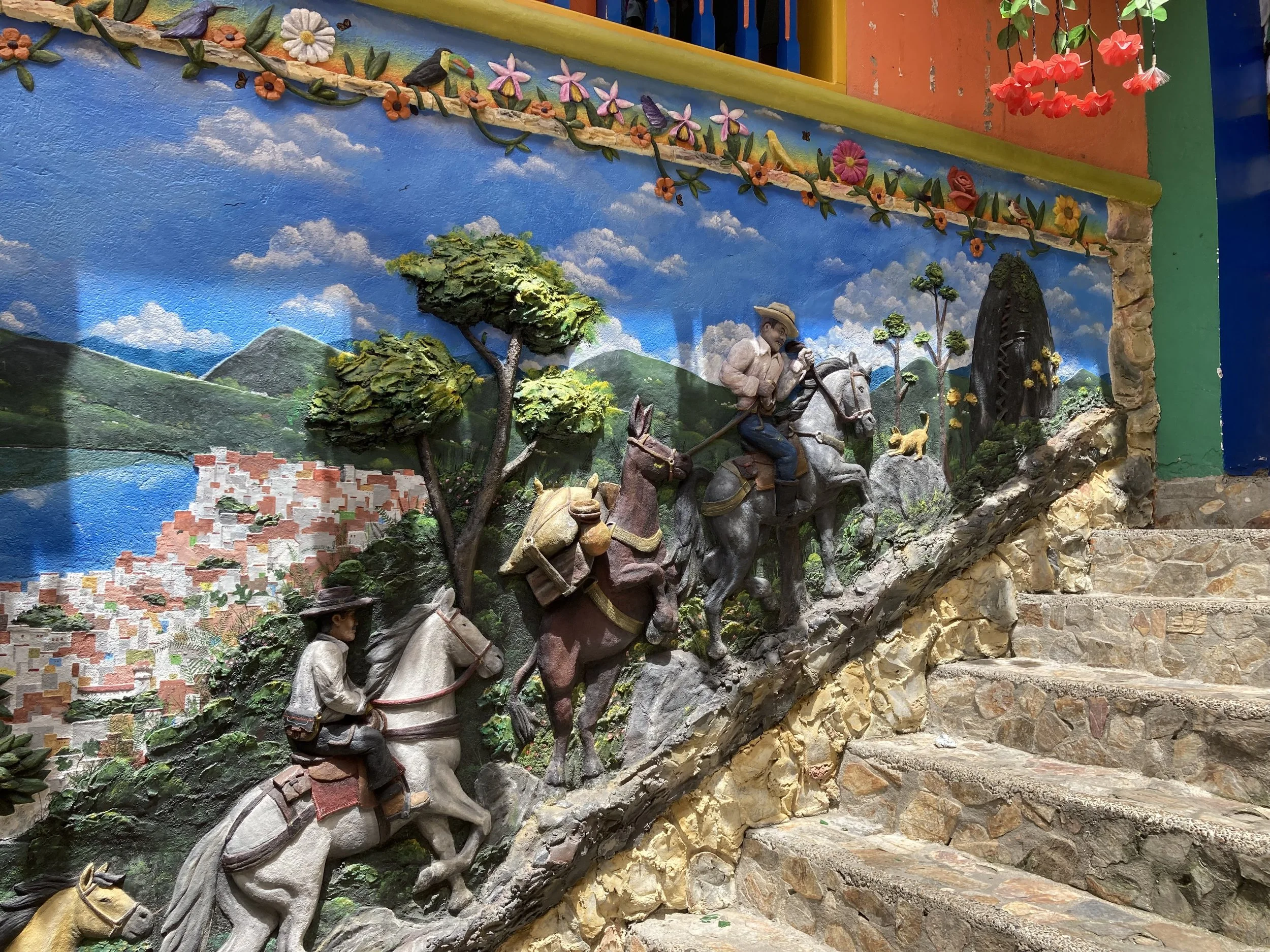
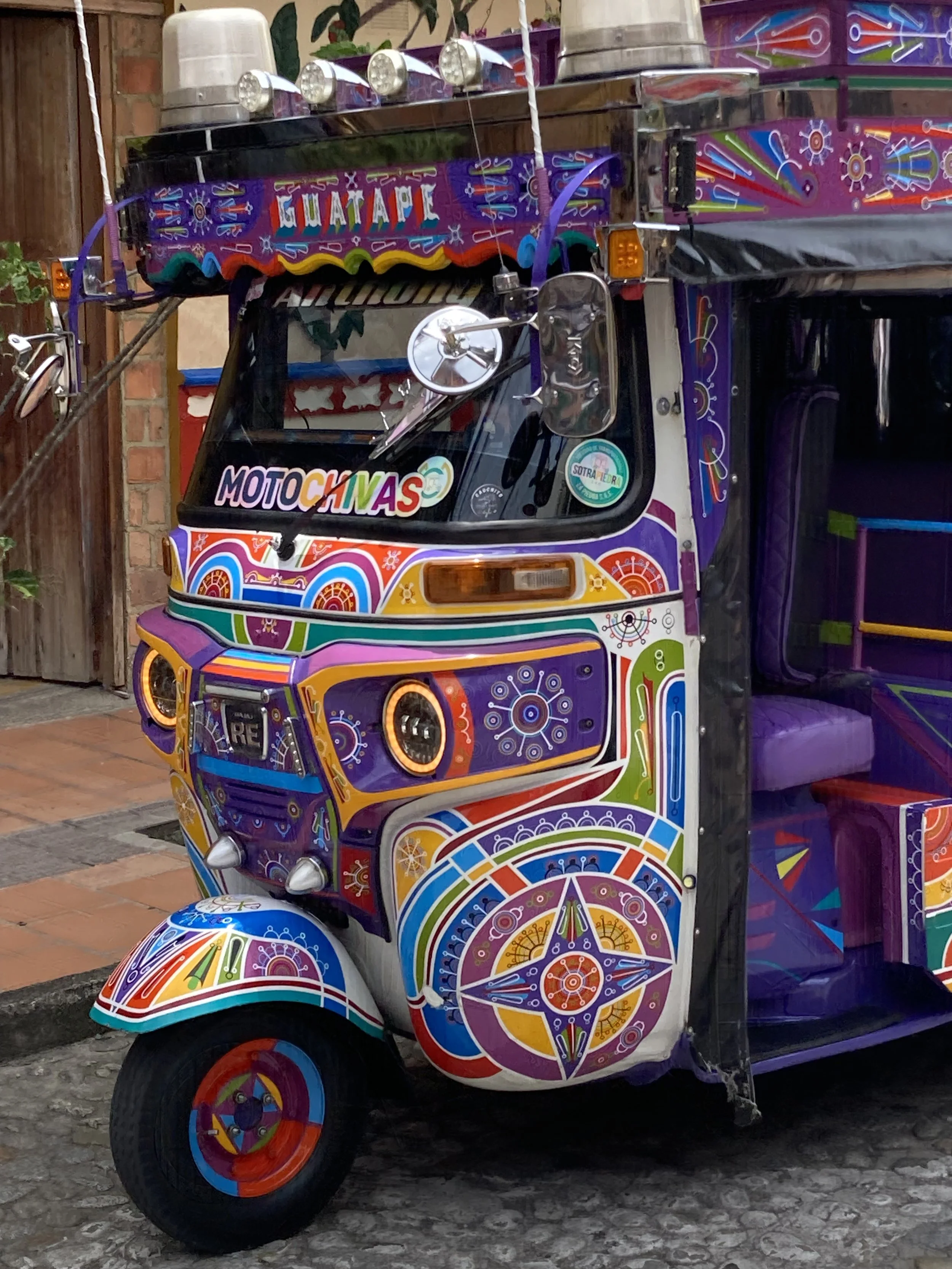
Next I went to a souvenir shop. After purchasing a hat, Valentina gifted both Felipe and I each with a friendship bracelet that she made herself. She gave me permission to photograph her with the friendship bracelet once she tied it onto my wrist.
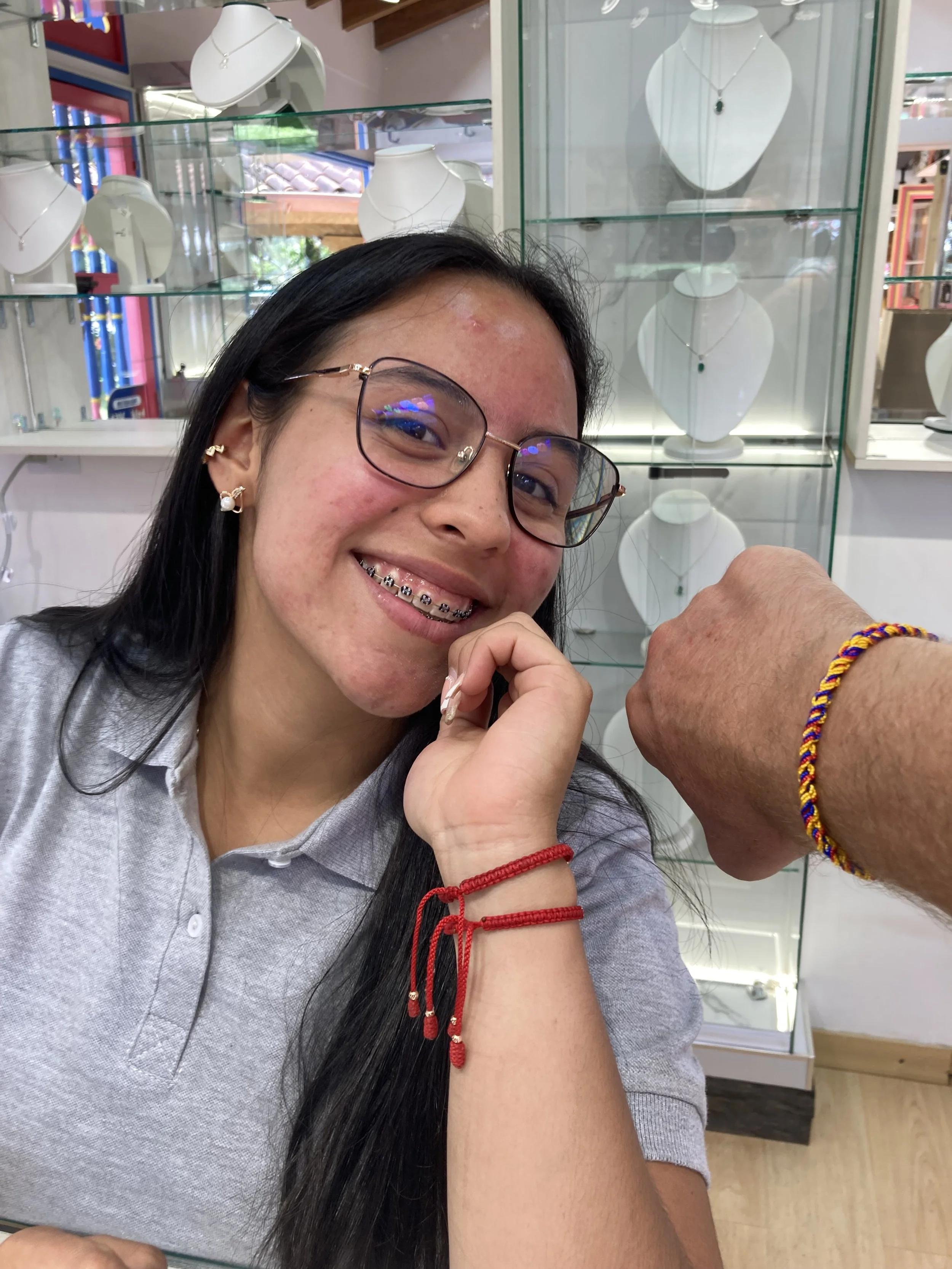
Valentina adorns my wrist with her Colombian friendship bracelet
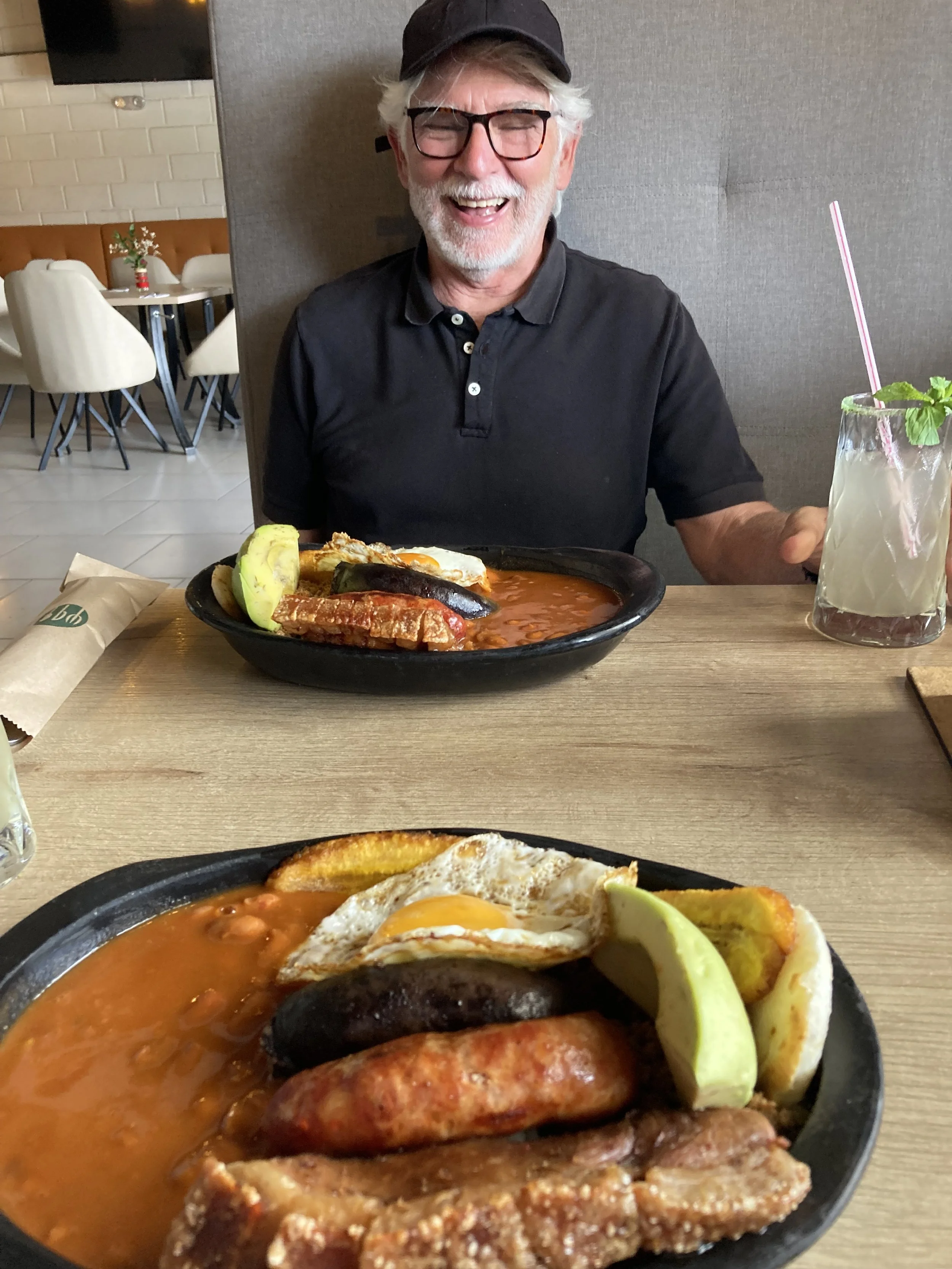
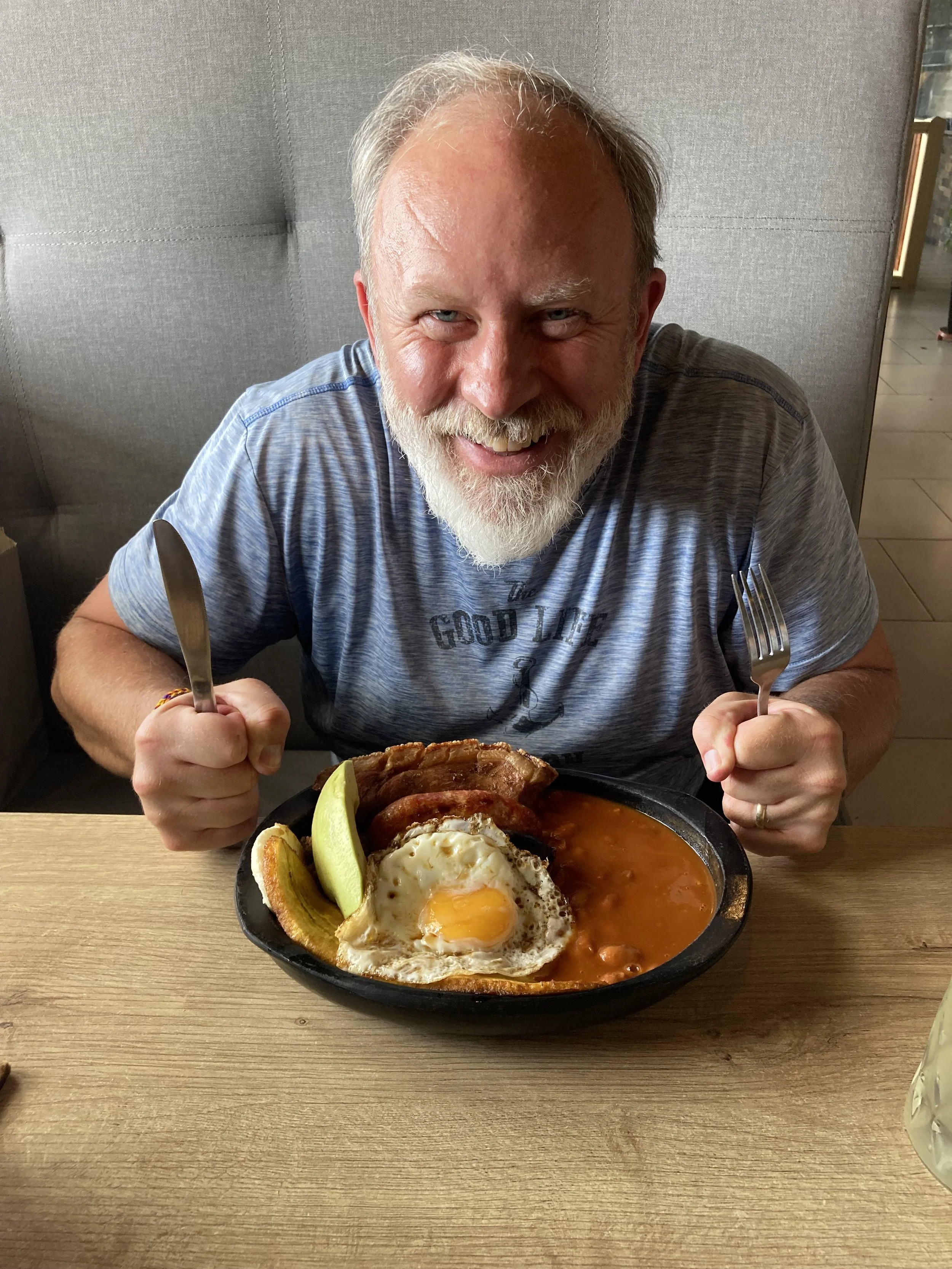
And finally, we made our way to have a famous Colombian lunch called Bandeja Paisa. First, let me show you what it looks like:
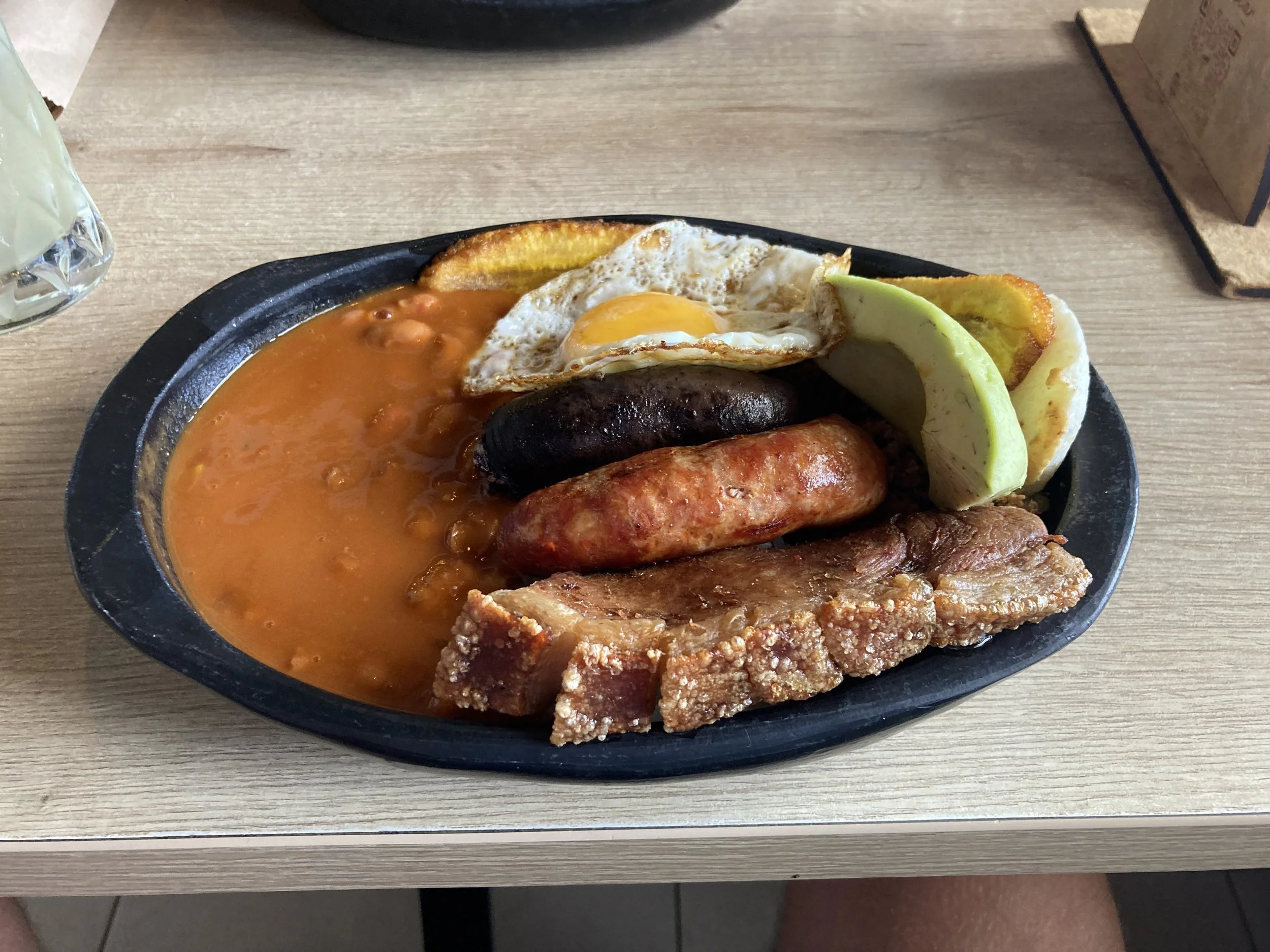
Going in for a Bandeja Paisa platter (not shown: Rice and mince beef)
Allow Uncle Google to break this one down for us:
The Bandeja Paisa is Colombia's most iconic and massive national dish, originating from the Andean Antioquia (Paisa) region. It is a hearty combination of proteins, starches, and fats traditionally served on a large oval tray.
The Traditional Components
While variations exist, a classic Paisa Platter includes the following exact elements:
Frijoles Rojos (Red Beans): Stewed Colombian-style red beans, often cooked with diced pork belly.
Arroz Blanco (White Rice): A generous mound of fluffy, white rice.
Carne Molida o en Polvo (Ground or Powdered Beef): Savory, seasoned ground beef.
Chicharrón (Pork Rind): Crispy, fried thick-cut pork belly.
Chorizo: A flavorful Colombian-style pork sausage.
Huevo Frito (Fried Egg): Served sunny-side up, often placed directly on top of the dish.
Plátano Maduro (Ripe Sweet Plantain): Fried slices of sweet, yellow plantain.
Arepa: A flat, round cornmeal cake.
Aguacate (Avocado): Slices of fresh avocado.
Morcilla (Blood Sausage): Frequently included in traditional or extended versions.
Yup. That’s exactly what I ate. Every ingredient listed made it to my platter and found it’s way into my stomach. No third meal was needed after this lunch. If I had this earlier, I could intermittent fast with zero difficulty (although with the calorie count, I think I’d still gain weight).
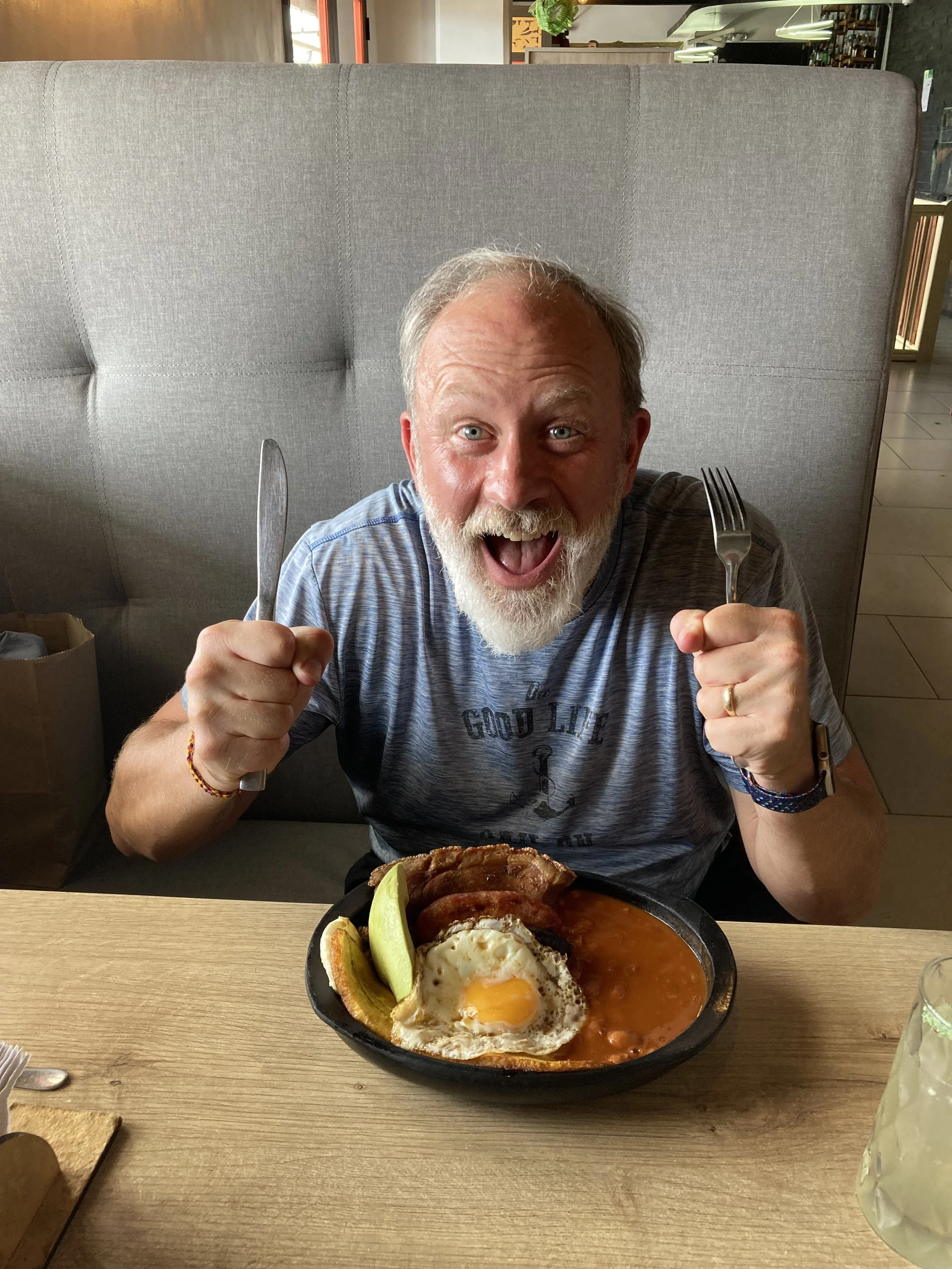
Ready for Bandeja Paisa: Colombia's most massive national dish
Long day. Great day. Exhausting day. My step count didn’t quite reach 20k steps, but it was well into the 17k range with 1480 steps. Not sure the exercise made up for the Bandeja Paisa caloric bomb, but I had to try it once while I’m here in Colombia.
It was a great recommendation from Felipe and he even refused to let me pay for lunch. Although we both paid for lunch with our colons later that evening. I’ll spare you the details, as I’m sure your imagination is right on target. Nothing a little Alka-Seltzer and early bed time couldn’t fix. Was it worth it? Absolutely!