Swimming in a Cenote (May 7, 2026)
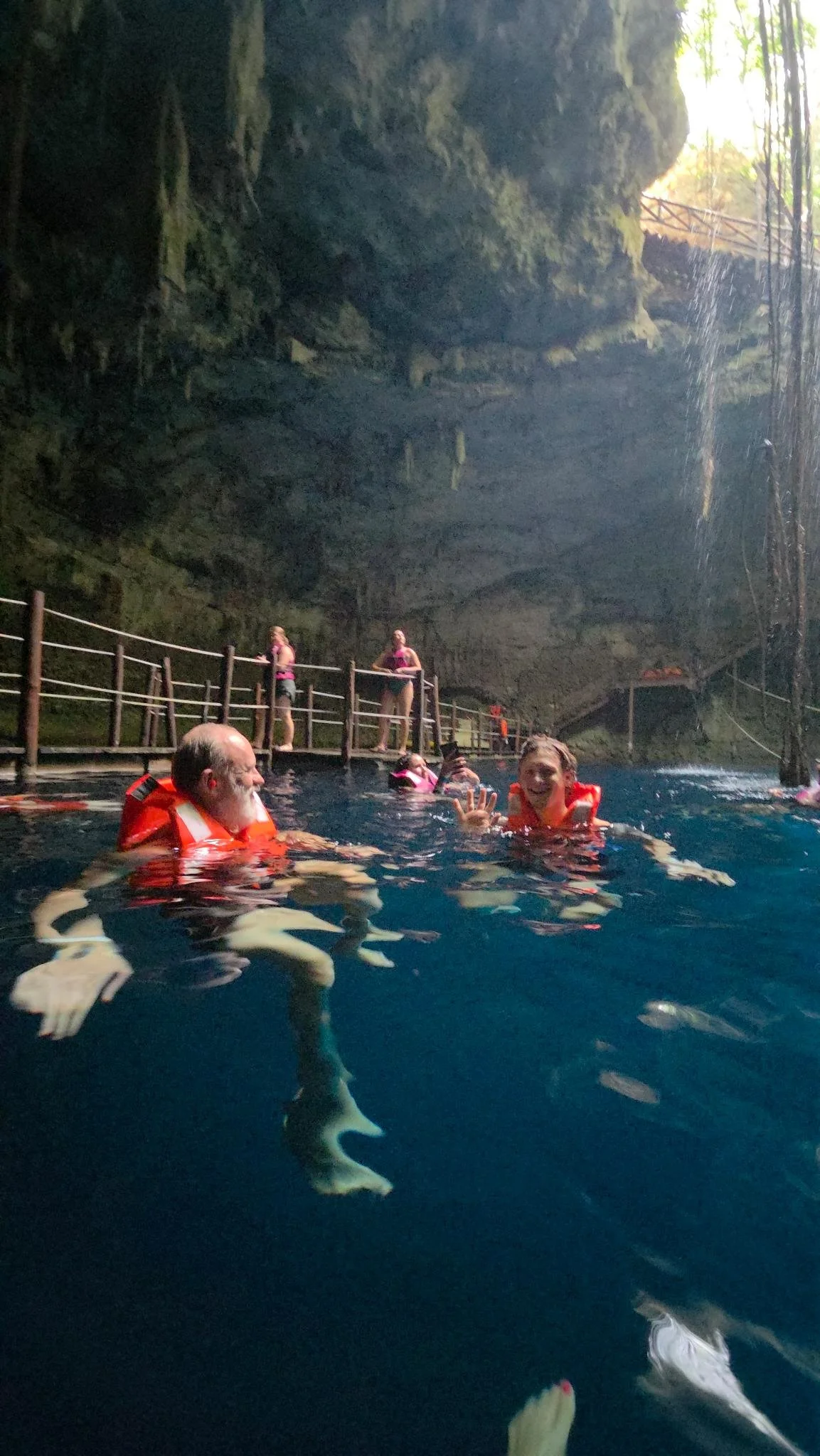
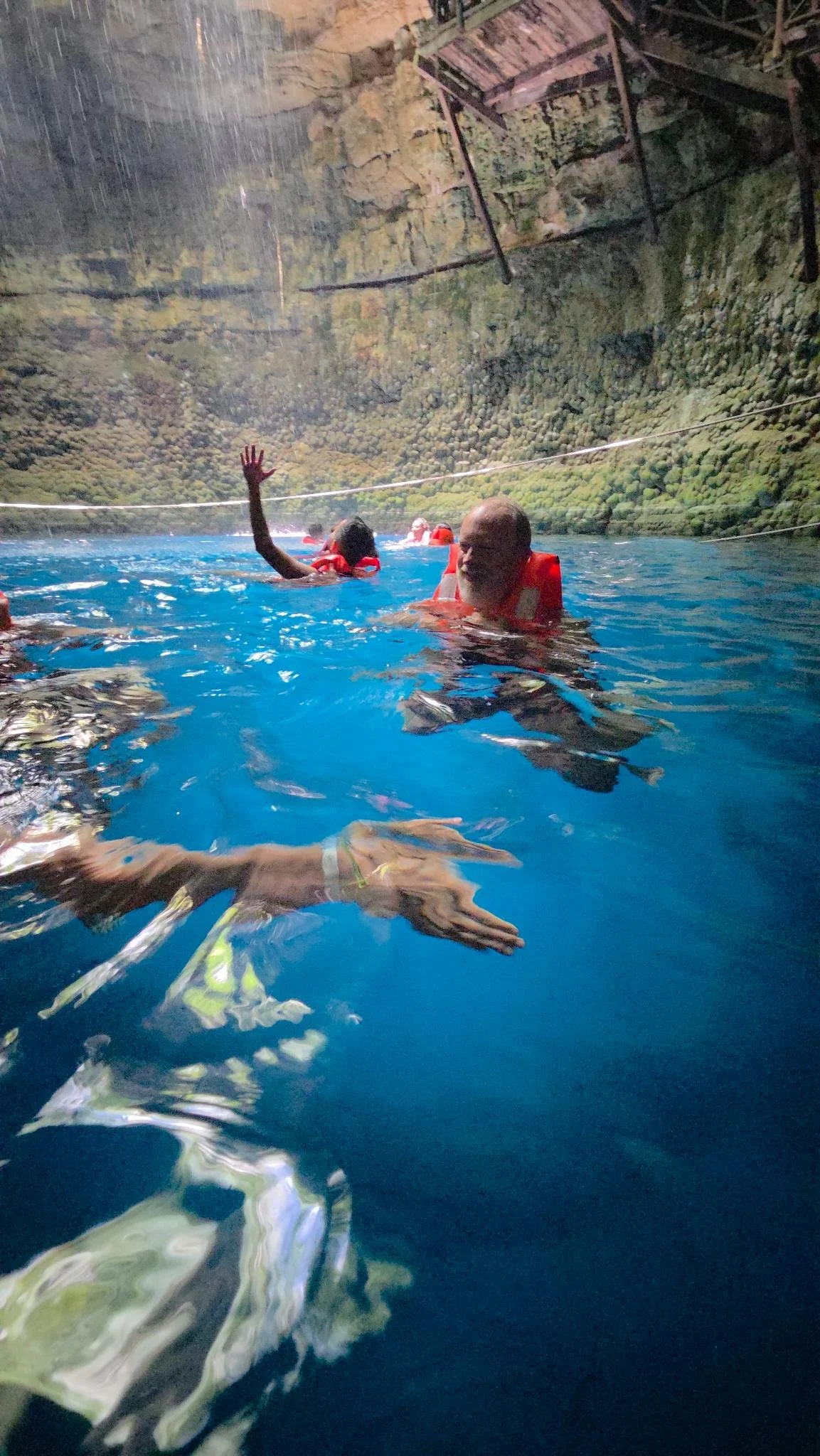
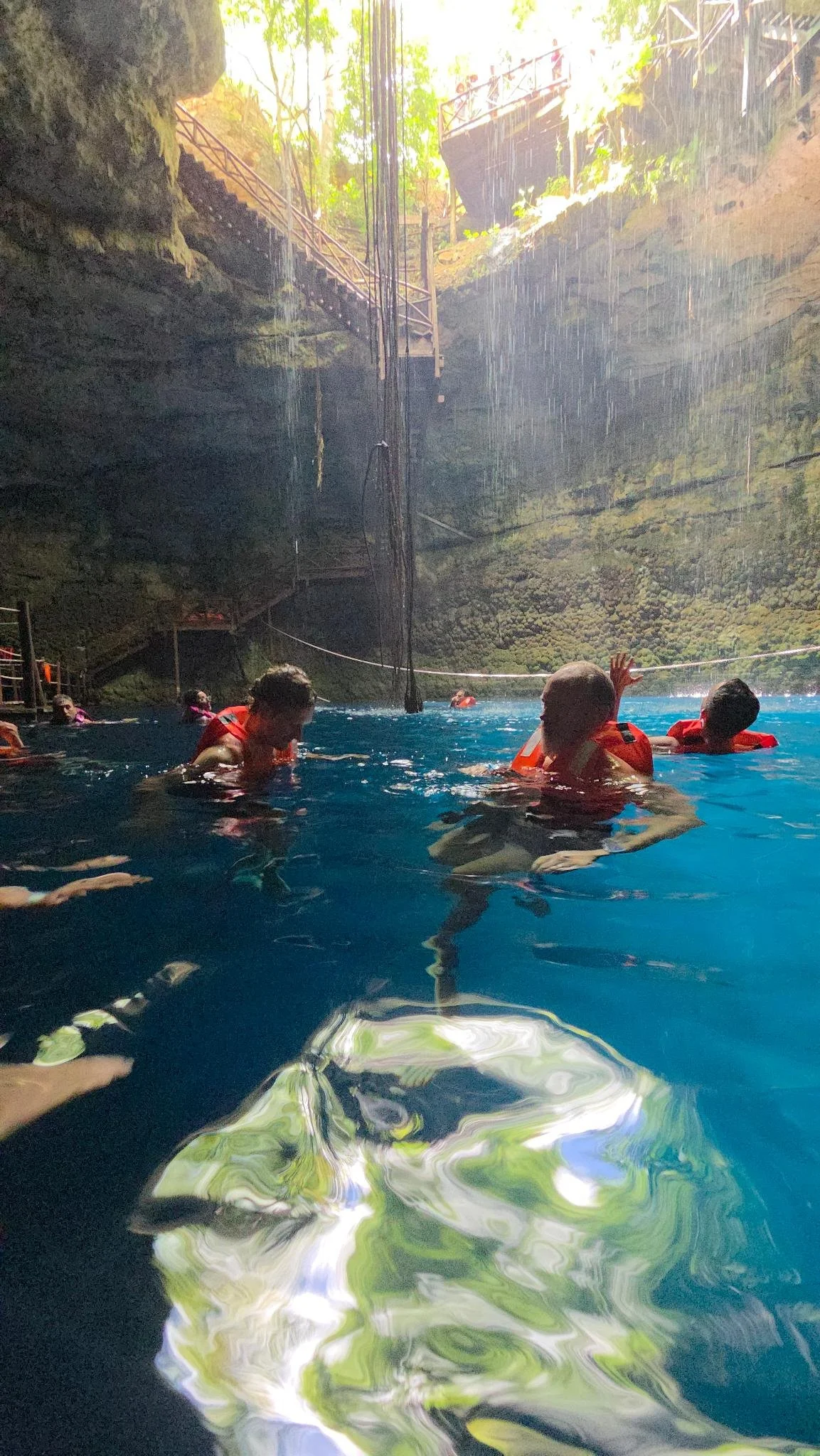
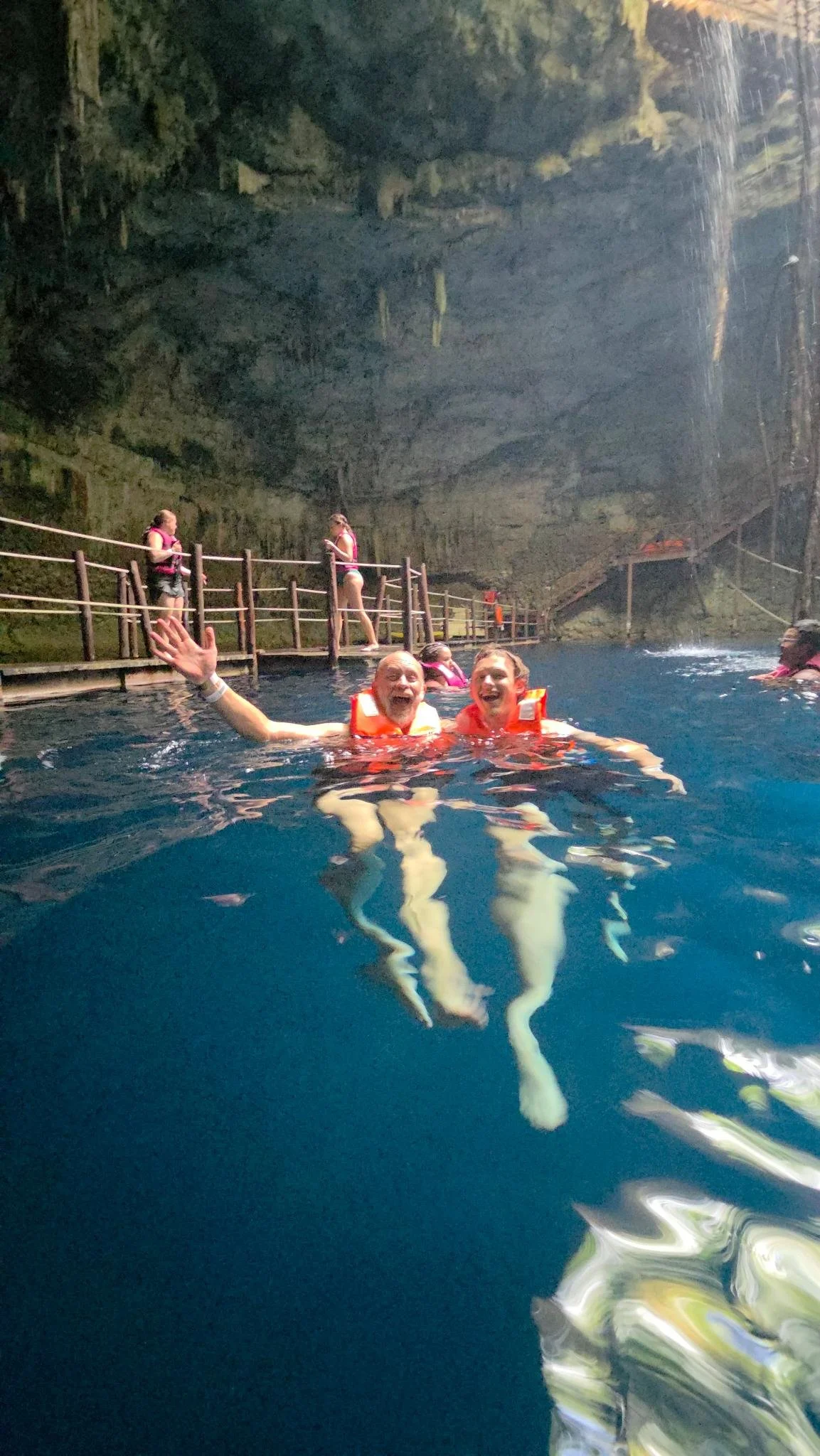
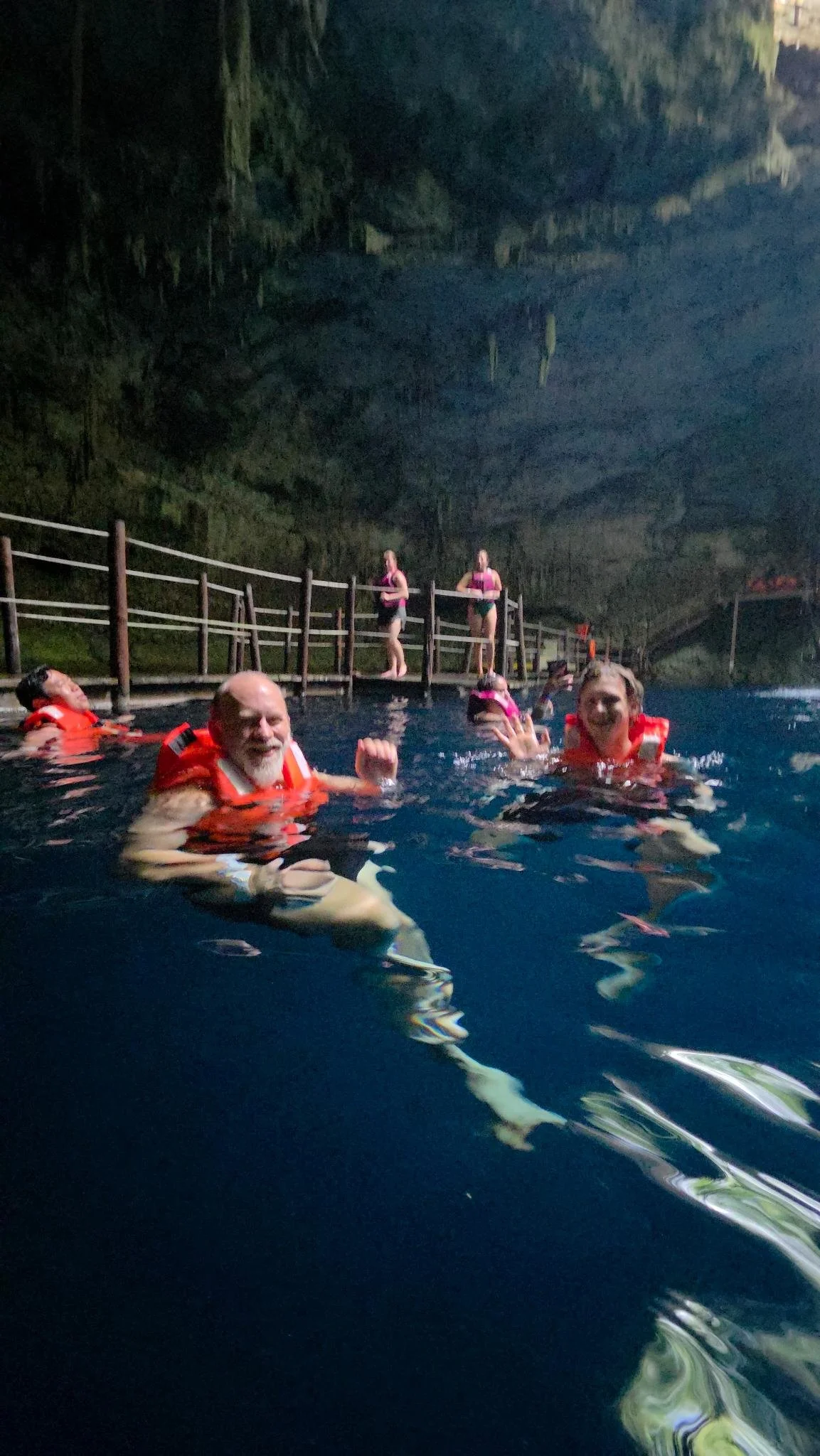
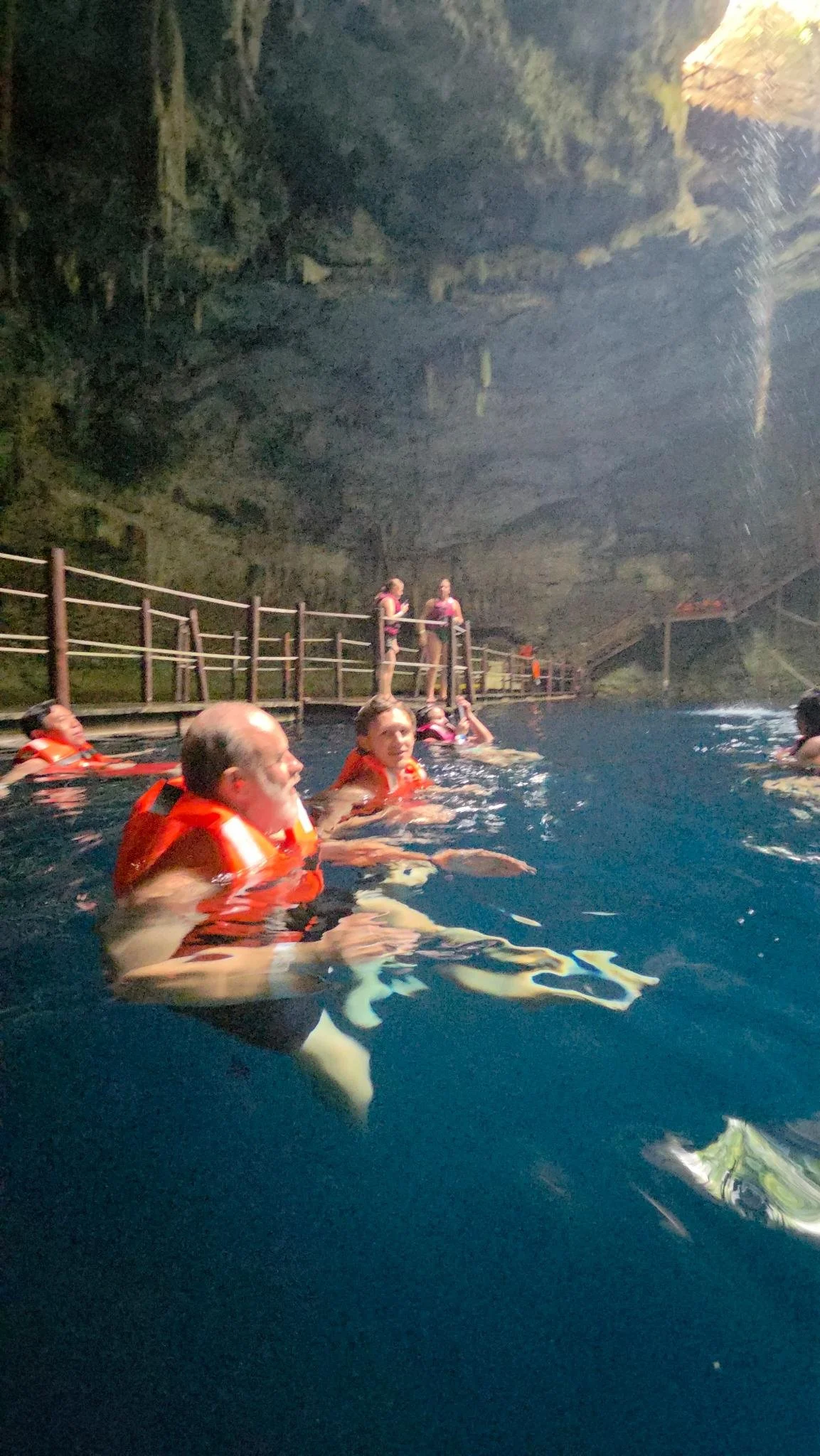
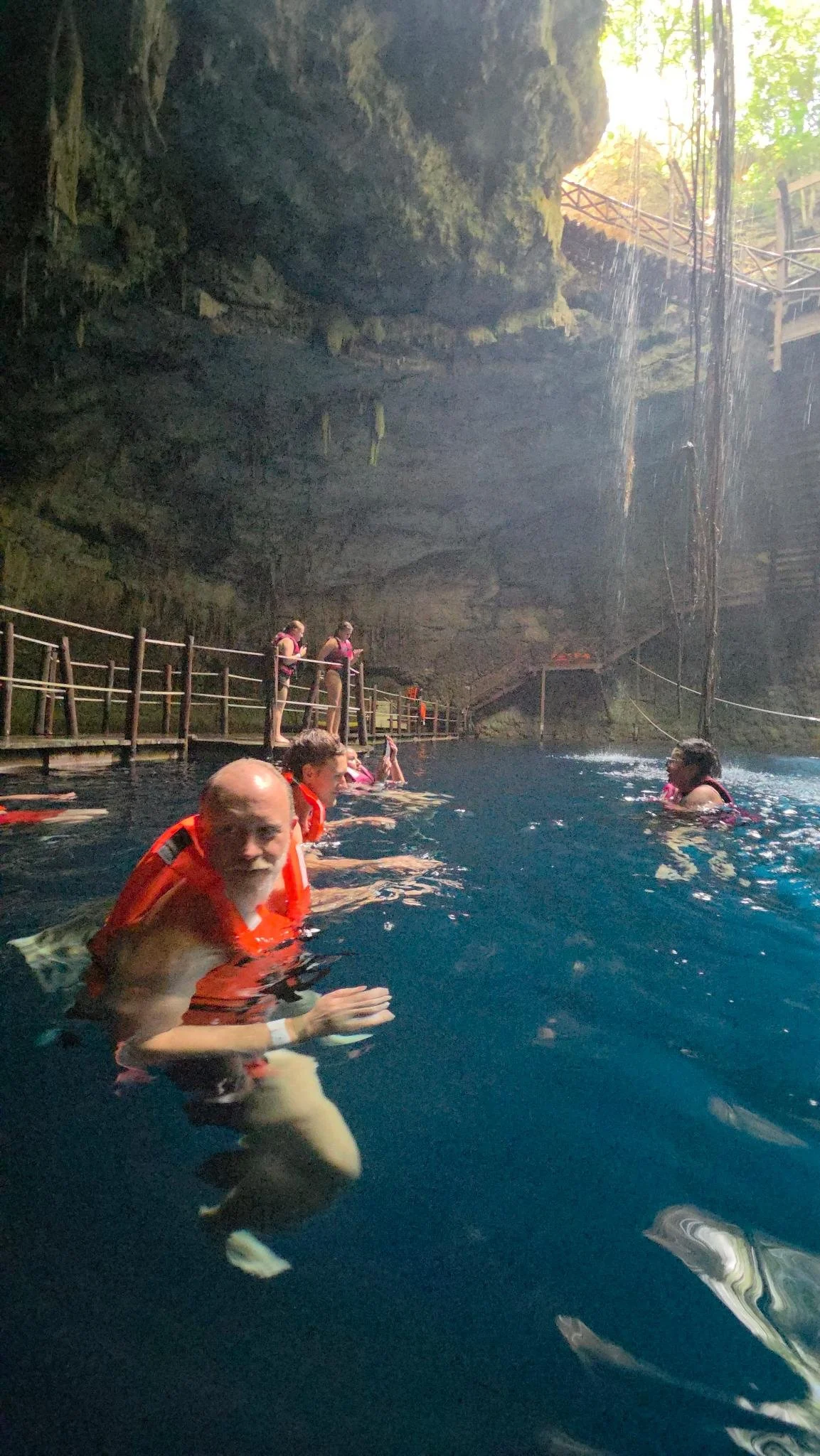
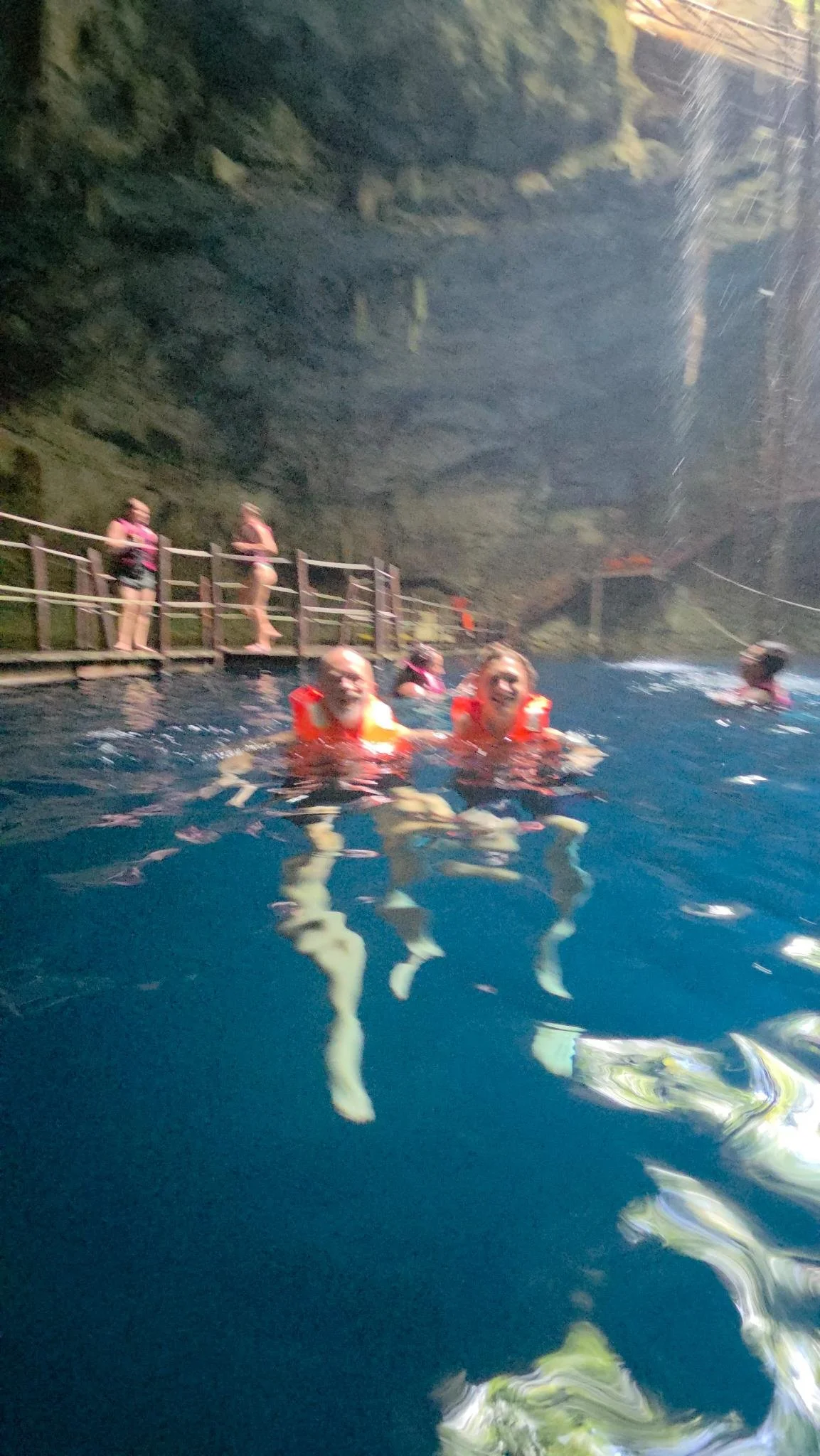
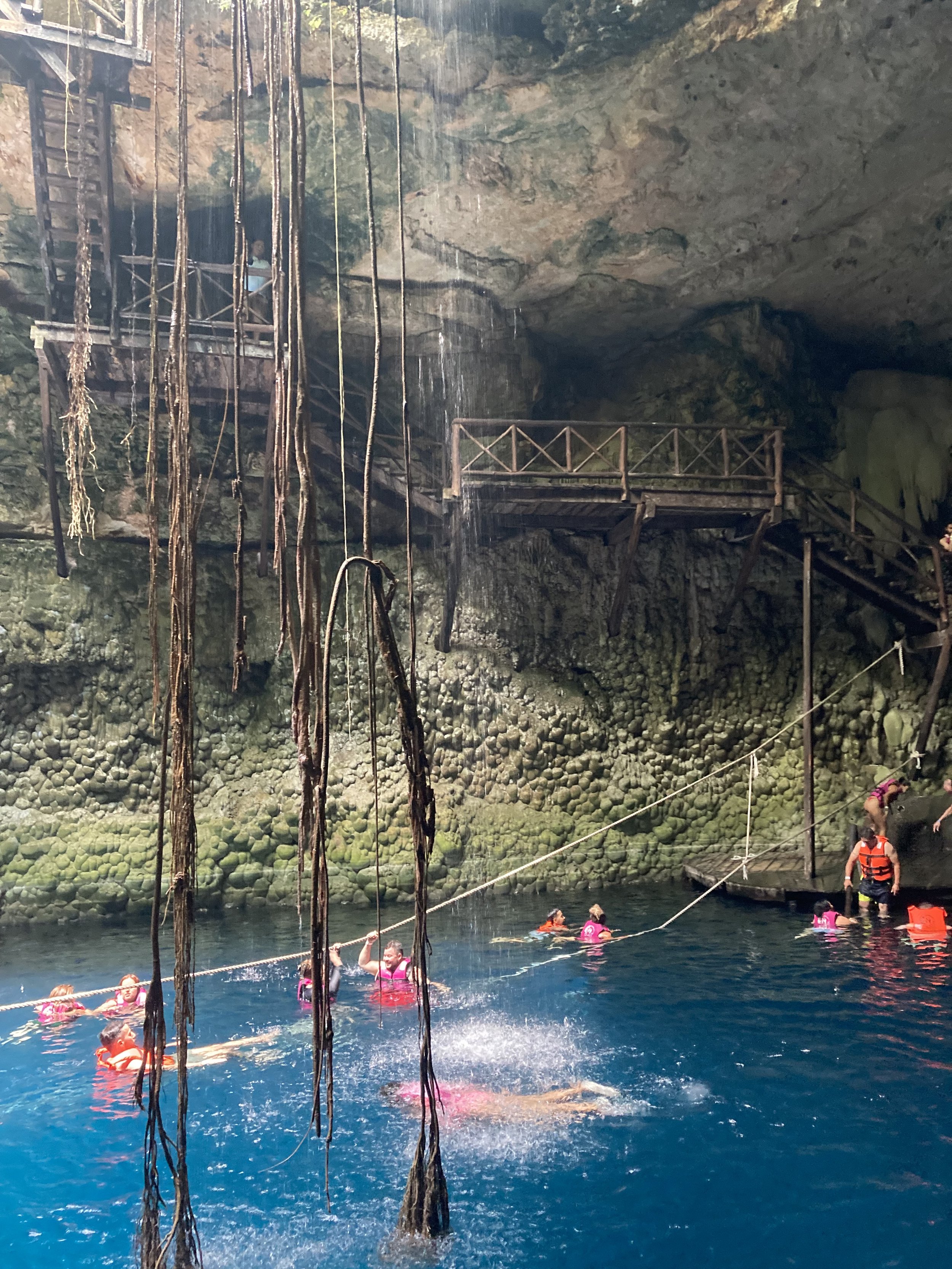
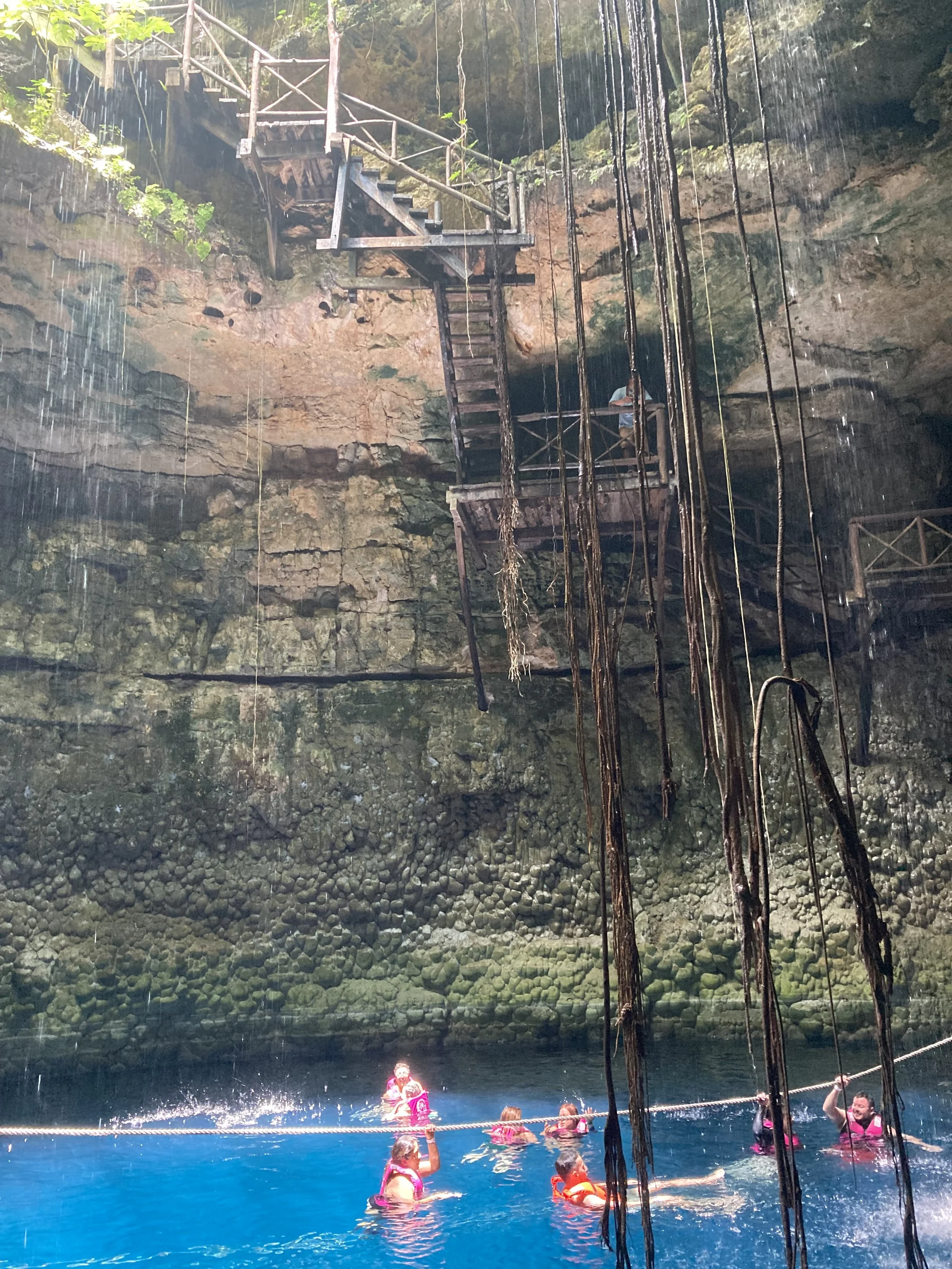
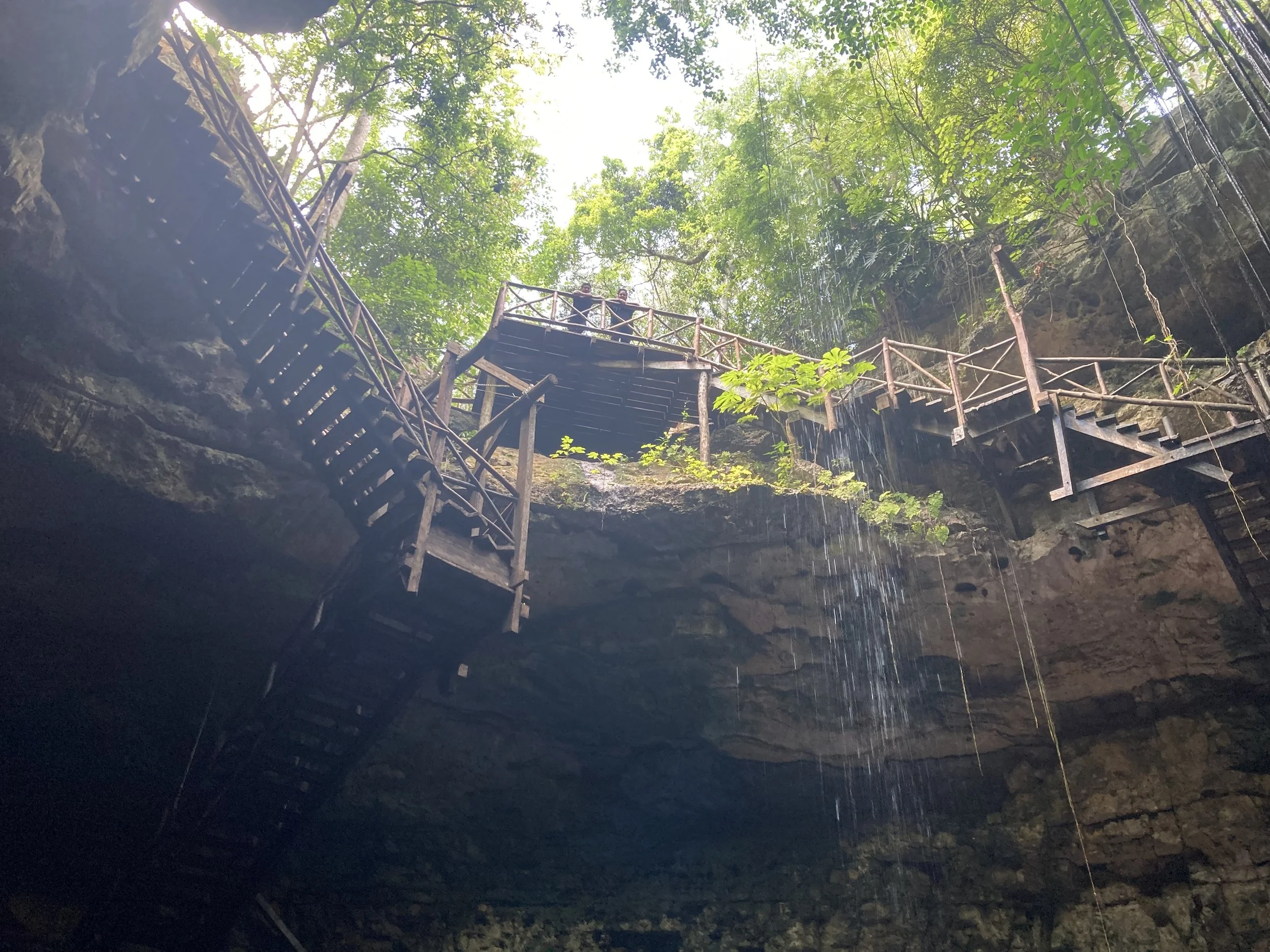
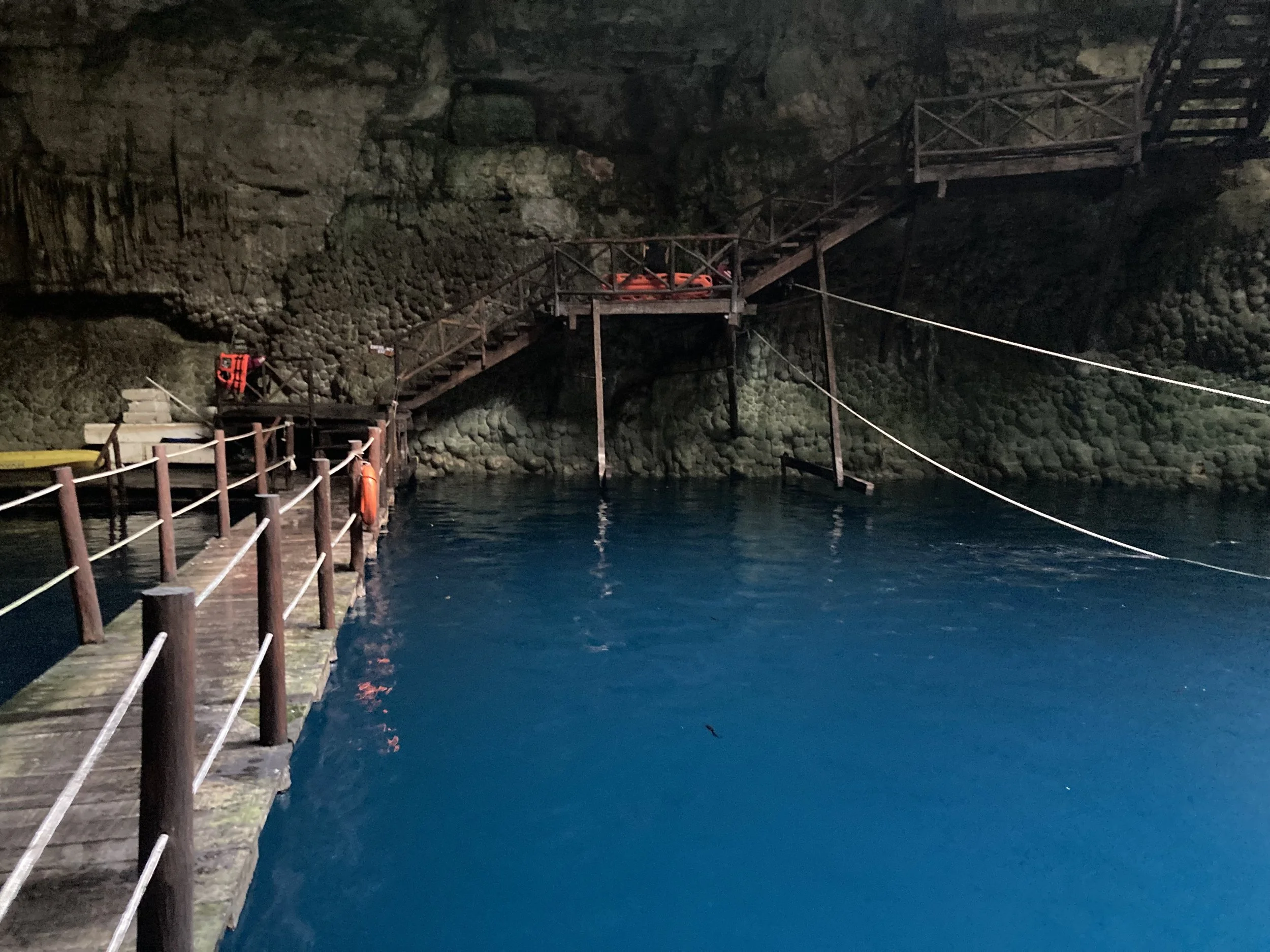
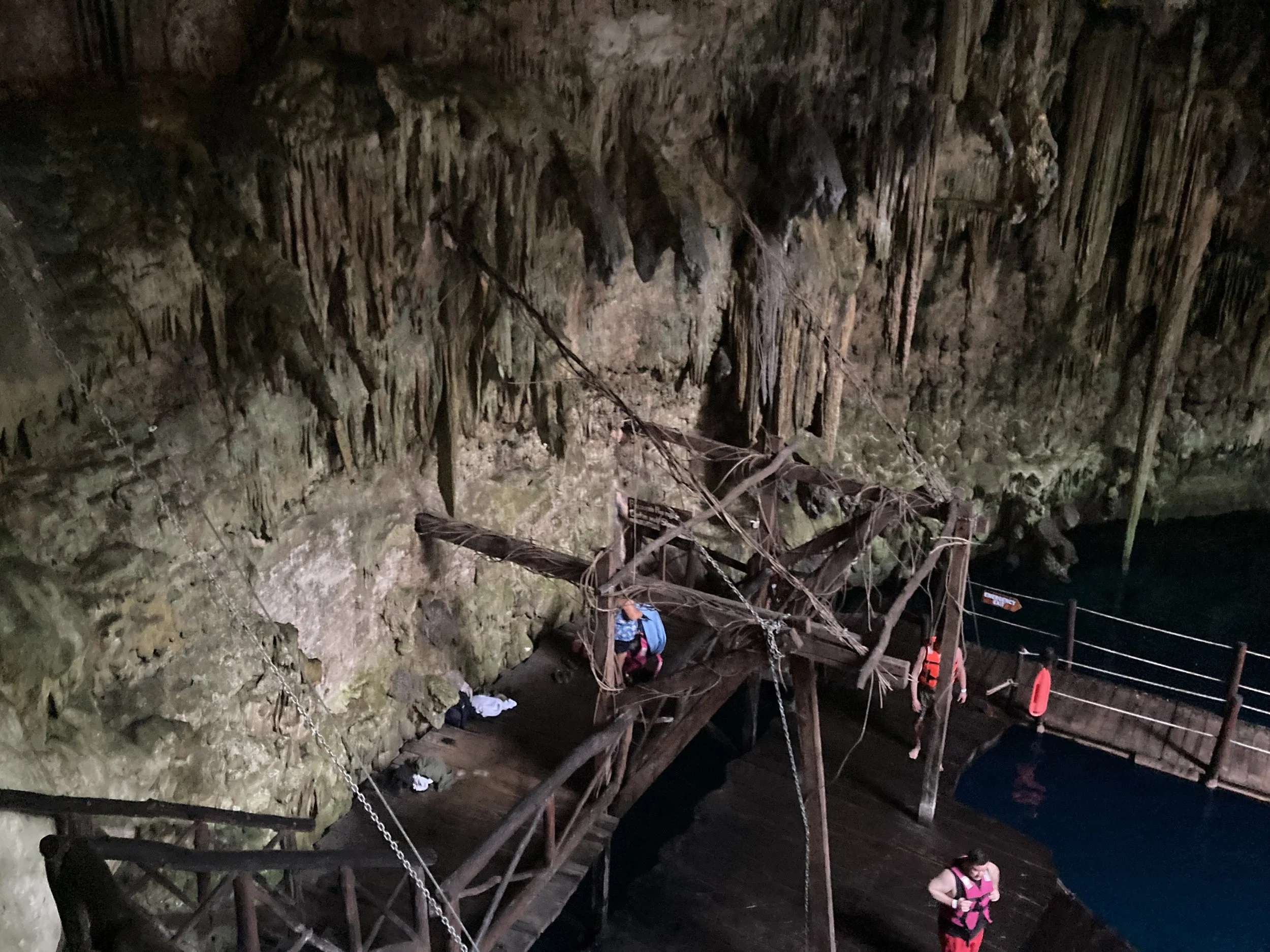
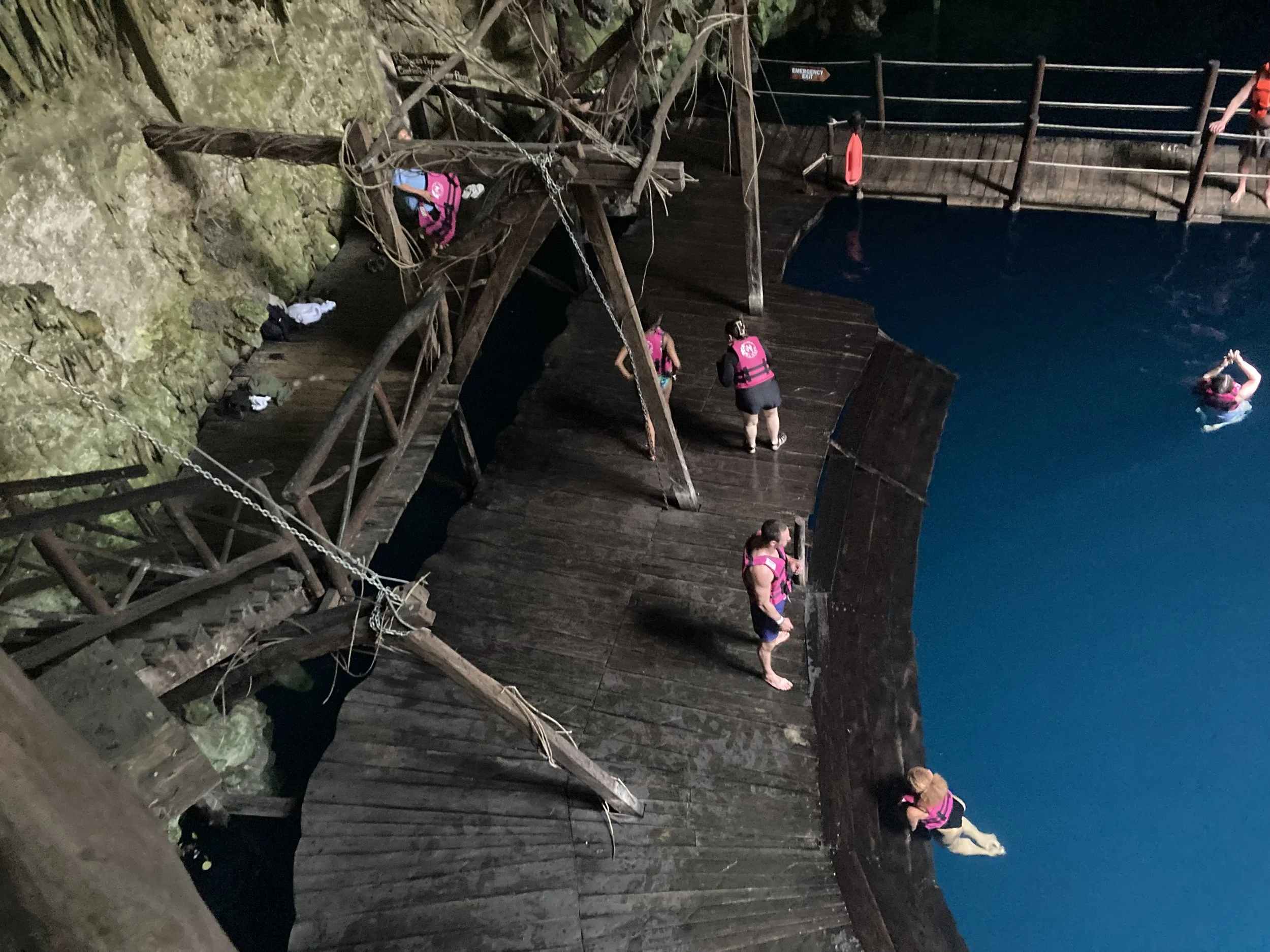
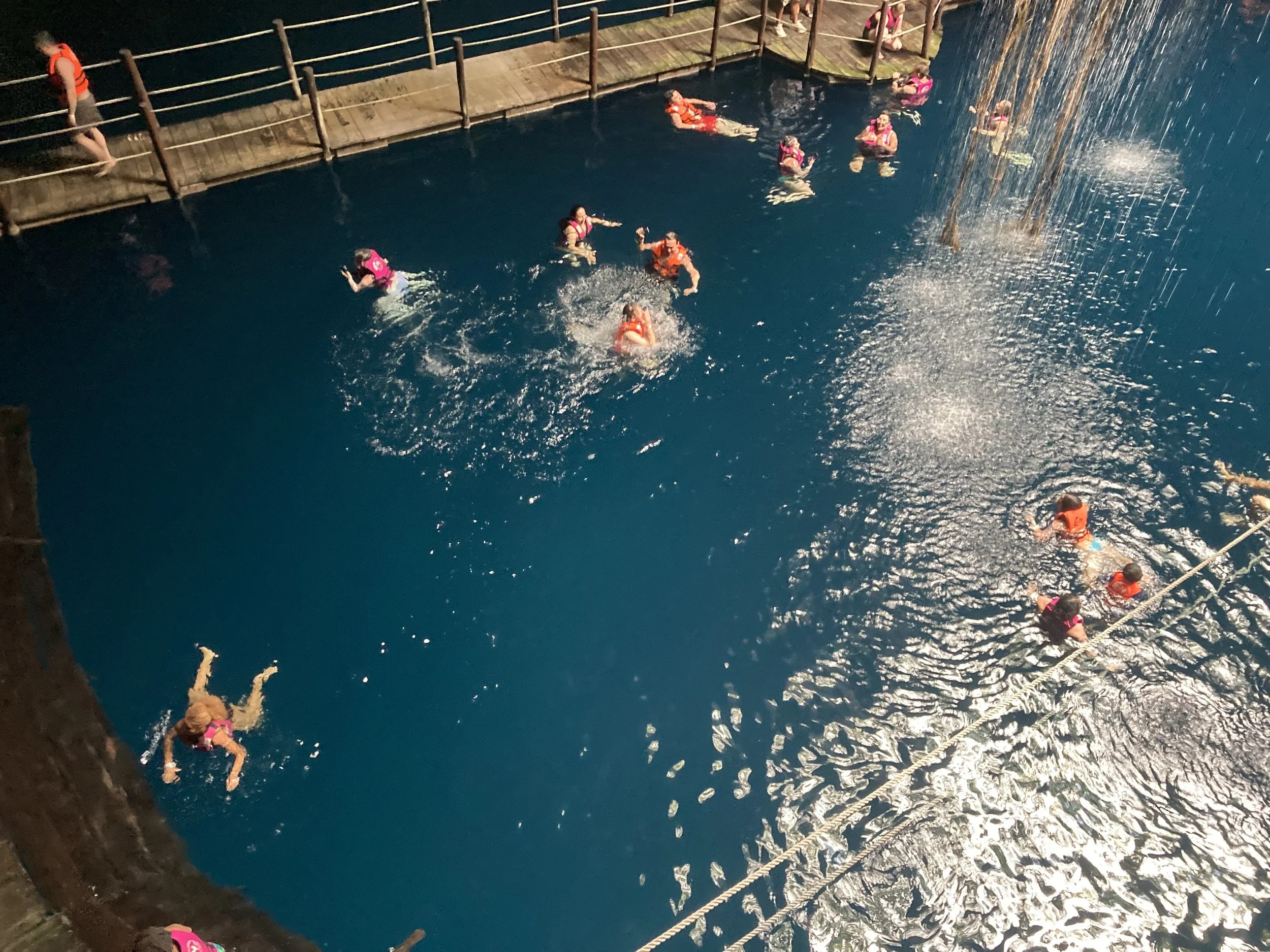
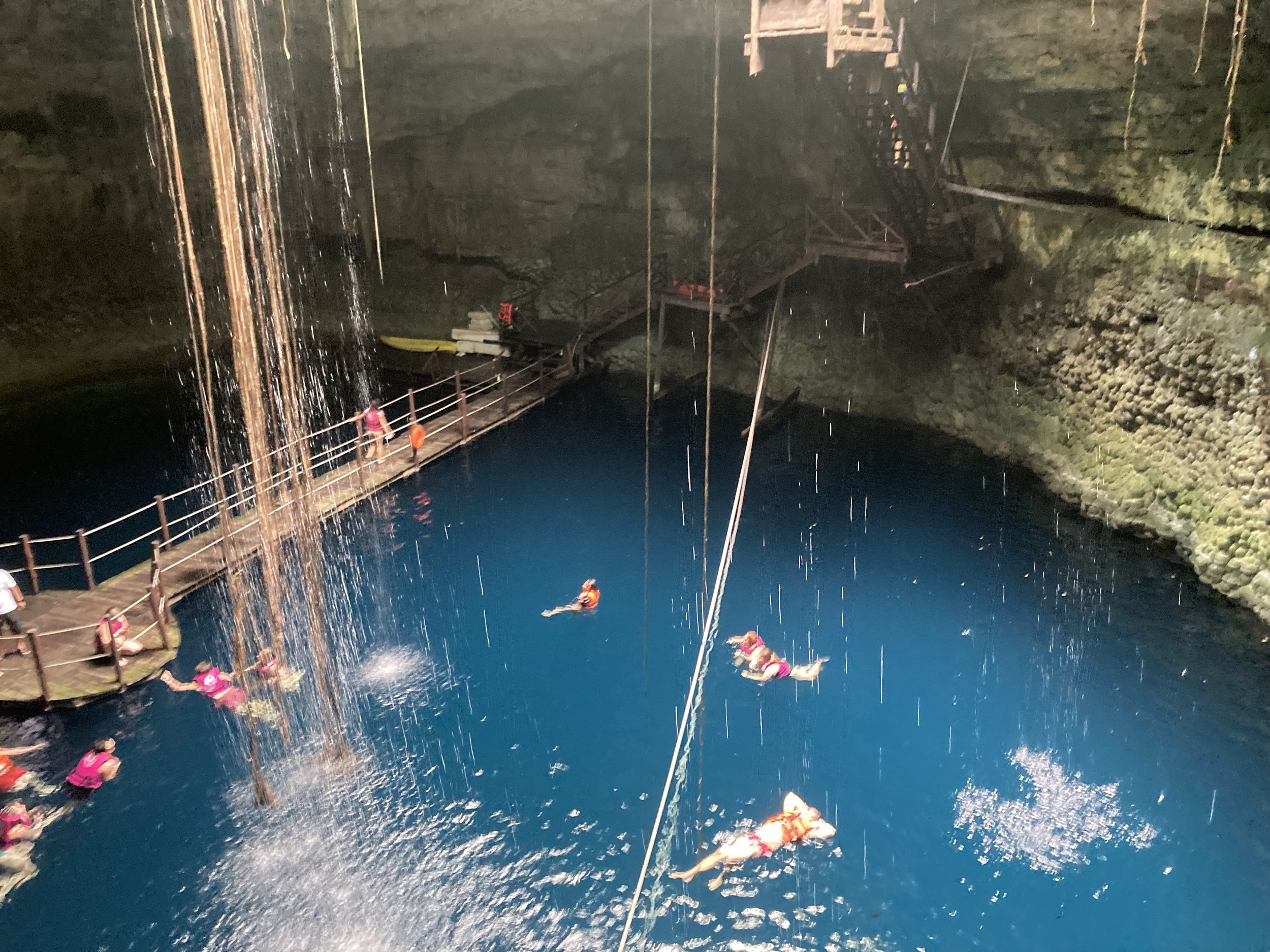
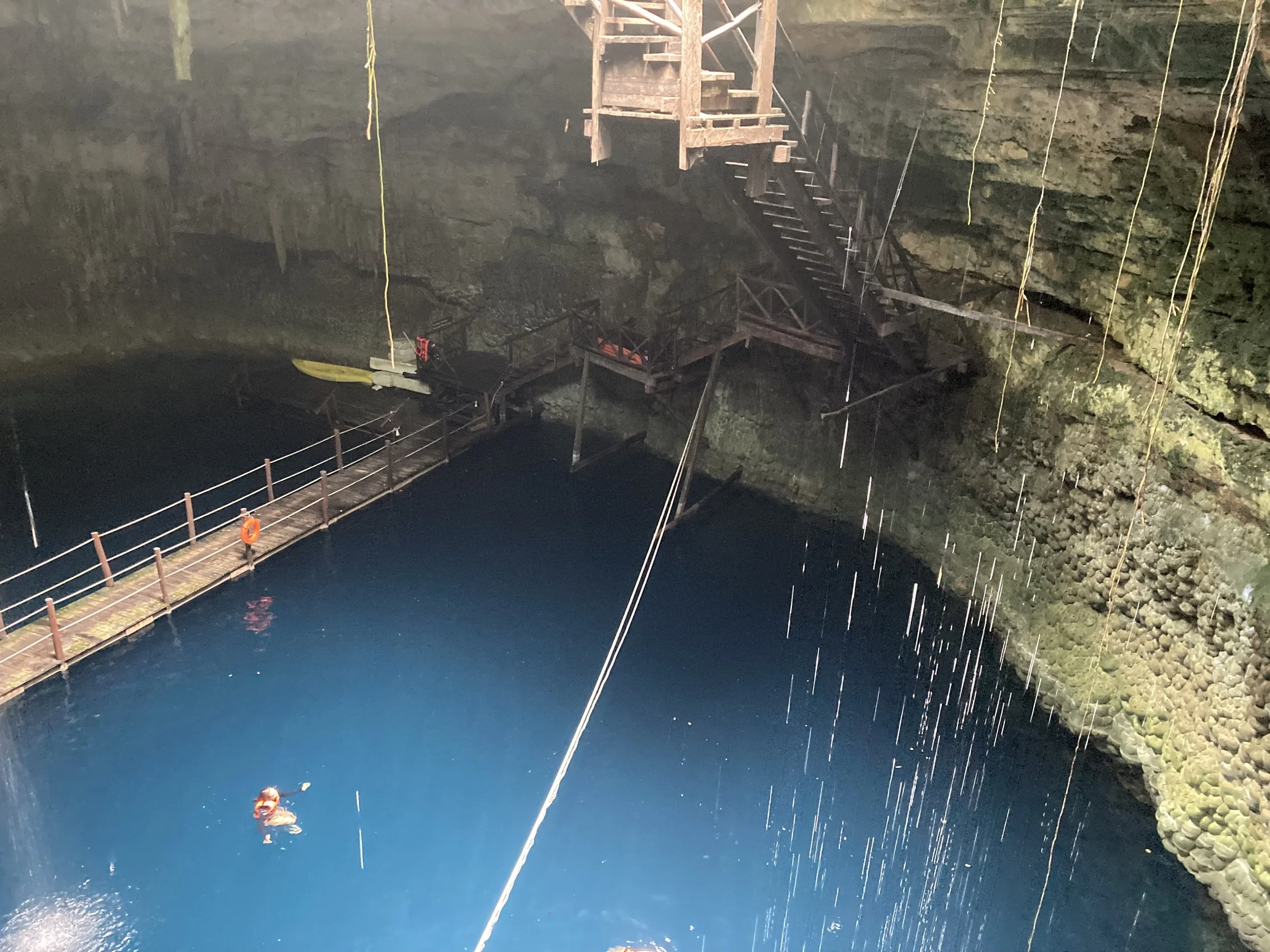
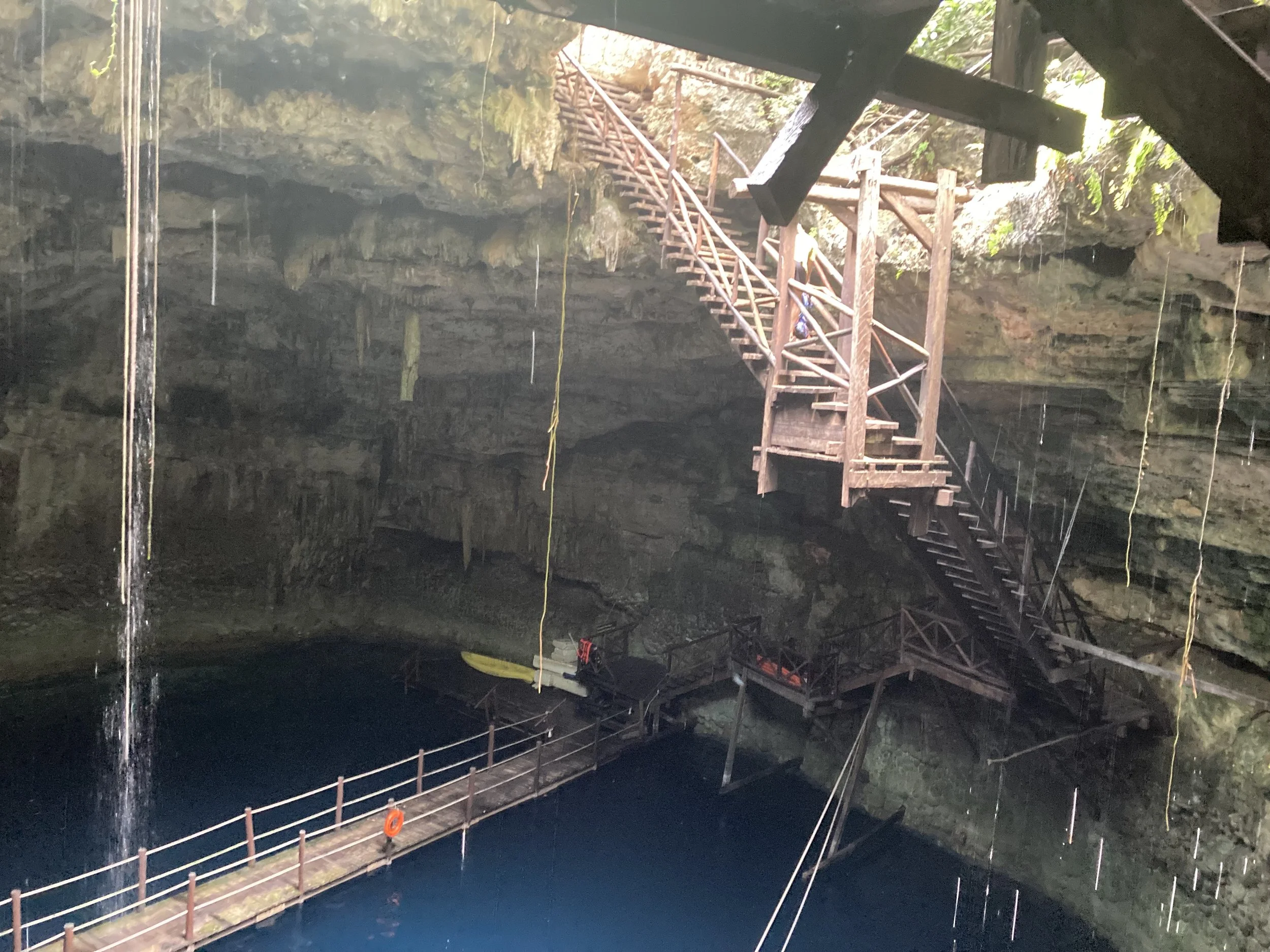
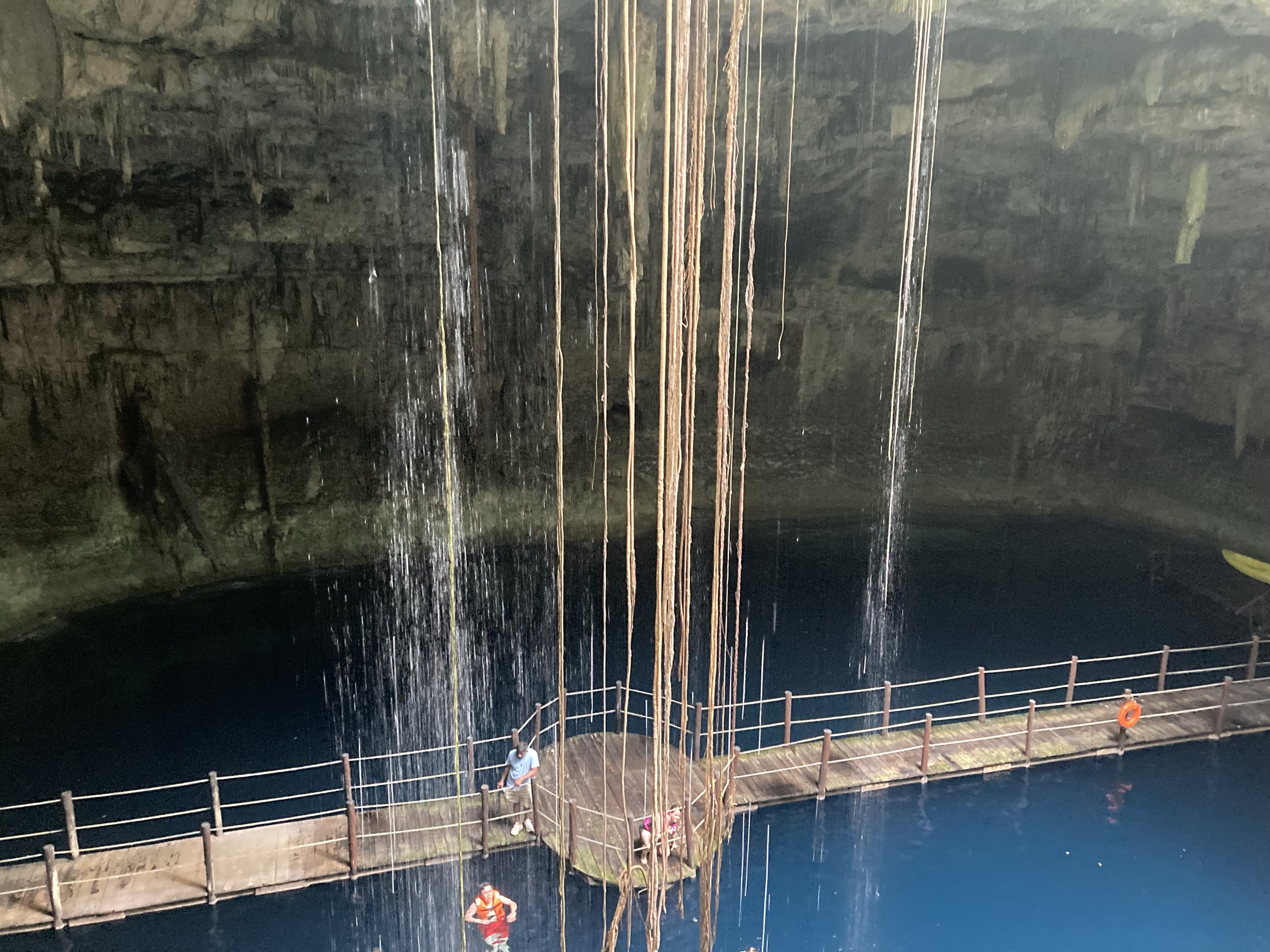
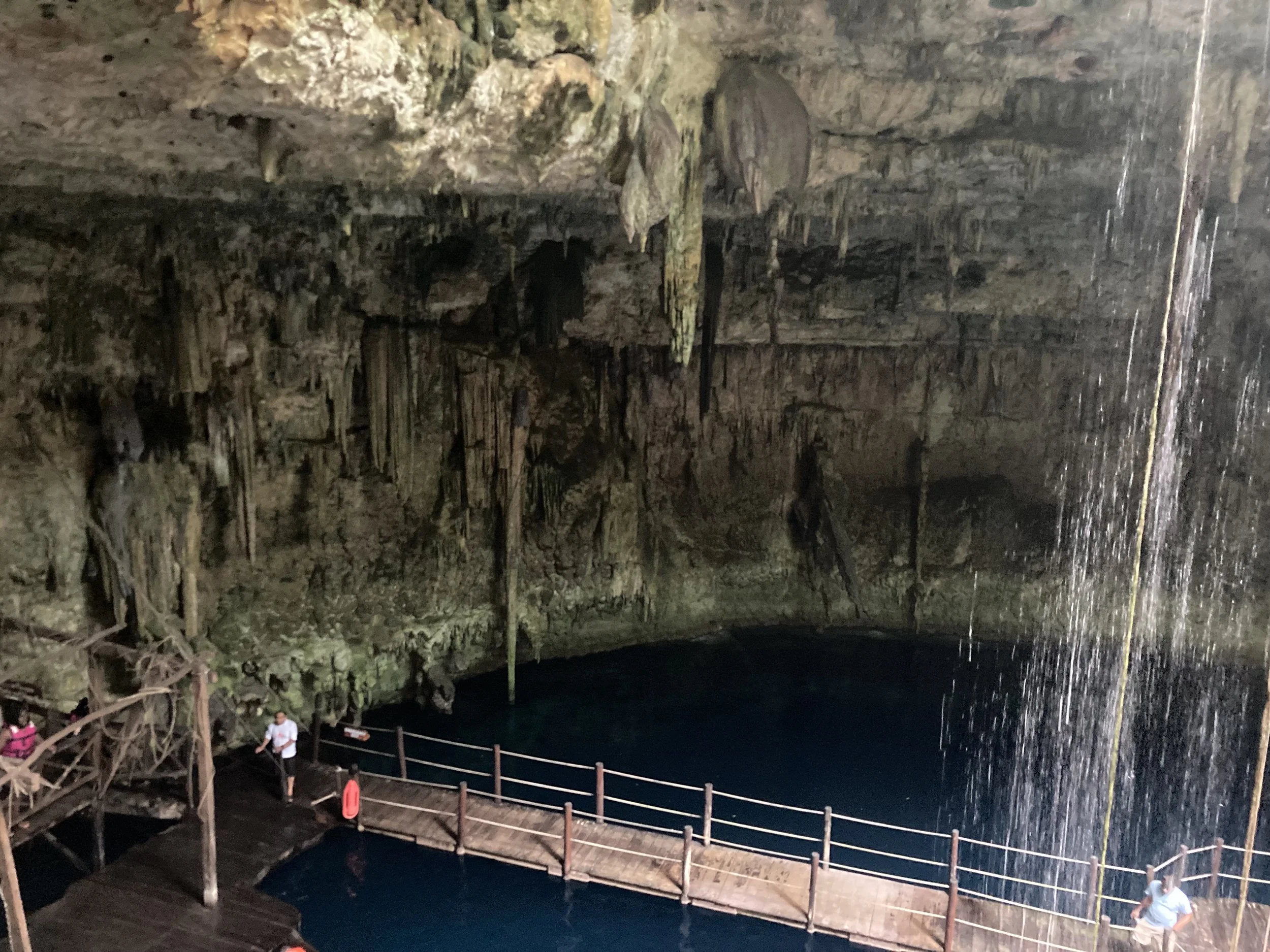
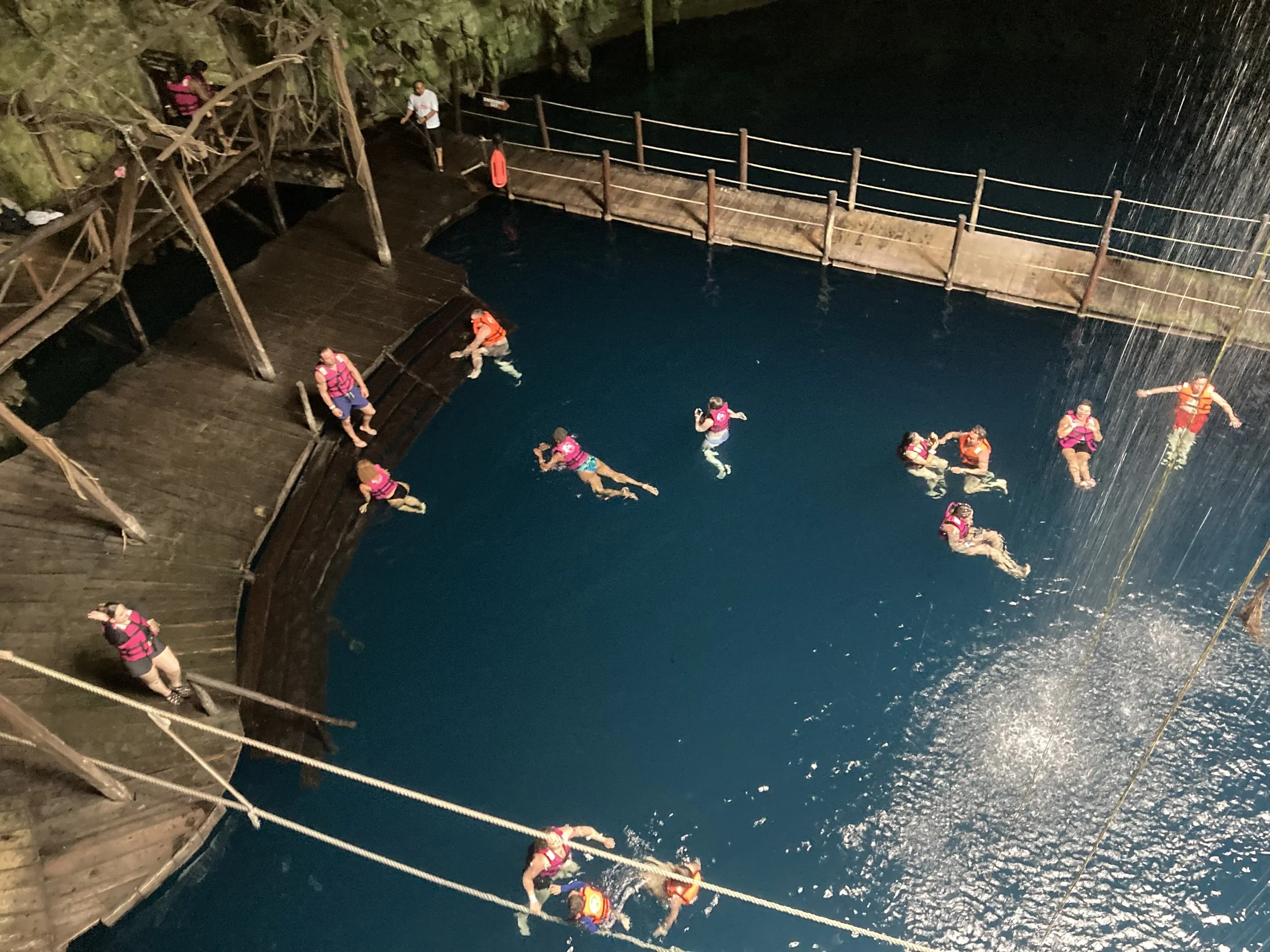
What is a cenote, you ask? Well, I can tell you and I can show you. As I’m a visual learner, let me start with some powerful visuals and then talk about the historical significance and just how awesome it is that we can still do this in 2026.
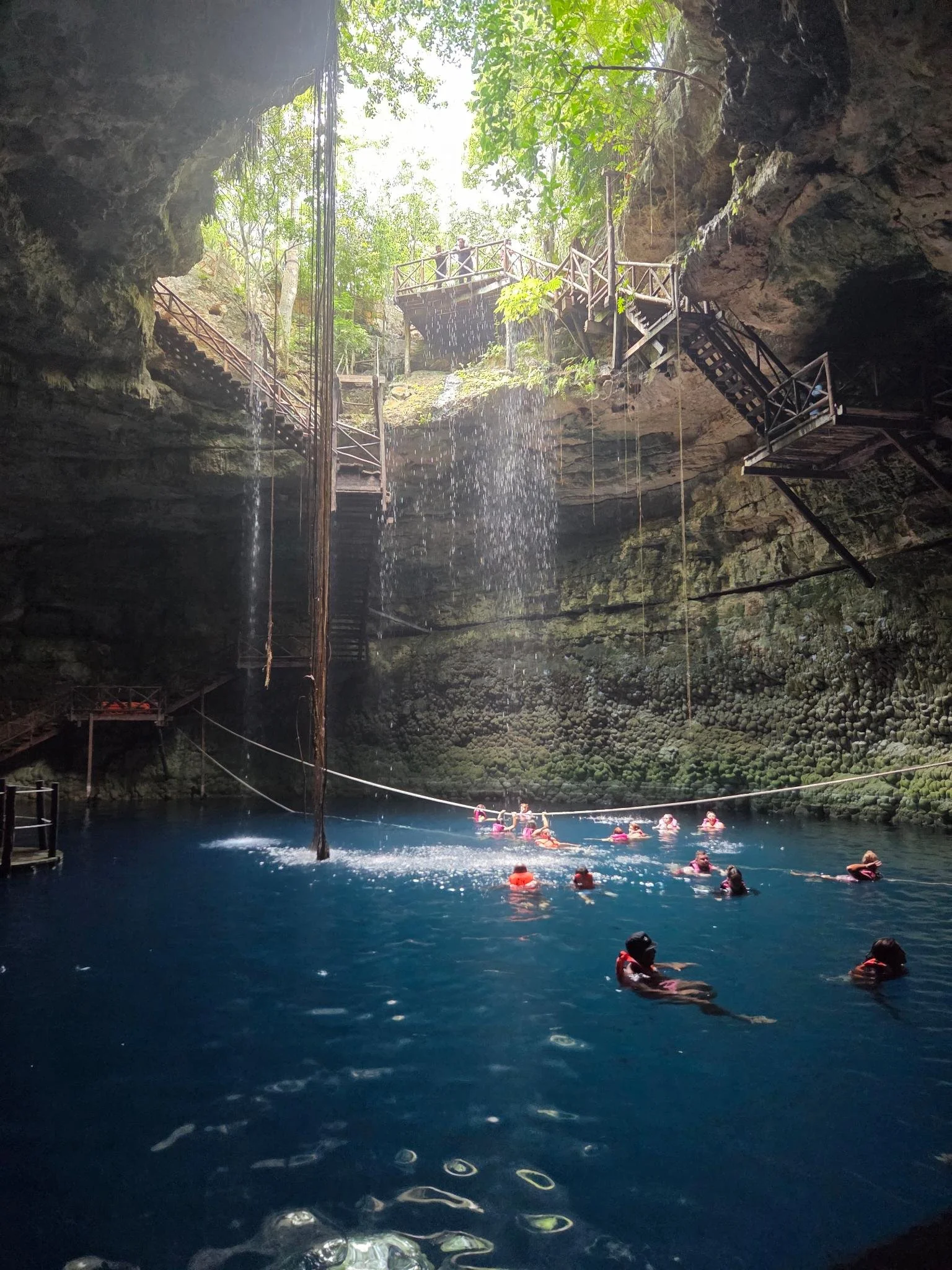
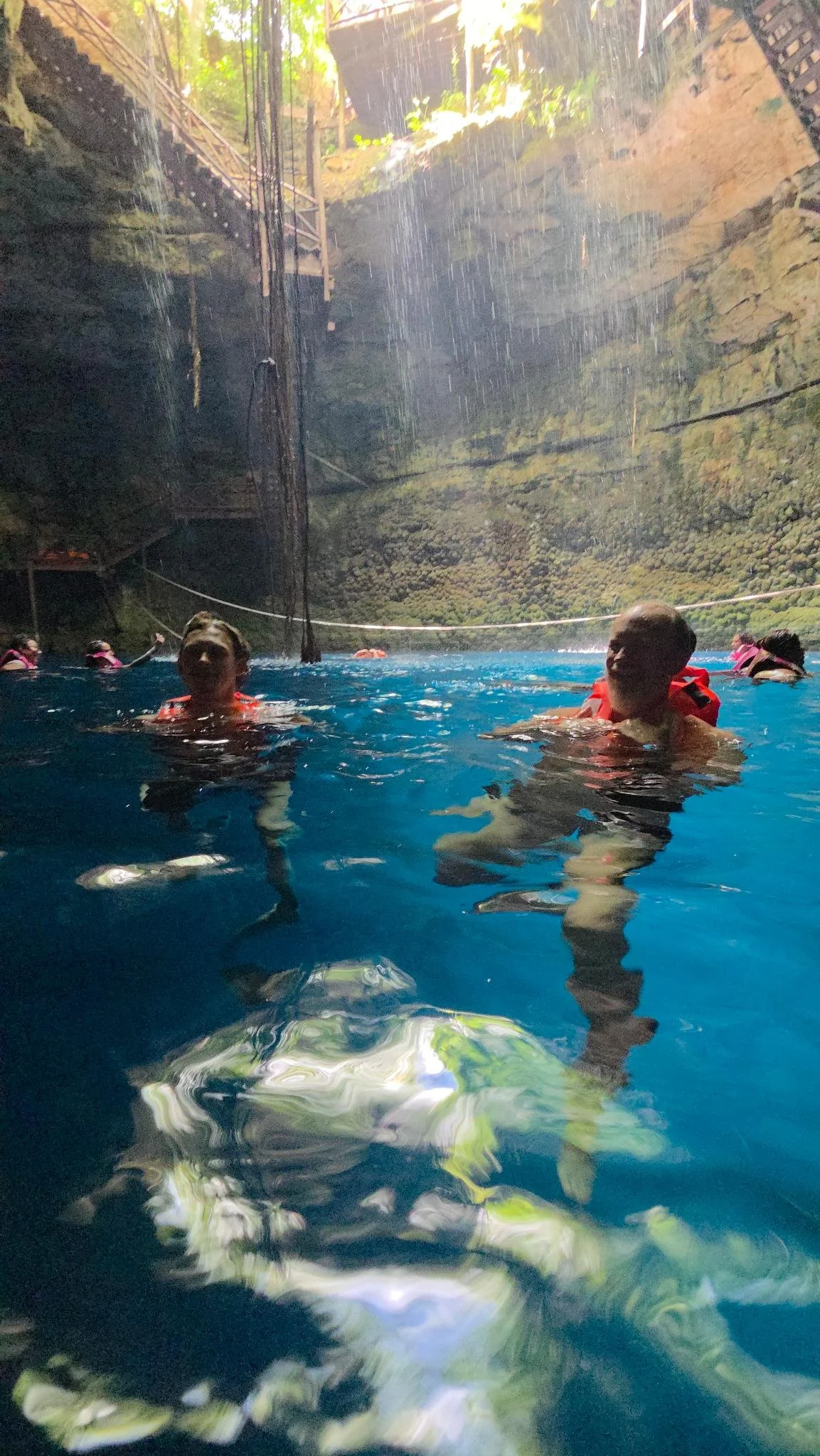
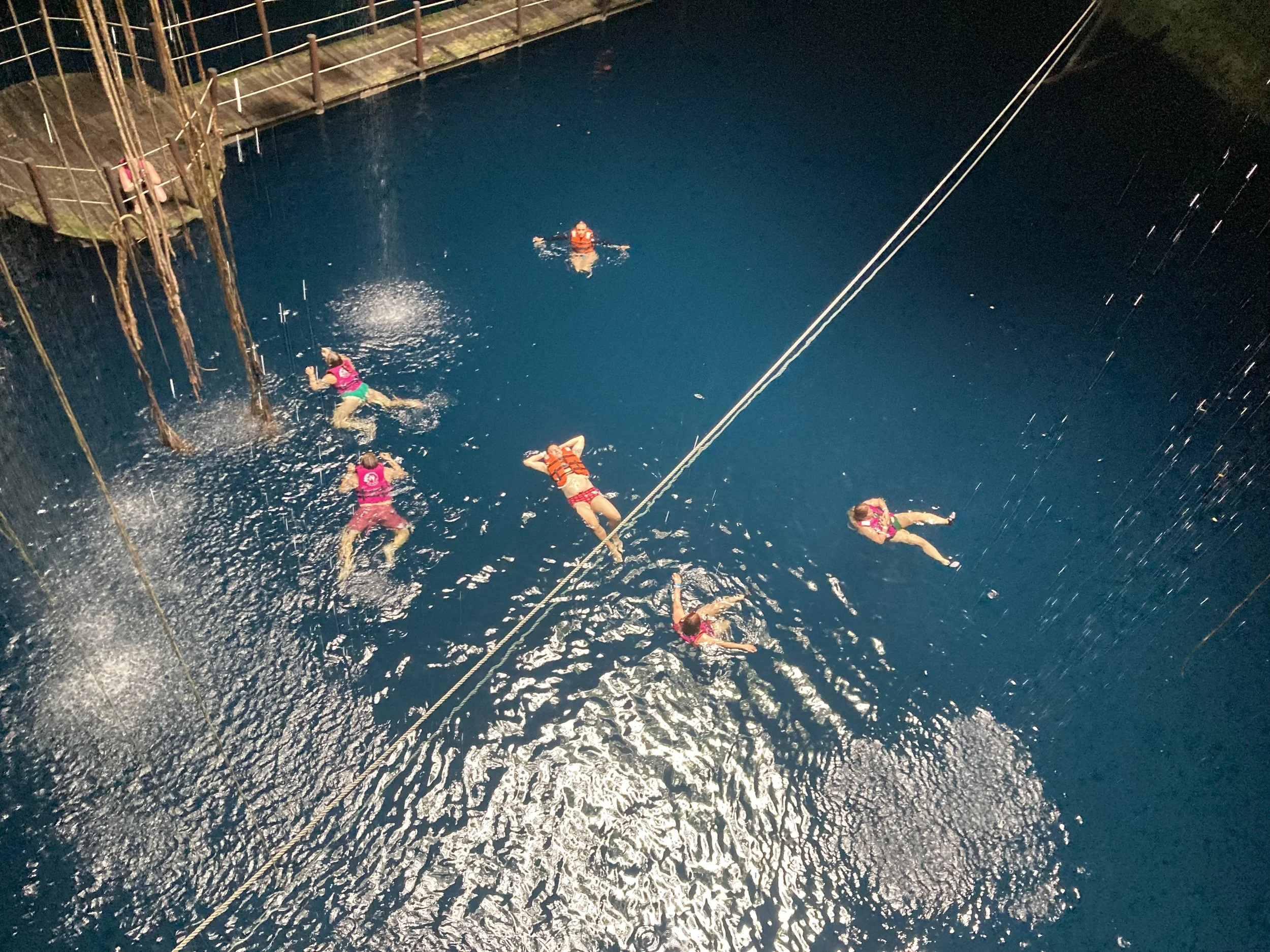
Isn’t this incredibly cool? Both visually and literally on a hot day!
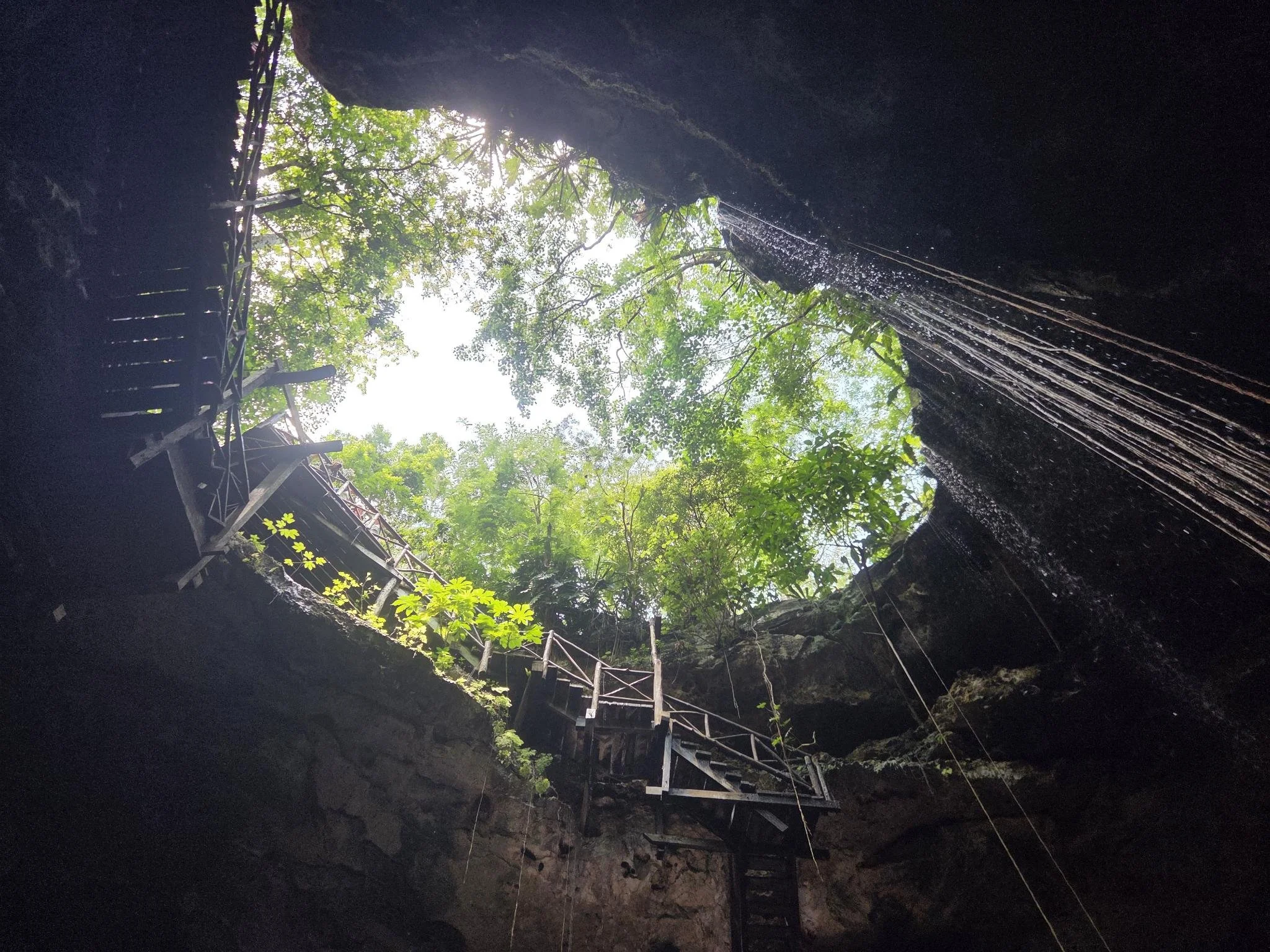
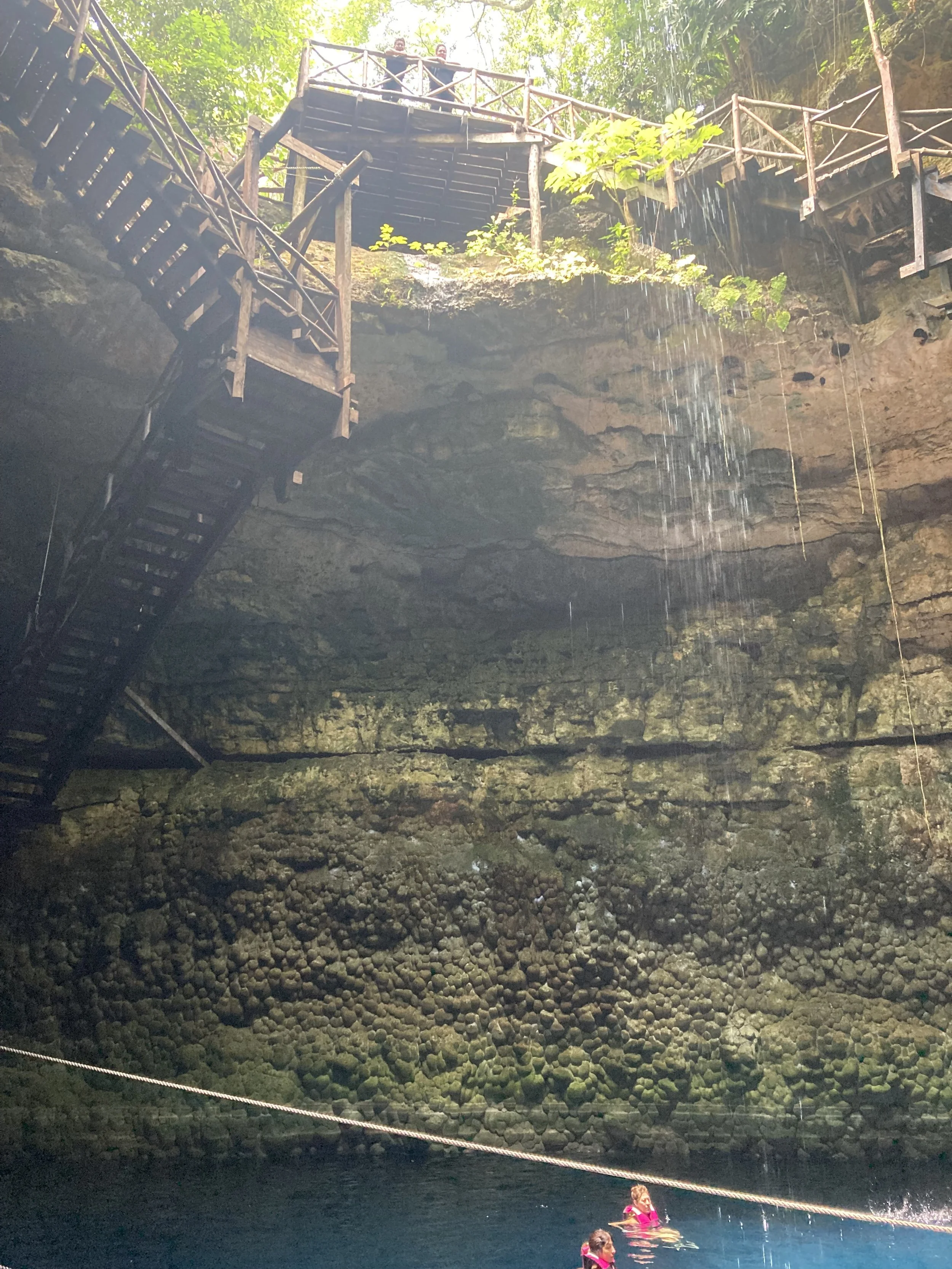
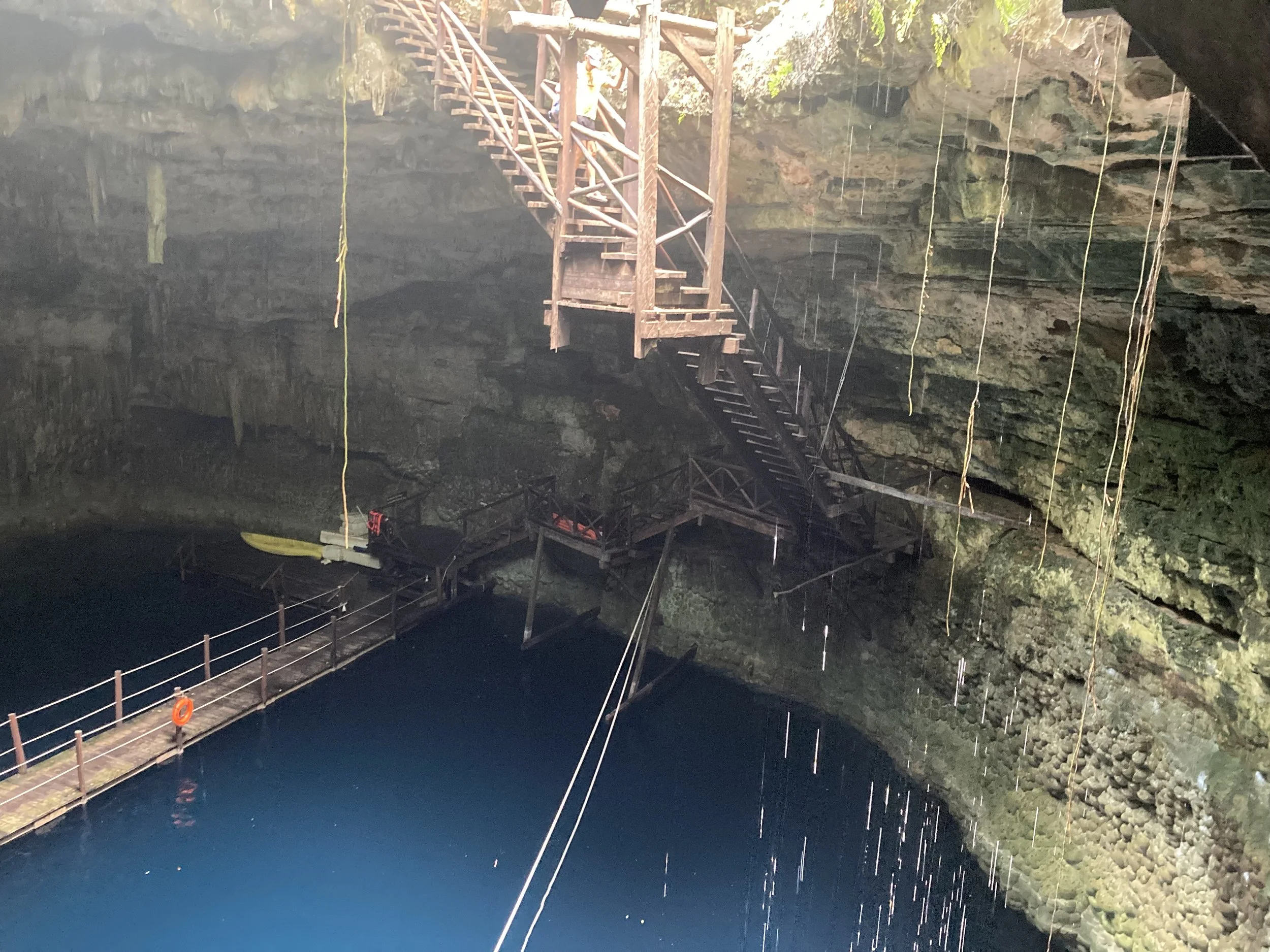
Imagine it’s about 4,000 years ago and you were praying to the gods — possibly about how damn hot it is and how you wish there were a way to cool off despite being hours (or days) from the ocean or rivers. Then suddenly, you see a hole in the ground, look down and see all this water (about 100 meters deep and 30 meters in diameter). Whoa! You get your tribe assemble a rope and construct a ladder so that you all can jump in and still climb back out.
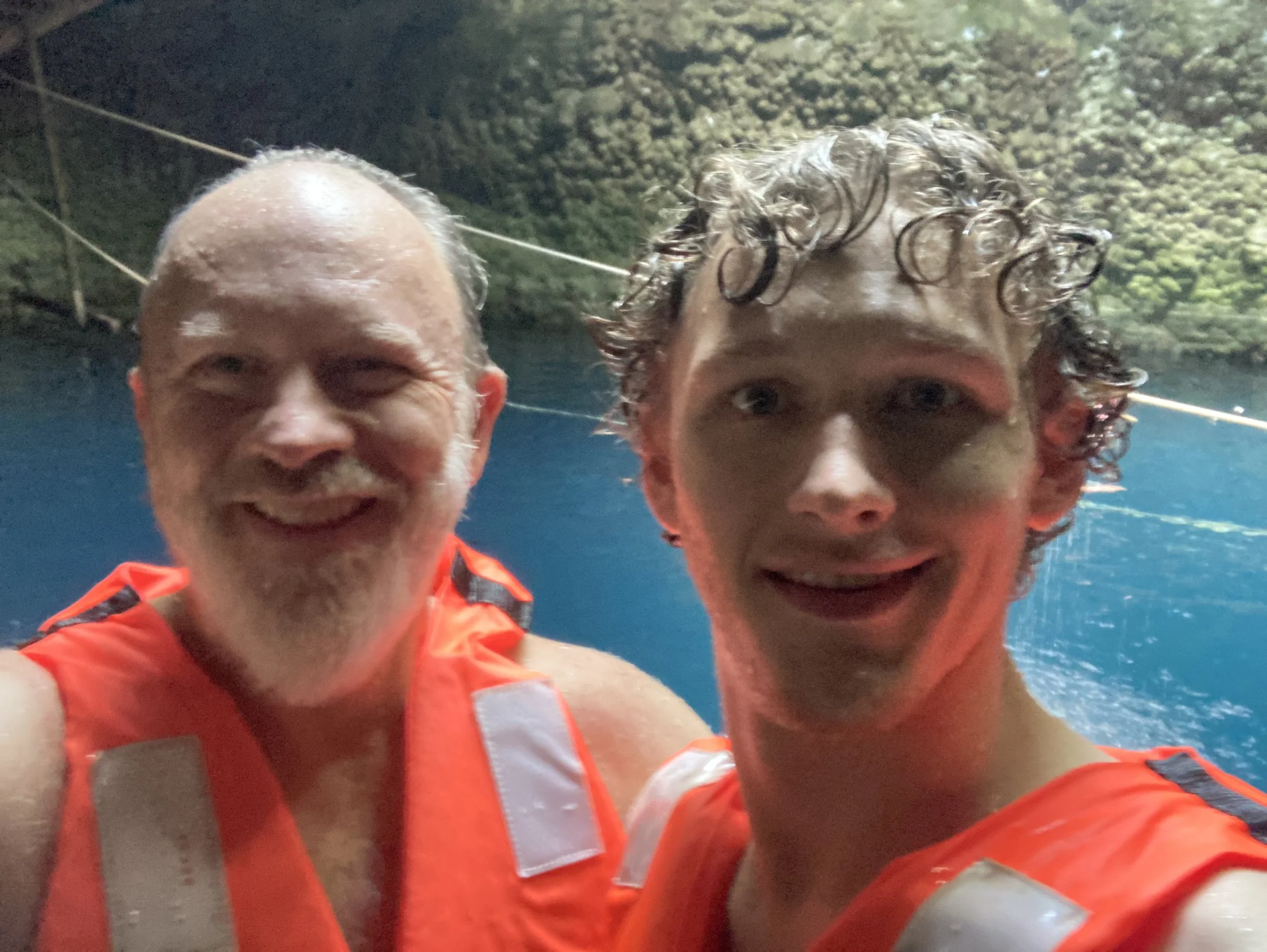
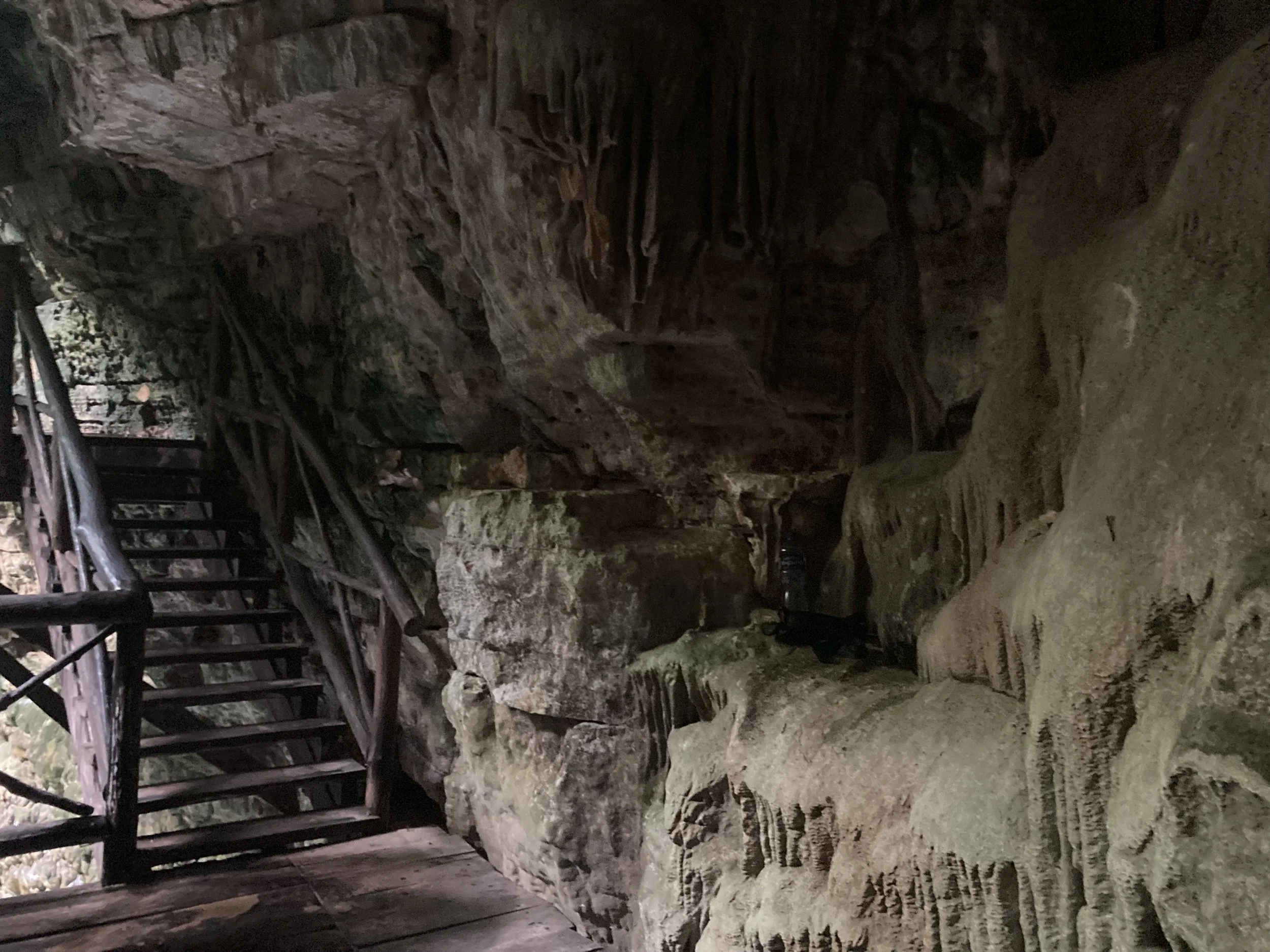
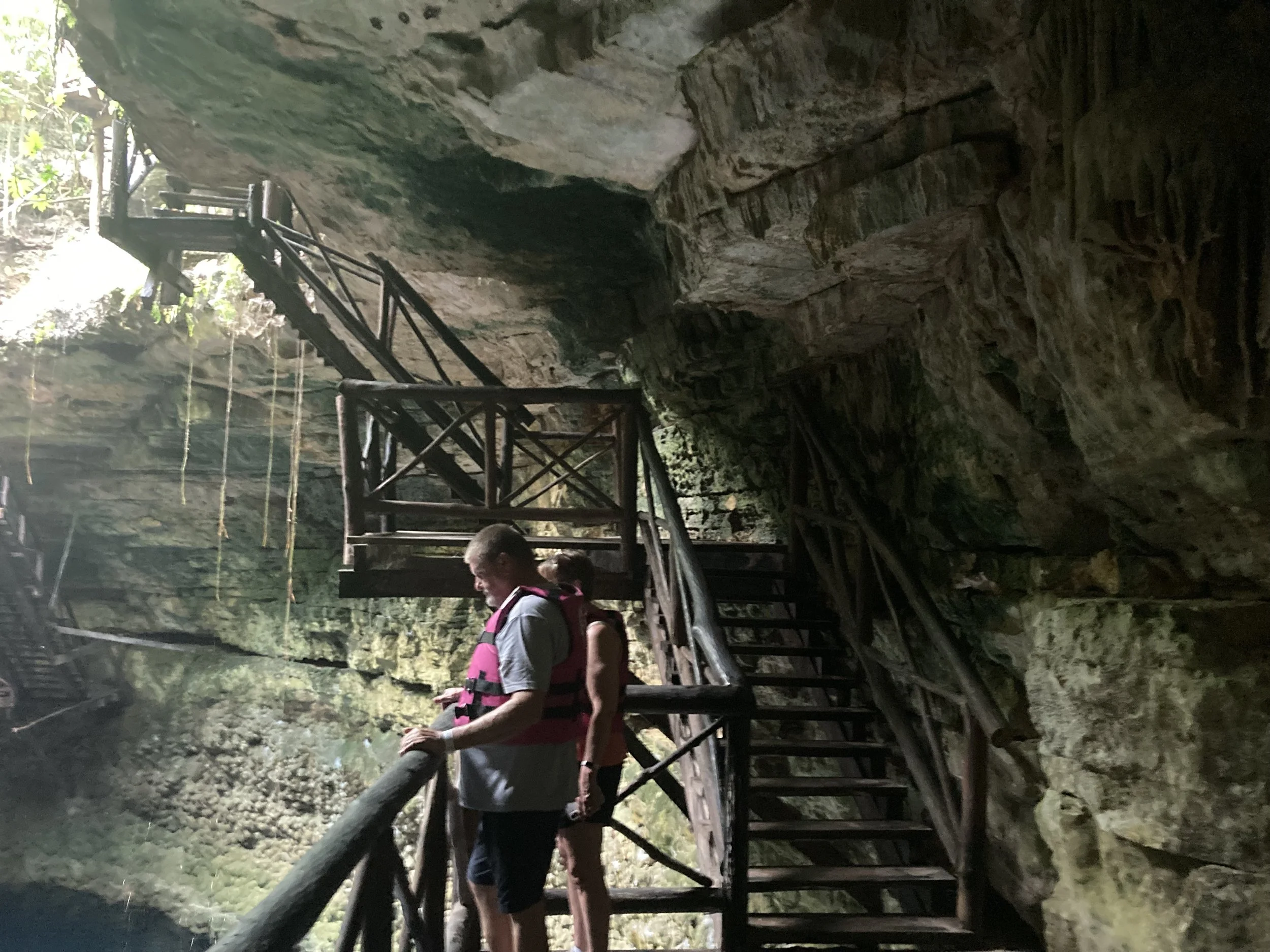
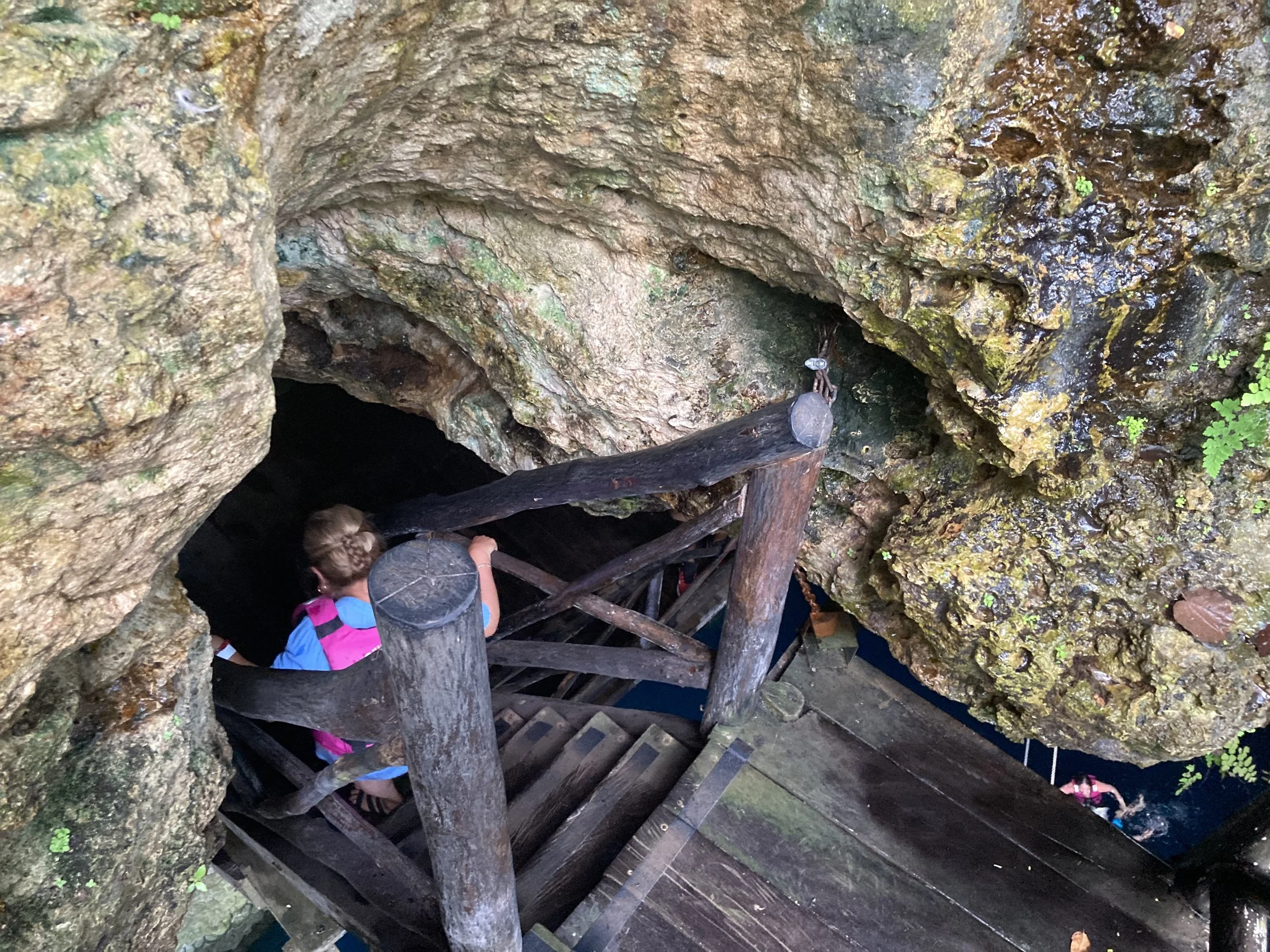
Or, you are here in 2026, rent a life jacket and take the stairs down ;-)
Here’s the historical context thanks to a combination of Wikipedia and Google Gemini:
A cenote (pronounced say-NO-tay) is a natural, water-filled sinkhole formed by the collapse of limestone bedrock, exposing groundwater beneath. Primarily found on Mexico's Yucatán Peninsula, these stunning, crystal-clear, freshwater pools were created over thousands of years and were considered sacred portals to the underworld by the ancient Maya.
Key Details About Cenotes:
Formation: They are created when acidic rain dissolves limestone, causing cave roofs to collapse, which exposes the underground rivers beneath.
Types: They come in four main varieties: open (completely exposed), semi-open (partially covered), closed (fully in a cave), and deep open.
Cultural Significance: The Mayans called them ts’ono’ot (any location with accessible groundwater) and used them for water supplies and ritual sacrifices.
Location: While they exist elsewhere, they are most famous in the Riviera Maya/Yucatán region, where there are thousands.
Recreation: Cenotes are popular for swimming, snorkeling, and diving due to their refreshing, cool temperatures and clear water.
Types of Cenotes
Open: Look like natural swimming pools.
Semi-open: Feature dramatic openings where light streams through.
Closed/Cavern: Located inside caves, often featuring stalactites and stalagmites.
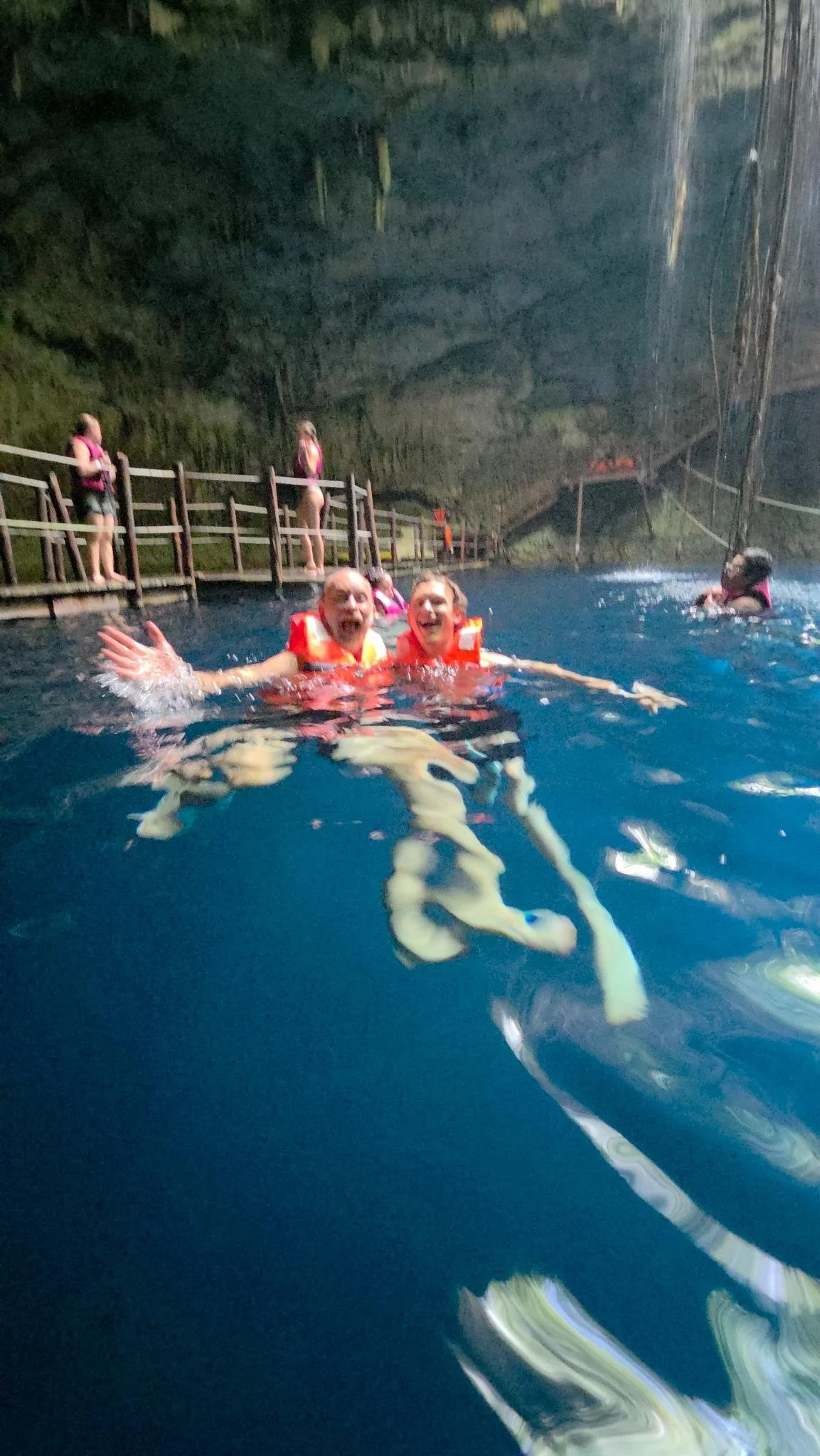
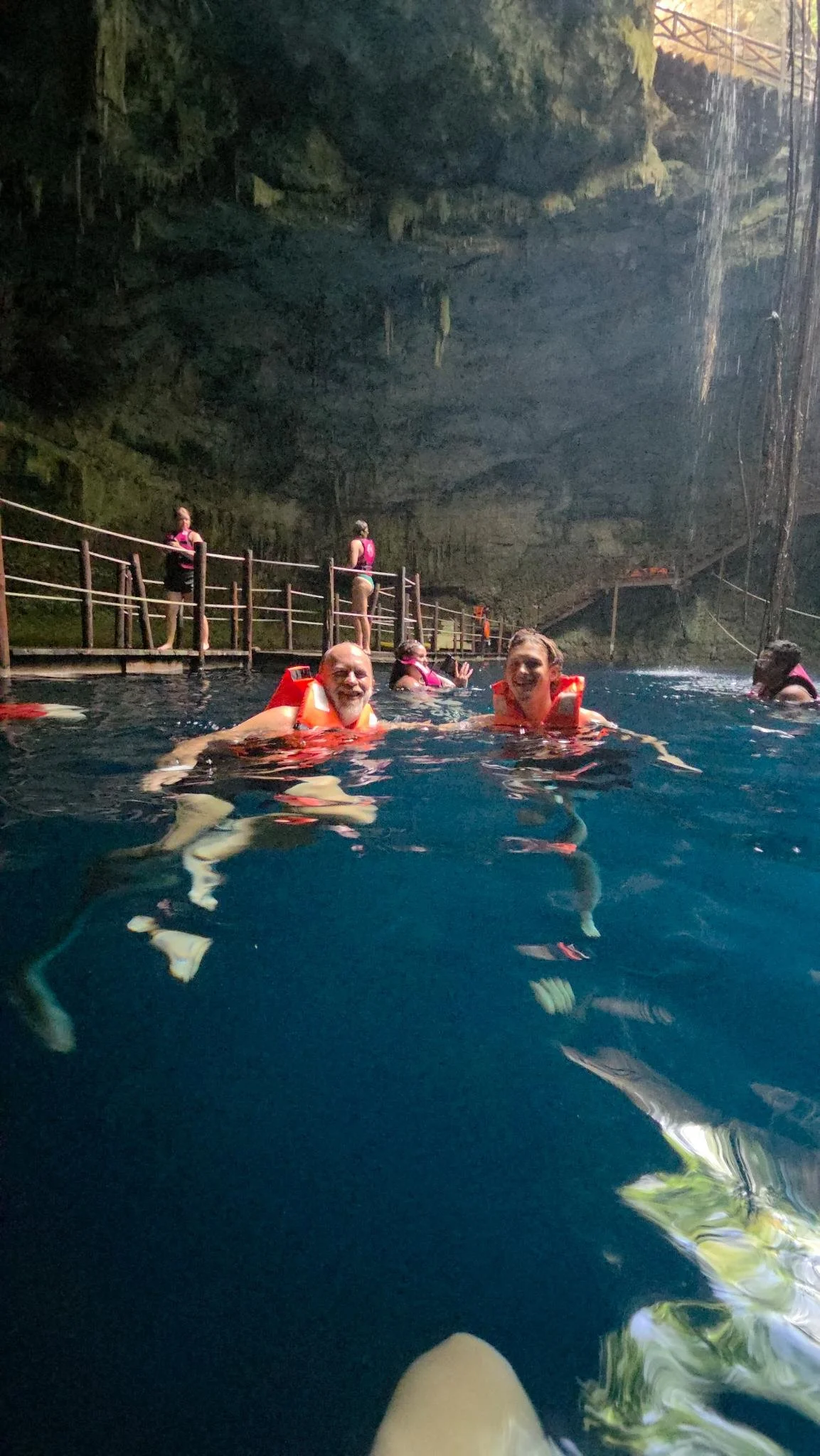
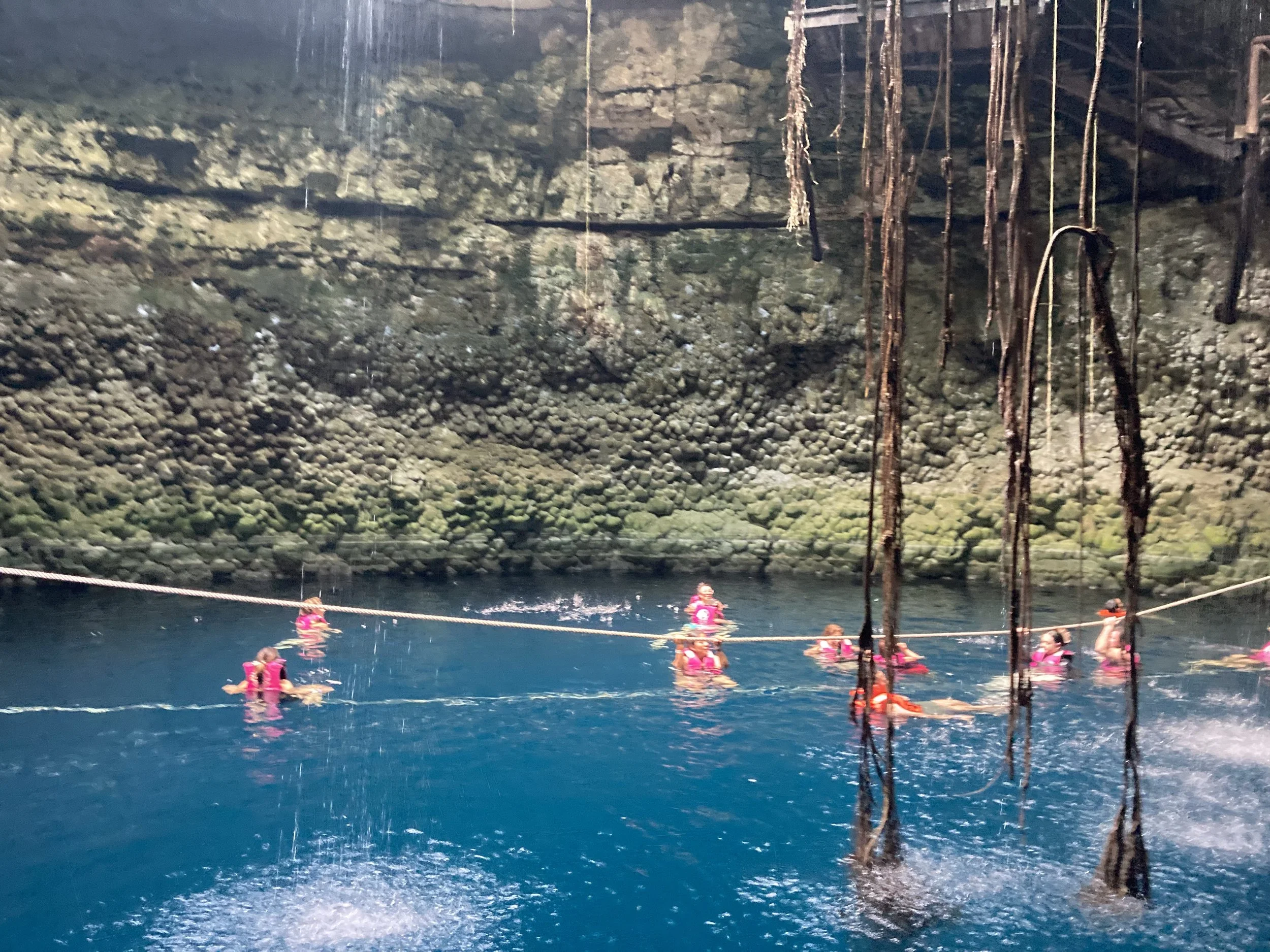
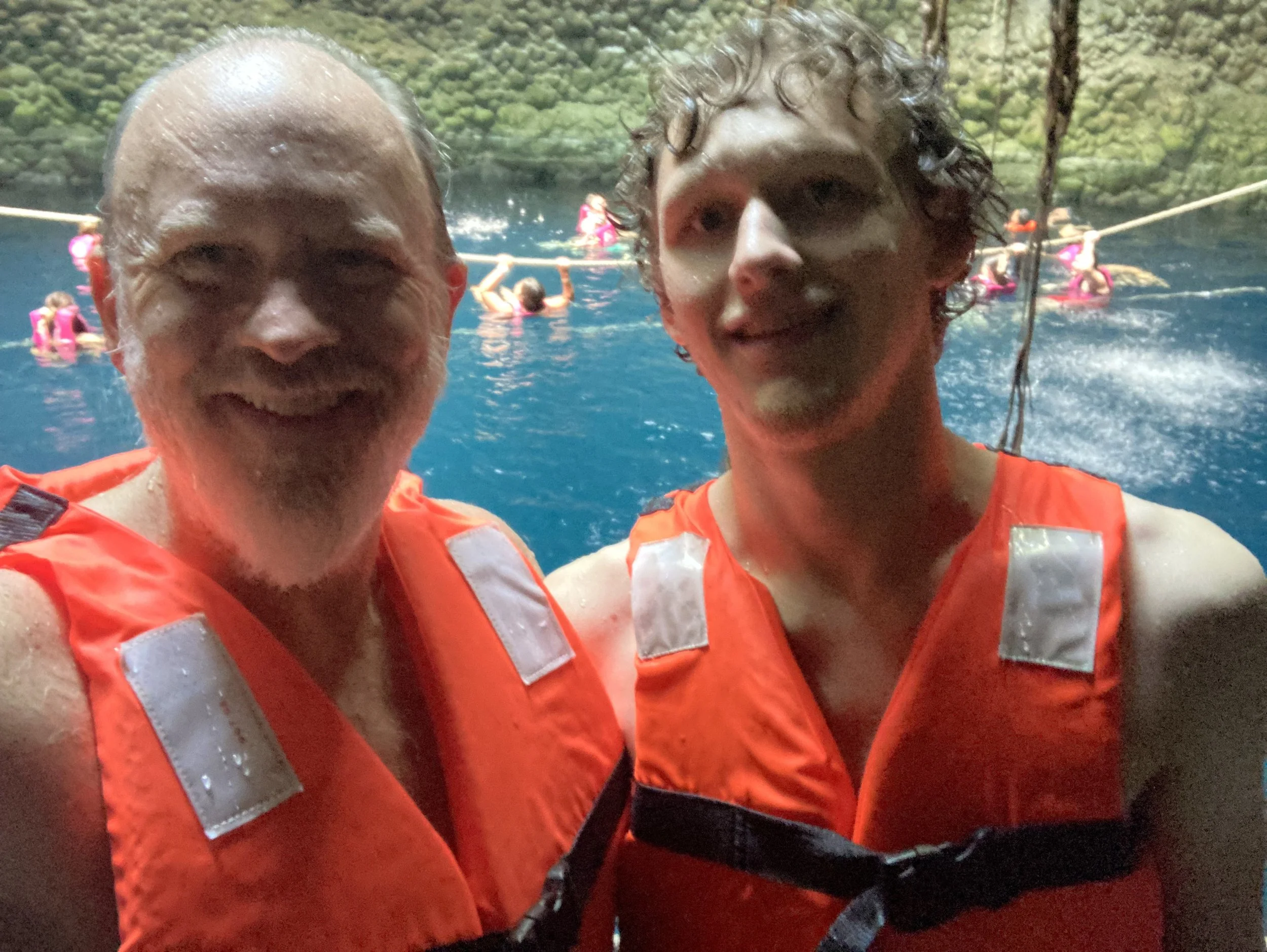
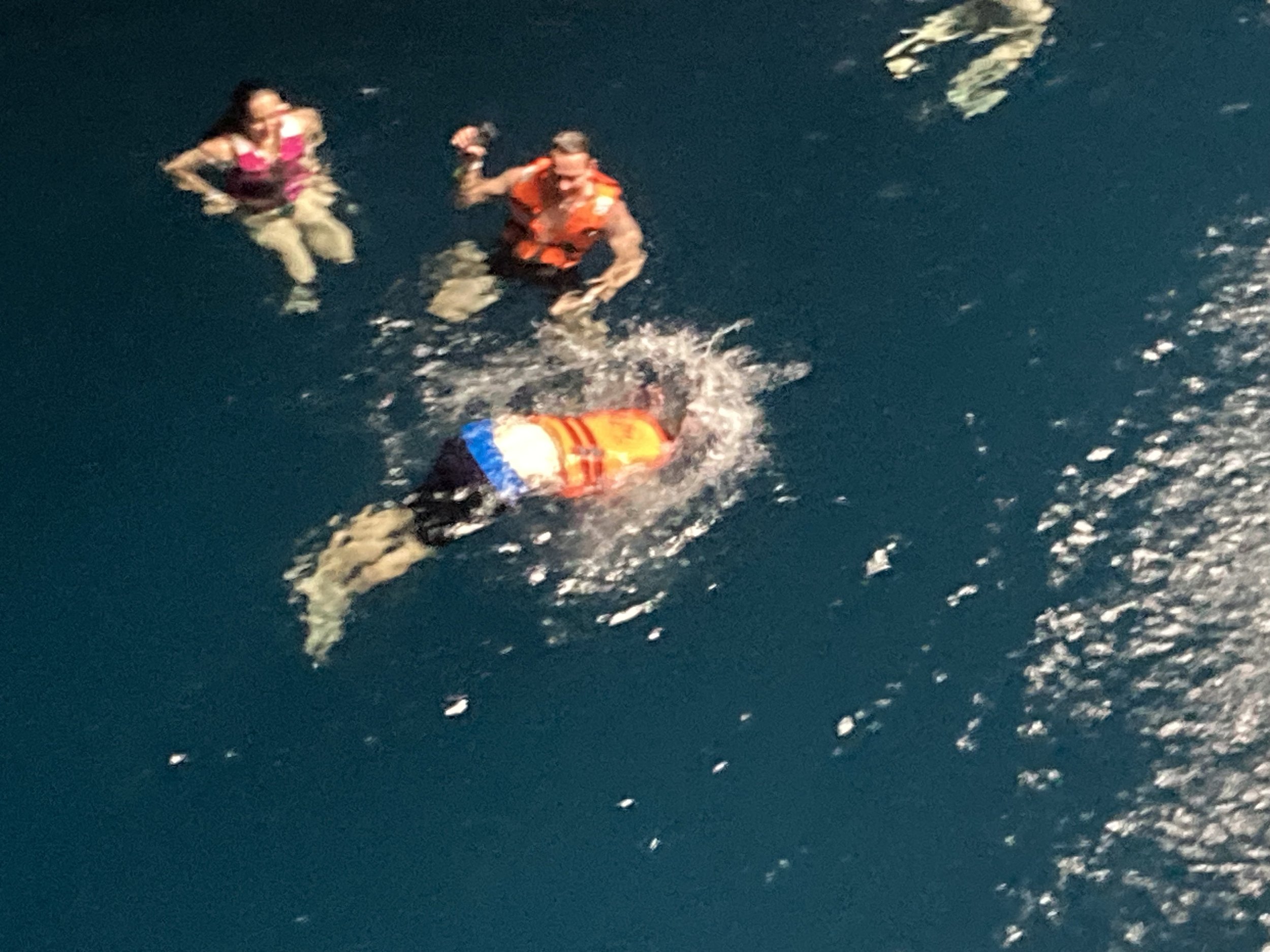
Picture courtesy of Thomas Haskan, a Navy Seal living in Denver, CO
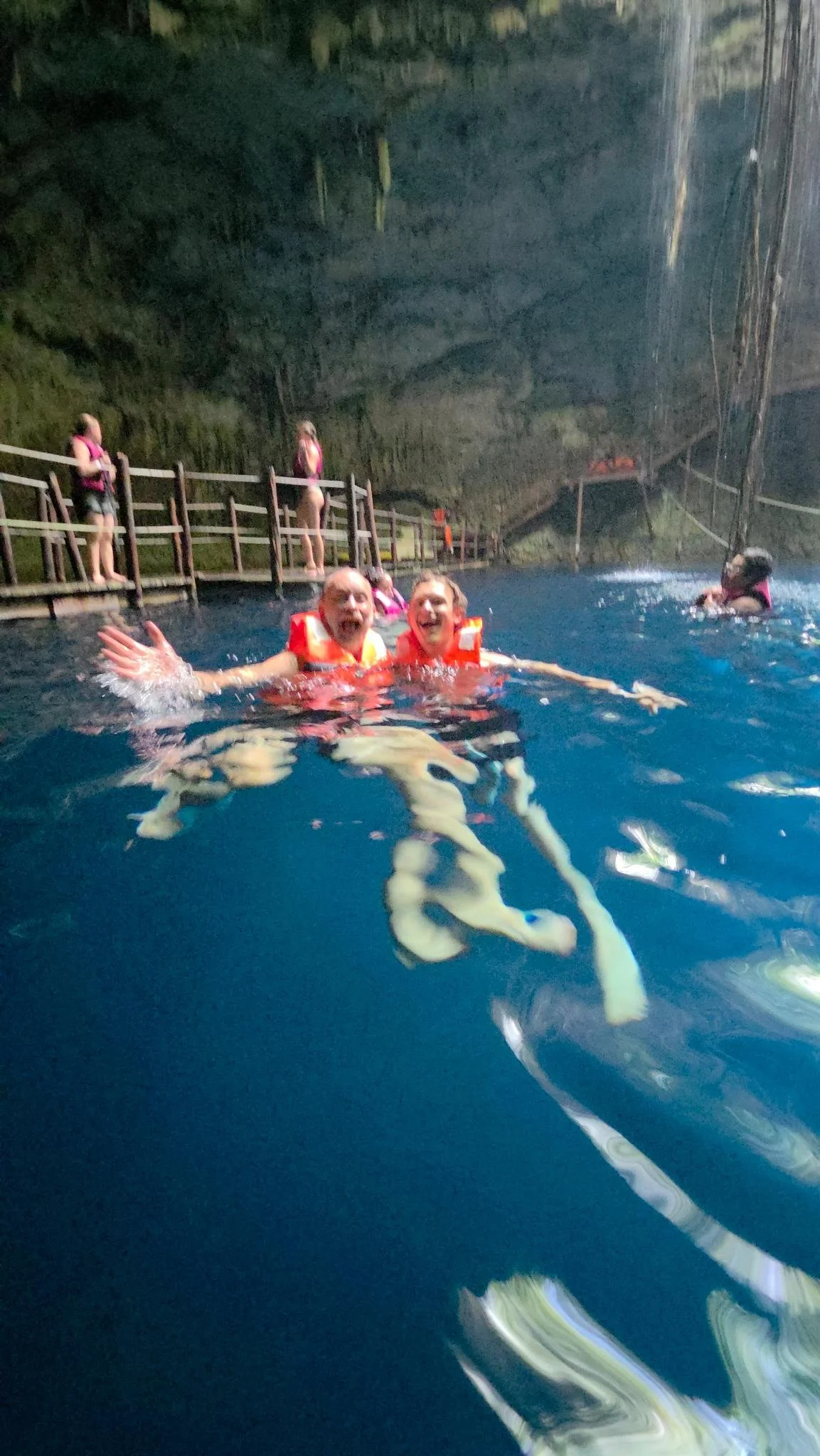
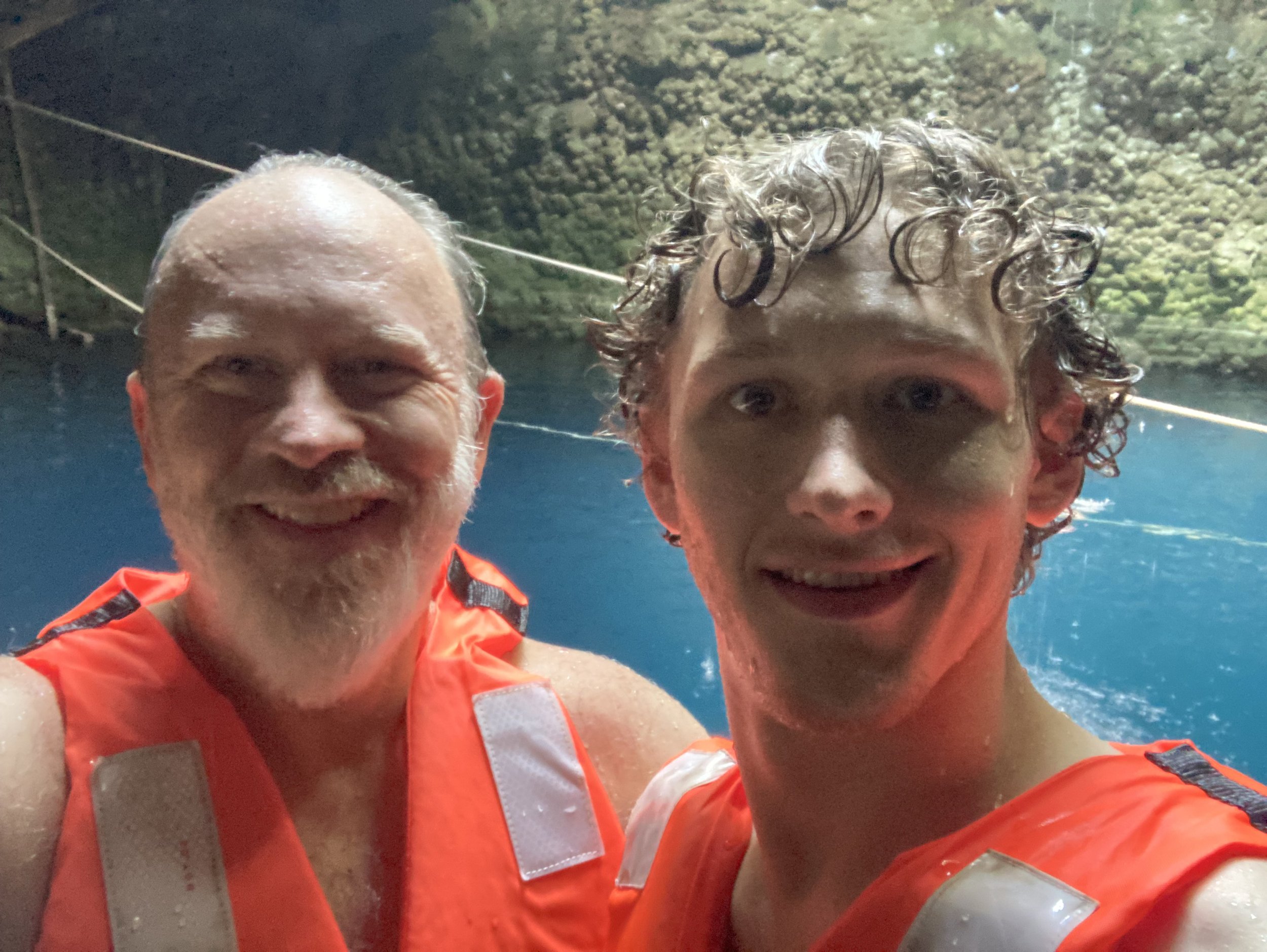
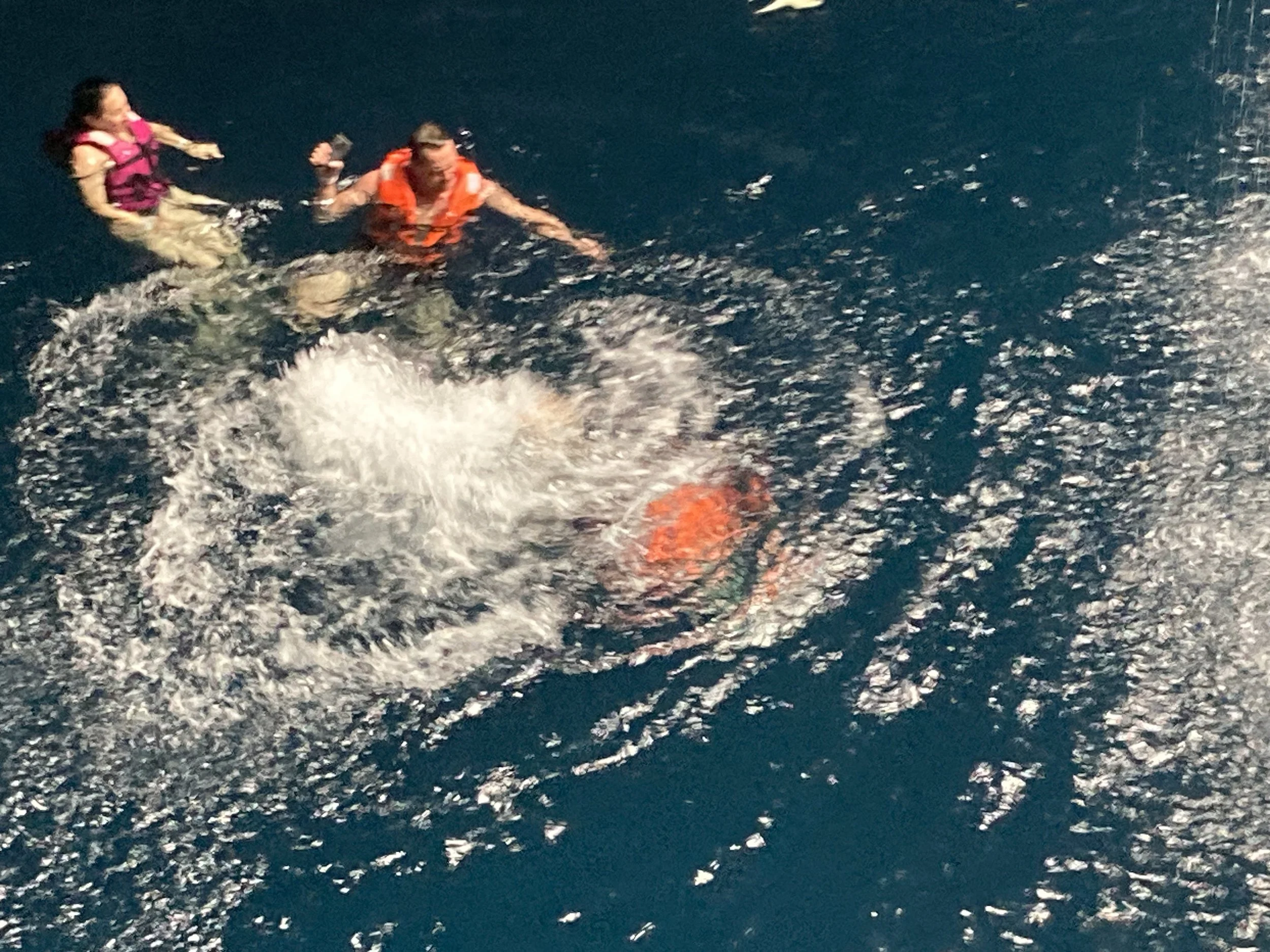
The incredible bonus was meeting a bonafide Navy Seal, Thomas Haskan, who taught Will and I how to dive deep into this cenote WITH our lifejackets on. It’s a surreal experience and one that Navy Seals must be really good at.
What you do is move your legs like a frog and pull your arms like a breath stroke and you can get a good 15 feet down there (at least, according to my Apple Watch that’s how far I got) … with a life jacket on. Then, what’s really cool is that you FLY back up to the surface. So just when you realize you’re about out of breath, your life jacket does it’s job and vaults you back to the surface of the water. SO COOL!!!
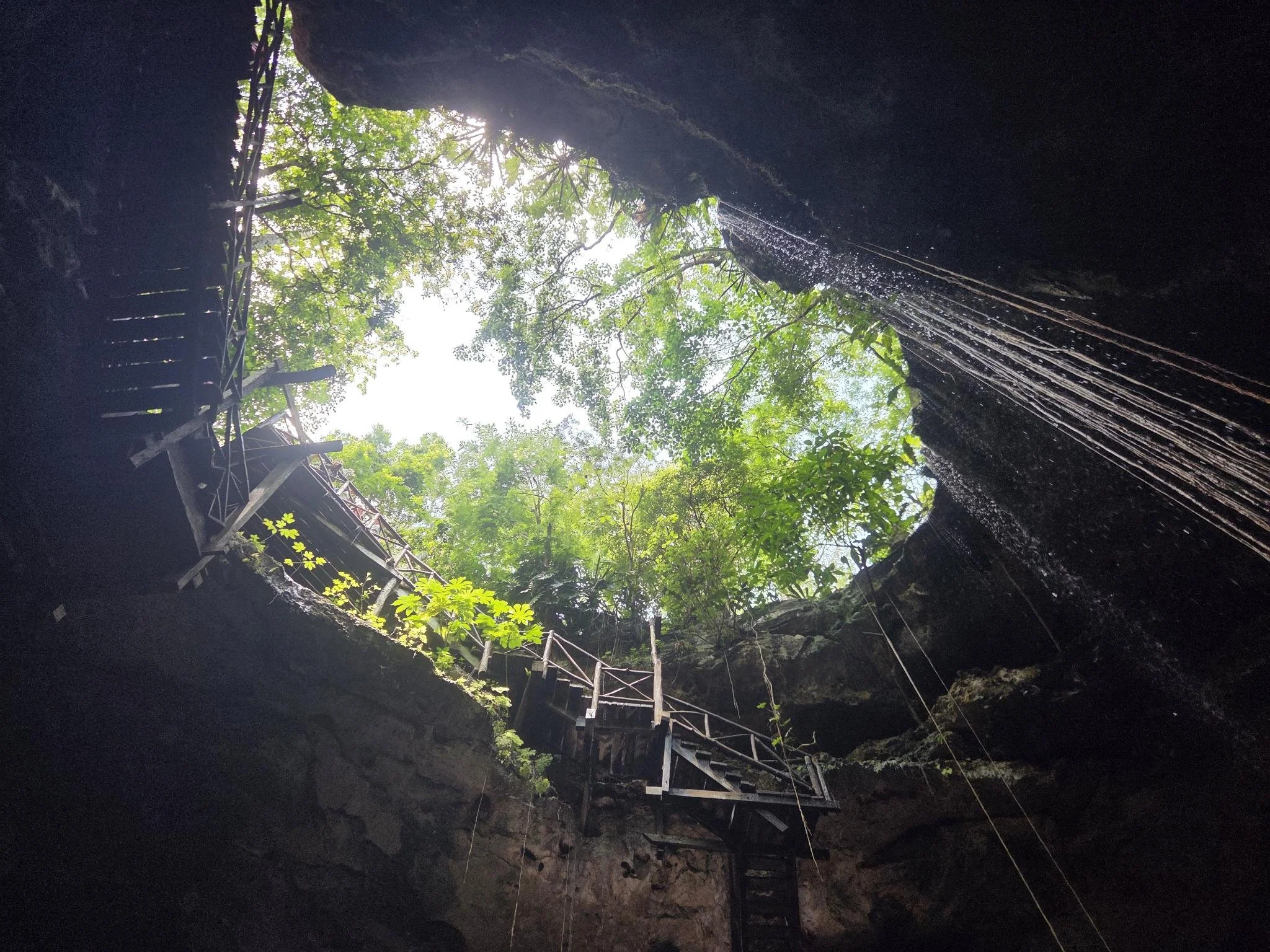
You feel like you’re swimming in a cave … because, well, you ARE!
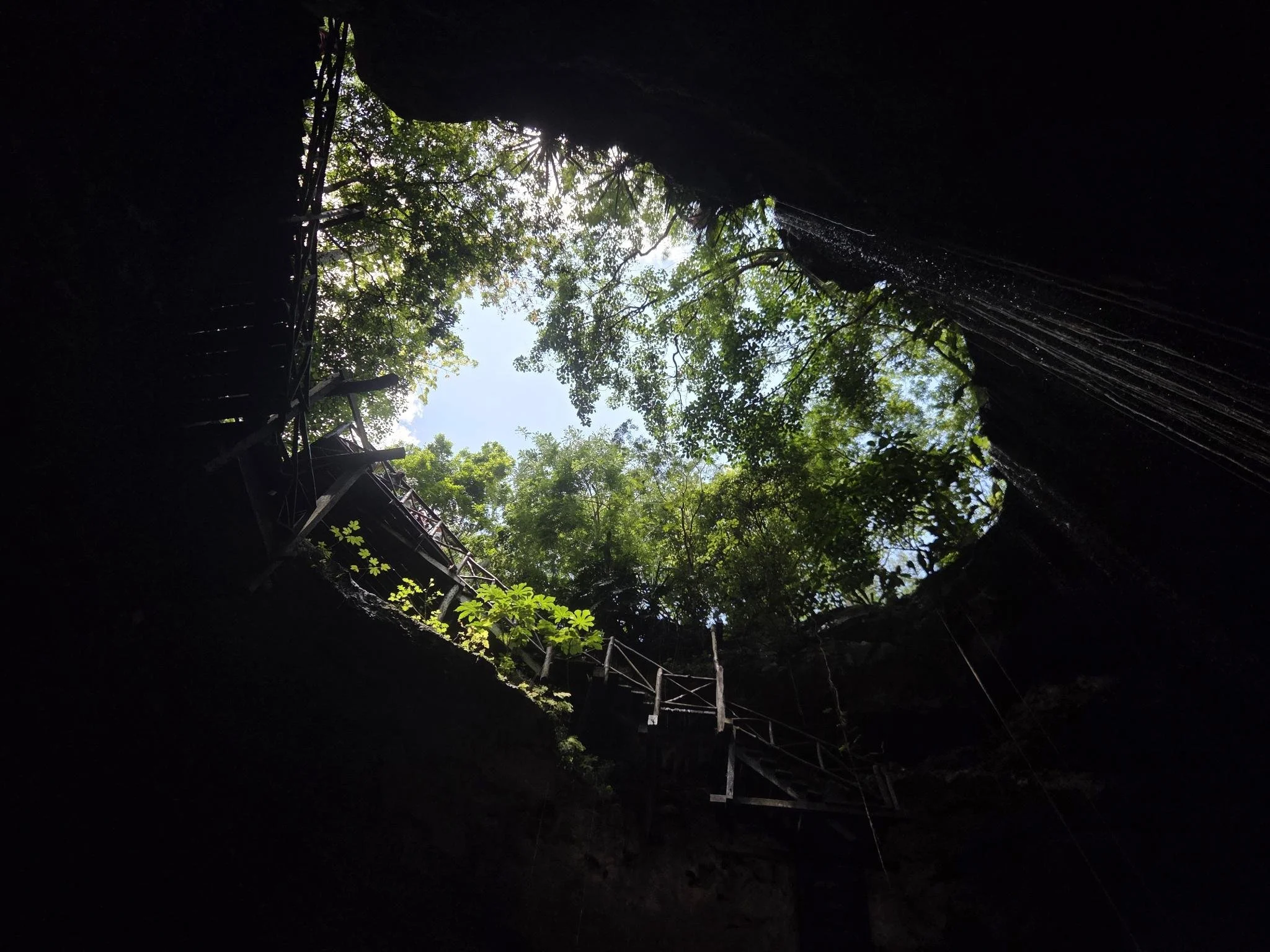
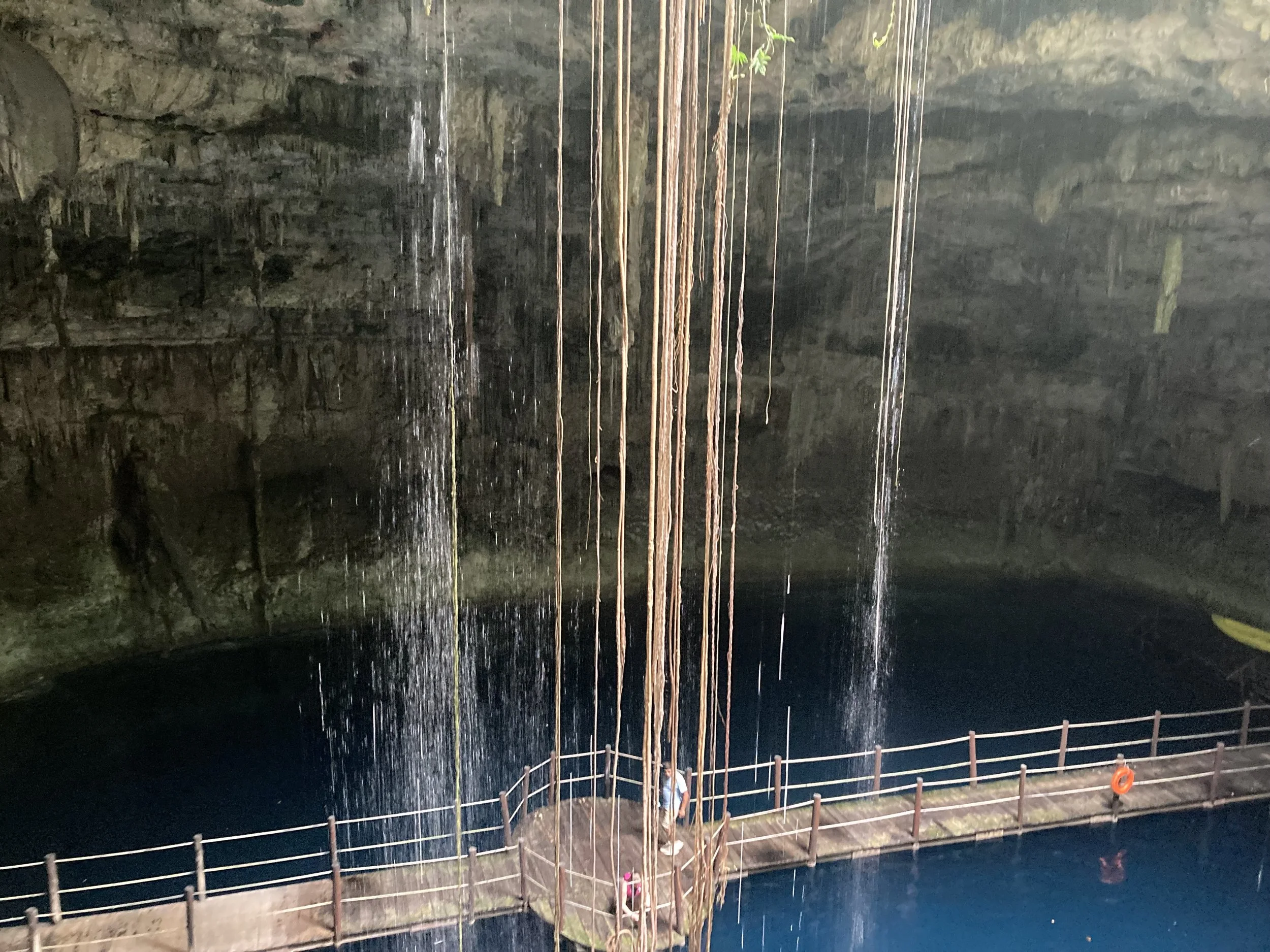
This is what you see, every time you look up. You’re engulfed in nature. The walls are solid rock and just like any cave you’ve ever entered. The vines hanging down are nature’s way of connecting with an unlimited source of water. The trees are beautiful and there’s a cathedral-like reverence from everyone lucky enough to be here in this cenote.
I asked Thomas and his wife if they were originally from Denver. Nope, they moved from San Diego. Aha, Californians. I suspected as much. They were incredibly friendly, helpful, loving and engaging. No disrespect to those from Colorado. It’s just that one Californian can usually pick out another anywhere in the world.
Side note, about 30 years ago, I was on my second trip to India and I saw a woman engrossed in a guide book on the same boat going to the Elephant caves. I didn’t bother her. But when she was on the SAME return boat I felt compelled to introduce myself. Her name was Amy and she was from Rohnert Park, California. I grew up in Santa Rosa, which is the next town over. But it took us both flying thousands of miles to India to meet. What’s more freaky is that we knew all the same friends … especially a close friend of mine, Sarah Pilgrim. We both were dumbfounded at the incredible odds of all this.
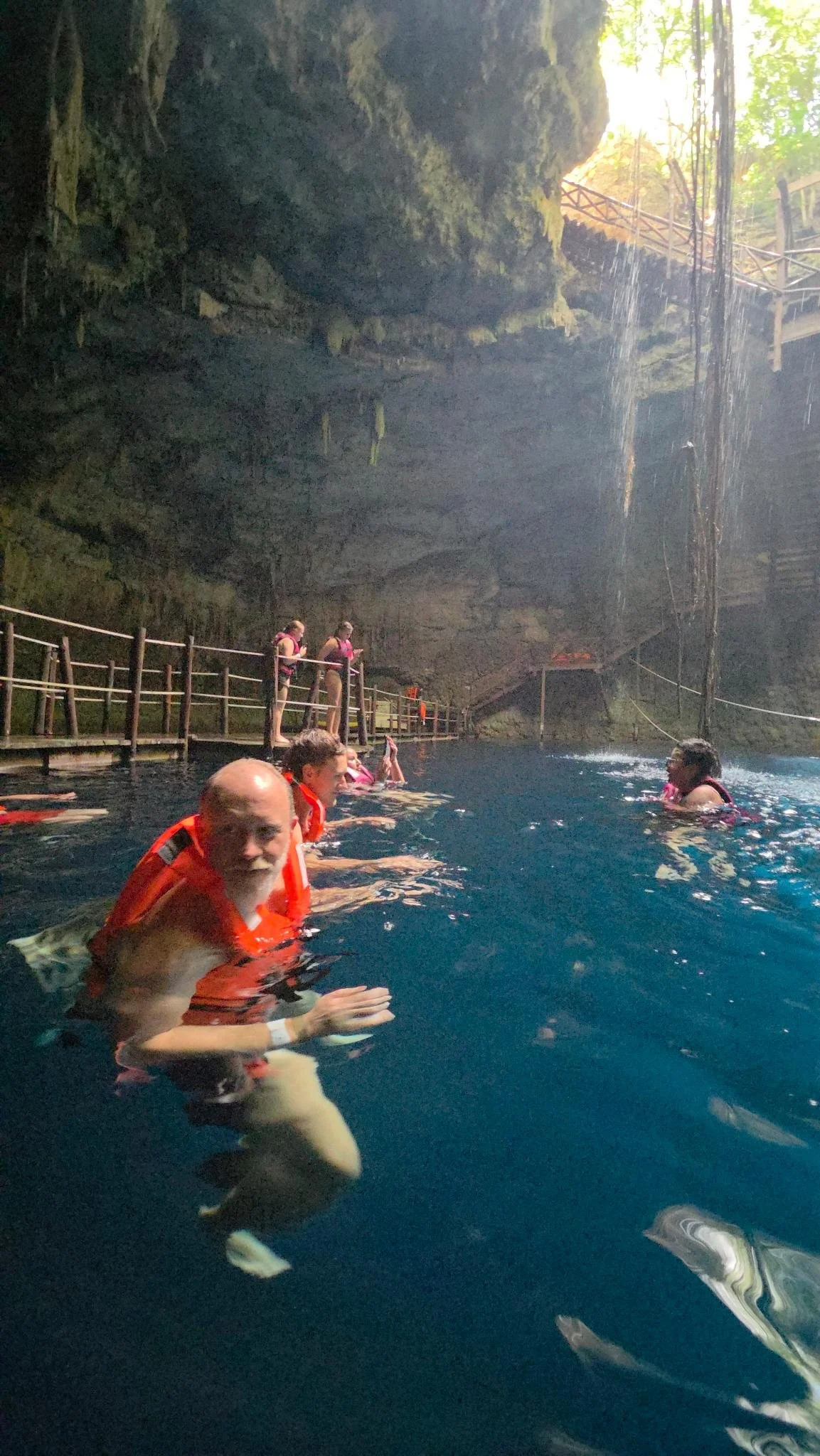
Water is so clear, clean and refreshing. This was perfect.
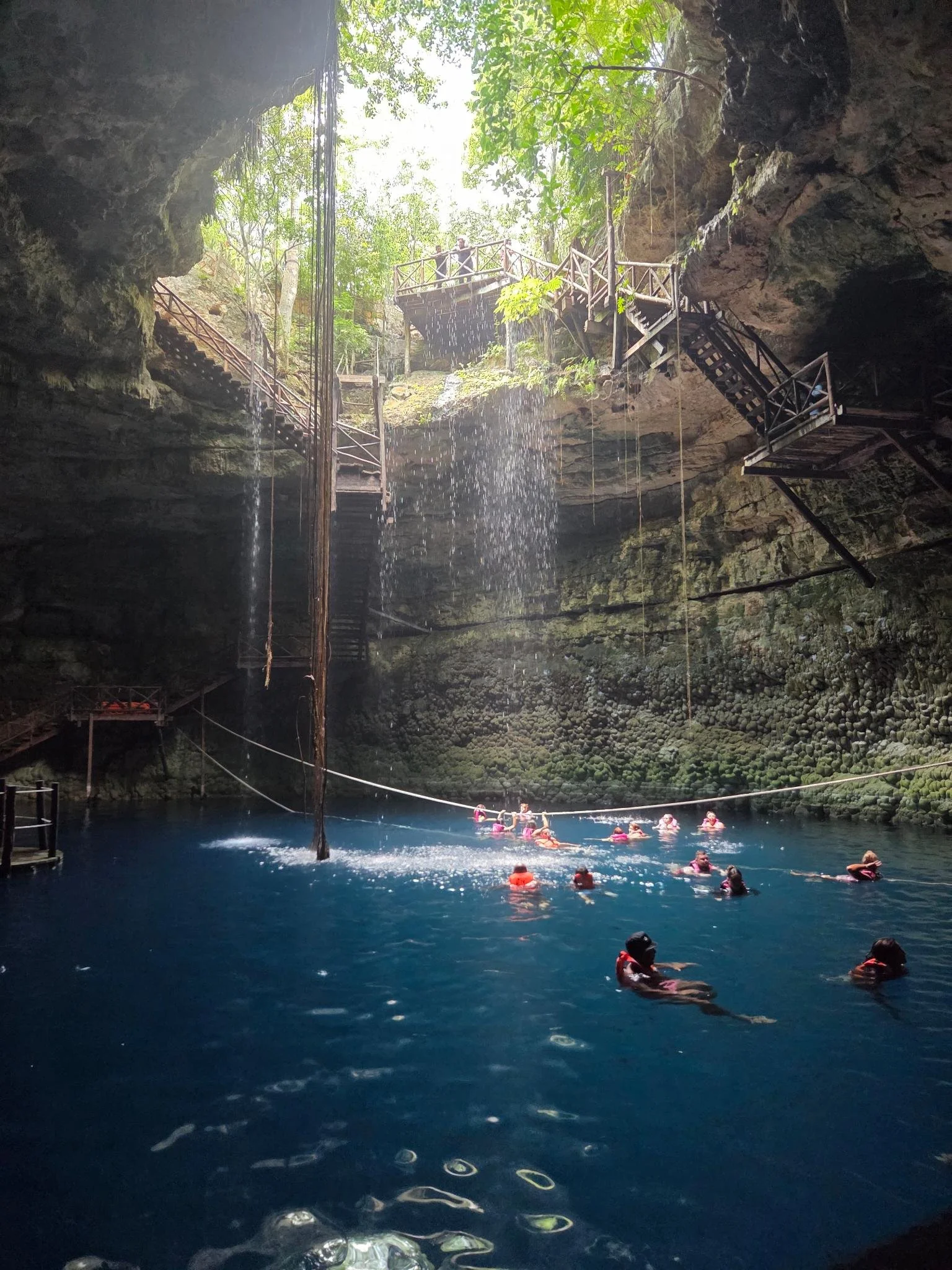
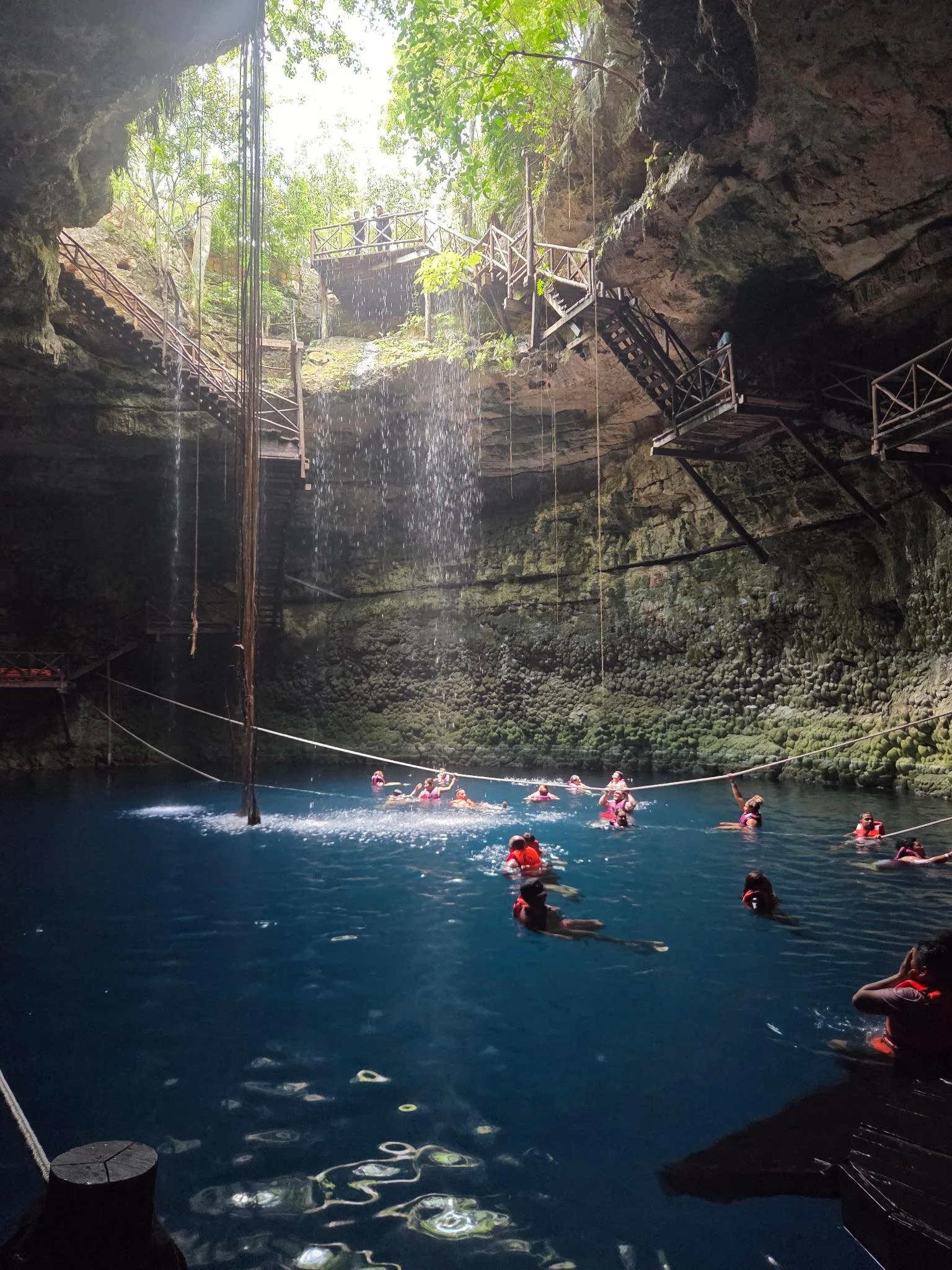
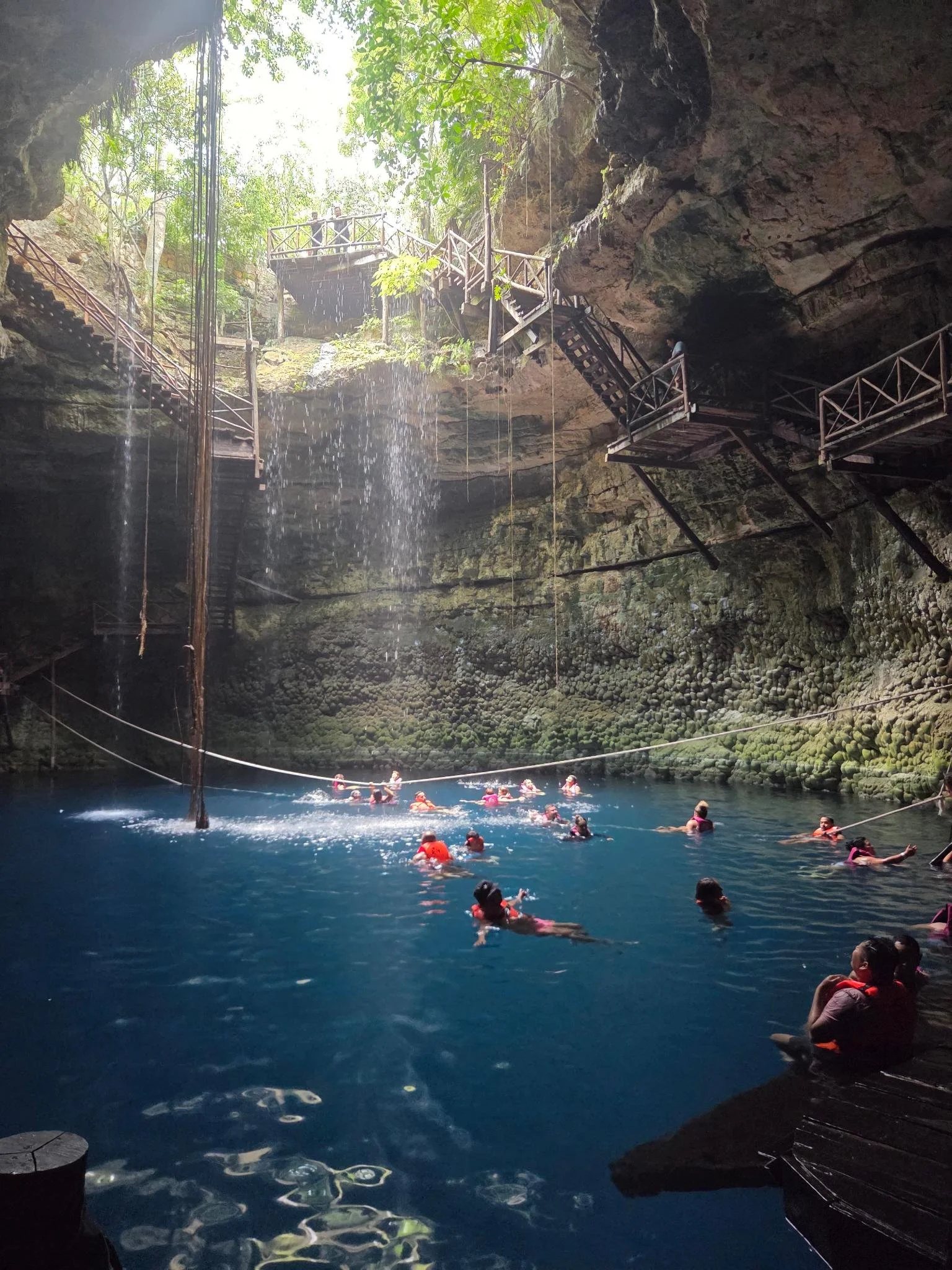
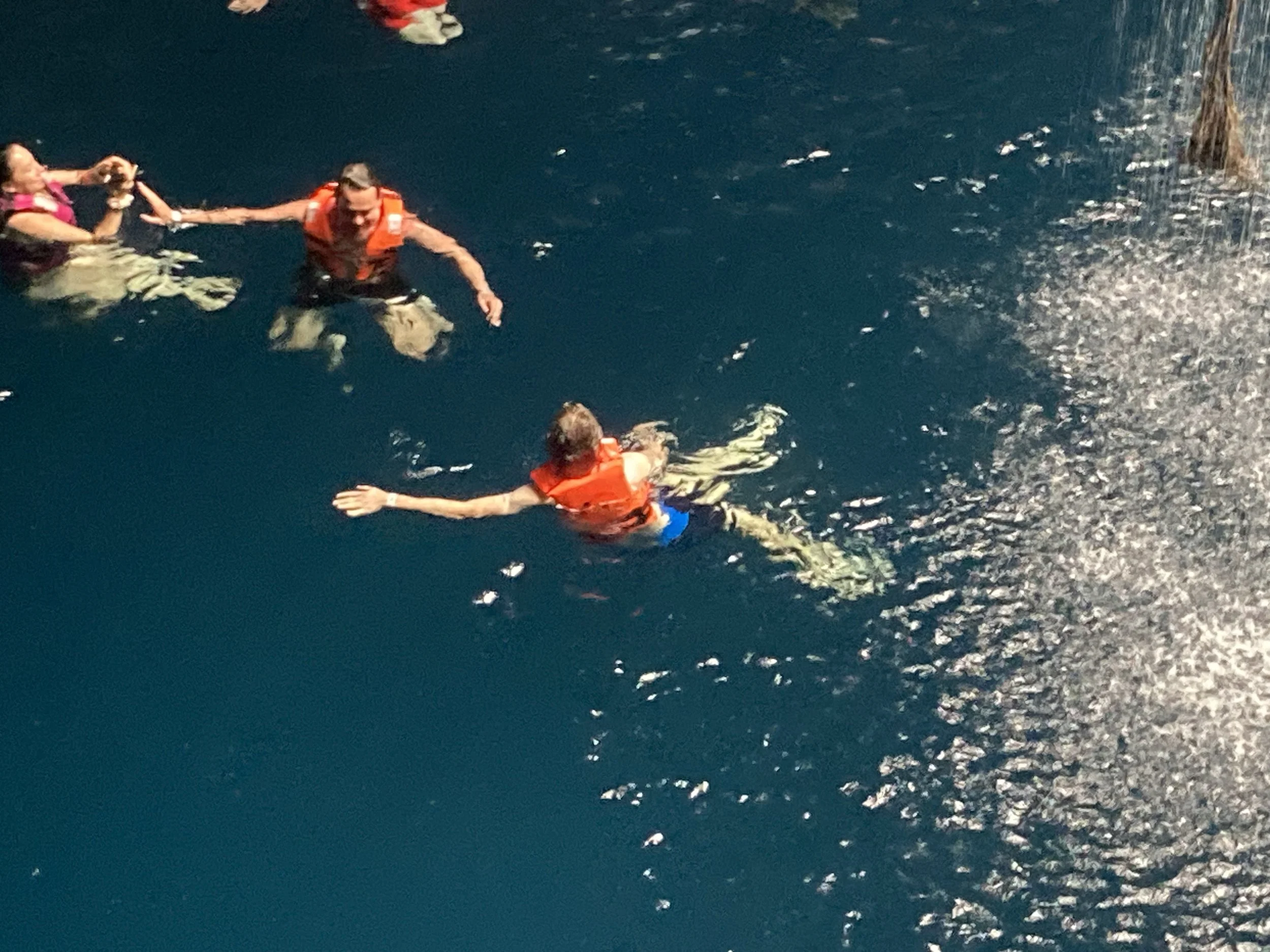
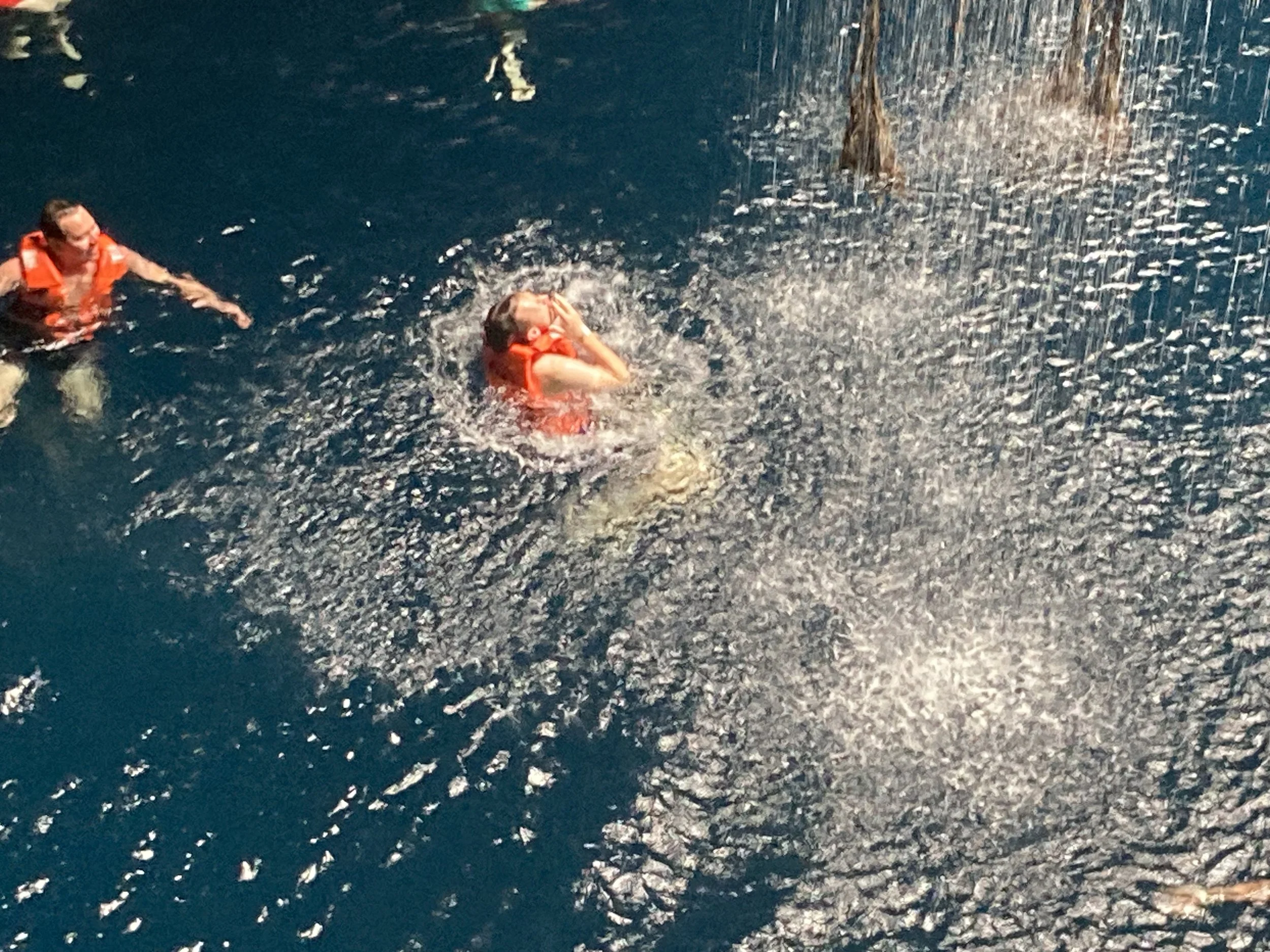
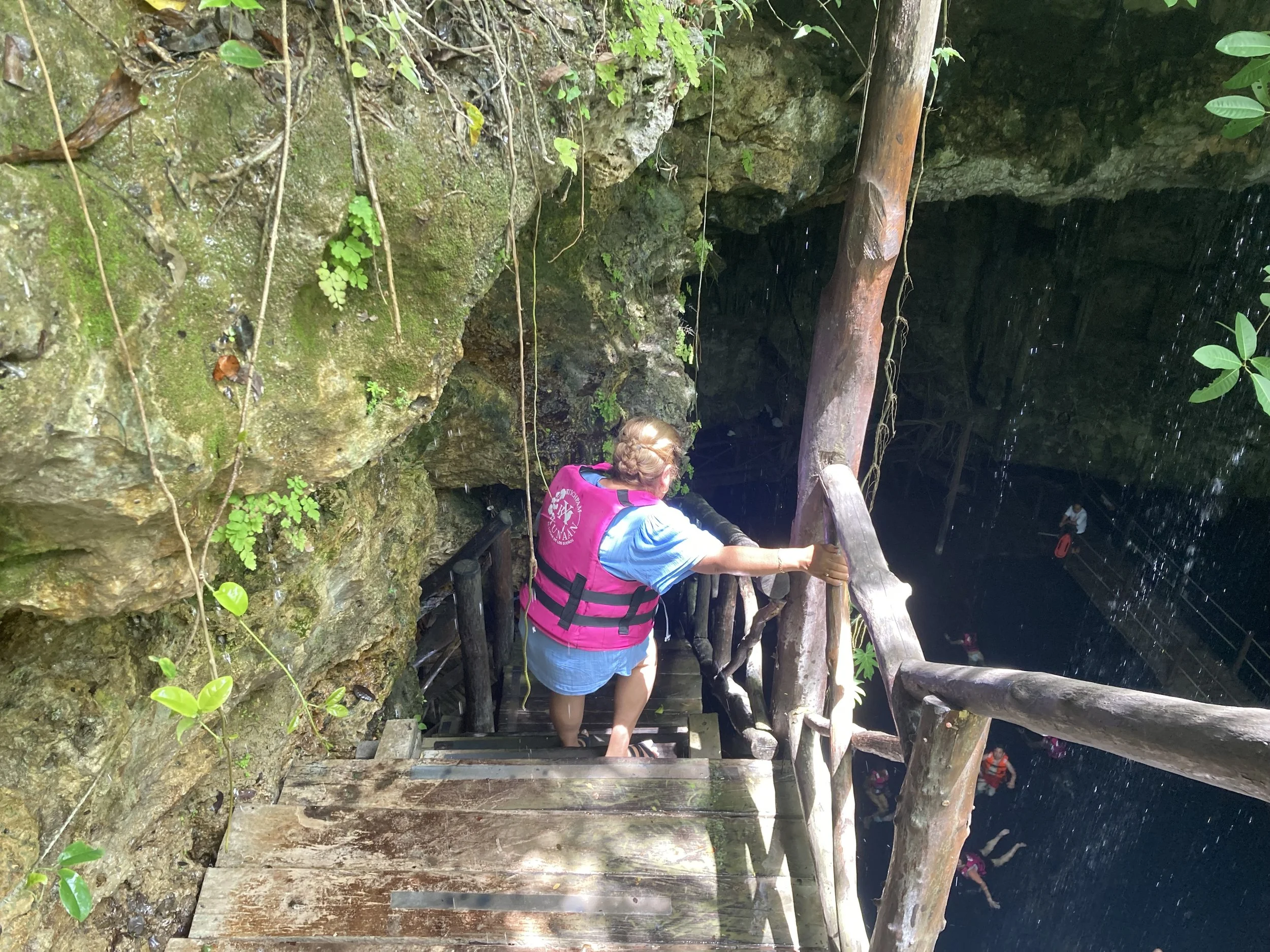
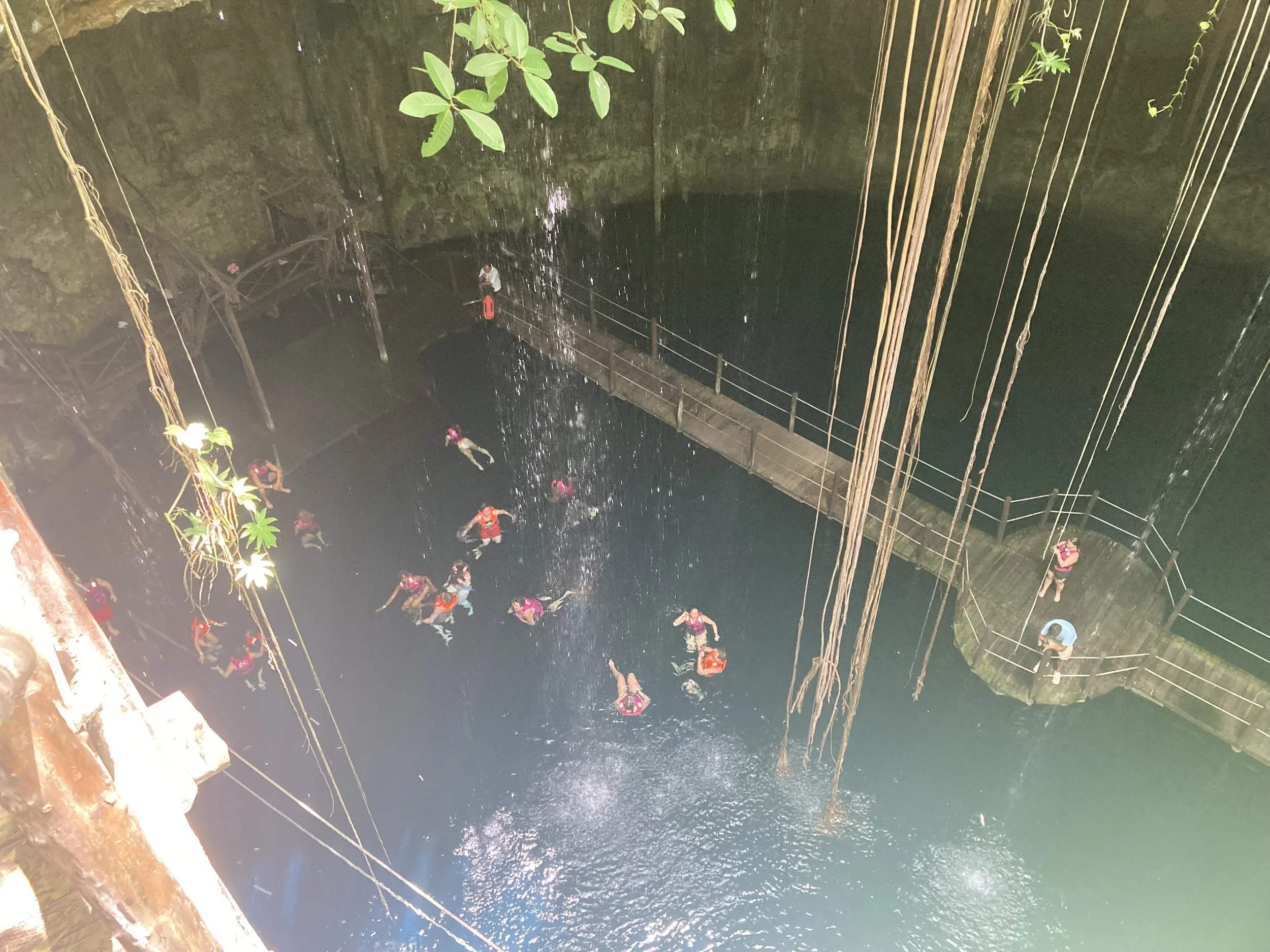
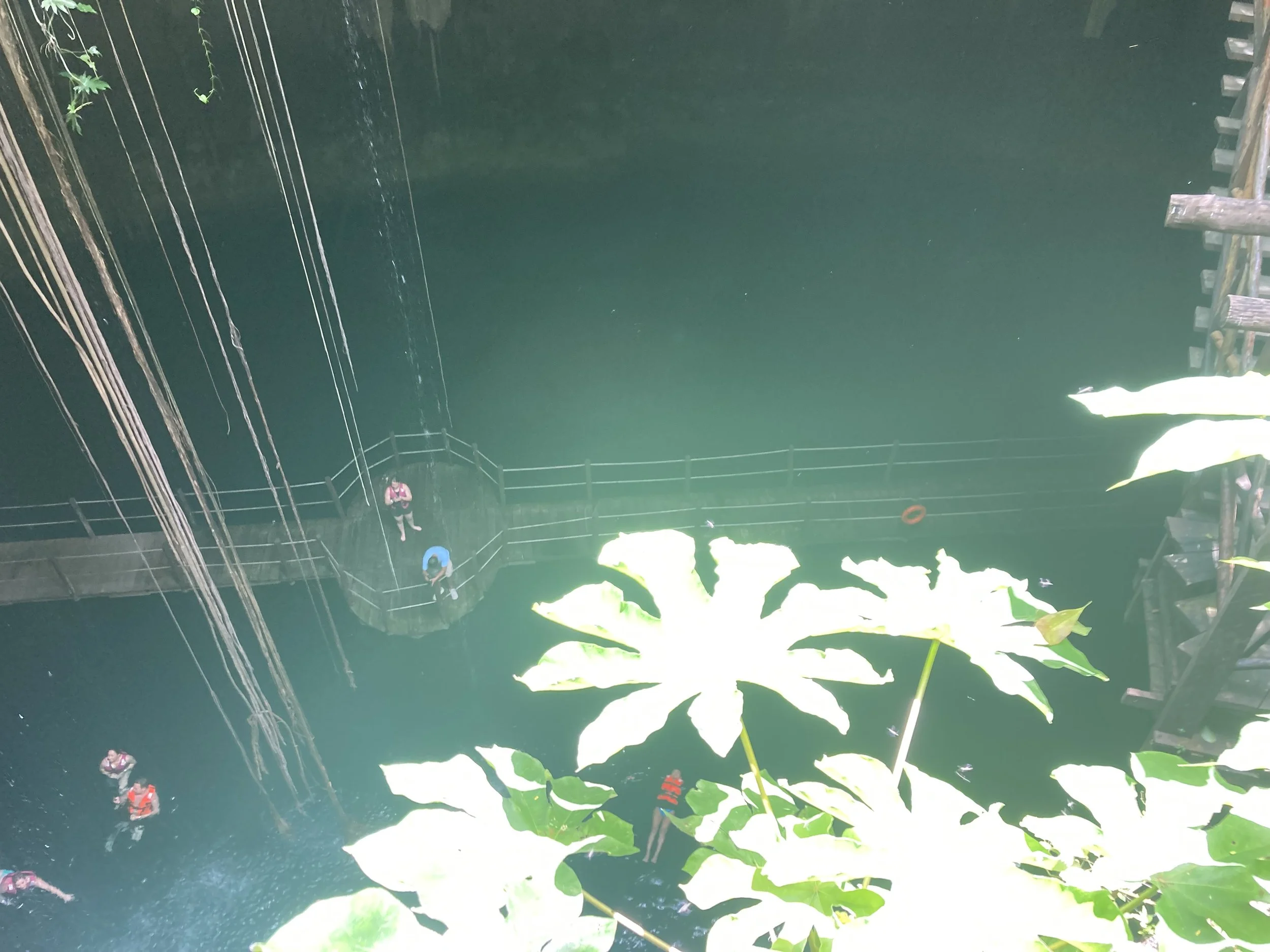
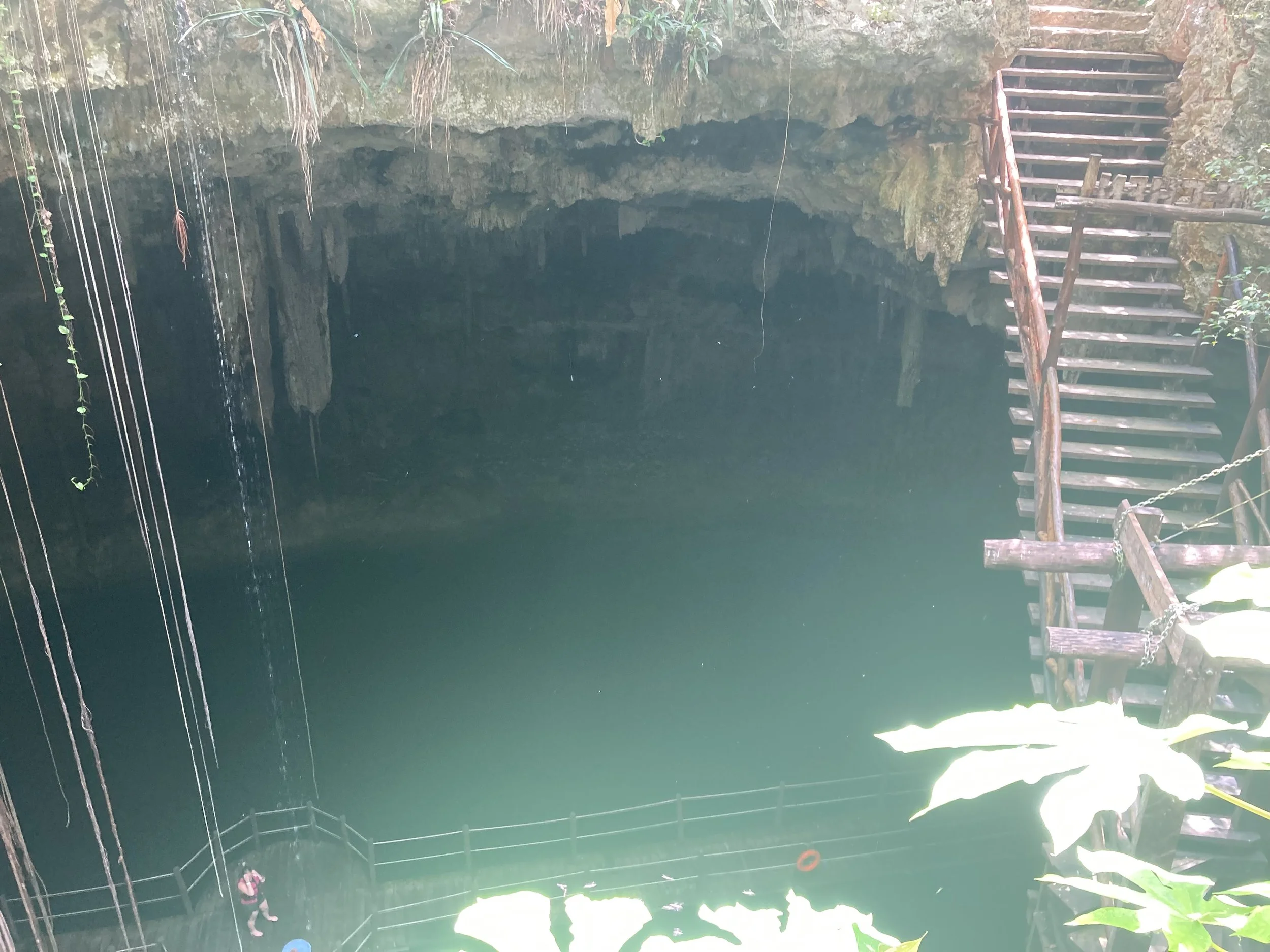
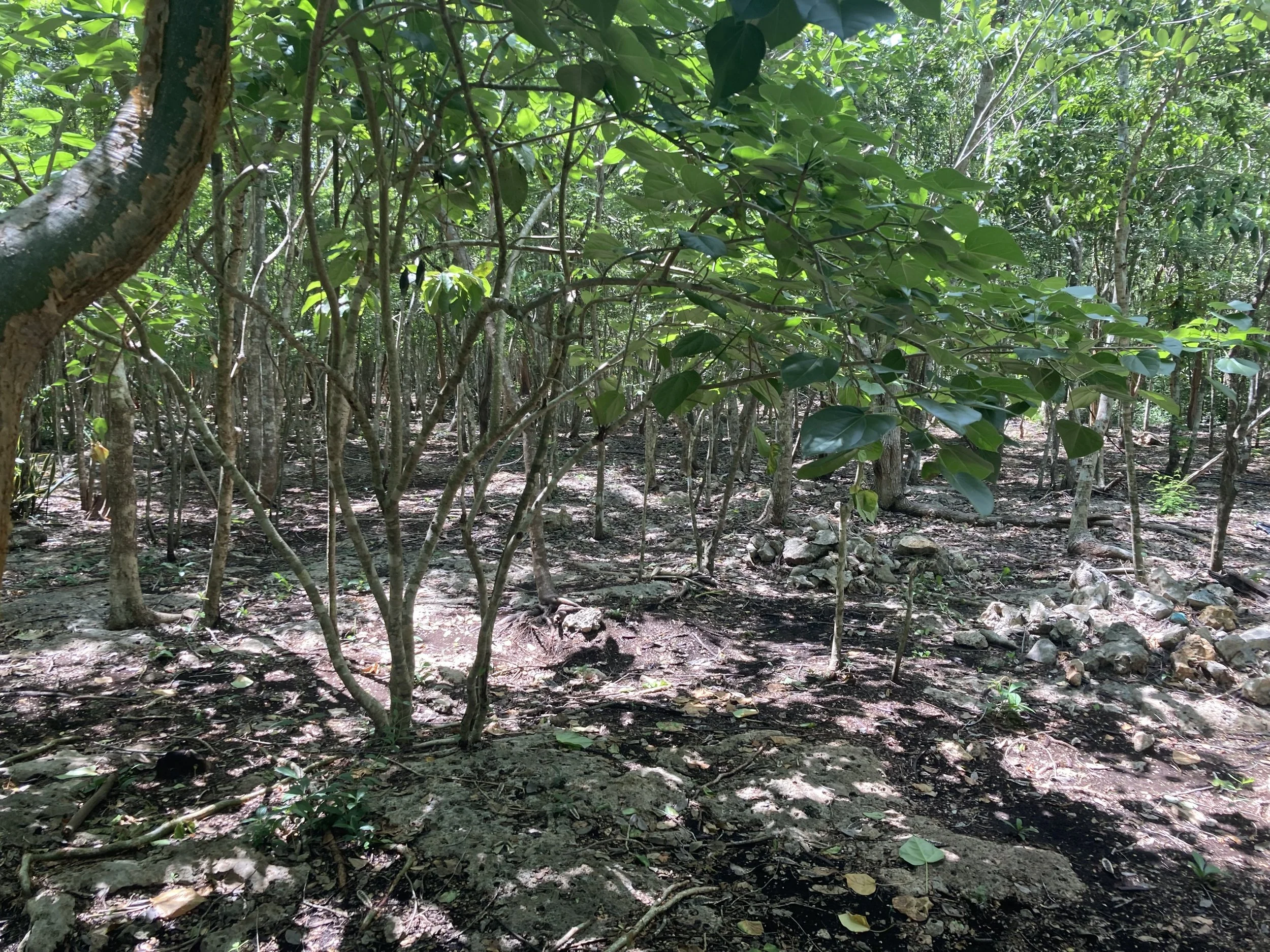
One last note. This area was full of incredible trees and nature. This tree in particular caught my attention because it’s base is like a thorn bush.
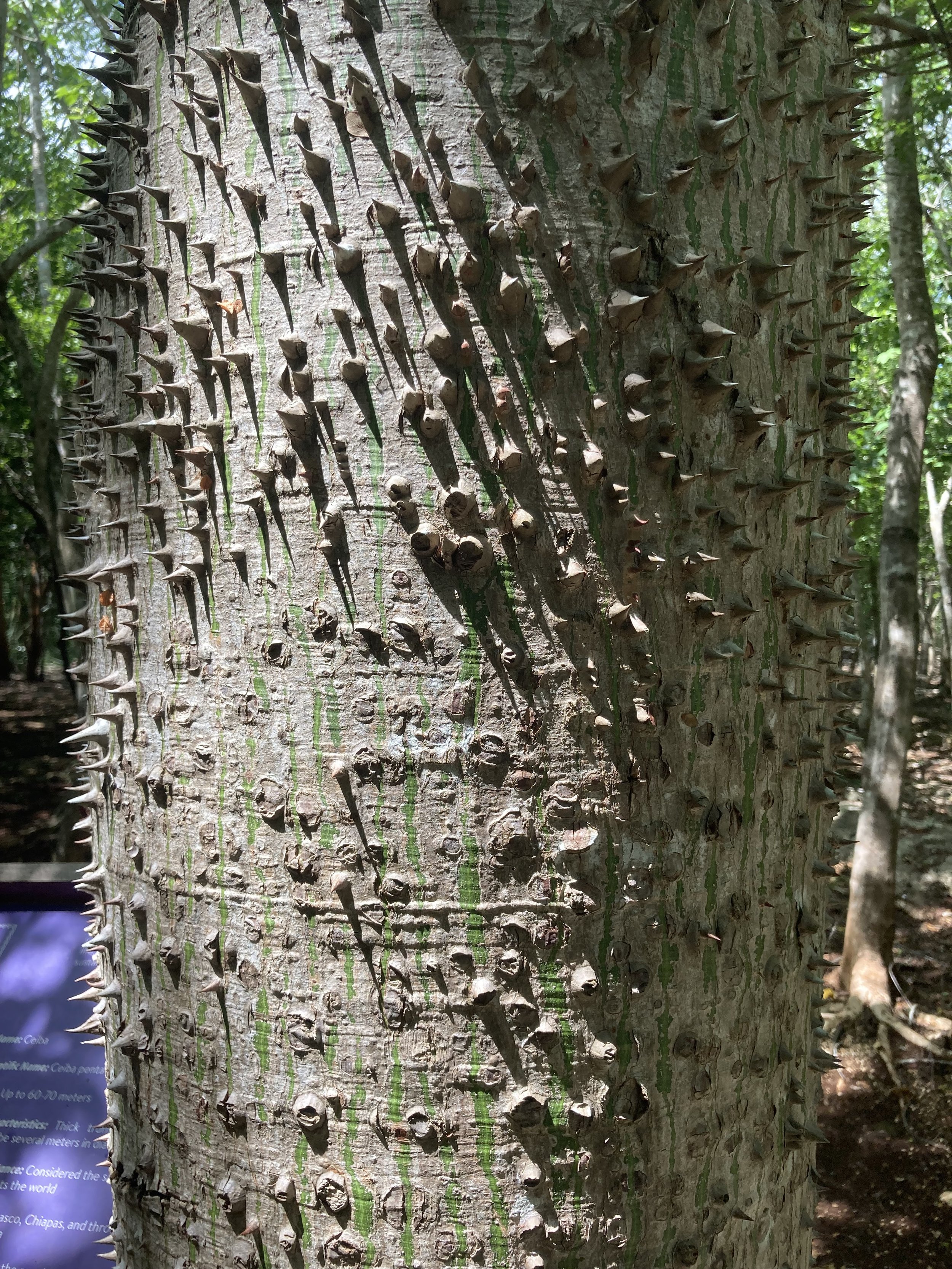
The Yaxche (Ceiba tree) is the “Tree of Life” in Mayan culture
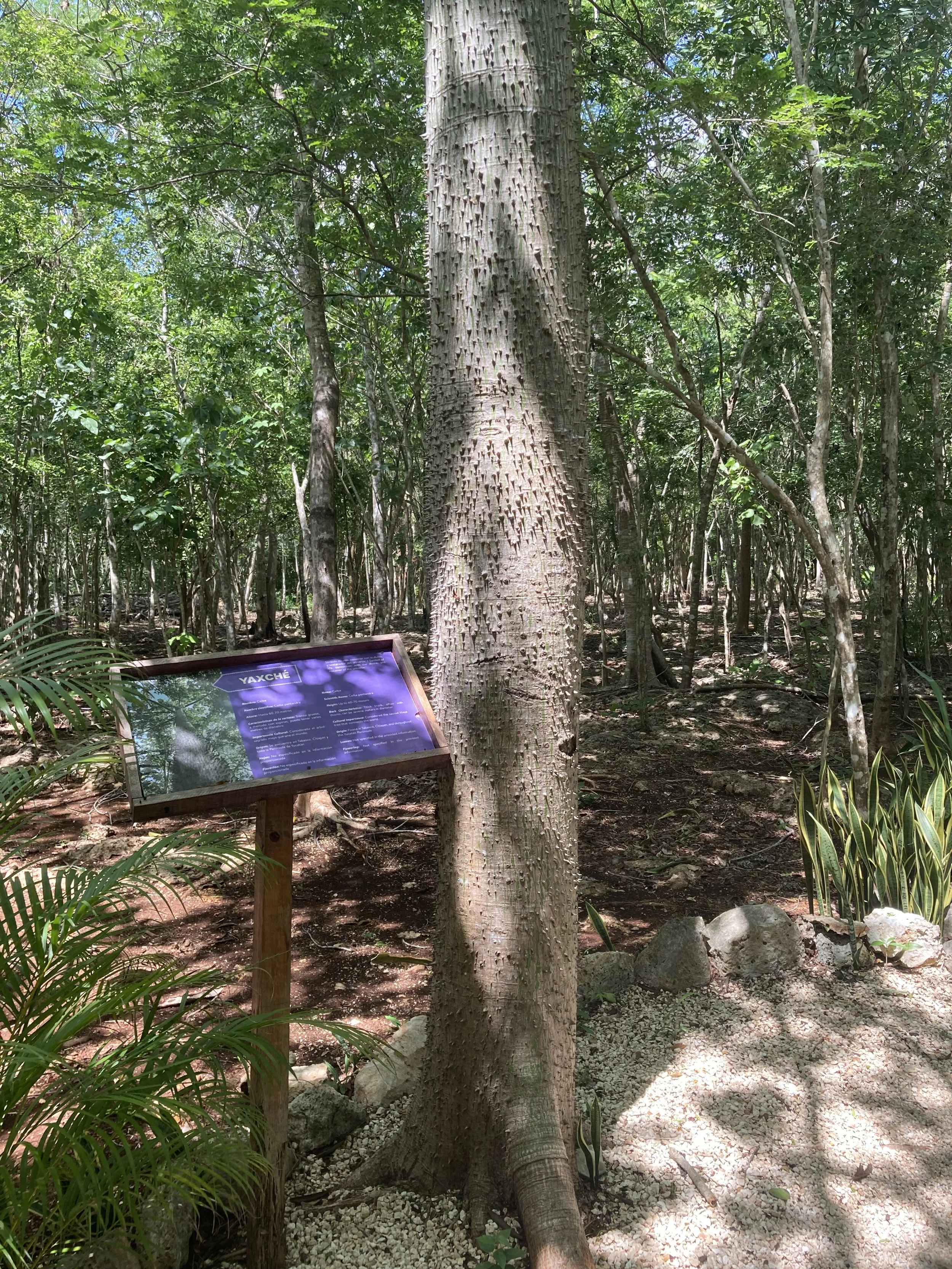
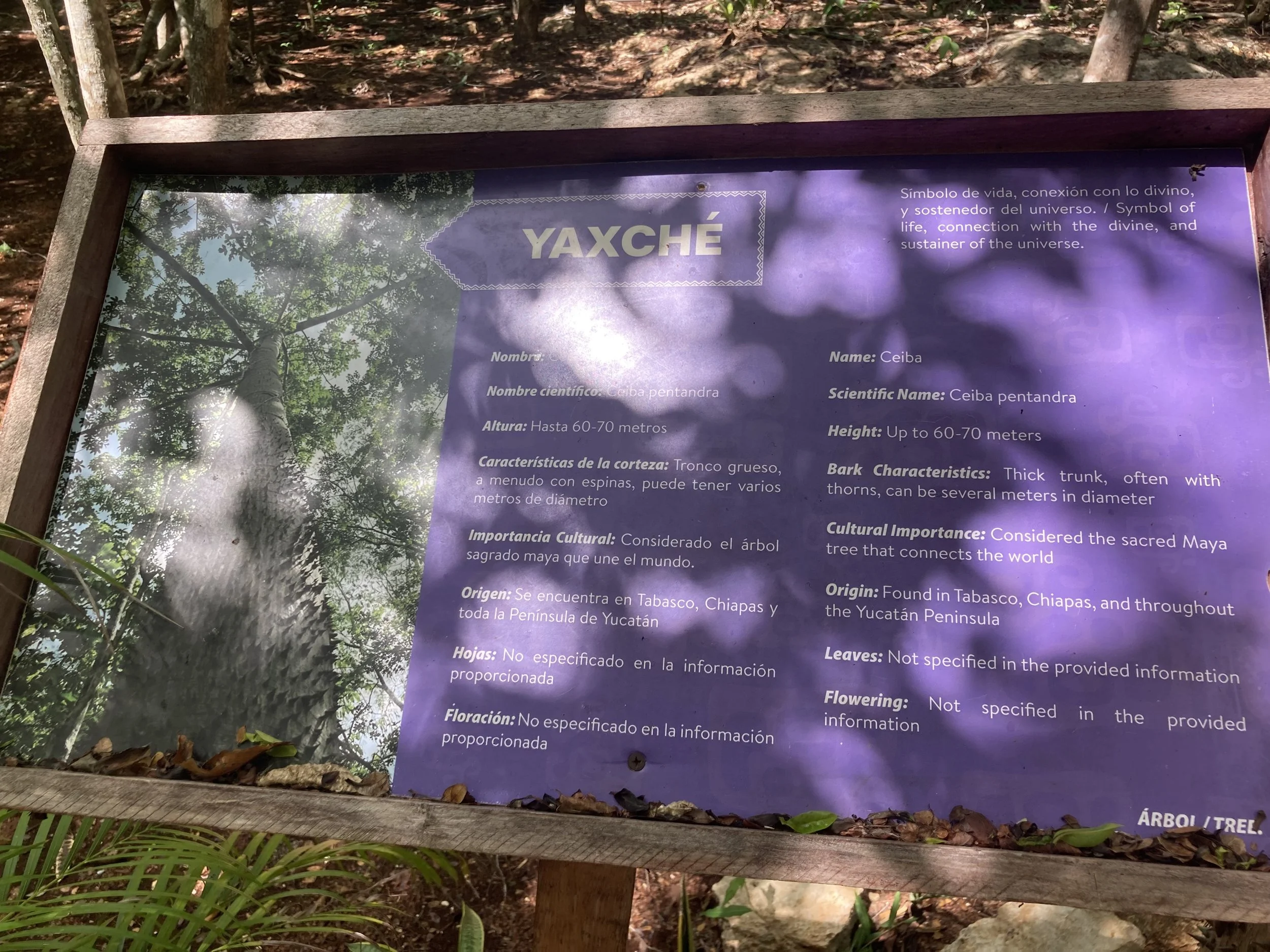
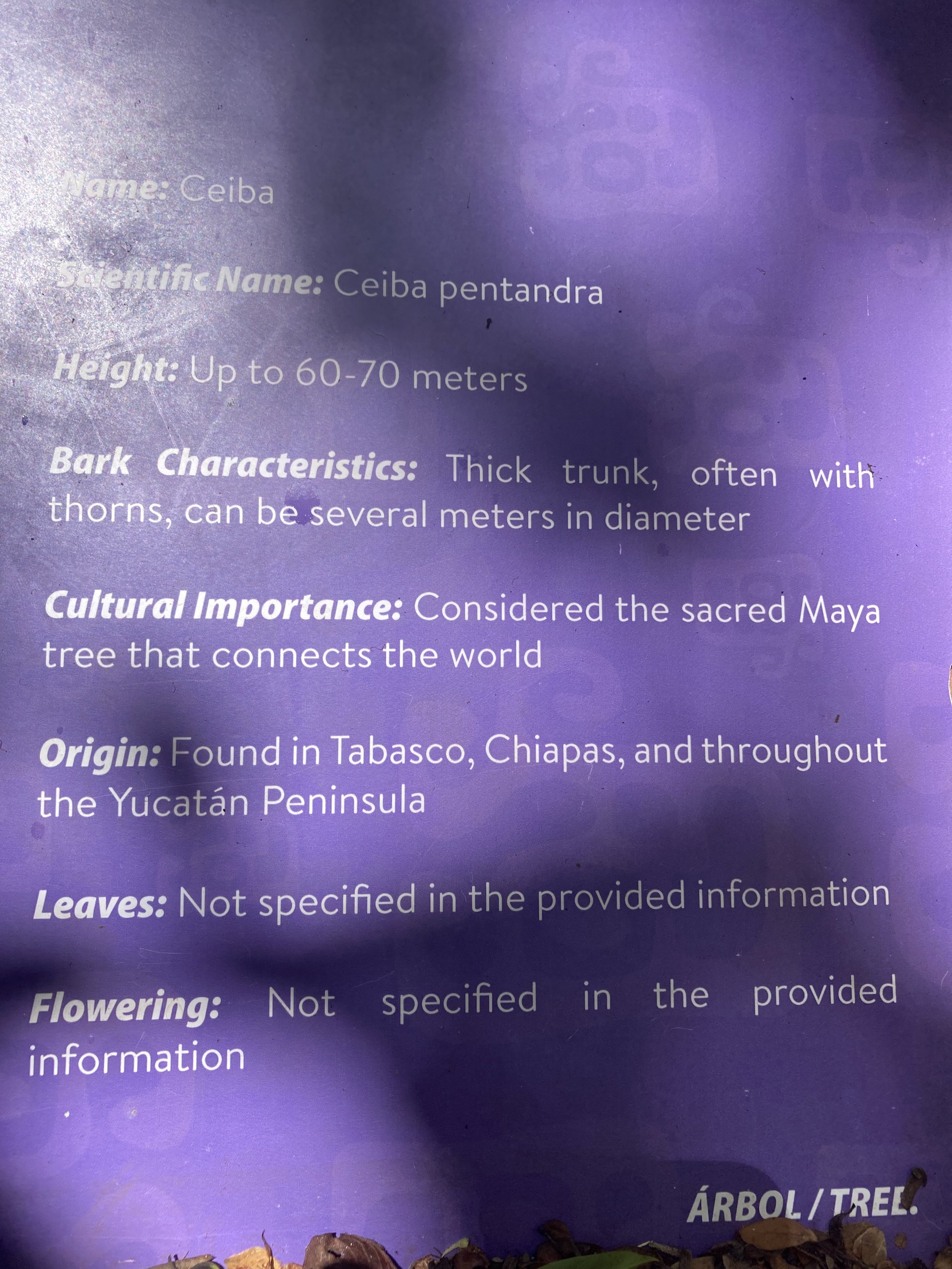
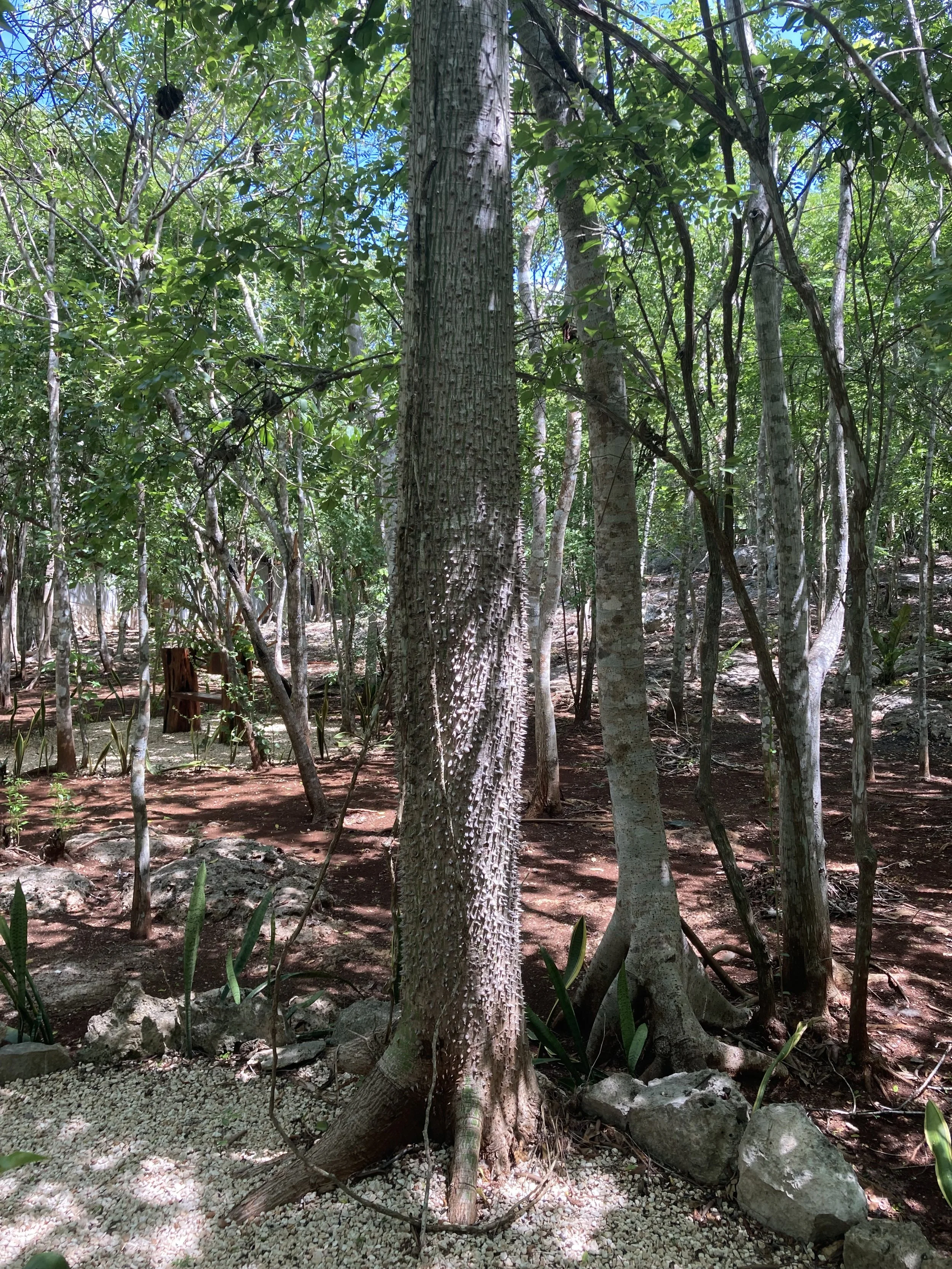
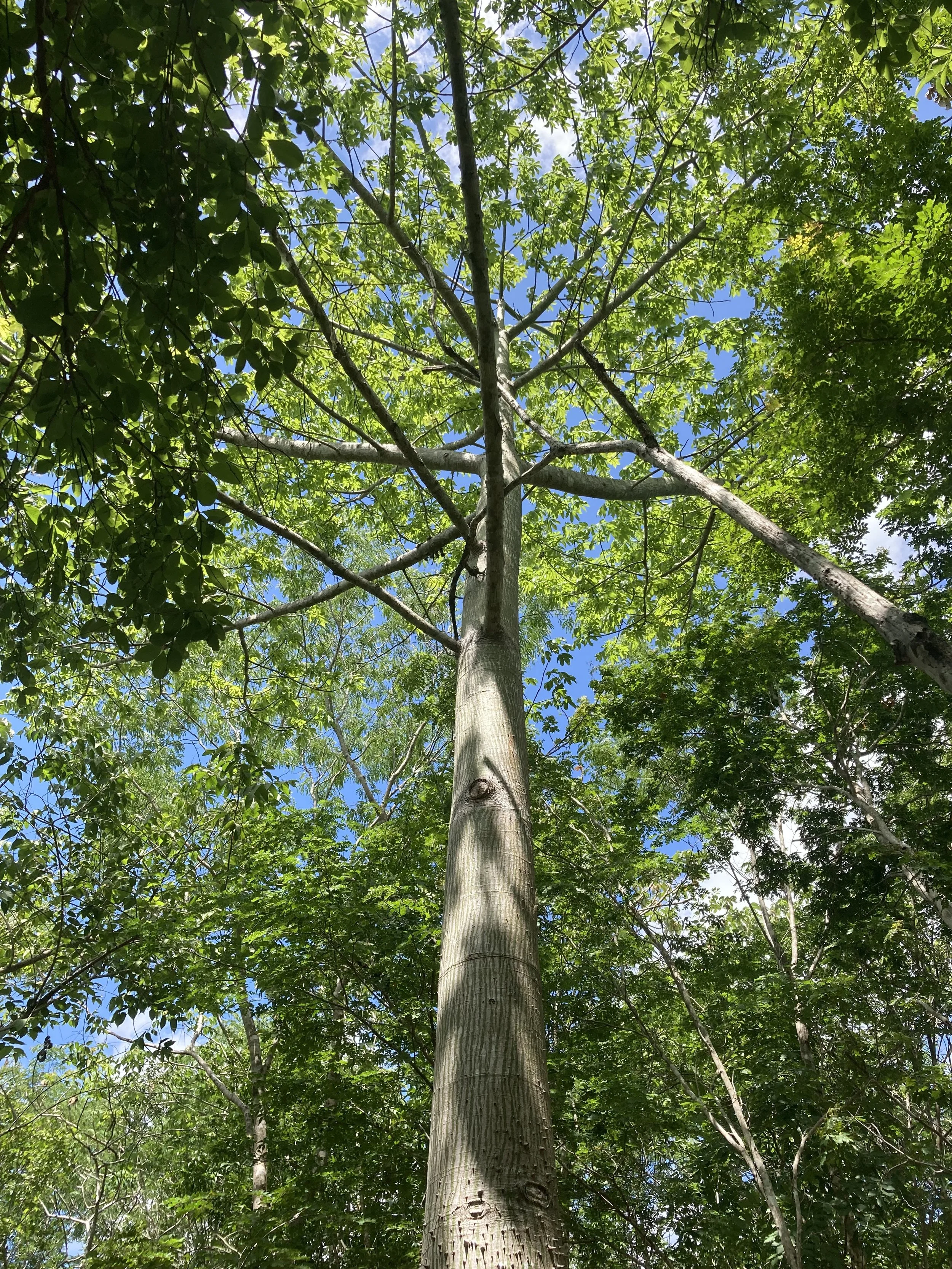
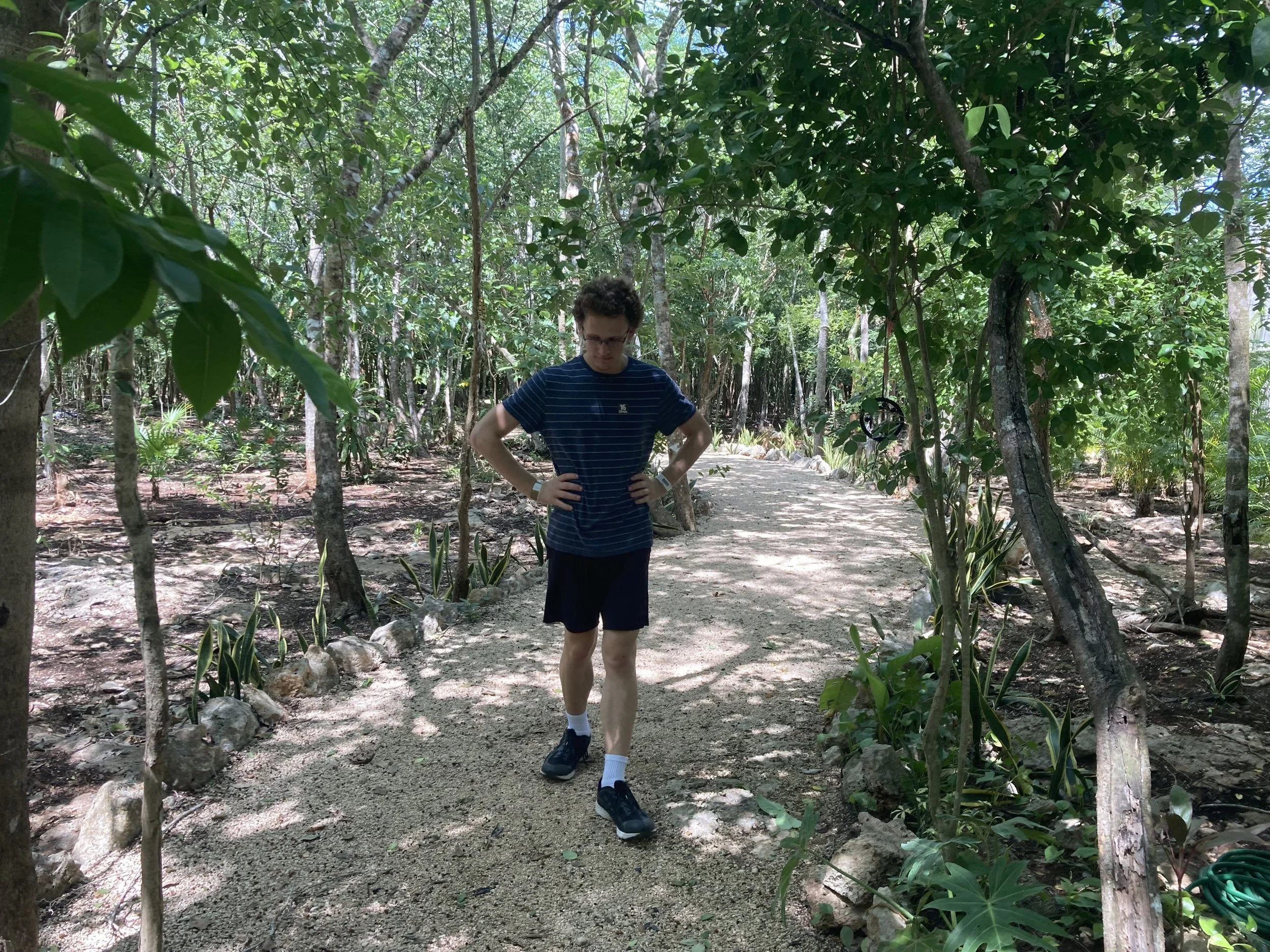
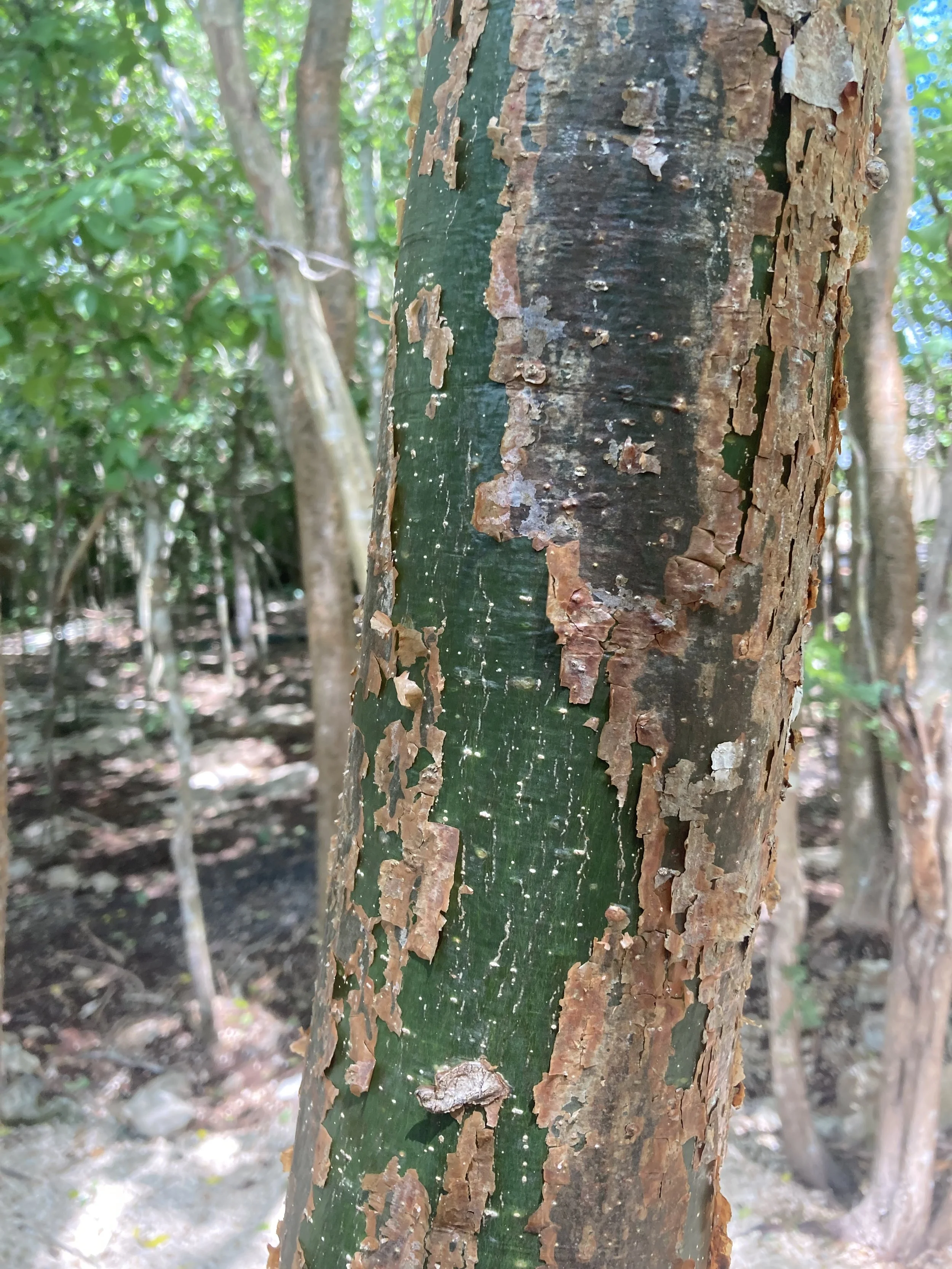
According to Google Gemini, The Yaxche (Ceiba tree) is the sacred "Tree of Life" in Maya mythology, believed to be the axis mundi connecting the underworld, earth, and heavens. Known for its immense size and buttressed roots, the Ceiba pentandra is considered a conduit for spirits and a vital part of Maya culture.
Key Aspects of the Yaxche (Ceiba) Tree:
Sacred Symbolism: In Maya cosmology, Yaxche is the center of the world, with its roots extending to Xibalba (the underworld) and its branches reaching the heavens.
Cultural Importance: The Popol Vuh mentions that gods planted four Ceiba trees of different colors at each cardinal direction, with a fifth in the center.
Physical Appearance: These massive trees, also known as Kapok, can reach heights of 20 to 70 meters (65 to 230 feet) and thrive in tropical climates.
Medicinal & Practical Use: Maya people utilize the tree's bark, resin, and leaves for medicinal purposes, while its fruit produces a cotton-like fiber called "pochote".
Ritual Role: Often found in the center of Mayan communities, the shade of the Ceiba is considered a sacred, protected space for offerings and ceremonies.
It is highly respected throughout Central America, and in 1955, Guatemala officially designated the Ceiba as its national tree.
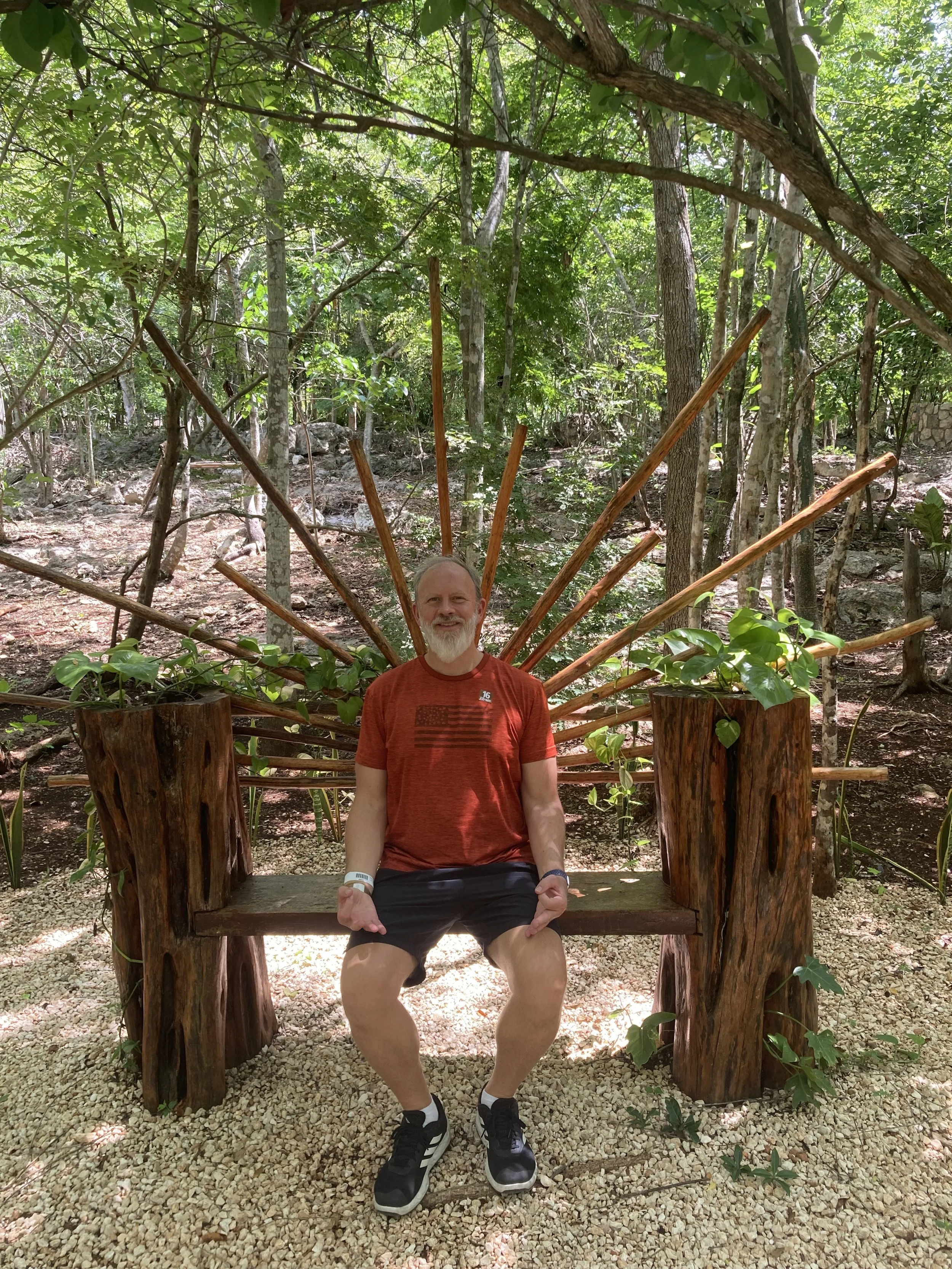
What a wonderful space to meditate, reflect and connect spiritually
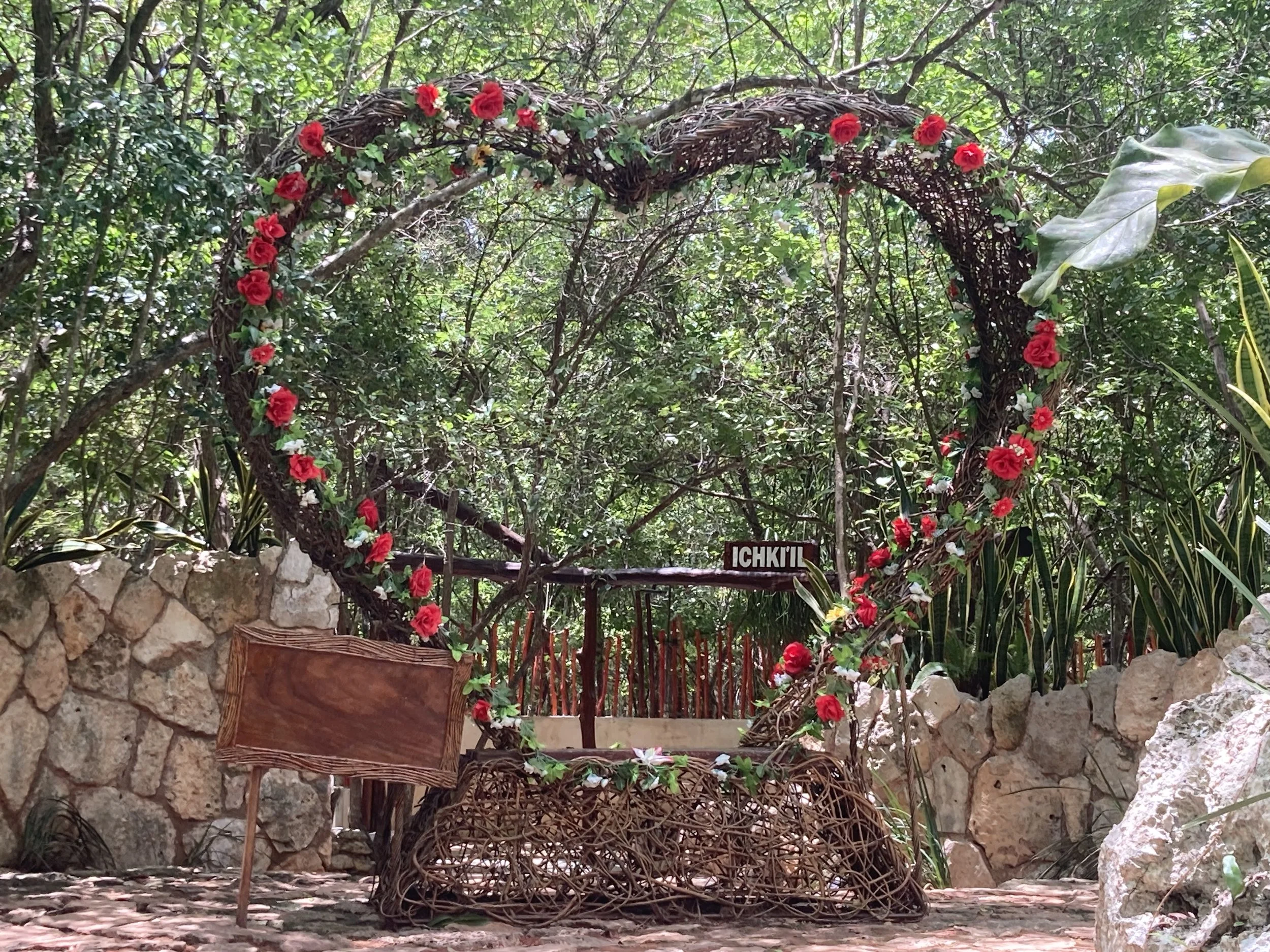
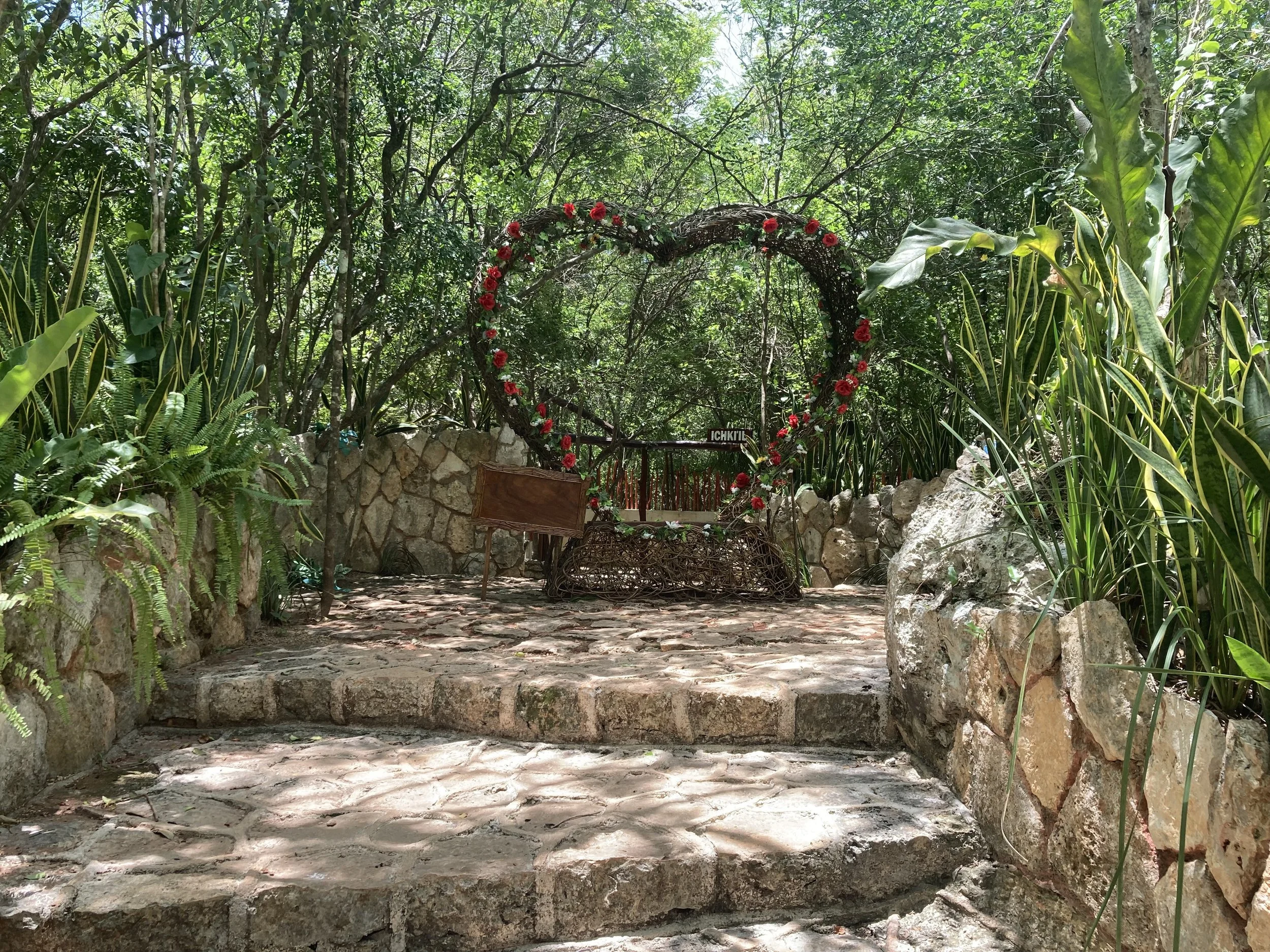
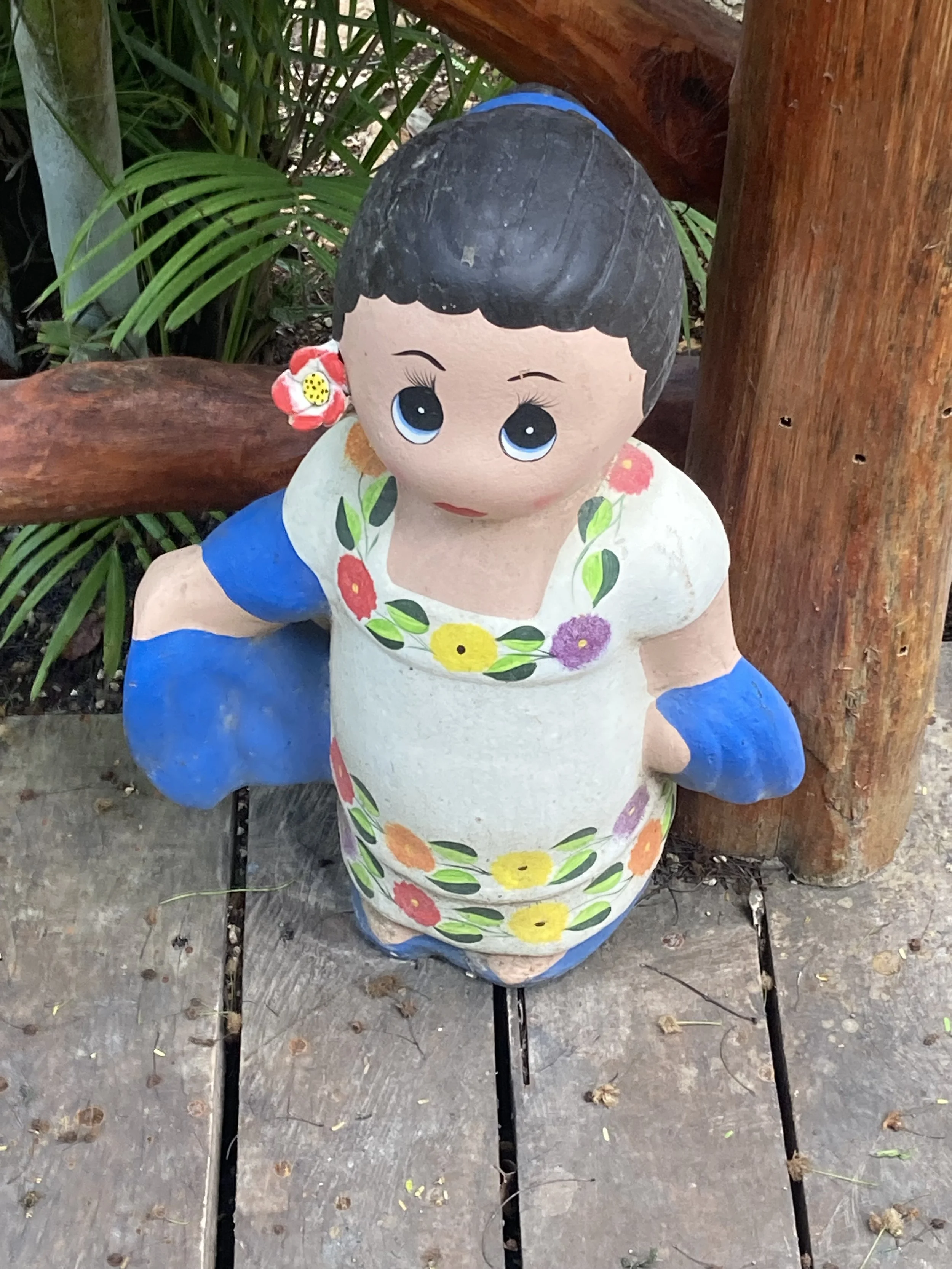
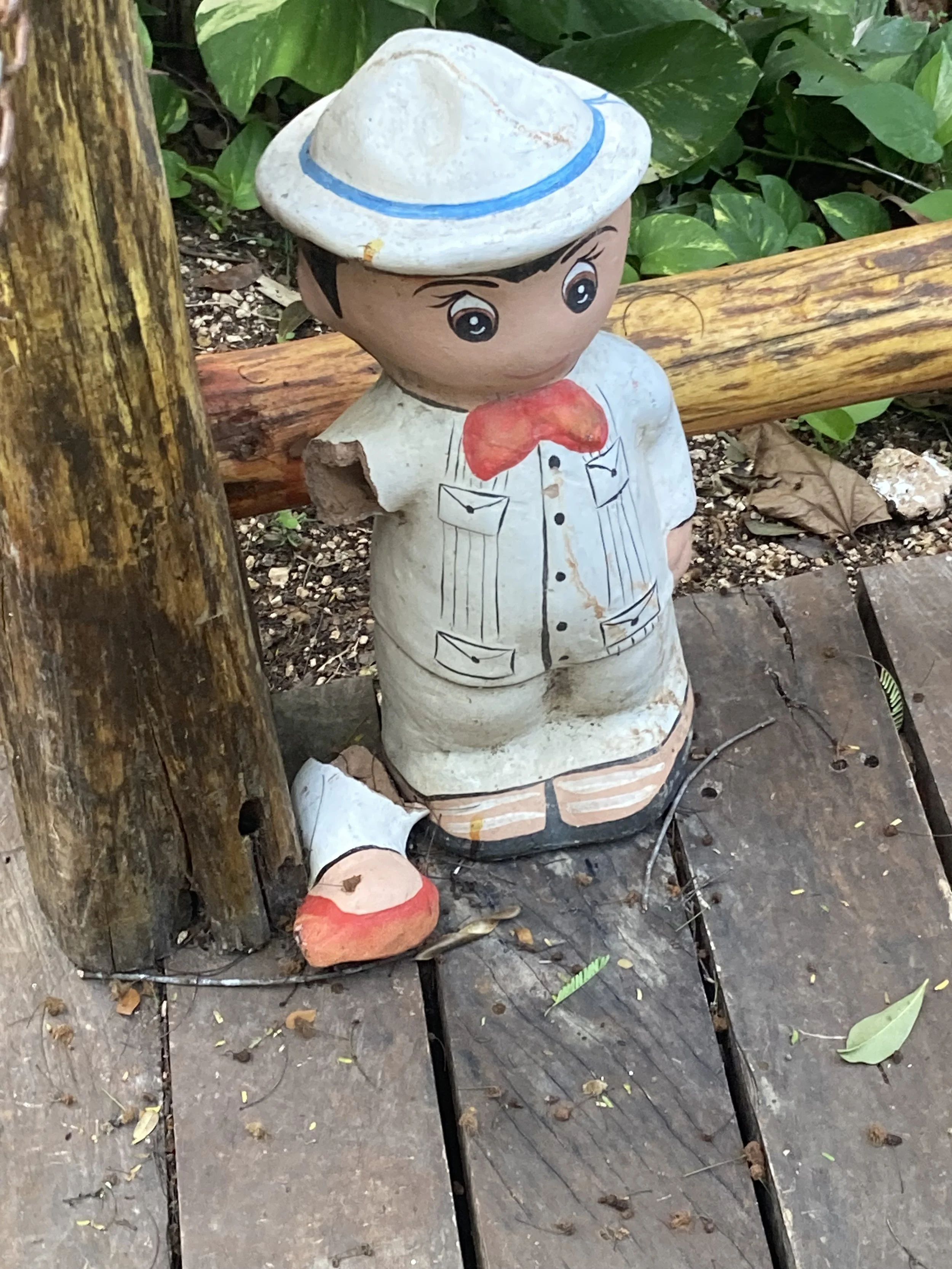
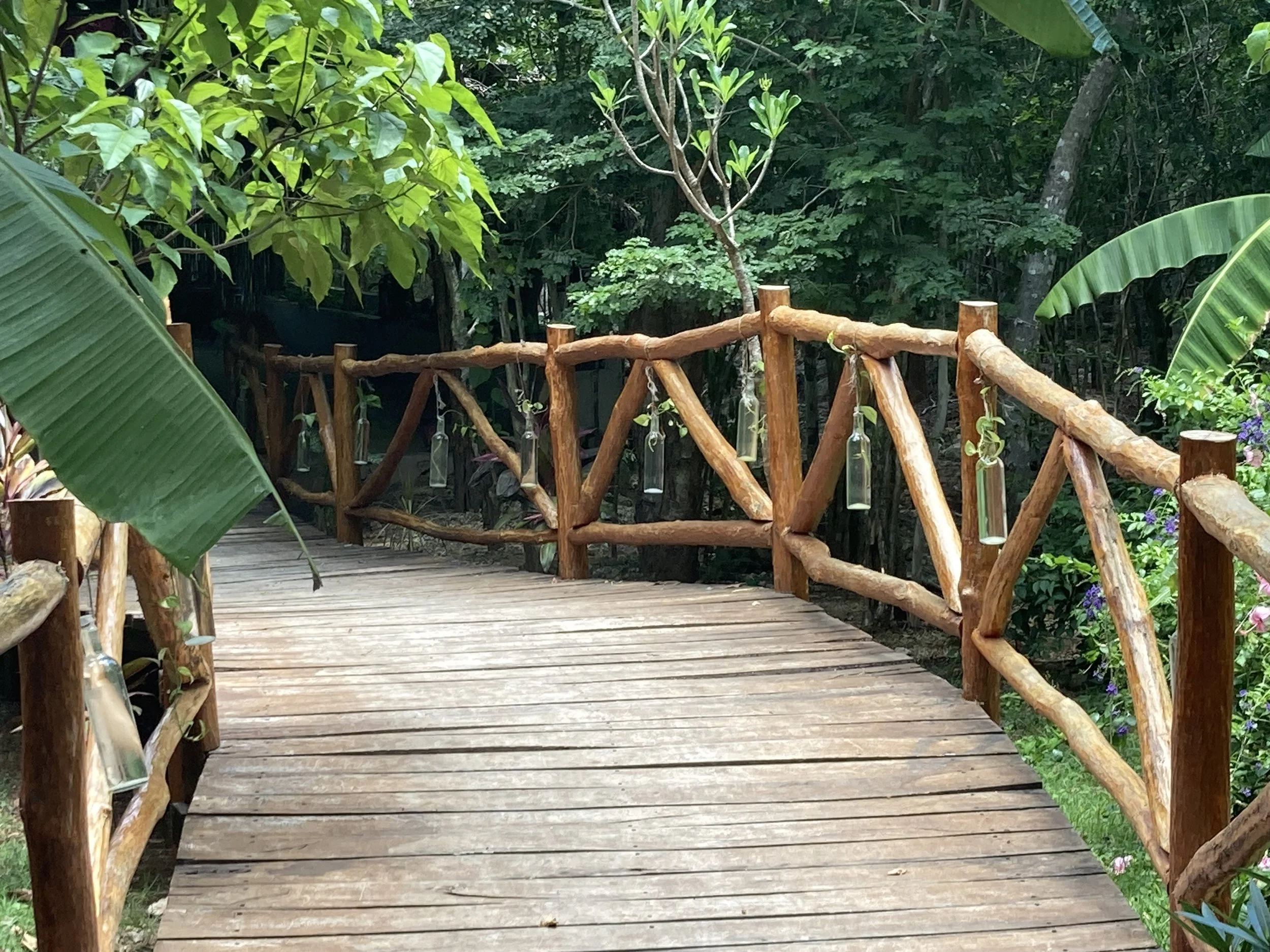
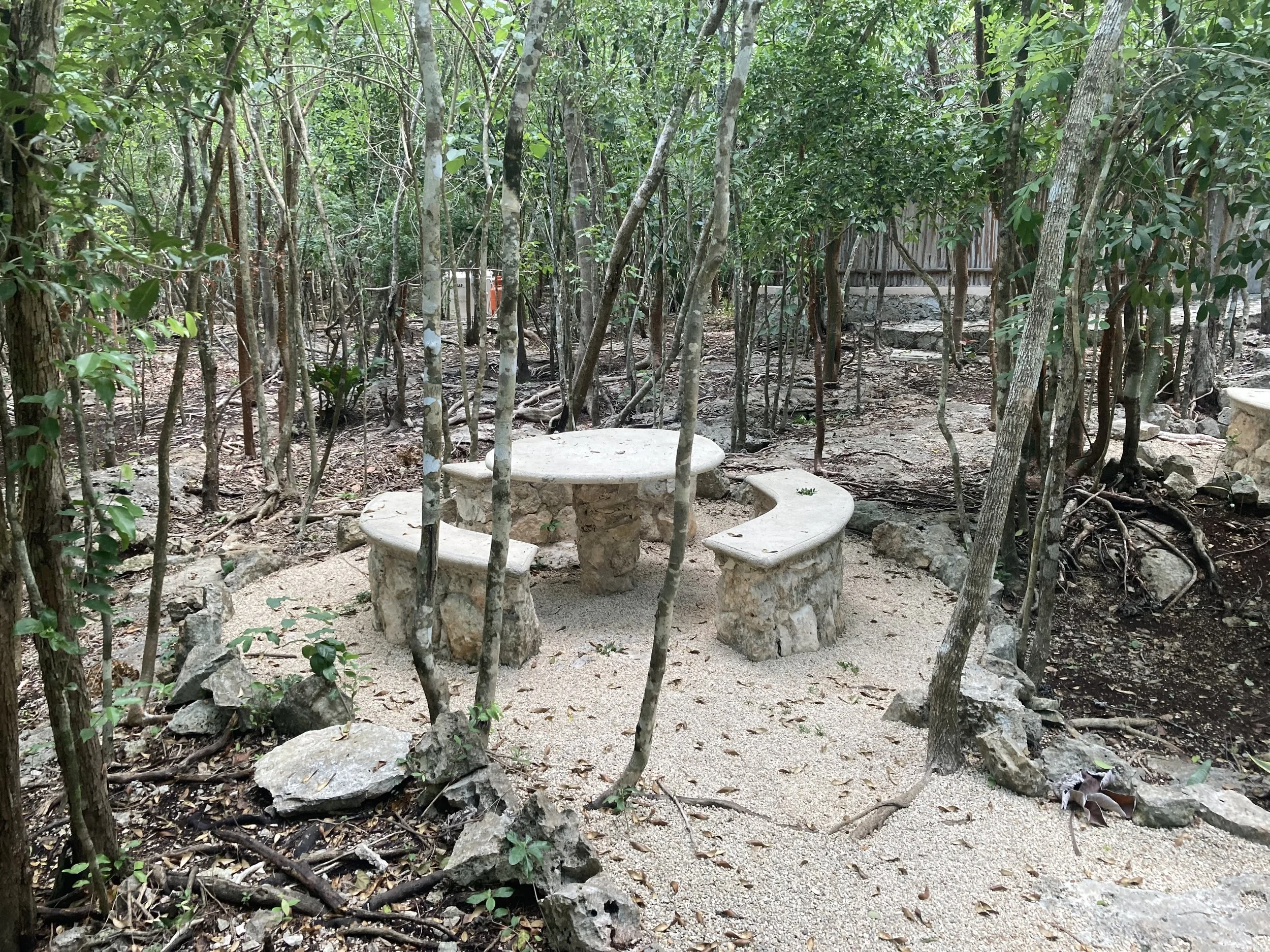
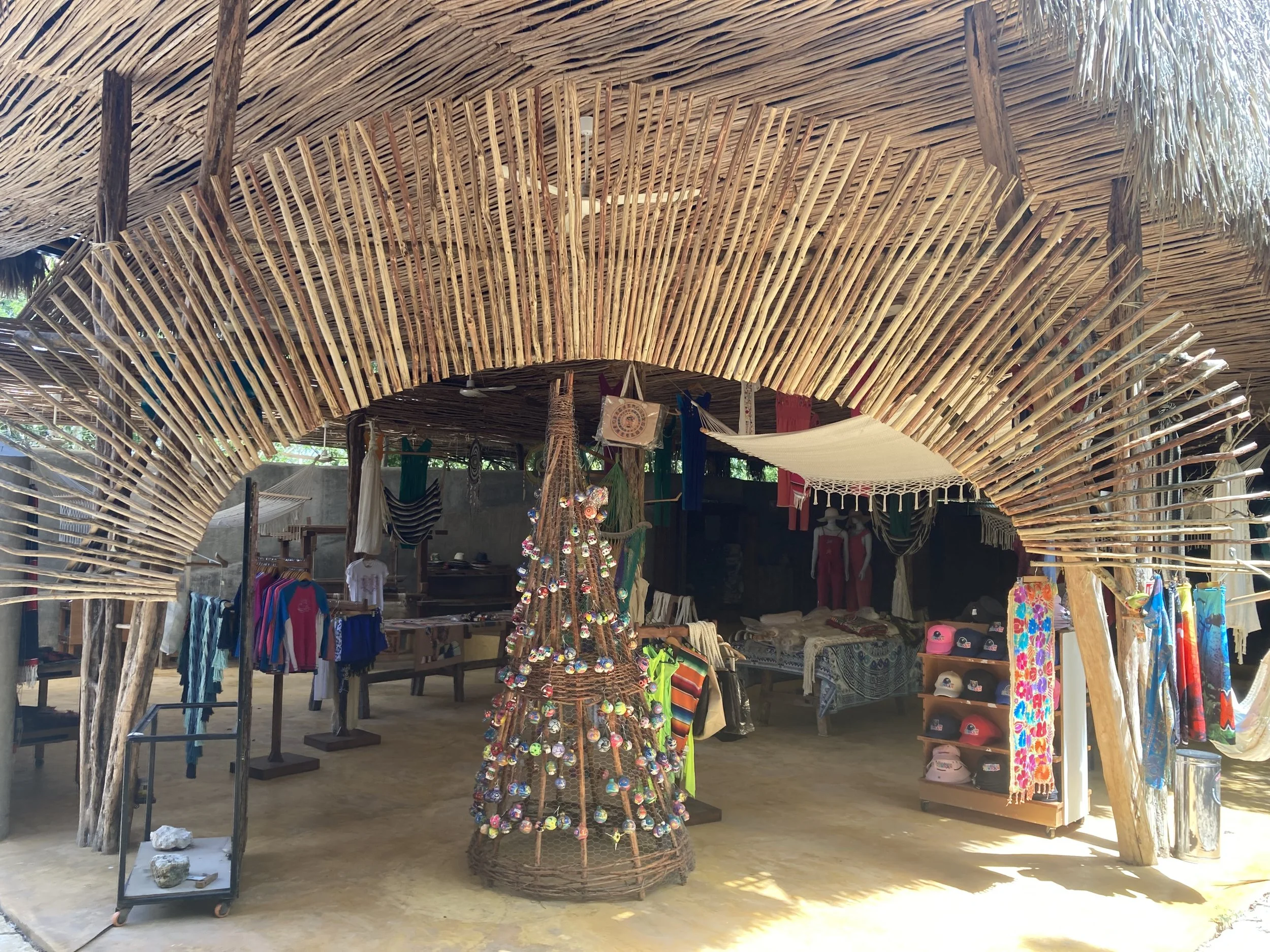
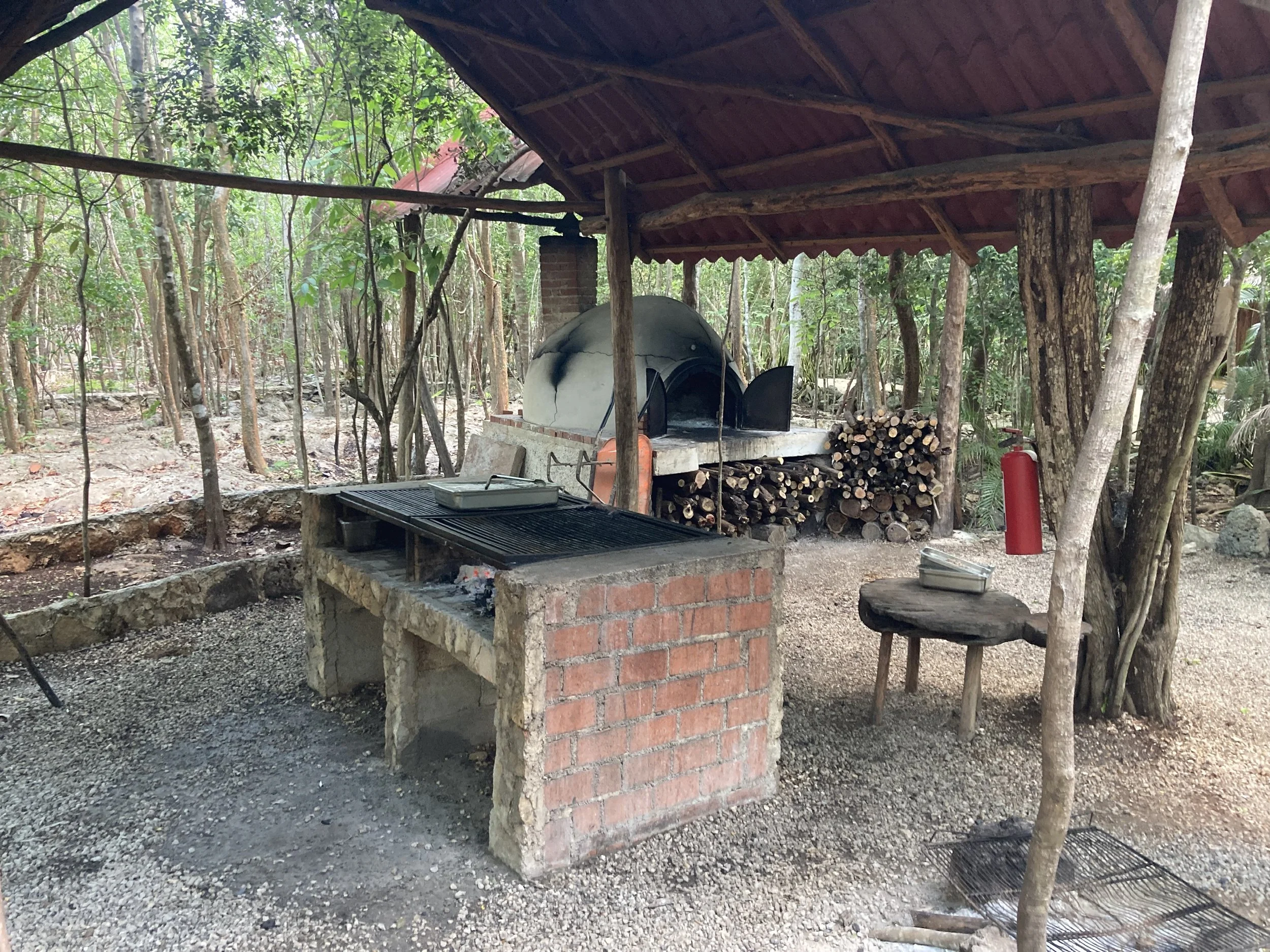
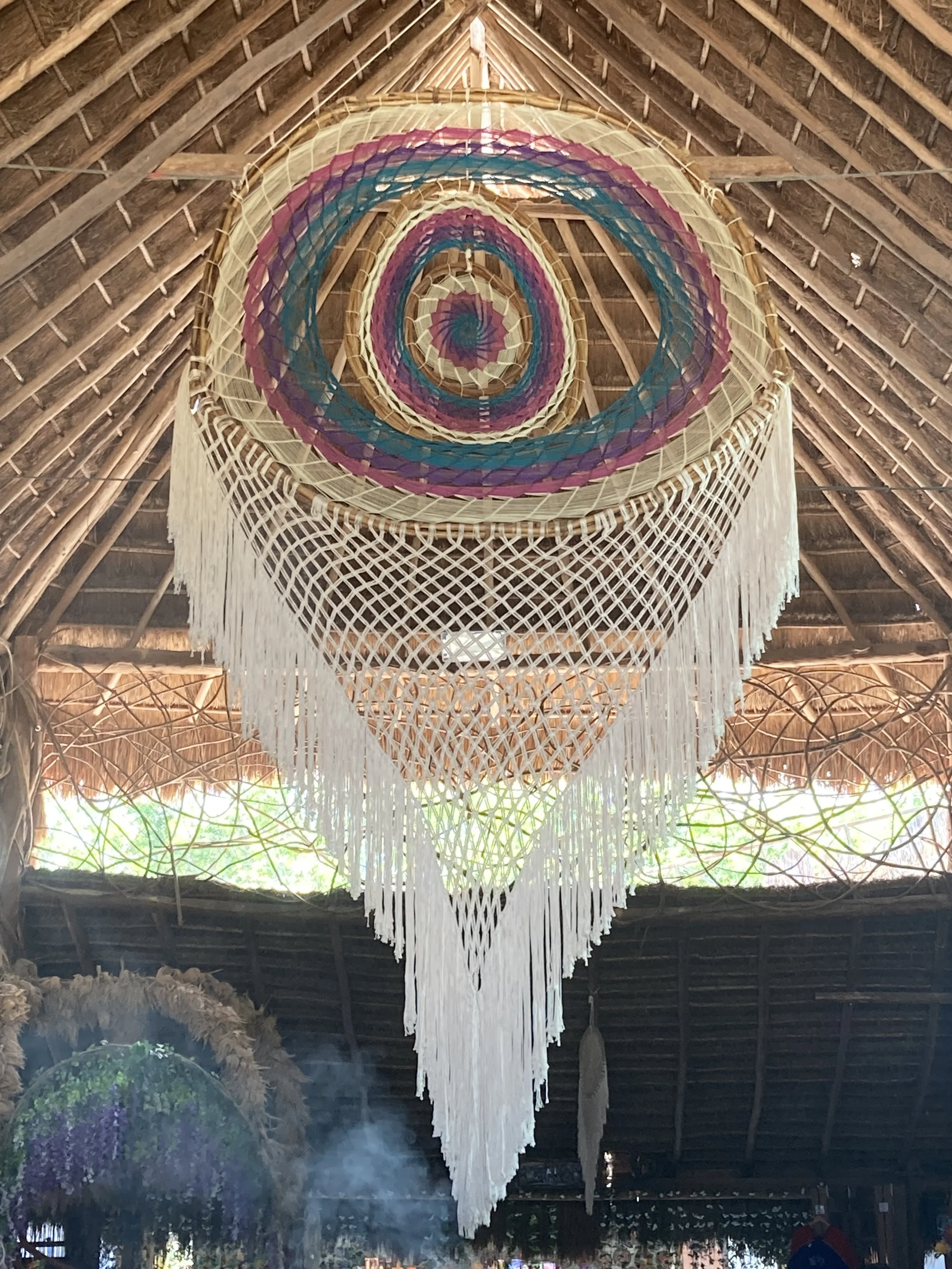
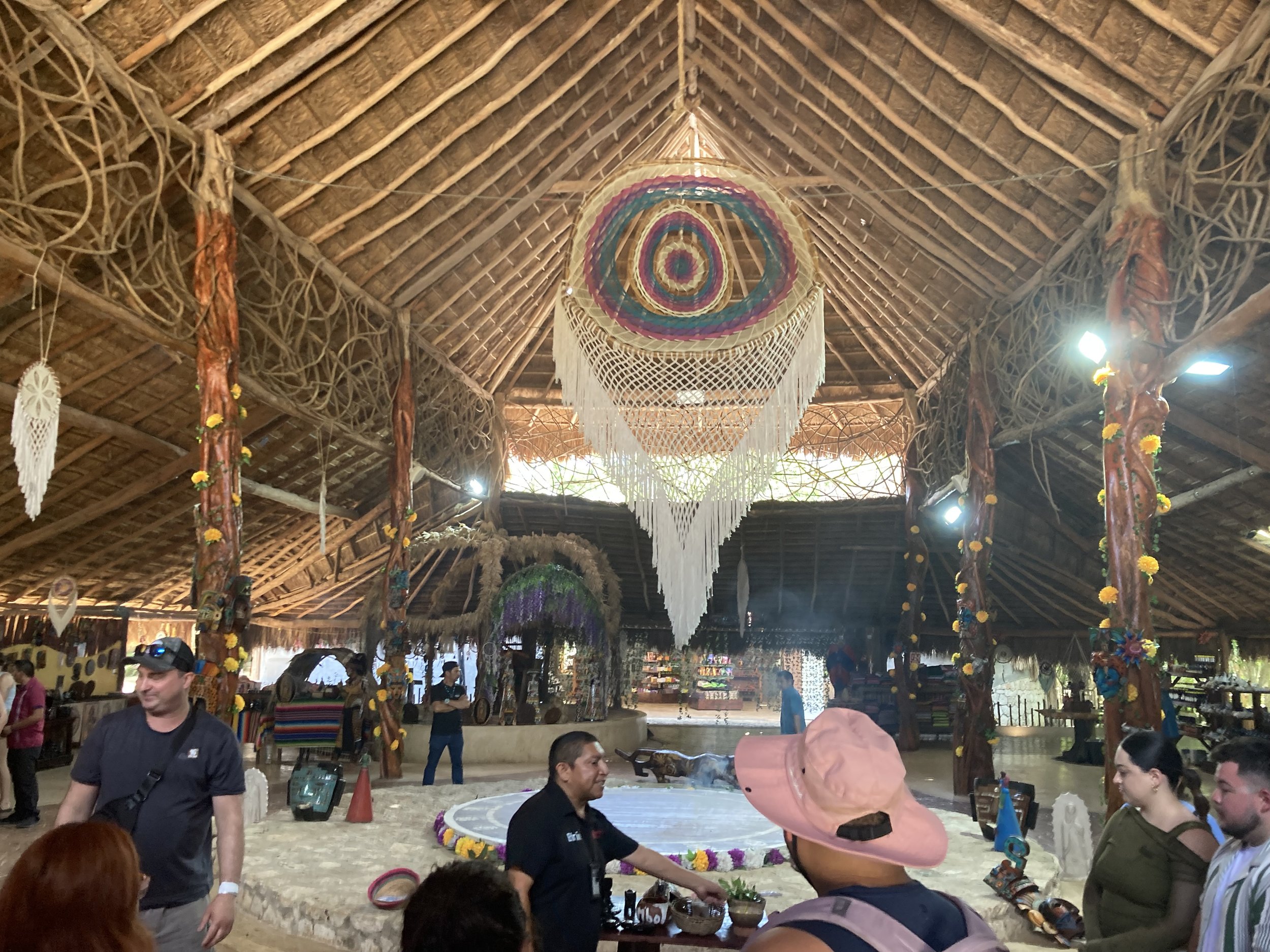
This was a fabulous day in Yucatan, Mexico. Beauty truly is everywhere you look. And some beauty is easier to recognize than others. I find the trick is to keep looking and being fully present to what is. Life is full of surprises (and some we actually love ;-)