Te Papa Tongarewa, NZ (February 15, 2026)
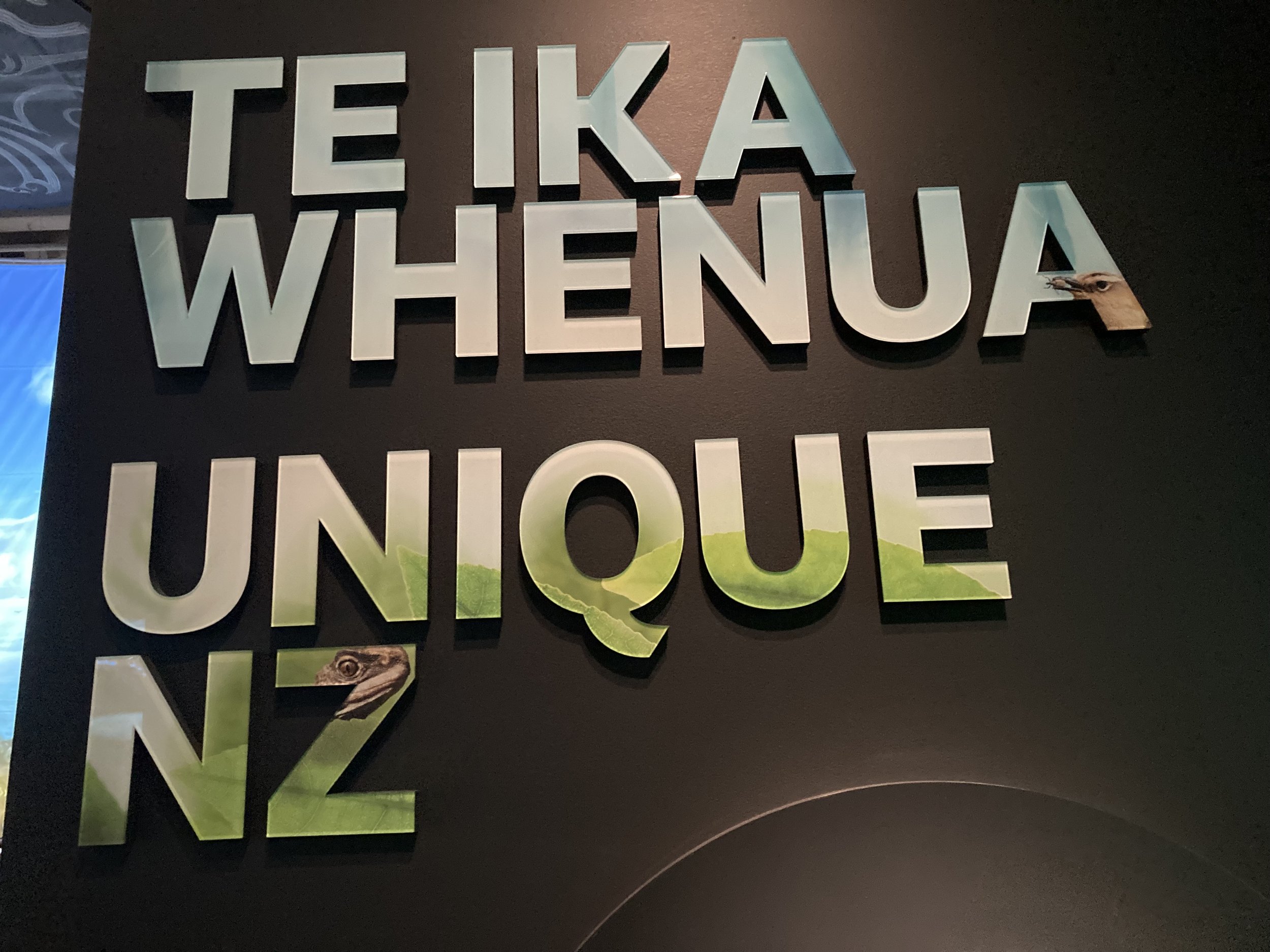
The National Museum of New Zealand (Te Papa Tongarewa) combined modern art with an understanding and historical context of New Zealand’s founding document (“The Treaty of Waitangi”), The Maori (he indigenous Polynesian people of Aotearoa), and several interactive exhibits including a simulated earthquake.
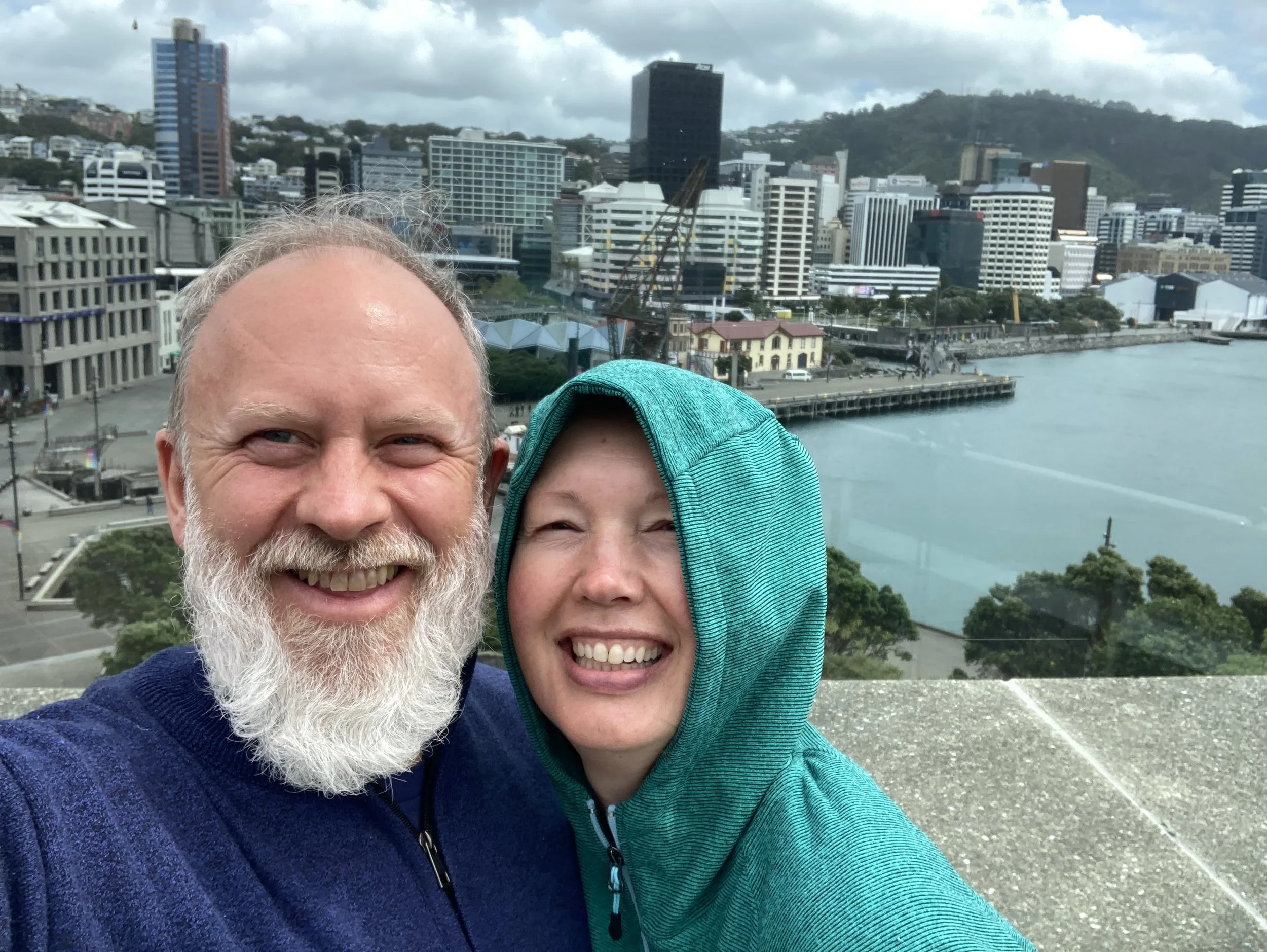
Bill and Elena Carmody explore the windiest city in the world
Elena did not drag me to this museum. Even though she is much more into museums than I am, I was interested in learning more about New Zealand, its indigenous people and the overall art scene. I was not disappointed as this museum delivered on all of these fronts … and then some unexpected bonuses.
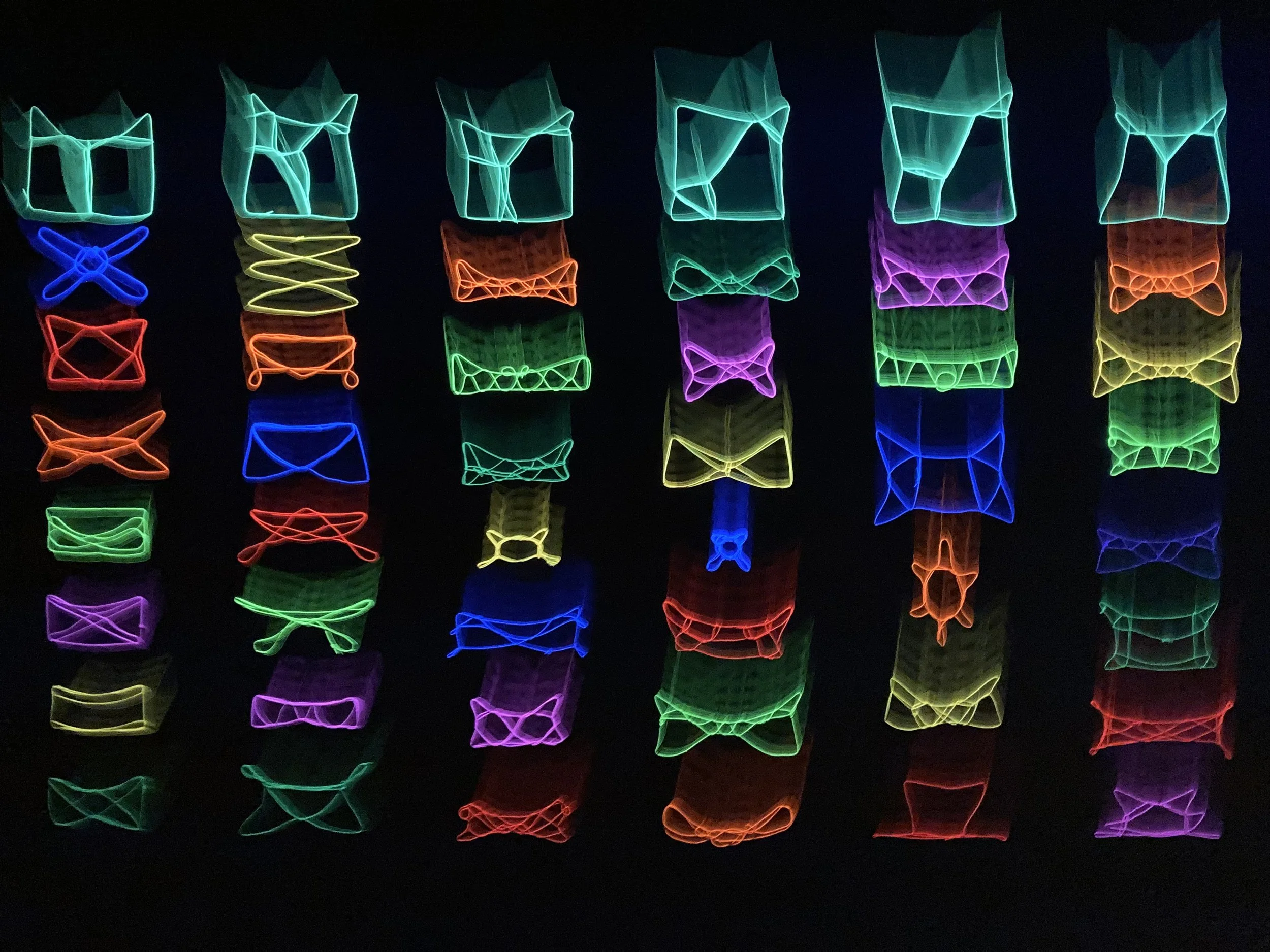
Neon string art exhibit called “String Games” Elena played as a kid
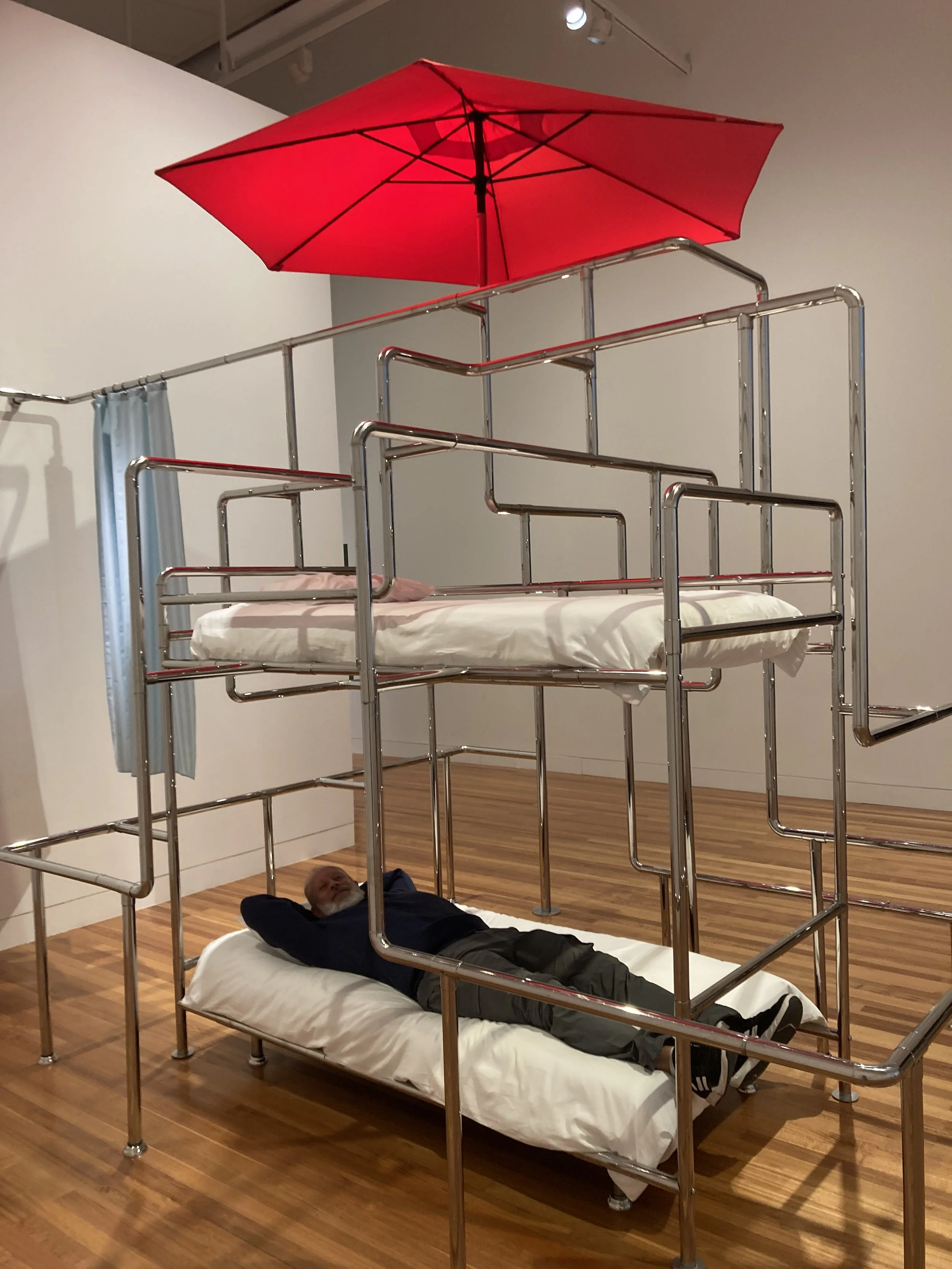
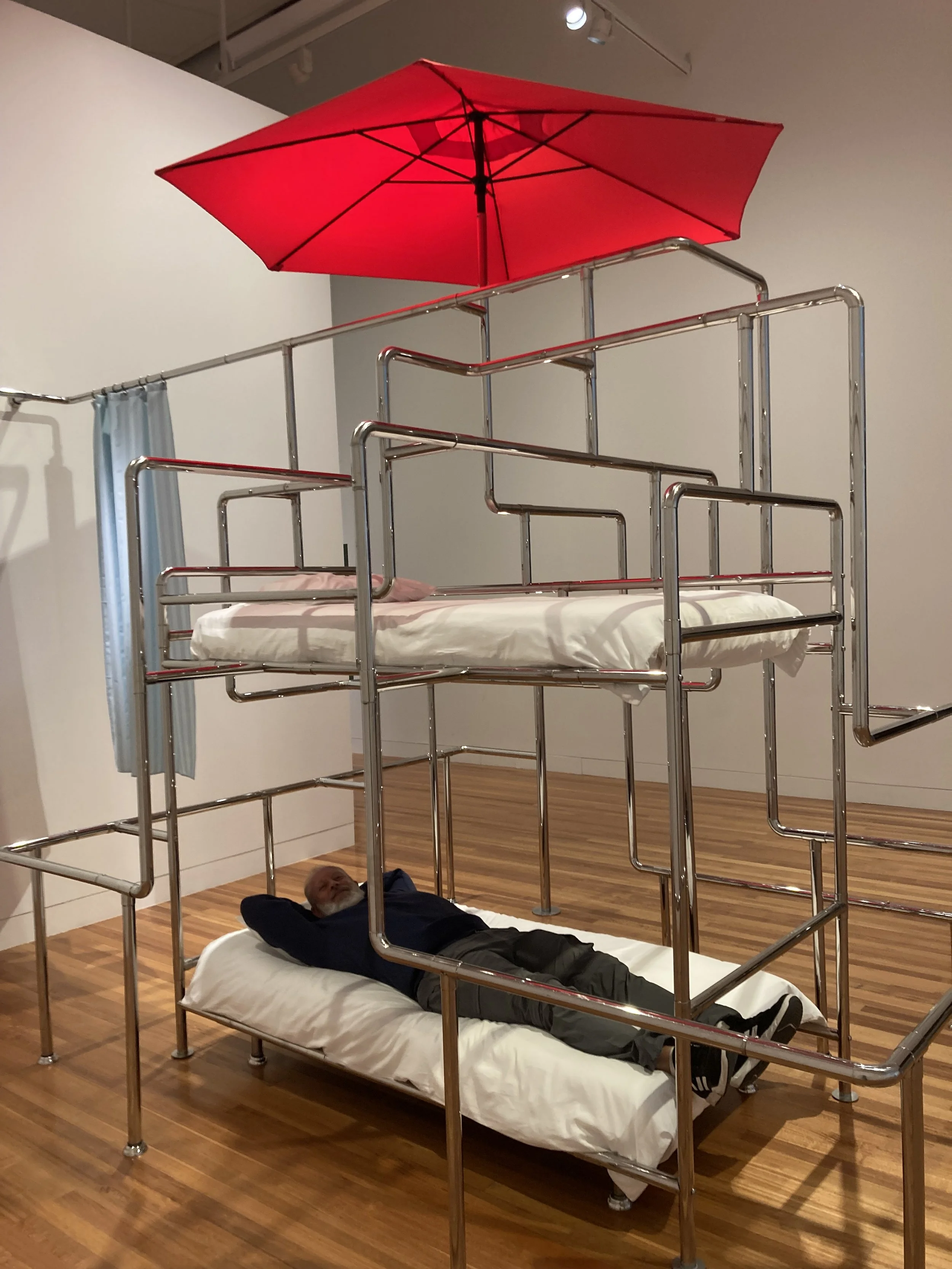
Elaborate artistic revisioning of bunk beds you can “try out”

Stories told through the medium of a child’s video game
And while all of this was fun, there were some really important lessons to be learned today which I’m happy to share. Imagine it’s 1840 and England is interested in establishing a colony in New Zealand. This is what The Treaty of Waitangi is about. Specifically:
The Treaty of Waitangi (Te Tiriti o Waitangi) was first signed on 6 February 1840 at Waitangi in the Bay of Islands, New Zealand, by Captain William Hobson (representing the British Crown), British residents, and Māori rangatira (chiefs).
Initial Signing: On 6 February 1840, roughly 40-46 chiefs signed the document at the Waitangi Treaty Grounds.
Subsequent Signings: The treaty was taken around the country over the next eight months, with over 500 Māori chiefs ultimately signing copies.
Significance: It is considered New Zealand's founding document and is commemorated annually on 6 February, known as Waitangi Day.
Context: It was signed to establish a British colony while promising to protect Māori rights, though significant differences exist between the English and Māori text versions.
Unlike the Declaration of Independence in the United States where all the “Founding Fathers” spoke the same language (and held little to no regard for the indigenous Native American people), can you imagine brokering a treaty with indigenous people using different languages? There are key differences in the language, meaning and interpretation.
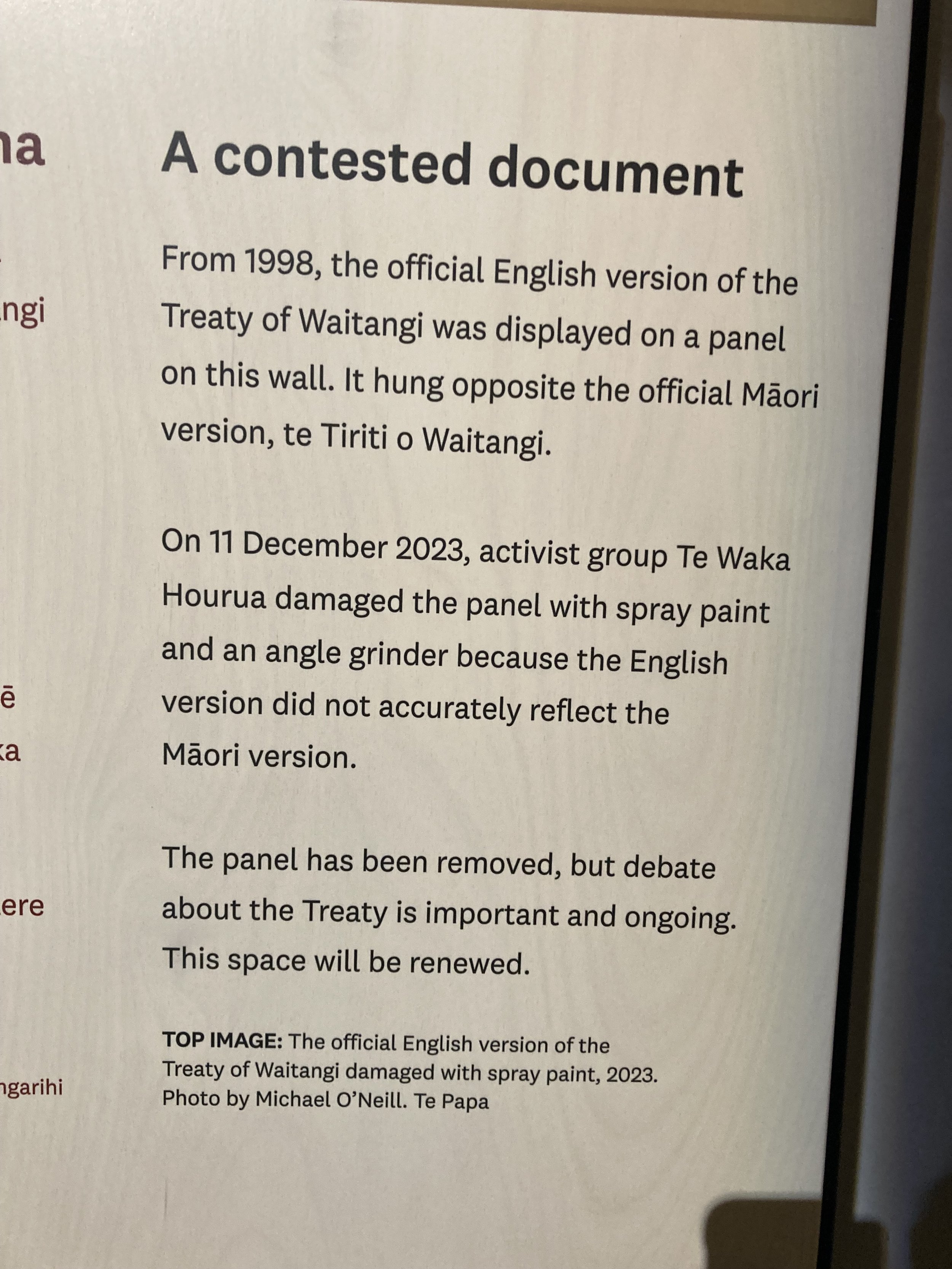
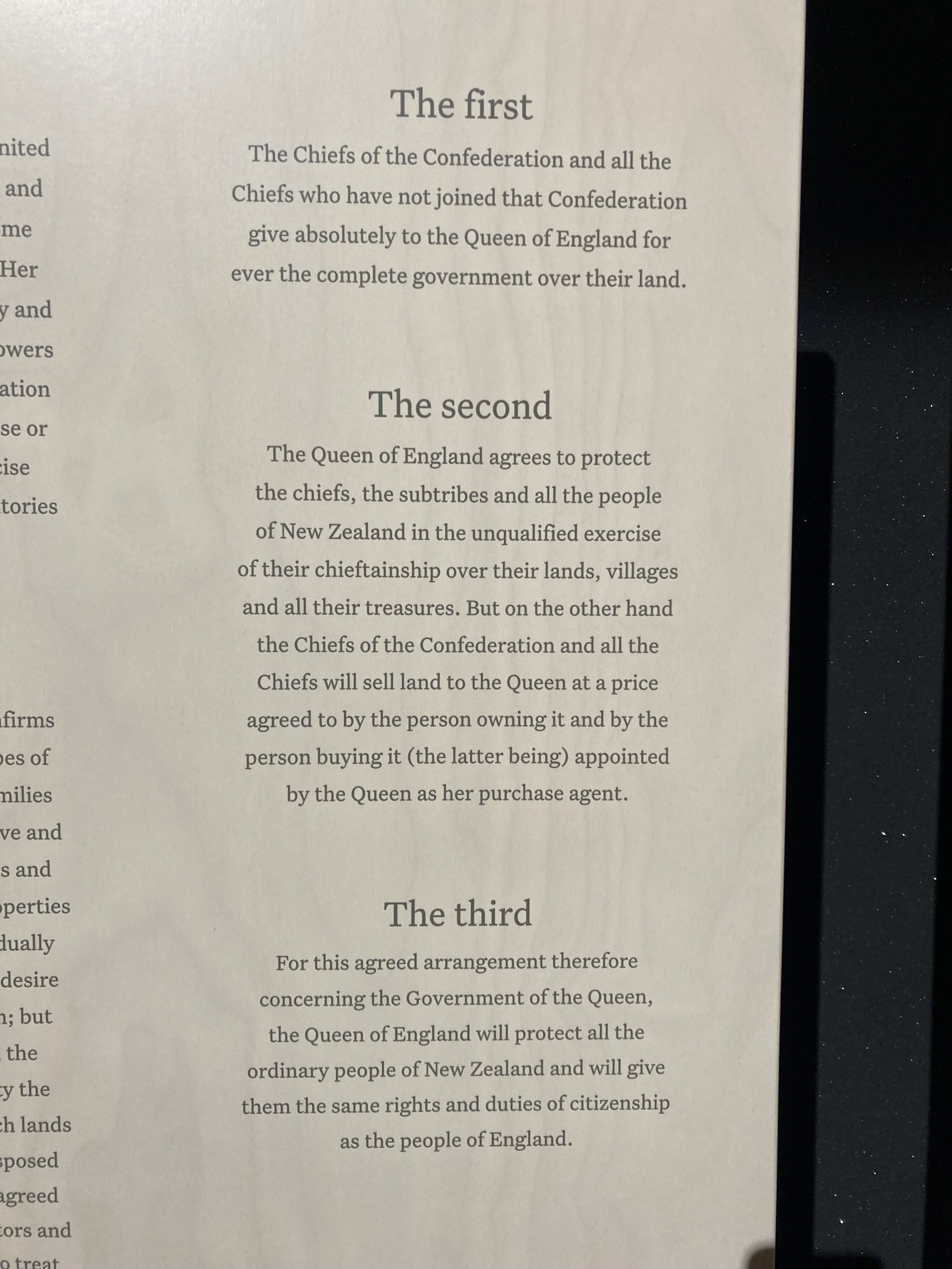
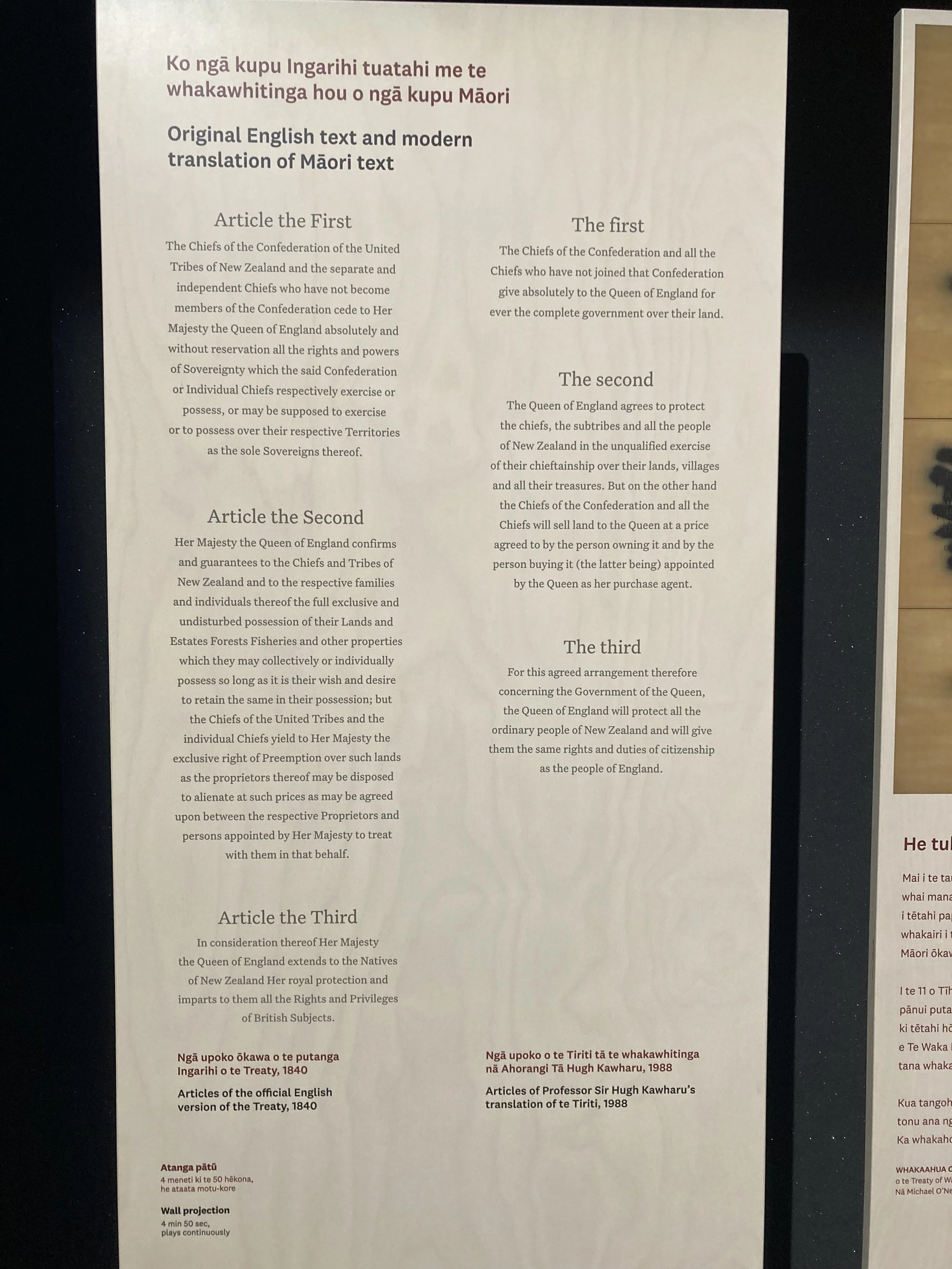
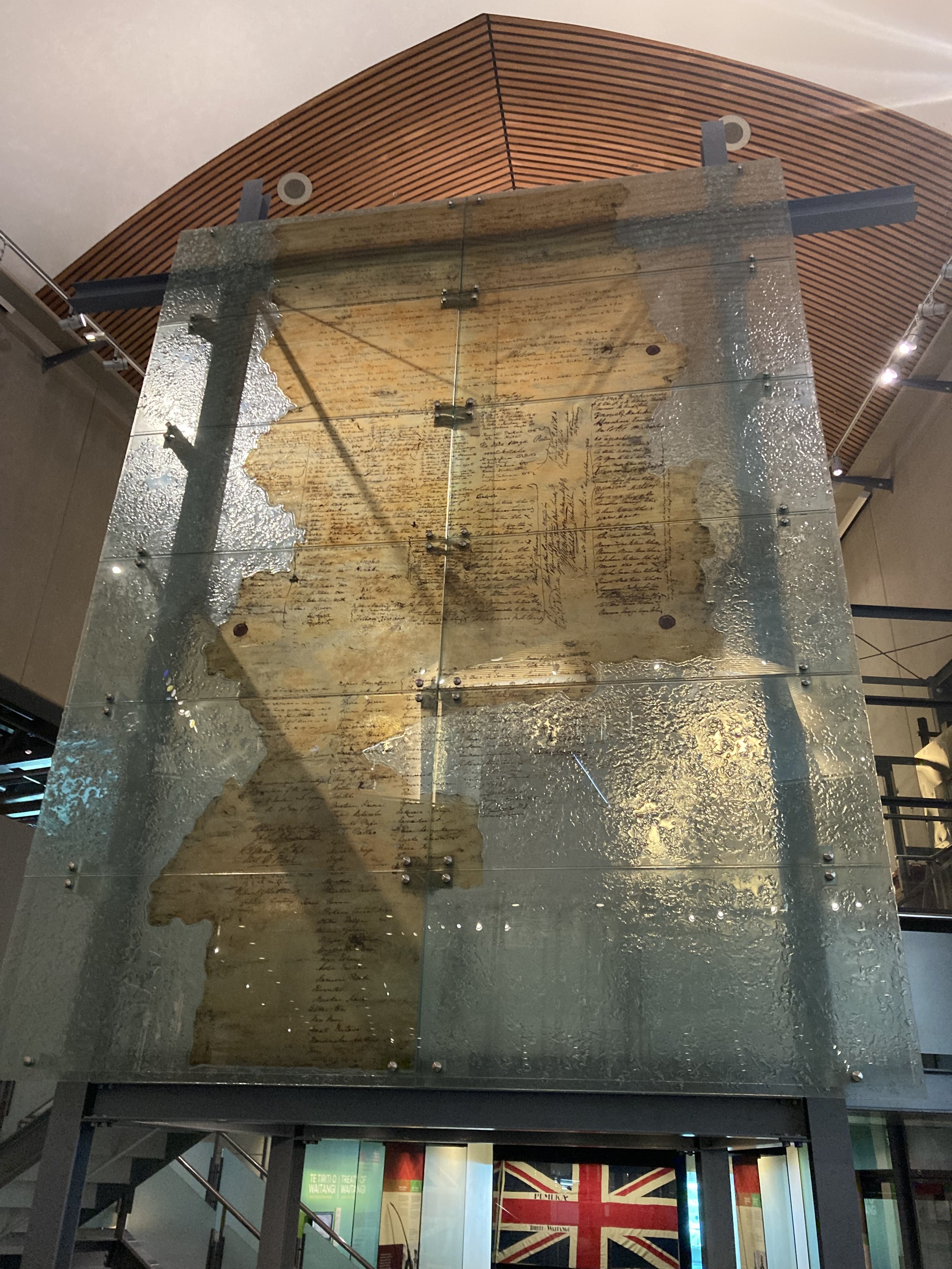
There was a powerful interactive display that put the two documents (English language version and Maori language version) side-by-side to show the key differences in meaning and interpretation. Nuance may be subtle, but there can be massive differences in understanding especially when it comes to the (legal) language of a treaty. This section alone was worth the entire visit.
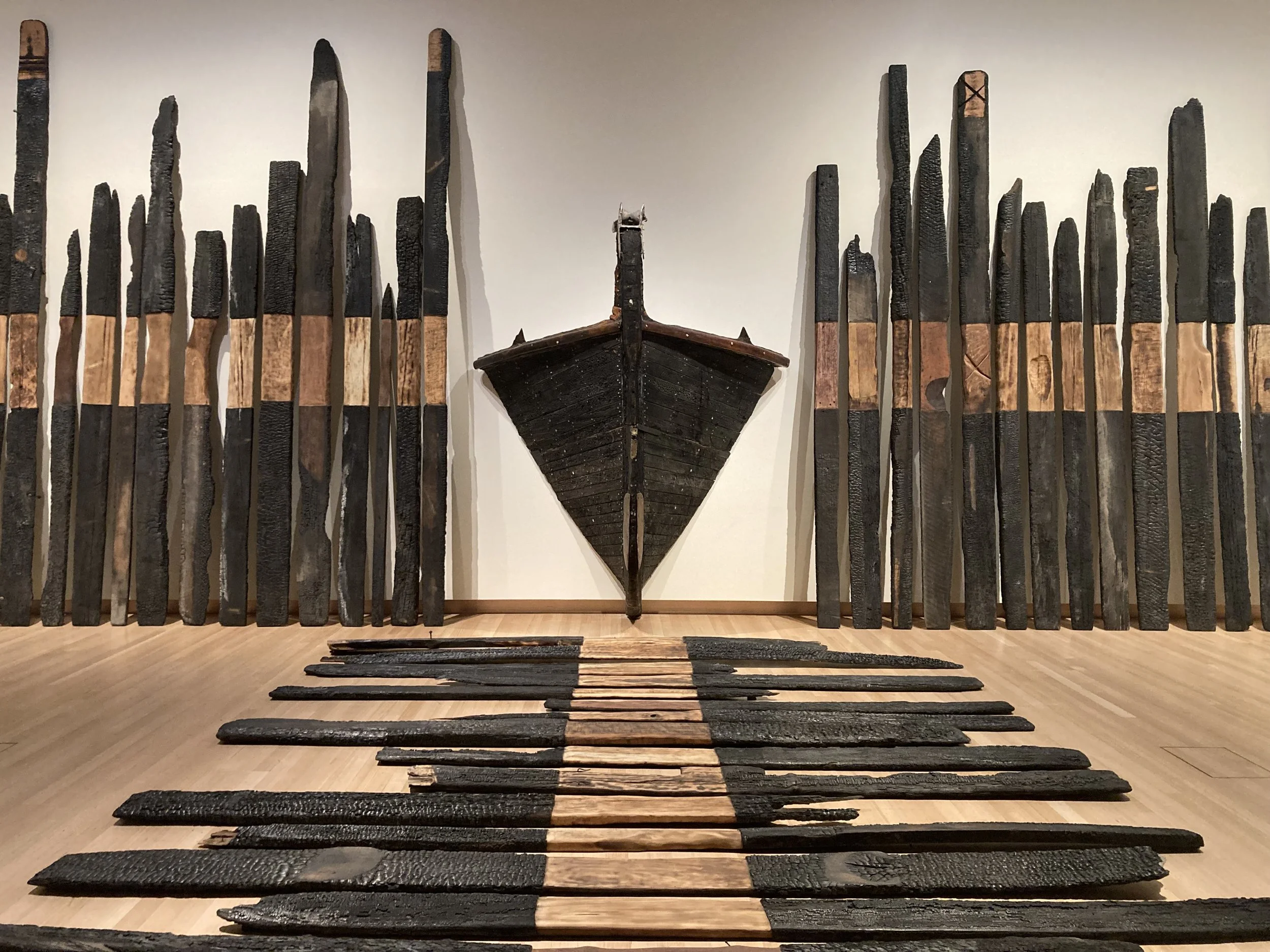
One of the many eye-popping art exhibits
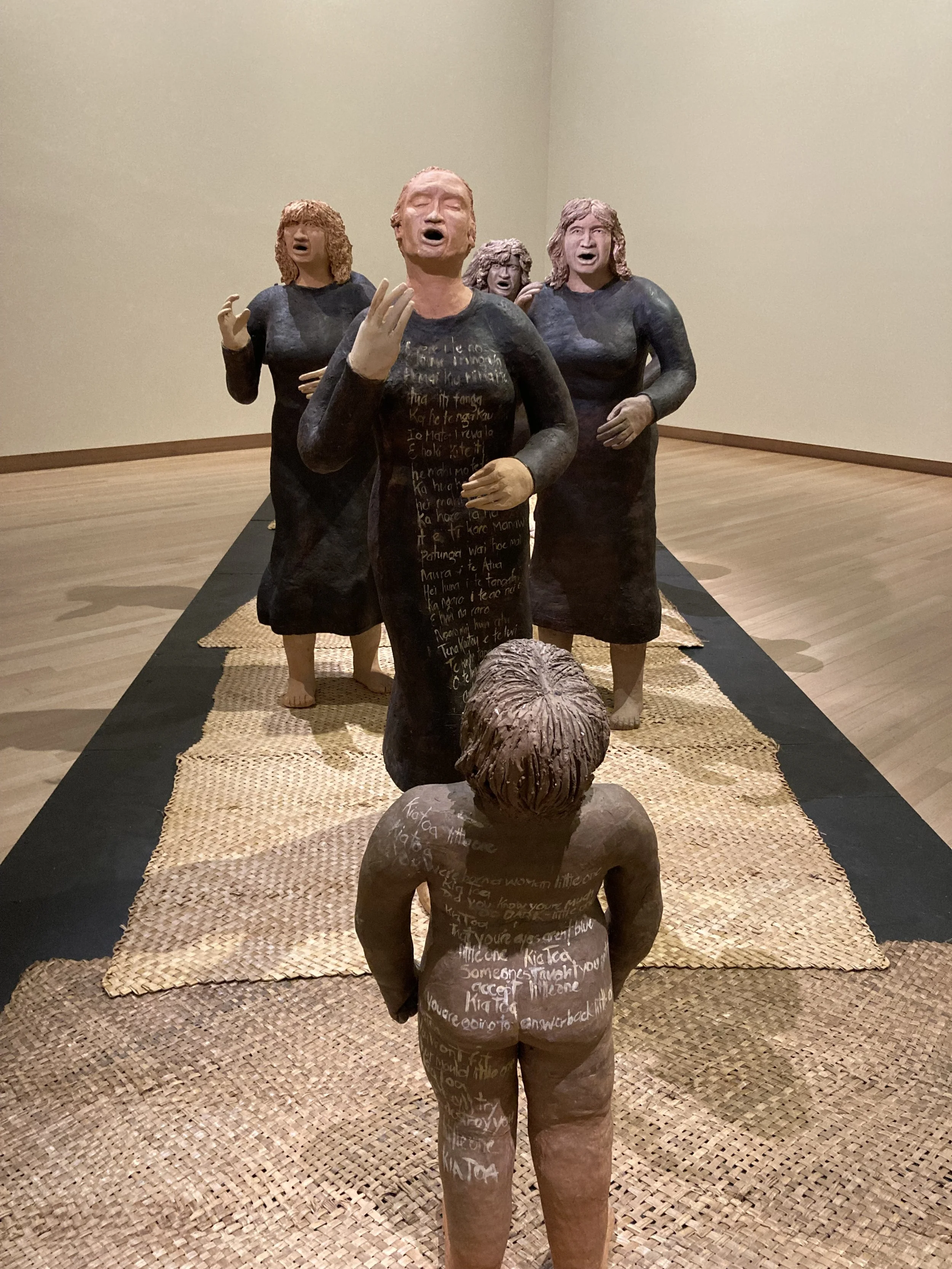
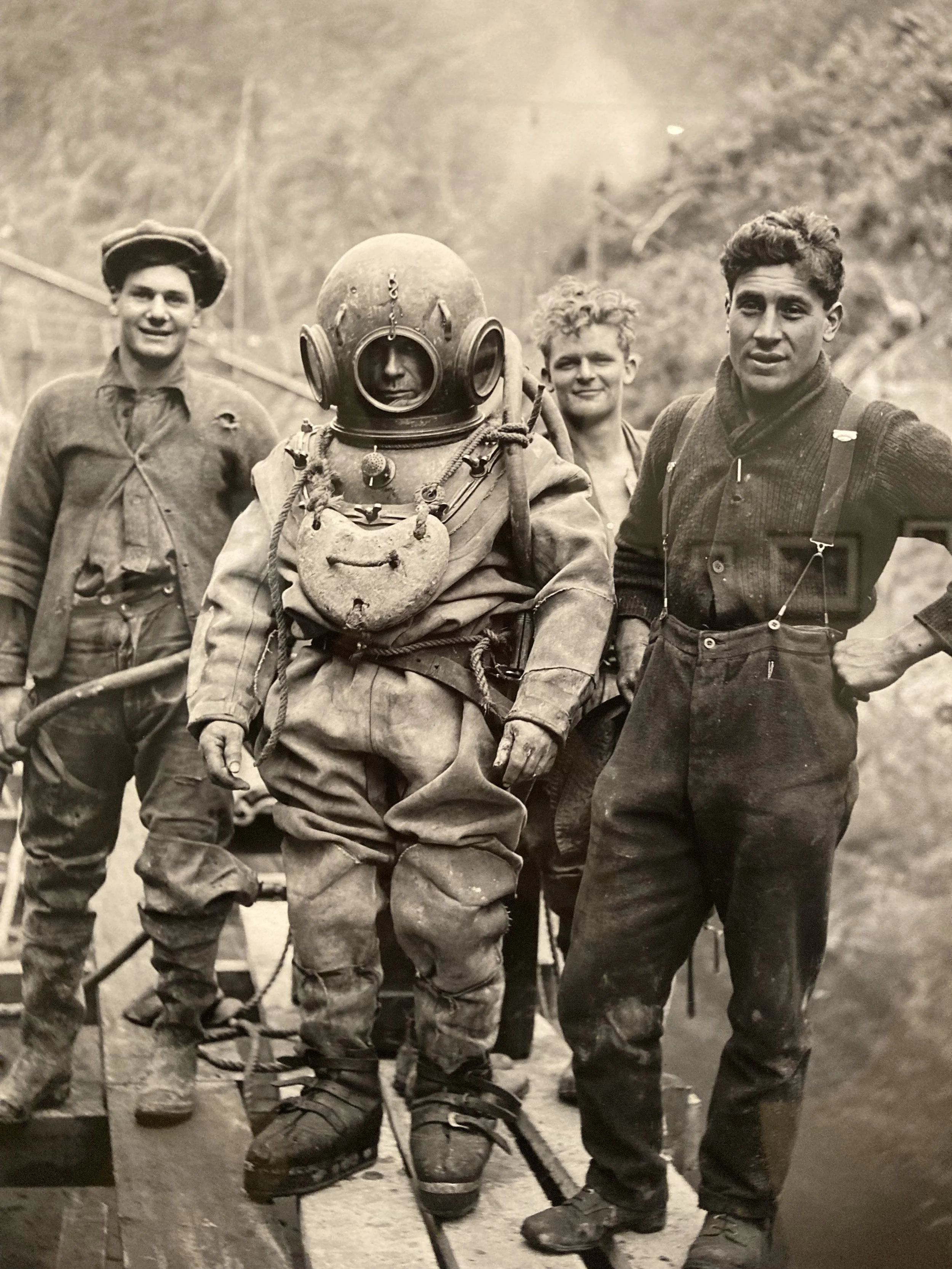
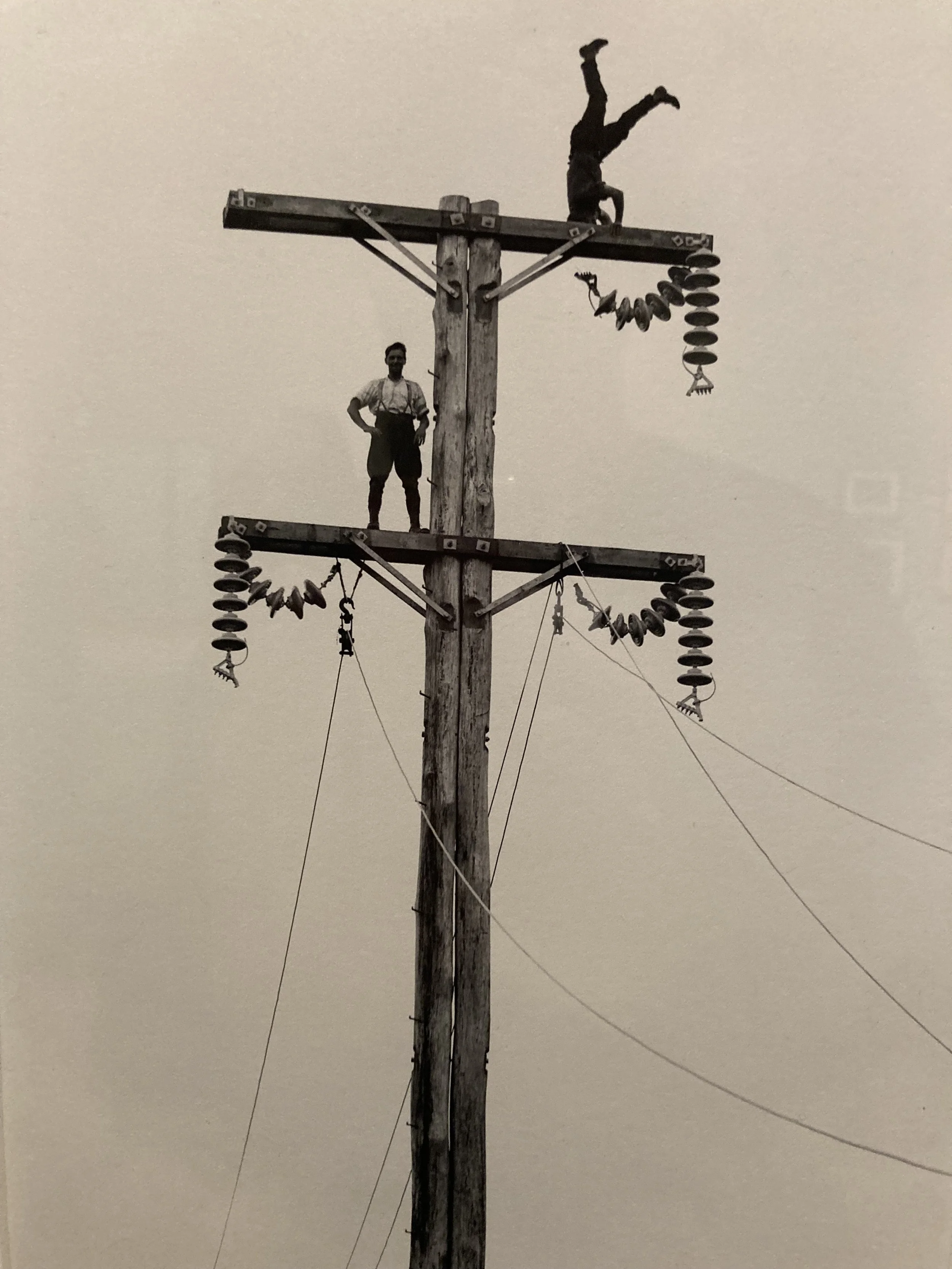
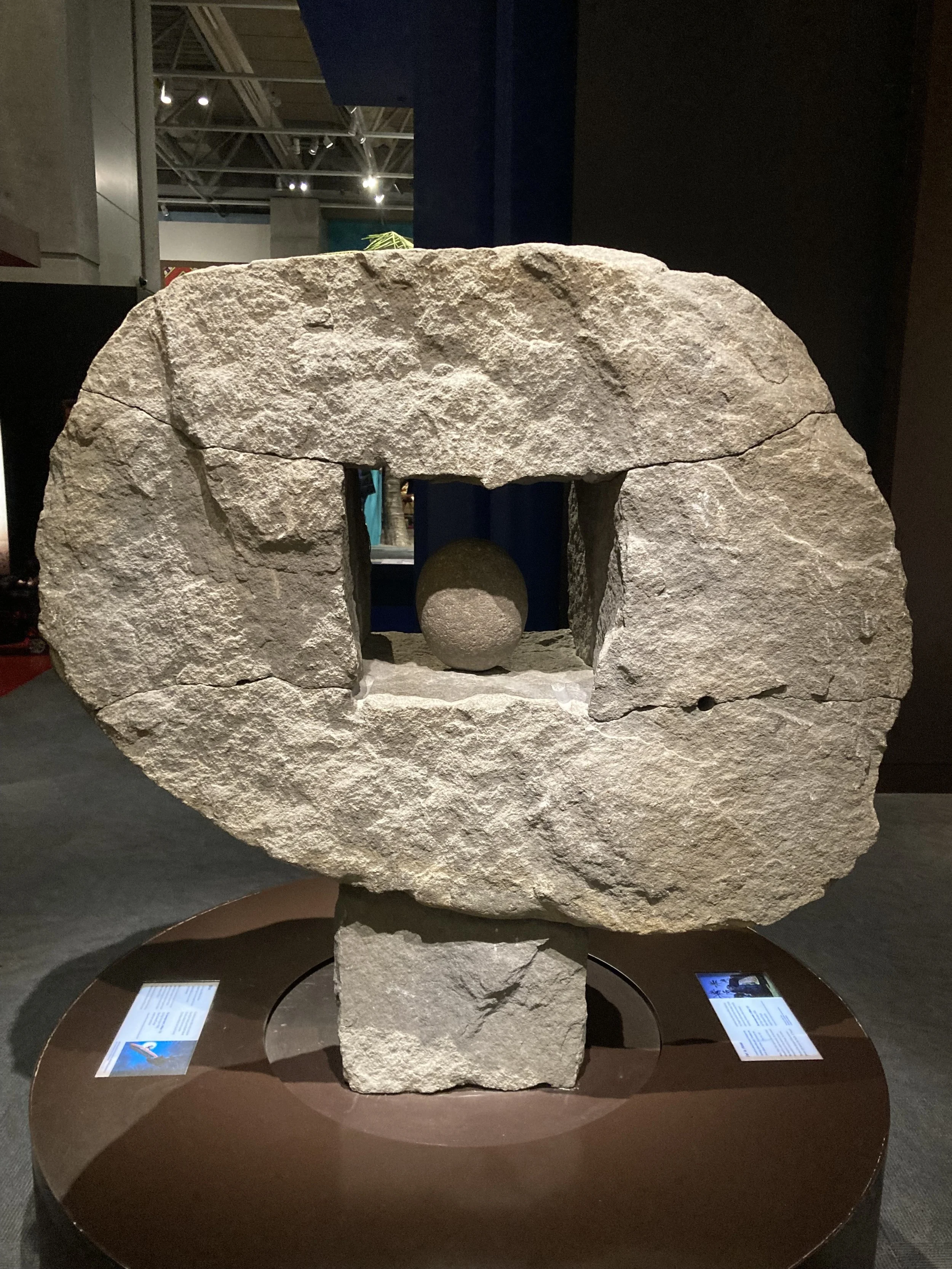
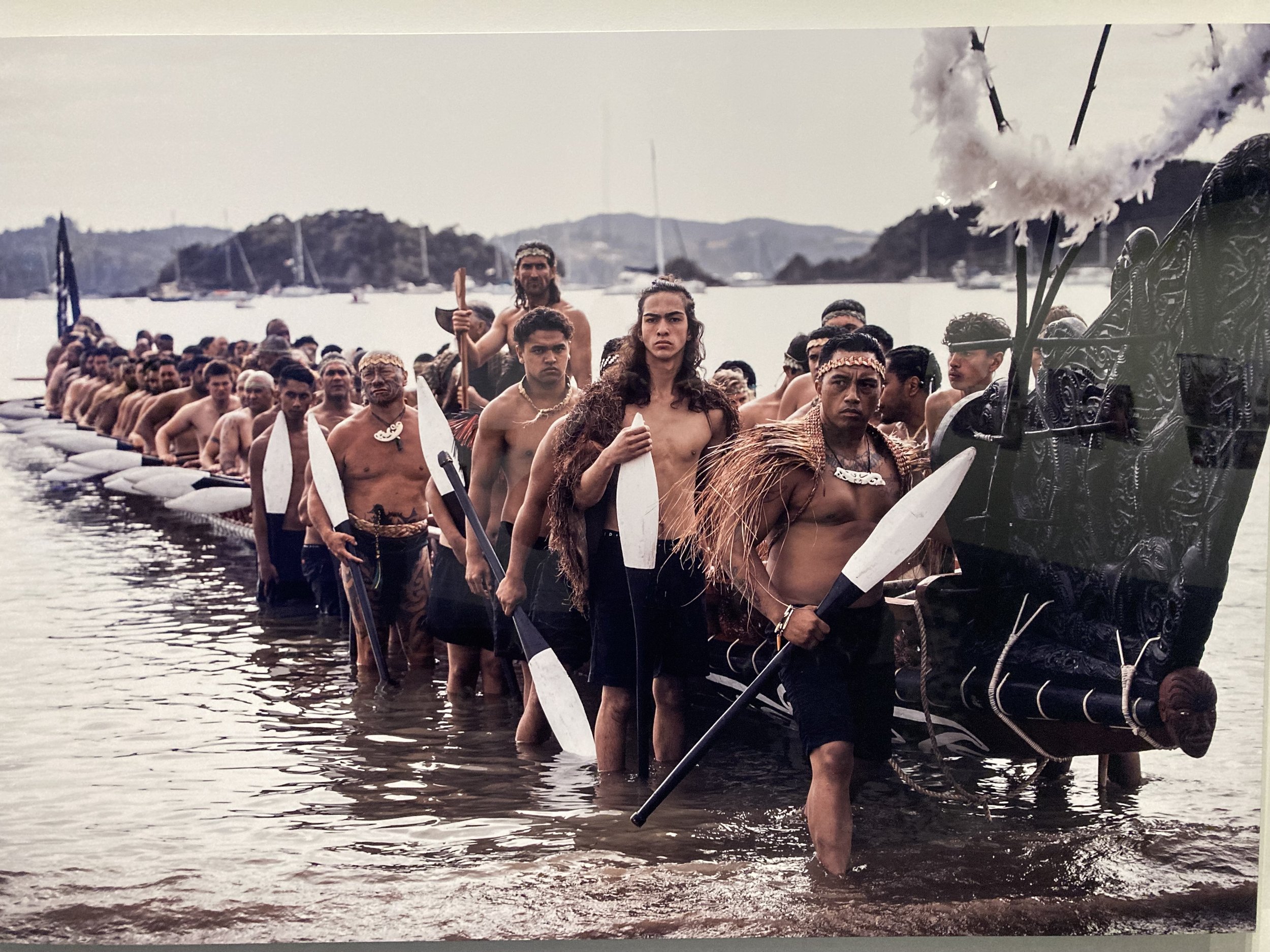
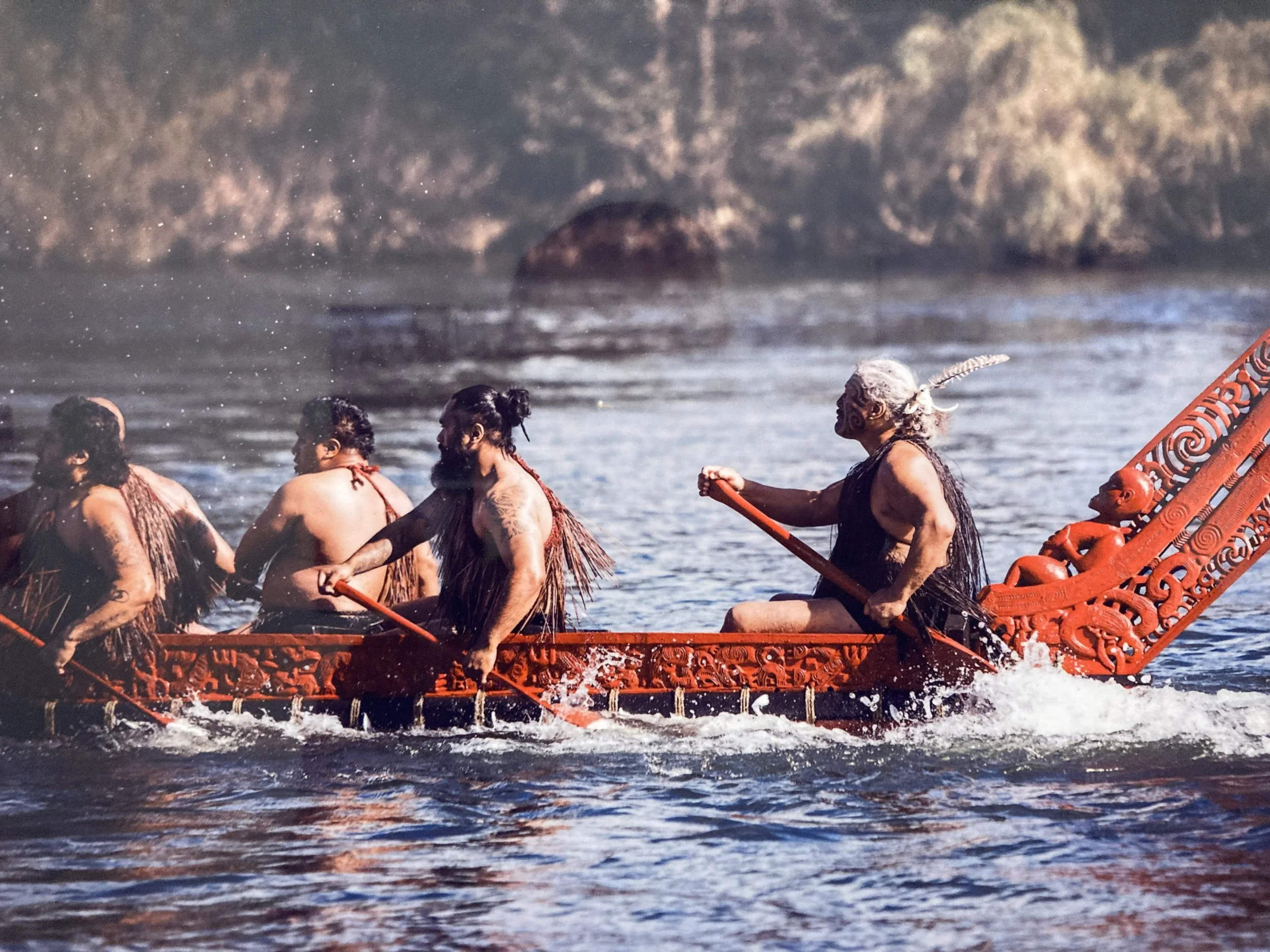
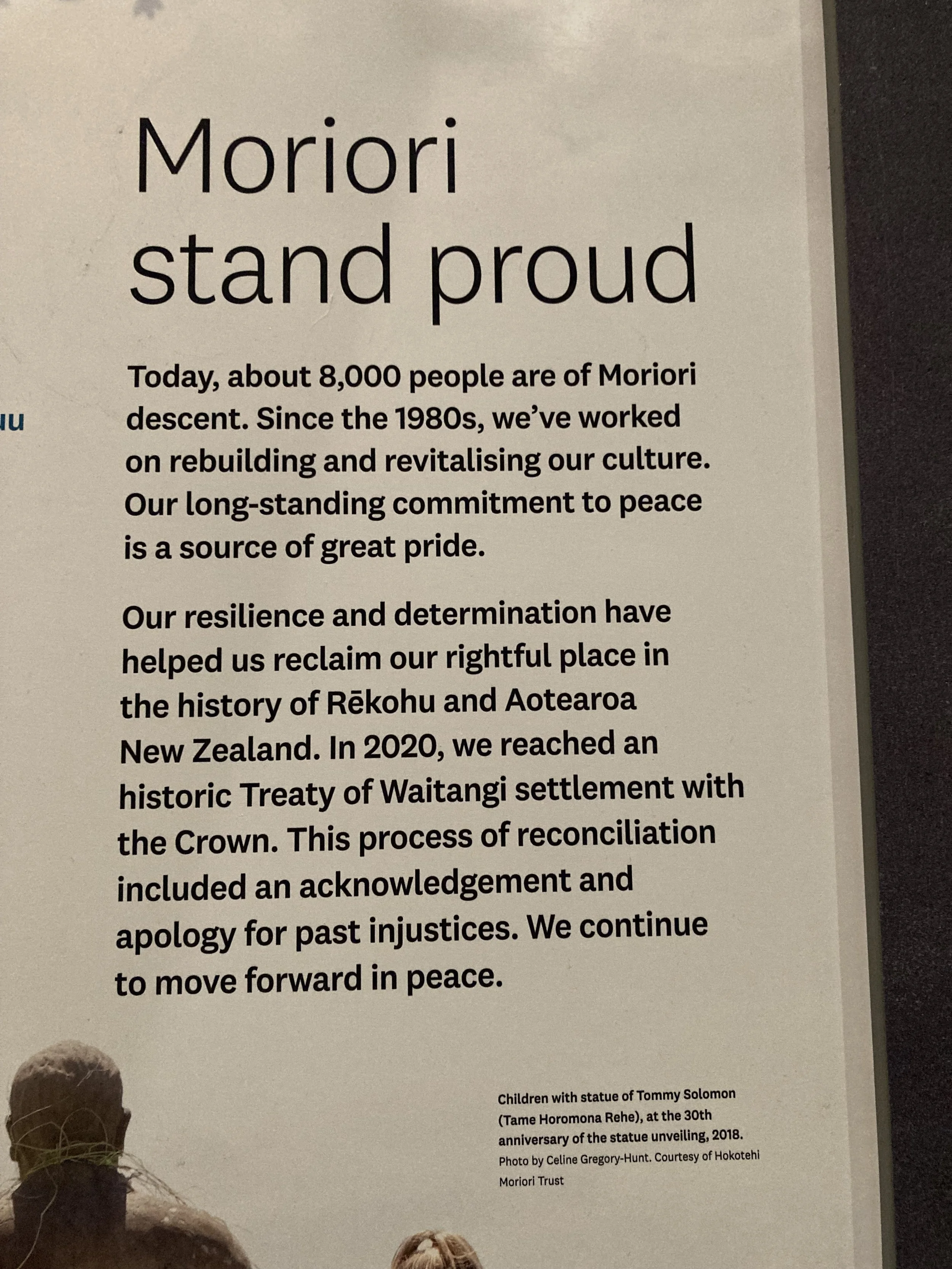
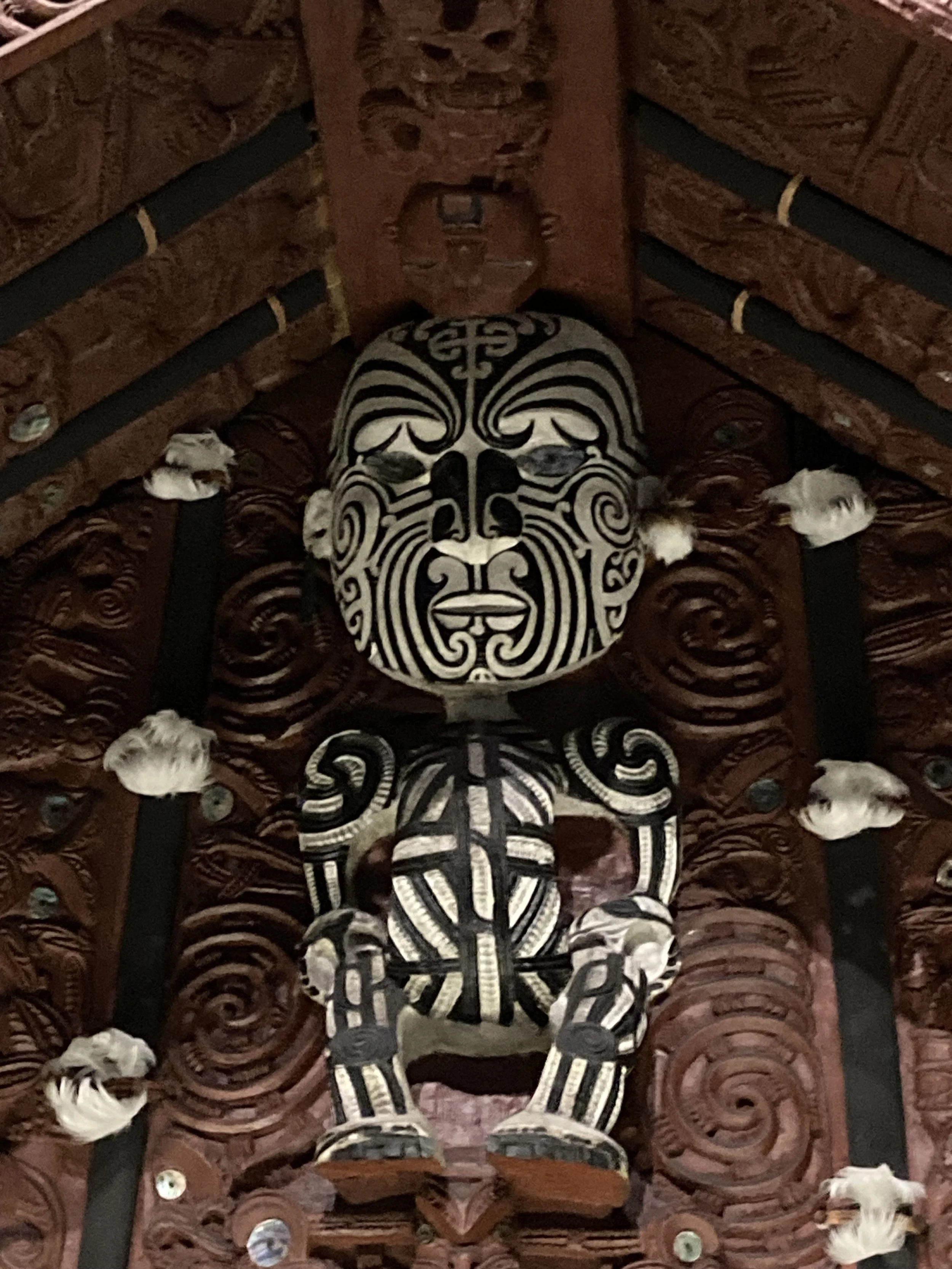
And then there was a whole section dedicated to The Maori. This included historical artwork and a well documented 2020 event.
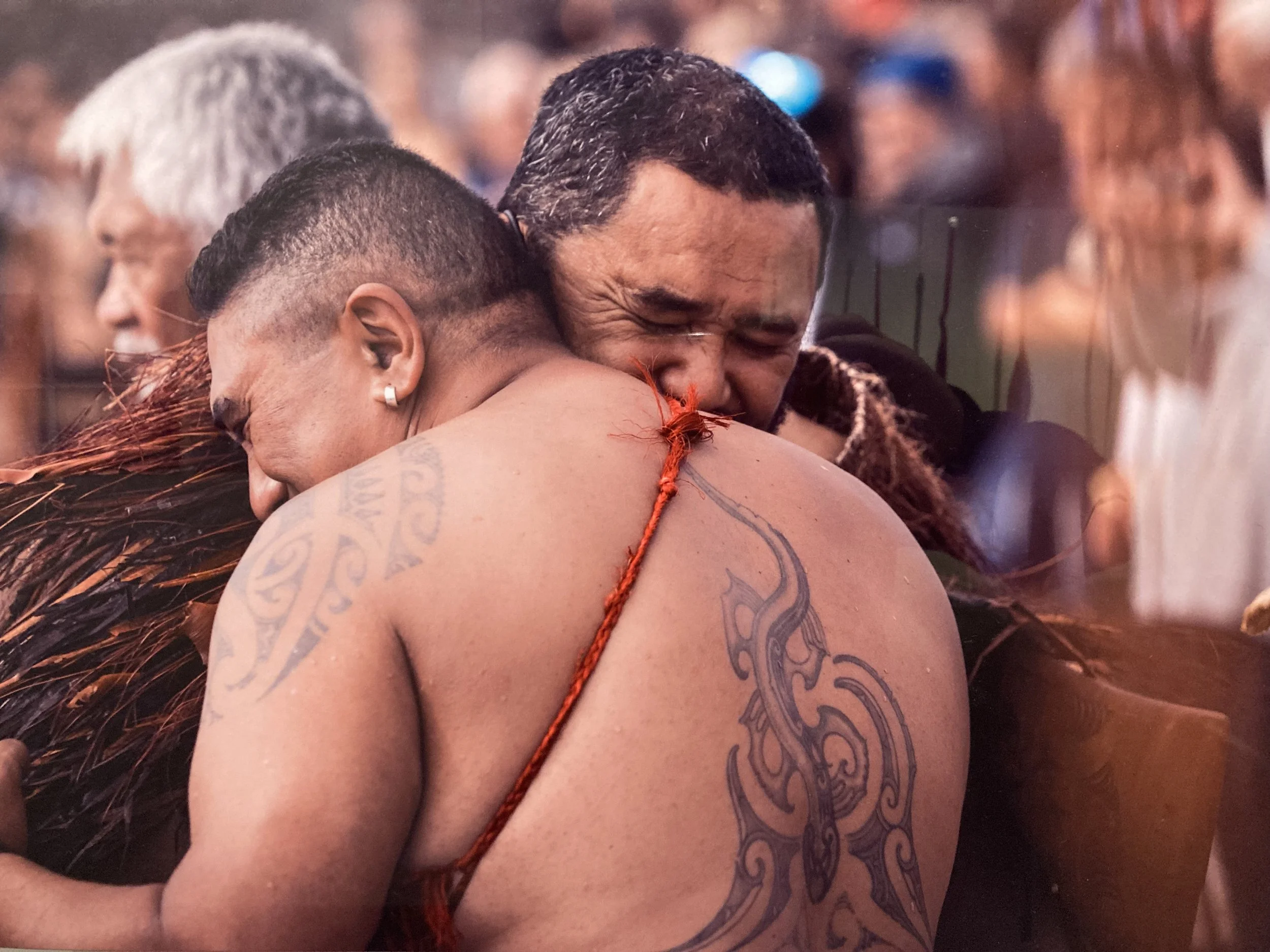
Emotional embrace as part of a historical cultural celebration
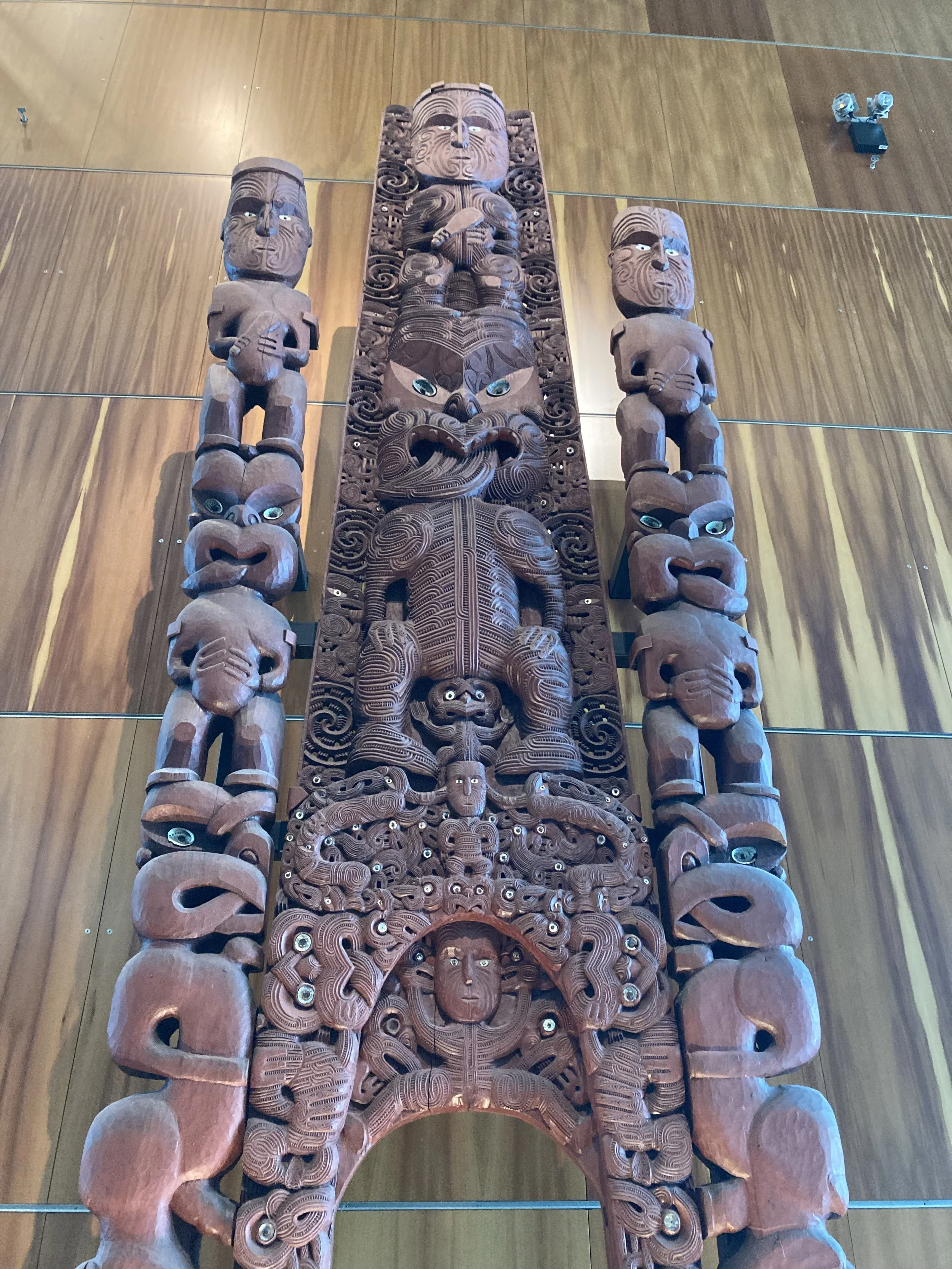
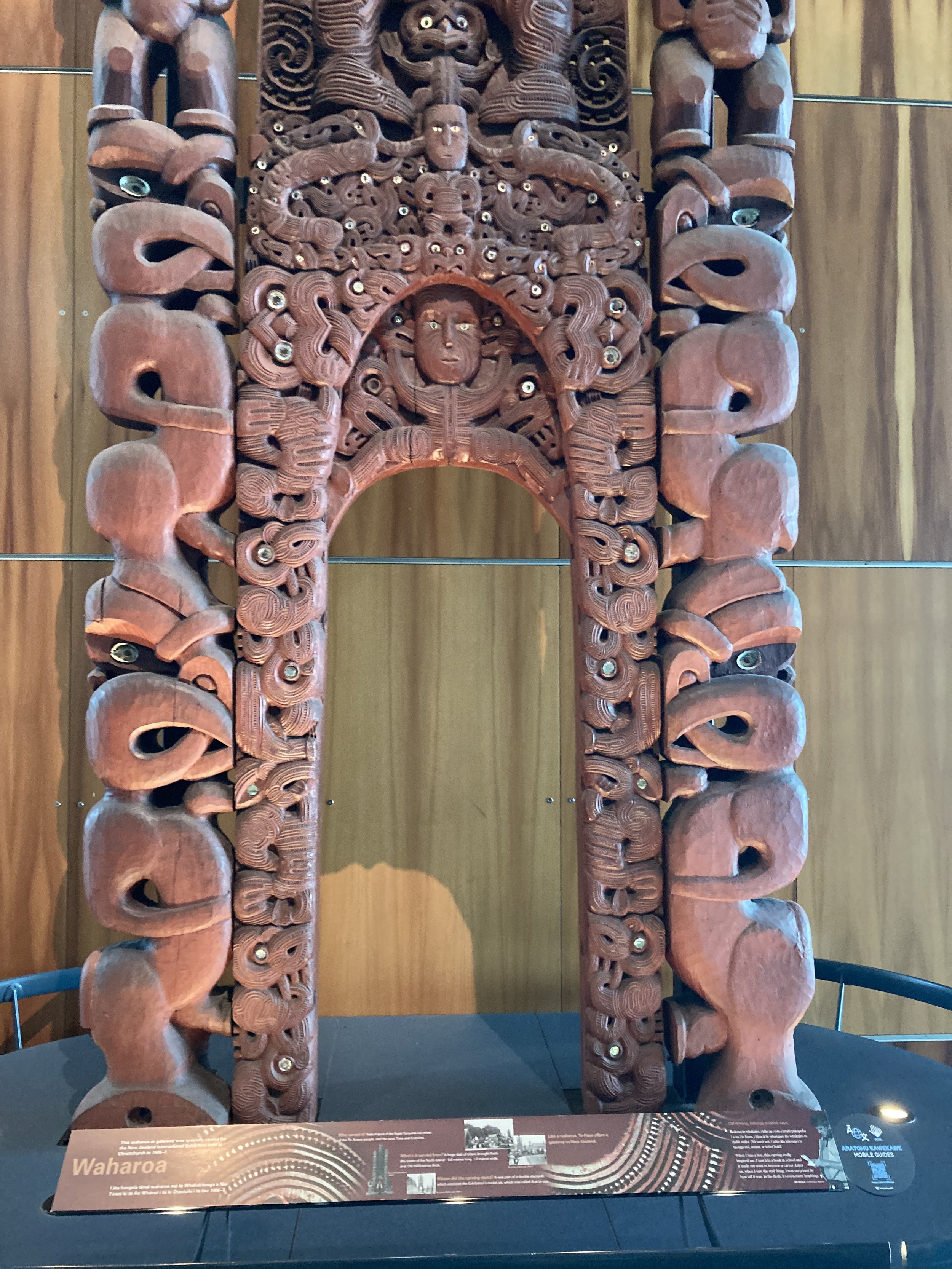
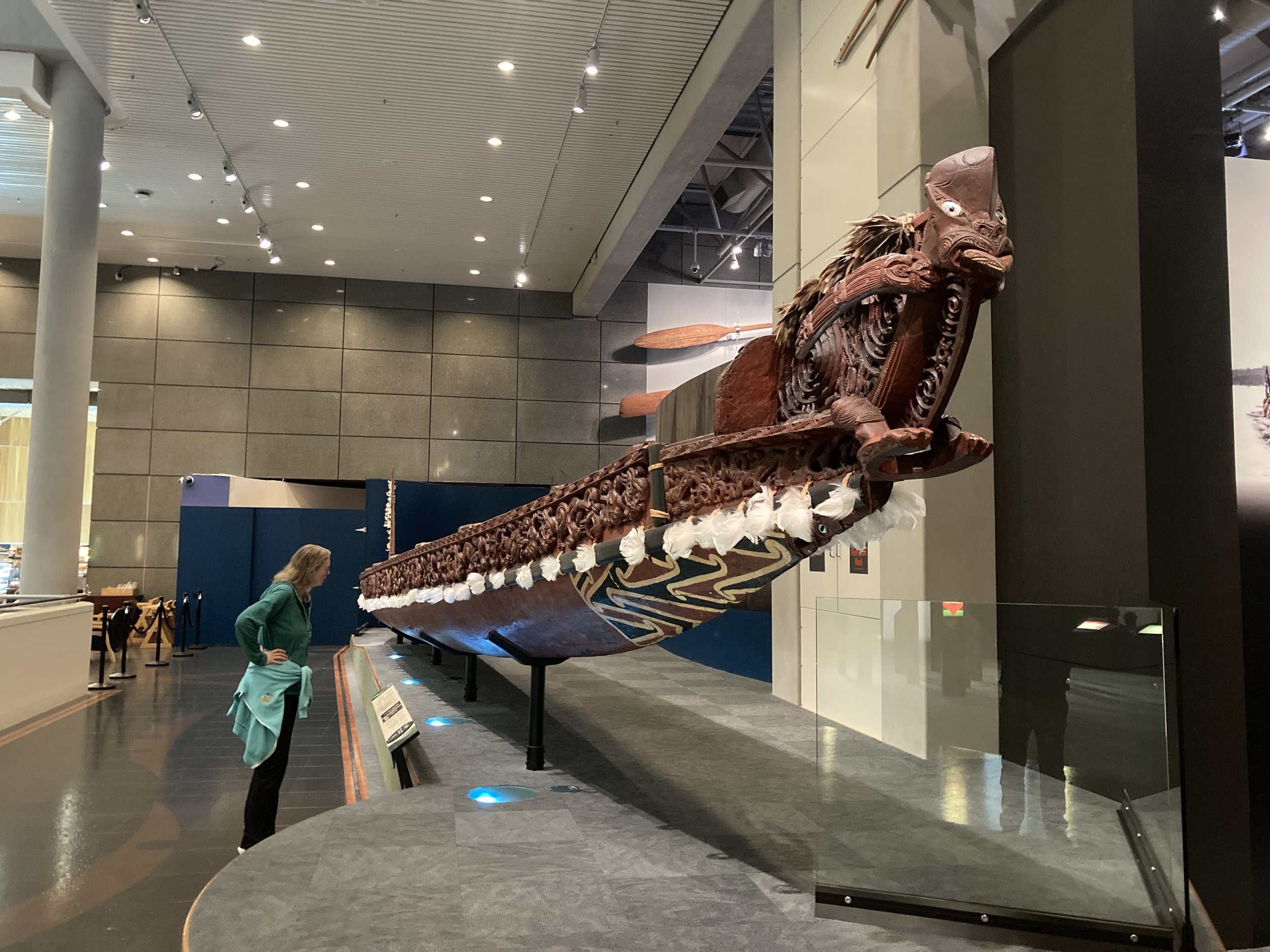
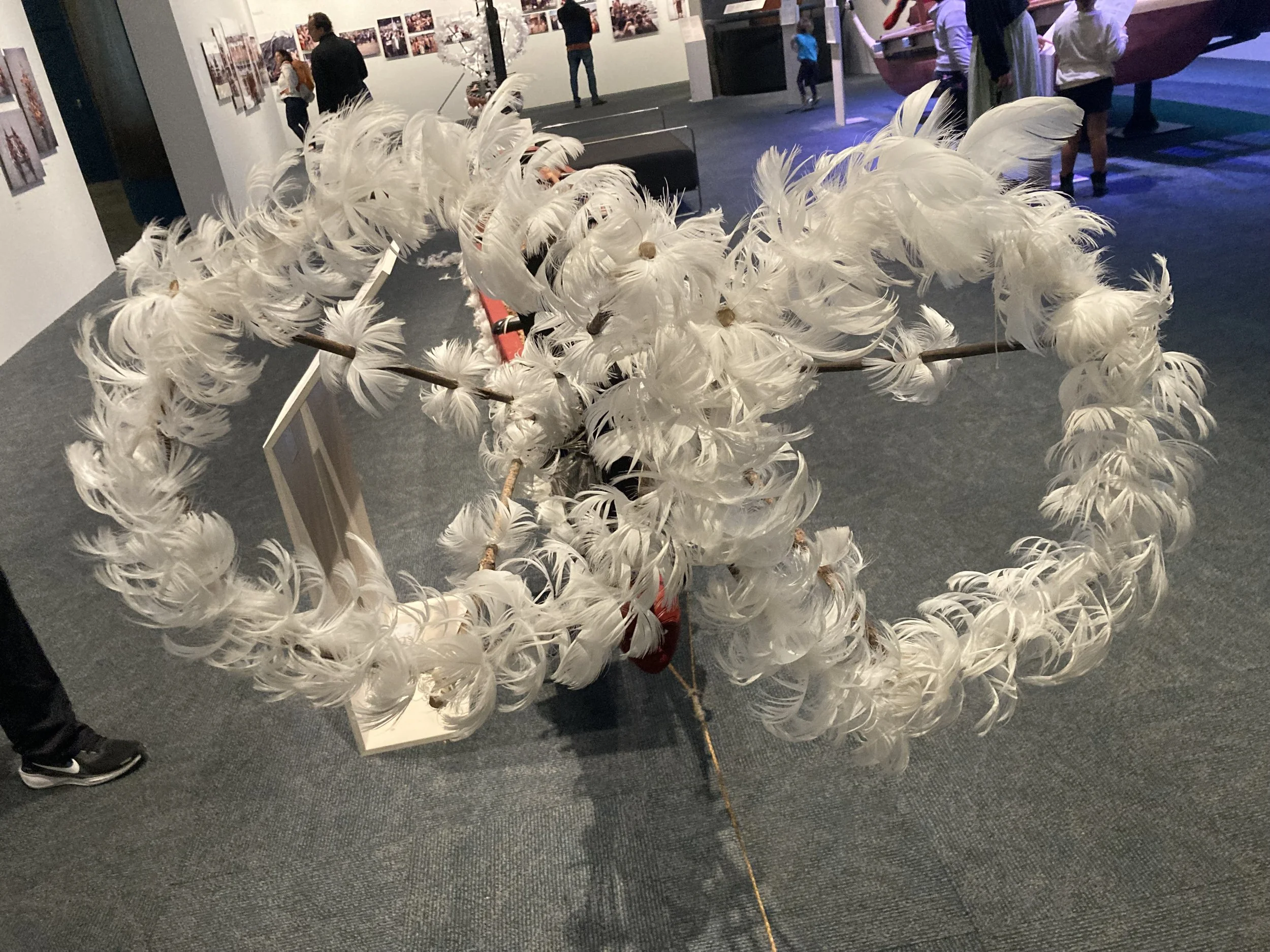
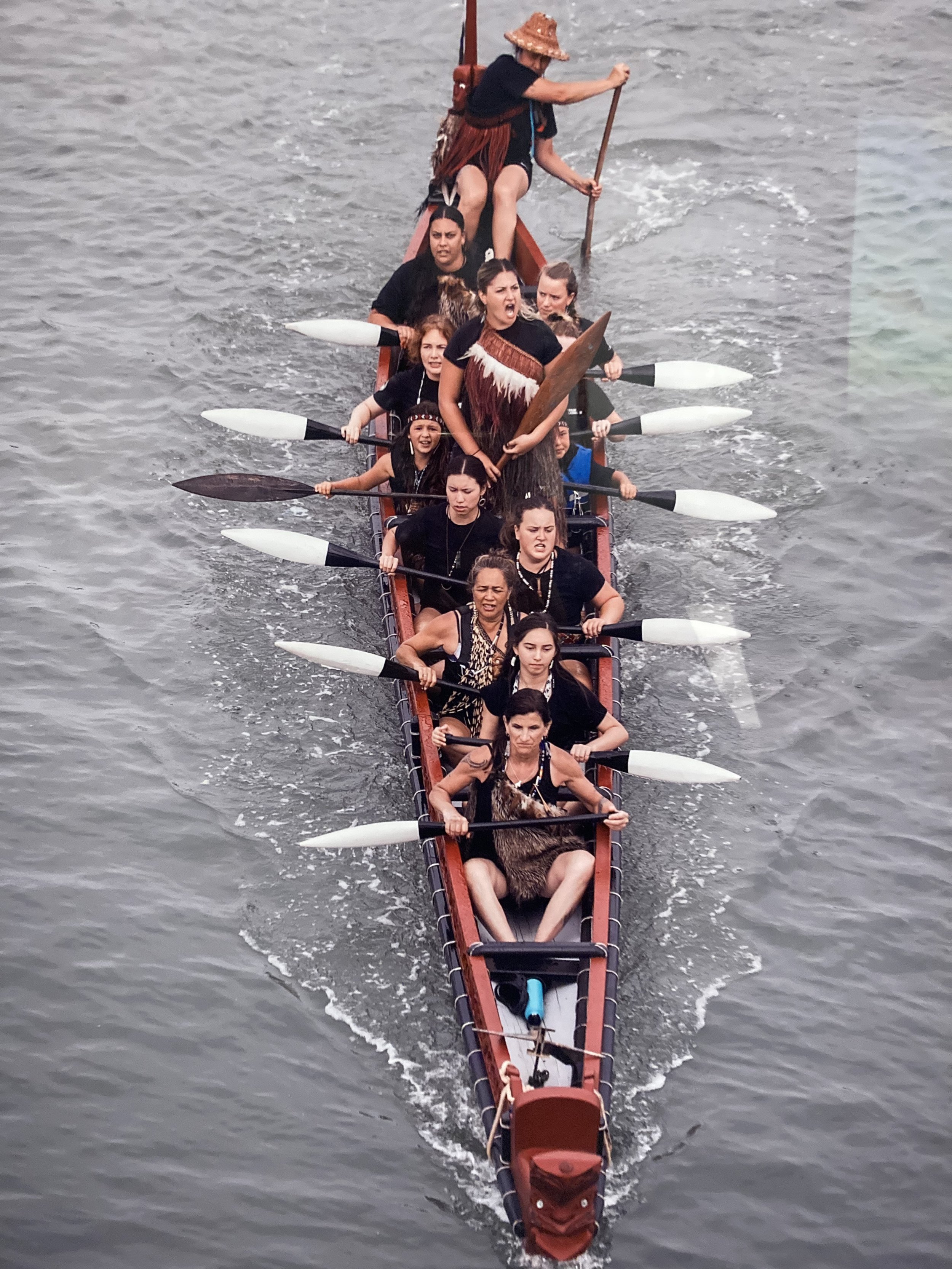
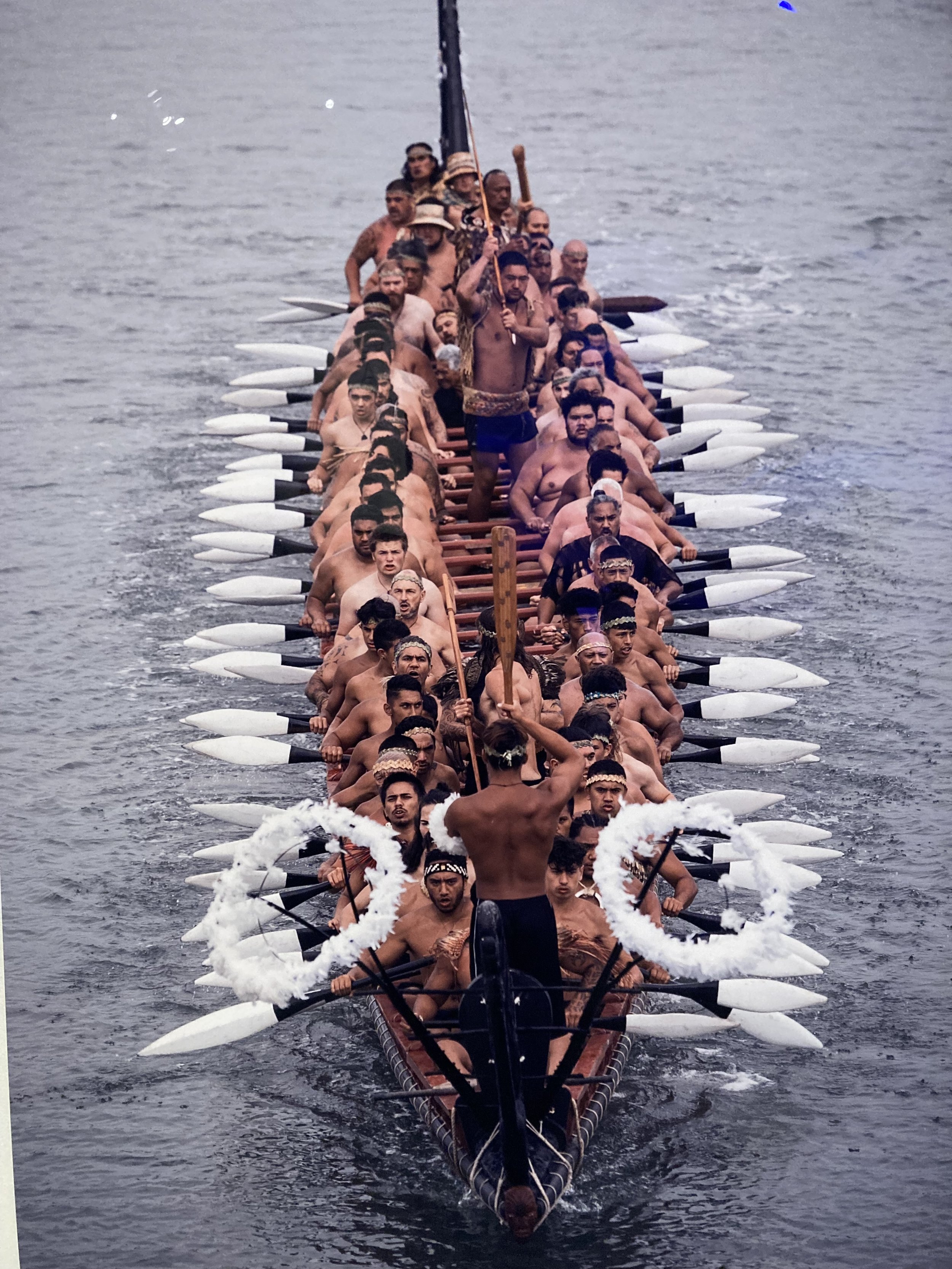
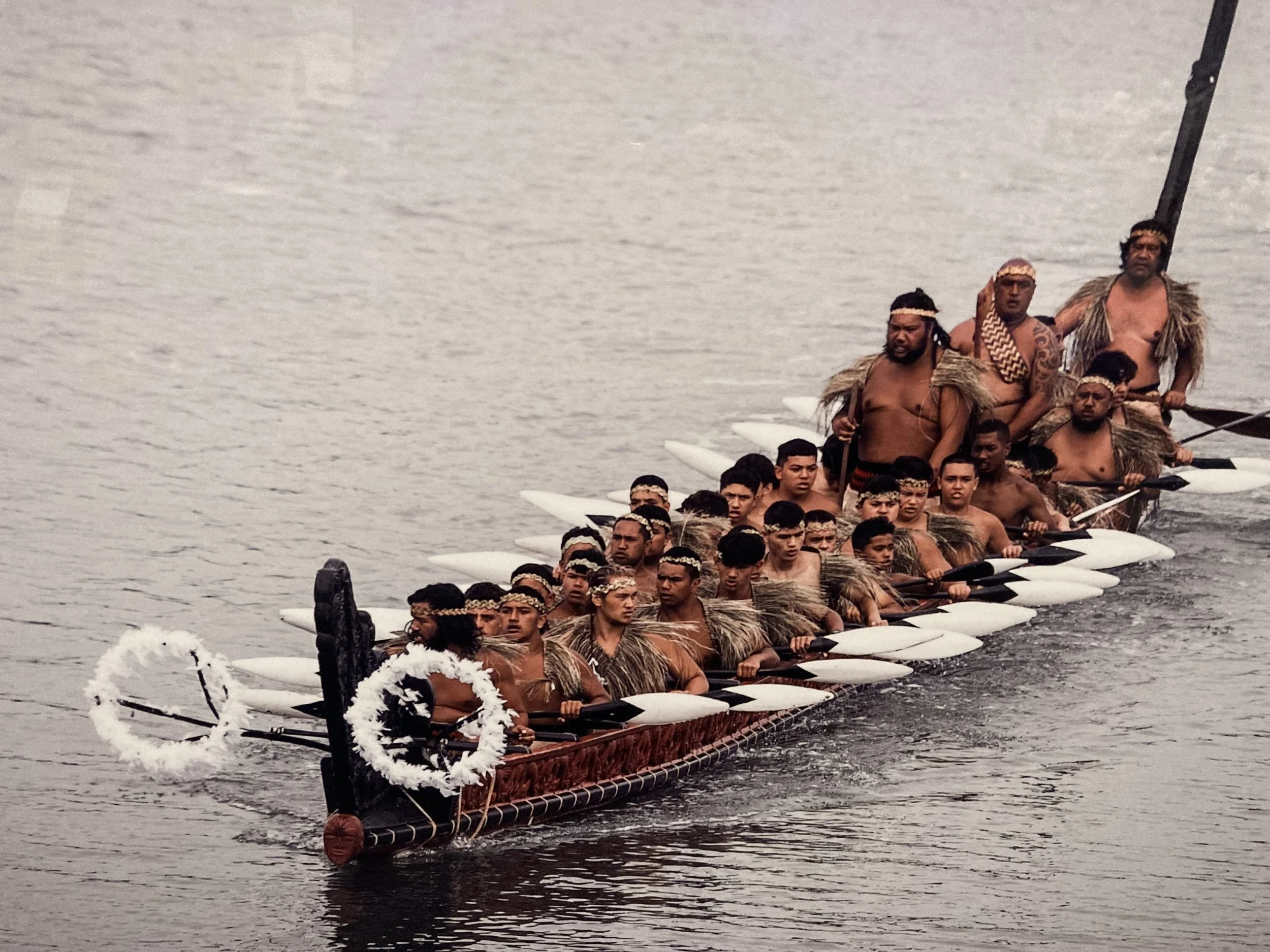
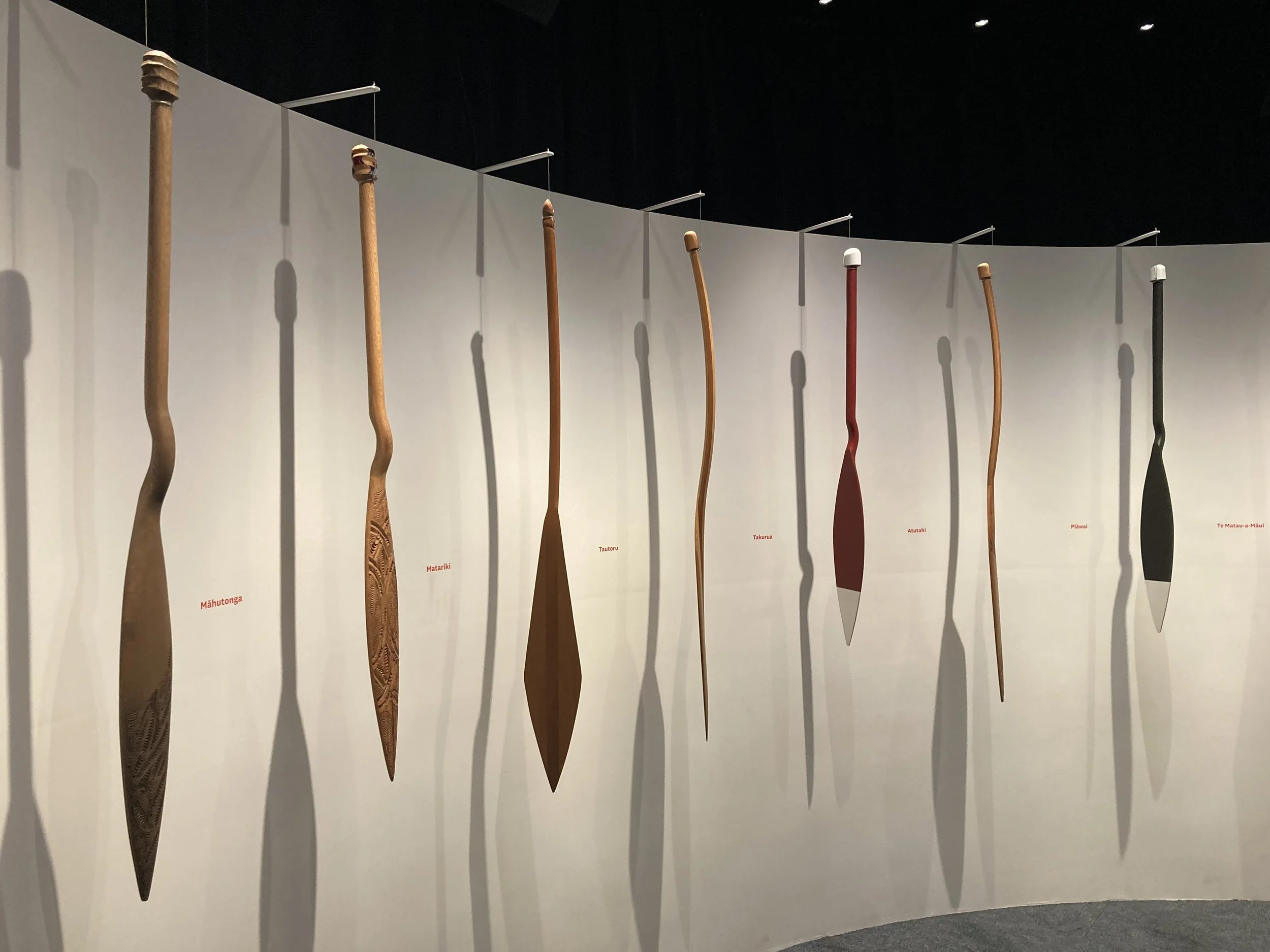
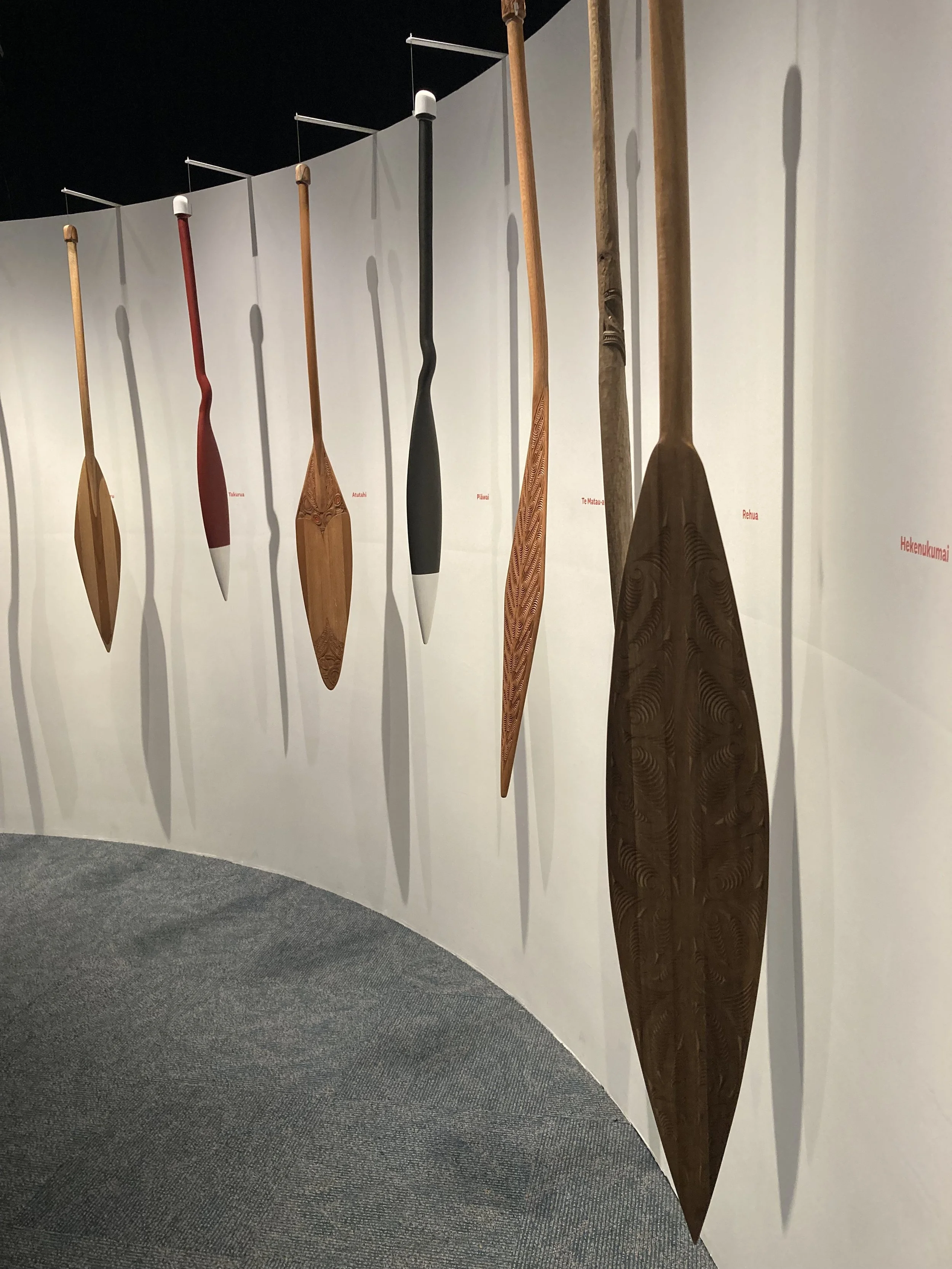
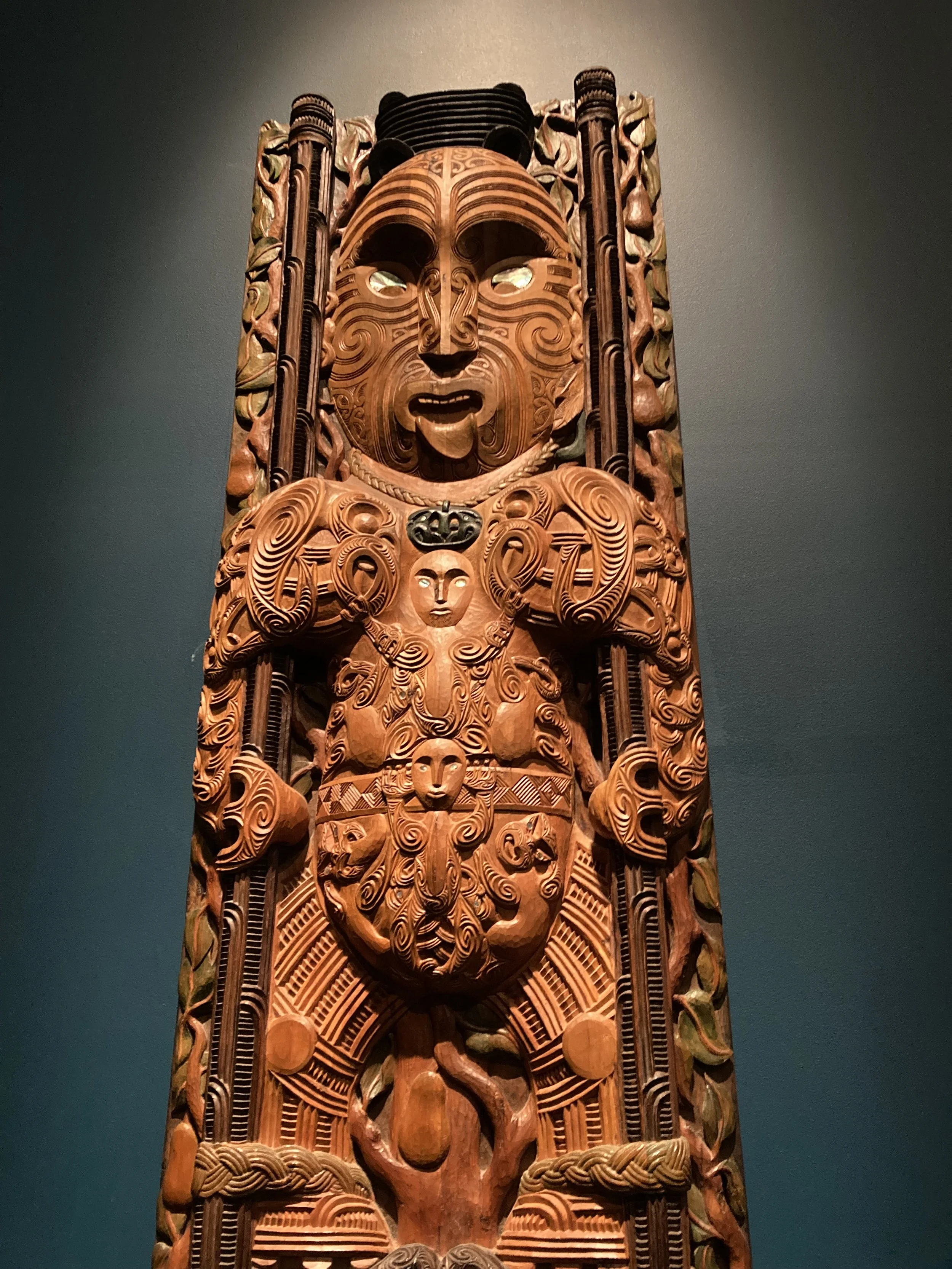
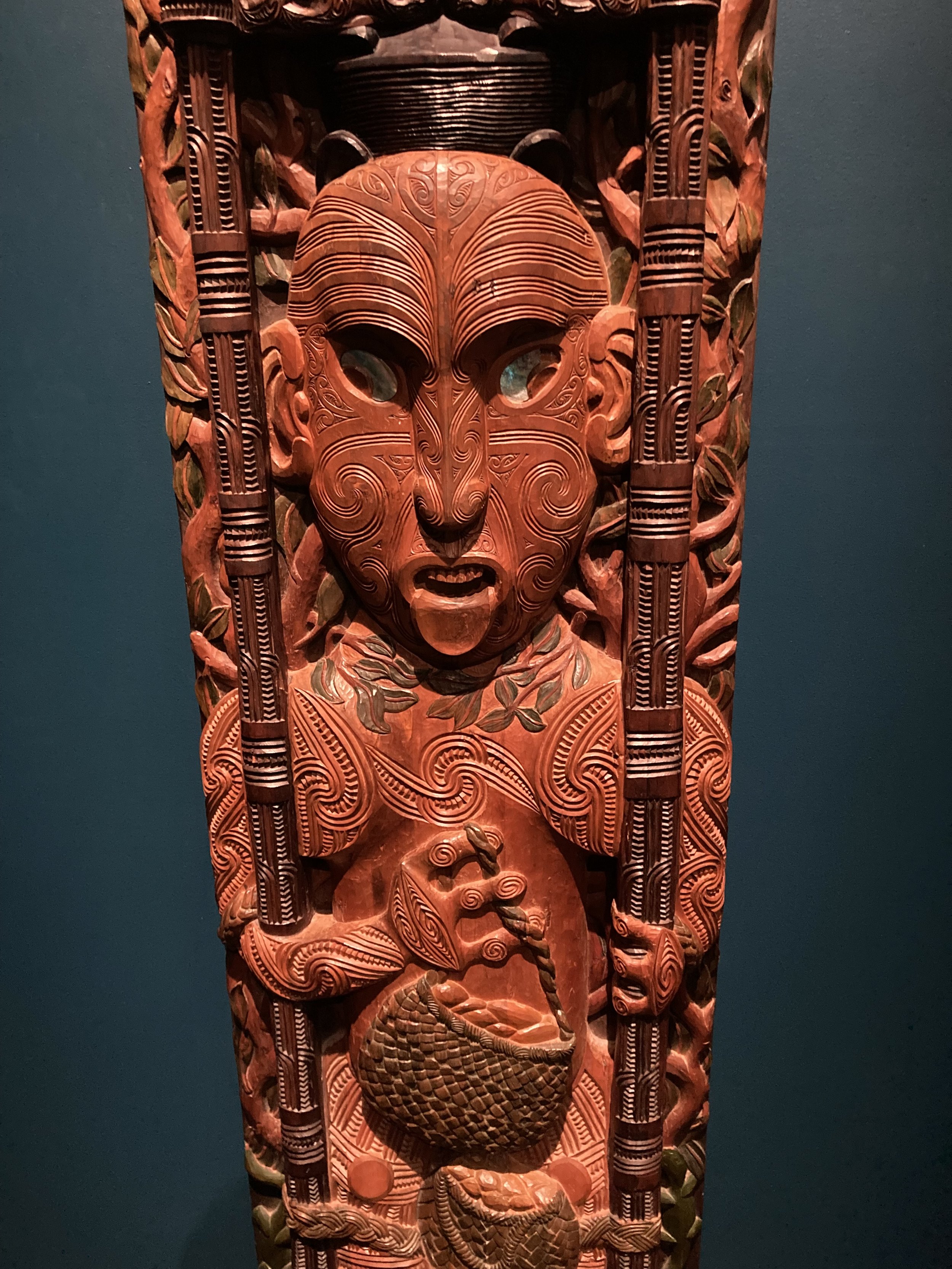
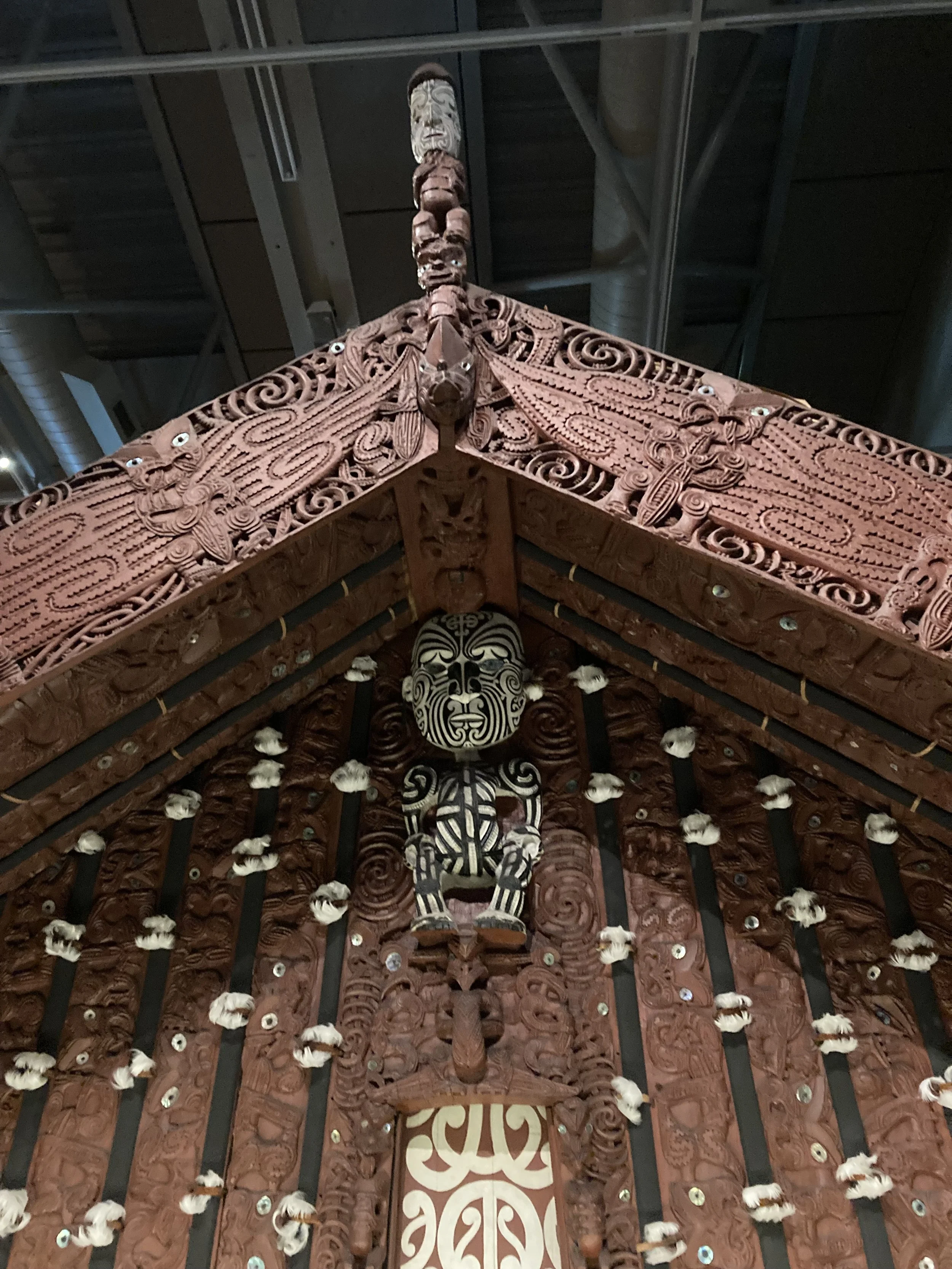
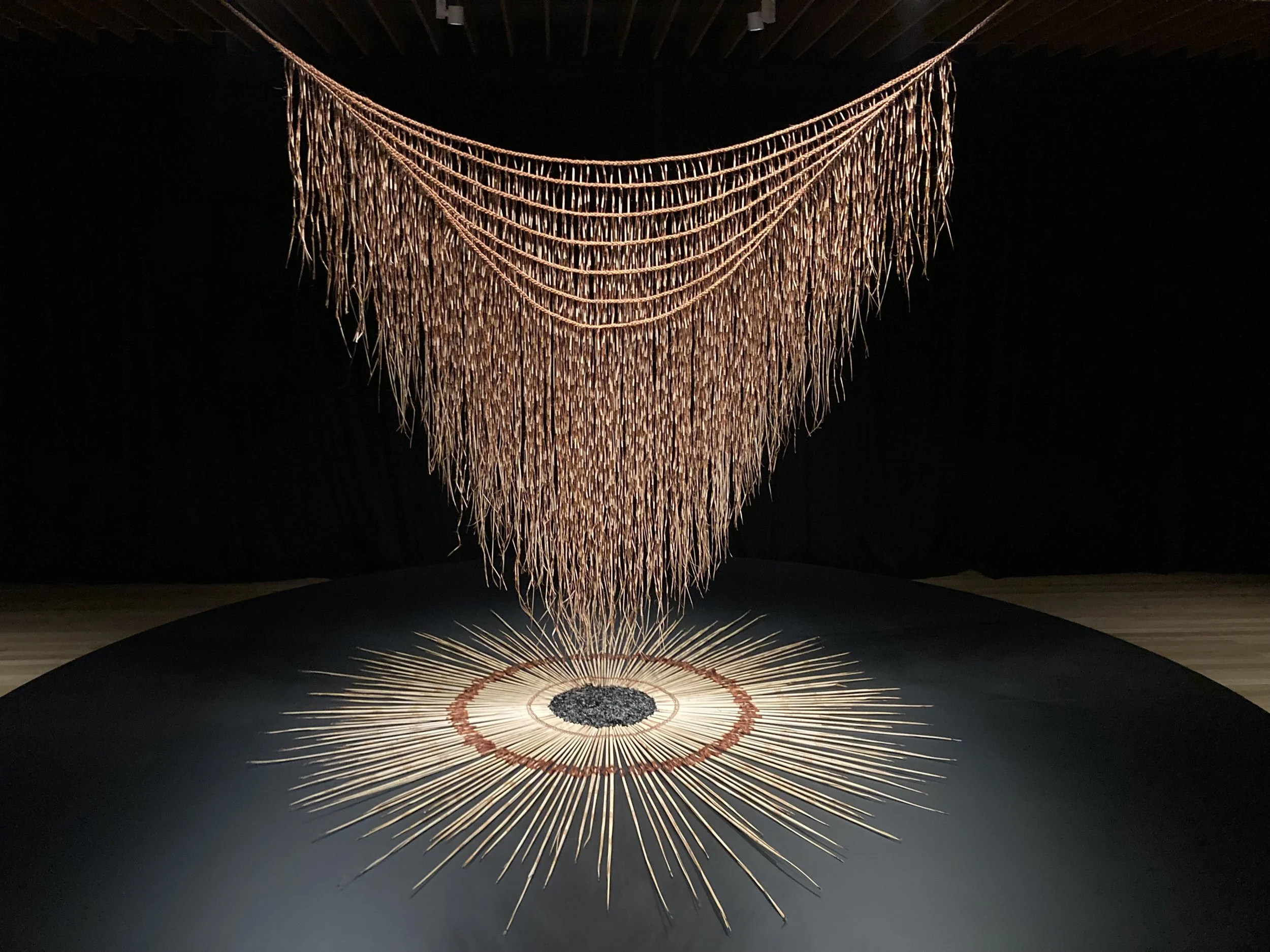
This one took my breath away. Fine, fragile and striking.
Elena and I opted to check out the earthquake exhibit as it was both an interactive “ride” as well as to compare how it felt to the many real life earthquakes we’ve both experienced on both coasts. We’ve had earthquakes in Santa Rosa, San Francisco and San Leandro (California) as well as Port Washington, New York. The exhibit was relatively gentle, but got the general feeling across.
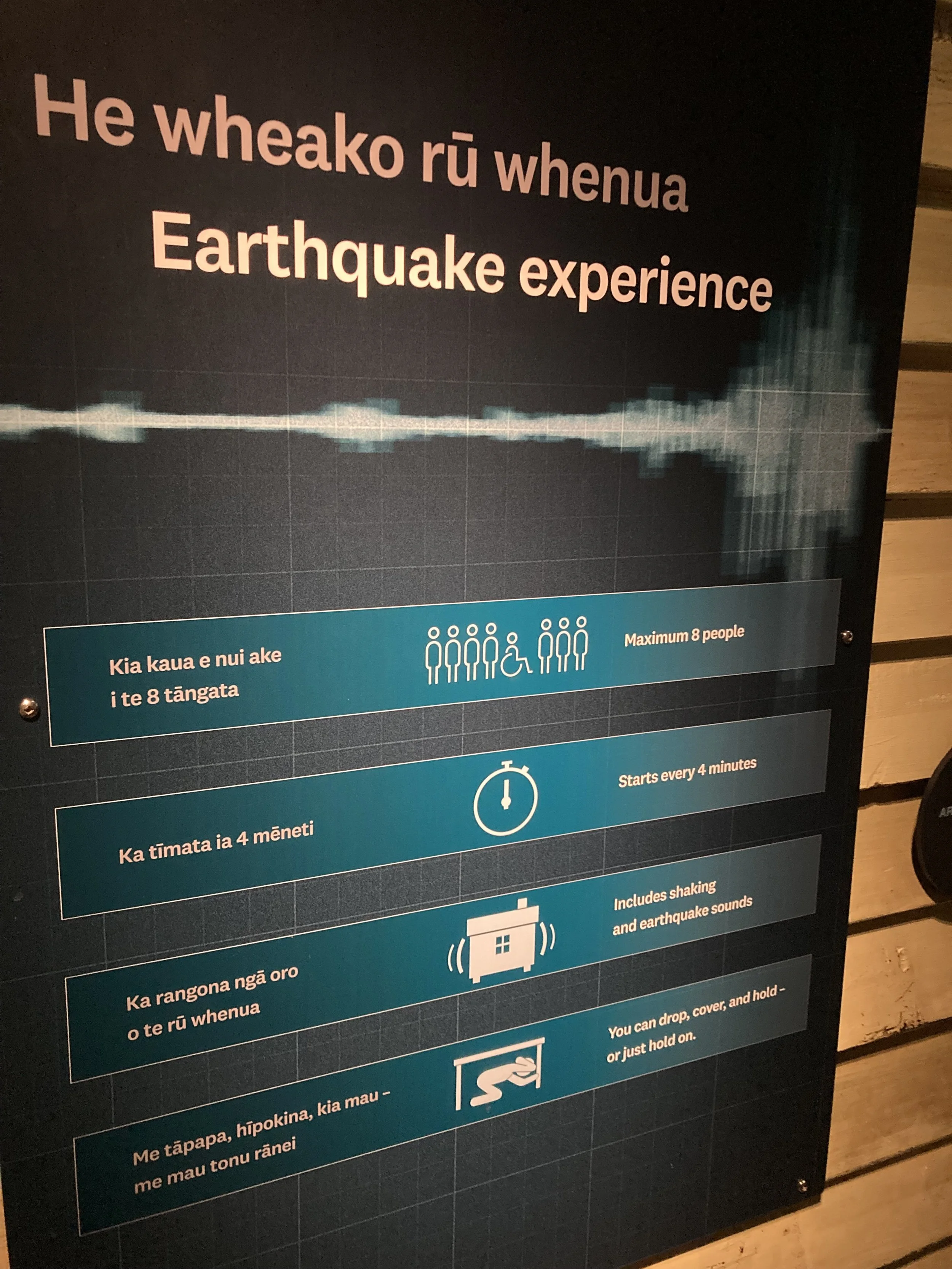
Only 8 allowed in the exhibit at once … just in case anyone panicked
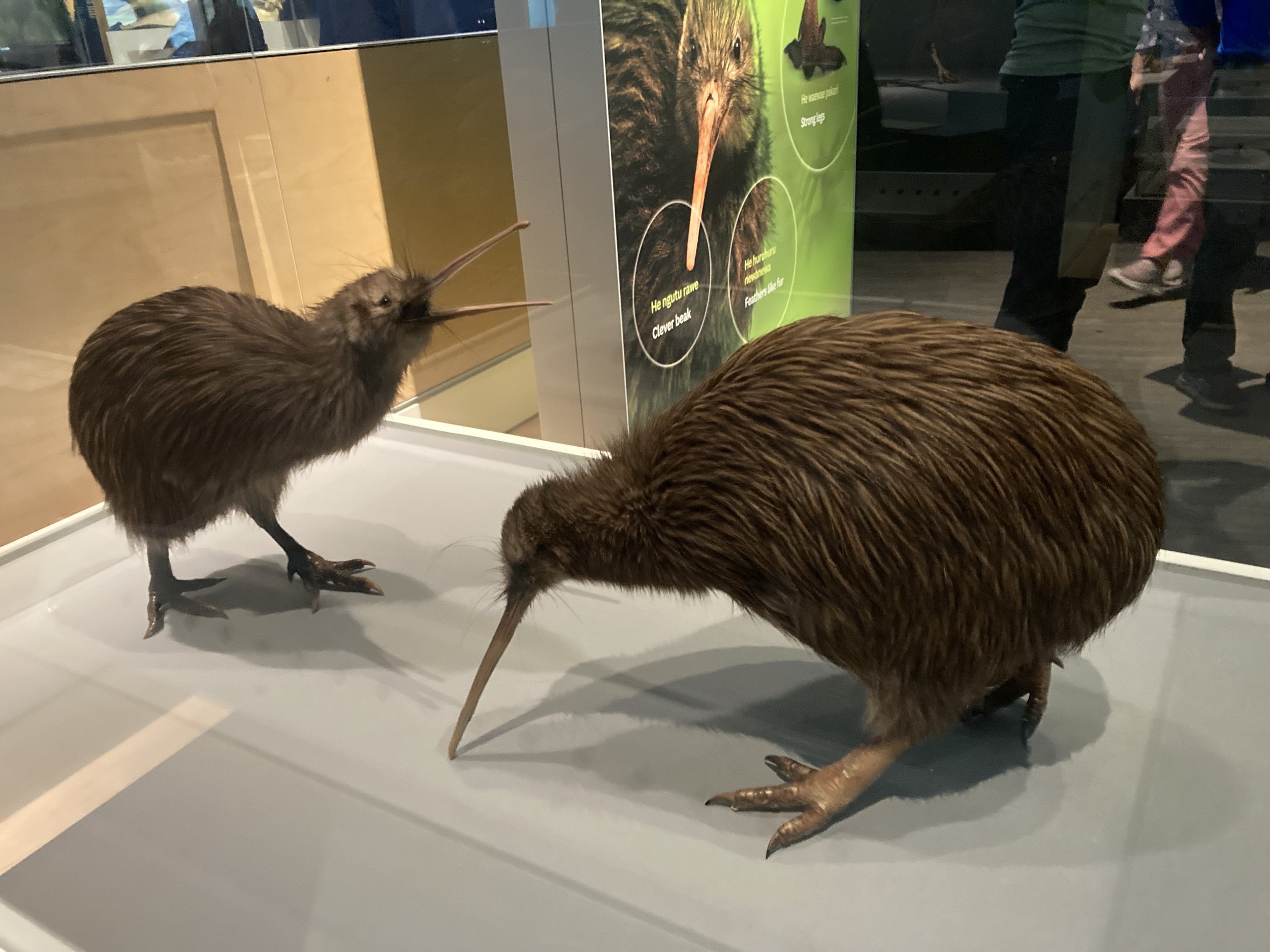
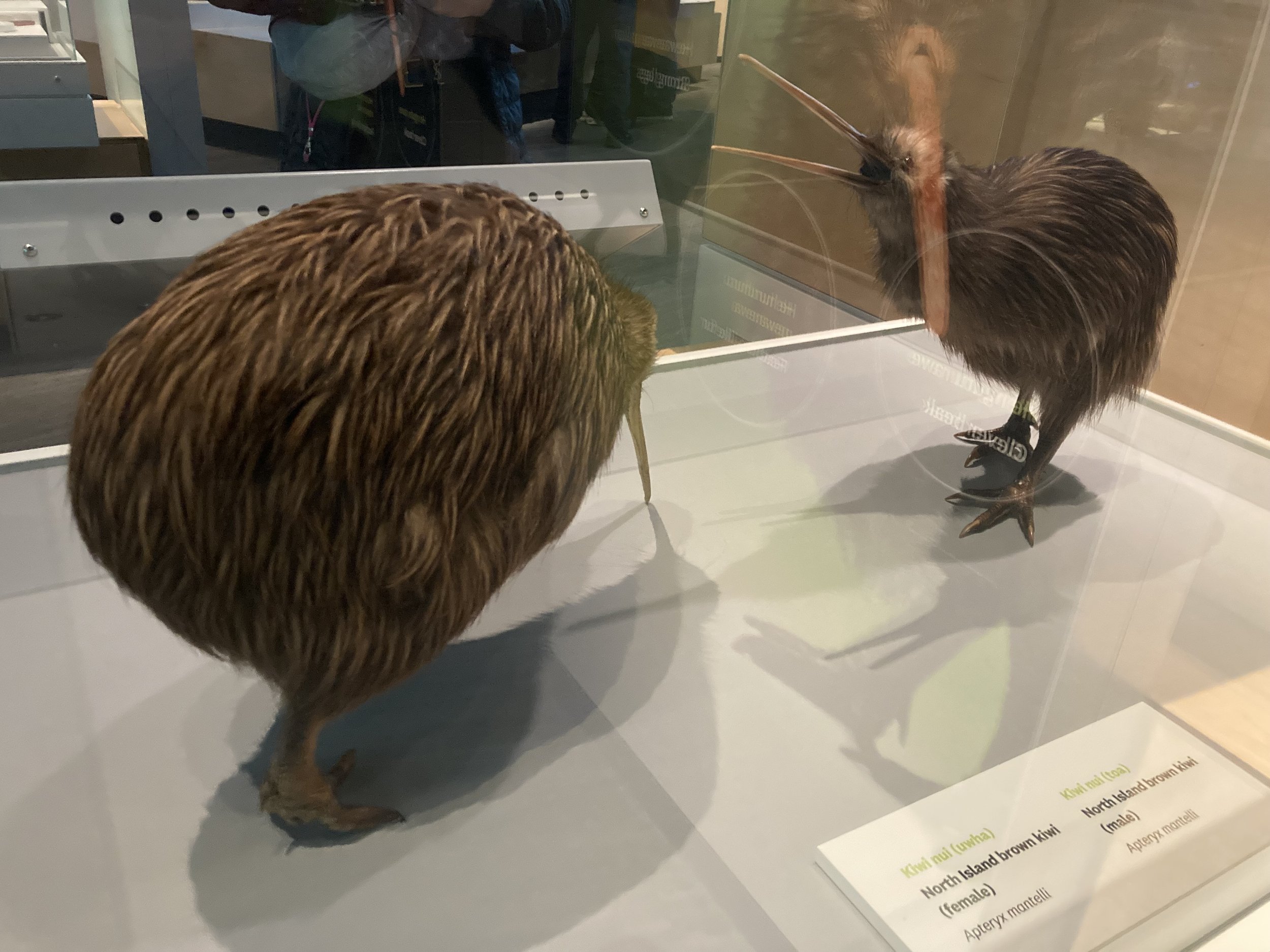
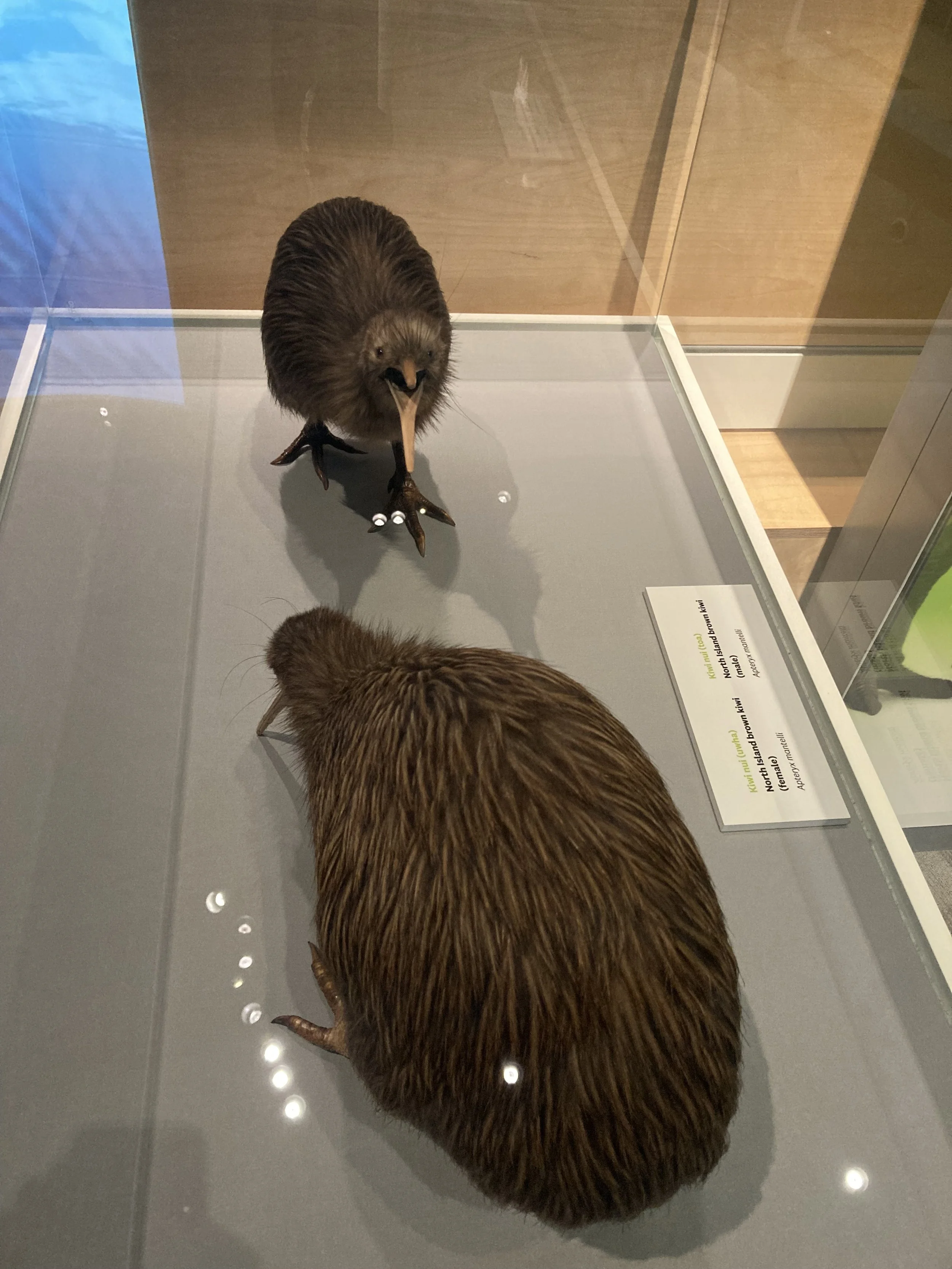
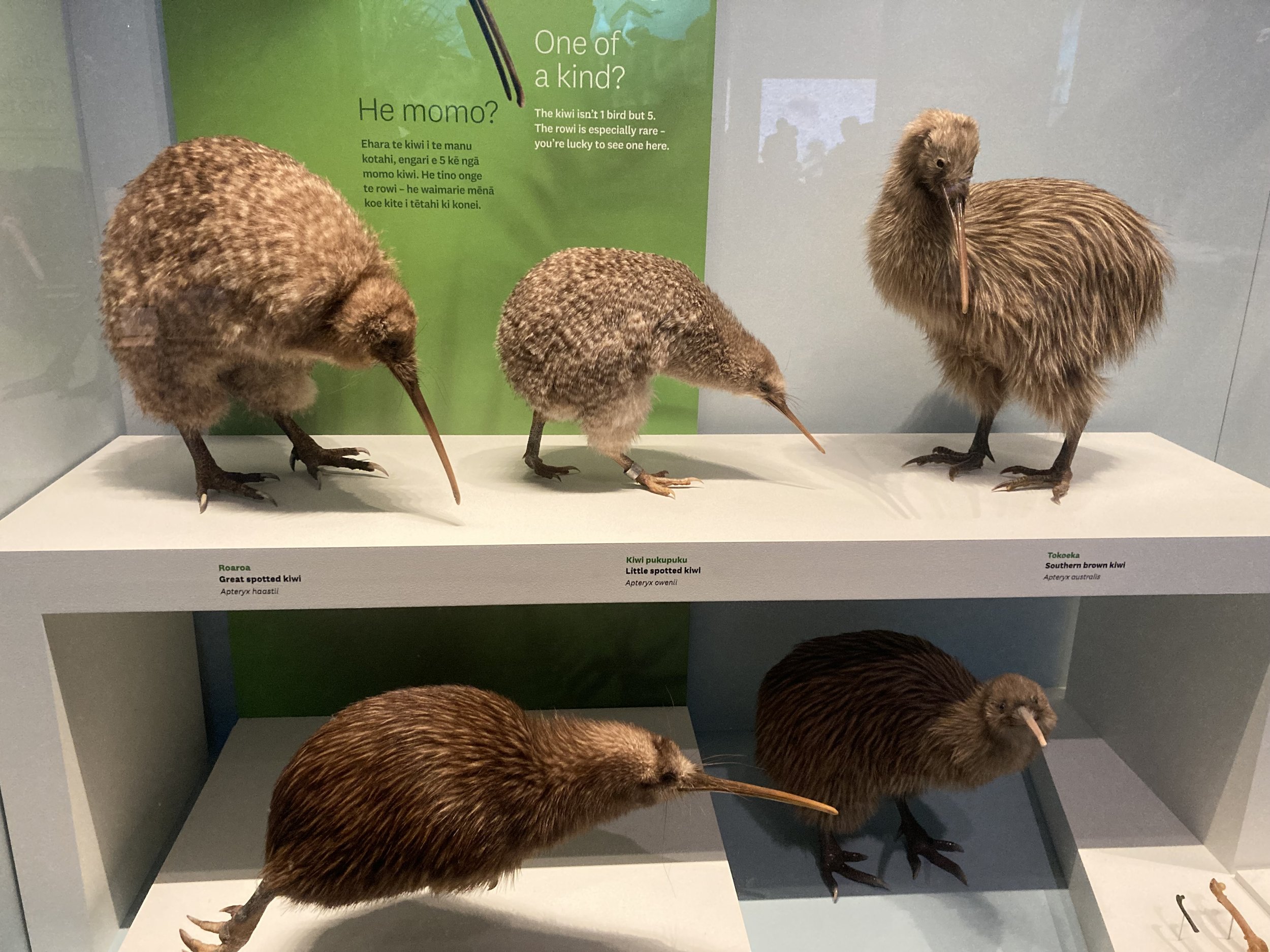
And, of course, there’s the many animals of New Zealand — many unique to this part of the world like the beloved Kiwi bird. When I first heard New Zealander’s referred to as “Kiwis” I thought the term of endearment was in reference to Kiwi fruit, not these flightless birds with 3 centimeter wings (which are nearly impossible to see on them).
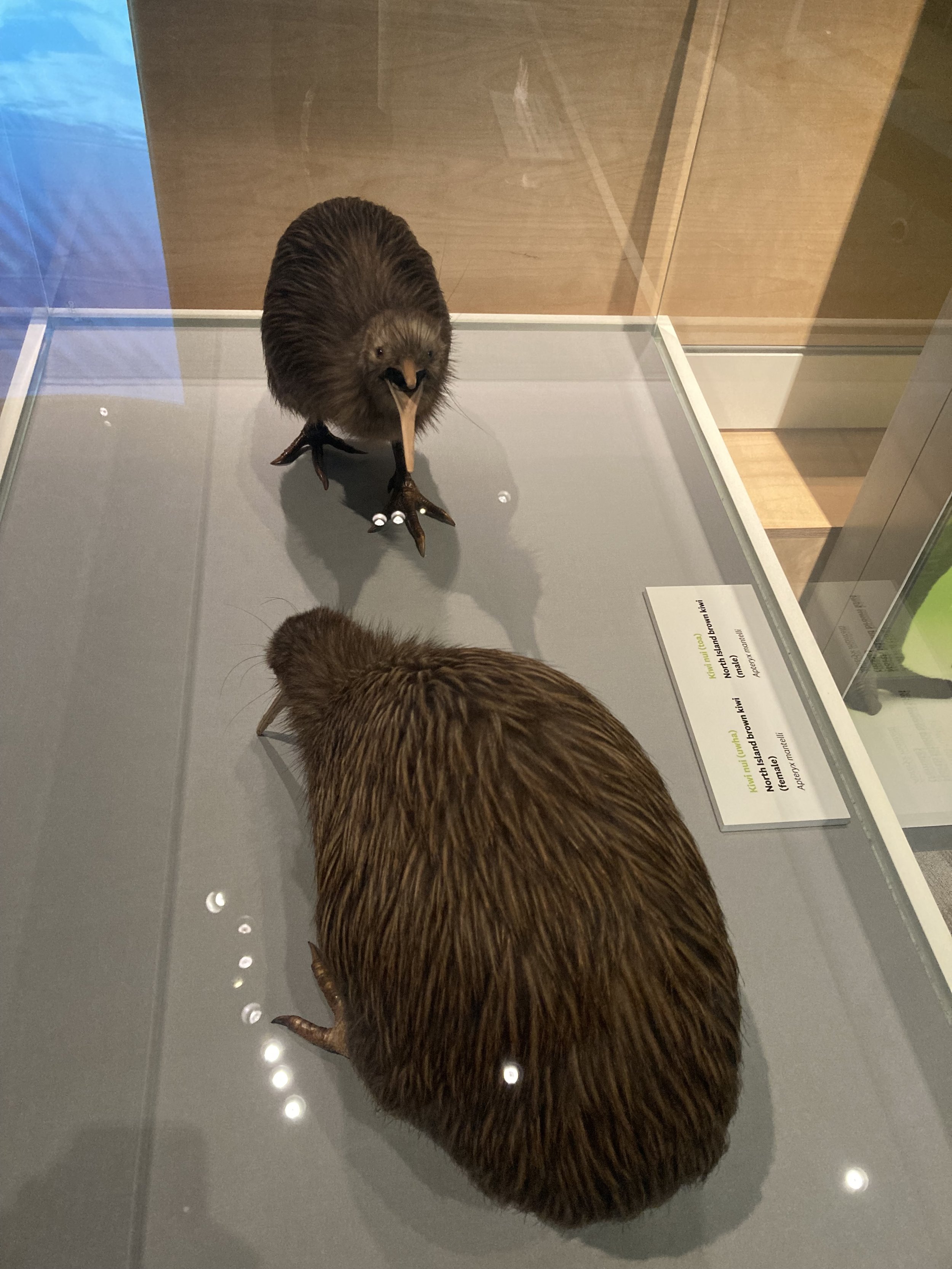
Picturing these stuffed Kiwis through the glass exhibit
Lastly, Elena and I poked our heads out of the 6th floor roof terrace to see the surrounding city of Wellington. This is where we experienced the really powerful winds of the city.
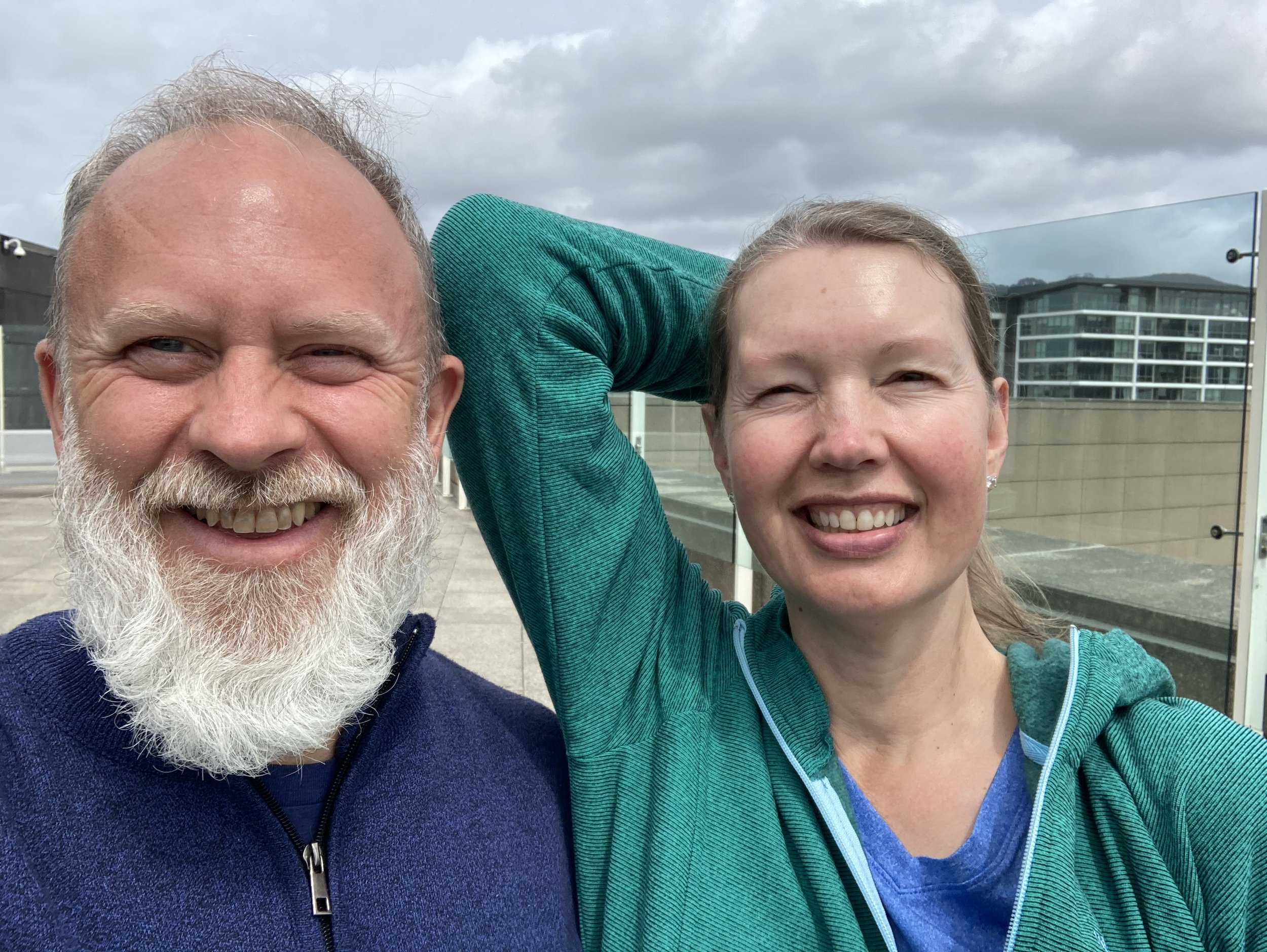
Elena is holding her hair back as the winds blow about on the 6th floor
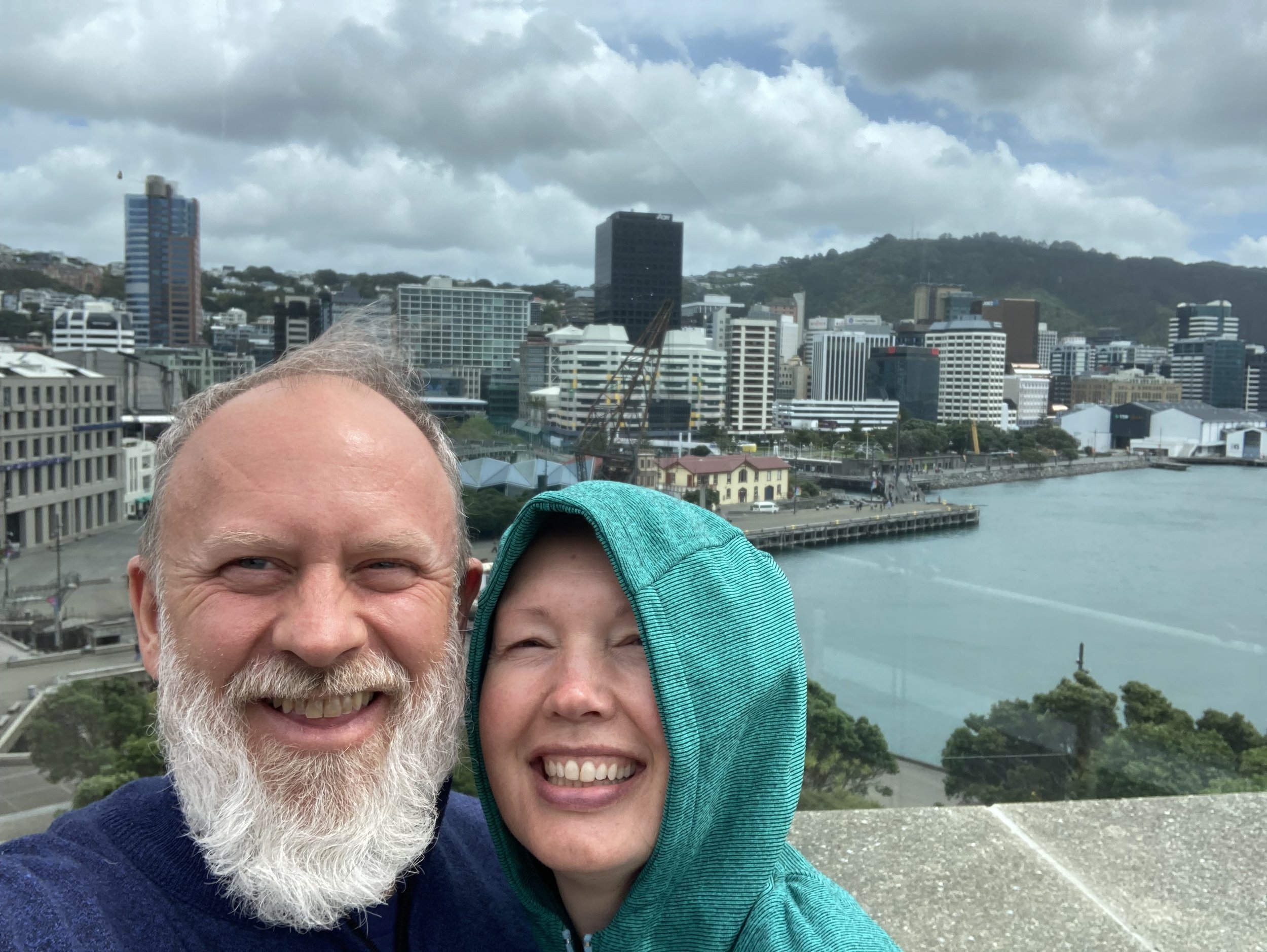
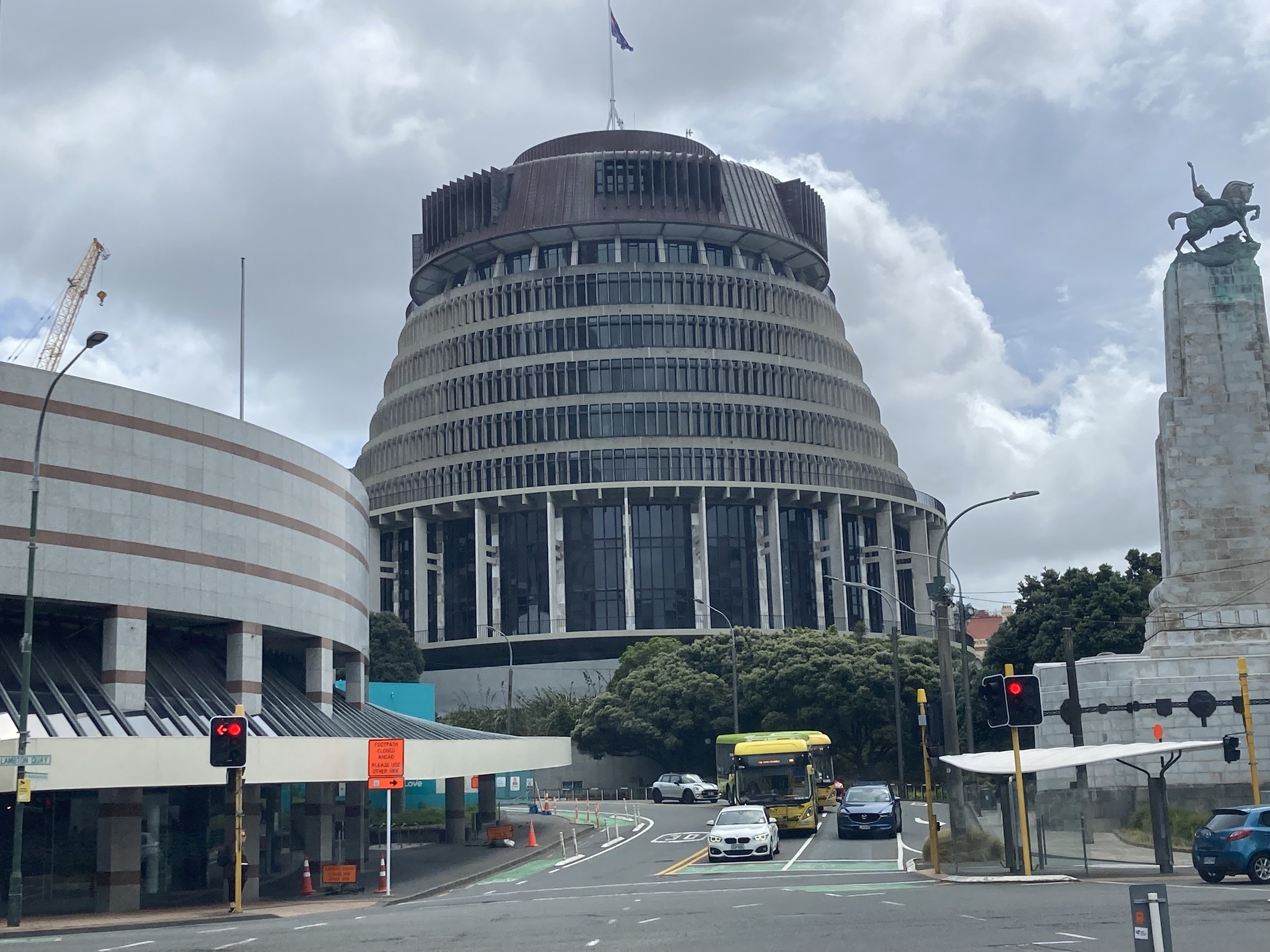
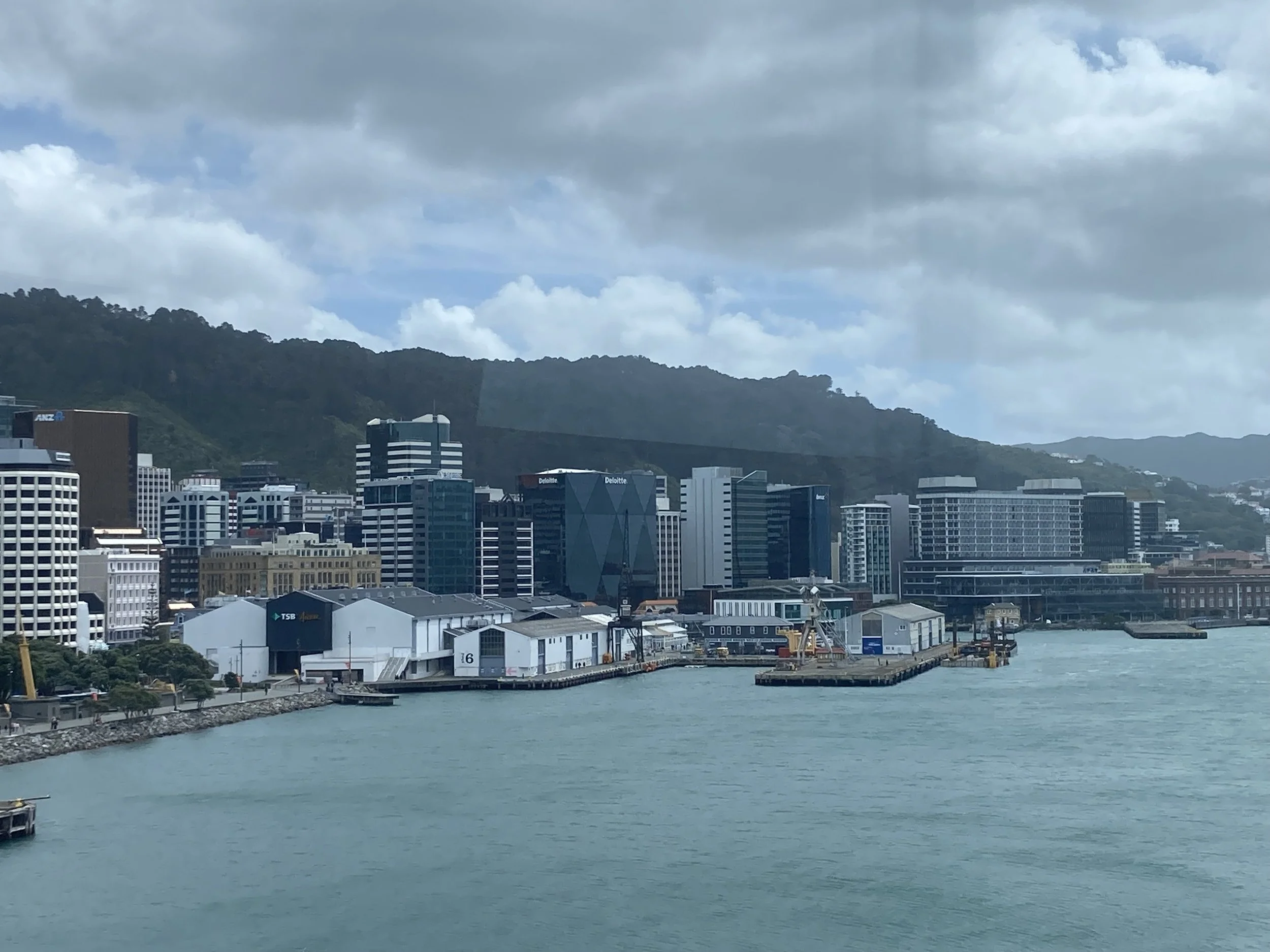
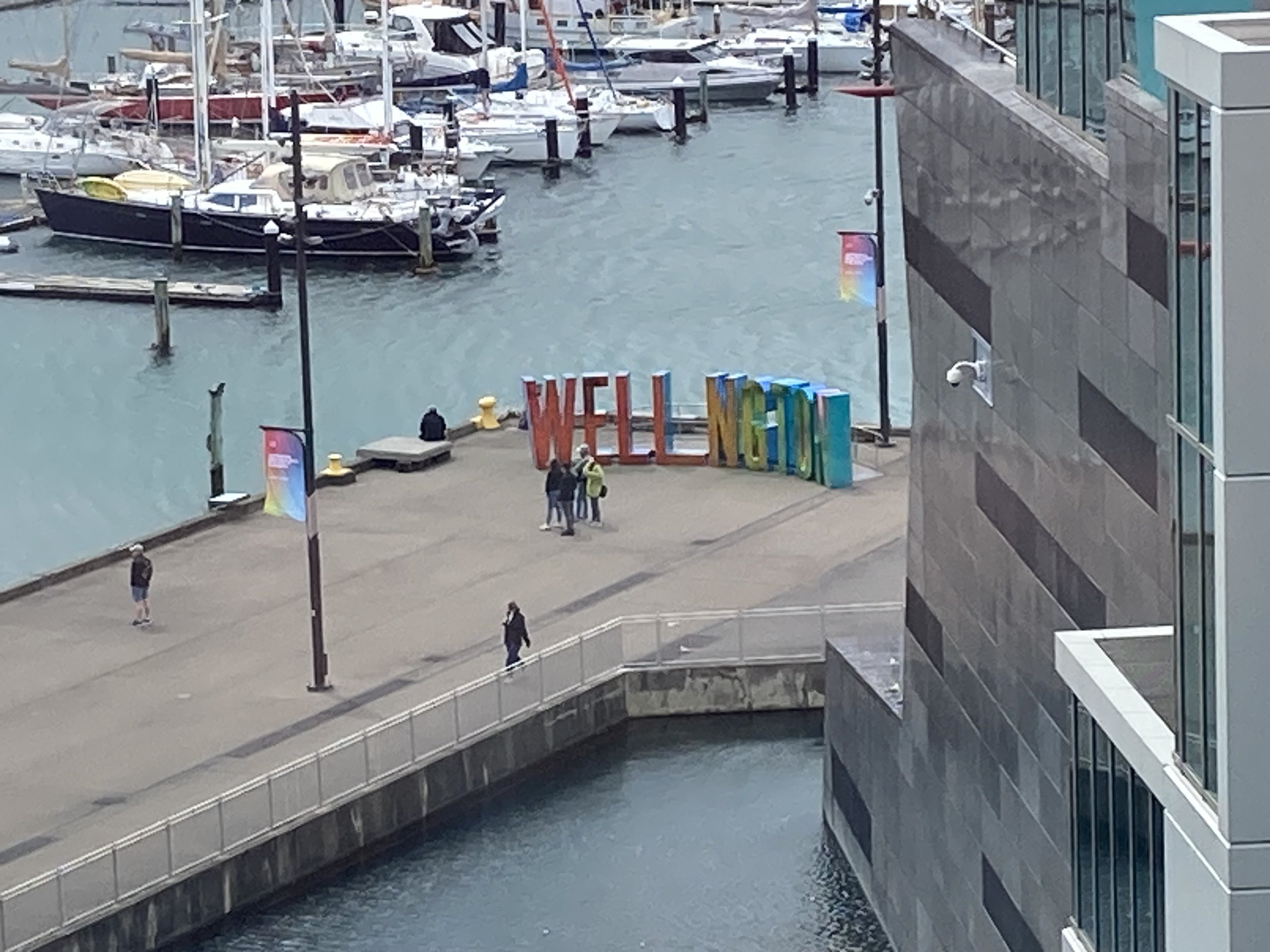
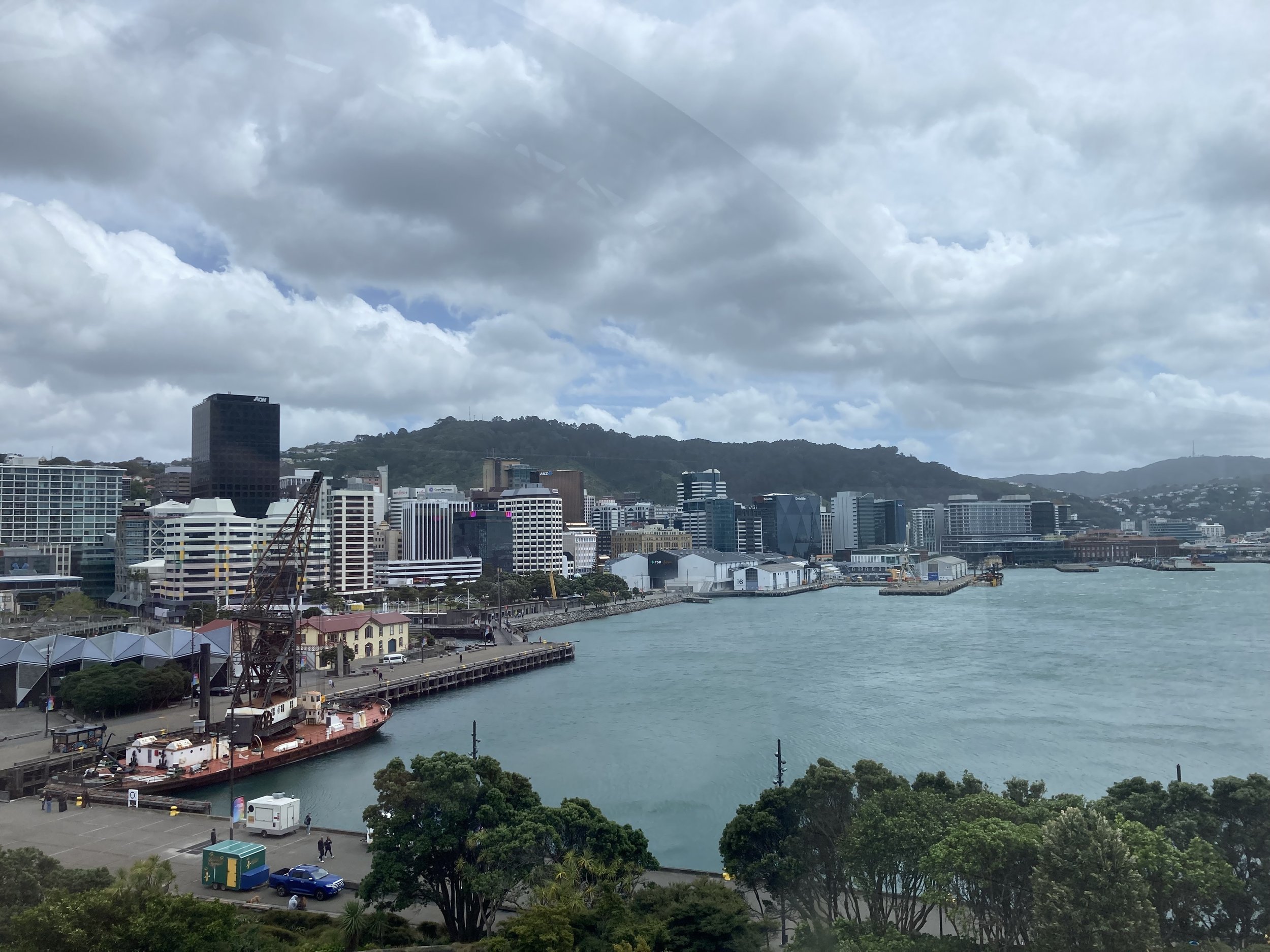
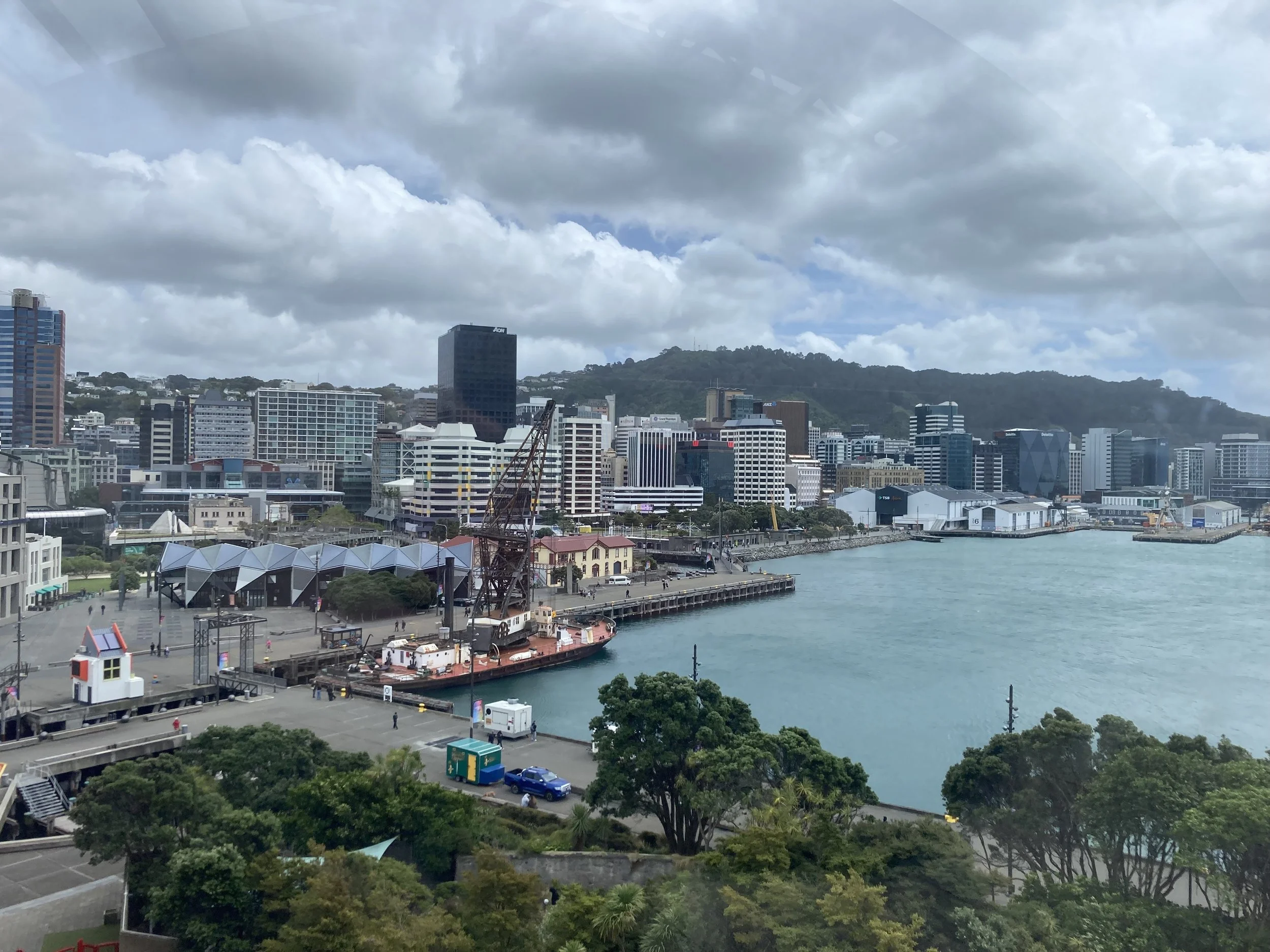
While this has been a relatively short stay in Wellington, it’s been quite an adventurous one. Prior to this visit, the only “Wellington” I was aware of was the Beef Wellington variety which is suspected to have been named in honor of Arthur Wellesley, the 1st Duke of Wellington, to celebrate his victory over Napoleon at the 1815 Battle of Waterloo.
In talking about this, Elena looked up a restaurant here in Wellington, New Zealand that actually serves Beef Wellington. Cute, right? Tonight all three of us will dine on Beef Wellington in New Zealand’s capital, Wellington just so that we can say we ate “Wellington in Wellington.”